Computational genomicist. Interests include transcription and transcriptional regulation. Assoc. Prof. at Univ. of Copenhagen. @randersson.bsky.social
Joined January 2011
- Tweets 3,547
- Following 711
- Followers 2,252
- Likes 2,366
65 Photos and videos

26 Jun 2025
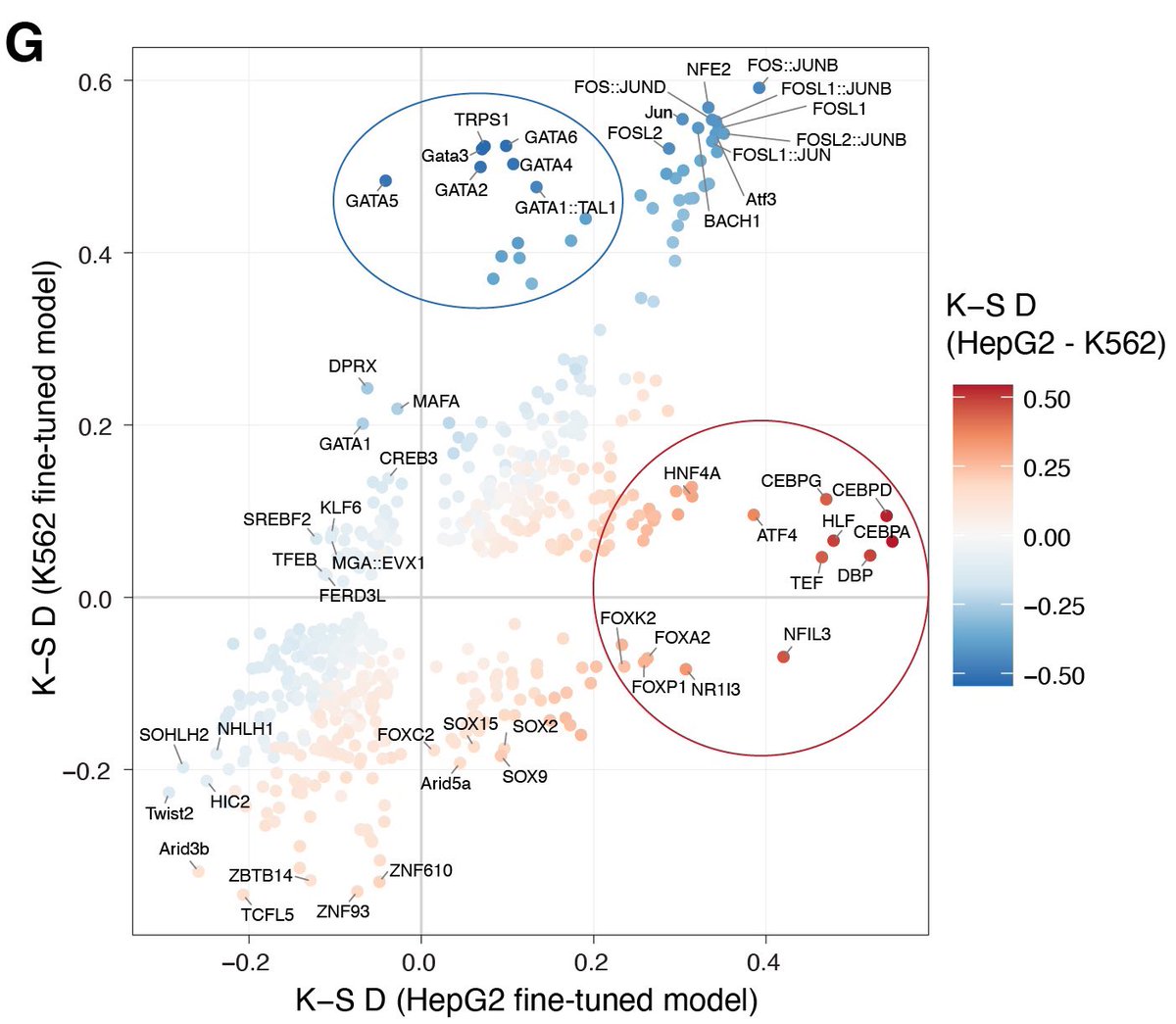
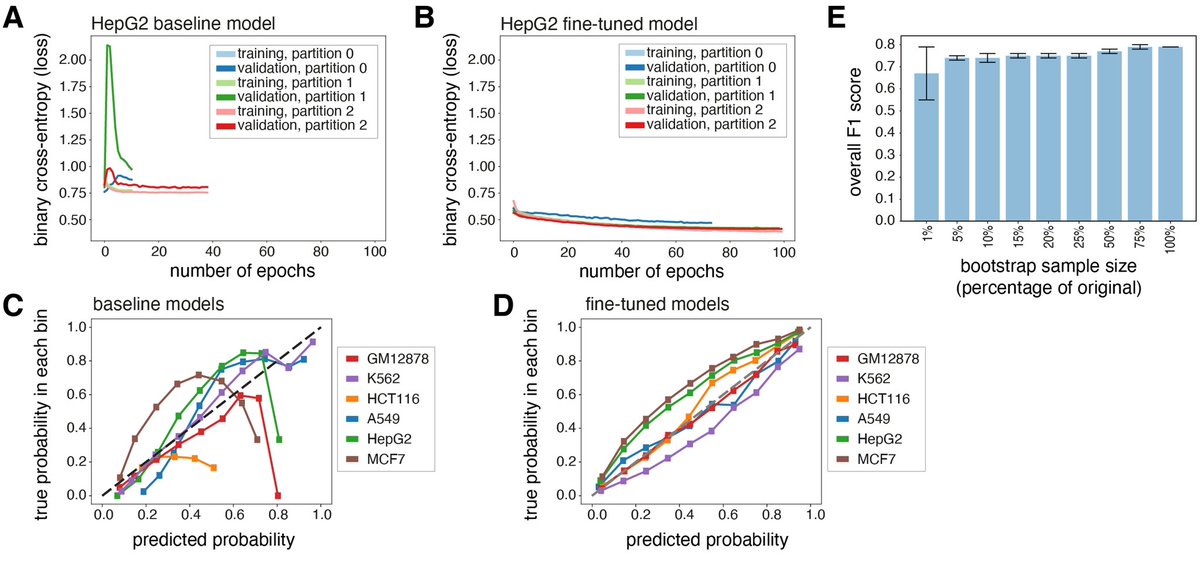
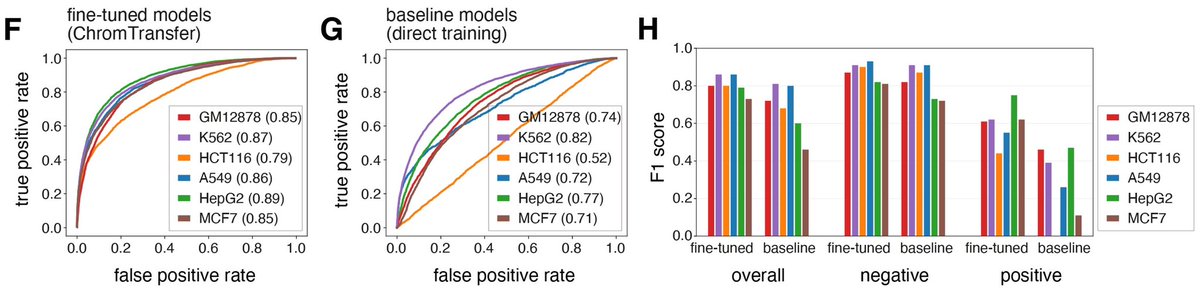
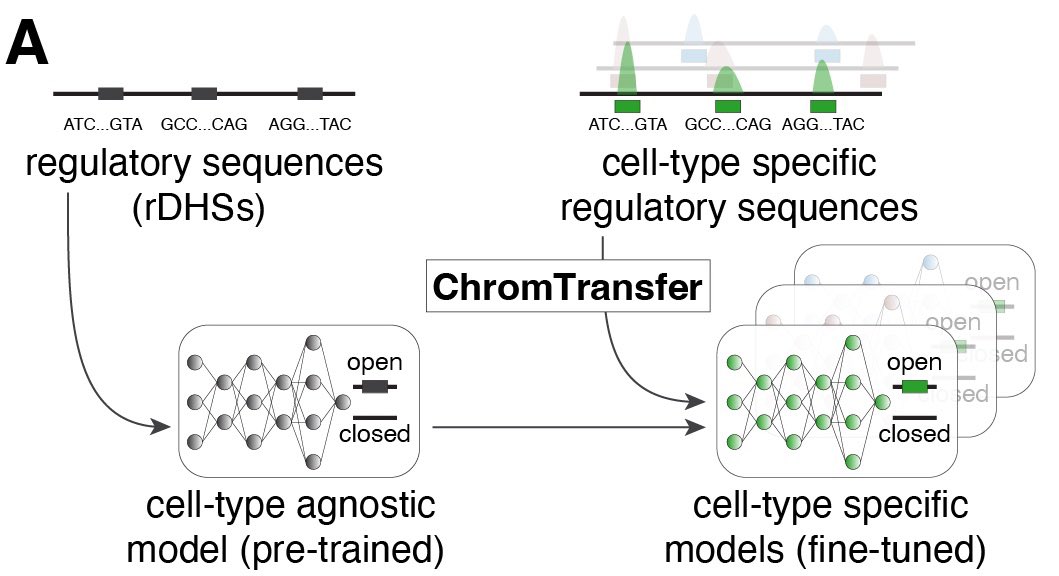
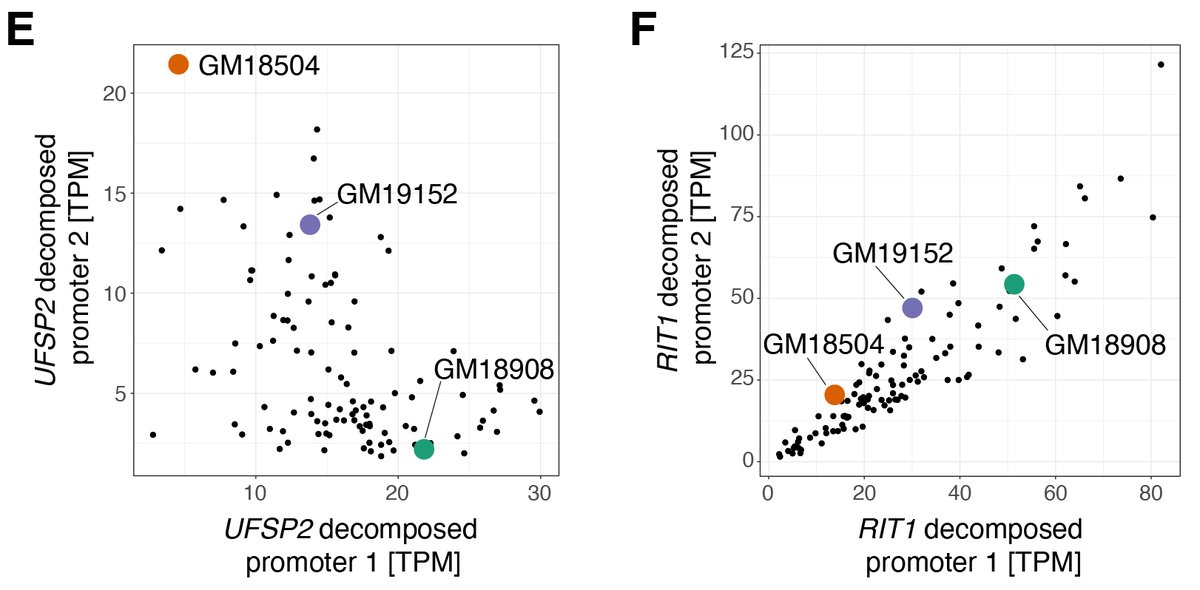
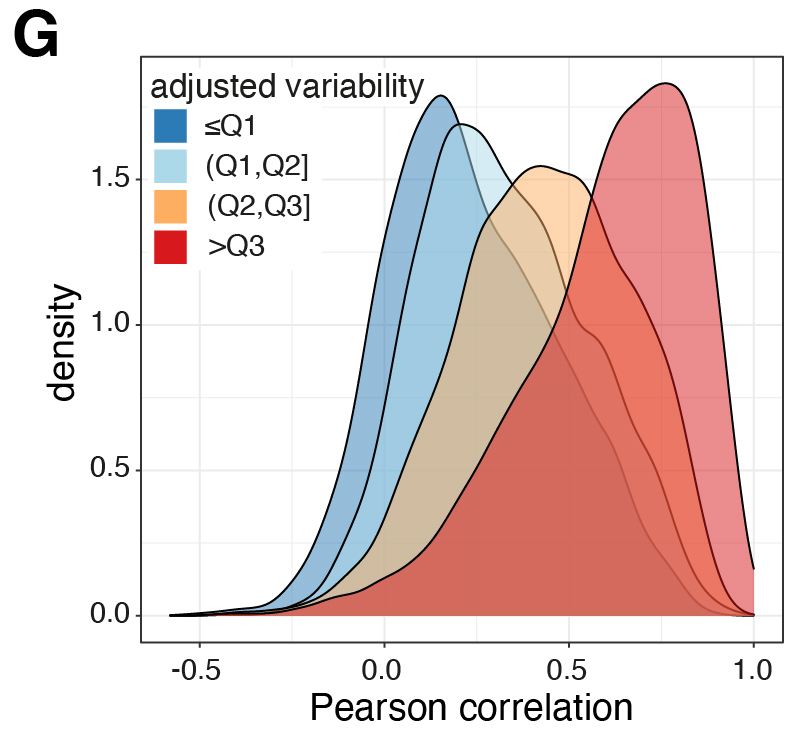
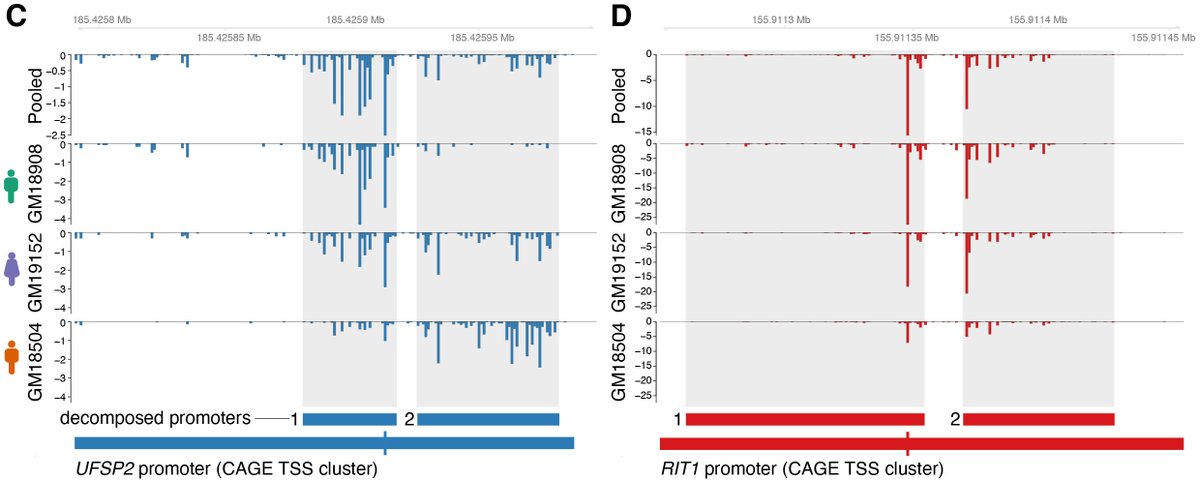
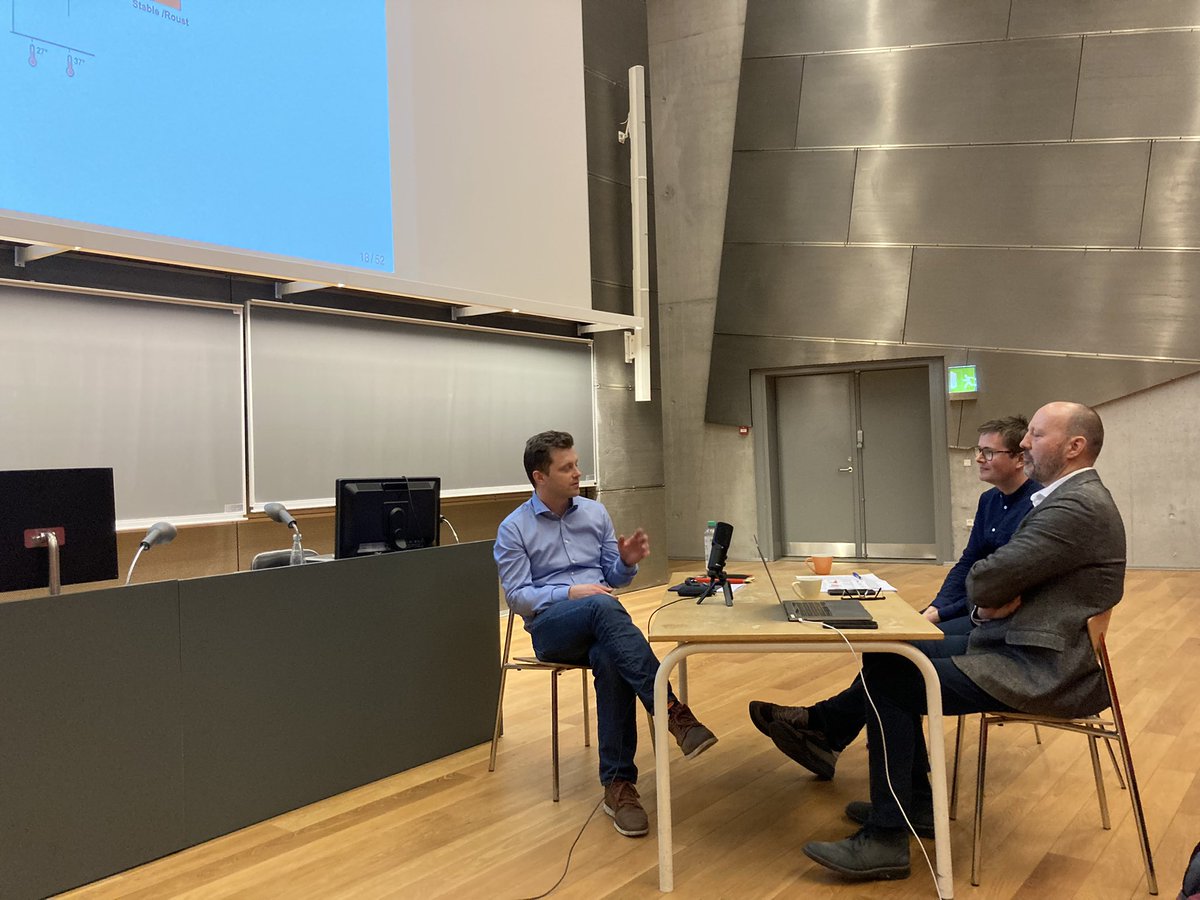
Latest from the lab! Led by @XueningHe922, establishing a framework for interpretation of the motif syntax of regulatory elements and a quantitative model for TF cooperativity. Plenty of cool stuff revealed, including TF redundancy and synergy, and their regulatory roles!
26 Jun 2025

Excited to share DeepCompARE ISA - a lightweight deep learning model efficient interpretation method, to uncover rules of TF cooperativity via genome-wide in silico motif ablations!
Preprint: biorxiv.org/content/10.1101/…
Github: github.com/anderssonlab/Deep…
1
7
502
12 Feb 2025
🚨Job alert! 🚨
We are hiring a computational postdoc or PhD student focusing on
- modeling gene regulation using single cell data
- investigating the mechanisms of regulatory genetic variants
PhD student: employment.ku.dk/all-vacanci…
Postdoc: employment.ku.dk/faculty/?sh…
8
9
1,494
25 Nov 2024
Check out our latest work, scE2G, for mapping the target genes of enhancers from single cell data! biorxiv.org/content/10.1101/…. See 🧵 below for highlights
Amazing work led by co-first authors @mayayayas and @613weilin in a great collaboration with @jengreitz 's lab
25 Nov 2024

Excited to share our latest preprint on scE2G – a new model to link enhancers to target genes using single-cell data – with state-of-the-art performance across multiple perturbation benchmarks.
biorxiv.org/cgi/content/shor…
Read more below!
1/12
6
22
2,372
Robin Andersson retweeted

5 Aug 2024
Happy to share our joint work with the Falsig Pedersen group on how the physical microenvironment can drive cells to acquire cancer hallmarks. cell.com/cell-reports/fullte… . In solid tumors, niches with low pH are common. We show that pancreatic cancer and normal organoids...(1/N)
2
1
4
731
Robin Andersson retweeted

7 Mar 2024
Sooooo excited to share the first paper from the lab now online @NatureGenet 😀😀😀
Interested in MYC, transcriptional mechanisms and (breast) cancer? Check it out👉rdcu.be/dAAht.
Short summary thread 👇
12
14
79
12,197

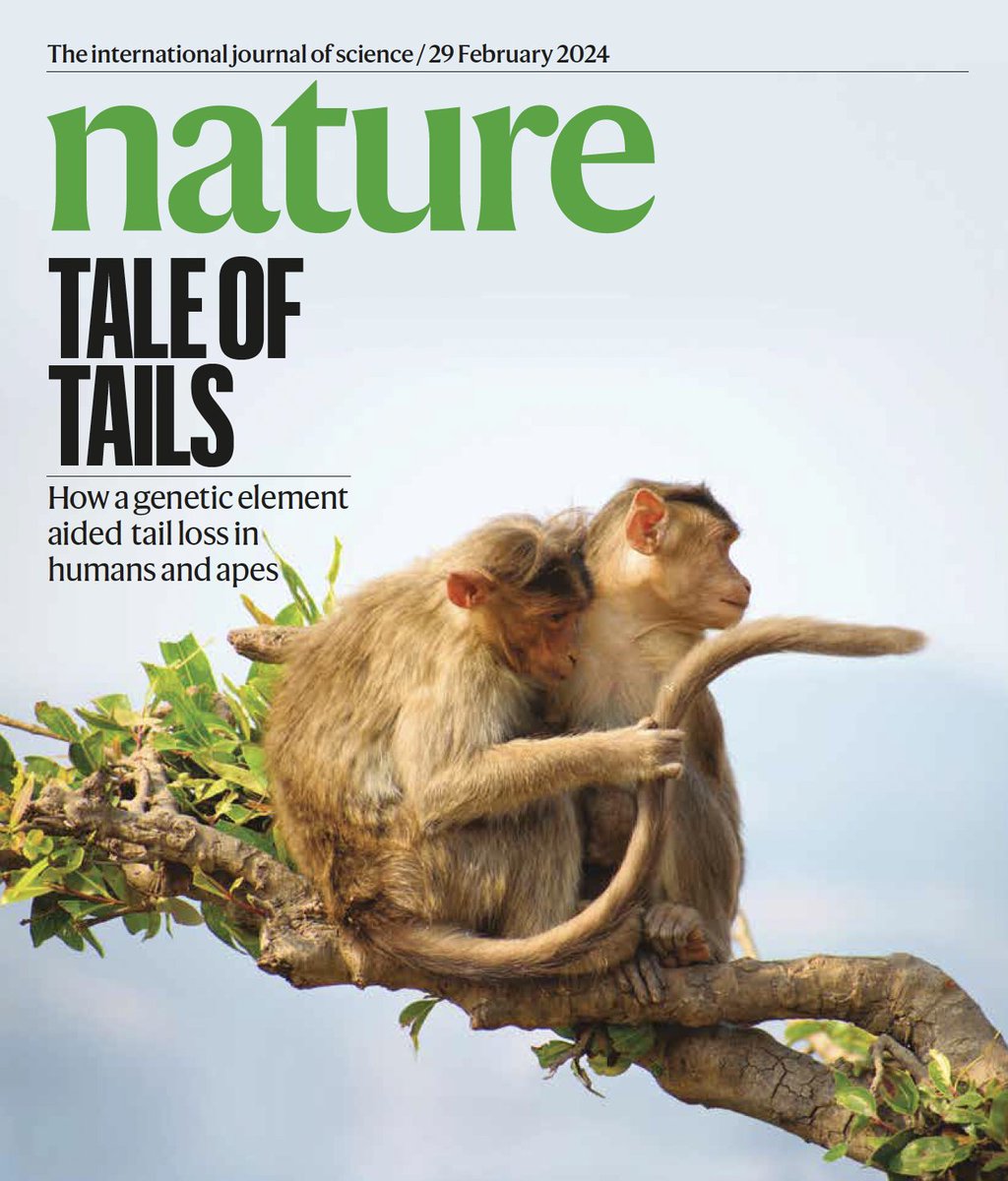
A true curiosity-driven journey, fulfilling one of my childhood dreams! The tail loss marks a pivotal evolutionary step towards humans and apes. But how did it happen? rdcu.be/dzTba @ItaiYanai @JefBoeke
28 Feb 2024

How did we lose our tail? A simple question.. but it wasn't really asked before! We discovered a plausible scenario for the genetic mechanism that led to tail loss. Amazing that such a big change may have been caused by such a small genetic event. nature.com/articles/s41586-0… @BoXia7
16
82
446
76,029
Robin Andersson retweeted

3 Jan 2024
7 days left to apply for our #postdoc position on RNA modifications at the University of Copenhagen!
If you’re interested in combining #CRISPR with #nanopore direct RNA sequencing to explore the role of #RNAmodifications in #RNAdegradation, apply here!
employment.ku.dk/all-vacanci…
7
8
1,473
Robin Andersson retweeted

20 Dec 2023
An encyclopedia of enhancer-gene regulatory interactions in the human genome
x.com/argschwind/status/1724…
Very proud—4 years in the making, huge team effort.
This is a paper where the author list cannot convey everyone's incredible contributions.
My holiday highlights below:
1/
14 Nov 2023

Excited to share our latest work on bioRxiv!
biorxiv.org/content/10.1101/…
A highly collaborative effort with @ksmualim @karbalayghareh, @mayayayas, @kanishkadey, @evelynjagoda,@WangXijhu, @LarsMSteinmetz, @anshulkundaje, @jengreitz and many others from @ENCODE_NIH!
Thread👇
3
37
156
36,082
Robin Andersson retweeted

18 Dec 2023
“Transposable elements contribute to nearly 80% of human-specific candidate cis-regulatory elements in cortical cells” 🧠 …🤯 literally! Amazing dataset 🔥 Congrats to all involved!
nature.com/articles/s41586-0…
2
108
417
42,154
Robin Andersson retweeted

10 Nov 2023
🧬Opening for a postdoc in my group @NCMMnews @UniOslo @UniOslo_MED @unioslo_mn to generate deep learning models to enhance JASPAR @jaspar_db & UniBind, boosting gene regulation research. Project in collaboration with @anshulkundaje, @WyWyWa.
Plz share
jobbnorge.no/en/available-jo…
3
25
43
16,072
Robin Andersson retweeted

18 Oct 2023
Come and join us!
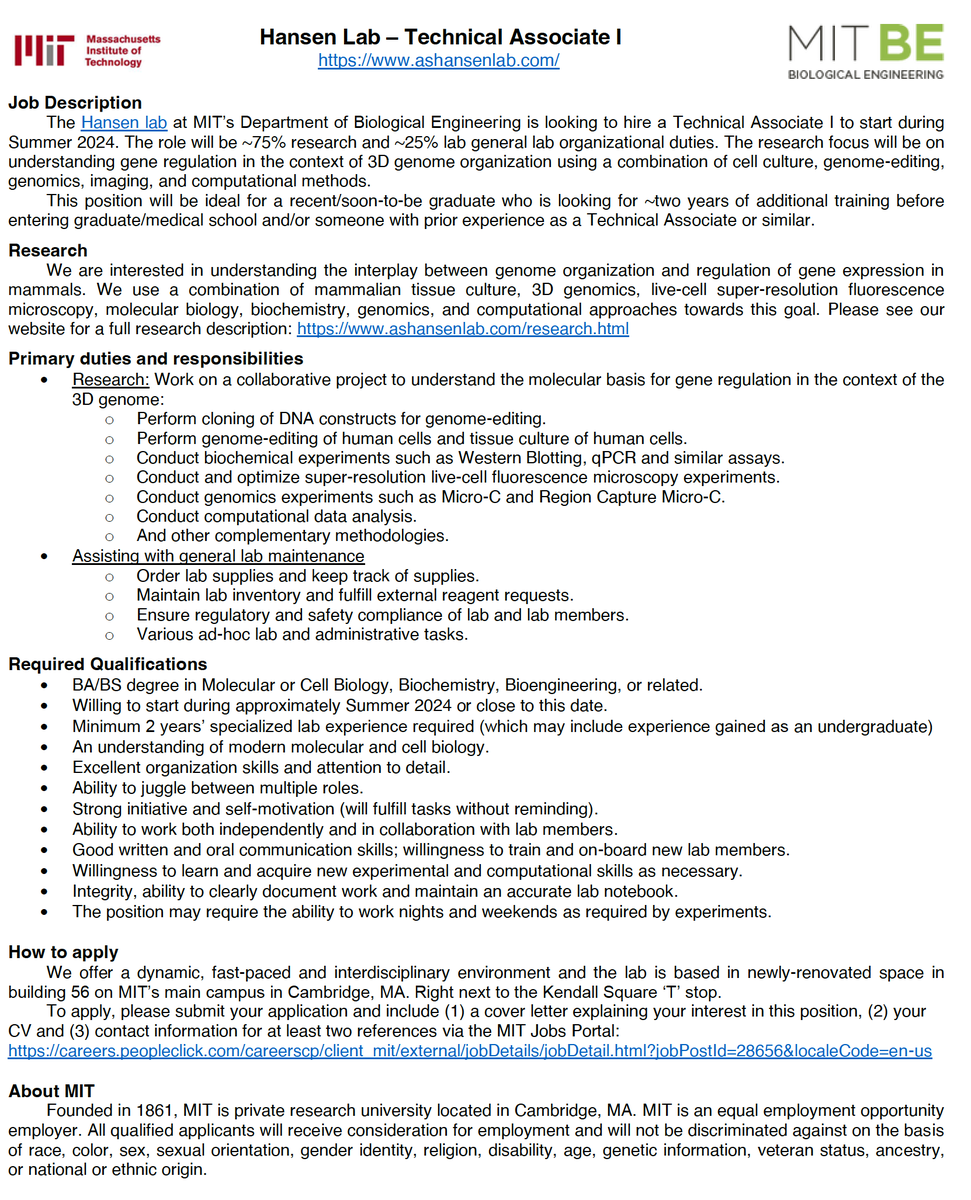
We are looking to recruit a Research Assistant/Technical Associate I to join our team Summer 2024.
This could be an ideal position for someone looking for 2 years of research experience before starting graduate school.
Apply: careers.peopleclick.com/care…
1
28
43
11,054
Robin Andersson retweeted

17 Oct 2023
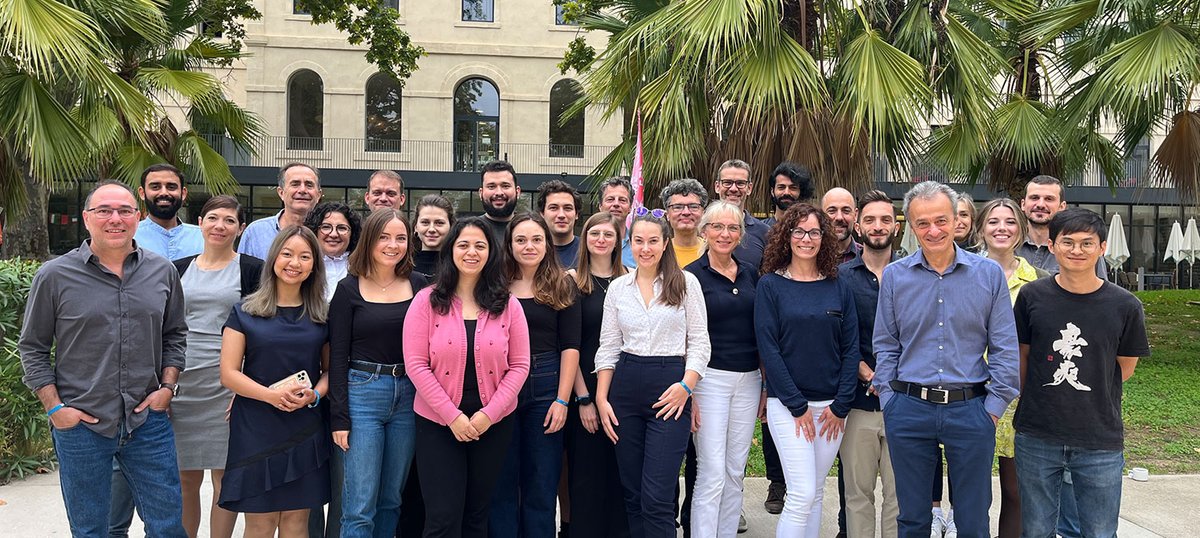
Congratulations to all our students who have done an excellent work as part of our @HorizonEU network over the last 3 years. Our @EMBO workshop starting today is a great opportunity to add a new dimension to their scientific careers.
#EMBOenhanceropathies
@MSCActions
1
11
35
3,186
Robin Andersson retweeted
15 Oct 2023
Two training sessions on communication, led by @AlberichJorda , kick off our final event this afternoon.
See our program
EVENT VI ▶️bit.ly/3rPZQ59
Learn more about @enhpathy_H2020 ▶️ enhpathy.eu
@MSCActions
6
8
3,427
Robin Andersson retweeted

9 Sep 2023
Histone inheritance is required for epigenome maintenance and early embryonic development! Out in @NatureGenet tinyurl.com/yc8bexr8 🎊💃. Thanks @AliceScientist, @BiranAlva, @NicoAlc82 & @albooo87 for heroic efforts 👏💪 & collaborators @josh_brickman, @robin_andersson . 🧵👇
10
81
6,917
6 Sep 2023
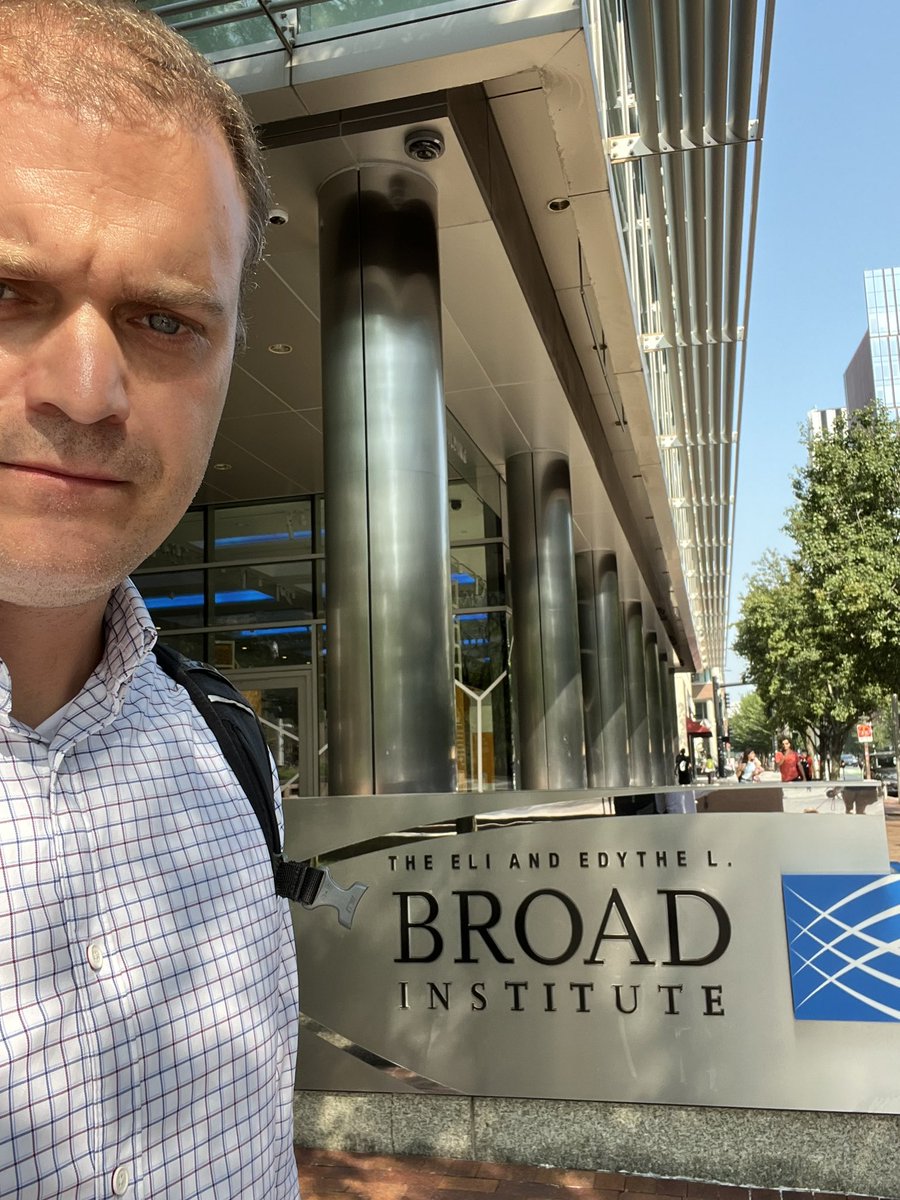
This will be my (academic) home during the fall. On a sabbatical at the Broad, kindly hosted by @kasper_lage and the @novonordiskfond center for genomic mechanisms of disease. Looking forward to lots of interactions and awesome science! Reach out if you want to meet up!
6
2
66
12,665
4 Sep 2023
Super excited to share our study on the importance of proper epigenetic inheritance for cell identity and developmental competence, a fantastic collaboration with @groth_anja and @josh_brickman, led by @AliceScientist, @BiranAlva, @NicoAlc82, @albooo87 nature.com/articles/s41588-0…
2
6
45
11,028
Robin Andersson retweeted

4 Sep 2023
As a student we were taught, “no experiments could show chromatin did more than salt,” but now with the amazing @groth_anja @robin_andersson; @AliceScientist, @BiranAlva, @NicoAlc82 & @albooo87 show pluripotency required balanced epigenetic inheritance!
nature.com/articles/s41588-0…
1
13
77
7,104
Robin Andersson retweeted

31 Jul 2023
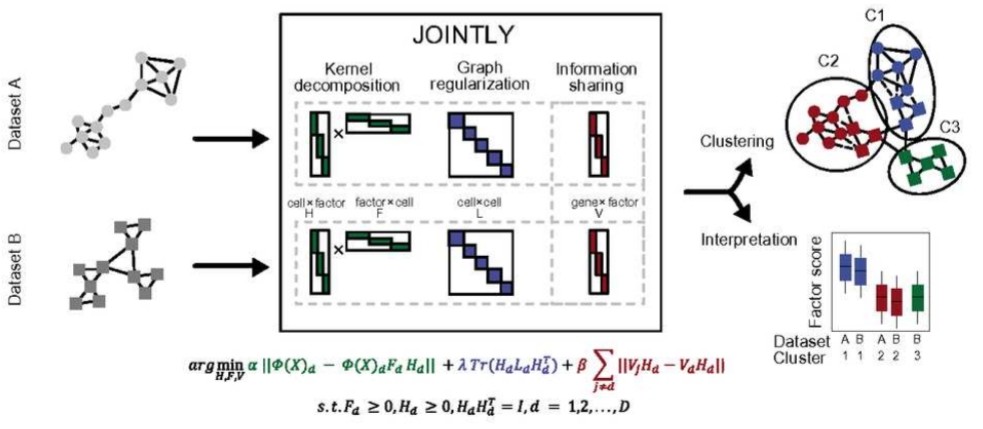
📢 PREPRINT ALERT 📢 Clustering cells is a key step in most scRNA-seq analysis workflows. It's hard, and harder with batch effects.
Our take on the problem, JOINTLY, use a hybrid linear and non-linear NMF. The non-linearity gives performance, the linearity gives interpretability
1
9
29
5,325
Robin Andersson retweeted

6 Jul 2023
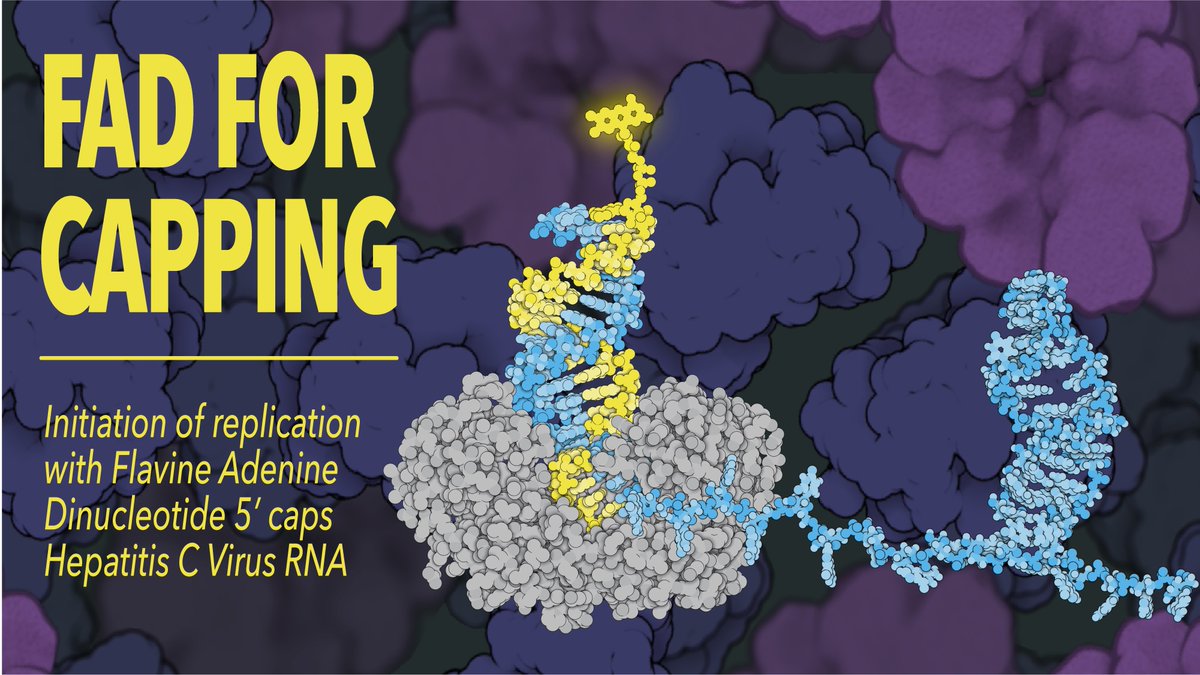
We are excited to share our study on the 5'FAD capping of #HCV RNA, which is out today in @Nature. The work is a close collaboration between my lab and the labs of Jens Bukh (not on twitter) and Troels Scheel @ScheelLab. Online at rdcu.be/df8p5 Major points here🧵1/15
6
21
80
12,322