Linux, DNS, proud Friesian, SC Heerenveen, Av ...Views are my own.
Joined July 2009
- Tweets 2,202
- Following 190
- Followers 156
- Likes 1,310
144 Photos and videos









Rode Hoed 🇮🇱 retweeted

Helaas hebben we al onze gestolen spullen niet terug.
Hier is weer iemand die beroemd wil worden🥵😎
Gisteren kwamen we erachter dat er nog meer mee is genomen, dan we dachten.
Zelfs eten…
De dief heeft zich niet gemeld, dus hierbij de foto vd inbreker!
Graag zoveel mogelijk delen!!!
Dan hopen we dat hij herkend wordt.
De beelden, het gehele filmpje geven we ook aan de politie.
Gisteravond was Restaurant Indisch Geluk te zien bij 112 Vandaag op RTL5.
Ook eventueel te zien op videoland.
Bedankt rtl5nl rtl112vandaag !

27
583
491
16,390

25 Nov 2025
Dit is op zoveel manieren fout ... Die talen spreek je maar lekker thuis.
25 Nov 2025

IKC Eestroom is earste basisskoalle yn it Noarden mei stimpel 'Language Friendly' omrop.frl/iH9s
1
58
Rode Hoed 🇮🇱 retweeted

22 Oct 2025
This made me laugh out loud 😂😂
3,385
18,553
180,659
11,674,220
4 Aug 2025
Van deze regelzucht gaan we echt kapot. Waren ze ook maar zo goed op handhaven op andere zaken. omropfryslan.nl/nl/nieuws/17… #omropfryslan
1
95
Rode Hoed 🇮🇱 retweeted

22 Jun 2025
History and its meaning:
Iran’s grand strategy in the Middle East rested on two pillars.
The first was the creation and support of proxies, militias, and even regimes across the region - components of the so-called Axis of Resistance. This network served both as a deterrent against Israel and as a counterweight to Sunni Muslim states.
The second pillar was the development of a nuclear program that would position Iran as a threshold state—permanently on the verge of acquiring a nuclear weapon, able to sprint toward a bomb at short notice.
In the 11 months since July 2024- and as a direct consequence of October 7- both elements of this strategy have collapsed. Hezbollah has ceased to function as an independent military force. Hassan Nasrallah is dead. Yahya Sinwar and Mohammad Sinwar are dead. The Chief of Staff of the Iranian military has been killed, as has the commander of the Revolutionary Guard. The Assad regime has fallen, and Bashar al-Assad has fled Syria. And now, Iran no longer has a viable nuclear program.
Iran poured billions of dollars into these ambitions, extracted from its oppressed citizens, and now much of that investment has been squandered.
These efforts were never about improving the lives of Iranians. They were always about preserving the Islamic Republic and asserting its ideological commitments. Today, both pillars—
- its regional influence and its nuclear ambition—have crumbled, vanishing alongside the ruins of the Fordow nuclear facility.
27
251
1,072
112,628
1 Jun 2025
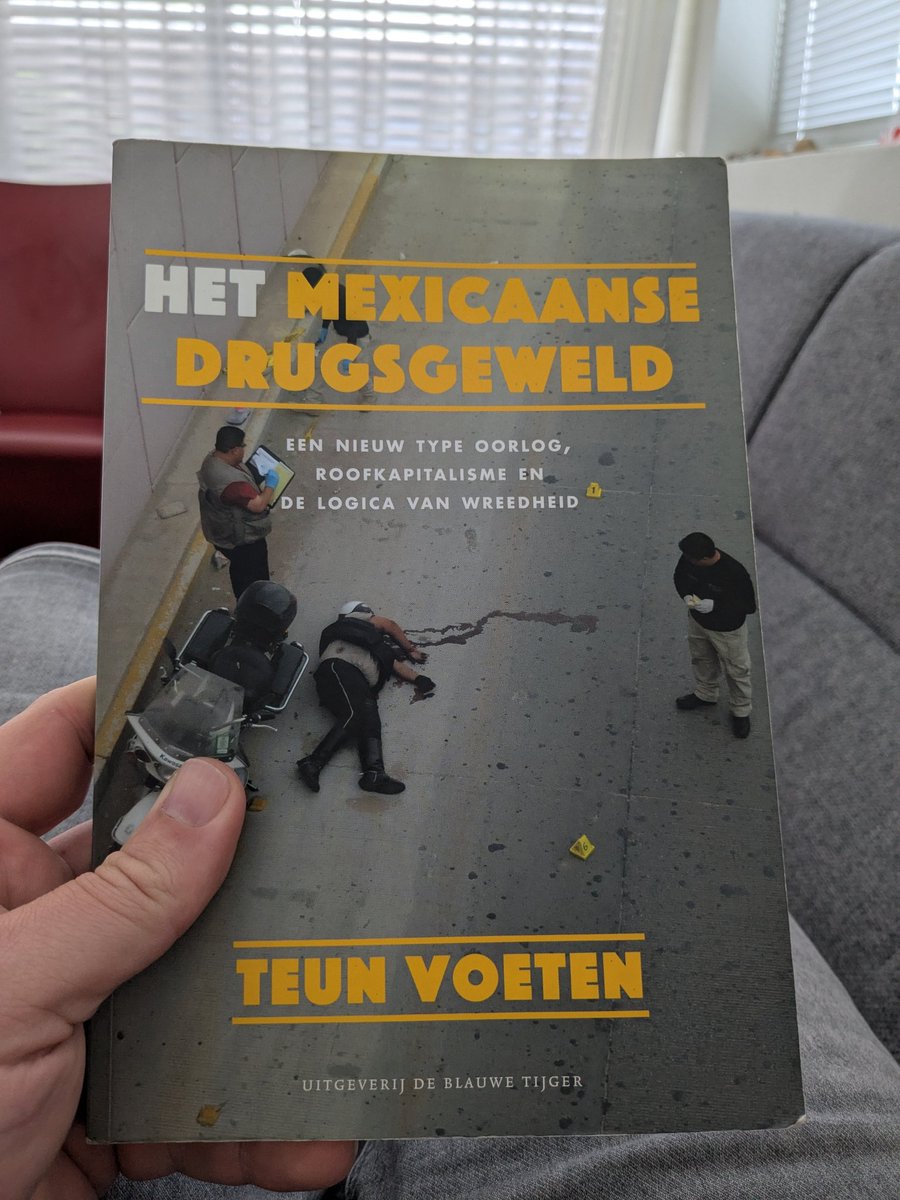
Hey @teunvoeten . Heb 'm binnen hoor. Leest lekker door 😉 Succes met je nieuwe boek!
2
83
4 May 2025
Zo vaak gelezen. Heb ze nog steeds in de kast staan.📚🐛
1
53

19 Apr 2025
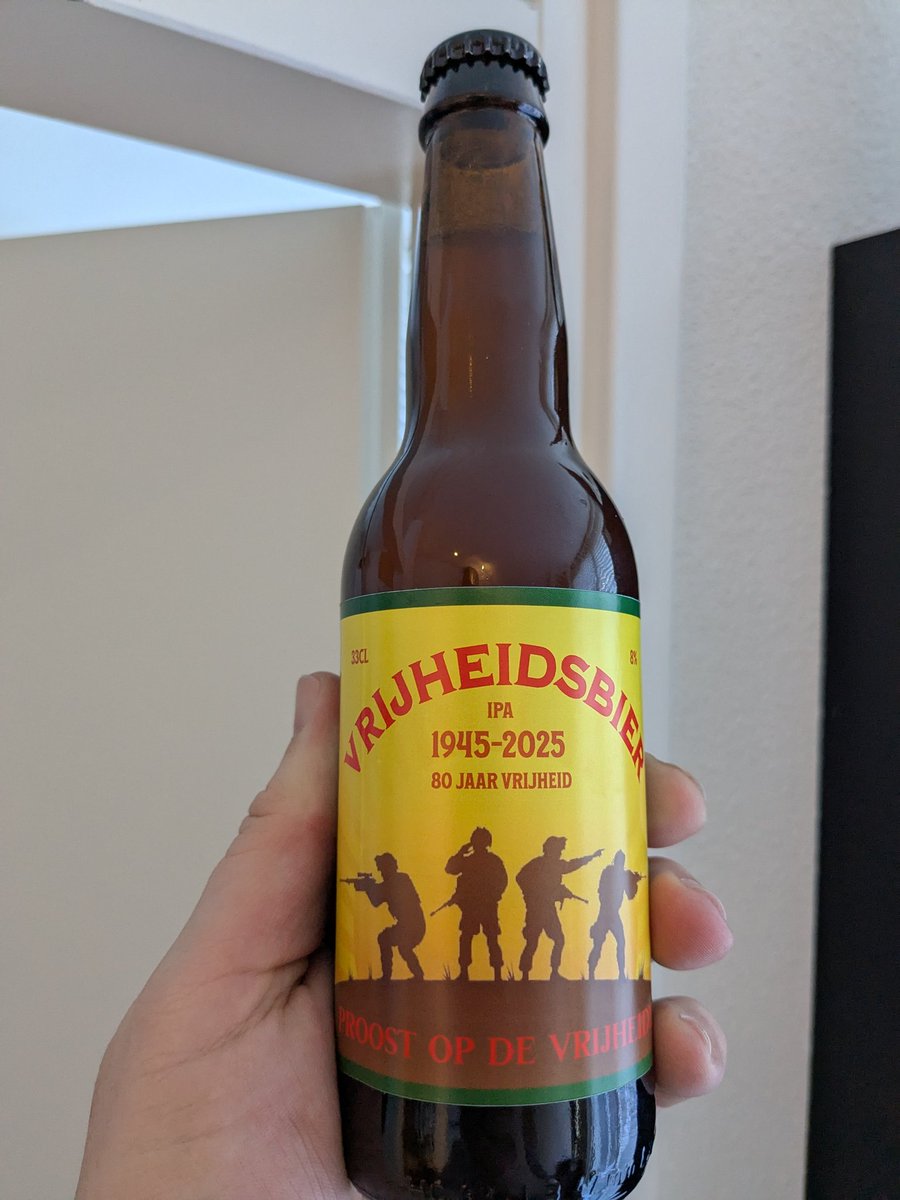
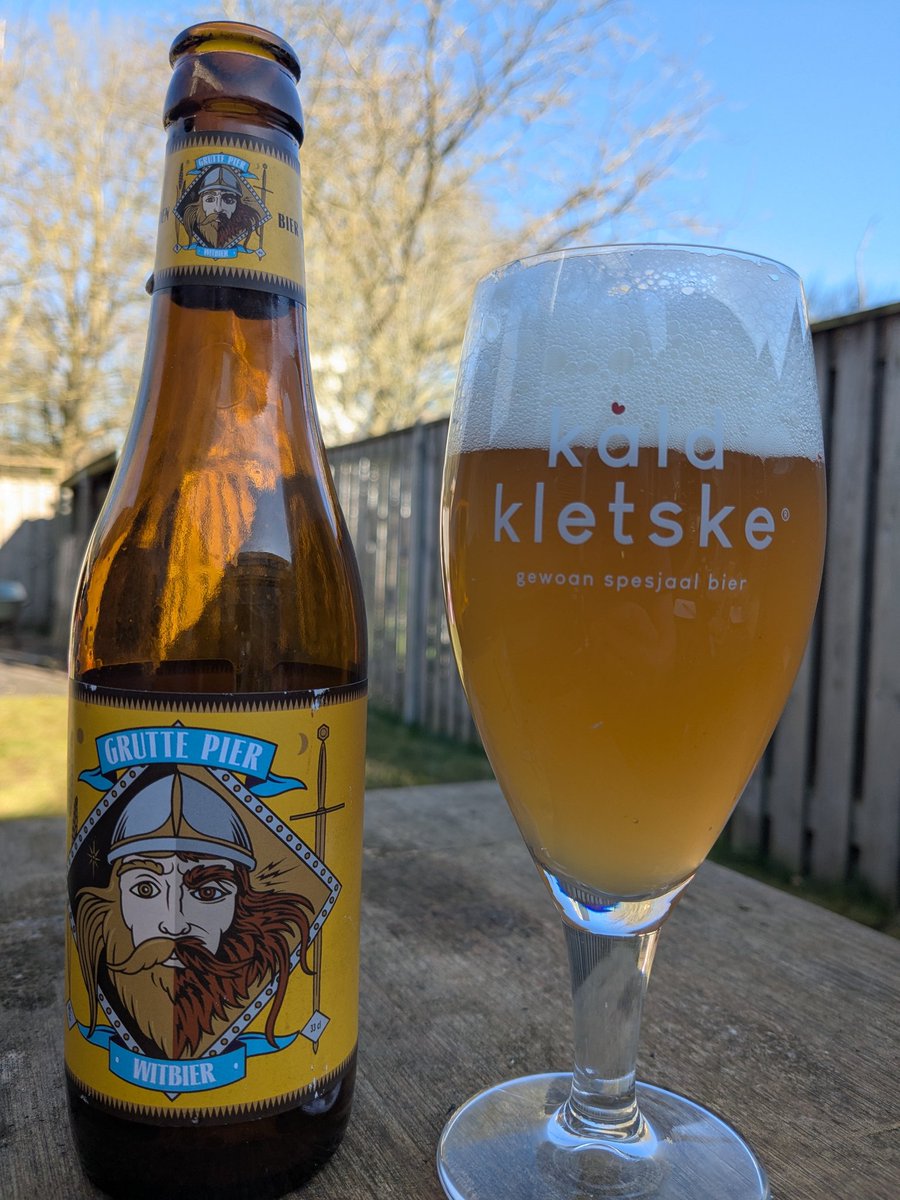
Gawt mijn "afspraakje" van markplaats komt niet opdagen. Je kan me niet heel veel kwader krijgen. Het is ook gewoon niet de eerste keer 😂 Naja ik neem er maar 1 op 🍻
29
19 Apr 2025
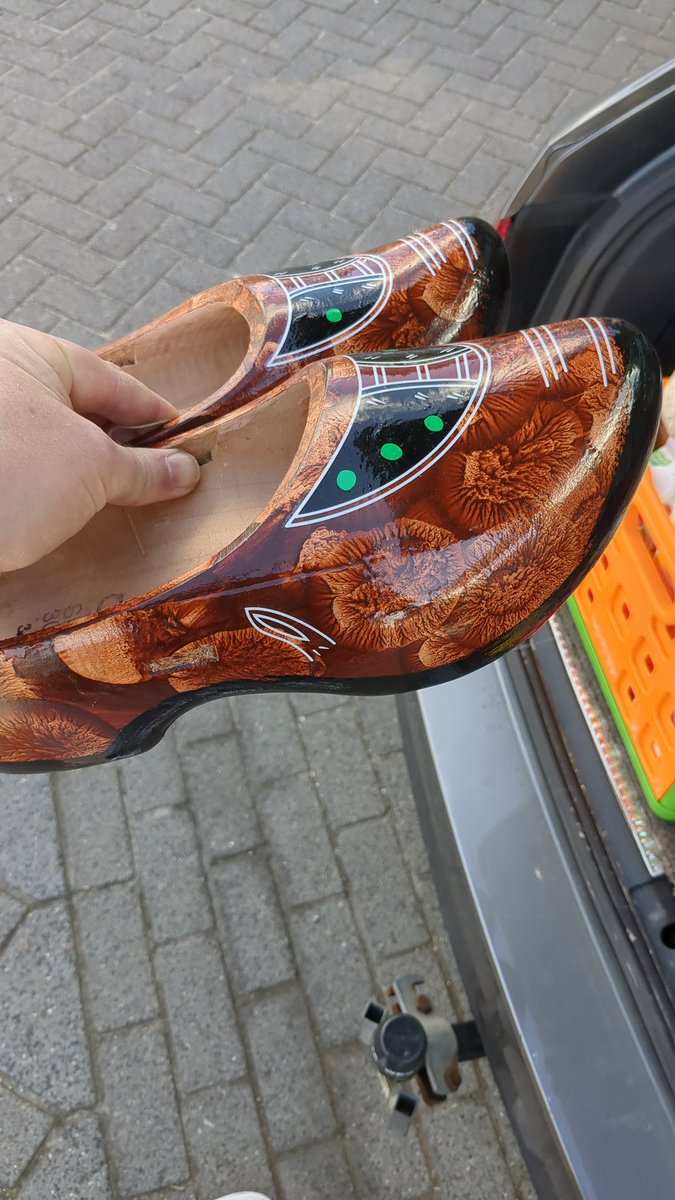
Zooooo... Niewe designer shoes zijn binnen. In echte learkes klomp fan ...?!?
2
1
86
Rode Hoed 🇮🇱 retweeted

27 Mar 2025
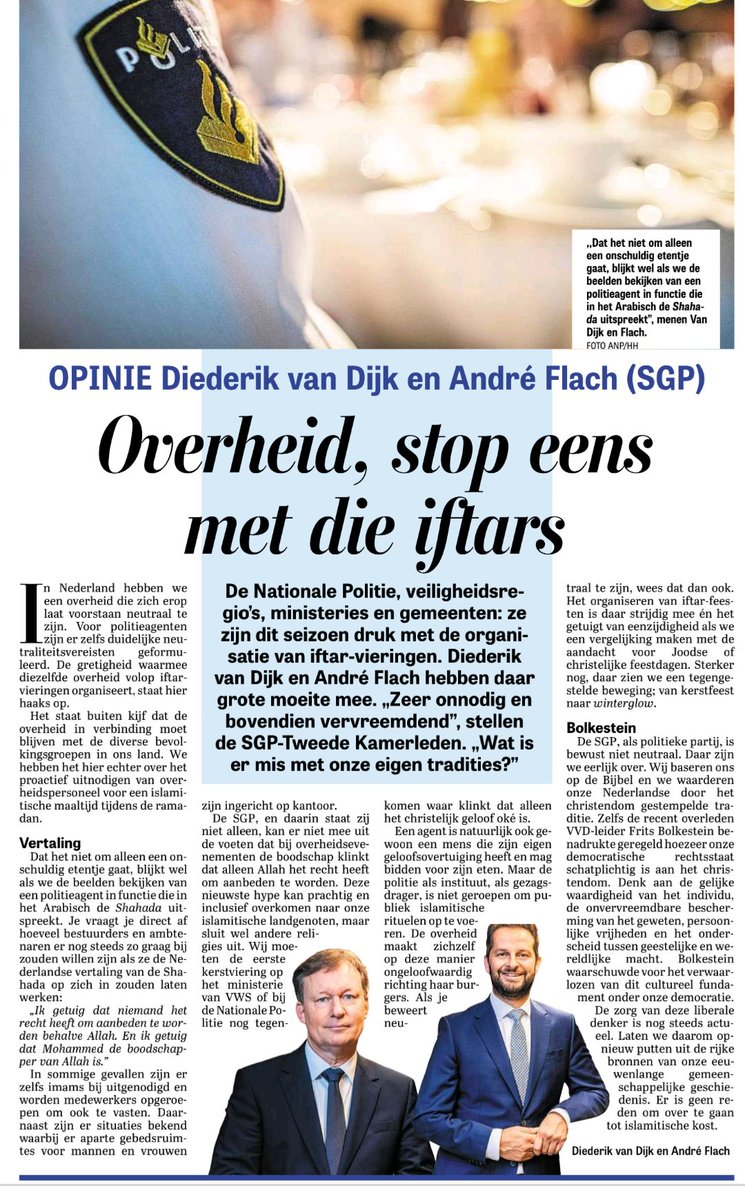
Overheid, stop eens met die iftars.
Grote dank Diederik van Dijk. Je doet ontzettend goed werk 🔥
77
775
2,993
55,097