
Joined May 2008
- Tweets 10,348
- Following 2,157
- Followers 21,737
- Likes 16,599
1,530 Photos and videos


Pinned Tweet
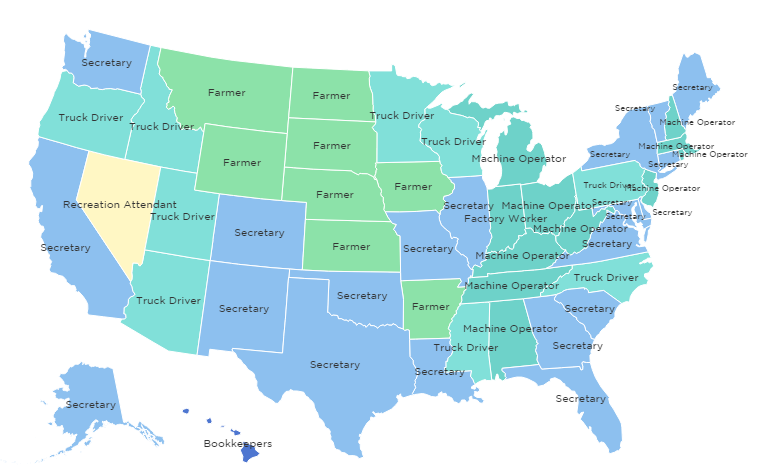
I wanted to understand how automation hits white collar jobs so I went on a huge research trip into the last time it happened: the 1980s
We rarely talk about the mass automation brought about by the PC. But it was massive! Take a look at this map of the most popular job in every US state in 1978. With the exception of truck drivers – for now – every job on that map has been reshaped by automation
21
168
1,099
203,012
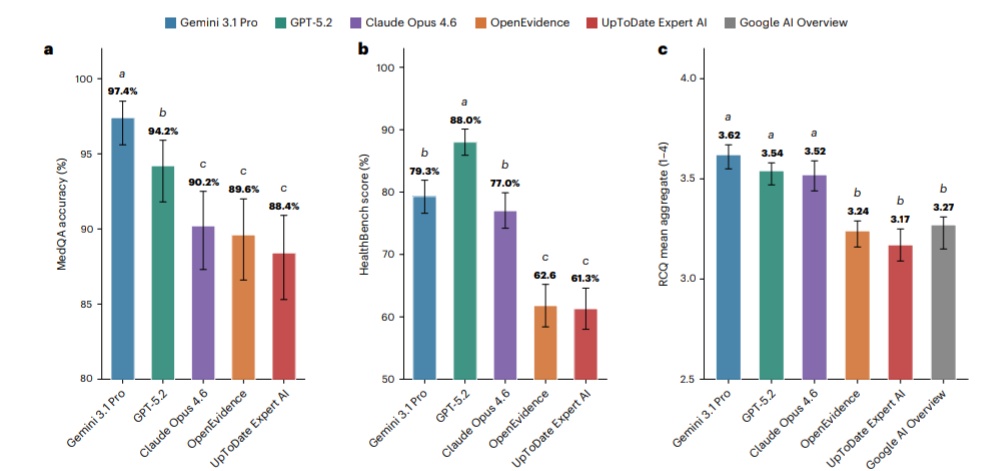
New Nature paper: frontier models beat specialised clinical AI systems on every test. Paid-for medical tools were only as good as free Google AI Overview
The bitter lesson is undefeated
1
2
462
1
368
Good piece by @Dom_Hallas on the UK's AI dilemma. "In my experience in Whitehall, there are more people who know what Britain in the exponential world of AI needs than readers would imagine. What matters is whether the risks and hard choices can be taken that allow us to compete and thrive in this new world." open.substack.com/pub/startu…
1
5
456

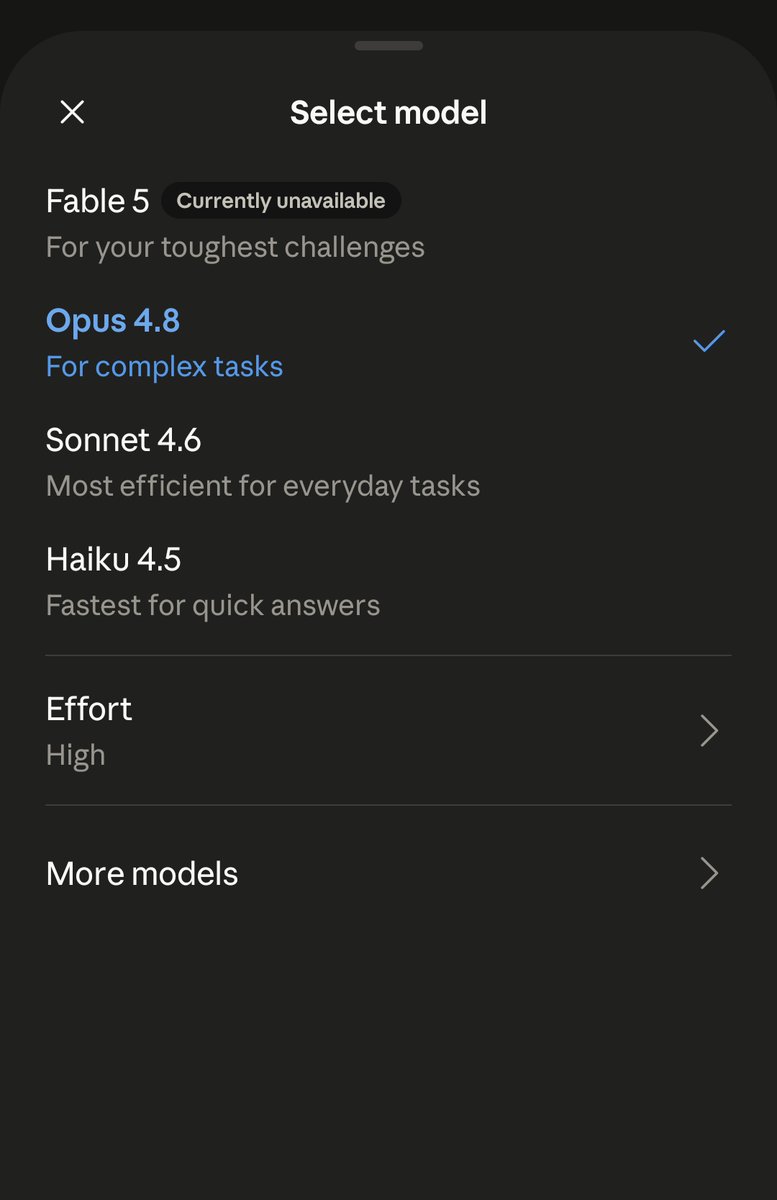
Anthropic has withdrawn its powerful Fable 5 model after the US government ordered the company to revoke access to all foreign nationals
Anthropic itself described Mythos, Fable 5's base model, as "too powerful".
@rowlsmanthorpe reports
59
98
319
77,533
Good post. I'm as guilty of using it as anyone but the word "sovereign" is usually misleading in these debates because it invites black and white thinking. "Leverage" might be less clear and exciting but it's a better description of the dilemma

The Fable decision is fundamentally a domestic US policy mess, and it seems likely to resolve itself, albeit chaotically. For middle powers, it's a tempting starting point for ill-conceived 'sovereign' AI takes, but I think the right move is to let it blow over and buy more time.
The decision itself seems counterintuitively domestic in scope. USG got worried about the prospect of a jailbreak, didn't feel like it had a particularly precise and effective way to tackle that risk, and defaulted to limiting access in an obvious and available way. The easy way to do this was also a way to make Anthropic uncomfortable and annoy allies, but these seem like secondary considerations at best.
That's still relevant information for middle powers--it goes to show that there is no immediately effective and legible reason for USG or American developers to consider their interests in making access decisions. As for middle powers' posture in reacting to this: I think nothing good comes from wading into a politically charged AI policy environment, solidarising with Anthropic and drawing the continued ire of the Trump administration. Right now, middle powers are collateral damage, and acting hastily risks making them parties to the conflict.
What would have helped in this case? It's not clear that even a European model would really have. Imagine you had the absolute best case European sovereignty in place, up and running since 2024. would it have a Fable-class model by now? or would it 'only' be at the level of Opus 4.8 - a near-frontier model in its own right that remains available today? you'd have to be quite confident that the European champion would not just be 2 months behind the curve, but at the absolute bleeding edge of frontier development, to make a difference to this particular scenario. Not even the most bullish views of the domestic project makes that kind of outcome particularly likely, so this really is not a particularly incisive wake-up call on European frontier models specifically.
But even if you disagree, what would it actually *mean* for this to be a wake-up call for European sovereignty? Are you going to build your own model now? What are you going to do in the--generously--three years between announcing this project and reaping the frontier models it would build: are you willing to give up frontier access in the meantime? Because the resources required for building this frontier model directly trade off against the resources you could invest into guaranteeing access instead (most notably through compute); and the political fallout from announcing an attempt to build the very kind of model capability the US is attempting to restrict would also make future access negotiations harder.
Let's say you're willing to bear that delay: do you think a Trump administration that just refused to give you access to Fable is going to let you buy enough frontier chips to train an unrestricted Fable clone yourself? Are you willing to go the mat on semiconductor chokepoints, even if it comes with sky-high costs in Ukraine and trade policy? I don't actually think so. Look into the details of what would be required for a big European push right now, and you'll see the leverage for 'waking up' and divorcing from the US ecosystem simply is not feasible in the current technological or geopolitical environment. I regret that this is the case, but that doesn't make it the case any less!
What, then, is the alternative?
First, I think it's worth noting that this is fundamentally a very good version of a very bad thing. In a fortuitous turn of events, the Trump administration has picked the most ill-conceived version of access restrictions you could possibly come up with. It's legally fraught, so domestically impactful that it will lead to massive internal pushback, and likely extremely economically harmful. As a result, it will likely go down in flames eventually. The U.S. is not yet in the spot to actually go through with long-term cut off: international markets are still too important, the security situation is not yet sufficiently dire, and so on. So the first live fire exercise of cutting off the rest of the world is going to fail, which means labs and the admin are going to be much more wary of subsequent attempts to do the same, even if they end up more sophisticated.
Second, I think the access recipe is fundamentally the same as it was yesterday: build leverage on the margins that makes cut-offs like these even less attractive, for instance through access-for-compute deals and by creating deep economic integrations that are economically central to US labs and strategically central to the US supply chain--create a lobby to push back harder against attempts like this in the future. In the future, we can use the resources and capacities that gives us to sprint toward our own frontier project if we must, but right now we neither have the political will nor the relative power to get even close to trying that.
Third, and somewhat trivially, we should start thinking about what we want to do the next time this happens. I suspect any analyses that assess whether you can use ASML or any semiconductor chokepoint to avert this will come up short, but there's still value in analysing and then credibly precommitting to threats. Right now, USG did this operating under the assumption there would be absolutely no reaction from middle powers at all. Any plan in the drawer that suggests there is a non-negliblie cost for the US to act like this in the future would be helpful. There's little use in deploying it reactively now; there's lots of value in precommitting to it for the next iteration. That's different than actually going to the mat; the goal here is to play chicken a bit, increase uncertainty and latent risk for the administration in making these decisions to tilt the calculus toward integration, not to go all out on a highly costly tradewar.
Fourth, I think this clarifies the specific concerns that could motivate access restrictions. Security concerns, both on misuse as well as distillation and model theft, fundamentally make the US more likely to restrict model access; this time around, it was concerns around reducing surface area for unmonitored jailbreak attempts. That is, in principle, fixable--middle power governments can and should engage with labs to create security conditions that create permission structure for exports and model sharing. Make your infrastructure as secure as they want it to be, and you reduce the risk they consider exporting to you a security vulnerability. Again, I understand if this sounds submissive and uncomfortable to you---but again, all this is necessary even if you go for the maximal sovereignty playbook at the same time, because you will need frontier access in the meantime.
Instead of these reasonable responses, I worry that the low-resolution view on this whole affair is to think this should shake middle powers into the wrong kind of action. Realising how important and contingent frontier AI access is quickly leads down the path of wanting to build your own; realising how capricious the American ecosystem is makes you want to divorce from it faster.
But for better or for worse, the central implication of this episode is the opposite: as evidenced by this episode being possible at all, middle powers currently do not have the leverage to do much about any of this, and building up this leverage is almost impossible to do in an openly adversarial relationship to the US. In that sense, waking up is not a matter of loud yelling, decisive action or pivotal decisions. For all the internal urgency with which I think we should precommit to some leverage and shore up our security concerns, I still think the optimal strategy is one of public restraint and progress on the margins of the current playbook. I'm just not sure there's that much to wake up from - this is just what life is like for now.
6
2,108
The news about Fable proves it: in today's world, technology IS sovereignty. This is why the former head of MI6 said the one thing he'd wish for to be able to push back against America and China is 20 global scale technology companies
Jan 21

“Can I tell you what I would like for Christmas… 20 global scale technology companies in Europe, including the UK”
Former Chief of MI6 Sir Alex Younger says that America's ‘edge comes from its innovation and its tech’ and the UK needs to ‘get on with it’
#Peston
4
7
28
5,629
No better time to read this than today
Jun 11

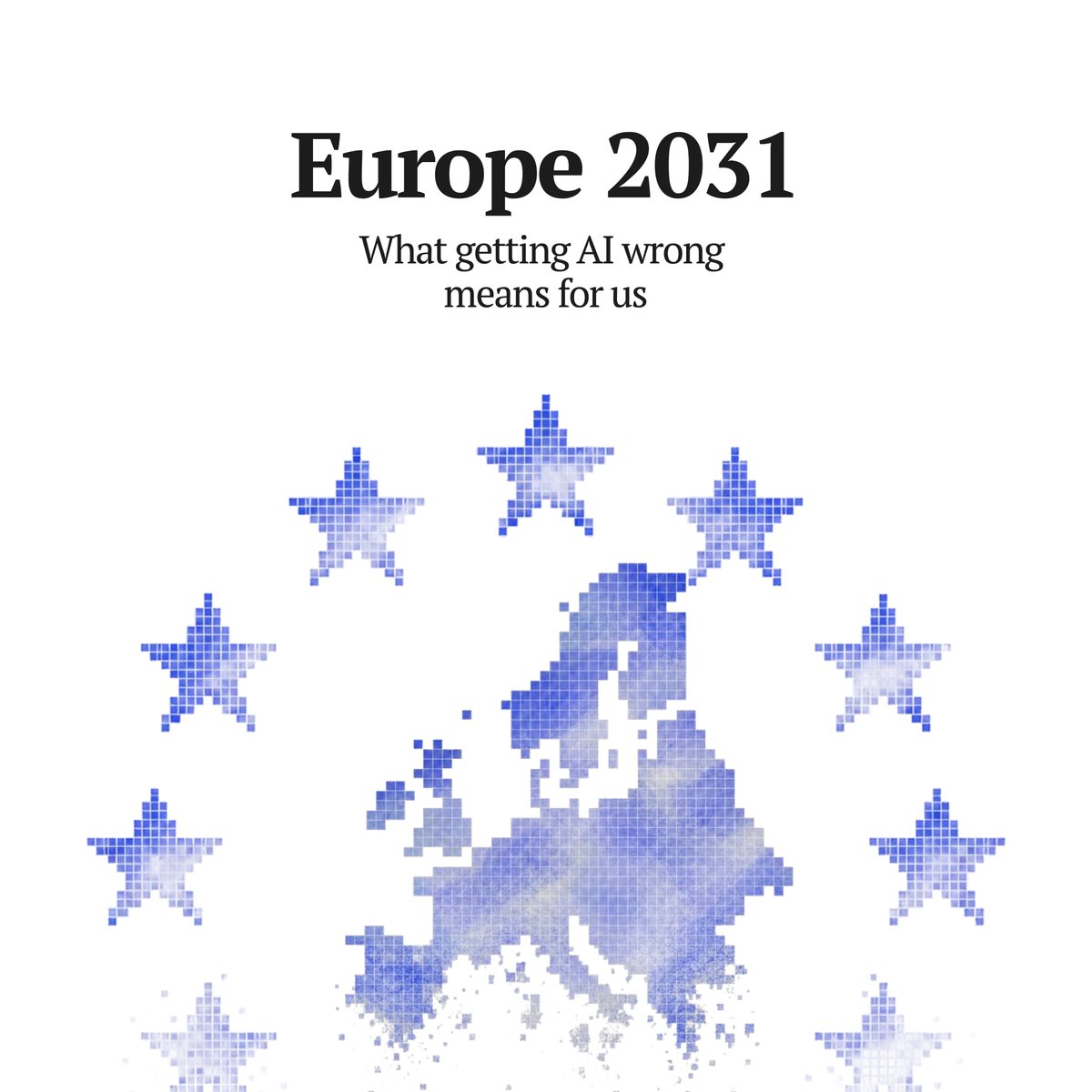
Most of Europe has not yet absorbed what AI is about to do to us. The few who have are not saying it loudly enough.
We wrote Europe 2031: a five-year scenario of the continent's slide into irrelevance, how AI is driving it, and what can still be done to change course.
1
2
12
2,081
Rowland Manthorpe retweeted

Jun 11
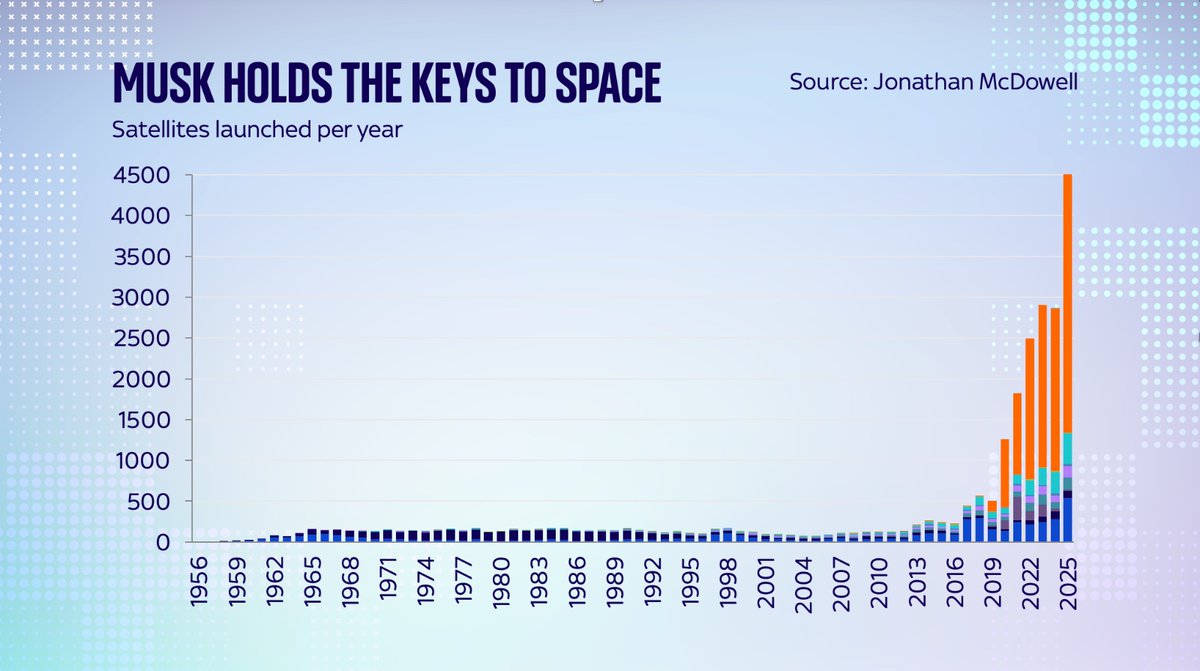
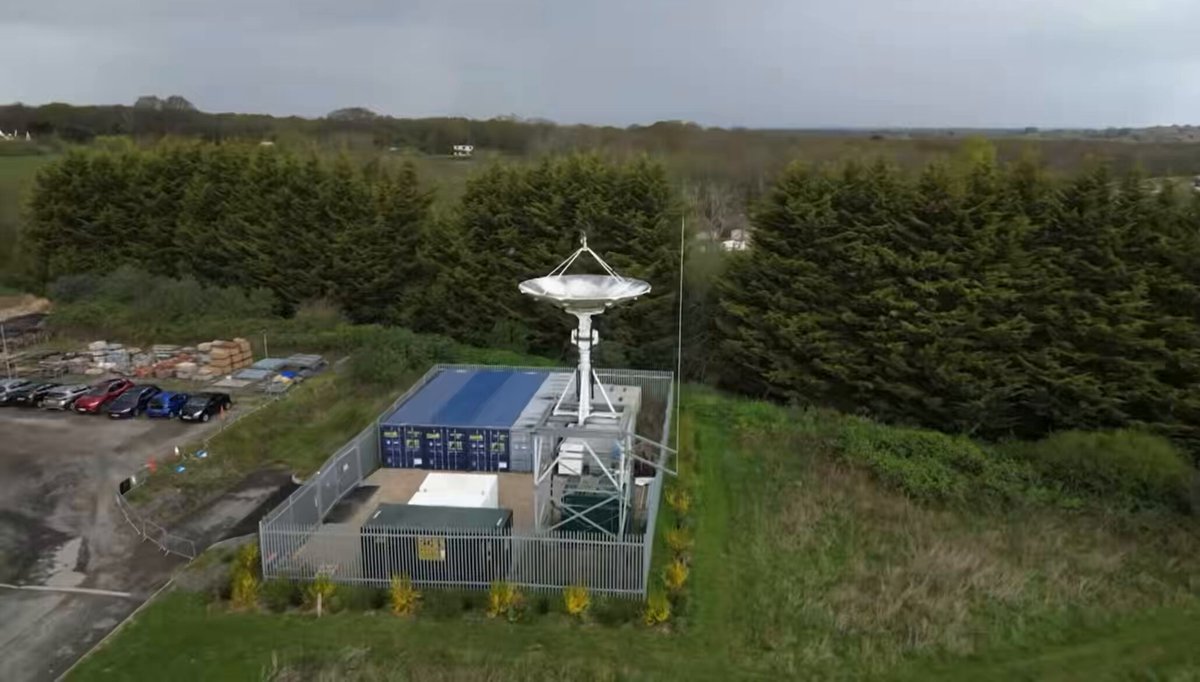
In honour of SpaceX's IPO this week, a thread about where it all began – which as I'm sure you will know, was in Guilford in Surrey
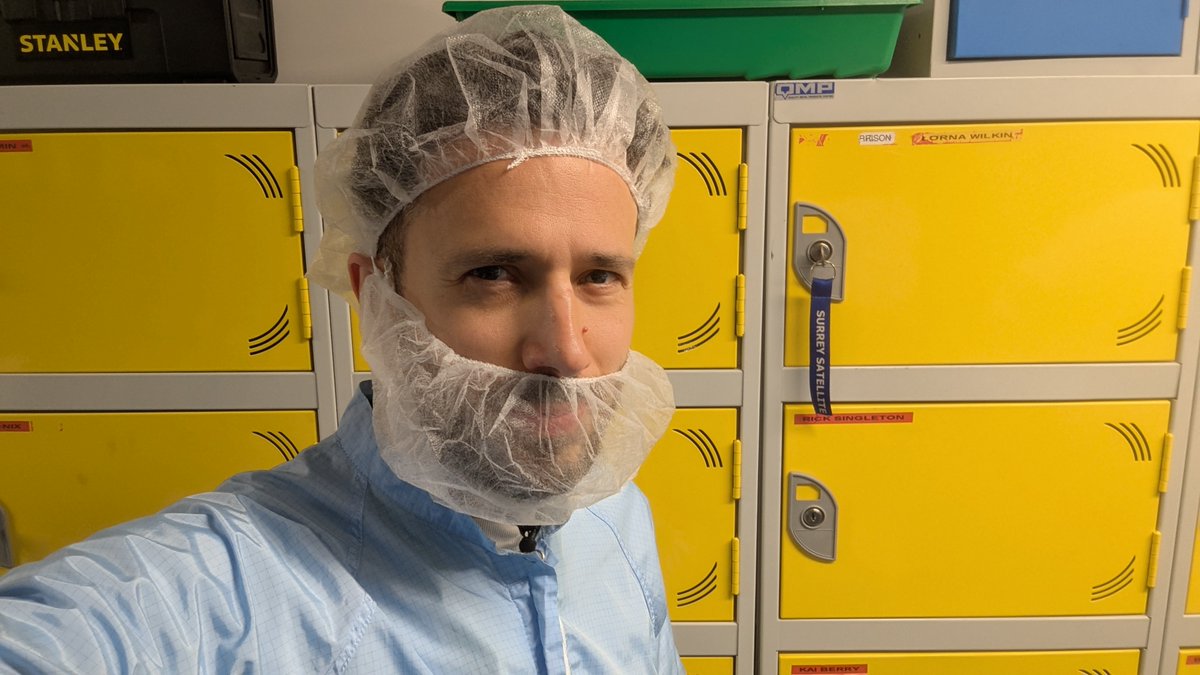
This is the home of a British company called Surrey Satellite Technologies. I visited earlier this year, wearing my most stylish beard net
1
1
5
1,765
Waking up with less intelligence to hand than I had before and I do not like it
1
3
1,434
If there’s a grain of hope for European governments in all this - this is exactly the kind of thing that convinces AI researchers to decide to leave the US. Being a welcoming home to AI talent must be a top priority
4
1,055
Rowland Manthorpe retweeted

Jun 12
I get asked often: "AISI's evals show models getting rapidly better at cyber. But does that translate into the real-world capability?"
So with government partners, we ran AI systems across real government code-bases. 407 findings, incl. multiple critical vulnerabilities. 🧵

Can frontier AI help defend government systems?
AISI, the Government Cyber Coordination Centre, and @NCSC recently collaborated in a pilot to use frontier AI to strengthen cyber resilience across the UK public sector. You can read the results here: gov.uk/government/case-studi…
3
13
58
13,043
Rowland Manthorpe retweeted

Jun 12
Fable 5 the first model ever to pass UK govs cyber-range with no human support at all

UK AI Minster @KanishkaNarayan says when testing Anthropic's Fable 5 it was the first model ever to get through their entire cyber-range with no human support:
"The cyber range is supposed to be what any company's usual cybersecurity network, tries to stop and that model was able to get through that end to end with no human support."
"The fact that we're able to do this way before release and then through the National Cyber Security Centre mitigate the risks for critical national infrastructure is unique."
"No other country in the world outside of the United States... has that capability and that access."
3
4
1,405
Jun 12
If Fable is so smart how come it can't tell the difference between a vague request for information and a genuinely dangerous query?
2
1
2
633
Rowland Manthorpe retweeted

Jun 11
I don't think people in Europe (and the UK) are taking our technological (and therefore economic) divergence seriously enough.
A few disparate datapoints:
1. Our compute is woefully behind; three American labs each operate more AI compute than all of Europe combined
2. OpenAI has paused Stargate UK (indefinitely); our energy costs and regulatory environment are actively driving frontier infrastructure away
3. Mistral reportedly considering acquisition by SpaceX; Europe’s most valuable AI company is struggling to get the necessary resources to compete
4. FluidStack cancelled plans to build in France and moved HQ from London to the US; a company founded in the UK, that signed an MOU with the French government, chose American capital and contracts
5. Project Glasswing launched as a coalition of US firms - the most powerful AI model ever built was shared with Americans first and Europeans are still negotiating access
6. A Trump executive order gives the US government up to 30 days of exclusive federal access before a model's public release, and a say in which 'trusted partners' can use it first (American strategic interests are being baked into the architecture of who gets access to frontier AI, and when)
Those who wrote Europe 2031 are some of the few people taking this seriously. Well worth a read.
Jun 11

Here's a project I've been working on recently: a vision of what happens if Europe doesn't take AI seriously, inspired by AI 2027 europe2031.ai/
22
79
538
55,933
Jun 11
Three lessons from the Fable incident now that it seems to be over:
1. Model providers can cut off or degrade the intelligence they deliver. That is something everyone who relies on it or requires a sovereign capacity should bear in mind
2. This is going to happen again in some form because we are working out it as we go and there no institutional structures or sets of recognised rules
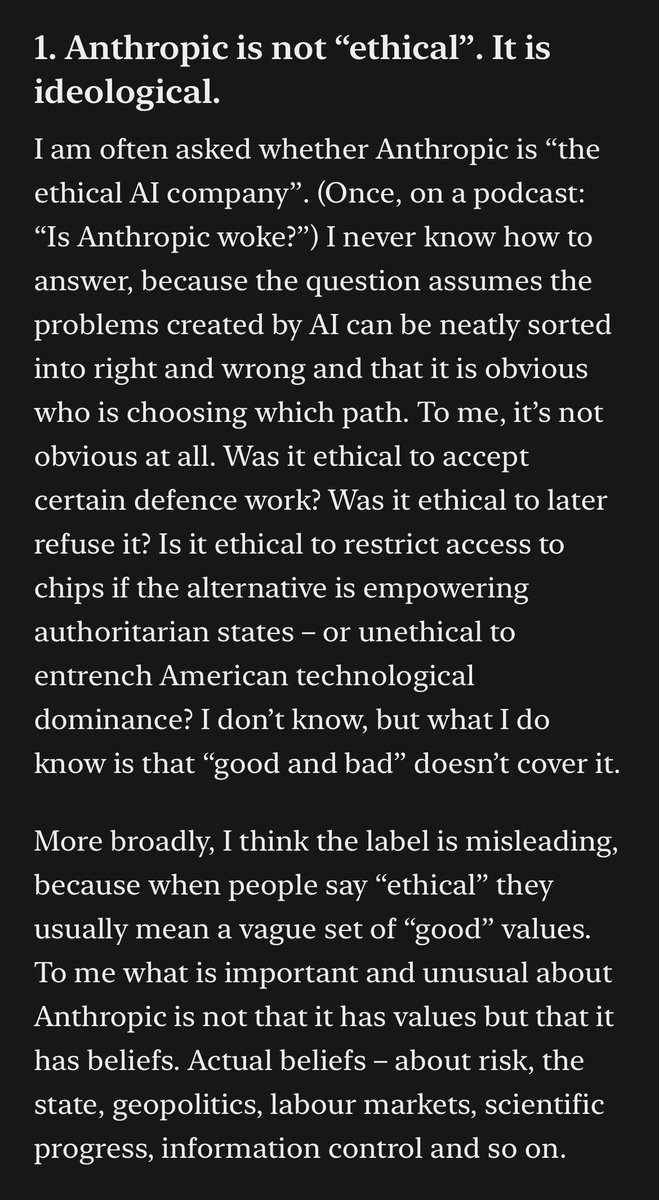
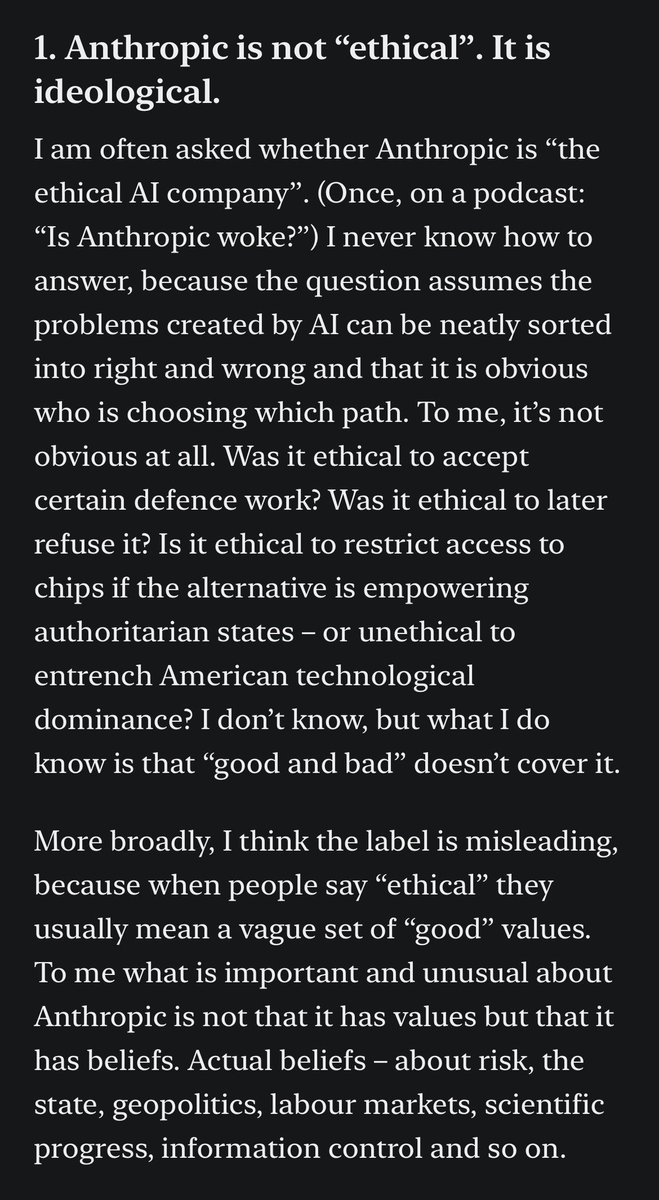
3. As I keep on saying Anthropic is a company built on unusually strong beliefs. Sometimes people will like what they come up with... sometimes they won't
1
1
7
1,236
Rowland Manthorpe retweeted

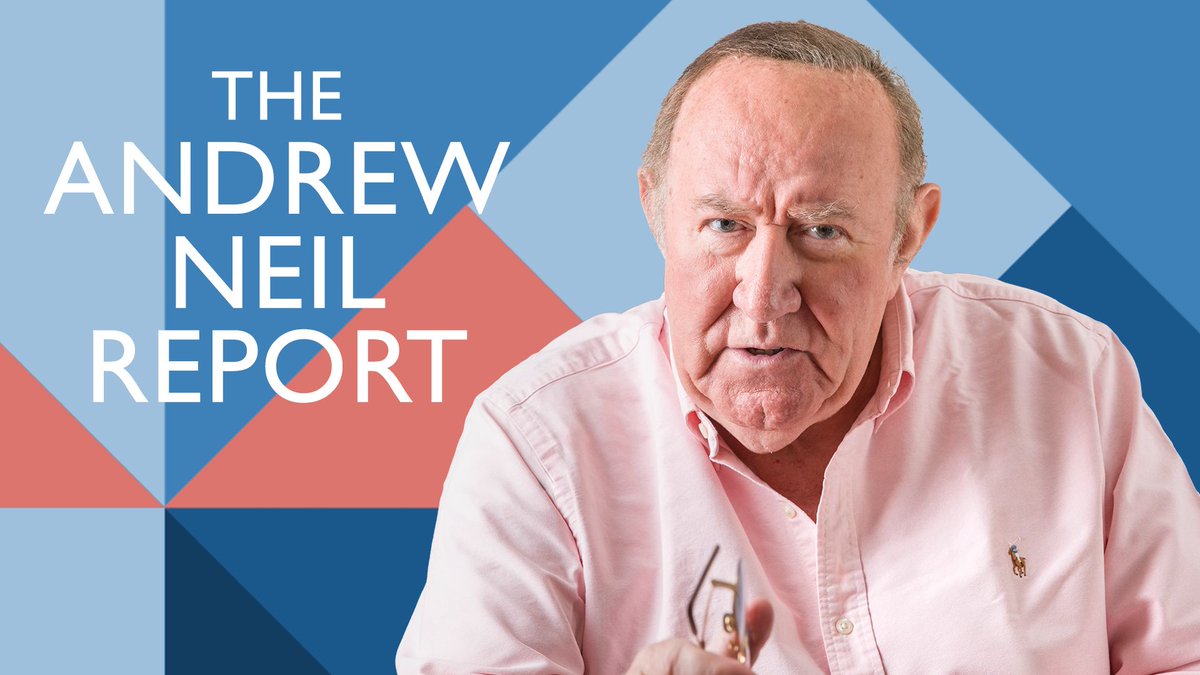
Andrew Neil is hugely capable and well known. But this shows they just don’t get it. Throwing money at legacy figures to do new media almost never justifies the costs.
There are loads of digital native, young journos who instinctively understand the new landscape, would fight to build their own audience and do it at 1/5th of the cost. Stop hiring ‘formers’ and start hiring futures.
Jun 11

News UK says new weekly Andrew Neil show on Youtube and podcasts is "major milestone" in its expansion into "premium creator content". The show is not branded to The Times, The Sun or any other News UK brand youtube.com/@TheAndrewNeilRe…
86
6
114
158,722
Rowland Manthorpe retweeted

Jun 11
I think these are very very sound recommendations.
Talk about it on here often, but some of the most fascinating people & rewarding friendships I’ve had came through cold outreach. EG I used to write physical letters to people I read about in the papers: “Read your piece in X, thought this bit was sound, this bit was off, can I buy you coffee and discuss?” Or through people DMing me here or elsewhere. Yesterday alone I met three people this way.
I’ve also had job approaches that began with: “Hey, I know you know X person and they suggested you for this role.”
I would add a couple of other points.
1) Humans are generally very kind. If you are kind, curious, and not weirdly transactional (key point btw), most people respond well. Everyone is going through their own thing and most people are far more open to connection than the internet makes them appear. Understand incentives.
2) Extroversion is a muscle. I spent a large part of my life being introverted. I now love speaking to humans from all over - it is literally my job. It is a muscle you have to work out - you need to be prepared to be wrong and not be embarrassed (followers on here will see I am often wrong!). However I still need alone time to recharge. But while you will find many of the most interesting ideas in life in old books, nothing beats yapping away with someone as a means of iterating them further (hence why I run Peripheries dinners.)
3) Find something cool, write about it. As my parents told me after a particularly terrible set of exam results when I was 15, the good news is you don’t need to be the smartest person in the room. You need to be reliable, curious, and visibly interested in something/other people. For example, taking a niche interest in Private Military Companies (lol), researching and then writing about them has led to some absolutely bizarre conversations and meetings which I love. Writing about an issue publicly - avoiding LLM slop - is an evidenced example you can be bothered too, and a good jumping off point for strangers to get in touch too.
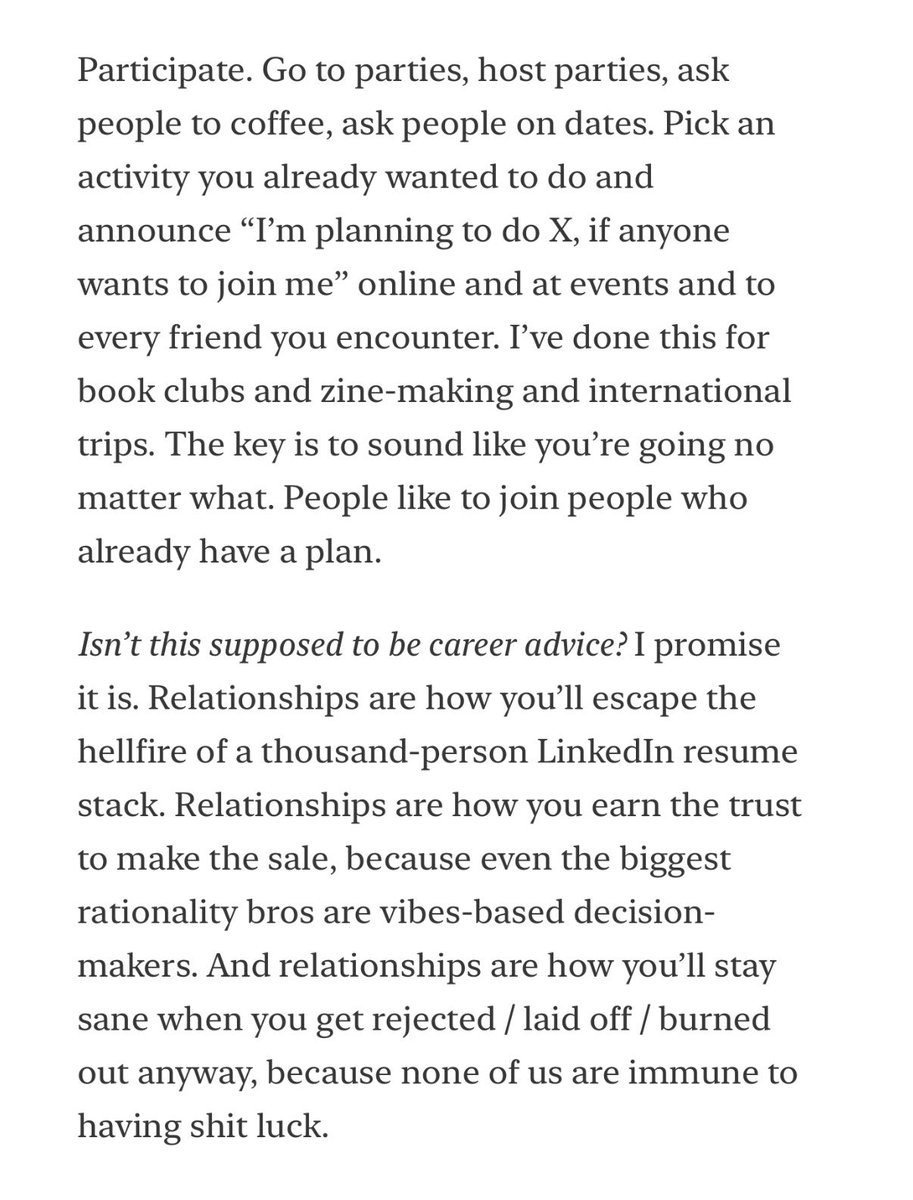
Jun 10

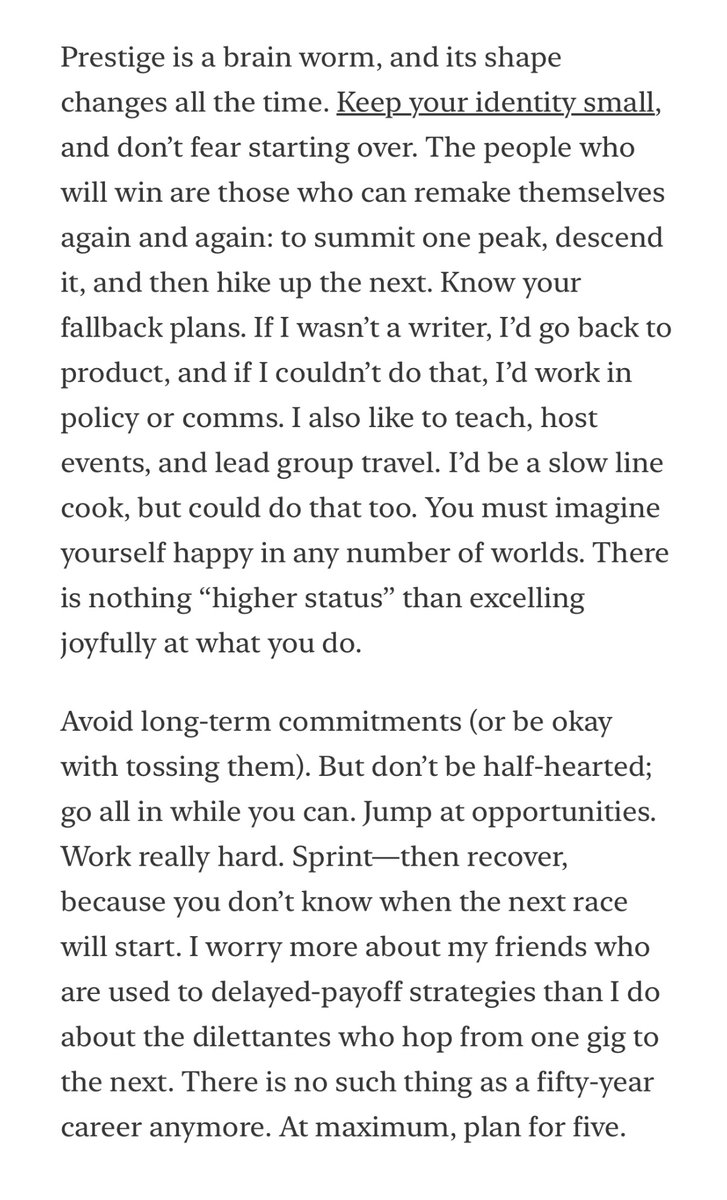
TLDR:
1. forget prestige ladders, and get used to starting over
2. invest in friendships, networks, and being a good hang
3. learn in the real world, not through textbooks
4. do not use AI to deskill yourself!
3
20
260
18,720
Jun 11
In honour of SpaceX's IPO this week, a thread about where it all began – which as I'm sure you will know, was in Guilford in Surrey
This is the home of a British company called Surrey Satellite Technologies. I visited earlier this year, wearing my most stylish beard net
1
1
5
1,765
Jun 11
The bad news is that the US is sprinting ahead. SpaceX and the DoD are building what can honestly be described as a machine to watch the world
As a former Pentagon official told me, the aim is to “watch the world without blinking 24/7”, a capacity they call “constant stare”
1
1
294
Jun 11
Much much more in my film with @Ele_Chiarella. Please do give it a watch. The world is changing very fast and what happens in space is a huge part of it
youtu.be/Wv4TPm7P424?is=q8fQ…
1
232