
Fmr Executive Assistant, Office of the President, Jubilee House | Aide to Fmr President Akufo-Addo
Joined February 2011
- Tweets 17,778
- Following 763
- Followers 28,365
- Likes 319
5,515 Photos and videos
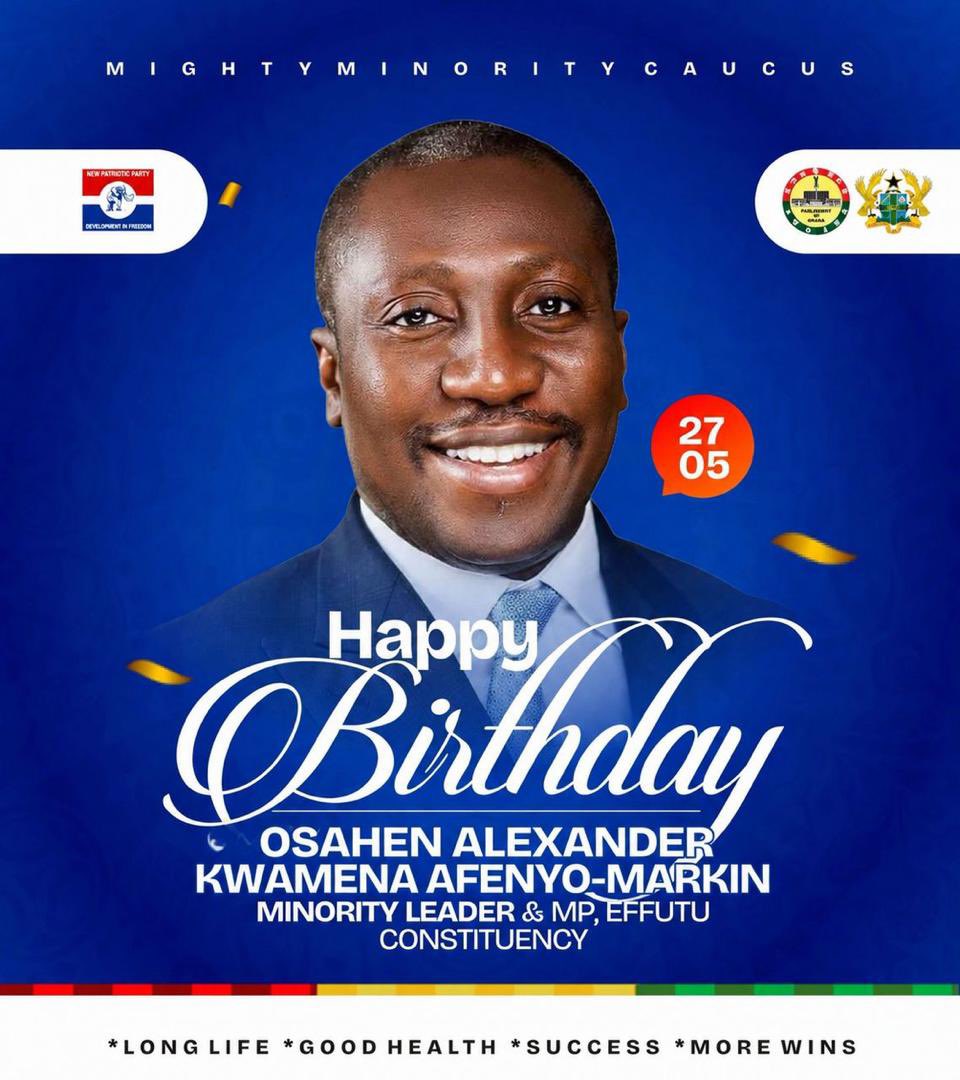



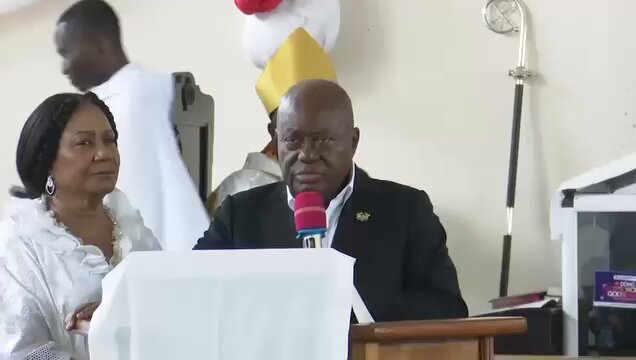
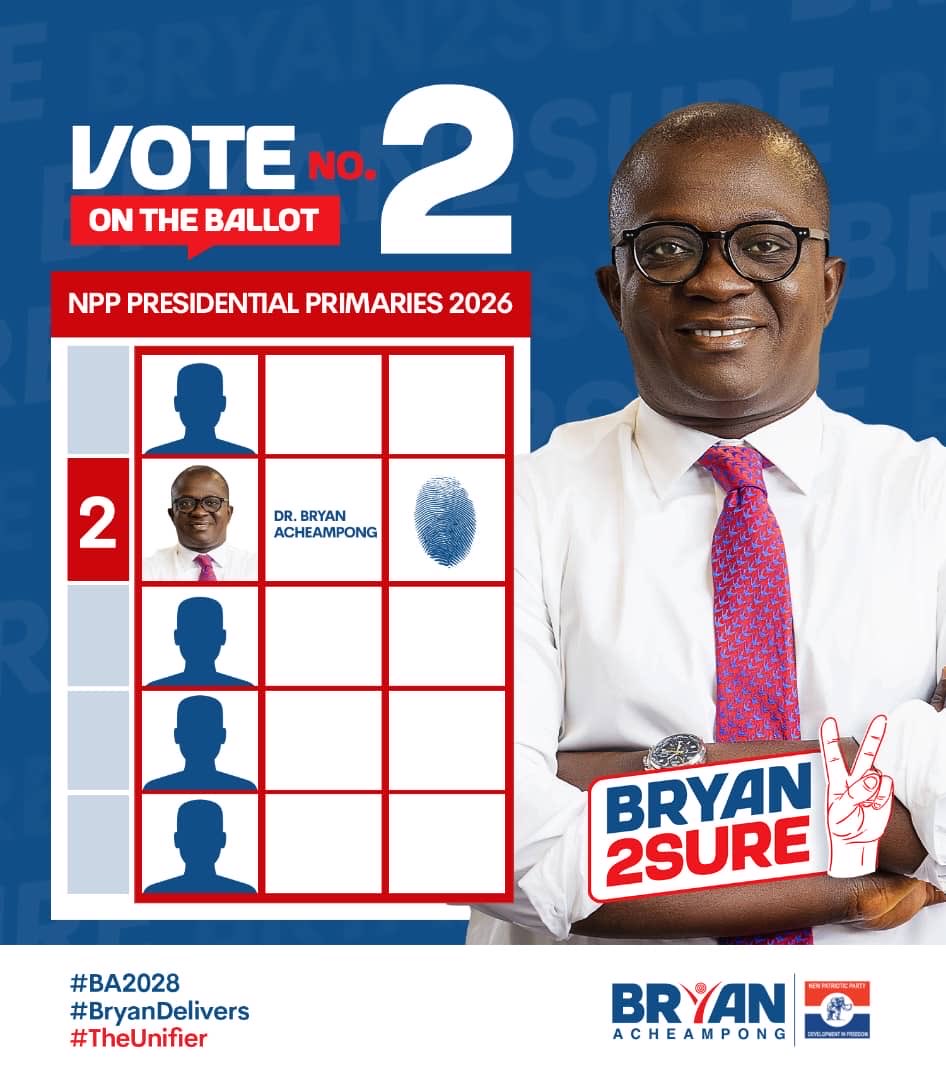
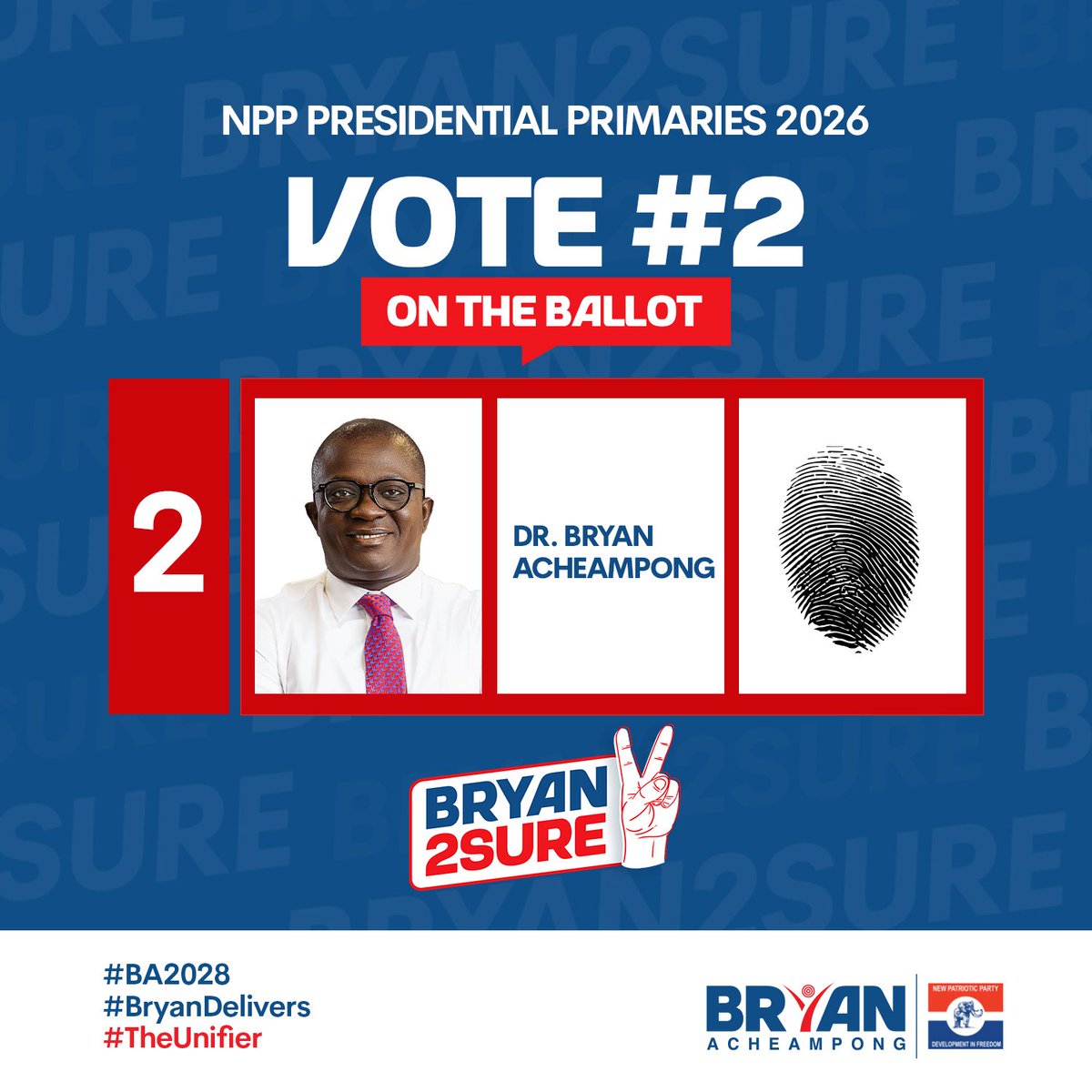





Happy birthday to Osahen Alexander kwamena Afenyo-Markin. Age gracefully, LEADER.
1
60
Charles N.T. Tagoe retweeted

May 14
Shambolic is an understatement about how poor the organisation of the Africa Athletics Championships has been. It's premium horror show.
23
176
386
21,080
Charles N.T. Tagoe retweeted

May 10
General Secretary Speaks On Committees and Matters Arising x.com/i/broadcasts/1nKOLEpvk…
2
15
27
5,849
It’s TODAY !! Rehearsing and rejoicing in the mercy, love, and grace found in Jesus Christ. See you soon.
@highlight
1
1
133
Check out PCG Salvation - New Achimota's video! #TikTok vt.tiktok.com/ZS9MvQ5yj/
28
Check out Master Planner Junior-Kintampo's video! #TikTok vt.tiktok.com/ZSHnoE4G2/
15
Check out PCG Salvation - New Achimota's video! #TikTok vt.tiktok.com/ZSH9Qs9Qt/
73
Check out Kofi Kyeremateng's video! #TikTok vt.tiktok.com/ZSHN6thWF/
56
Charles N.T. Tagoe retweeted

In the NDC Attempt to spin their way out of the crisis they have plunged the cocoa sector into, they attempted to deflect the conversation and pin it in the previous NPP Government even when it’s an obvious miscalculation on the part of the government. They attempted to use debts at CocoBod as the reason for the current situation.
This fight is a fight between NDC Government and Ghanaian cocoa farmers. NPP doesn’t come in at all. But for the purposes of records, let me state these few facts!
WHAT NPP INHERITED IN 2017
1. The NDC in 2017, left a Debt of GH19 Billion Cedis at CocoBod which was inherited by the NPP. So if they have a 32Billion debt, it include their accumulated debt they left behind plus interest from 2017.
2. The NDC left a rollover liability of about 190,000 metric tonnes for the NPP to deal with
3. In the 2017/2018 period, Cocoa prices on the international market dropped
4. The NDC introduced Cocoa Roads for the first time at Cocobod and left Huge cocoa road debts by the tome they left office in 2017
5. The NDC contracted $1.8 Billion Syndicated loan in 2016 and squandered all without completing the supply of the cocoa beans. Infact after the NDC lost the 2016 elections, between December 9th - 30th December, they spent $400milliom left from that loan paying off Road contractors when we still had cocoa beans to buy and supply
INSPITE OF ALL THE ABOVE LIABILITIES
The NPP Government then, never used the debt inherited at Cocobod, the dropped international market price , the rollover cocoa beans inherited as an excuse to reduce farmer price.
The Akufo-Addo Government then, maintained the farmer price at GH475 so they don’t inconvenience the farmer.
The @NAkufoAddo Government paid the penalty of $7.5million dollars on the unfulfilled cocoa supply contract by the NDC and went ahead to fulfil the supply.
ANOTHER FACT
1. The NPP on 7th January 2025, left in the CocoBod Account at Ghana International Bank, London, an amount of $500million Dollars, Cash.
2. The NPP Government on 7th January 2025 had already sold and expecting revenue in excess of $1billion Dollars
3. That explains why in the first 4 months of 2025, Cocobod received in their accounts revenue amounting to about $1.8billion Dollars as reported in the budget by Hon. Ato Forson.
The fact is that, the current situation is simply a poor trading decision and nothing to do with debts at Cocobod, there has never been a moment in our recent history, Cocobod didn’t hav debt and never did debts at Cocobod lead to such massive haircut on Cocoa farmers price.
The earlier this government owns up to this incompetence and finds a solution to it the better. The deflections, the attempt to push and short responsibilities, will not work.
The farmers deserve better and must have their price restored without delay
#CocoafarmersHaircut
79
112
398
37,400
“ I was glad when they said to me, “Let us go to the house of the LORD.” ~ Psalm 122:1
154
Check out PCG Salvation - New Achimota's video! #TikTok vt.tiktok.com/ZSm1YAFHx/
64
Charles N.T. Tagoe retweeted

Jan 3
1. The thing with Newsfile is that it activates an audience that generally don't read our essays or even posts here.
2. That's great but it is a primetime show so time is limited and many of the things that we have discussed at great length and carefully in our essays don't get airing.
3. The trick, I guess, is to use the attention Newsfile brings to get more people to know more about the issues we are working on.
4. In case, you only got interested in these issues because of Newsfile, here are two articles that explain WHY some of us have been talking about GoldBod.
This one explains very clearly how the losses came about:
brightsimons.com/2025/12/is-…
This one advises against trying to paper over the losses: brightsimons.com/2025/12/is-…
5. For those who think we just sprang up and started "criticising" the GoldBod, you can read our concerns before it started operating here:
brightsimons.com/2025/03/all…
6. Some of the issues we are facing now originates from some confusion in how GoldBod was structured from the start. Mixing the regulatory, policy, and commercial logics up will continue to create some serious tensions worth keeping an eye on.
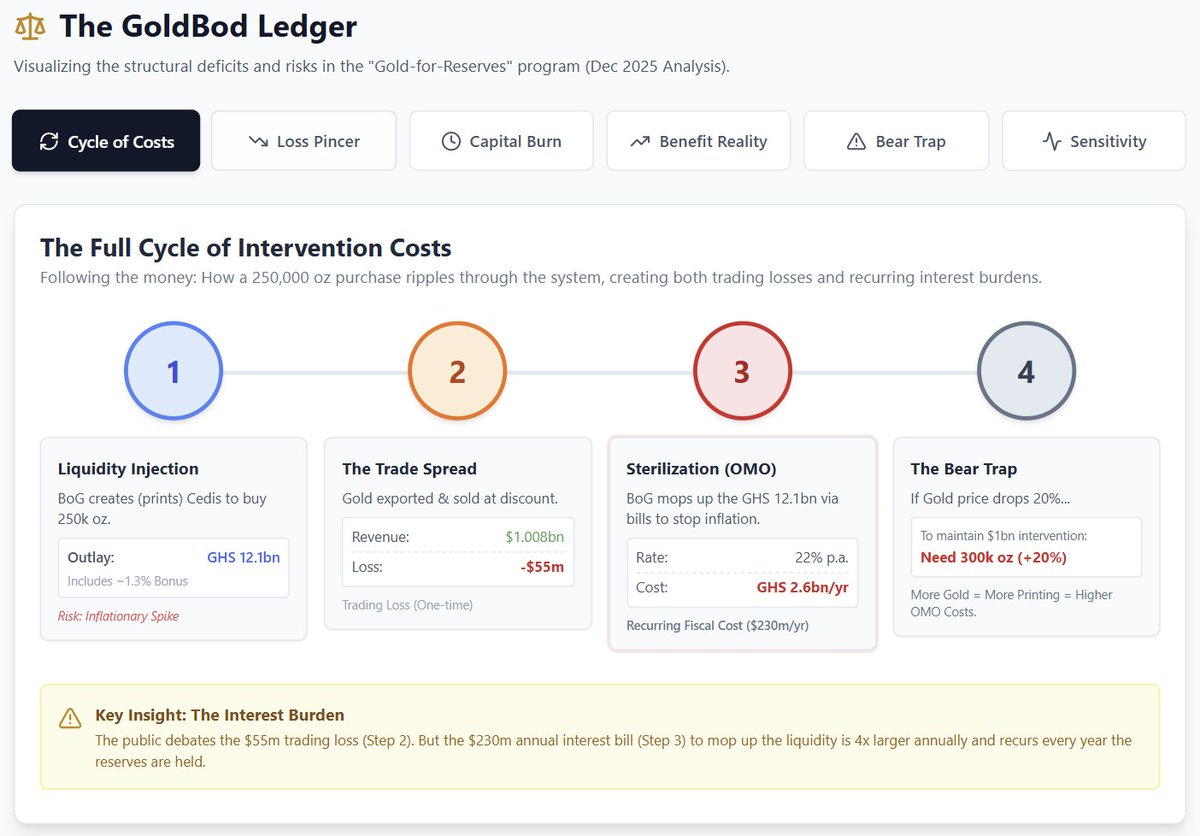
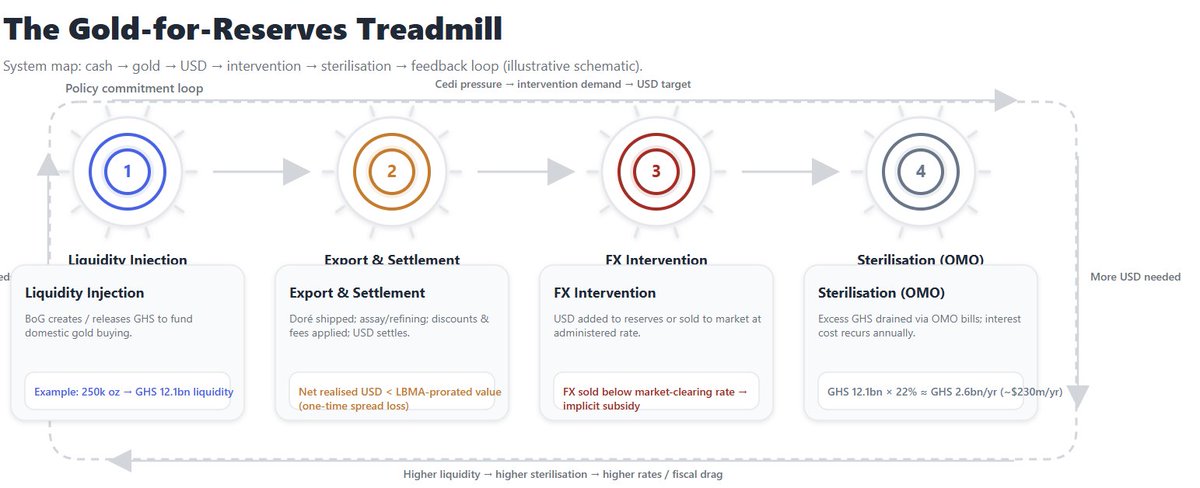
7. If you want to understand our "problem" in a nutshell before you even bother reading, fine, I am attaching a few infographics that should simplify the "Gold for Reserves" program that GoldBod inherited and is now running under its model.
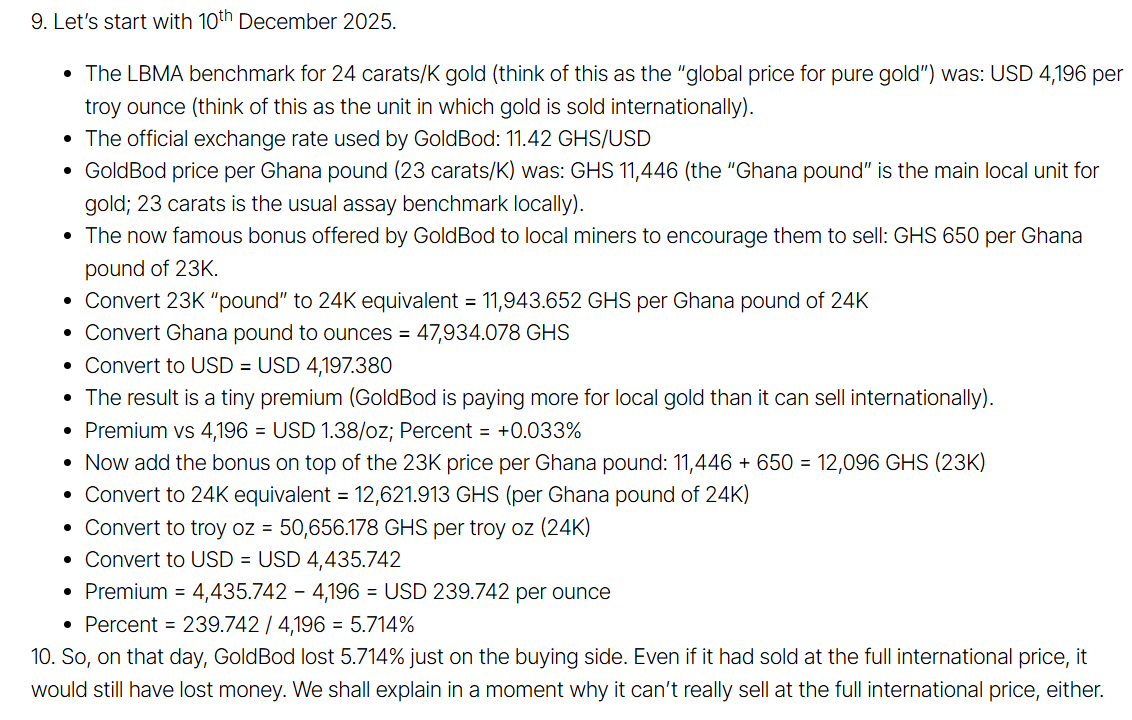
8. First, we needed to establish that there were REAL losses because our analysis flows from that point. I have attached the "flow-sequence" from the first article that shows that "losses are inherent" in how GoldBod's trades are structured. Try and internalise it.
9. Second, it is important to realise that if the original GoldBod model of trading on its own balance sheet starts, losses like that would erode the capital of GoldBod. GoldBod itself accepts that these losses, regardless of how it calls them, CAN'T CONTINUE. Which means the "losses" can't be a good thing.
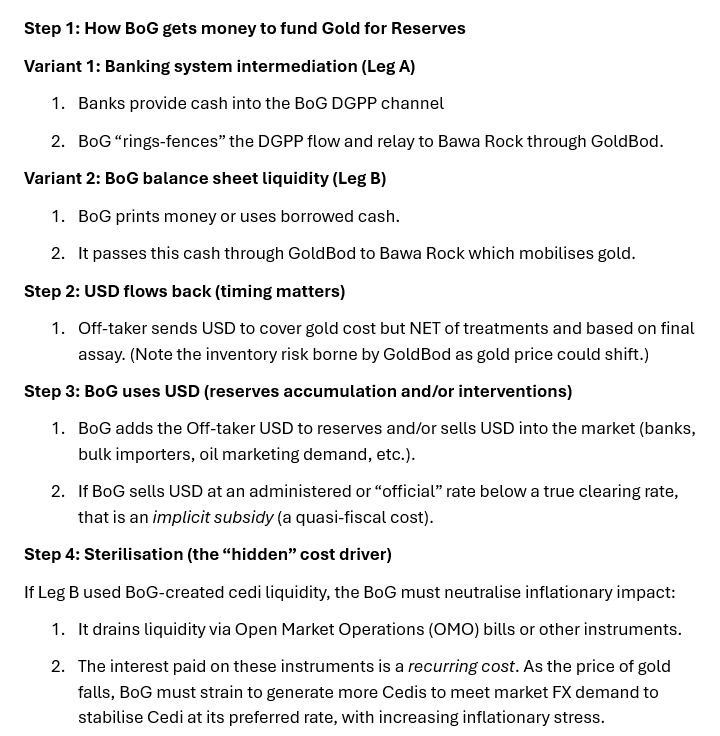
10. Third, the current Bank of Ghana (BoG) based model has huge risks as outlined in the infographic below. I have also attached a clear step by step tutorial.
Here is a simple way to grasp it: a) every country obtains foreign exchange by doing PRODUCTIVE ACTIVITY THAT IS EXPORTED AT A PROFIT TO REMAIN SUSTAINABLE. b) how then can BoG engage in an unprofitable venture, export (gold), and still sustainably bring in forex?
Short answer: it can't. It will have to cover the losses by borrowing or by printing money and then borrowing to "mop up" the excess Cedis. If the price of gold then falls, it gets into a vicious cycle which can derail both inflation targeting and exchange rate stability.
At some point in 2024, market FX interventions stopped having the desired effect for a similar reason.
11. Why do we bother with all this advocacy? Because the things that cause financial crises, "haircuts", "dumsor", "galamsey" and all the issues that have held Ghana back as a nation starts in complex, diffuse, seemingly minor ways.
12. We don't pay attention and then they balloon and get out of hand. Hence, it makes sense for us to pay attention to the "granular detail" of government policies even though they may look boring and advocates of such issues may sound like naggers and naysayers.
13. In the case of the GoldBod model, what we seek to avoid is twofold: a) a case of Ghana sleepwalking into massive financial liabilities as we have seen with many state-owned enterprises, from ECG to Cocobod; and
14. b) some people in the future (perhaps even after the current bosses are gone) hiding behind murky losses to pass "margins" to their friends.
15. The clearer things are for a significant section of the population, the lower the chances of either of the two issues happening. With full value-chain transparency, we will be able to apply the brakes before the train skids off the track.
Have a fun weekend!
98
126
298
59,573
Heavenly Father,
Thank you for the gift of a new week and a new day. We are grateful for the opportunities ahead and the blessings You have in store. Fill our heart with joy, our mind with peace, and our spirit with energy to embrace each day.
In Jesus’ name, we pray. Amen.
29

13 Oct 2025
It was a privilege and an honour serving you, Your Excellency.
4
74