
1,498 Photos and videos










Pinned Tweet

2 May 2024
👩💻The financial market was the same 100 years ago, or 100 years from now, TECHNOLOGY may change, PRODUCTS may change, TRENDS may change, PRICES may change, but PSYCHOLOGY PEOPLE AND MARKET CYCLES are still the same.
Let's grow together brother @alldexone ! 💞🤝🫶
One team 💚💚☝️

266
68
1,824
433,124
RuBy 💎 retweeted

Jun 11
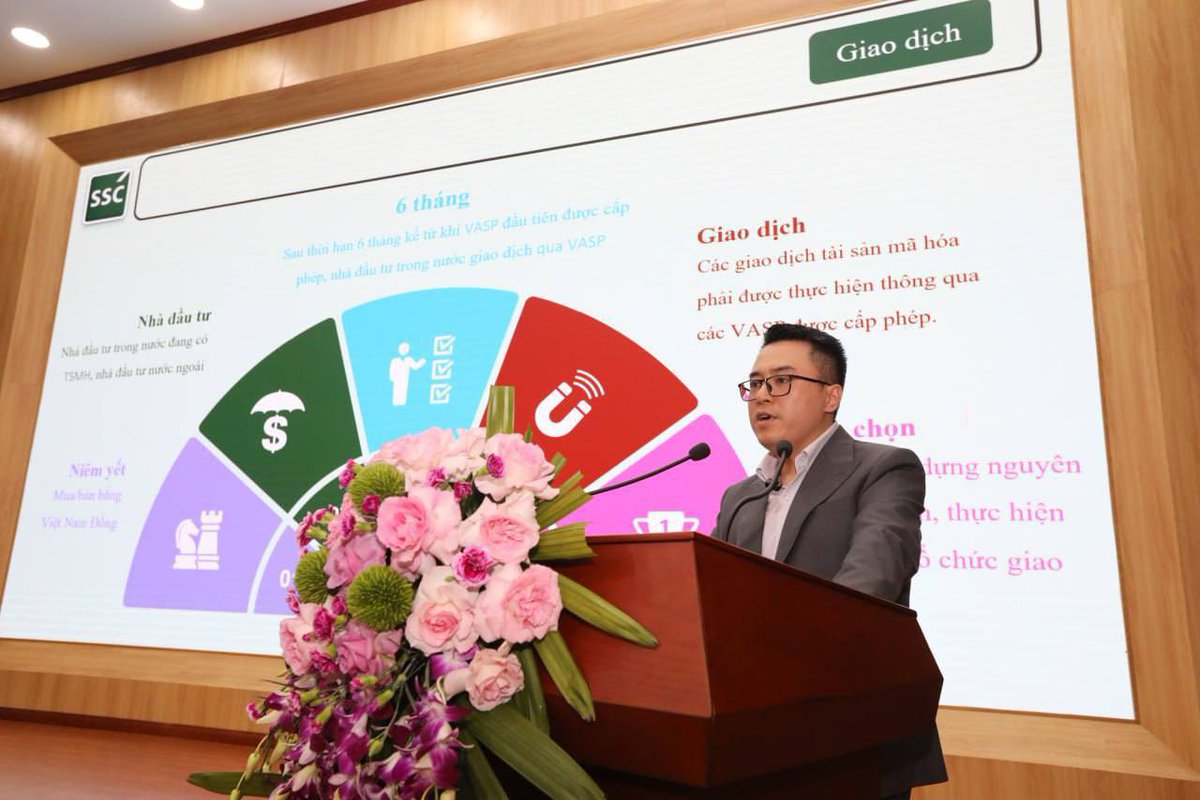
🇻🇳 TIN MỚI: Nhà đầu tư hiện không bắt buộc phải chuyển tài sản mã hóa từ sàn quốc tế hoặc ví cá nhân về sàn trong nước.
Theo chia sẻ của ông Tô Trần Hòa (UBCKNN), việc nắm giữ (hold) tài sản mã hóa trên sàn quốc tế hoặc ví cá nhân không phải là đối tượng bị xử phạt trong giai đoạn hiện nay.
🟢Một số điểm đáng chú ý:
1️⃣ Sau 6 tháng kể từ khi tổ chức cung cấp dịch vụ tài sản mã hóa đầu tiên được cấp phép hoạt động, các giao dịch thuộc phạm vi điều chỉnh của cơ chế thí điểm sẽ phải thực hiện thông qua các tổ chức được cấp phép.
2️⃣ Nhà đầu tư không bắt buộc phải chuyển toàn bộ tài sản đang nắm giữ về nền tảng trong nước chỉ để lưu ký hoặc sở hữu.
3️⃣ Các tài sản mã hóa phổ biến như BTC, ETH, USDT, USDC... được đánh giá có khả năng cao xuất hiện trong danh mục giao dịch. Tuy nhiên, danh sách chính thức vẫn phải chờ công bố từ cơ quan quản lý và các đơn vị được cấp phép.
4️⃣ Các sản phẩm như margin hoặc phái sinh hiện mới ở giai đoạn nghiên cứu, chưa phải sản phẩm được triển khai chính thức.
5️⃣ Các tổ chức được cấp phép sẽ công bố công khai tiêu chí và quy trình niêm yết tài sản theo quy định hiện hành.
⚠️ Lưu ý: Các quy định chi tiết vẫn đang trong quá trình hoàn thiện. Nhà đầu tư nên theo dõi các văn bản và hướng dẫn chính thức khi được ban hành.
Tóm lại: Theo thông tin hiện có, việc tiếp tục nắm giữ tài sản mã hóa trên sàn quốc tế hoặc ví cá nhân không đồng nghĩa với việc vi phạm quy định. Tuy nhiên, các hoạt động giao dịch trong tương lai sẽ cần tuân thủ khung pháp lý chính thức khi được triển khai.
#Vietnam #crypto #blockchain
12
11
17
436
RuBy 💎 retweeted
Jun 10
✴️ Chào buổi sáng cả nhà. Chúc mọi người một ngày nhiều năng lượng tích cực và niềm vui ☀️☕️
24
12
28
1,789
RuBy 💎 retweeted
Jun 10
✴️⛰️ Núi xanh làm nền, mây trắng điểm tô cho bức tranh Lô Lô Chải.
Lô Lô Chải đẹp tựa một trang cổ tích giữa miền sơn cước, nơi những ngôi nhà trình tường mái ngói âm dương lặng lẽ kể câu chuyện của thời gian và văn hóa vùng cao.
Em gái yêu thương khẽ bước qua, tựa ánh xuân điểm sắc cho núi rừng, khiến cả đất trời như trở nên ấm áp hơn đôi phần.
Người ngắm cảnh, cảnh ngắm người.
Giữa vẻ đẹp của bản làng và nét duyên của người thiếu nữ, mọi khoảnh khắc đều trở thành một phần của ký ức thật đẹp.
#Alldex #Vietnam #hot #trend
16
11
15
1,142
RuBy 💎 retweeted
Jun 9
💁♂️ Anh đã mang những câu chuyện như của em đến với nhiều người bạn trong nước và quốc tế. 🌍
Có những người chưa từng biết nhiều về vùng cao Việt Nam, nhưng vẫn lặng đi khi xem những khoảnh khắc giản dị như thế này.
Có người sau đó đã lên đường đến Việt Nam, không chỉ để ngắm cảnh đẹp, mà để cảm nhận tận nơi những con người, những nét văn hóa và nguồn năng lượng mà họ từng thấy qua màn hình.
Anh luôn tin rằng, khi một câu chuyện đủ chân thật, nó sẽ tự tìm được con đường để đi rất xa.
💞 Em gái yêu thương vùng cao, em không chỉ mang vẻ đẹp của núi rừng mà còn mang theo hồn cốt của văn hóa Việt Nam.
Giữa đất trời rộng lớn, từng điệu múa của em như một lời chào mộc mạc gửi đến bạn bè bốn phương. Không cần sân khấu lớn, vẫn đủ để người ta dừng lại, lắng nghe và ghi nhớ.
Du lịch không chỉ là hành trình khám phá cảnh sắc, mà còn là hành trình gặp gỡ những con người tạo nên linh hồn của một vùng đất.
Và em chính là một trong những hình ảnh đẹp đã giúp nhiều người bạn quốc tế hiểu hơn về Việt Nam, yêu hơn những giá trị bình dị và mong muốn một ngày được đặt chân đến nơi đây.
Một điệu múa có thể vượt qua biên giới.
Một con người có thể kết nối những trái tim cách nhau nửa vòng Trái Đất.
Đó chính là sức mạnh của sự chân thành. ❤️🇻🇳
#Vietnam #Culture #Travel #HMong #TayBac #VietnamTourism
15
11
18
838
RuBy 💎 retweeted
Jun 9
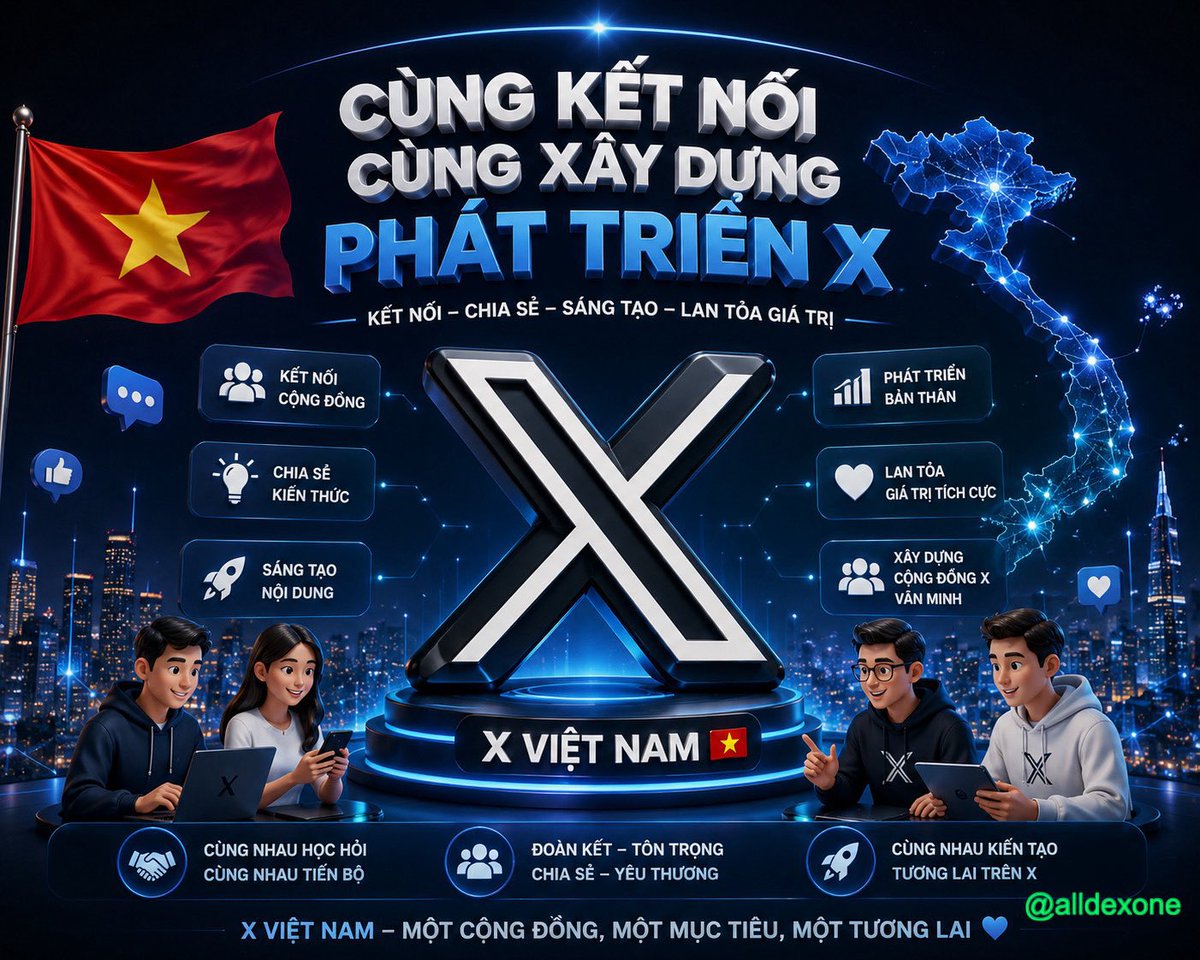
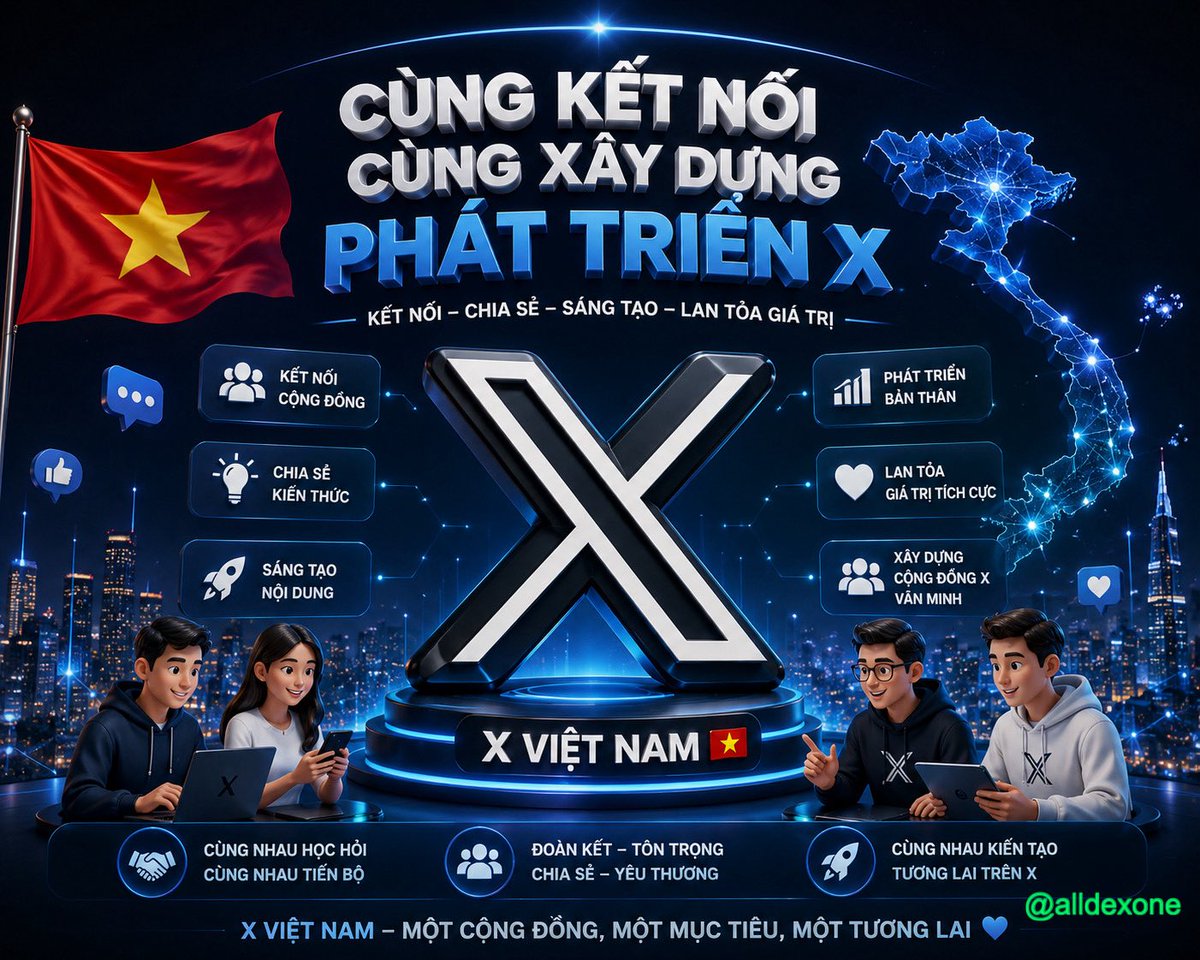
✴️ Trước đây Alldex chủ yếu giao lưu với bạn bè quốc tế bằng tiếng Anh trên 𝕏.
Thời gian tới, Alldex muốn dành nhiều thời gian hơn để kết nối với anh chị em Việt Nam, cùng trao đổi góc nhìn, sáng tạo nội dung và lan tỏa những giá trị tích cực.
Anh chị em Follow Alldex nhé. Alldex cũng sẽ ưu tiên Follow lại để được kết nối, giao lưu và đồng hành cùng anh chị em trên hành trình xây dựng một cộng đồng 𝕏 Việt Nam văn minh, tích cực và gắn kết. 🇻🇳❤️ 🤝
#XVietnam #NguoiVietTrenX #VietNam #KetNoi #SangTaoNoiDung #Alldex
13
11
16
400
RuBy 💎 retweeted
Jun 9
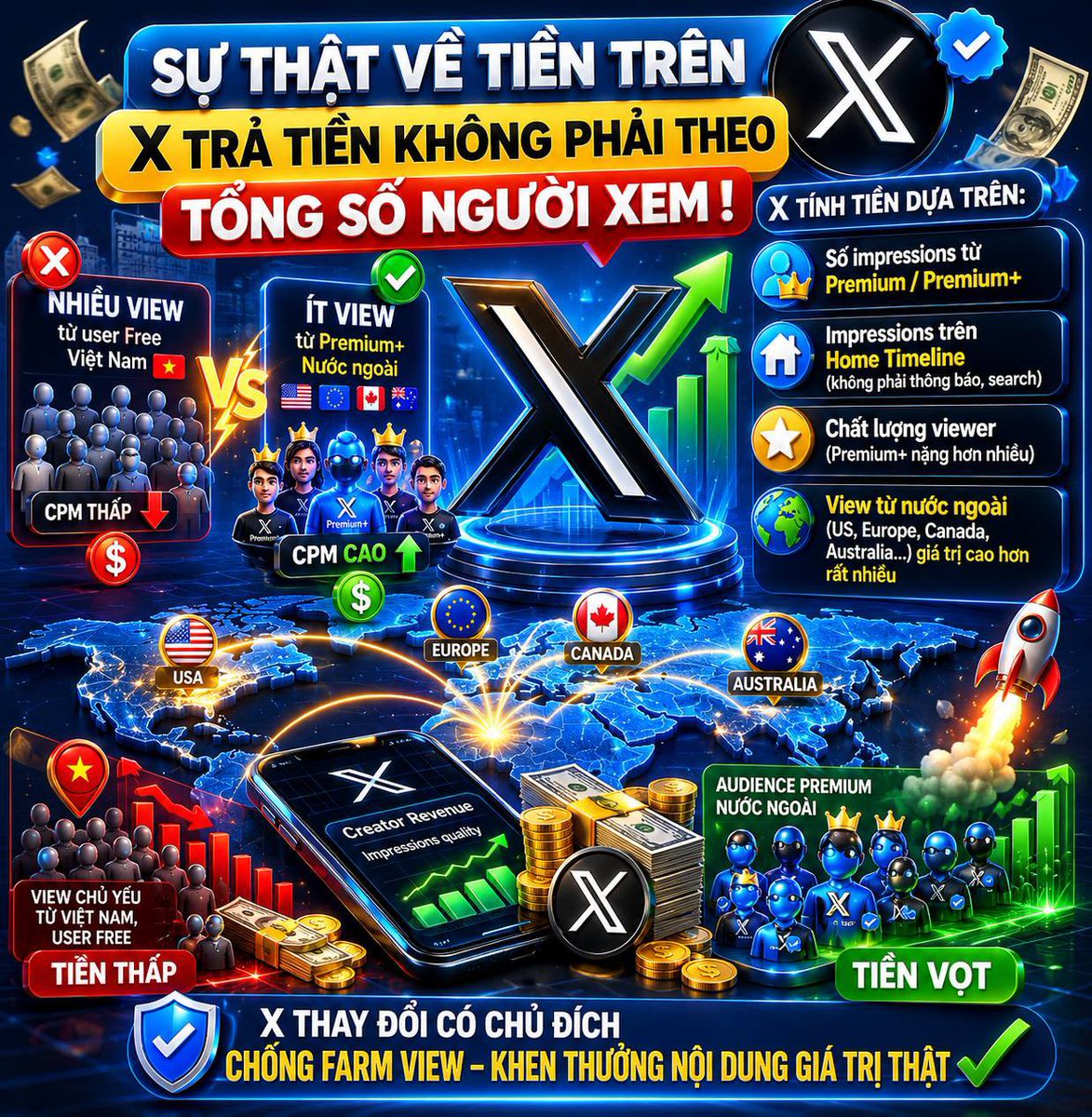
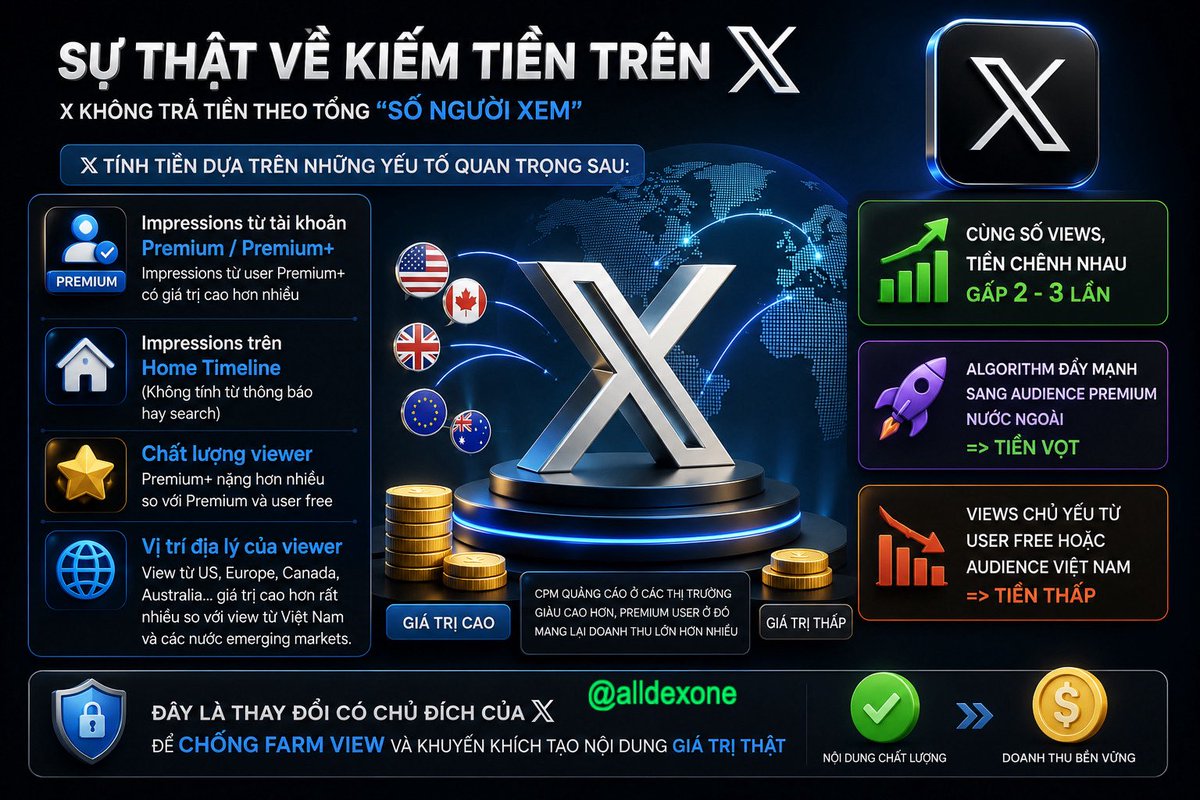
✴️ Mọi người hay nhầm tưởng 𝕏 trả tiền theo tổng “Số người xem”. Thực tế không phải.
🟢 𝕏 tính tiền chủ yếu dựa trên:
🔶 Số impressions từ tài khoản Premium/Premium
🔶 Đặc biệt là impressions trên Home Timeline (không phải từ thông báo hay search)
🔶 Chất lượng viewer (Premium nặng hơn nhiều)
🔶 Quan trọng: View từ nước ngoài (US, Europe, Canada, Australia…) giá trị cao hơn rất nhiều so với view từ Việt Nam và các nước emerging markets. Lý do là CPM quảng cáo ở các thị trường giàu cao hơn, và Premium user ở đó mang lại doanh thu lớn hơn nhiều.
Đó là lý do cùng số views cao mà tiền chênh nhau gấp 2- 3 lần.
🔷 Kỳ nào algorithm đẩy mạnh sang audience Premium nước ngoài => tiền vọt.
🔷 Kỳ views chủ yếu từ user free hoặc audience Việt Nam => tiền thấp.
Đây là thay đổi có chủ đích của 𝕏 để chống farm view và khuyến khích tạo nội dung giá trị thật.
8
10
18
414
RuBy 💎 retweeted
Jun 7
✴️ A graceful lady reads books to nurture her mind 📖
A true companion walks beside her to broaden horizons.
(@rubycomes )💎🩷🤝
#Alldex #Ruby #hot #trend #OneTeamOneDream 💙🤝
14
11
17
621
RuBy 💎 retweeted
Jun 6
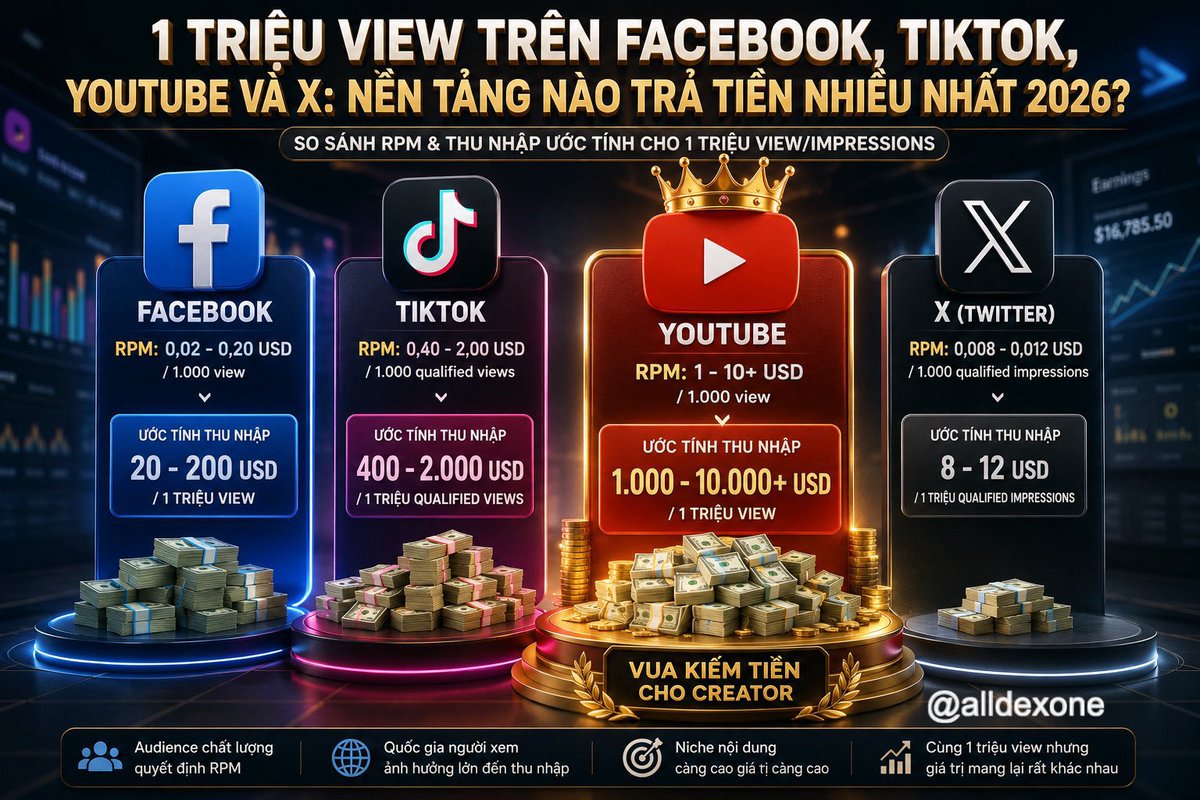
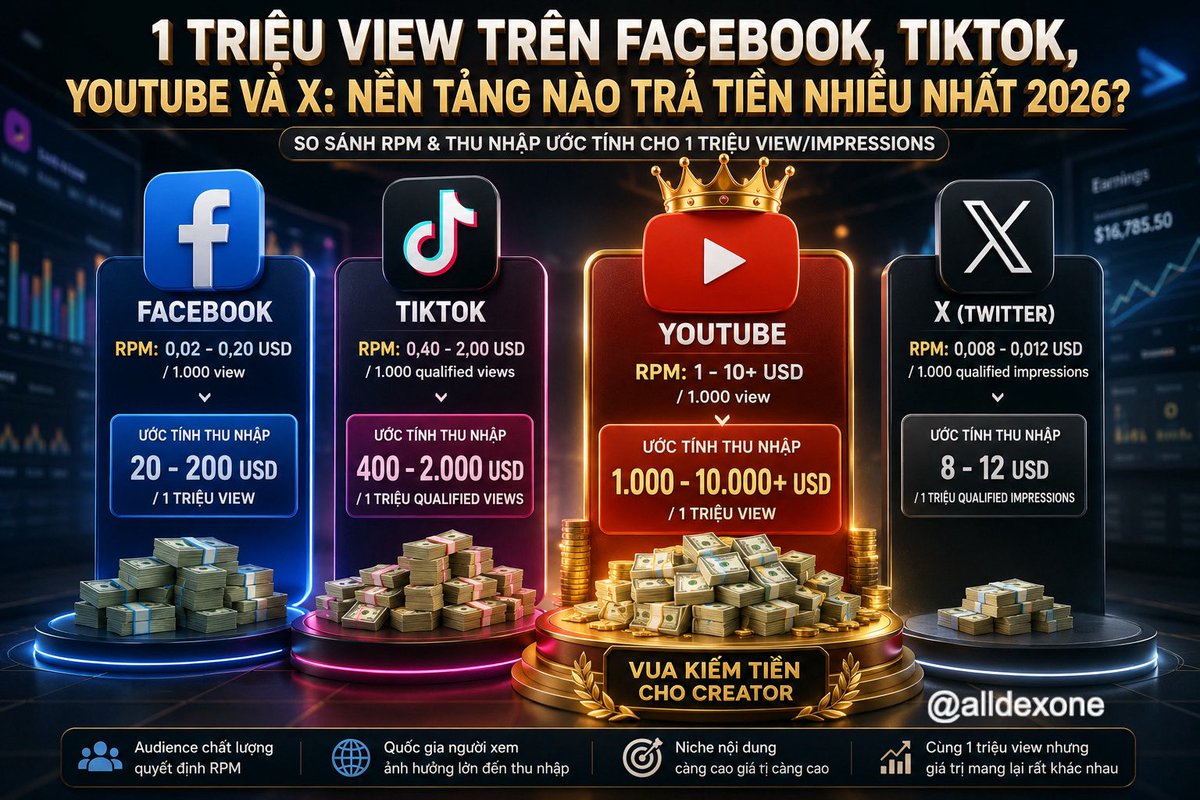
✴️📊 1 Triệu View Trên Facebook, TikTok, YouTube Và 𝕏: Nền Tảng Nào Trả Tiền Nhiều Nhất 2026?
🔶 Facebook: thường dao động khoảng 0,02 đến 0,20 USD / 1.000 view với audience phổ thông. Quy đổi tương đương khoảng 20 đến 200 USD / 1 triệu view. Traffic tier cao có thể hơn nhiều.
🔶 TikTok: Creator Rewards hiện thường khoảng 0,40 đến 2,00 USD / 1.000 qualified views, tương đương khoảng 400 đến 2.000 USD / 1 triệu qualified views, nhưng phụ thuộc mạnh vào video dài hơn 1 phút, audience và niche.
🔶 YouTube: RPM creator thường dao động rộng khoảng 1 đến 10 USD / 1.000 view tùy niche và quốc gia người xem, tương đương khoảng 1.000 đến 10.000 USD / 1 triệu view. Finance, công nghệ hoặc audience tier cao có thể vượt xa mức này.
🔷 𝕏: creator phổ thông thường chỉ khoảng 0,008 đến 0,012 USD / 1.000 qualified impressions, tương đương khoảng 8 đến 12 USD / 1 triệu qualified impressions. Niche crypto, tech, finance có thể cao hơn đáng kể.
Cùng là 1 triệu lượt xem nhưng giá trị mỗi nền tảng rất khác nhau. Viral tạo ra view, còn audience chất lượng và hệ thống monetization mới quyết định tiền đi về đâu.
#Facebook #Tiktok #YouTube #X #XCreator #trending #hot
14
11
18
822
RuBy 💎 retweeted
Jun 5
6
11
14
3,772
RuBy 💎 retweeted
Jun 3
✴️ Hỏi sao em xinh thế này? Em chỉ cười rồi đáp: “Em tắm tiên ạ ! ” 😂😂⛰️🩷🫶
#Alldex #taybac #travelvietnam #funnyvideo #viralvideo
16
11
19
598
RuBy 💎 retweeted
Jun 2
✴️ Làng Thèn Pả: Bức tranh đẹp bình yên dưới chân cột cờ Lũng Cú 🇻🇳
Thèn Pả hiện ra như một bức tranh cao nguyên thuần khiết, lưu giữ trọn vẹn hồn cốt của đồng bào H’Mông. Nơi đây níu chân lữ khách bằng nếp nhà trình tường vách đất, mái ngói âm dương cổ kính và nhịp sống dung dị, nguyên bản của dân bản. Cùng ngắm nhìn một Hà Giang thật tình và đậm đà bản sắc! ⛰️💚👍👍
#ThenPa #HaGiang #trending #VanHoaHMong #Alldex
12
11
20
1,425
May 30
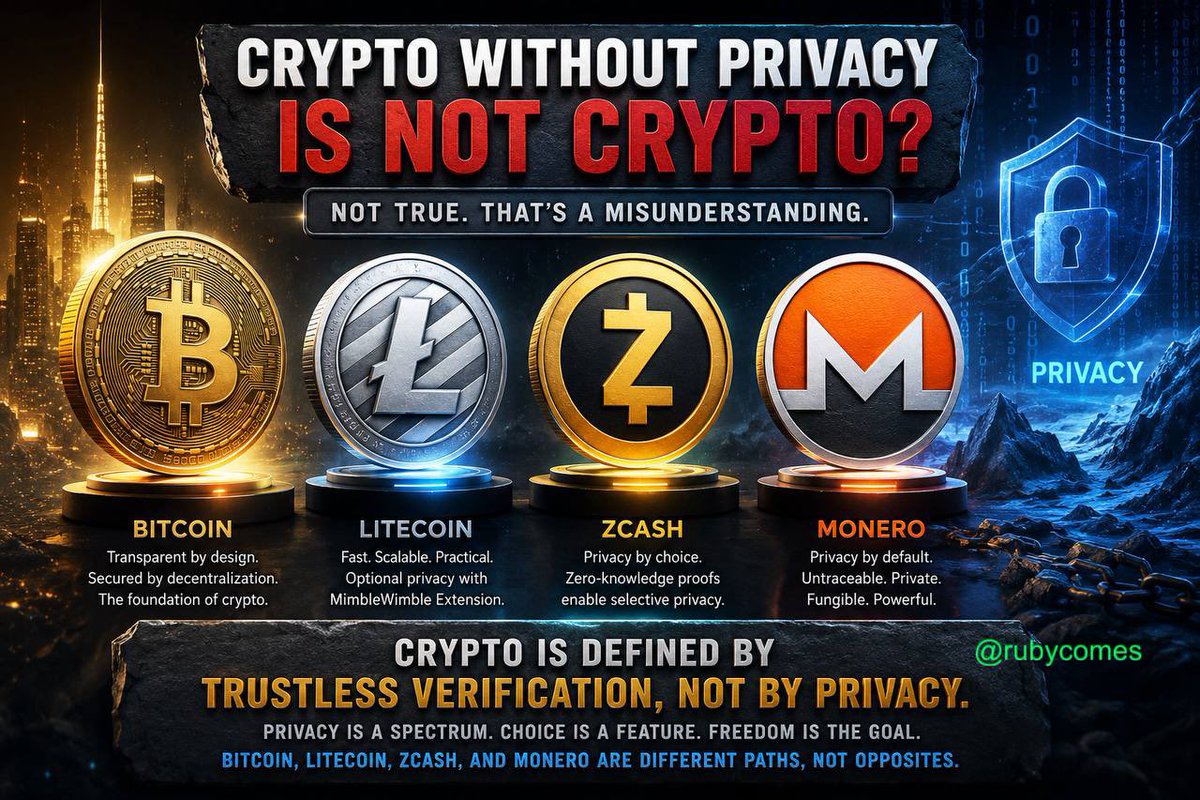
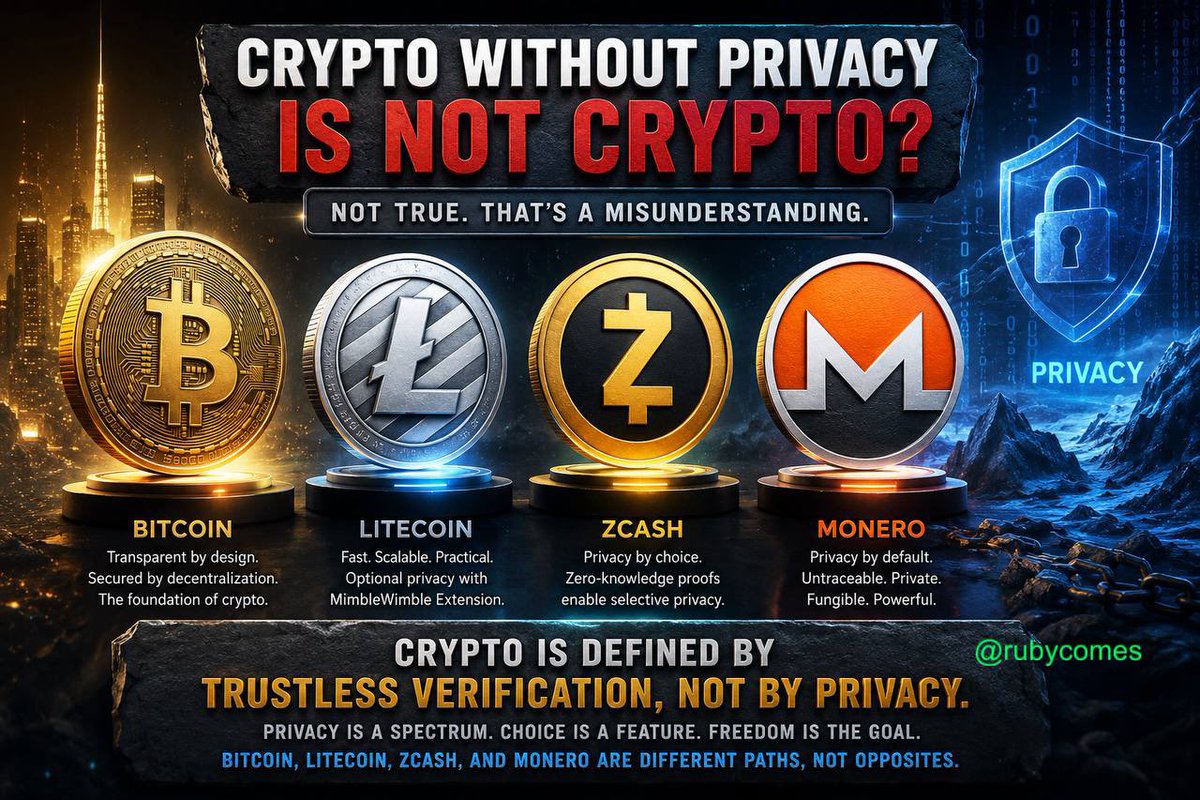
✴️Ⓜ️ (@mert ) 👇
👩🏻🎨 “Your statement sounds convincing at first glance, but if we treat it as a definition of crypto, it becomes a fundamental category error that conflates concepts.”
“crypto without privacy is not crypto”
If interpreted in an absolute sense, this claim contradicts the actual existence of the entire industry. Bitcoin and Ethereum remain fully valid crypto systems despite being completely transparent on-chain. This alone demonstrates that privacy is not a necessary condition for something to be considered crypto.
In blockchain system design, crypto is defined by core cryptographic primitives such as digital signatures, hash functions, consensus mechanisms, and the ability to guarantee data integrity in a trustless environment. Its primary focus is verifiability and trust minimization, not default anonymity.
The flaw in the original argument lies in equating cryptography with anonymity. Cryptography enables verification without requiring trust, but it does not mandate that all information must be hidden.
Privacy in crypto is not a fixed requirement but a design spectrum with multiple levels.
At one extreme are #Bitcoin and #Ethereum, where transparency is prioritized to enable auditing, fraud prevention, and the infrastructure of open financial systems.
At the opposite extreme is #Monero, where privacy is enforced at the protocol level by default, using ring signatures, stealth addresses, and confidential transaction mechanisms that obscure all transactional metadata, resulting in strong system-level anonymity.
Between these extremes lies #Zcash, a distinctive model that uses zero-knowledge proofs to enable fully private transactions while still allowing optional transparency when needed. This is a crucial point: Zcash demonstrates that privacy is not binary but can be mathematically proven without revealing underlying data, creating a balance between confidentiality and auditability.
In parallel, #Litecoin ( $LTC) represents a more flexible approach. While it largely follows Bitcoin’s transparent model, it has experimented with MimbleWimble Extension Blocks to enable optional privacy features. This highlights an important reality: blockchain systems can adjust privacy levels depending on user demand, liquidity considerations, and regulatory requirements across jurisdictions.
Taken together, #Bitcoin, #Zcash, #Monero, and Litecoin are not mutually exclusive categories, but rather points along a single architectural spectrum ranging from full transparency to selective privacy and default anonymity.
If we accept the statement “crypto without privacy is not crypto,” then logically we would have to exclude most functioning crypto systems from the definition, or dismiss privacy-focused systems like Monero and Zcash, both of which exist precisely because of different cryptographic trade-offs. Neither conclusion reflects reality.
Crypto is not defined by privacy. Instead, privacy is an architectural spectrum spanning from full transparency to strong anonymity, where Bitcoin, Zcash, Monero, and Litecoin represent different optimization points depending on system goals and regulatory environments.🤙🤙

19
11
19
763
RuBy 💎 retweeted
May 30
✴️ Bạn nữ Canada nói tiếng Việt làm mình cũng phải bất ngờ luôn 😂🇨🇦🇻🇳
#Vietnam #viralvideo #trending
12
15
17
667
RuBy 💎 retweeted
May 28
✴️ She caught the local rhythm so quickly, and after just a few dance moves, we were already bringing smiles, energy and good vibes to the whole old town 🌄💃🕺
#Alldex #Ruby #travelvibes #dongvan #goodenergy #dance #Vietnam
13
11
15
801