one must imagine sisyphus happy. Godspeed osama!
Joined November 2021
- Tweets 1,367
- Following 679
- Followers 720
- Likes 18,743
51 Photos and videos







Rukundo retweeted

Jun 13
Never understimate the determination one has to protect a delusion that insulates the comfort they derive from their wolrdview.
2
10
43
1,024
Rukundo retweeted

Jun 13
imagine if they banned all models and we all went back to writing code by hand and the last 6 months were just a fever dream…imagine
488
494
13,845
458,024

Rukundo retweeted

Jun 11
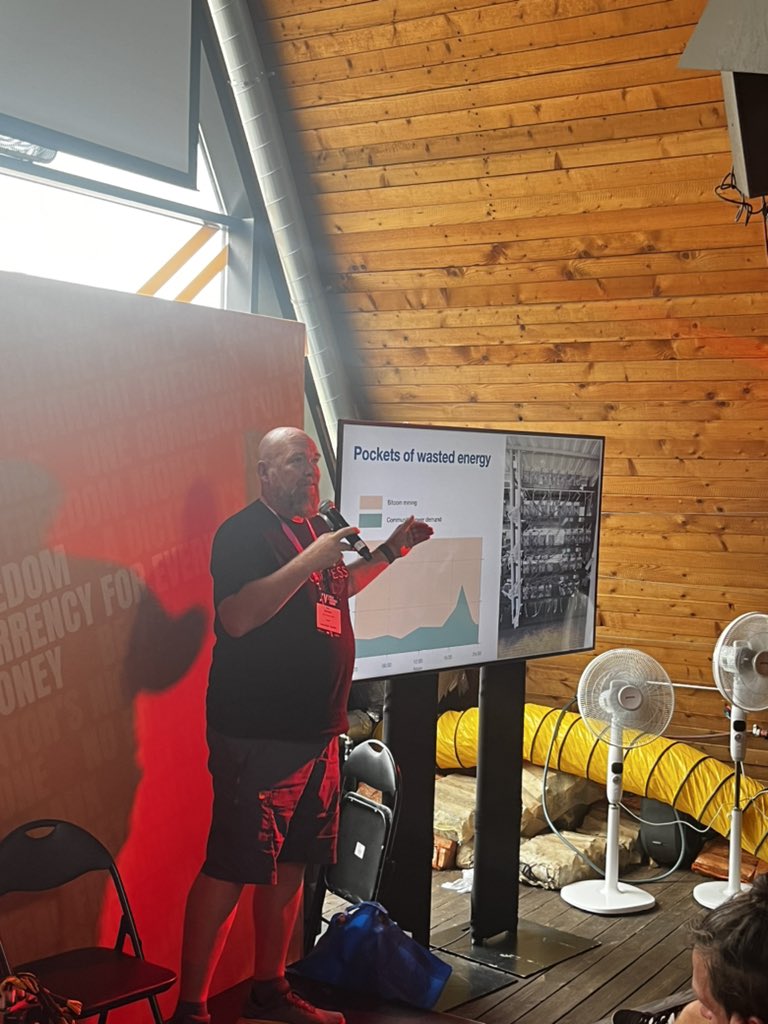
During the Freedom Tech track at the 2026 Oslo Freedom Forum, Femi Longe, global freedom tech lead at HRF, honors the life and legacy of Hadiya Masieh, a dear friend of HRF and a passionate advocate for financial freedom. Through her work with the Groundswell Project, Hadiya supported women recovering from repression and dedicated her life to helping others rebuild with dignity. Her legacy lives on in the lives she changed, and in the freer, more hopeful future she helped imagine and build.
Watch the full tribute: ow.ly/9AhT50ZaF0S
12
43
3,093
Rukundo retweeted

25 Oct 2025
the best movie on context engineering

60
159
1,730
114,629

Regime change.
Jun 3

Curious: What American franchise would you like to see in East Africa?
14
368
1,058
32,747
Rukundo retweeted

startup life: building the plane while flying it.
15
113
554
17,197
Rukundo retweeted

consequences

How can we propagate good values at scale?
90
4,735
9,271
306,369
Rukundo retweeted

May 20
The world's newest physical Bitcoin space — @NodeNBO — has officially opened it's doors!
Located in Kenya 🇰🇪, Node NBO is an event space, a tech lab, and a co-working hub for members of the @GridlessCompute, @fedibtc, @btrust_builders, and @HRF teams.
bitcoinmagazine.com/news/new…
13
63
181
25,336
Rukundo retweeted

May 20
Can someone please fix bacon packaging. There has to be a better way.
387
6,127
54,999
5,640,807

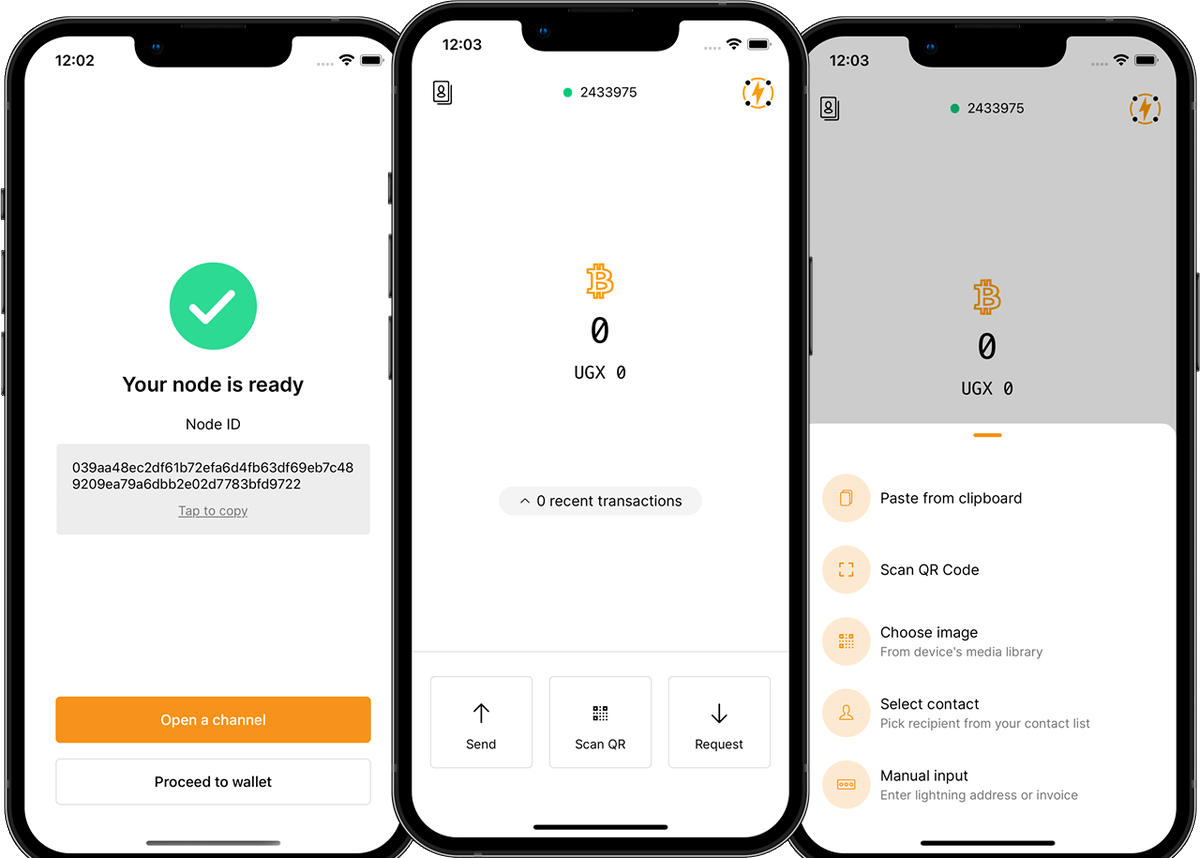
We’ve been on a side-quest, and we have good news from the other side! 40 million Kenyans now have a bitcoin Lightning Address! They didn’t need to sign up for one because they had it this entire time, attached to the phone number in their pocket!
Try it: send bitcoin to 0717252303@bitcoin.co.ke (254 is optional). The BTC arrives as KES in their M-Pesa. ⚡ EVERY M-Pesa number works. All 40,000,000.
Wallets with LUD-09 support give you a nice clickable link to see your M-Pesa receipt. For example: bitcoin.co.ke/receipt/6528a4…
71
220
701
181,744
Rukundo retweeted

May 7
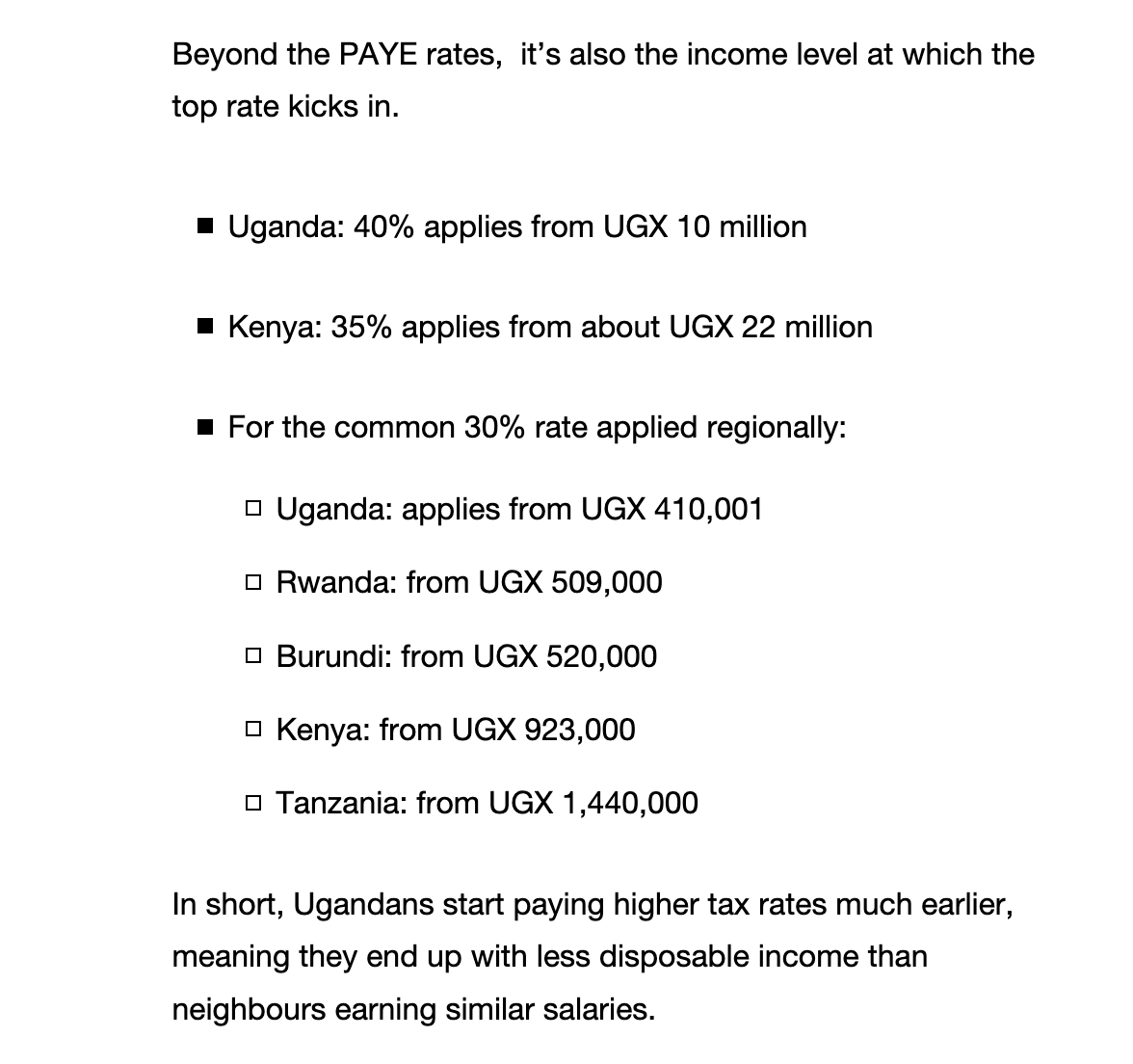
And the punishment does not end at PAYE. After being taxed like there is no tomorrow, the Ugandan walks into a digital economy that has been booby-trapped by the same government.
Mobile money: Uganda is the only country in the region that taxes the value of money you withdraw from your own wallet, on top of taxing the service fee. Withdraw UGX 1 million through mobile money and you part with about UGX 16,630 in fees and taxes. Do the same at a bank or ATM and you pay around UGX 3,000. Sending and withdrawing that same UGX 1 million on mobile money costs more than transporting the cash physically across Kampala. Kenya, Nigeria and South Africa do not tax the transaction value at all.
Smartphones: Uganda is the only country in the region that imposes a 10% import duty on smartphones. Kenya, Tanzania, Rwanda, Nigeria and South Africa charge zero. The result is that 61.7% of Ugandans still use feature phones, while their neighbours scroll into the future.
Airtime and data: 12% excise duty on prepaid and postpaid airtime, plus 18% VAT on top of it. Internet in Uganda remains among the most expensive in East Africa, while data spend per user is one of the lowest on the continent. Translation: we pay the most to use the least.
Rental income: Landlords cough up rental tax separately from PAYE, and individuals are taxed at 12% on gross rental income above UGX 2.82 million annually, with no deductions allowed for actual costs. Landlords do not absorb that cost. They pass it straight onto tenants, which is part of why rent in Kampala has become punishing for ordinary working people. You are taxed on your salary, then taxed again, indirectly, on the roof over your head.
Withholding tax, VAT, fuel levies, environmental levies, the digital service tax on Netflix and YouTube subscriptions, road user fees, parking levies in Kampala, and the famous "service charges" that mysteriously appear at the bottom of restaurant bills. There is no corner of life in this country that has not been monetised, taxed, fined, or assessed.
The net effect is brutal. A Ugandan in formal employment hands over the largest slice of their salary in PAYE earlier than any @jumuiya neighbour, then pays more to send money to their mother, more to access that money, more to call their mother, more to text their mother, more to watch a film to forget their mother is also broke, and more to fill the car they need to drive to see her. By the time the average worker has finished settling all the visible and invisible taxes, what remains is barely enough to fund the dignity of a working person.
Meanwhile, those collecting the taxes are flying private, building palaces in Bukedea, and skipping the bills at international summits. Money goes up. Suffering trickles down. That is the actual model.

Why would Uganda – the poorest of them all – have the highest PAYE regime?
13
110
193
11,573
Rukundo retweeted

May 6
Reasons to use an em dash:
1) reclaim it from the machines
2) you don't know what a semicolon is for
3) it has incredible vibes
127
5,612
36,252
508,516
Rukundo retweeted

May 5
The last 20% isn't most of the work, it's all of the work.
100
312
3,085
147,318
Rukundo retweeted

May 1
The cost of avoiding structure is that every day has to be renegotiated from scratch.
133
5,995
26,689
1,006,406
Rukundo retweeted

Apr 28
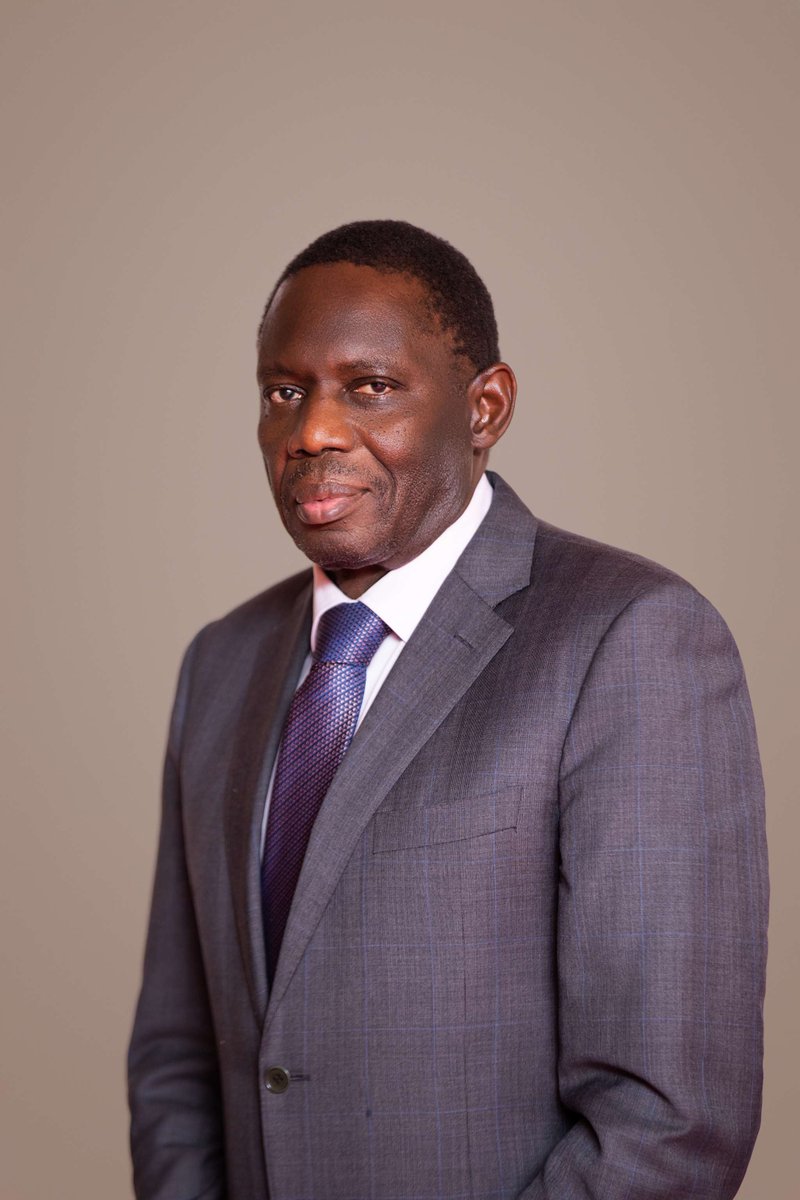
"Chairman, a country without reserves is not sovereign. The potential of this Bill to destabilize Uganda’s balance of payments is our primary concern as a central bank. For example, last financial year the overall balance of payment surplus was USD 1.5 billion. That’s how we were able to increase our reserve coverage by USD 1.5 billion. Today as we speak our reserves are close to USD 6 billion. Why? Because these inflows have been coming in. The moment you tamper with these inflows here, we risk running down our reserves, and that is economic disaster for a country.” Governor Atingi-Ego on the Protection of Sovereignty Bill 2026 in an appearance before Parliament today.
530
2,775
7,464
489,017
Rukundo retweeted

Apr 28
You will all join the struggle by force !
10
137
471
10,720
Rukundo retweeted

Apr 24
9
29
79
6,887
Rukundo retweeted

Apr 23
African corruption doesn’t even make sense when you deep it . It’s beyond green .
Why are you diverting funds meant for hospitals. Like what’s the point
307
7,225
24,674
1,342,277
Rukundo retweeted

Apr 21
Born to be a Trust fund baby, forced to trust and fund the process 🫠
47
5,667
17,746
278,053