
Daddy of 2, Fiancé, Leeds United, Running, Fishing and Love Comedy. If you are a hater get off my profile.
Joined February 2022
- Tweets 4,595
- Following 254
- Followers 159
- Likes 5,551
262 Photos and videos










St Luke - 🎣🏃🚴🏻♂️🏐🎸 retweeted

May 18
Working towards Hull 💪
Community note
No they aren't.
t.co/kGIhl4GksL
5,795
2,423
22,358
4,742,611
St Luke - 🎣🏃🚴🏻♂️🏐🎸 retweeted
Well done to the parents who raised such a daughter.🩷
19
290
5,762
111,805
St Luke - 🎣🏃🚴🏻♂️🏐🎸 retweeted

Apr 24
In Sickness and Health…
This is what unconditional love looks like.
His bride was diagnosed with ALS three years after they married. For over 20 years, he has been by her side. 🥹
Her smile says everything ❤️🙏
54
110
1,225
32,556
St Luke - 🎣🏃🚴🏻♂️🏐🎸 retweeted

Apr 24
Shaq is known as the gentle giant with a huge heart. God bless him.
509
491
2,349
69,477
Happy birthday to Arsenal Invincible @RealRomfordPele ... Look after Big Al this week or should Big Al be looking after you?! 😂😂 #talksport
57
St Luke - 🎣🏃🚴🏻♂️🏐🎸 retweeted

Feb 20
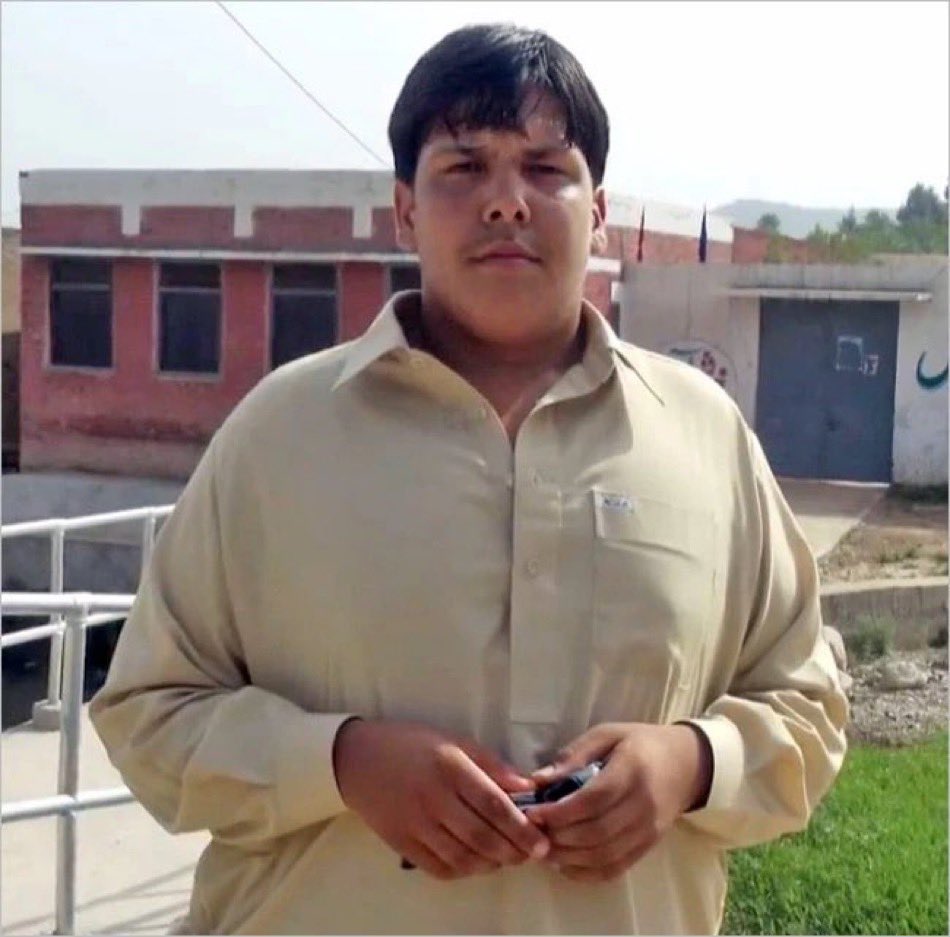
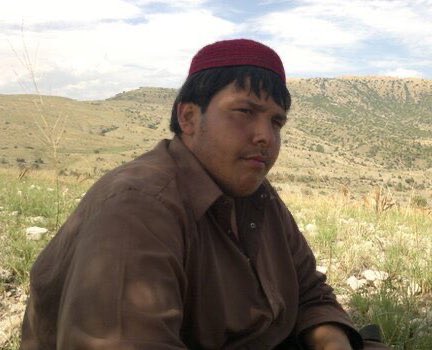
In 2014, a 15-year-old Pakistani schoolboy named Aitzaz Hasan noticed a stranger wearing a suicide vest entering his school.
Despite being urged by his friends to run away, Aitzaz decided to confront the bomber.
He grabbed the terrorist, and that's when the explosive vest detonated. Killing Aitzaz instantly.
His actions prevented the terrorist from entering the school and killing hundreds of students.
Following his death, his father said, "My son made his mother cry but saved hundreds of mothers from crying for their children."
455
5,341
89,308
2,148,000
St Luke - 🎣🏃🚴🏻♂️🏐🎸 retweeted

Eric Abidal's return after defeating cancer was one of the most moving moments in football history.
29
900
14,110
186,212
Diamond.

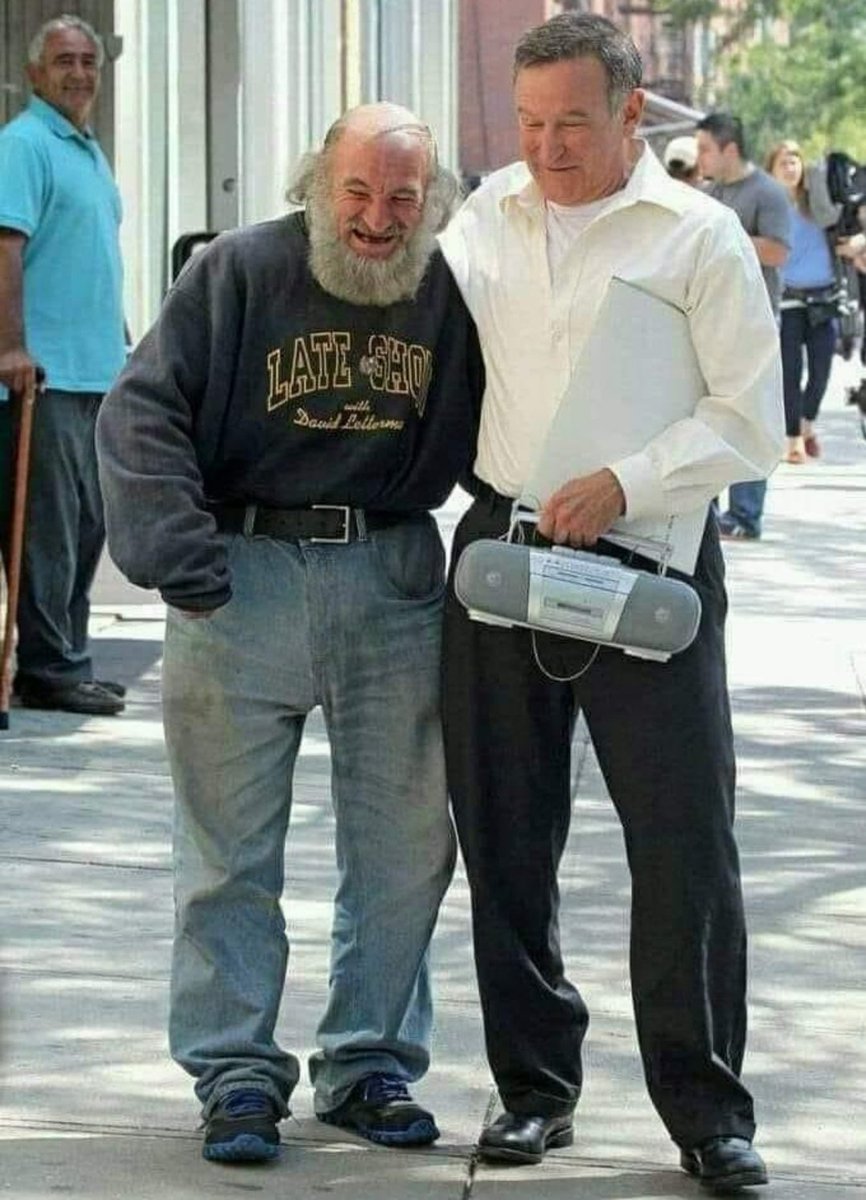
In the early 1990s, while filming Mrs. Doubtfire in San Francisco, Robin Williams made a quiet request.
He asked the crew to hire a few people from a nearby homeless shelter.
No press. No explanation. He didn’t want anyone to know why.
Later, an assistant director revealed that Robin did this on every film. He insisted that at least ten people from shelters be given jobs—catering, cleanup, production help. By the end of his life, nearly 1,500 people had worked because of him.
One man hired on Mrs. Doubtfire said, “He treated me like I’d been there forever. Joked with me every day like we were old friends.”
Robin never talked about it. Others did—after he was gone.
In the late 1980s, after a stand-up show in New York, Robin slipped into a shelter alone. No cameras. He brought pizza, sat on the floor, and listened. One man said later, “He didn’t ask about our mistakes. He asked what made us laugh as kids.”
During Good Will Hunting, he again asked the studio to hire from shelters. One man saved enough to rent an apartment. Robin bought him a suit for job interviews. “Everyone deserves a second act,” he said.
Shelters later discovered large anonymous donations. One Los Angeles shelter only learned the truth when a thank-you letter came back marked “no such address.” A worker recognized the handwriting.
Whoopi Goldberg once said, “He didn’t want applause for helping. He wanted action.”
While filming Patch Adams, Robin visited a shelter in West Virginia carrying boxes of socks, gloves, and coats. When asked why, he smiled and said, “The weather’s turning. Cold doesn’t care if you’re tired.”
Even on tour, he’d walk streets at dawn, handing out coffee and sandwiches. When a guard asked why, Robin replied, “Because this is where people are.”
Robin Williams didn’t perform kindness.
He practiced it—quietly, consistently, without witnesses.
And that may be the greatest role he ever played.
Credit to the rightful owner
29
St Luke - 🎣🏃🚴🏻♂️🏐🎸 retweeted

Feb 15
This video of Hugh Jackman meeting a huge Wolverine fan will never get old
80
1,876
38,182
1,228,404
This is awesome ❤️

Sunderland have one of the most beautiful traditions. ⚽️
In the first match of each year, fans bring photos of their loved ones, who passed away the previous year.
Minute of silence and applause from everyone at the ground. ❤️
1
59
St Luke - 🎣🏃🚴🏻♂️🏐🎸 retweeted

24 Dec 2025
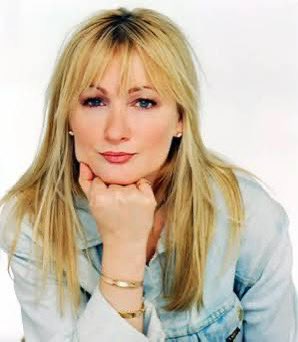
Remembering Caroline on what would have been her 62nd birthday. Miss her loads ❤️
102
320
7,870
130,080
St Luke - 🎣🏃🚴🏻♂️🏐🎸 retweeted

20 Dec 2025
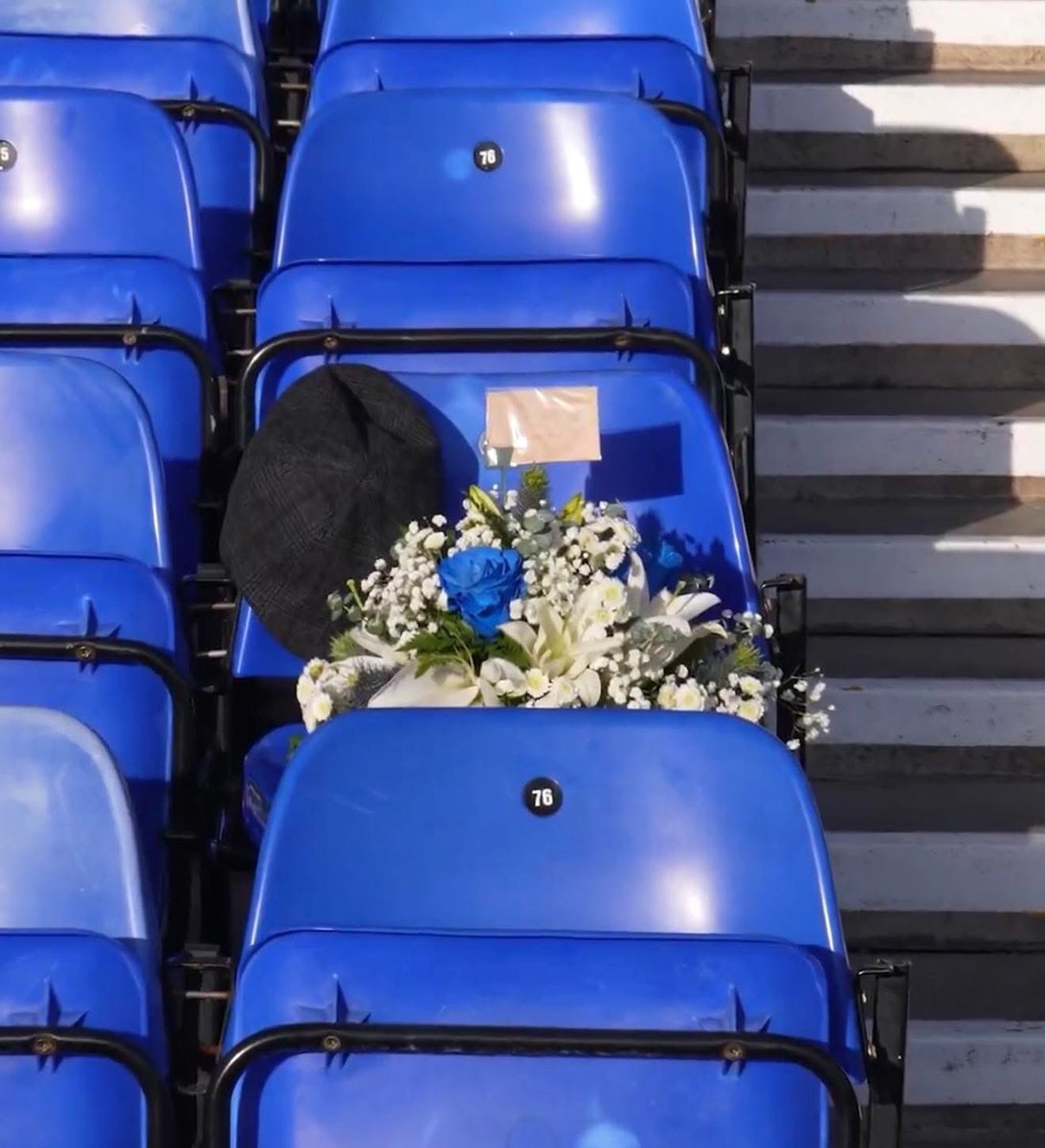
Ipswich Town have left a hat and a wreath of flowers on the seat of season ticket holder Andrew Hammond, who sadly passed away this week after taking his own life.
If you are struggling, do not be ashamed to reach out, Friends, family, a work colleague or even a neighbour. It’s okay to not be okay and people are always willing to help.
Fair play to Ipswich, rest in peace Andrew 💙
214
2,040
14,758
528,999
St Luke - 🎣🏃🚴🏻♂️🏐🎸 retweeted

15 Dec 2025
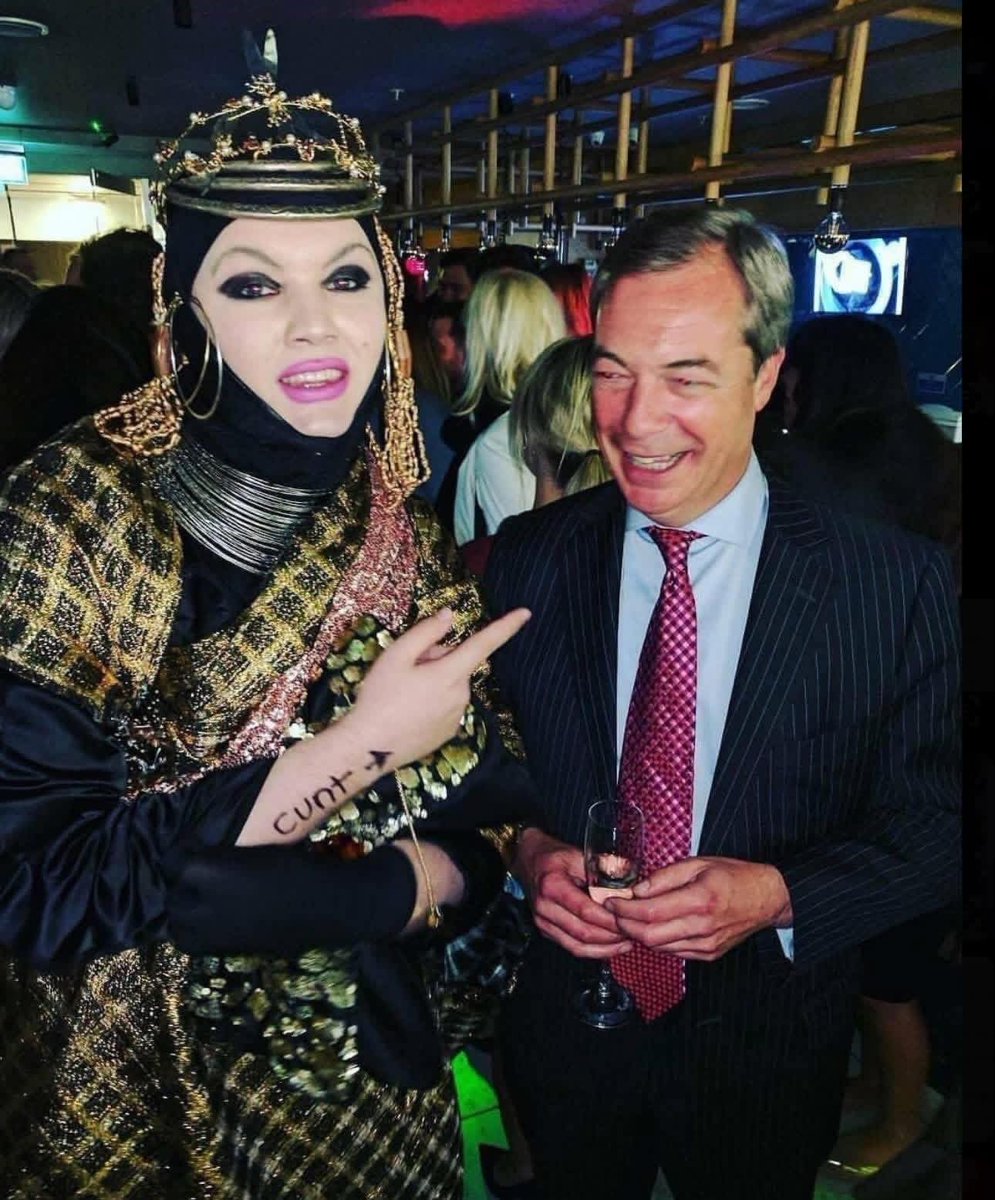
I want to say something many will hate but it needs to be said. I have met Nigel Farage. I do not know him well but I know the world he moves in. We move in similar circles sometimes. The kind of private rooms and members clubs that most people in Britain will never see. I know how the rich speak about ordinary people. They laugh. They joke about how easy it is to wind you up. They know exactly which buttons to press. They know you are angry and tired and struggling and they know you want someone to blame. That is why they point at boats while they pick your pockets.
I did not grow up rich. I did not grow up in privilege. I understand struggle and the real world. But my life changed and now I see both sides. I sit with billionaires and politicians and decision makers and I hear conversations you never will. I know the truth. They do not care about you. They do not care about your future. They care about profit and control. They see ordinary people as tools or distractions. I am telling you this because I am tired of watching good people being manipulated.
Look at your life before Brexit and look at it now. Look at your shopping bills. Look at what food costs in Europe right now. Look at how much tax you pay on imports. Look at your wages and energy prices and mortgages. Look at the 10,000 NHS staff we lost when freedom of movement ended. Look at the ambulances that do not arrive. Look at nurses and teachers using food banks. Tell me honestly. Are you better off?
Nigel helped build the crisis you are living in. Then he pointed at immigrants and told you to blame them. That is the con. He pulled the UK out of the Dublin III agreement which means we cannot return asylum seekers to Europe anymore. He created the boat chaos then told you to panic about it. Someone who worked in immigration for more than ten years told me they saw it coming. It was planned. It is a strategy. And you are falling for it.
Now he wants austerity again. He wants to cut wages for young people. He wants to rip up workers rights. He wants private health insurance and a French style NHS where the rich get treated first and the poor get nothing. He wants you fighting each other so you never see who is robbing you. If you vote for him you are voting to destroy your own life. Not mine. Yours.
None of this affects me personally. I drink champagne with the people who control the money. I will be fine no matter what. Reform will not hurt me. Reform will hurt you. It will hurt your children. Your parents. Your future. I am telling you because I care. If I did not care I would stay silent and watch you suffer.
You think I am your enemy because I make you uncomfortable. I am not. Your enemy is the one who lies to you and blames the vulnerable while he empties your pockets.
Reform will not save you. Reform will finish you.
Think. Before they take everything.
💷🇬🇧☕️🏴🫖
626
4,370
13,702
1,097,348
St Luke - 🎣🏃🚴🏻♂️🏐🎸 retweeted

12 Dec 2025
Boy gets an emotional surprise of something he's always wanted for Christmas. His first Puppy. ❤️
331
854
15,741
915,734
St Luke - 🎣🏃🚴🏻♂️🏐🎸 retweeted

10 Dec 2025
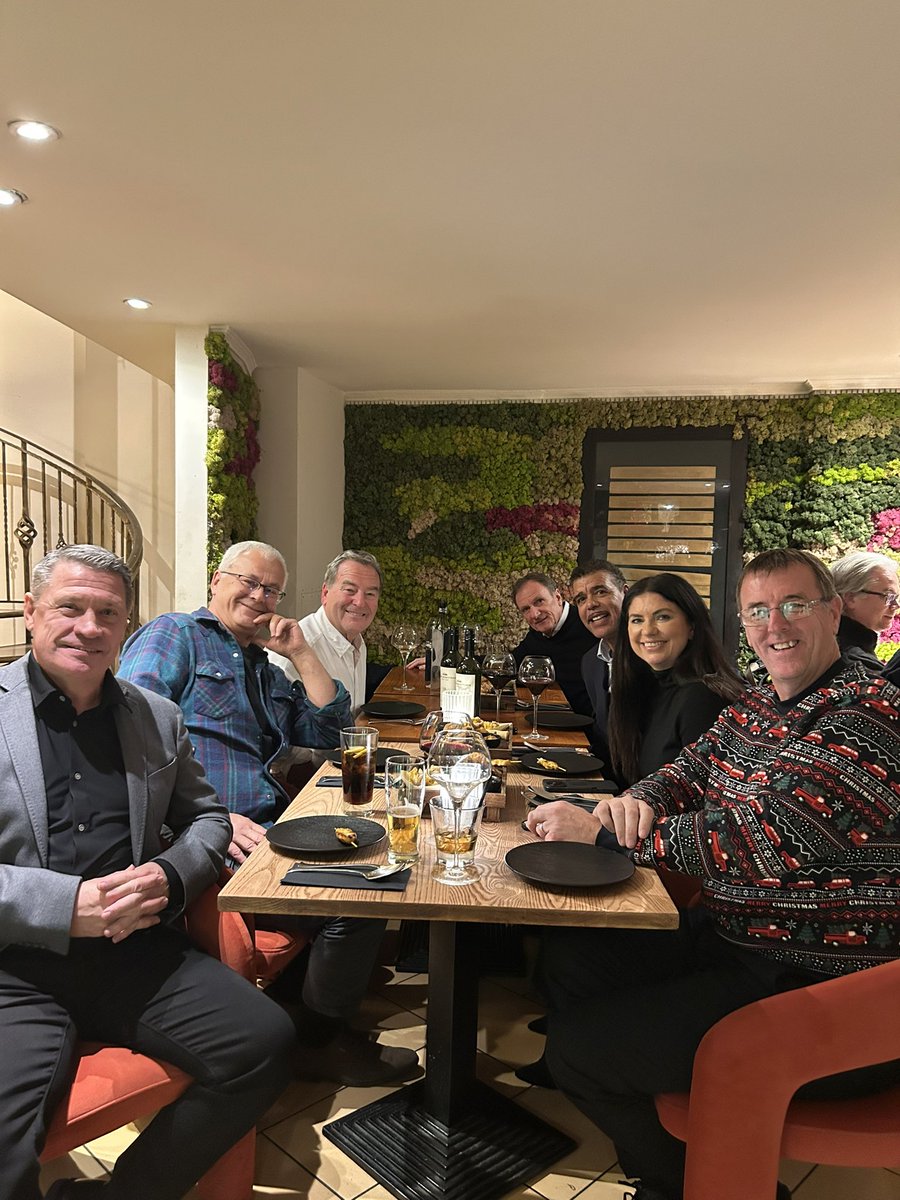
Soccer Saturday Christmas reunion party 🥳 7 faithfuls 😂🤣
791
314
17,017
2,381,209

5 Dec 2025
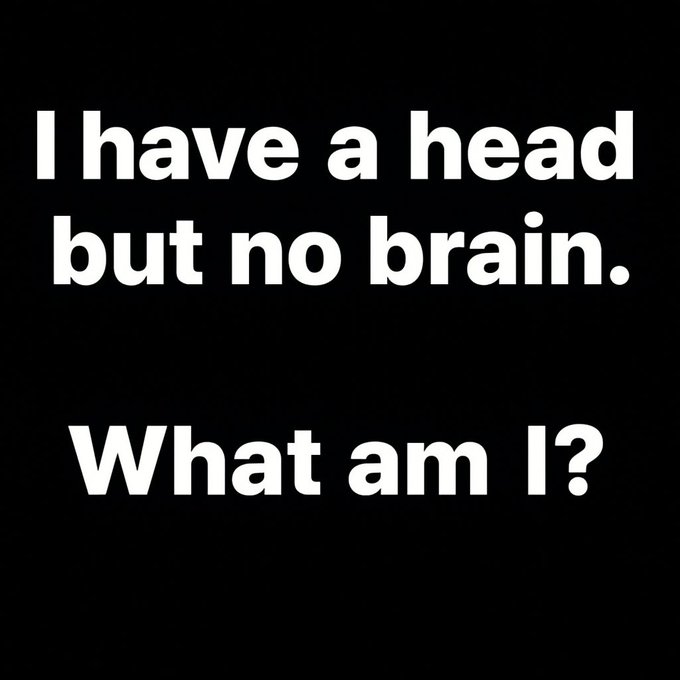
Politician

23
St Luke - 🎣🏃🚴🏻♂️🏐🎸 retweeted

1 Dec 2025
Eddie meeting Jack’s wife and daughter 🥲🥺 Jack told him to ask Maple to shimmy. I can’t. So so sweet. I love Jack & Eddie’s friendship so much.
#ImACeleb
24
161
11,075
858,104
St Luke - 🎣🏃🚴🏻♂️🏐🎸 retweeted

2 Dec 2025
How cool is this?
Home Alone actors 1990 versus today.
509
5,425
38,102
3,519,950
St Luke - 🎣🏃🚴🏻♂️🏐🎸 retweeted

1 Dec 2025
The athlete with Down syndrome, noticing the sadness of his defeated opponent, immediately ran up to him and raised his hand up.
Humanity beats competition. True victory is lifting others when you win.
19
256
4,026
61,085