
pol H tech sci soc psy phl rel econ g:rok tpyos “the feed provides” follow(s)
Joined January 2009
- Tweets 12,805
- Following 162
- Followers 301
- Likes 7,421
3,071 Photos and videos
Seven days…
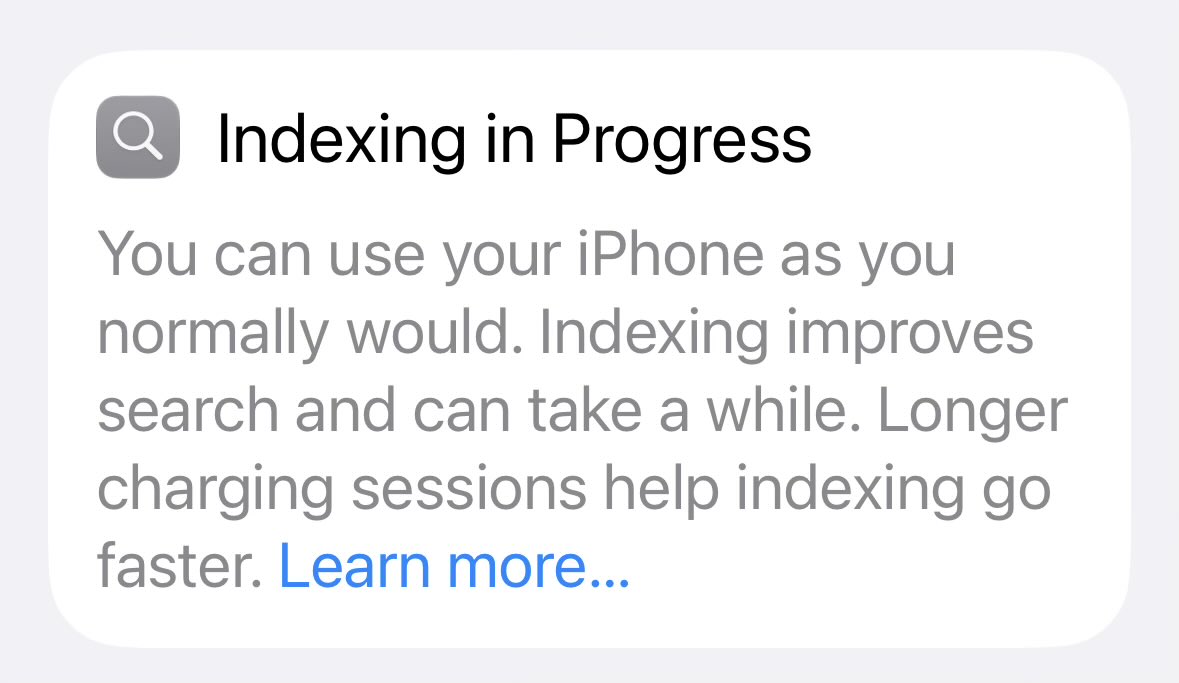
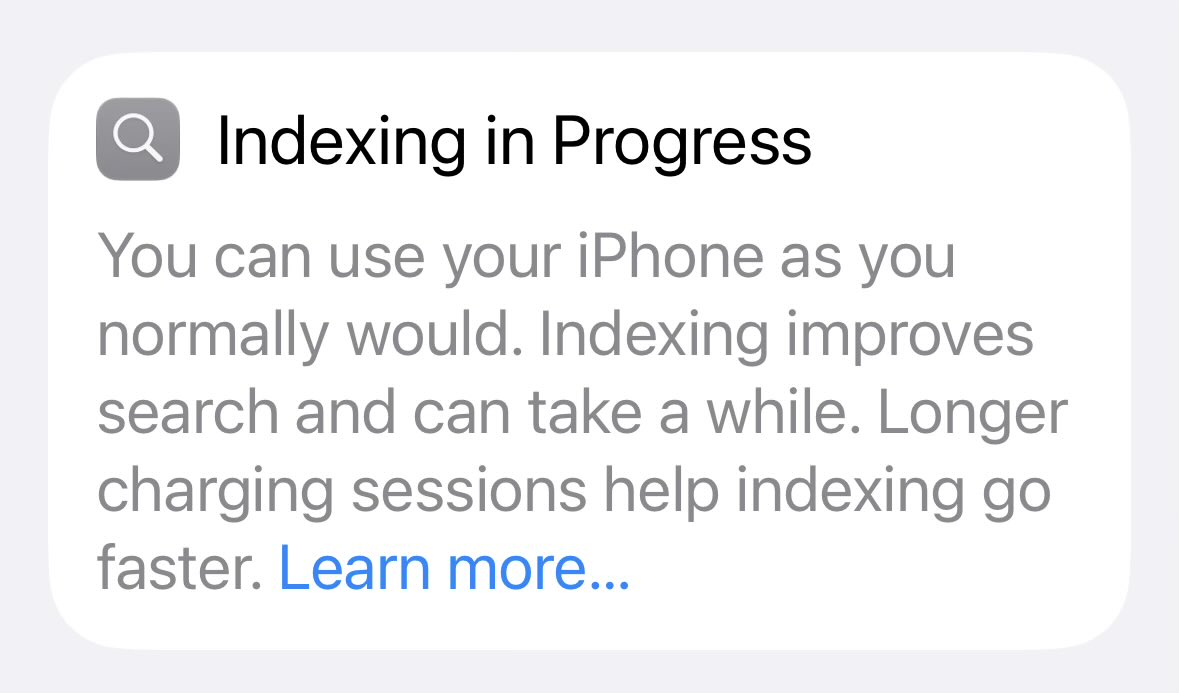
Still indexing
Jun 11

Start early.
3 days and still indexing.
512

20h
Webpage on product enabling technology:
MouthPad^
The world's first hands-free touchpad.
augmental.tech
Augmental operated more quietly (in “stealth” mode after being founded around 2019), with earlier prototypes and recognition (e.g., Forbes 30 Under 30 in 2023), but the public-facing website launched alongside the product reveal in mid-April 2023.
30 Jul 2025
Interesting...
worth a follow.
more info on person behind, and the technology here:
news.mit.edu/2024/mouth-base…
34
Jun 10
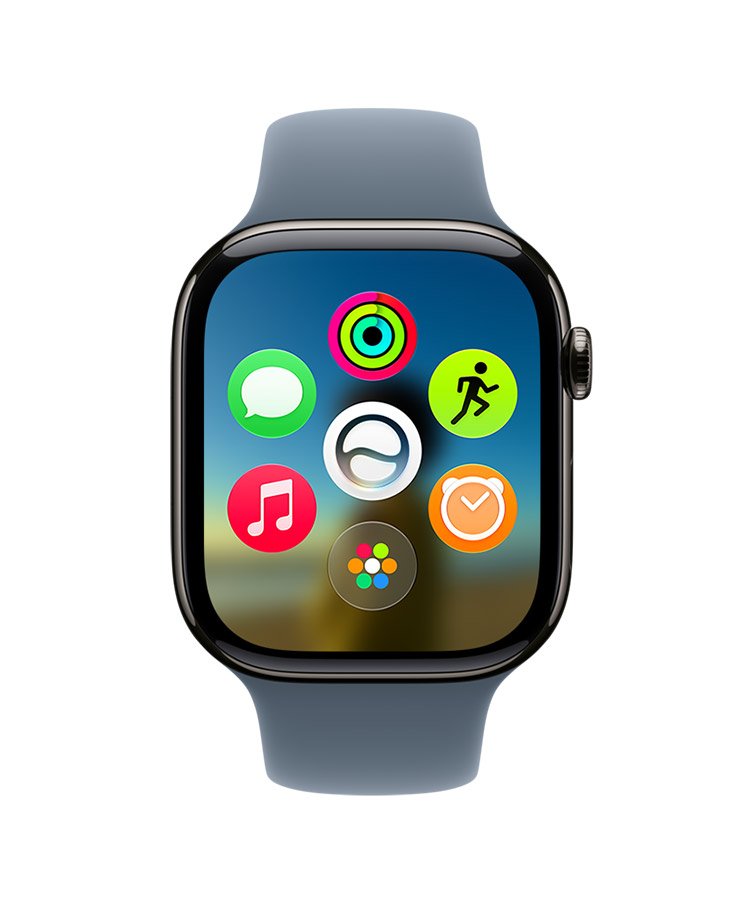
watchOS 27 Beta...
24 hours in and single best (most pleasant/productive) discovery so far is the New dynamic app grid.
...automatically highlights Siri-suggested apps, including your most popular and recently used ones — with the Siri app always front and center.
1
135
Jun 6
It’s a Brave New World of social media-enabled, Truman Show-stylized prenatal Sophie’s Choice.
Yet some would argue there is profound moral gravitas in pulling on the thread of what is knitted in the womb.
Jun 4

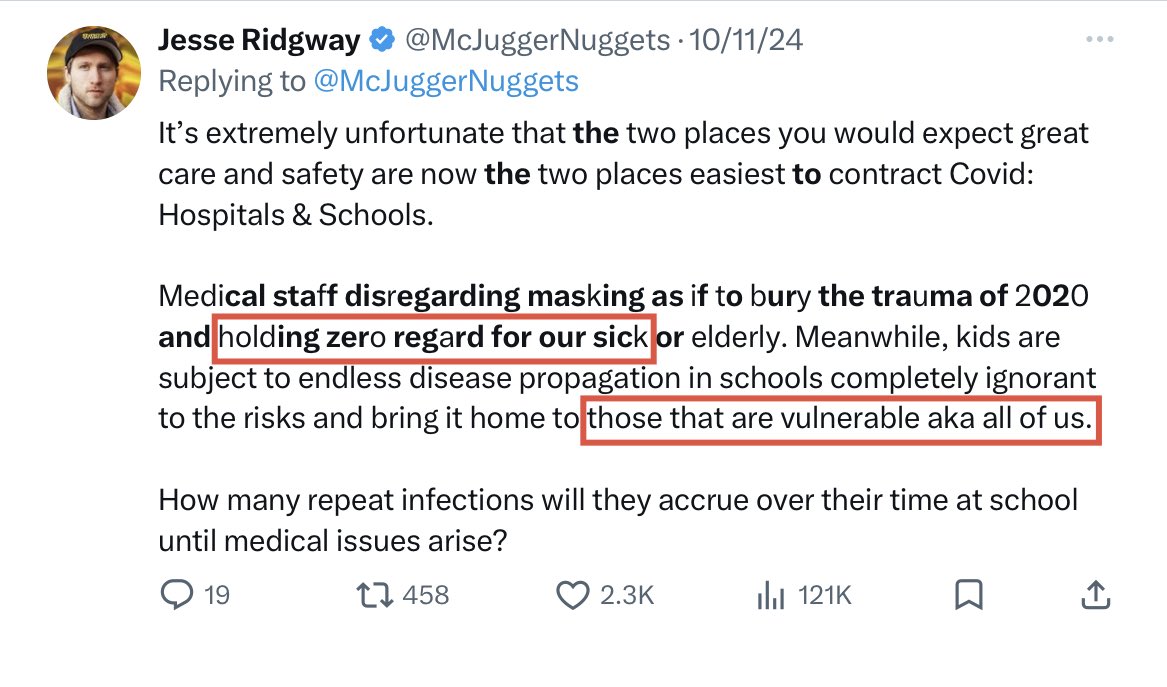
YouTuber Jesse Ridgway and his wife abort their child after finding out the baby had Down syndrome.
Ridgway cited that they chose to kill the baby after deciding that he and his wife didn't want to be inconvenienced with a child with Down syndrome.
"Things have been pretty dark for a while for us, and we felt this was gonna be a nice little ray of sunshine, and it's not."
Horrific and selfish.
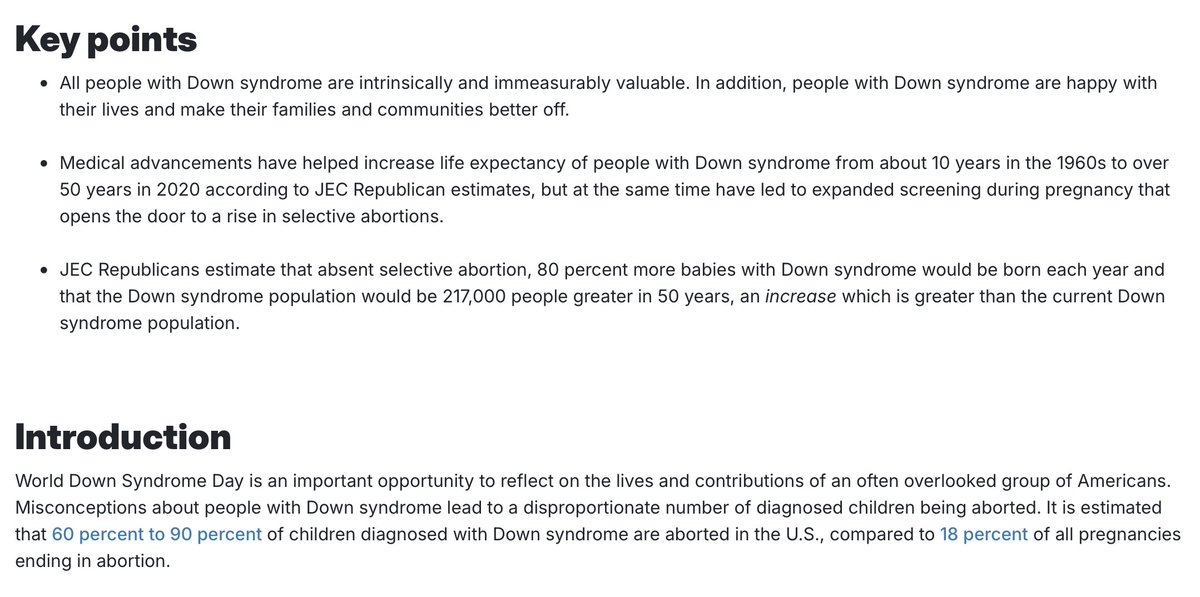
An estimated 67% - 85% of pregnancies in the U.S. with a Down syndrome diagnosis are aborted.
This is evil. Don't let anyone convince you otherwise.
2
1
173
Jun 6
With new prenatal testing, will babies with Down syndrome slowly disappear?
brianskotko.com/documents/ad…
What are we losing if Down syndrome disappears?
downsyndromeprenataltesting.…
97
Jun 6
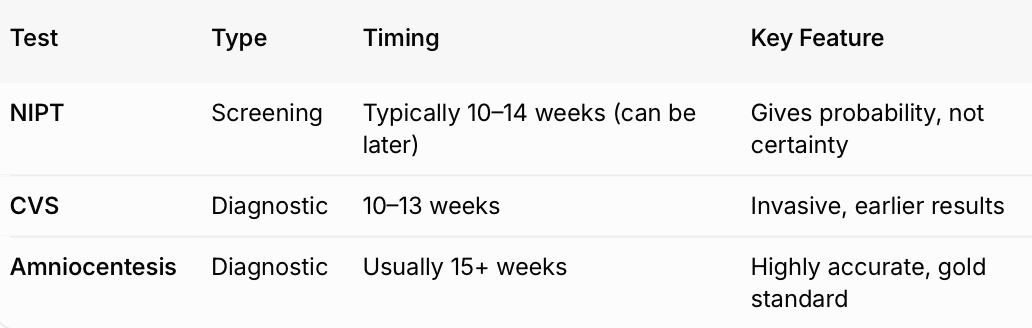
g: Prenatal Testing for Down Syndrome (Trisomy 21)
NIPT (cfDNA screening): This is a screening test. Among positive results, there is typically a 5–30% chance the baby is born without Down syndrome, with the rate varying significantly by maternal age. Younger mothers tend to have higher false-positive rates due to lower background prevalence of Trisomy 21.
Diagnostic tests (amniocentesis or CVS): These provide definitive results with accuracy >99.9%. Once confirmed positive, the chance of the baby being born without Down syndrome is less than 0.1%.
Jesse & Ashley Ridgway Case
YouTuber Jesse Ridgway (age 33) and his wife Ashley (age 31) publicly shared that they terminated a pregnancy after a diagnosis of Trisomy 21. Key facts from their statements:
Married: October 2025
Pregnancy announced: March 2026
NIPT screening (Natera): April 2026 → 95% chance of Trisomy 21 (baby was a boy). They noted concerns about possible false positives.
Amniocentesis: Results received around May 27, 2026 → Confirmed Trisomy 21
Termination: Early June 2026 (after diagnostic confirmation)
Testing Pathway & Probability Clarifications
The couple followed the standard pathway: NIPT screening first, followed by confirmatory amniocentesis.
The 95% was the Positive Predictive Value (PPV) from the NIPT. At age 31, this was a relatively strong result, meaning there was roughly a 5% chance the baby would be born without Down syndrome if they had relied on the screening test alone.
The >99.9% refers to the accuracy of amniocentesis. After confirmation, the chance of a normal (non-T21) outcome dropped to <0.1%.
Maternal age was already factored into the 95% NIPT result. However, once amniocentesis confirmed the diagnosis, age no longer meaningfully affected the probability.
In this case, the couple waited for diagnostic confirmation before making their decision. The initial 95% NIPT result (which already accounted for Ashley’s age) left some uncertainty, which the amniocentesis largely removed.
517
Jun 4
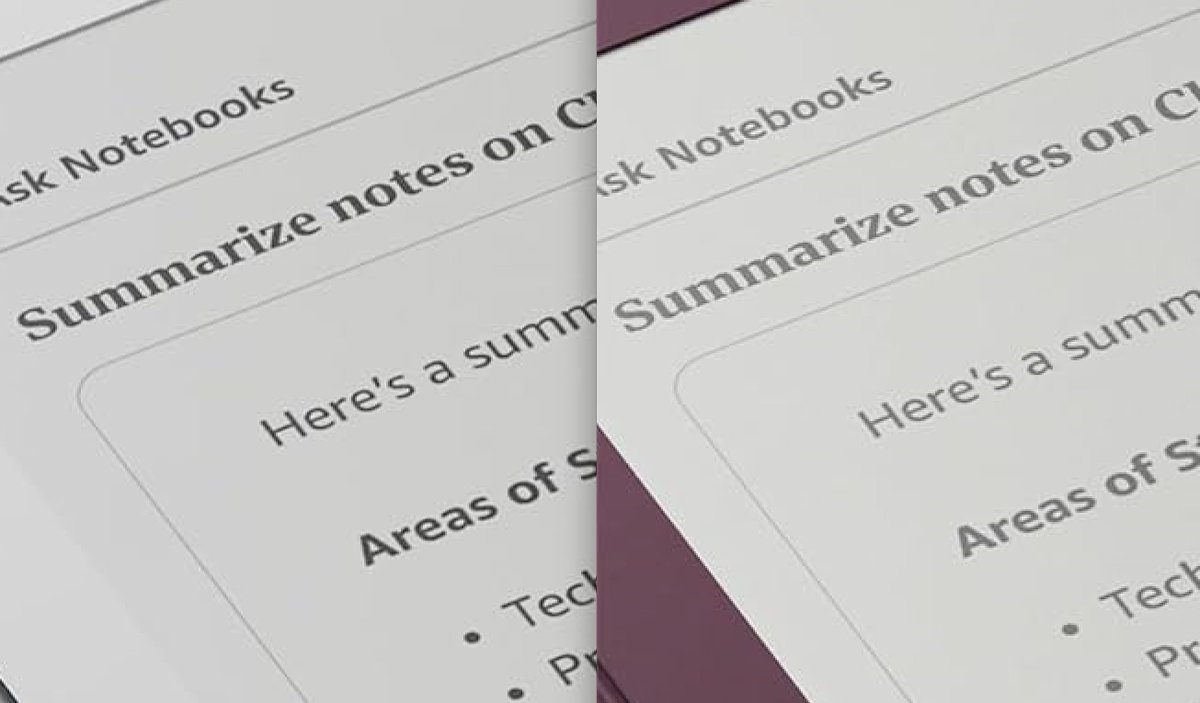
As pictured on Amazon's website.
Kindle Scribe vs Kindle Scribe Colorsoft
(operative word... soft)
239
Jun 3
Historical Comparisons of AI to other jargon inducing advancements
AI (2022–2026, ~3.5 years): 250 terms (marketing-focused master list alone; broader technical glossaries exceed this).
Blockchain/Crypto (2009–2018 peak, ~9 years): 100–200 terms (e.g., 128-term glossaries common; core variants like DeFi/NFT spread over longer hype cycles).
Internet/Web (1990s–early 2000s, ~10–15 years): ~50–100 key terms (e.g., 91-term Internet Society glossary; foundational like HTML/HTTP/URL built gradually).
Mobile Apps/Smartphones (2007–2015, ~8 years): ~100–150 terms (broader mobile tech acronyms; core app/SDK/OS terms more contained at ~50–80 in typical glossaries).
Other fields (e.g., deep learning pre-2023 or speech recognition surges): Usually dozens to low hundreds spread over 5–10 years; none matched AI's compressed density.
Key Driver for AI's Uniqueness: Low barrier to new terms (daily papers/vendors), plus unprecedented adoption speed. No prior general-purpose technology generated this volume in under four years.
digitalapplied.com/blog/ai-m…
1
55
Jun 3
g: If limited to only seven (including AI itself), which provide the broadest foundational coverage across concepts, architectures, training, applications, and emerging capabilities?
AI — Artificial Intelligence (umbrella field)
ML — Machine Learning (core learning paradigm)
DL — Deep Learning (advanced neural techniques)
LLM — Large Language Model (dominant practical engine)
RAG — Retrieval-Augmented Generation (key for grounded, real-world use)
MCP — Model Context Protocol (standard for tool integration & agents)
RLHF — Reinforcement Learning from Human Feedback (core alignment method)
These seven span foundations → implementation → optimization → deployment, capturing ~80% of high-impact discussions.
Covers hierarchy (AI > ML > DL), modern engines (LLM), practicality (RAG MCP), and safety (RLHF).
43
Jun 2
Echoes of the Bennett Hypothesis…
The University of California, Irvine, will cut tuition for its MBA program by $30,000 to $99,000 starting in fall 2026, a direct response to a 2025 tax bill that imposes new caps on federal student loans for graduate programs.
edgen.tech/news/post/uc-irvi…
1
48
Jun 2
In a February 18, 1987 New York Times op-ed titled “Our Greedy Colleges,” then-Secretary of Education William J. Bennett wrote:
“If anything, increases in financial aid in recent years have enabled colleges and universities blithely to raise their tuitions, confident that Federal loan subsidies would help cushion the increase. … Federal student aid policies do not cause college price inflation, but there is little doubt that they help make it possible.”
nytimes.com/1987/02/18/opini…
34
Jun 1
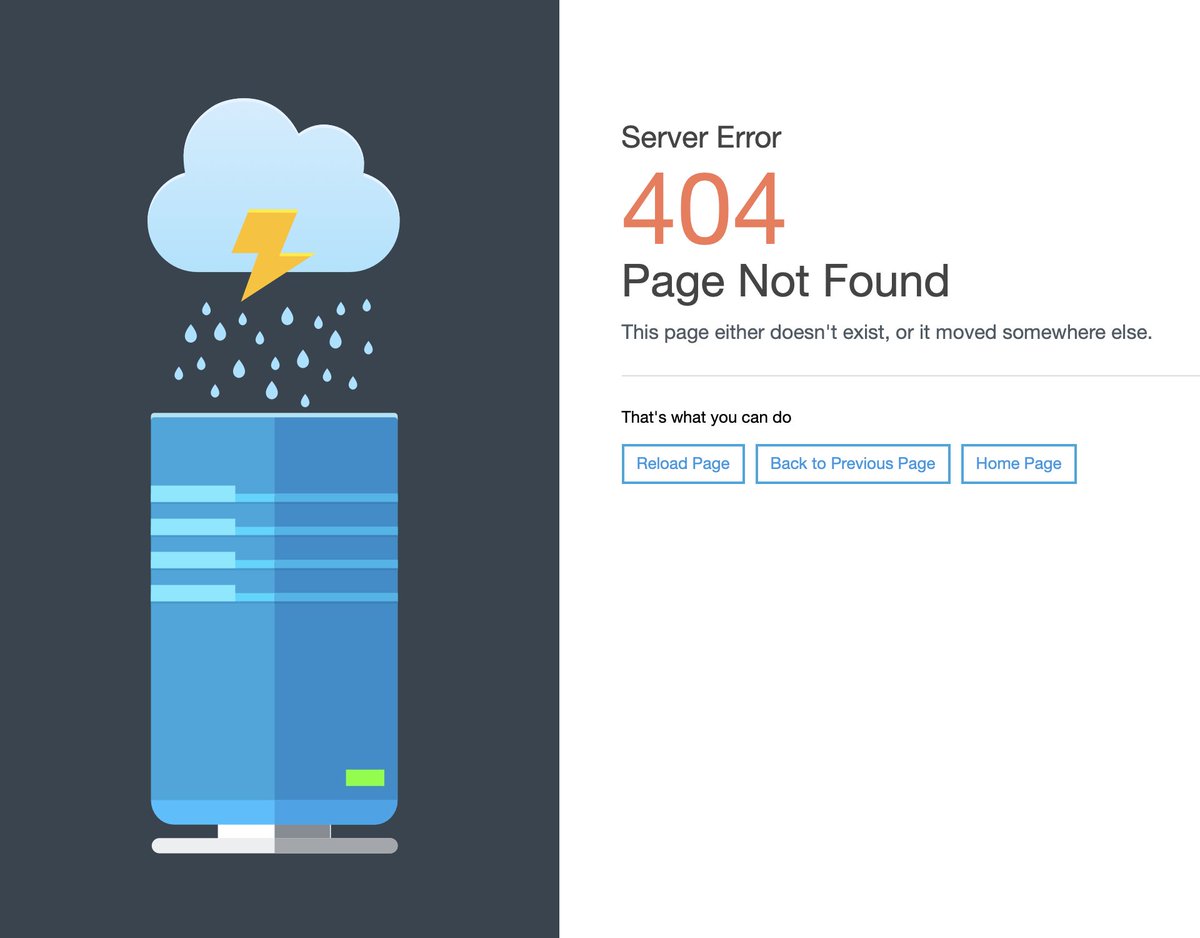
Every Link on the Lobotomo Software IPsecuritas Releases page, gives 1 404 error.
What gives?
May 8
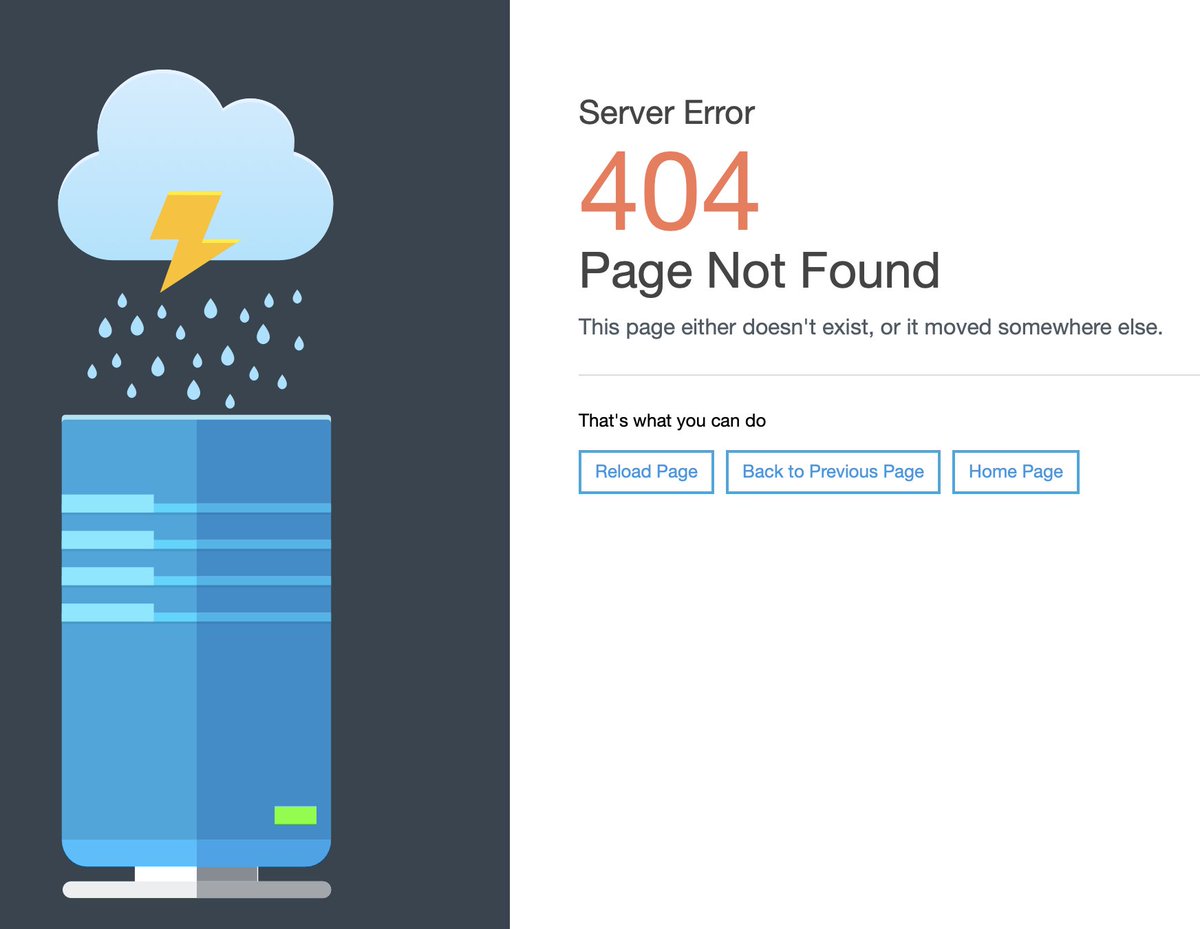
IPsecuritas v5.0.1 download link has been 404 error for a while.
lobotomo.com/products/IPSecu…
45
May 27
Today discovered GUI issue in Grok Personal files. Appears to cap viewable listing at 60 files. This is a problem with file management as cannot delete via GUI what you cannot see (making it a sort of AI Project data file Roach Motel).
1
49
May 27
On top of that discovered Grok GUI currently has problems with .md files
g: Official support (per xAI developer documentation):
Plain text (.txt)
Markdown (.md)
Common code files and PDFs
Uploads are handled through the GUI or the Files API (upload → list → retrieve → delete).
Documented problems with .md files (May 2026)Multiple independent user reports on r/grok confirm a recurring bug specific to .md files:
Files upload successfully in the GUI.
They appear in the Personal Files / Sources list.
When you ask Grok to “list my personal files” or “use sources in this project,” it replies that it has received zerofiles or that the project is read-only.
This affects both new uploads and previously working files. The issue is not reported for .txt or PDF uploads in the same threads, pointing to a backend indexing or MIME-type handling regression in the GUI upload path. No widespread deletion-specific bugs for .md files were found, but if a file never registers, the delete action has no effect on the AI’s view.
Current status
Officially supported format → real-world breakage in the consumer GUI.
API path appears more reliable (programmatic control, immediate indexing).
No public xAI status page or incident notice as of 27 May 2026.
Actionable workarounds (ranked by speed)
Immediate fix — Convert .md → .txt (any text editor or pandoc) and re-upload. Both formats are officially supported; users report .txt files index instantly.
GUI refresh — Log out/in, clear browser/app cache, or try uploading from a fresh Project.
API route (most robust) — Use the Files API (POST /files, GET /files, DELETE /files/{id}) for upload/list/delete. This bypasses the GUI indexing bug.
Report — Use the in-app feedback button or post in r/grok with reproduction steps; multiple users already have, increasing visibility.
Recommended long-term practiceKeep a local mirror of all Personal Files. Treat the GUI as convenient but not authoritative—verify indexing with an explicit “list my sources” query after every upload.
40
May 26
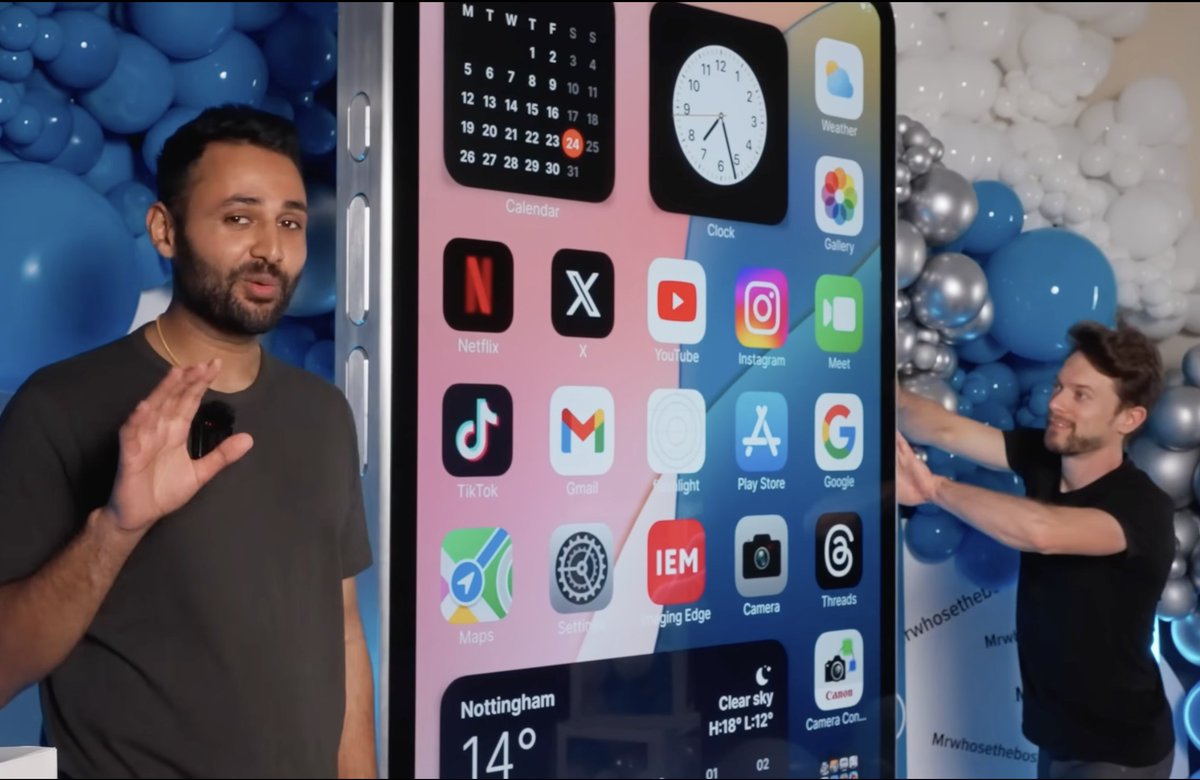
or maybe an Xserve lock tool (simple accident prevention tool).
47
May 24
16
May 23
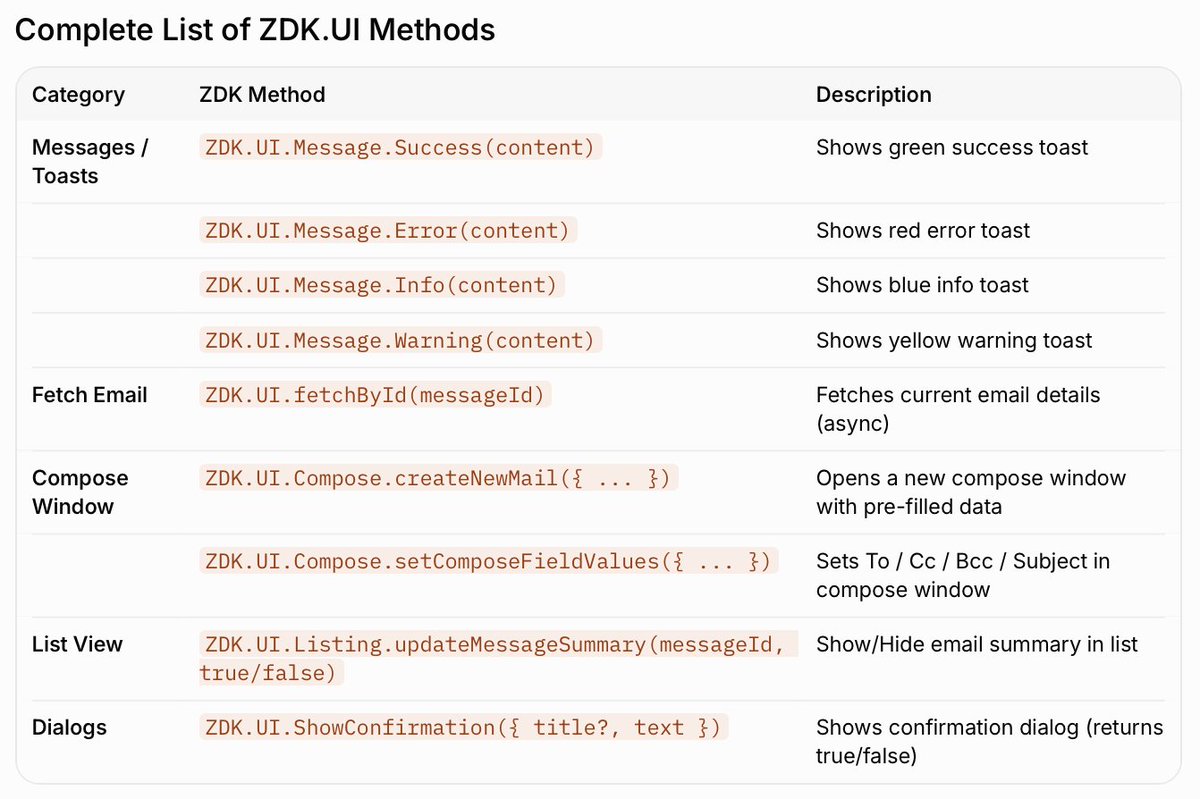
Complete List of ZDK.UI Methods
> Category • ZDK Method • - Description
>Messages / Toasts
ZDK.UI.Message.Success(content)
- Shows green success toast ZDK.UI.Message.Error(content)
- Shows red error toast
ZDK.UI.Message. Info(content)
- Shows blue info toast ZDK.UI.Message.Warning(content)
- Shows yellow warning toast
> Fetch Email
ZDK.UI.fetchById(messageId)
-Fetches current email details (async)
> Compose Window ZDK.UI.Compose.createNewMail({ ... })
- Opens a new compose window with pre-filled data
ZDK.UI.Compose.setComposeFieldValues({ ... })
- Sets To / Cc / Bcc / Subject in compose window
> List View
ZDK.UI.Listing.updateMessageSummary(messageId, true/false)
- Show/Hide email summary in list Dialogs
ZDK.UI.ShowConfirmation({ title?, text })
- Shows confirmation dialog (returns true/false)
1
32