
Joined April 2015
- Tweets 338
- Following 397
- Followers 339
- Likes 1,019
77 Photos and videos
Ryan Weaver retweeted

2 Dec 2024
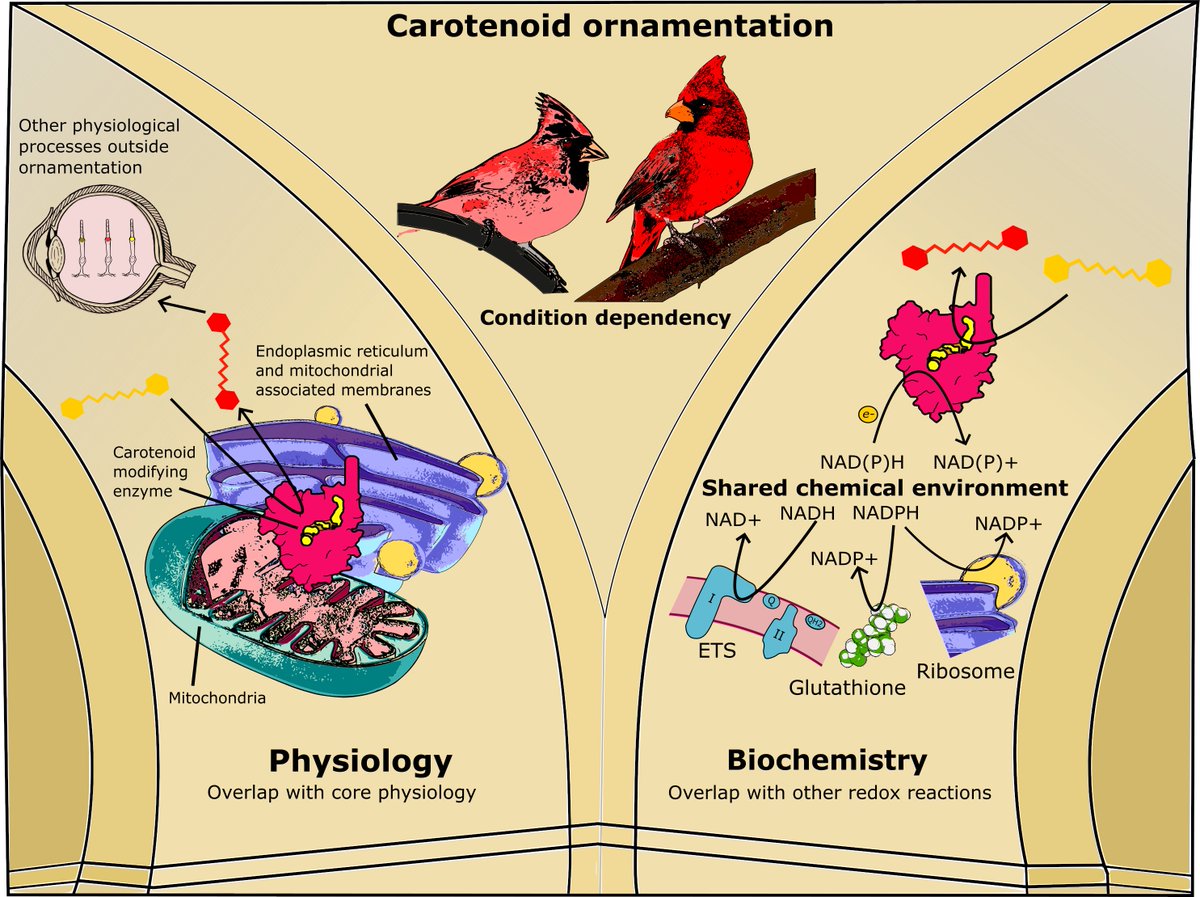
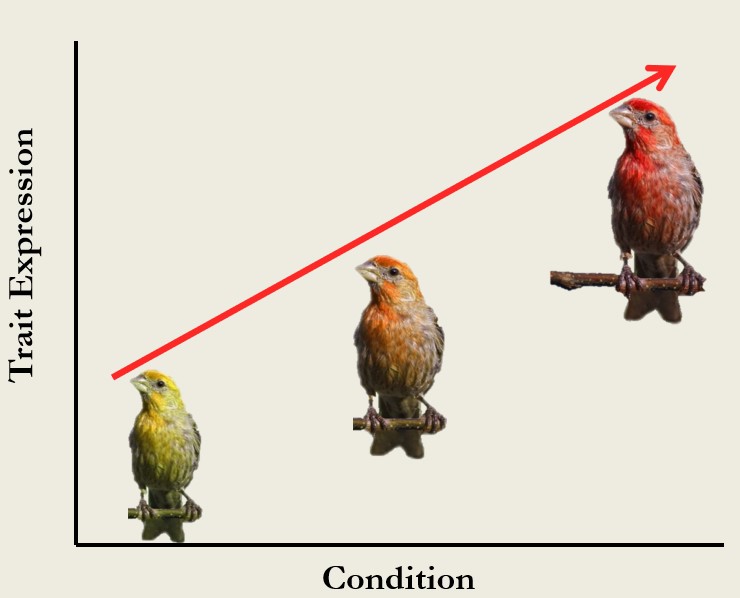
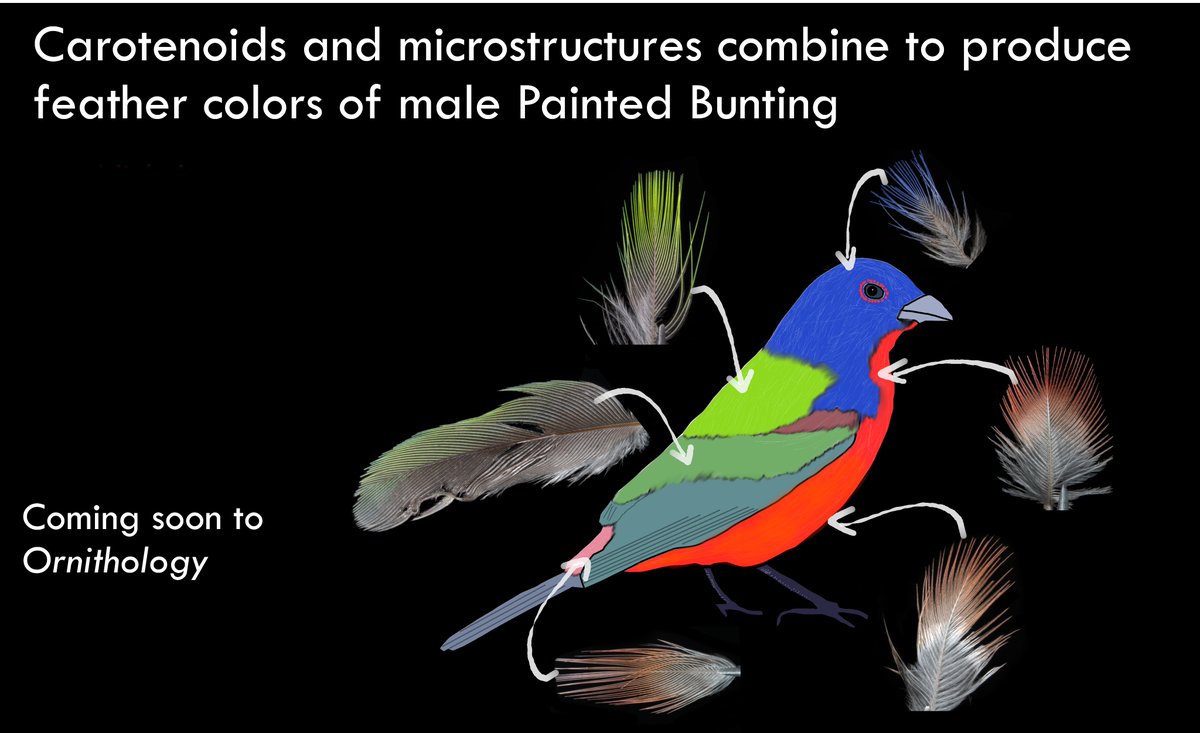
A new paper with big news in the world of red carotenoid ornamentation: House Finches do not utilize CYP2J19/BDH1L to produce red feather pigments. Why is this big new?...(1/6)
doi.org/10.1101/2024.11.26.6…
2
13
24
2,557

31 Jul 2024
I'm recruiting PhD students to work on mitochondrial bioenergetics. Check out my talk from #Evol2024 on HGT of an alternative mito pathway
youtu.be/mdfk3JxLV4c?t=1569&…
We do other cool mito evolution and physiology, plz get in touch!
1
6
10
1,437
Ryan Weaver retweeted

26 Apr 2024
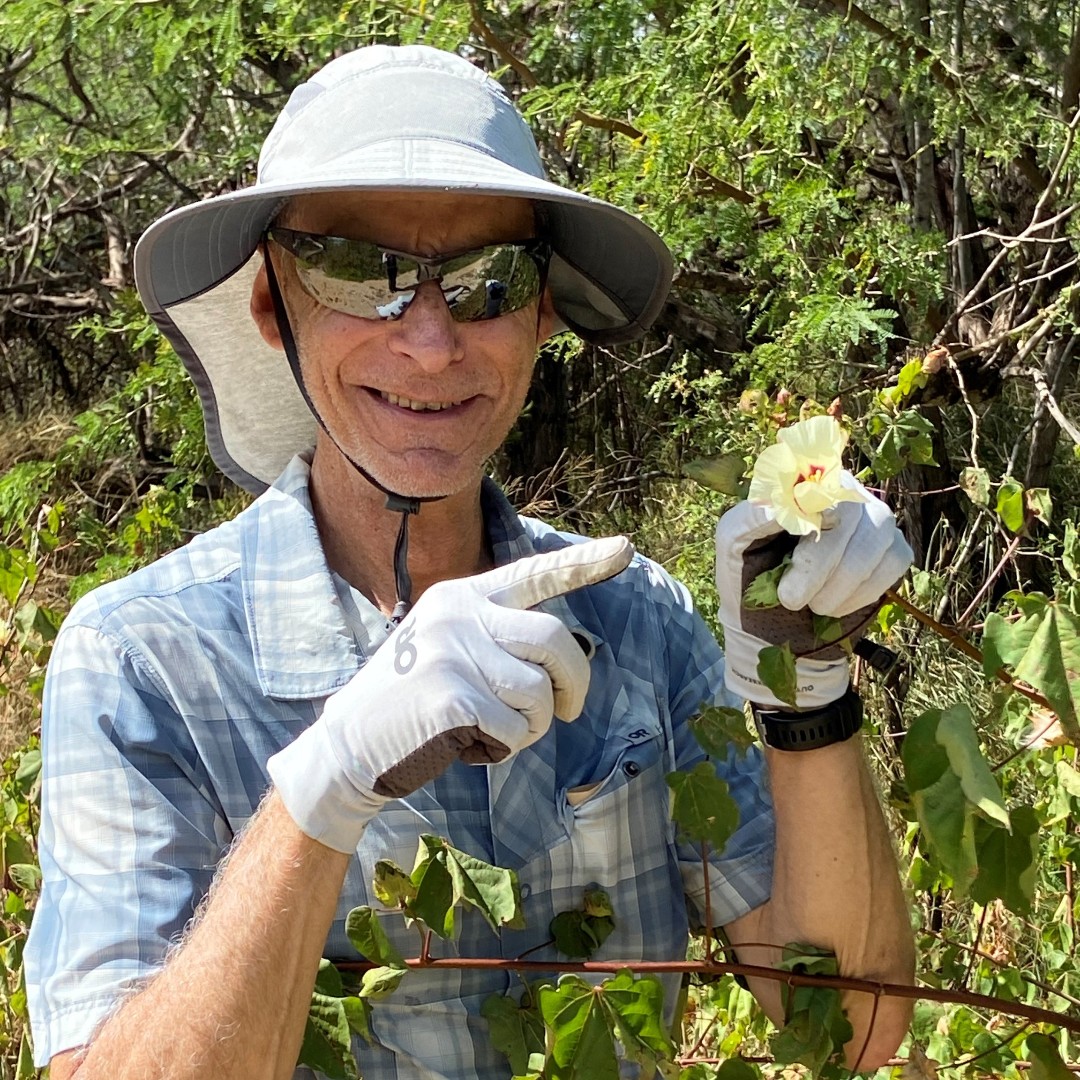
Congratulations Jonathan Wendel of @IowaStateU, newly inducted #NASmember! #NAS161 #plantbiology #genomics
3
19
103
10,576
Ryan Weaver retweeted

4 Mar 2024
An ISU research team has created organoids from turtle livers, the 1st-ever turtle organoids. The discovery will speed up turtle genetic research, including traits with potential human benefit such as resistance to oxygen deprivation. #IowaStateInnovates
📰go.iastate.edu/RYFZY5
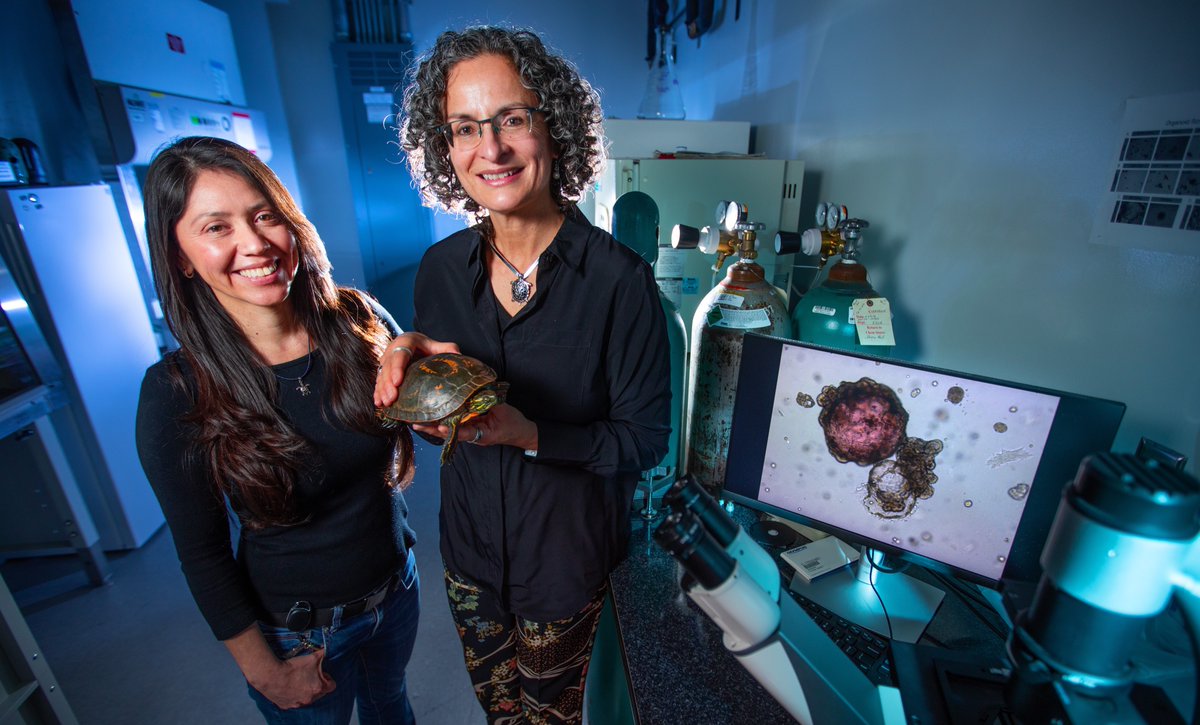
ALT Nicole Valenzuela holding a dark green turtle with orange markings on its shell, standing in a lab with research scientist Itzel Sifuentes-Romero next to a computer monitor showing a photo of turtle organoids.
4
7
1,314
Ryan Weaver retweeted

1 Mar 2024
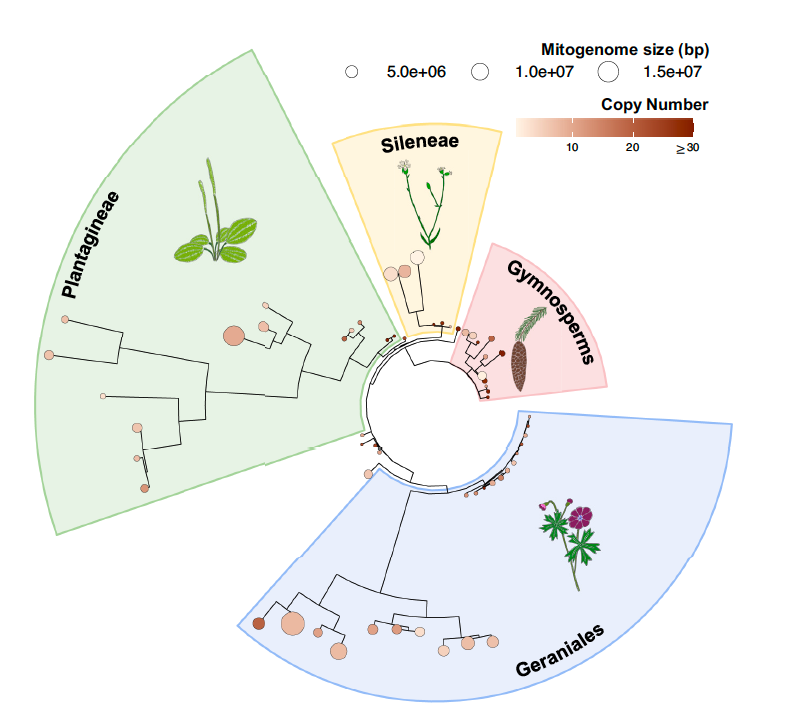
Anytime I talk about extreme rate variation in plant mtDNA evolution, people ask why some lineages evolve fast. @KendraZwonitzer took that personally. Her paper out today @PNAS offers some evidence for one possibility.
pnas.org/doi/10.1073/pnas.23…
2
10
33
2,658
Ryan Weaver retweeted

9 Feb 2024
Opening for Professor & Department Chair in Ecology, Evolution and Organismal Biology @eeob_isu @IowaStateU. Be part of a highly-collaborative, resource-rich environment! Please spread the word. #academicjobs #FacultyJob #ecologyjob
isu.wd1.myworkdayjobs.com/en…
1
5
9
4,199
Ryan Weaver retweeted
11 Jan 2024
Our great work led by the Schumer lab is finally out @Nature This is some of the best evidence out there that mitonuclear interactions can lead to speciation.
Article: doi.org/10.1038/s41586-023-0…
Summary: tinyurl.com/hamu6n6n
4
31
101
10,284
4 Jan 2024
Hi #SICB2024, I'm recruiting graduate students interested in evolutionary bioenergetics. Check out my talk on chytrid fungus mitochondria Fri, 8:45 , rm 604.
Visit ryanjweaver.com to learn about projects ready for students to pickup on mitonculear evol and mito physiology
12
19
2,098
Ryan Weaver retweeted

27 Nov 2023
Check out this new publication by @ryanjweaver_ and I about the amazing enzyme alternative oxidase! sciencedirect.com/science/ar… A wonderful collaborative research and writing experience!
1
6
16
1,016
Ryan Weaver retweeted
3 Nov 2023
Sex determination is incredibly varied! In this new paper led by @Texas_Mussels, we find a small RNA encoded in the mtDNA of male (not female) bivalves may interact with nuclear genes to determine sex. More work is needed, but weird nonetheless...
tinyurl.com/48r55pt7
6
21
1,742
17 Aug 2023
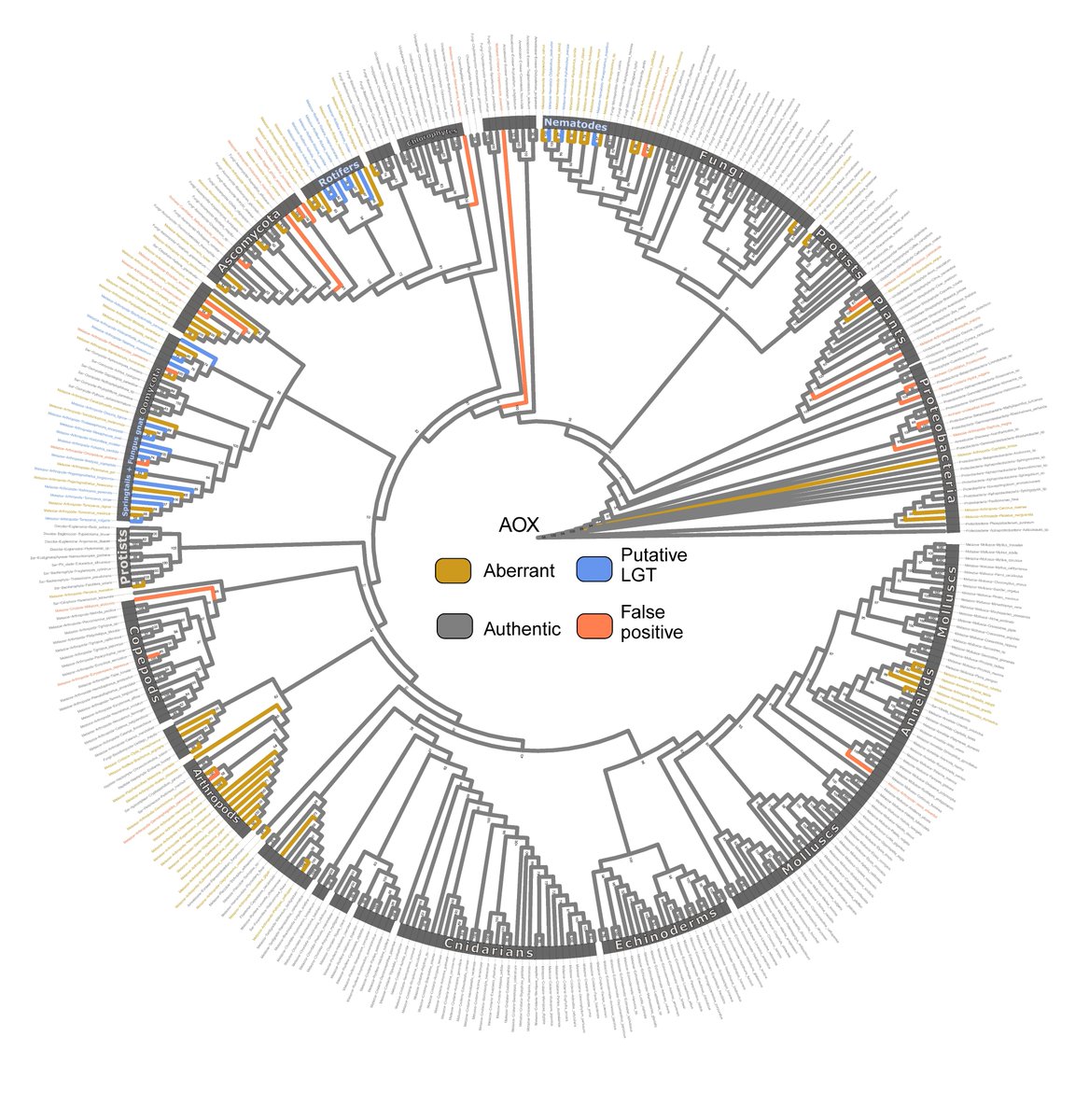
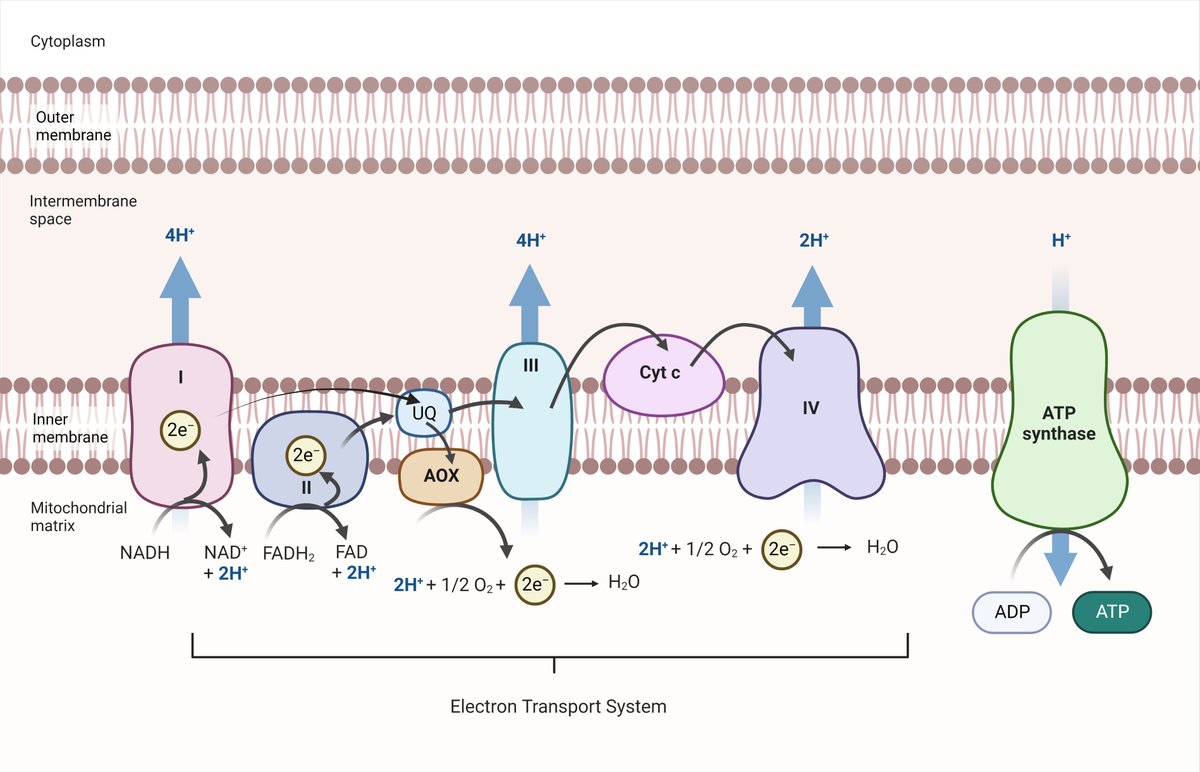
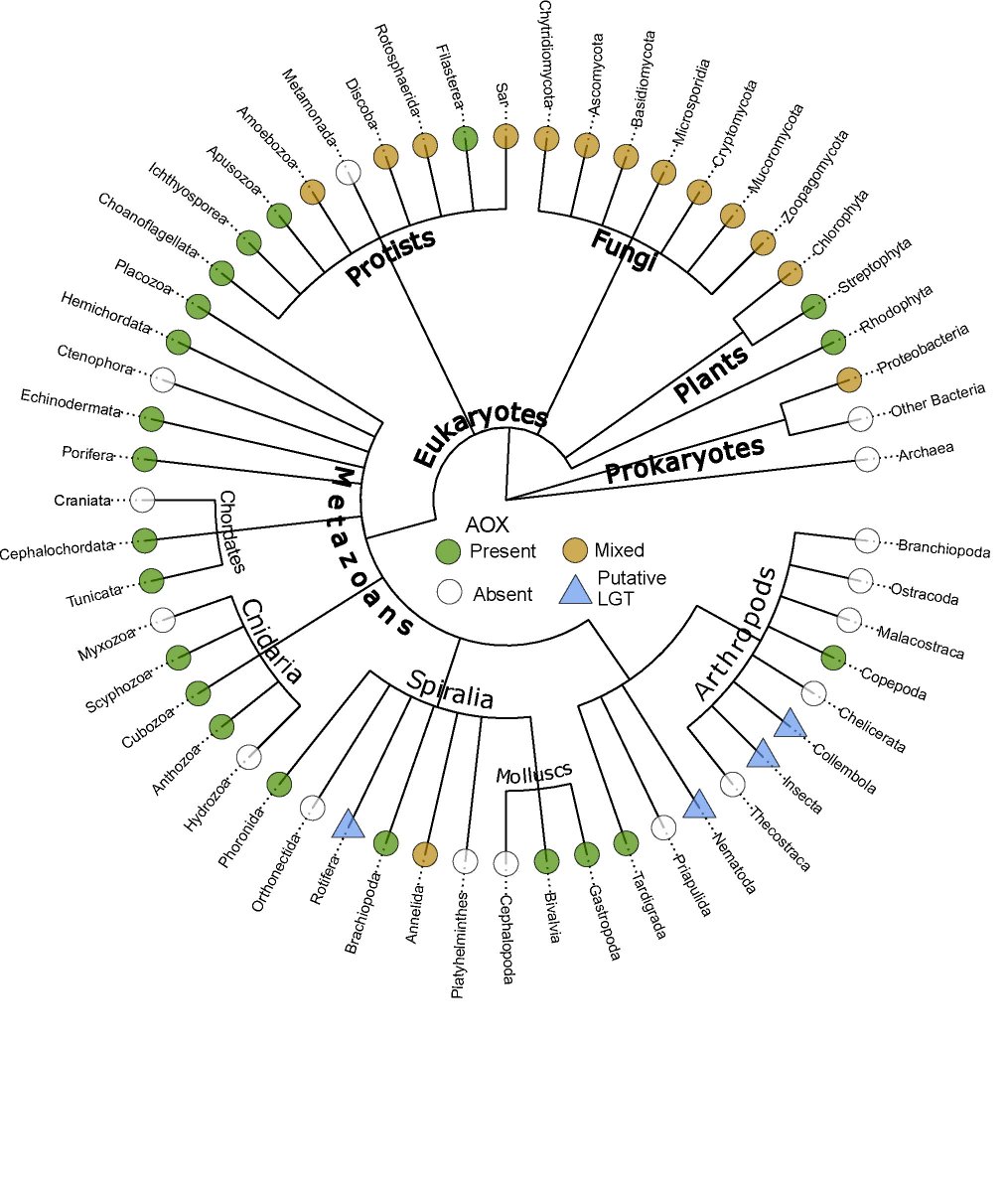
.@AEMcDonaldWLU and I have a new paper out reviewing the wide taxonomic distribution of an understudied aspect of mitochondrial physiology, the alternative oxidase AOX. We update, clarify, and correct the record of which taxa encode AOX in their genomes.
authors.elsevier.com/c/1hbVJ…
1
4
310
17 Aug 2023
Why such a low-tech approach? 1stbecause it works. 2nd because we hope to increase AOX awareness of researchers who might be put off by model-based tools (which we also used) to help them determine if their critter of interest has AOX.
1
58
17 Aug 2023
We also highlight cases of sequence contaminants that falsely attribute AOX sequences to taxa that do not have them. But the thing I’m most jazzed about is putative repeated independent horizontal gene transfer of AOX into metazoan genomes from fungi and protists.
68
16 Aug 2023
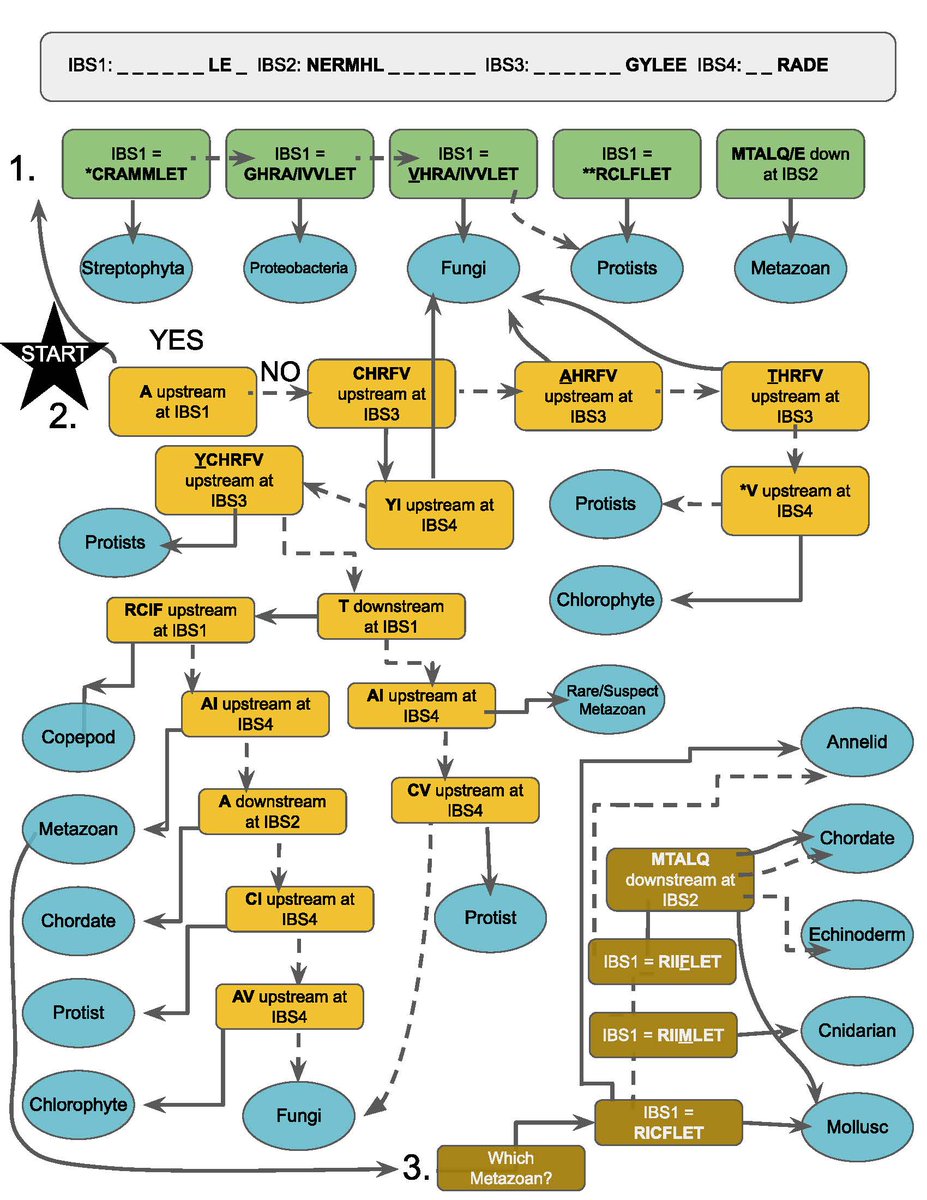
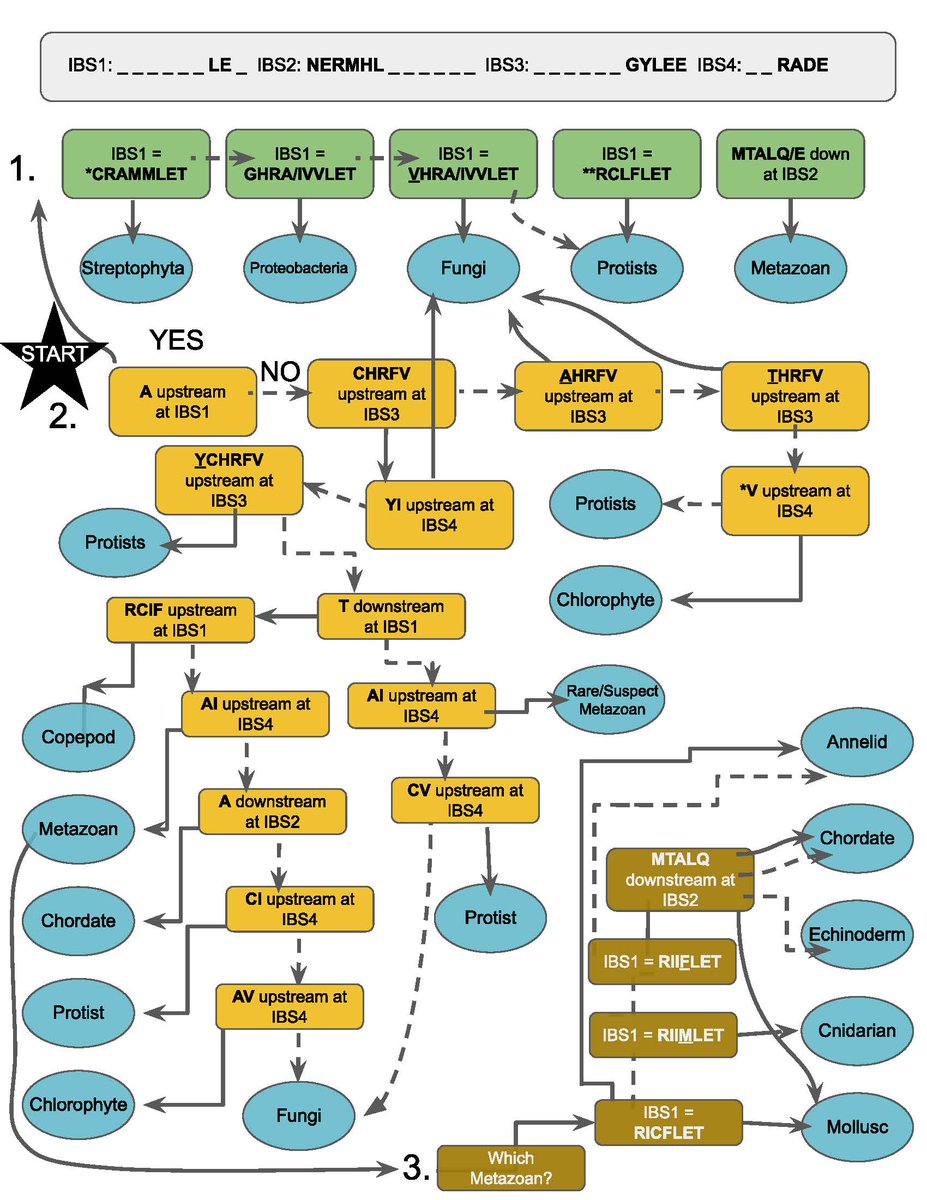
Knowing amino acid identities at positions up and down stream of IBSs can discern between bacterial vs fungal, protist vs metazoan, etc with good certainty. We created a flowchart to facilitate this.
1
1
99
16 Aug 2023
Why such a low-tech approach? 1st because it works. 2nd because we hope to increase AOX awareness of researchers who might be put off by model-based tools (which we also used) to help them determine if their critter of interest has AOX.
75
16 Aug 2023
We analyzed AOX seqs we collected over the past decade from across the tree of life and after 100s of hrs staring at seq alignments, some patterns emerged. Sequence motifs around 4 strictly conserved iron-binding sites tend to be diagnostic to the phylum level or lower.
1
55