
cofounder @meshmapxyz and @alphadothaus Founder of @SpectraCities and @SocialBicycles 🚲 JUMP
Joined January 2016
- Tweets 12,810
- Following 2,726
- Followers 6,009
- Likes 47,383
1,236 Photos and videos




Pinned Tweet

Mar 12
Hardware is Hard is a meme.
But the average person in tech doesn’t know WHY it is hard.
1) cash flow: you usually have to pay your suppliers months or even years before you generate profit from sales/lease.
2) forecasting scale: this might be the number one company killer. Order too much of the wrong thing, you are dead. Too little, you don’t hit your growth. Build a bunch of units with a defect? —> firefighting mode for the next year.
3) talent: if you are building in the US, we have very few people that have actually shipped products at scale. You mostly find hobbyists or academic talent. Or people that have spent their career inside a big company and only have a narrow area of expertise.
4) logistics: your supply chain is global and any one vendor failing to ship can break timelines. You are also exposed to geopolitical risk and tariff fluctuation. And once you get your product to your market, you need to pay to store it somewhere and pay to ship it to the customer.
5) fundraising: VC hates hardware in part bc they don’t understand it and bc of the other reasons on this list. At every stage of fundraising you are being judged against software companies that seem further along. Your one time sales revenue is basically discounted to zero, and you are almost entirely judged by recurring revenue (hope you figured out your saas add-on!)
6) integration complexity: once you actually build hardware, you still have to make the software. You have to get embedded teams to talk to web/mobile fe/be teams and there are always competing priorities.
7) regulatory requirements: most products require a variety of certifications, which require lab time, paperwork, and approval delays.
8) product support: difficult reverse logistics to return and service a product.
9) product commoditization: in order to be competitive, in most cases you have to be in China. But that means you are at risk of products being copied and fast followed. Good software, UX, branding, and continuous innovation is your best defense.
10) Distribution: sell online and you need to pay the Facebook/google/amazon/shopify tax to get awareness. Sell in stores, prepare for fickle buyers and slow procurements. Sell to enterprise, expect egregious payment terms. Operate the hardware yourself, no available capex financing.
Hardware is hard, but if you can overcome all of this, you have a competitive advantage and almost no AI disruption risk.
3
13
2,137
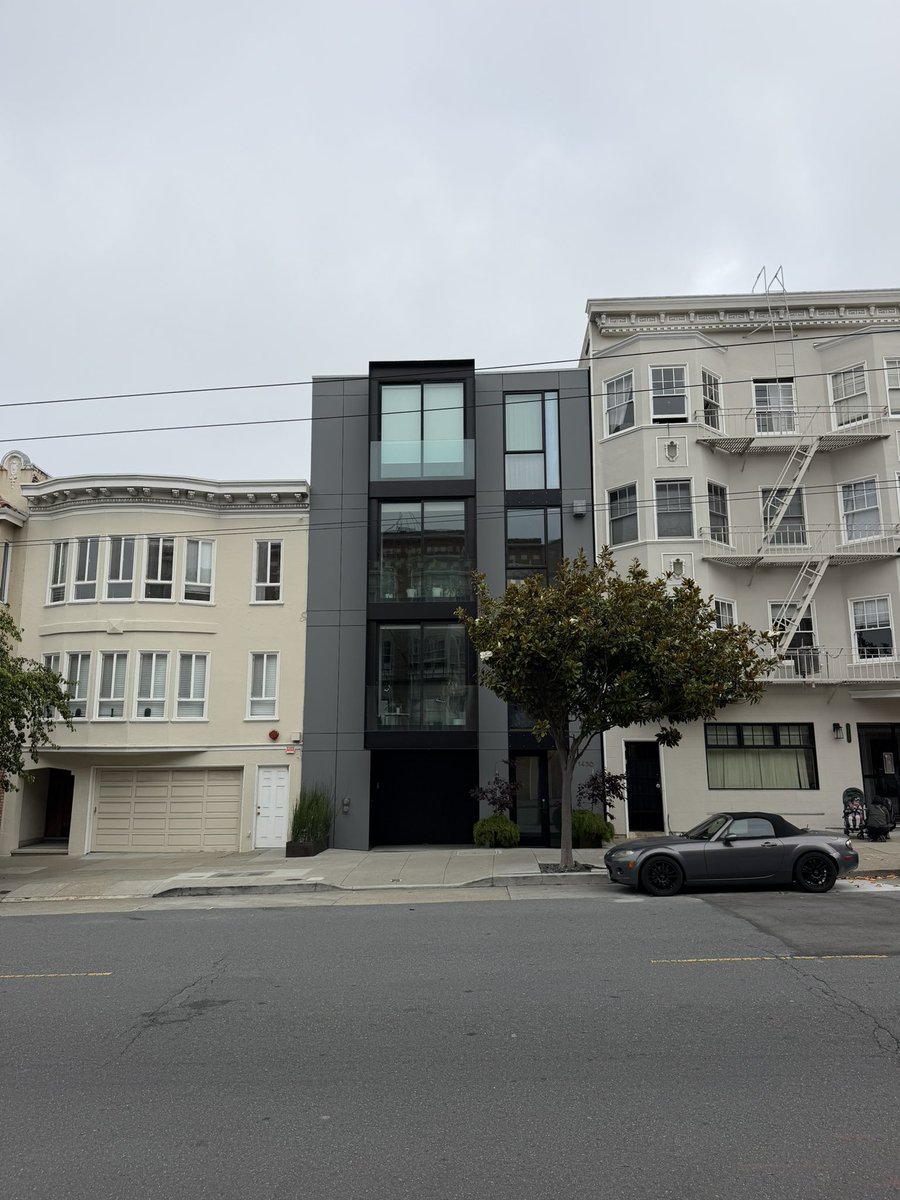
What makes most cities beautiful is a diversity of architecture and the contrasting styles.

not to be a nimby but I’m not really sure how this fits with the rest of the neighbourhood here in the marina.
1
1
415
18h
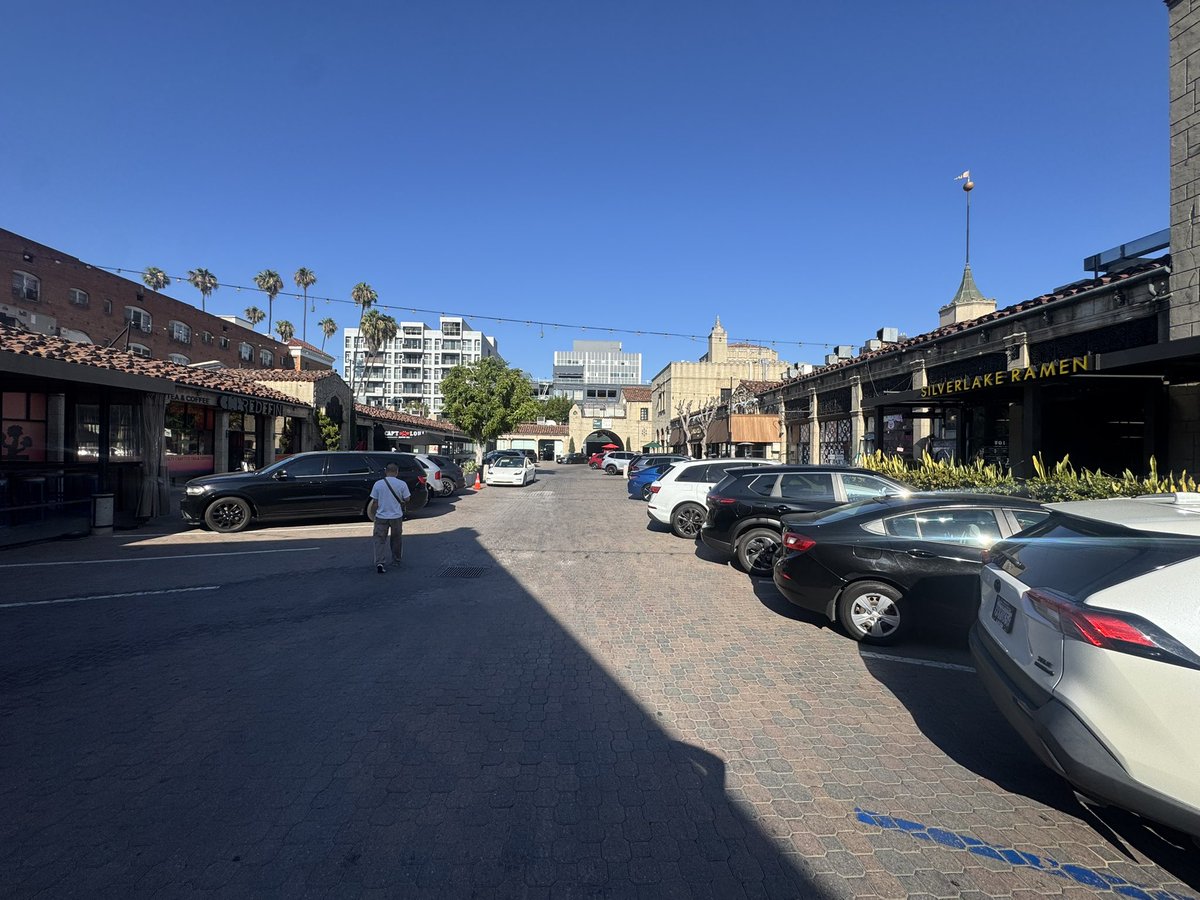
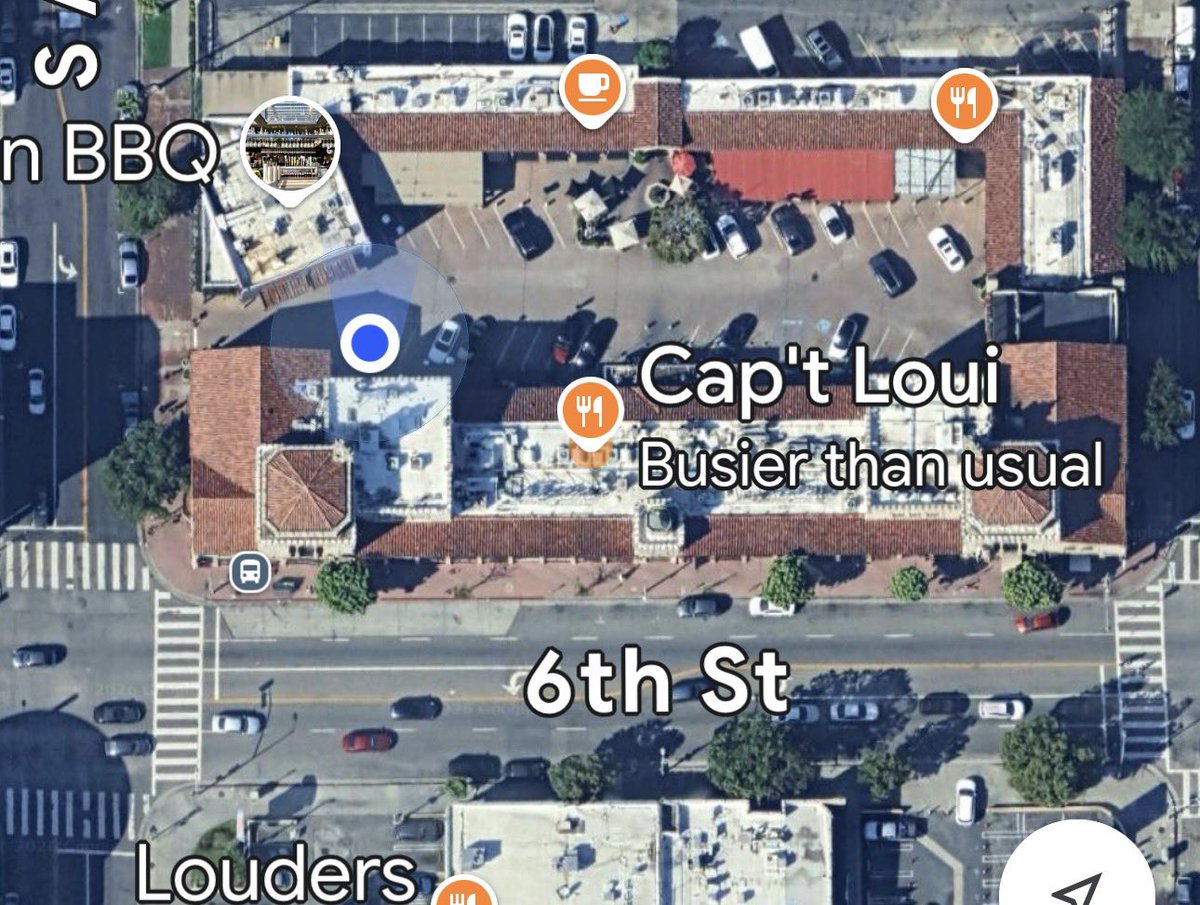
Hey cool, so we got this cute little courtyard. What do you want to do with it? Outdoor dining? Biergarten?
Nah fuck it, let’s park like 20 cars.
5
300
Jun 14
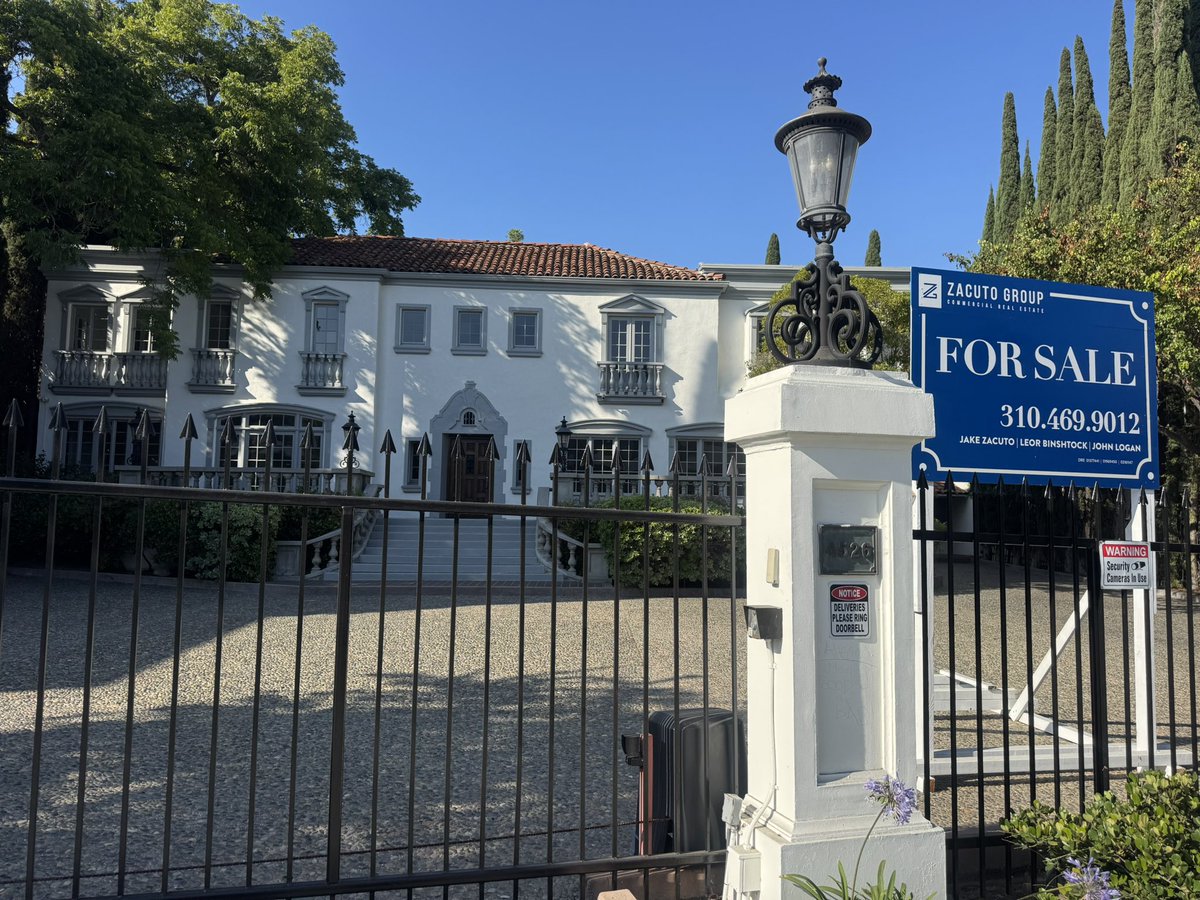
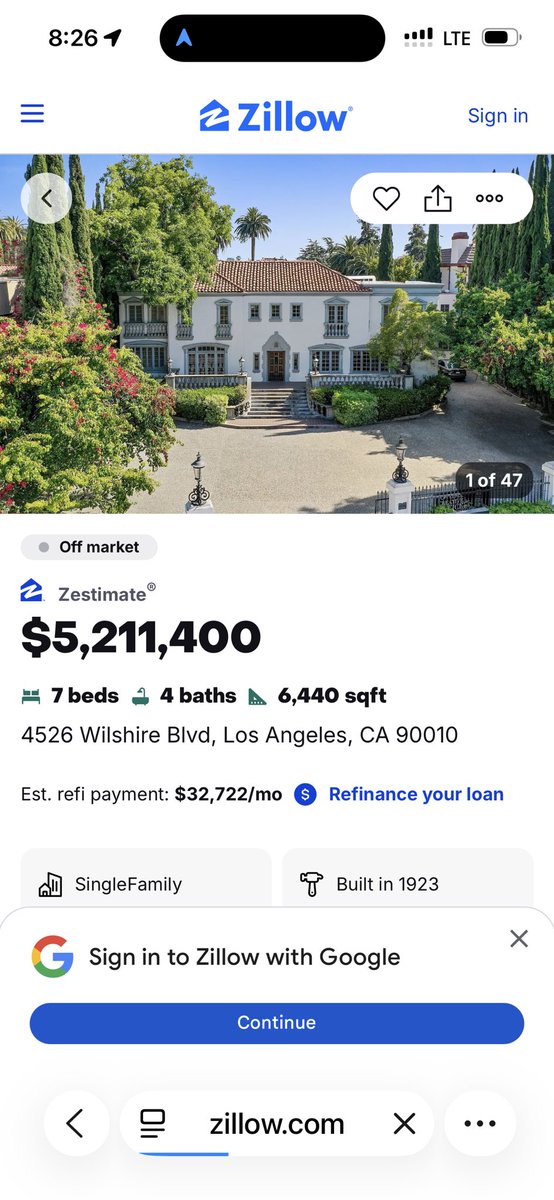
Unironically, can we please tear down this beautiful house and put up a 5 over 1? We need housing not preserved palaces in strategic locations.
2
2
1,117
Jun 14
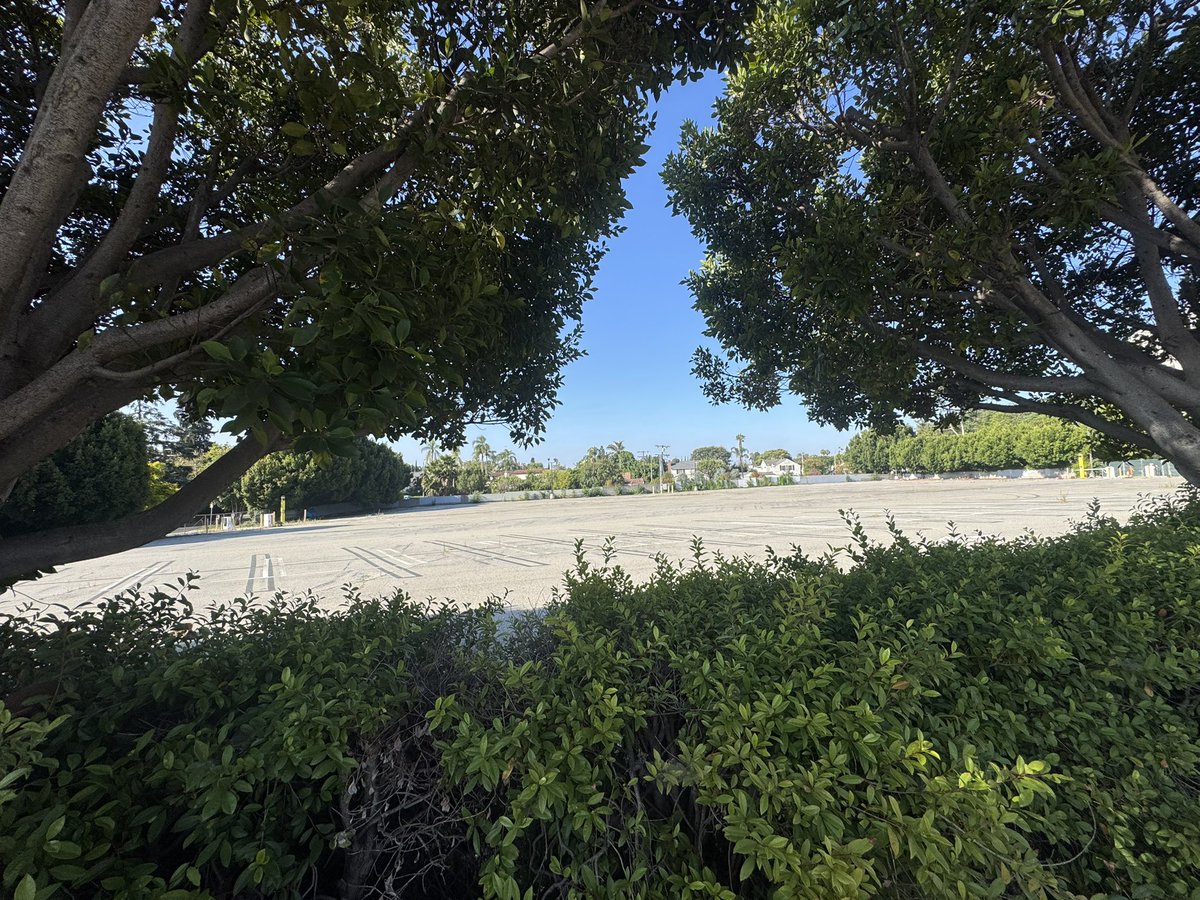
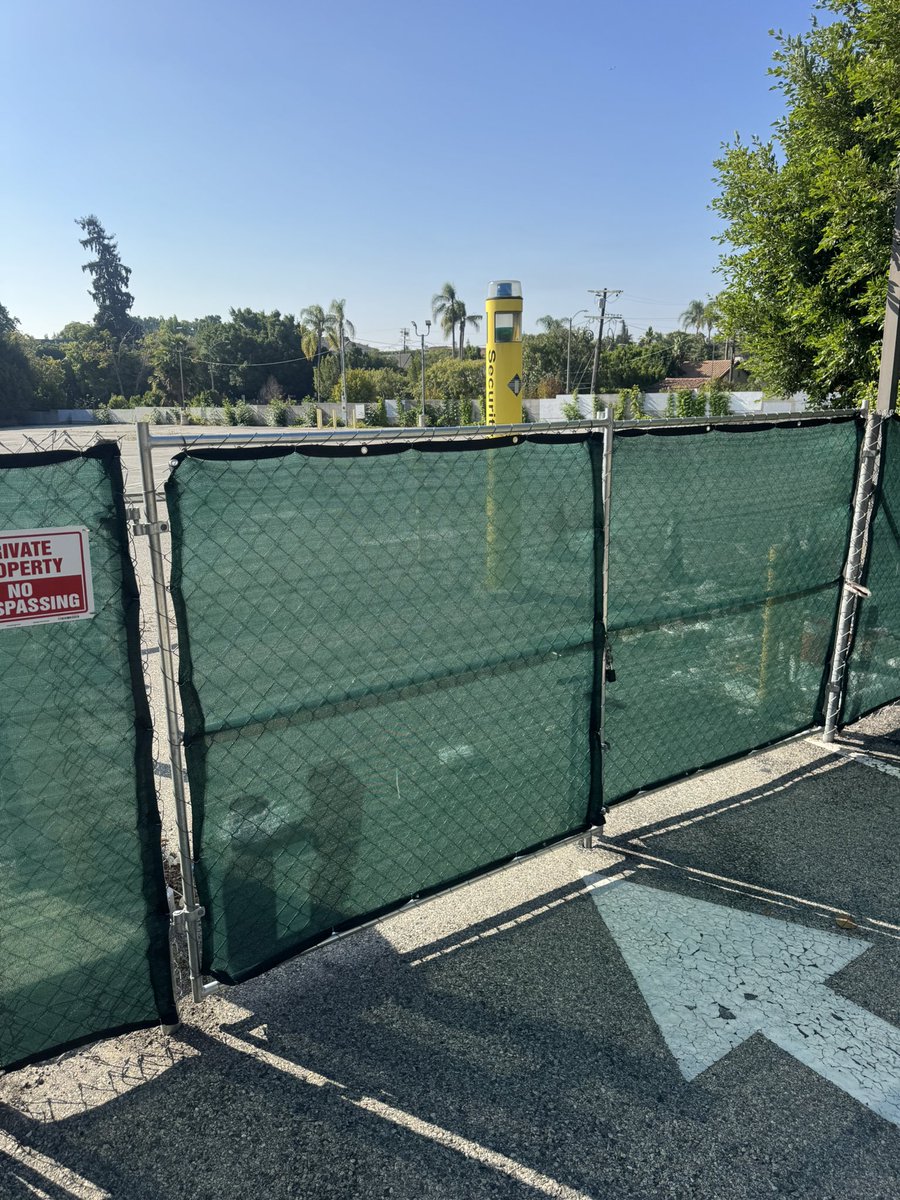
Next door, a one acre empty and fenced off parking lot and empty commercial building. What are even doing?
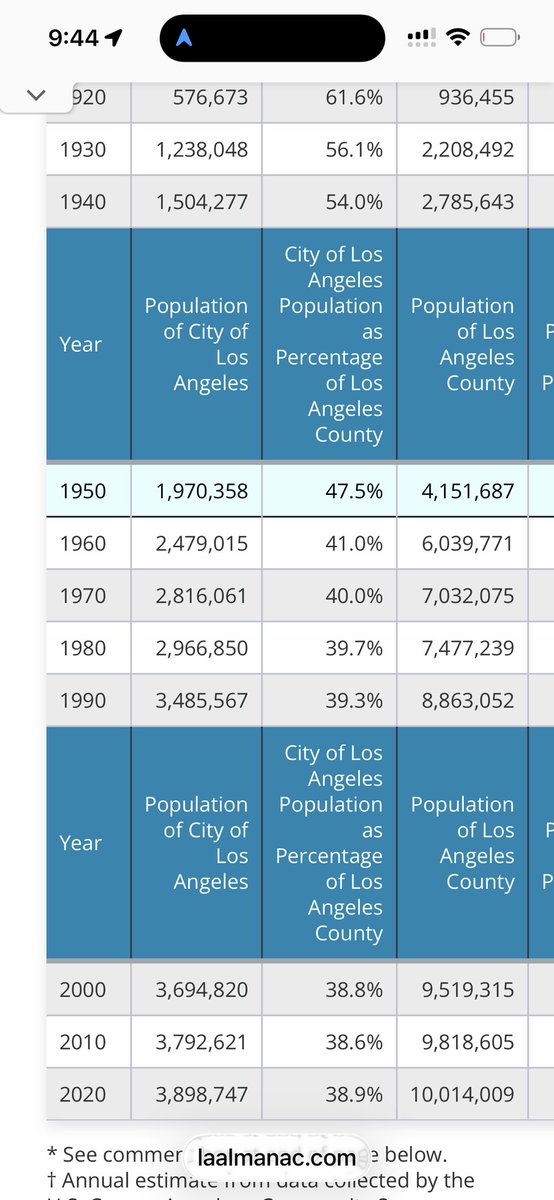
LA could easily double in size with good with gentle upzoning and infill transit oriented development.
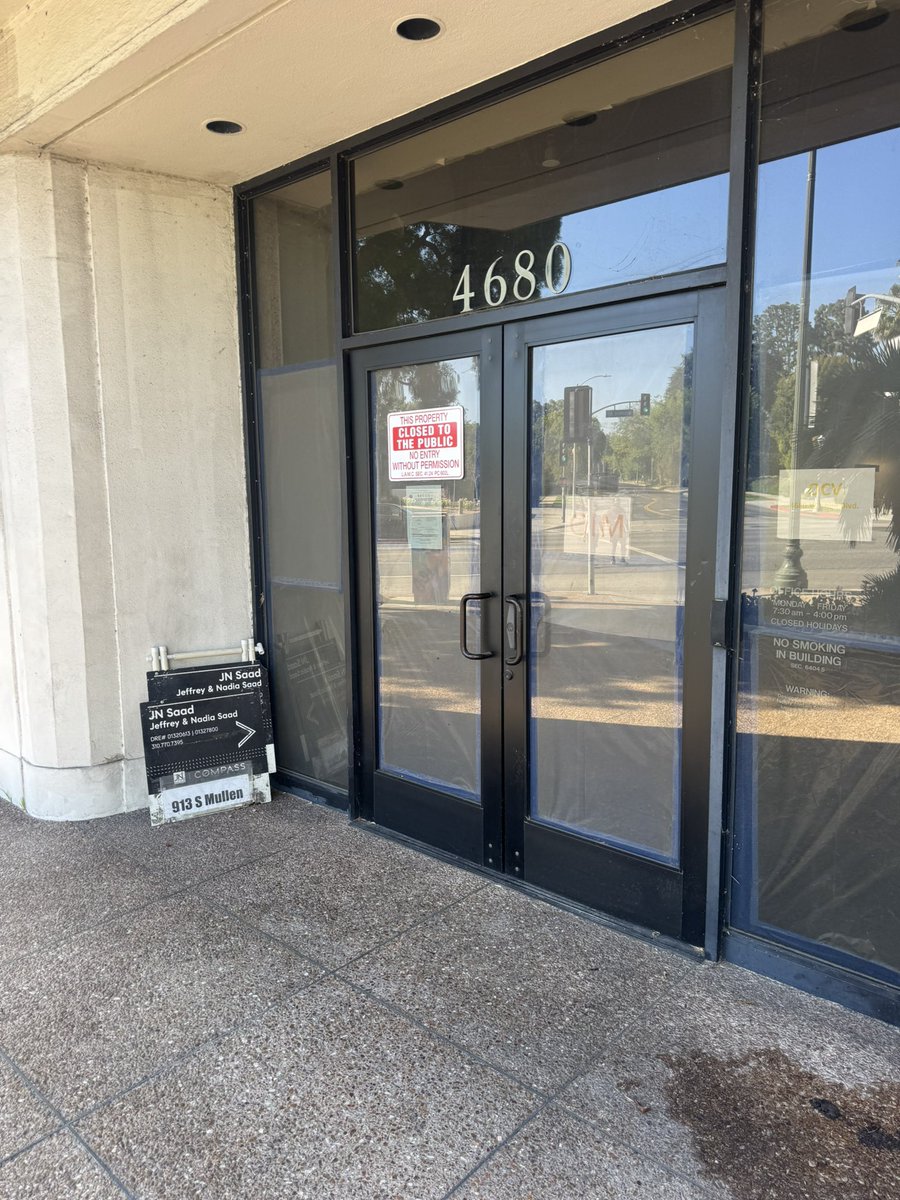
1
315
Jun 14
I wish LA was predominantly urbanized in the 1890s to 1930s. It would be the greatest city in the world.
9
2
207
8,152
Jun 14
California puts up barricades around nice places like it’s a goddamn zombie apocalypse movie.
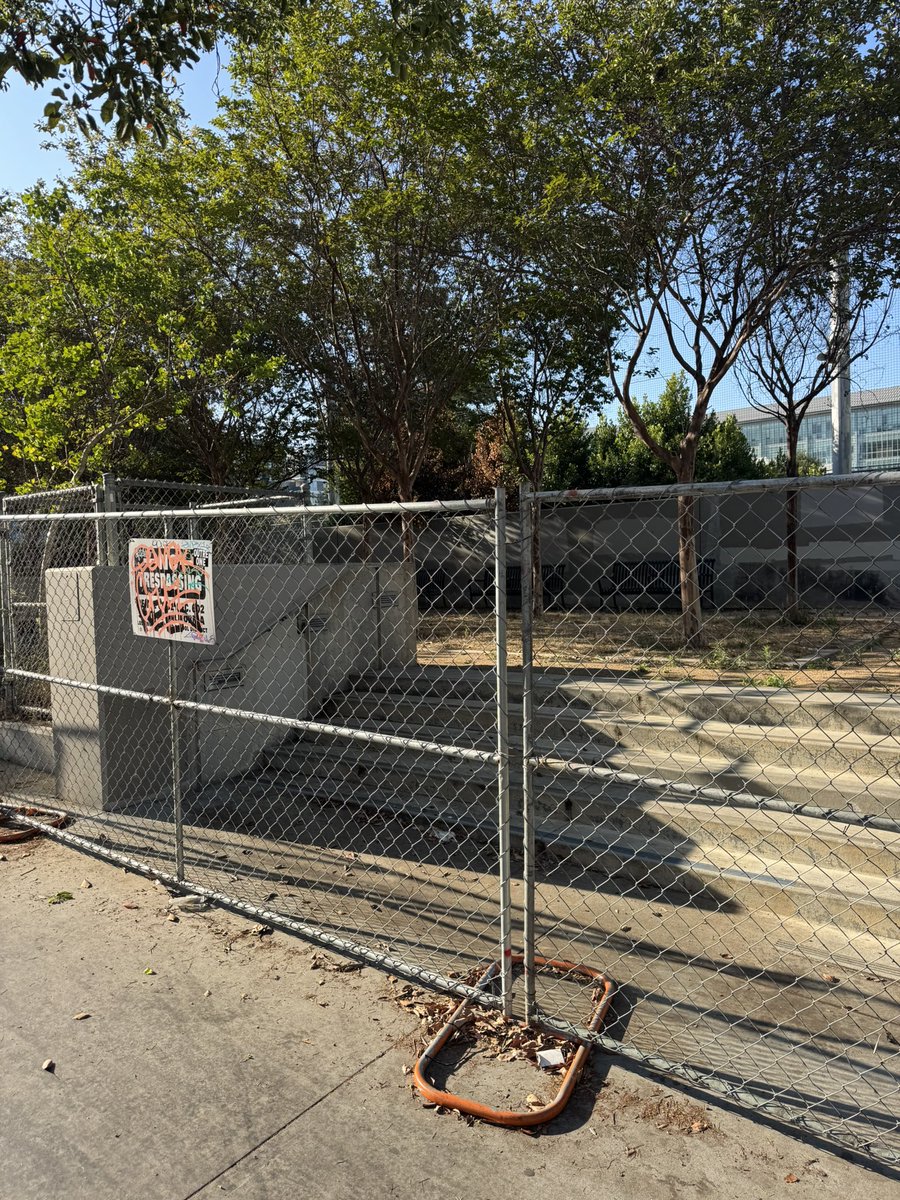
2
355
Jun 13
You want to tax the trillionaire.
I want to tax the millions of California boomers hoarding housing and not paying their fair share for services.
Repeal prop 13.
5
3
37
1,725
Jun 13
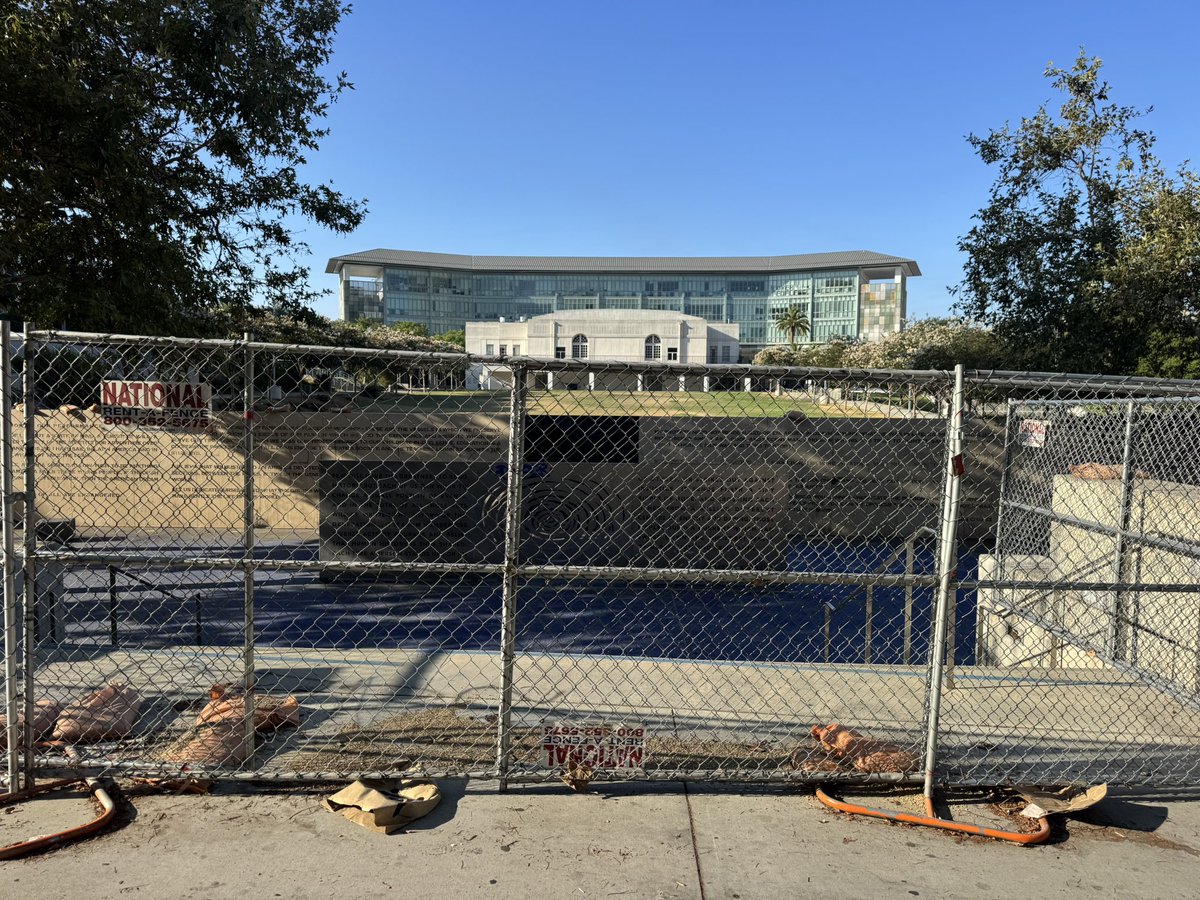
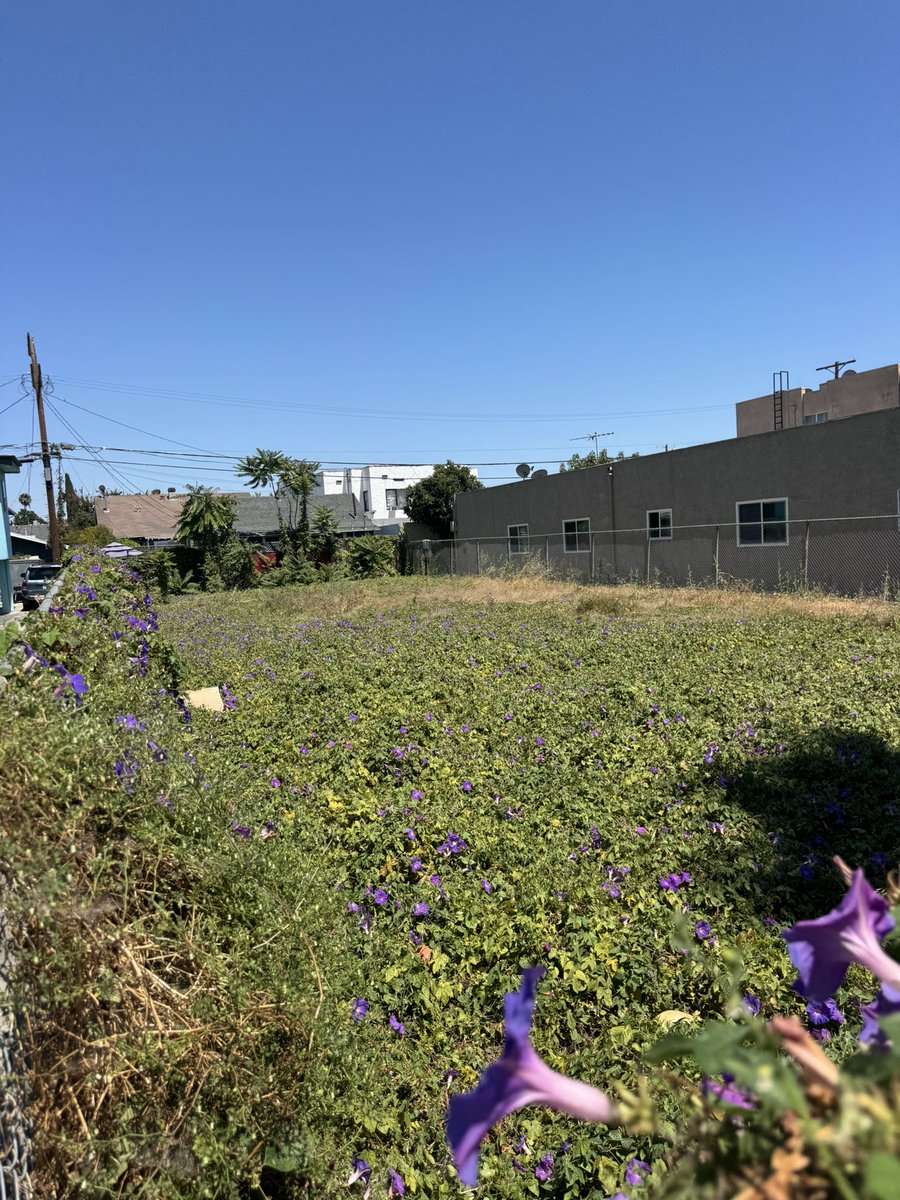
In Hollywood near multiple studios.
2nd largest U.S. city. Perfect climate. Strong economy. Housing shortage.
And multiple vacant lots on the same block.
I don’t want to hear shit about taxing trillionaires until we fix the tax and land use policies that enable this.
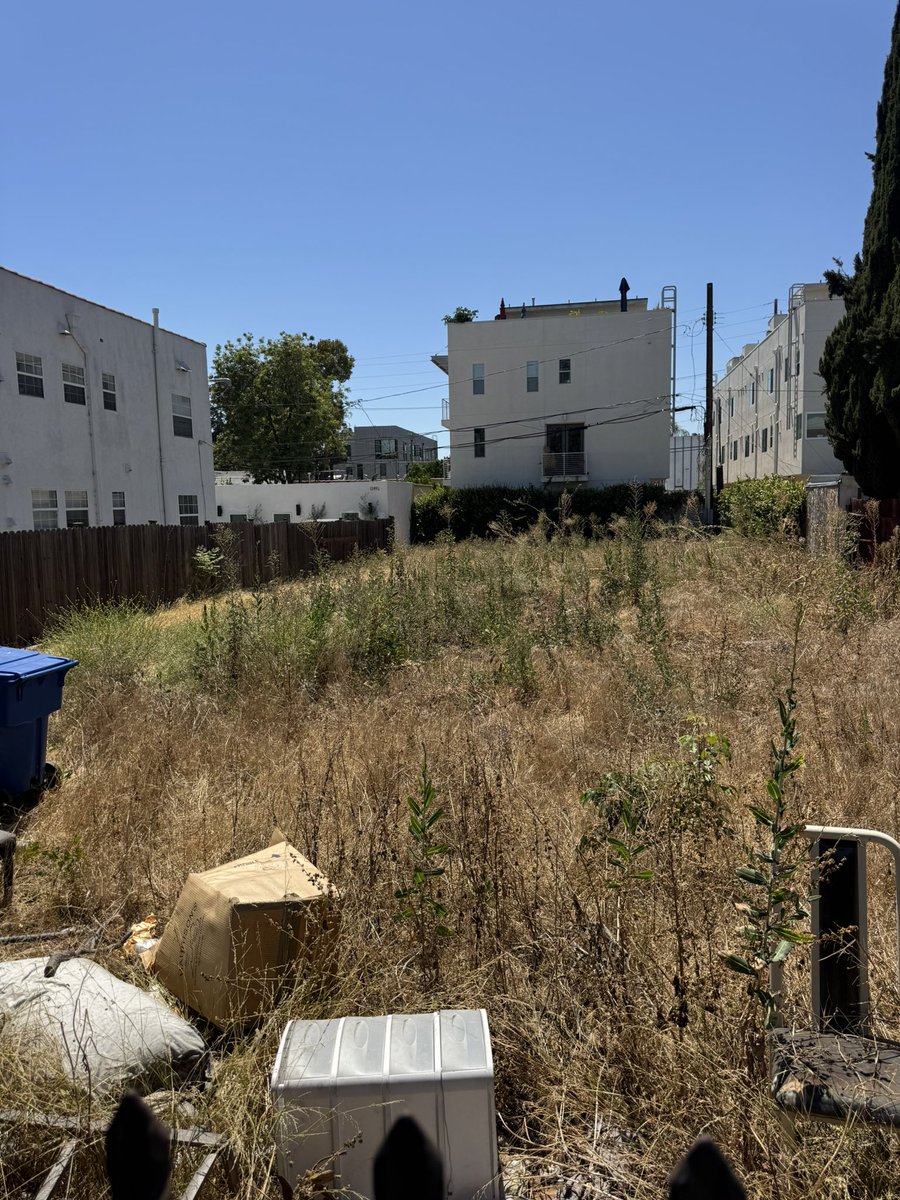
16
13
122
27,701
Jun 8
I angel invested in almost zero b2b saas…but two flying car companies, this being the second.
Invest in the future you want to see.
Jun 8

WHERE IS MY FLYING CAR?
Every time a transportation technology lets us go further, faster, we use that technology to expand the radius of our lives. This is Marchetti's Constant.
@tsungxu is building flying cars, because the time is right technologically and regulatorily, and because they can eliminate the speed-freedom trade-off that limits every transportation technology.
This week's co-written essay explains why now is finally the time for flying cars, and what we can expect our world to look like when we get them.
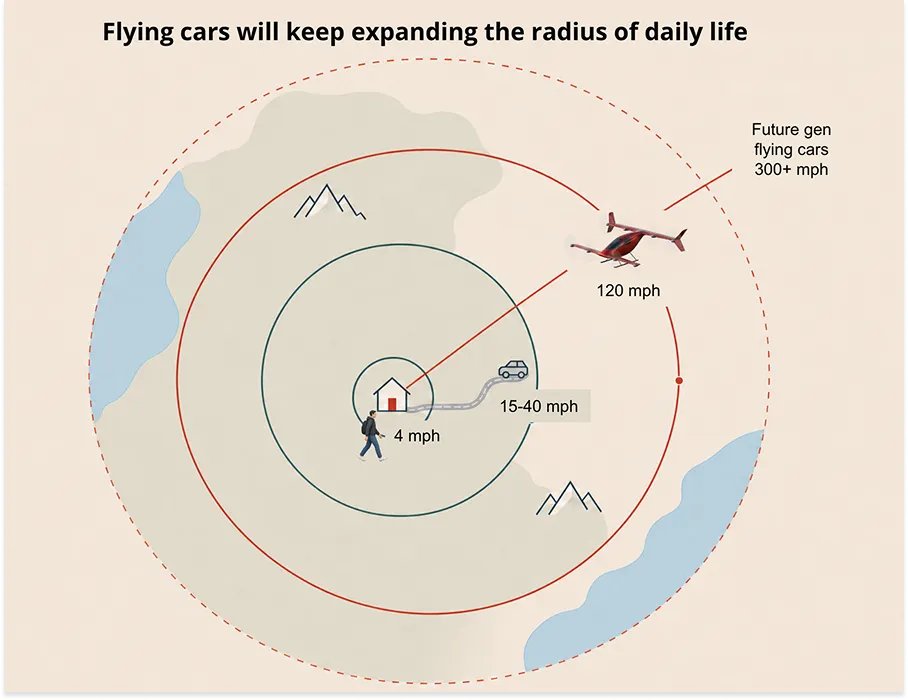
5
1
20
4,997
ryanrz.skr retweeted

Jun 4
Antares Mark-0 has achieved initial criticality! ⚛️
126
223
1,687
409,018
May 31
Ok, he’s trying to launch an app he hasn’t used in a while. Have iOS reinstall it.
Ok, good.
Now when he relaunches, make him immediately update the app to continue.

1
164
May 30
I’m a second time founder after a successful exit.
A 2010 study puts the first time founder success rate at 18-22% and second time successful founder at 30-34%.
So while I have a ~50% better chance of success, ~2/3 of these ventures still fail!
Theories:
1) startups are just hard and there is a fair amount of timing and luck involved. I didn’t fully appreciate it until extensive angel investing.
2) if you built one company to successful exit, you might try to skip steps and increase your burn. You are used to managing 50 people and scale the team prematurely. You have more access to capital, and can scale mistakes faster. But going 0 to 1 is a diff game and you need a full reset.
3) You’ve achieved a certain level of comfort. Grinding through the ugly early years is harder with some fat on your bones. Also, bc it’s easier to raise capital, you can easily shut something down and start again with a fresh seed round rather than persevere.
4) You can either attack a market you are familiar with from the first time or go after something new. In the first case, you may be inclined to think of things more through an incumbent lens than a disruptive lens. In the second, you have to be willing to upskill yourself significantly before you are effective.
Ive tried to stay grounded and build the way I did the first time. Keep the team small and make many micro GTM pivots toward a consistent vision. I’ve tried to apply lessons from the first time but in a different industry context, one where I started out as a novice.
I don’t know if this will work, whether I’ll be one of the lucky 1/3 that find success the second time.
But I’ve enjoyed building again and feel fortunate that I get the chance to have a second chapter.
5
248
ryanrz.skr retweeted

May 28
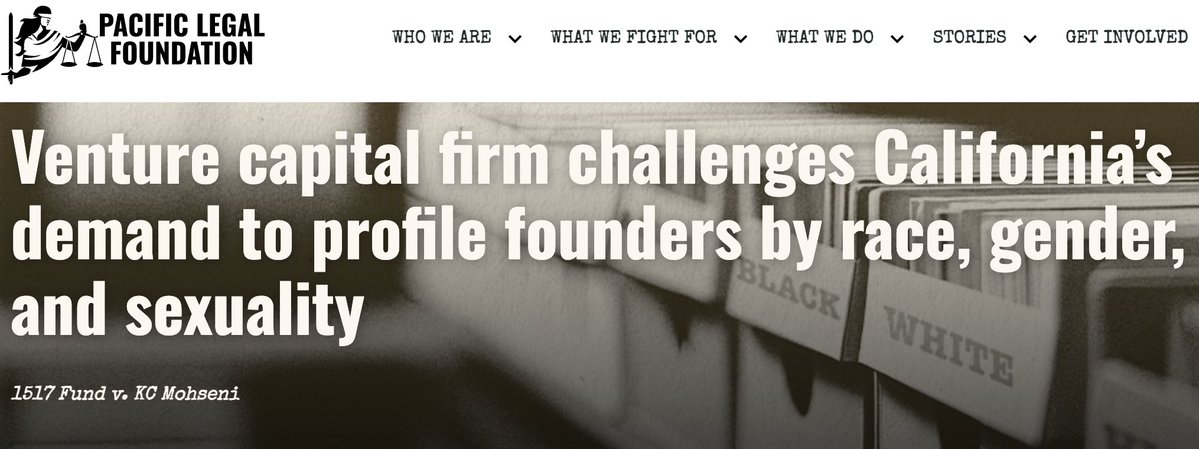
Today 1517 Fund is proud to announce w/ the Pacific Legal Foundation that we have filed a complaint against the state of California to overturn its intrusive & sweeping law requiring us to collect info on the sexuality and race of our founders.
1517 v. California
16
17
183
32,182
May 27
My biggest surprise in angel investing is that sometimes angels can lose even if a company is successful.
I understood that most companies would fail, and the top 1-10% would carry returns.
But I didn’t appreciate the ways in which angels can be crammed down and washed out even in companies that are successful.
159
May 27
It’s kinda ironic that “Block by Block” is his slogan, bc that has been the Nimby anthem that got us into this situation.
Block this housing. Block that housing. For 50 years.
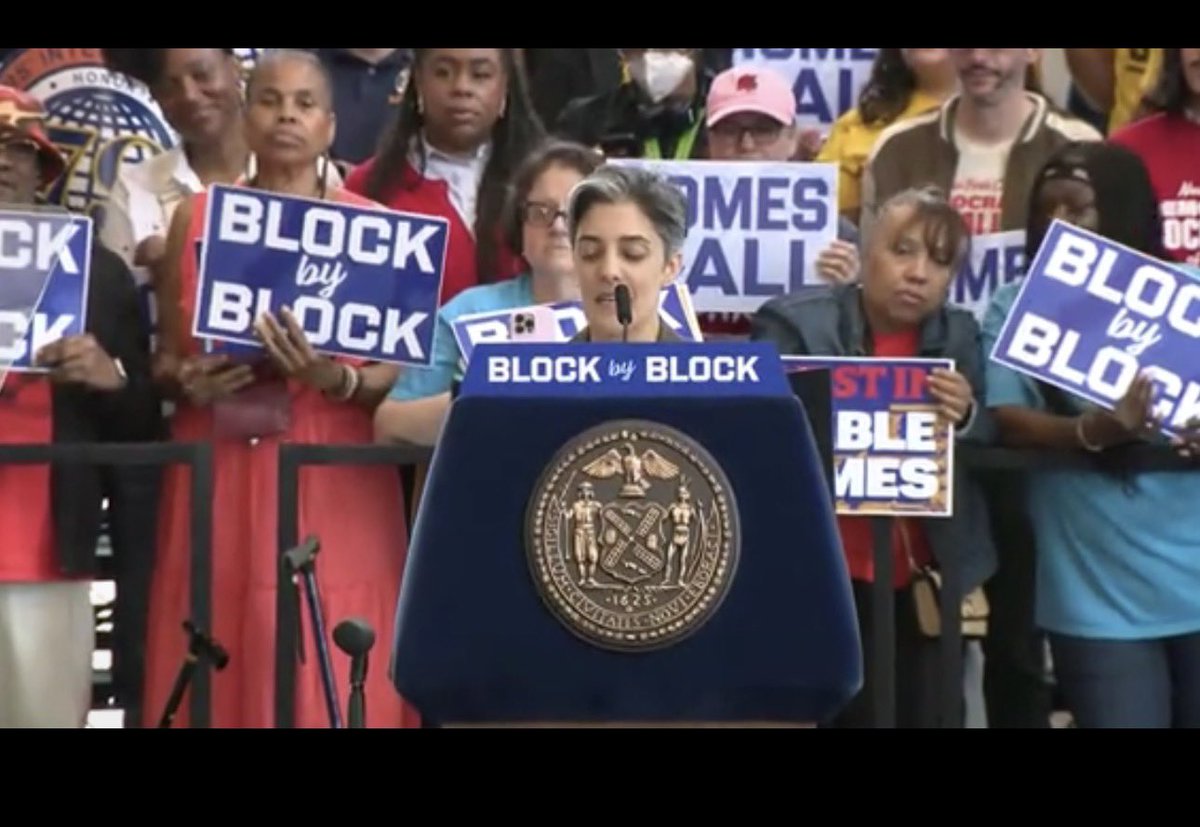

Mayor Mamdani Holds Press Conference to Make a Housing Announcement
x.com/i/broadcasts/1qxoNNYEL…
168
May 23
Interested in traveling to China for the first time? Here are the essentials:
1) Visa - China is opening up and now allows visa free travel for many countries, but not for the U.S. You need to find your nearest consulate and apply, but good news is that they often issue 10 year multiple entry visas to Americans. The New York consulate was super efficient and helpful.
2) Internet - install an eSIM BEFORE you arrive and activate it when you land. @realnomadtravel had the best offers during my trip (get $5 off STEP78UE). Western services like Gmail will usually work with an eSIM. You should also have a VPN for when you are on other WiFi. I use @surfshark and have heard @letsvpn is good. Beware, there may still be blocks and outages particularly if there is something big happening.
3) Apps - WeChat and Alipay are critical. Install before you arrive and connect a western credit card. If for some reason that doesn’t work, it will be much more difficult to pay for things, so best to set up before you arrive. Most services you need are embedded as mini apps. Most people you meet will connect via WeChat (tho WhatsApp seems increasingly common). Google Maps doesn’t work. Use Apple Maps or install Amap. ChatGpt/Claude/Gemini make life so much easier for navigating / translation.
4) Flights - if going to southern China, you will find the most options to Hong Kong and there are ferry and train options from the airport to mainland China. Cathay has a direct from NYC and U.S. carriers have flights from other hubs. Within China, China Eastern (Skyteam), AirChina, and China Southern are the largest carriers.
5) Hotels - can book via western OTAs. Overall super cheap and high quality, I spent between $60-120/night.
6) Regional Trains - there is high speed rail connecting major cities with frequent service. Trip(dot)com is the most western friendly interface and can be booked in Alipay. Your ticket will be tied to your passport - you just scan the passport at the gates to board.
7) Local Transit - Subways have extensive coverage and are very cheap. I had to pay for fare at a service booth or automated kiosk and was issued a card/token. Didi ridehail is reliable, with a variety of car/service options at different price points. If traveling as a small group, it’s even viable for intercity trips like Shenzhen to Guangzhou. Didi is generally the easiest option, but I took a few taxis particularly at busy areas like train stations. The fare was on the meter and drivers take Alipay.
8) Food - if you are American, your idea of Chinese food largely descends from Southern China (Canton). But China’s cuisine is actually super diverse across the different regions. Shenzhen is a city of migrants, and all the regional cuisines are represented. If you like spice, explore Szechuan, Hunan, and other northern food. This trip I tried two cuisines that I hadn’t previously (Guizhou - sour/fermented/spicy and Lanzhou - halal/Middle East influence). I didn’t heavily plan and ate well with multiple great meals eating at random mall food courts. In a pinch, convenience stores are awesome for onigiri (rice triangles) or sandwiches.
9) Trade Shows - if you want to get a taste of Chinese manufacturing, plan your trip around a trade show in an industry of interest. There are dozens each year for every industry niche, and a mega show called the Canton Fair in Guangzhou 2x a year. It’s also worth a stop at Huaqiangbei, a multilevel multi block electronics mall in Shenzhen (both consumer and components). If you are traveling on business, the shows can sometimes issue invitation letters which can help secure a business visa.
10) China experts- What did I miss?
May 22

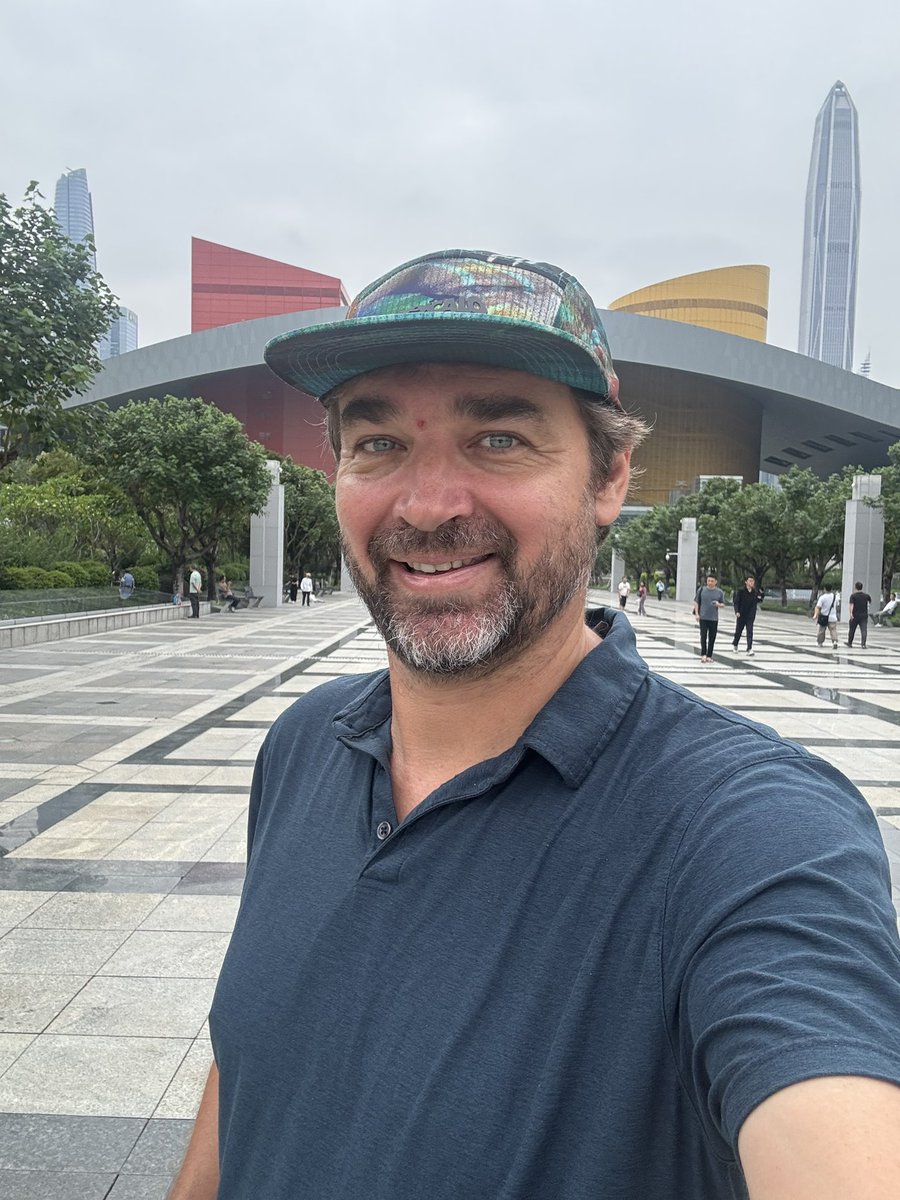
I recently returned to Shenzhen for the first time in 7 years.
There has never been a better time to visit China.
A few observations and tips:
1) it’s much easier to get around as a foreigner. WeChat and Alipay allow foreign credit cards and they’re accepted everywhere. You can book a car with didi or train tickets with Trip, directly or in the super apps. Google Maps basically doesn’t work, but Apple Maps is pretty accurate.
Overall, it was amazing to be able to independently move around China. My experience last decade was mostly being shuttled between factories in a partner van. I appreciated the autonomy this time.
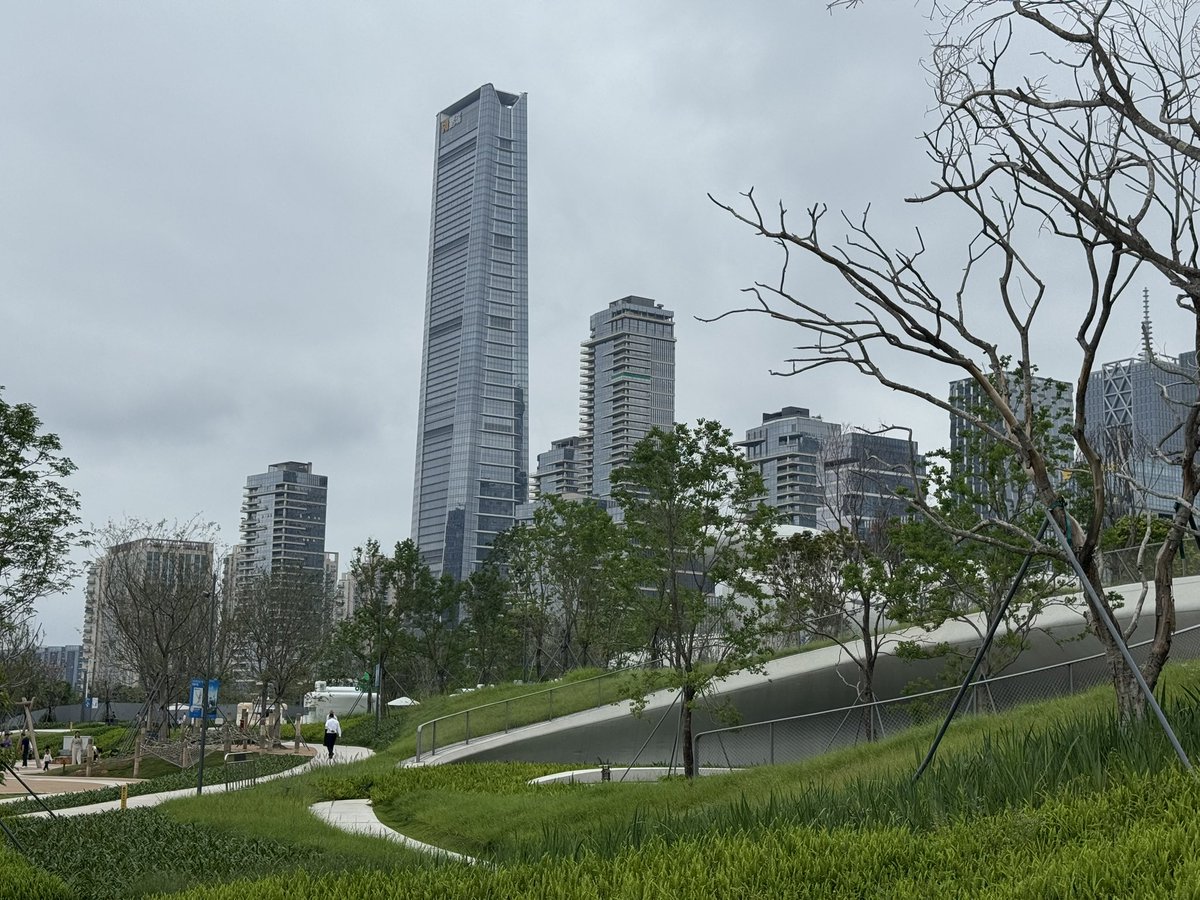
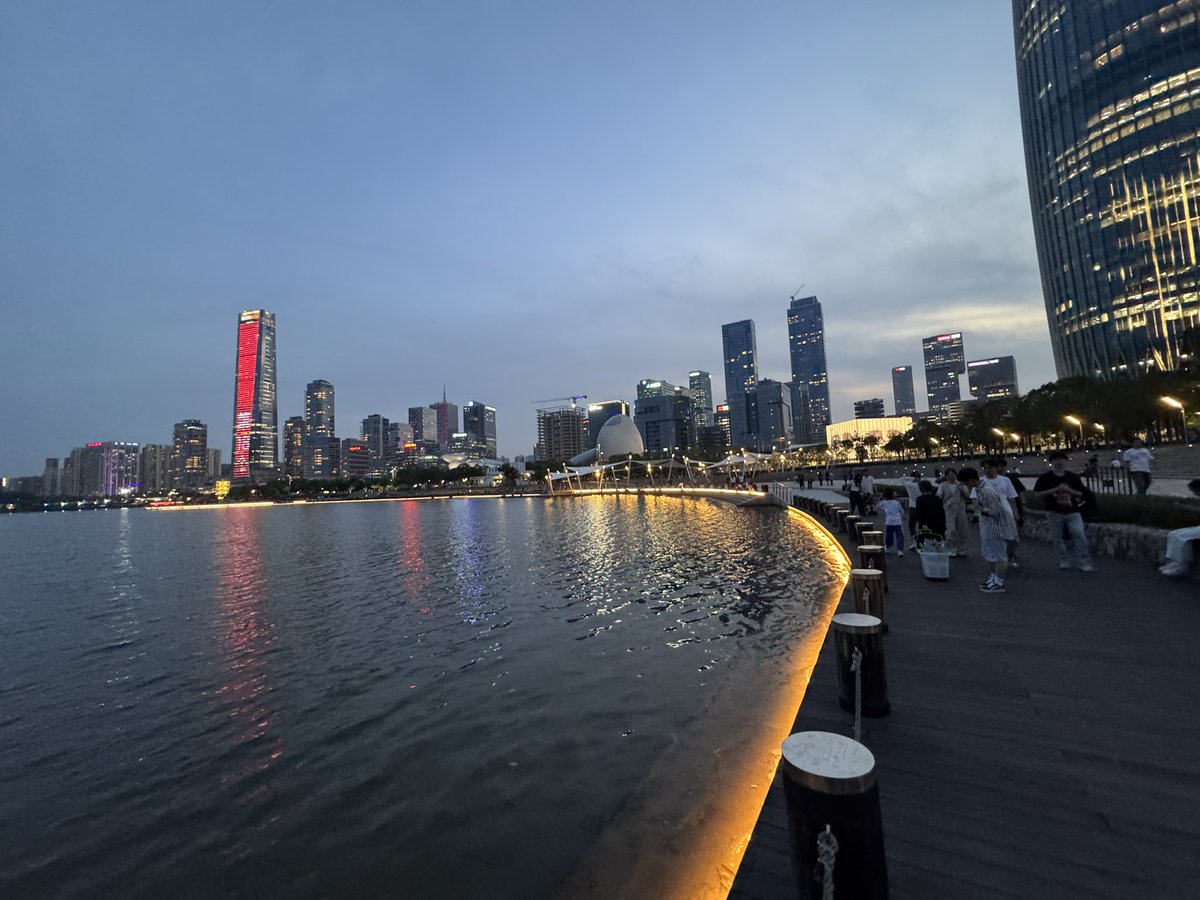
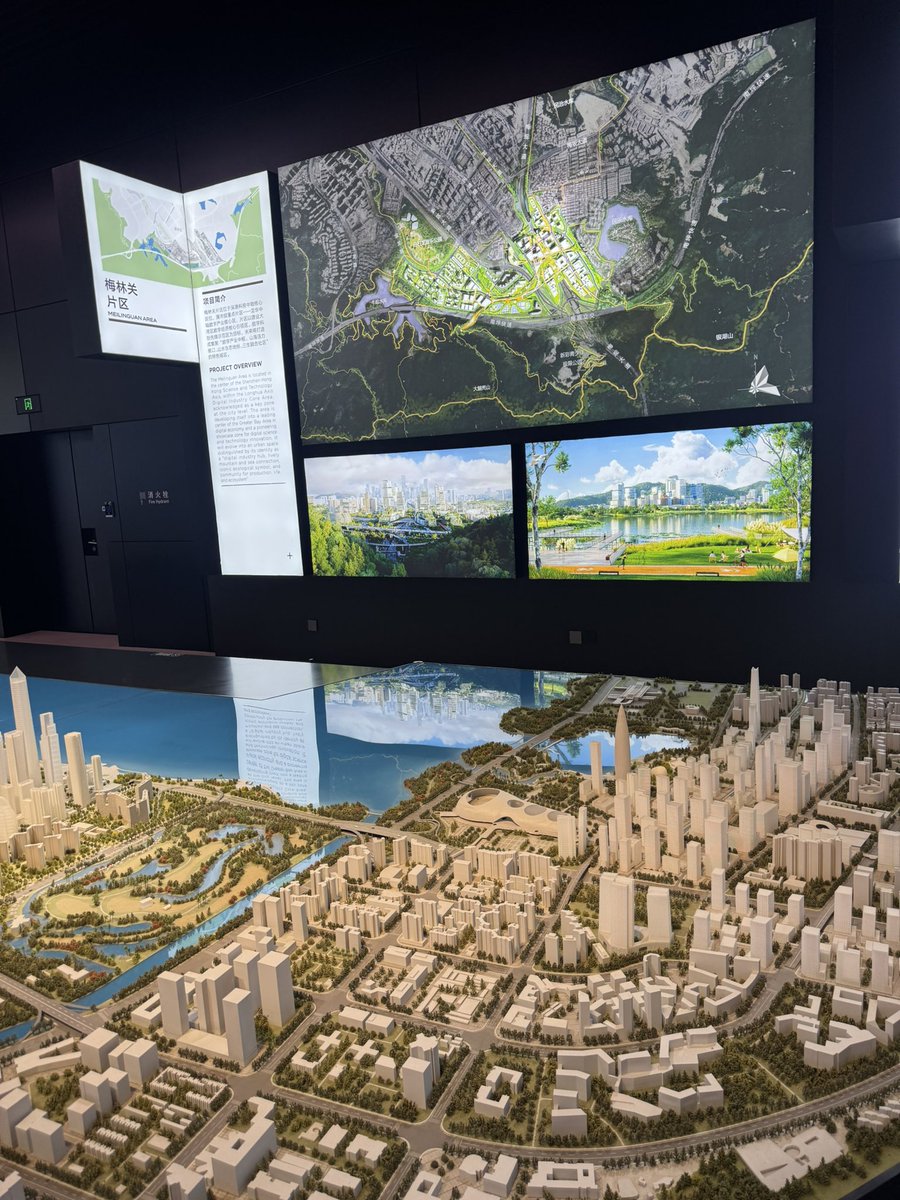
2) Shenzhen is beautiful now. Some of the best urban parks I’ve experienced. Good bicycle and pedestrian infrastructure. Cyberpunk towers. A palpable energy and ambition and a migrant population from every corner of China.
3) The quality of life is higher than much of the West. Excellent and affordable food. Clean and new buildings. Beautiful parks and nature. Easy access via high speed rail to the broader region. And perhaps most importantly, it is extremely safe. You don’t need to carry the cognitive load of your personal physical safety like you do in major U.S. cities.
Overall, I think we will see a continued decline of Chinese immigration to the U.S. Immigration just doesn’t make sense now.
4) The cultural gap between the U.S. and China is growing not shrinking. The level of English proficiency even among the young and educated is extremely low. The Chinese domestic market is large, so less incentive to learn how to enter global markets. And the reverse is true too - very few Americans and other foreigners make the trip to China. So the arbitrage for navigating China still exists and will continue for >10 years.
5) Shenzhen will continue to dominate consumer electronics. For cars, it’s not just BYD now, but many other Chinese car companies making excellent vehicles. Globally dominant for drones and robotics. Smartphones with market leading features. And it’s in the best position to win AR and wearables. If you are making hardware, Shenzhen is the capital more than SF.
I really enjoyed this trip and find Shenzhen extremely inspiring.
From swampy fishing village to global tech capital in my lifetime.
9
3
48
6,569