3rd year Philosophy DPhil (PhD) @PhilFacOx | Researching Spinoza, Bayle, and Enlightenment atheism | Also Deleuze, Weil, and Italian Marxism | 27 | He/Him
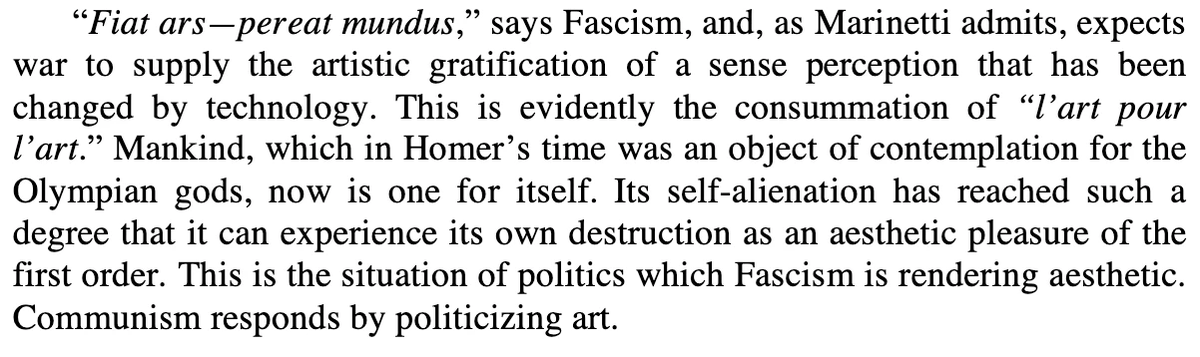
ALT “Fiat ars—pereat mundus,” says Fascism, and, as Marinetti admits, expects war to supply the artistic gratification of a sense perception that has been changed by technology. This is evidently the consummation of “l’art pour l’art.” Mankind, which in Homer’s time was an object of contemplation for the Olympian gods, now is one for itself. Its self-alienation has reached such a degree that it can experience its own destruction as an aesthetic pleasure of the first order. This is the situation of politics which Fascism is rendering aesthetic. Communism responds by politicizing art." From Walter Benjamin, 'The Work of Art in the Age of Mechanical Reproduction.'
It's good to see the precarity of the current care visa system being put back on the political agenda ✅
We've worked with @unisontheunion to build a tool that helps care workers find routes out from exploitative employers – but too many remain trapped 👇
mirror.co.uk/news/politics/a…
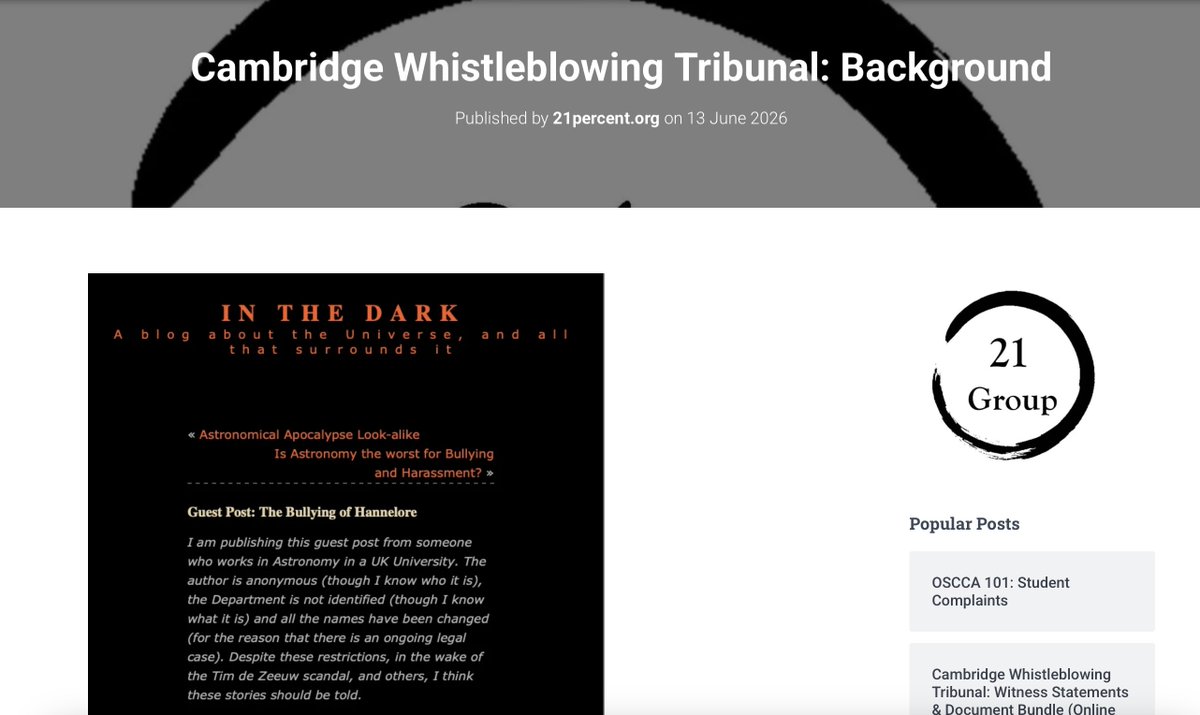
Background to Cambridge Whistleblowing Tribunal
This describes a sequence of events after Prof Wyn Evans tried to help a distressed colleague
Wyn Evans claims there is no effective protection for whistleblowers at Cambridge University
21percent.org/?p=3806
Everyone (paraphrased well by Alex Ross): Horkheimer and Adorno avoided the term “Marxism” and gave up on enlightenment reason.
Horkheimer and Adorno: “the rescue of enlightenment is our concern,” and by “enlightenment,” we principally mean “the radical impulses of Marxism.”
I've just been introduced to the concept of Gacha games. It just sounds like a gambling machine with extra steps to me. So why does it seem like people regard these things differently than they do ordinary gambling/casino games?
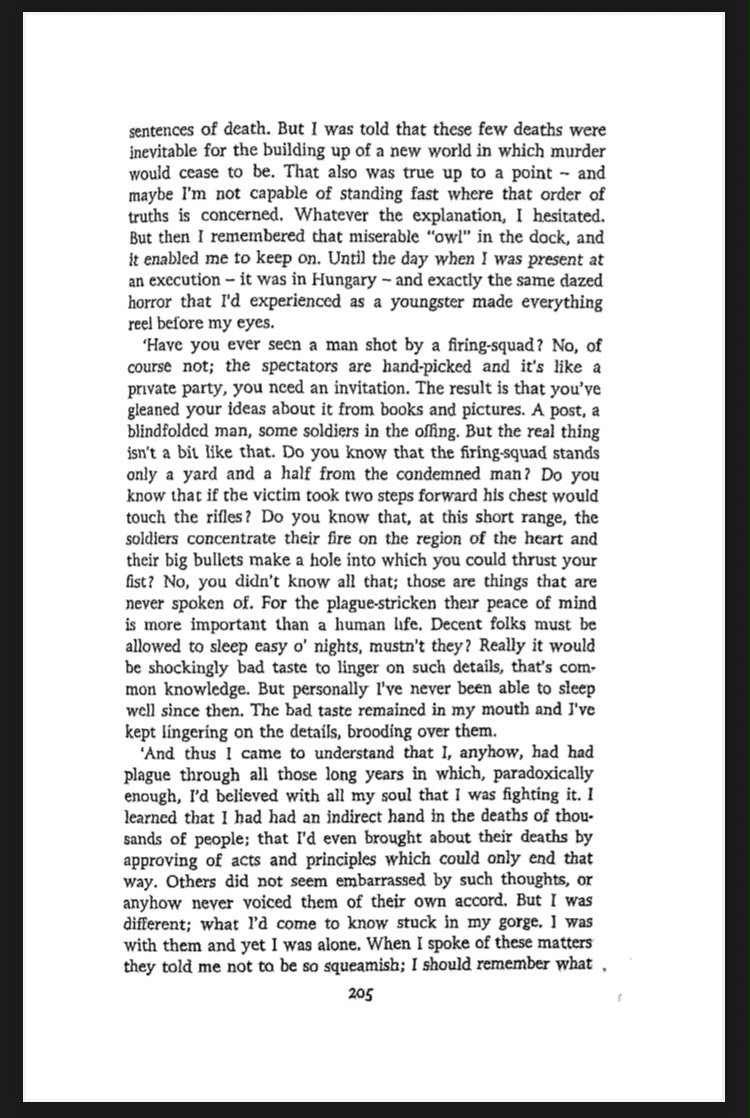
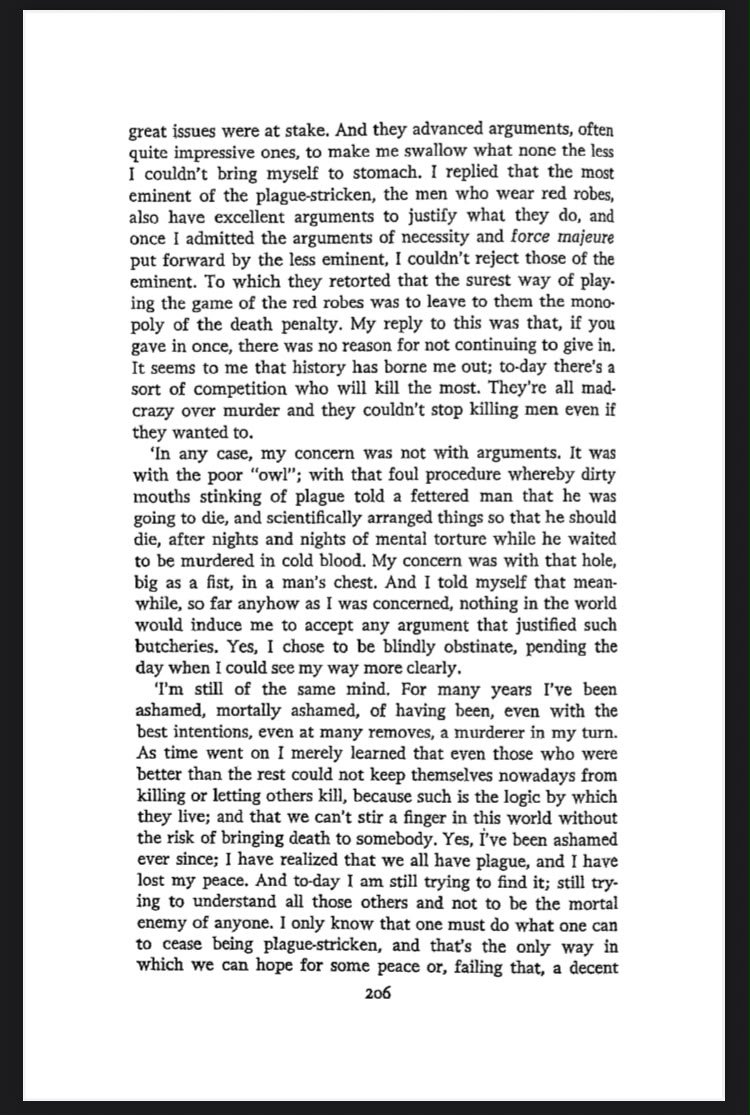
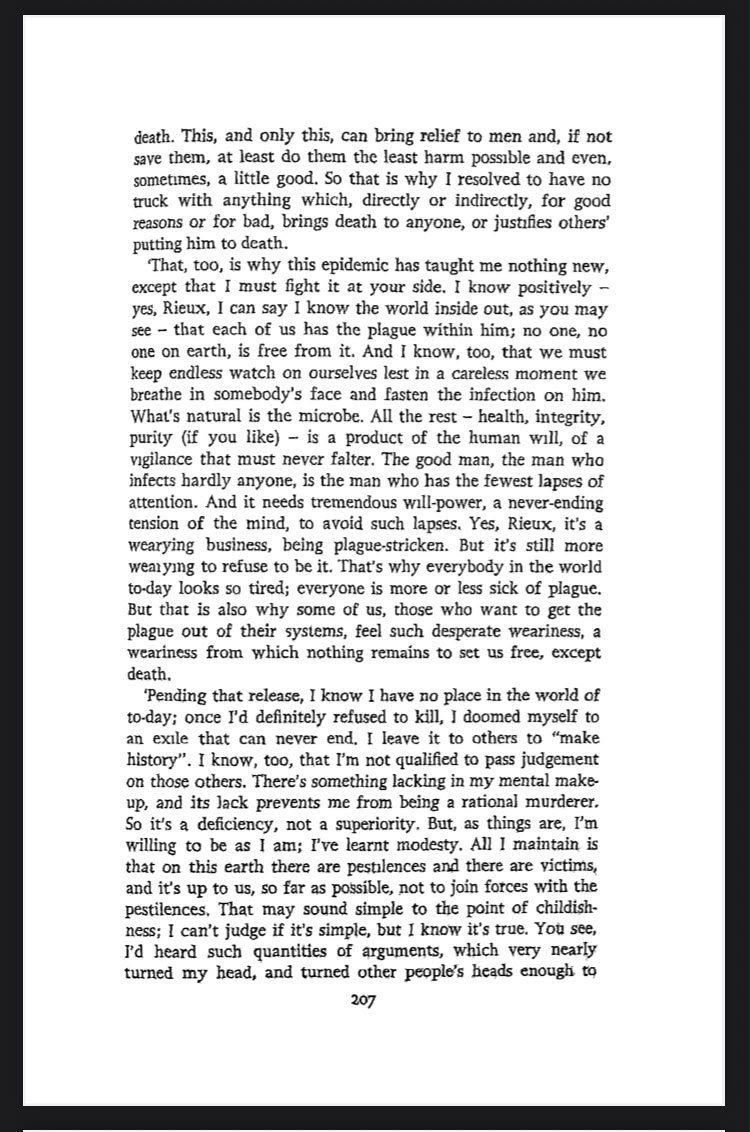
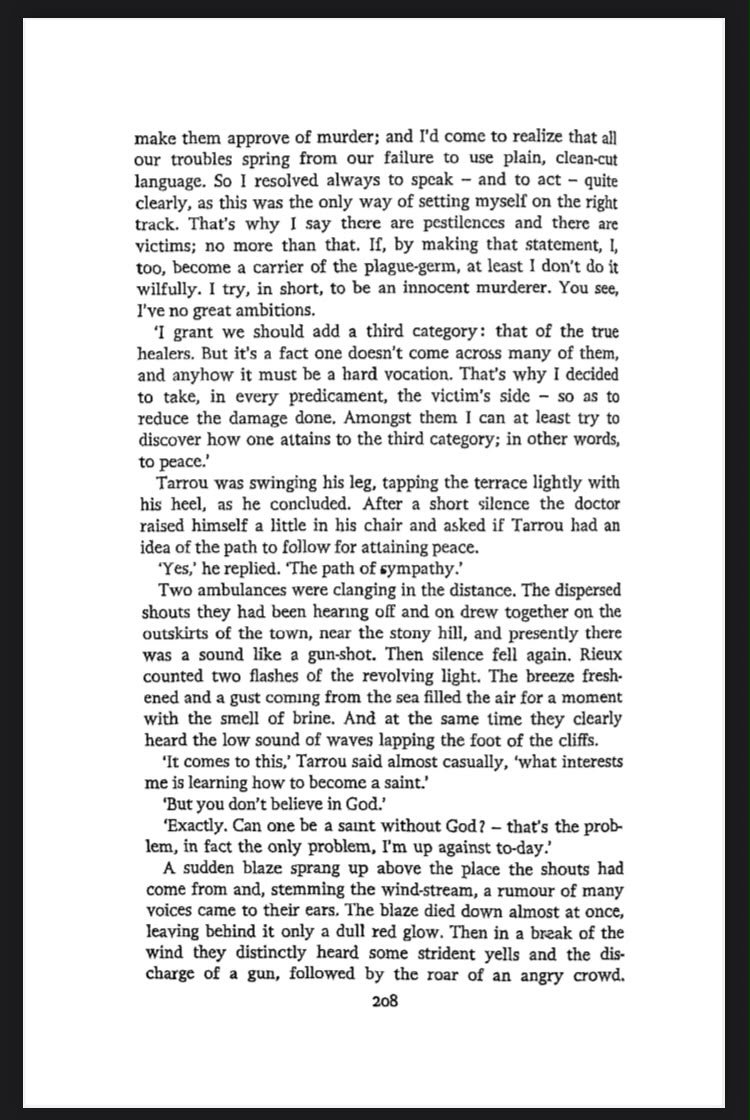
I first read Camus' The Plague when I was 17, and this passage from it has stuck with me since then. I don't agree with all of it, but there is something admirable and romantic in its vision: an aspiration to live at as little cost to others as is possible.
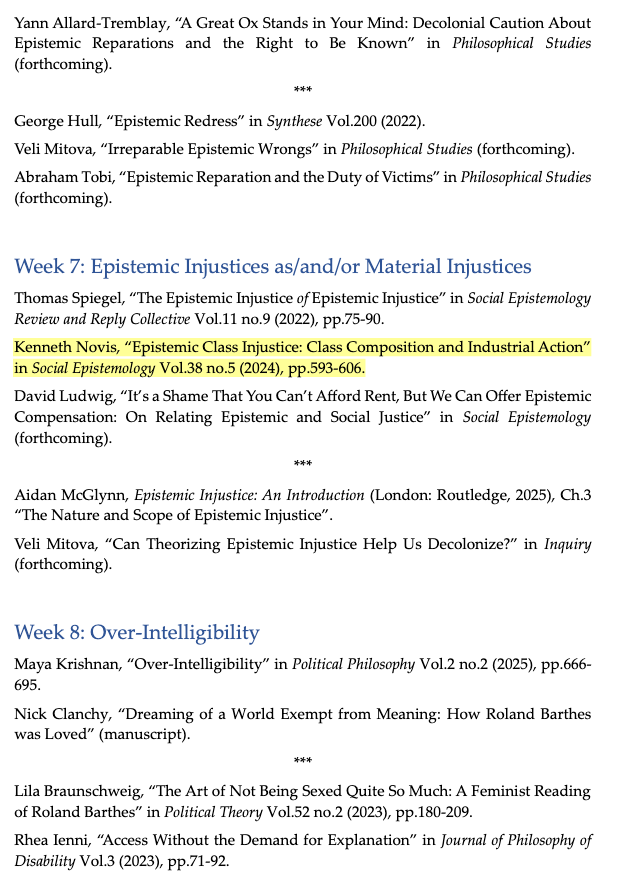
One of my publications has been included on the reading list for one of the philosophy master's classes at Oxford, and I'll be giving an introduction to the paper for the class tomorrow 💪
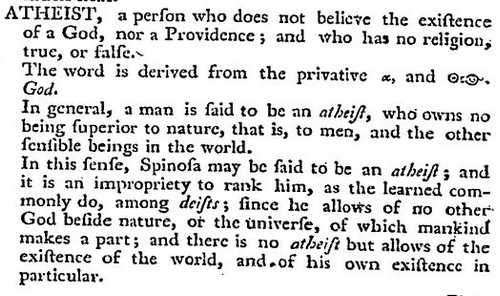
I sometimes see the claim that Marxism is a religion. I think you can only get that conclusion by beginning from the assumption that it is a religion, and then gerrymandering your definition of religion around that. From just about any normal definition, it shouldn't count.
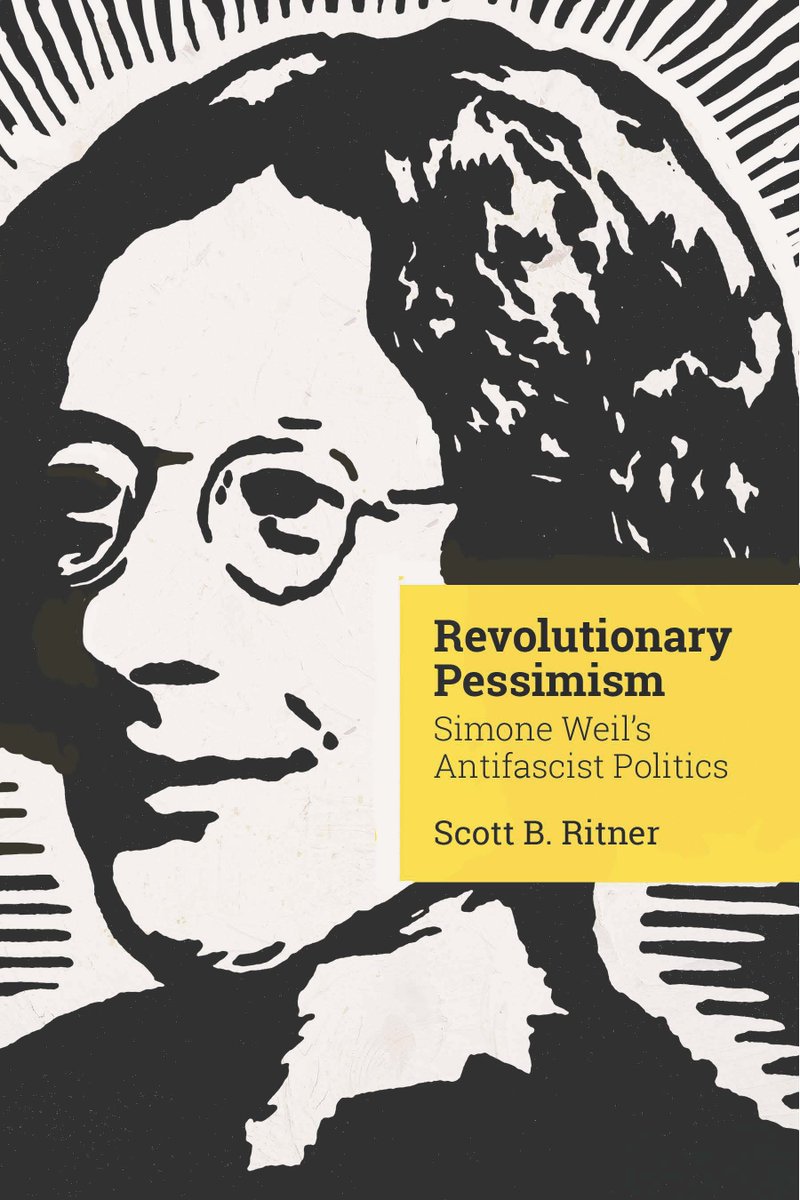
Some versions have things in common with religions. But Simone Weil's reminder is a good one here: dogmatism dies when we let ourselves use the phrase 'insofar as.' Marxism is a religion, *insofar as*, for example, its proponents consider themselves unified (but do we?)
Anyone who believes in the concept of the 'axial age' need to be picked up and shaken violently. There are no uniquely decisive moments in human history: those that seem like they are, build on decades or centuries of labour and decisions.
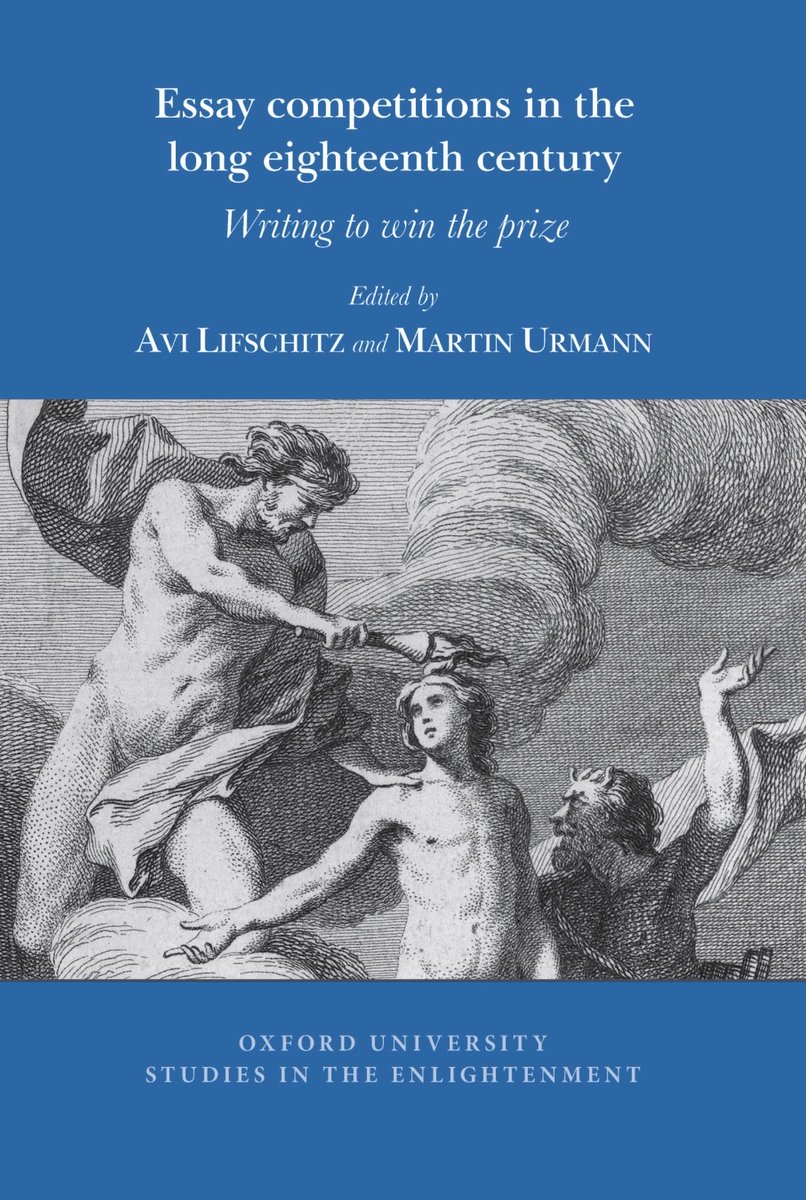
Why was the 18th century the heyday of prize contests on virtually everything? Many answers in this new book, now available with a discount from @LivUniPress:
mailchi.mp/e854e1290516/essa…
Out today - Workers and the World: Fighting Ecological Crisis from Within by Lorenzo Feltrin
"A handbook and treatise, this is a treat for trade union organisers, militant environmentalists and connoisseurs of operaismo alike."
- Andreas Malm
versobooks.com/products/3298…
Do counterpart theorists have a good way of arguing from 'although I do not φ, in some possible world I have a counterpart who φs,' to 'it is possible for me to φ'? I'm struggling to agree that it's possible for me to φ just because I have a counterpart who φs.
As far as I can tell, they'll say that, if we want to make possibility claims, then we should diminish them into claims about possible counterparts, and I suppose that works if you are willing to agree that 'it is possible for me to φ, even if I don't φ' is false on its face.
Keeping up with this exciting project over the last year or so has been really inspiring & informative - read & listen online at notesfrombelow.org now!
📢'Fascists By The Seaside: Workers' Inquiry in Yarmouth' is now available through our podcast series!
Lotte and Dan talk us through the composition of Great Yarmouth, its poultry farms and possible routes for combatting insurgent fascism on its streets!