
🇩🇪Insect nerd🚫No AI🏆2021-Nat. Geographic science pic📔2022-Author „Ganz nah dran“🎥2023-Netflix Life on our planet📔2024-Author „Von Angesicht zu Angesicht“
Joined July 2021
- Tweets 3,172
- Following 656
- Followers 13,137
- Likes 10,721
1,615 Photos and videos

Pinned Tweet

16 Jan 2025
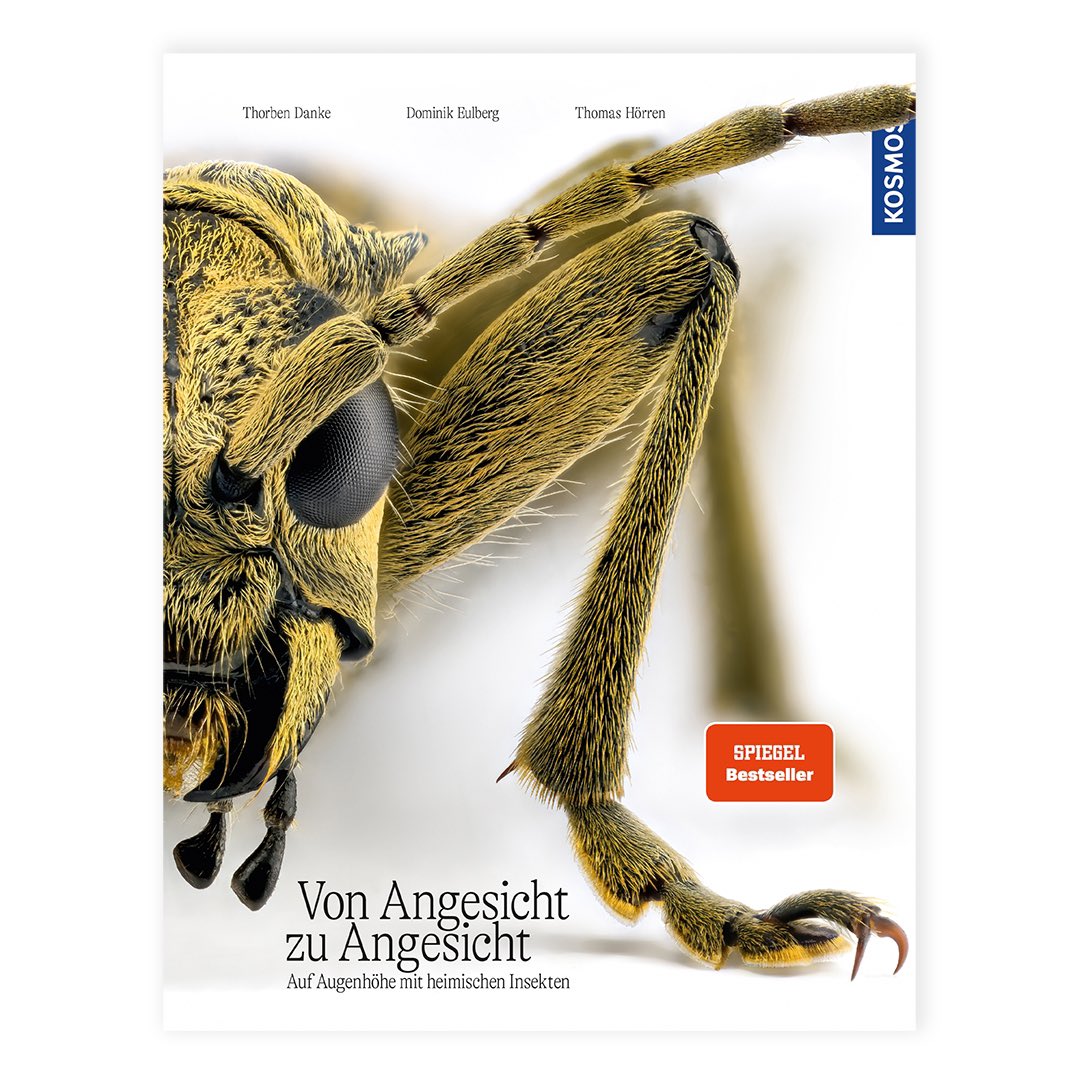
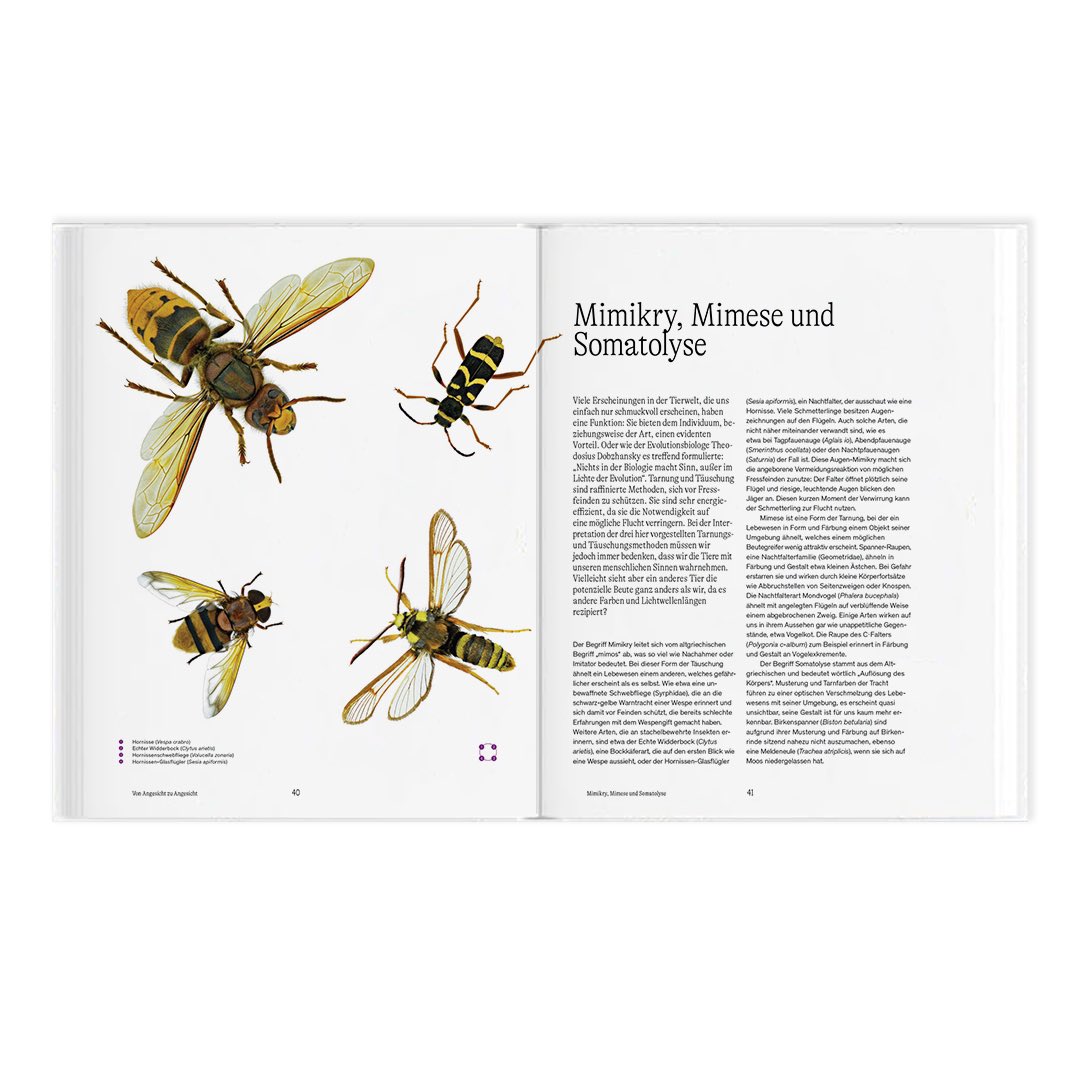
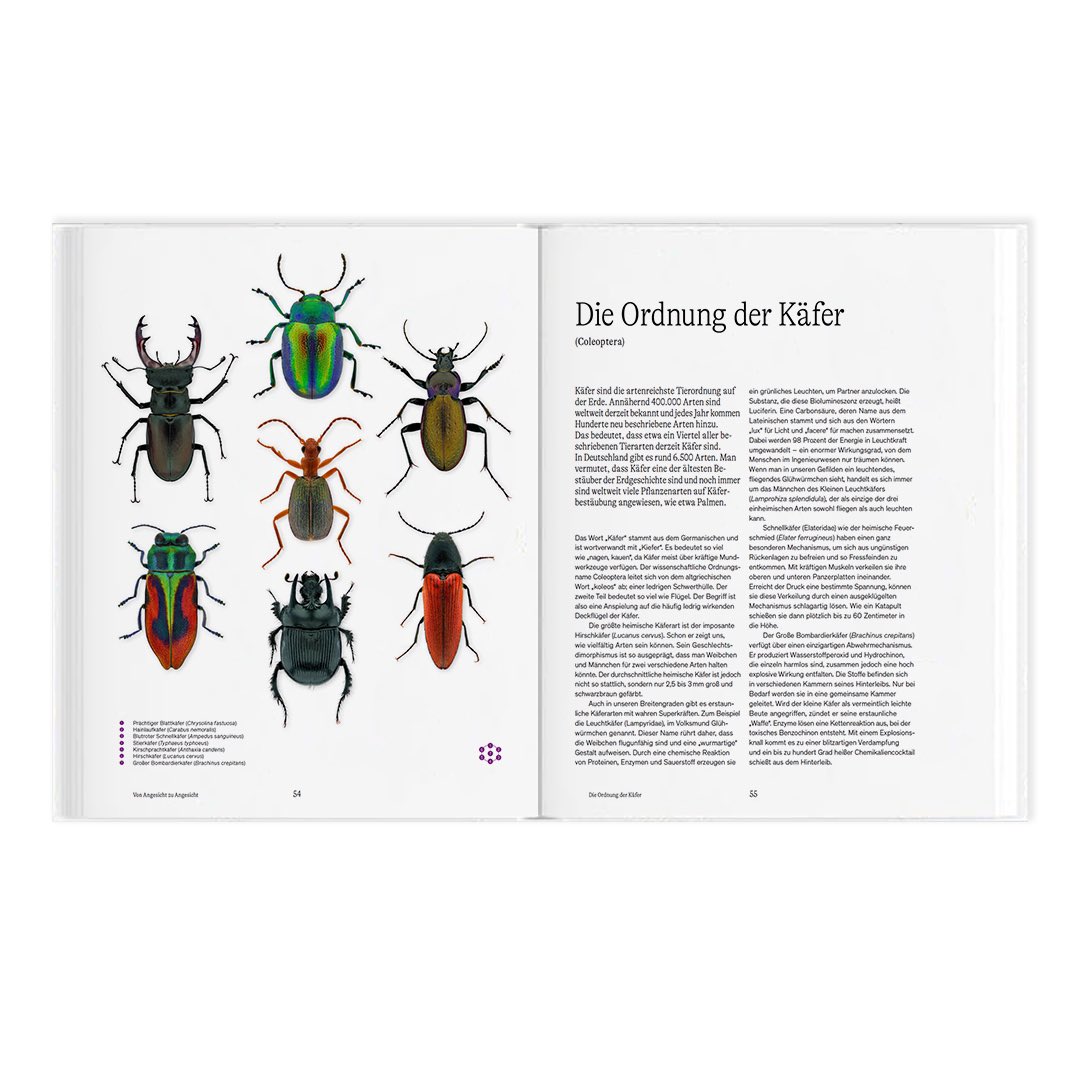
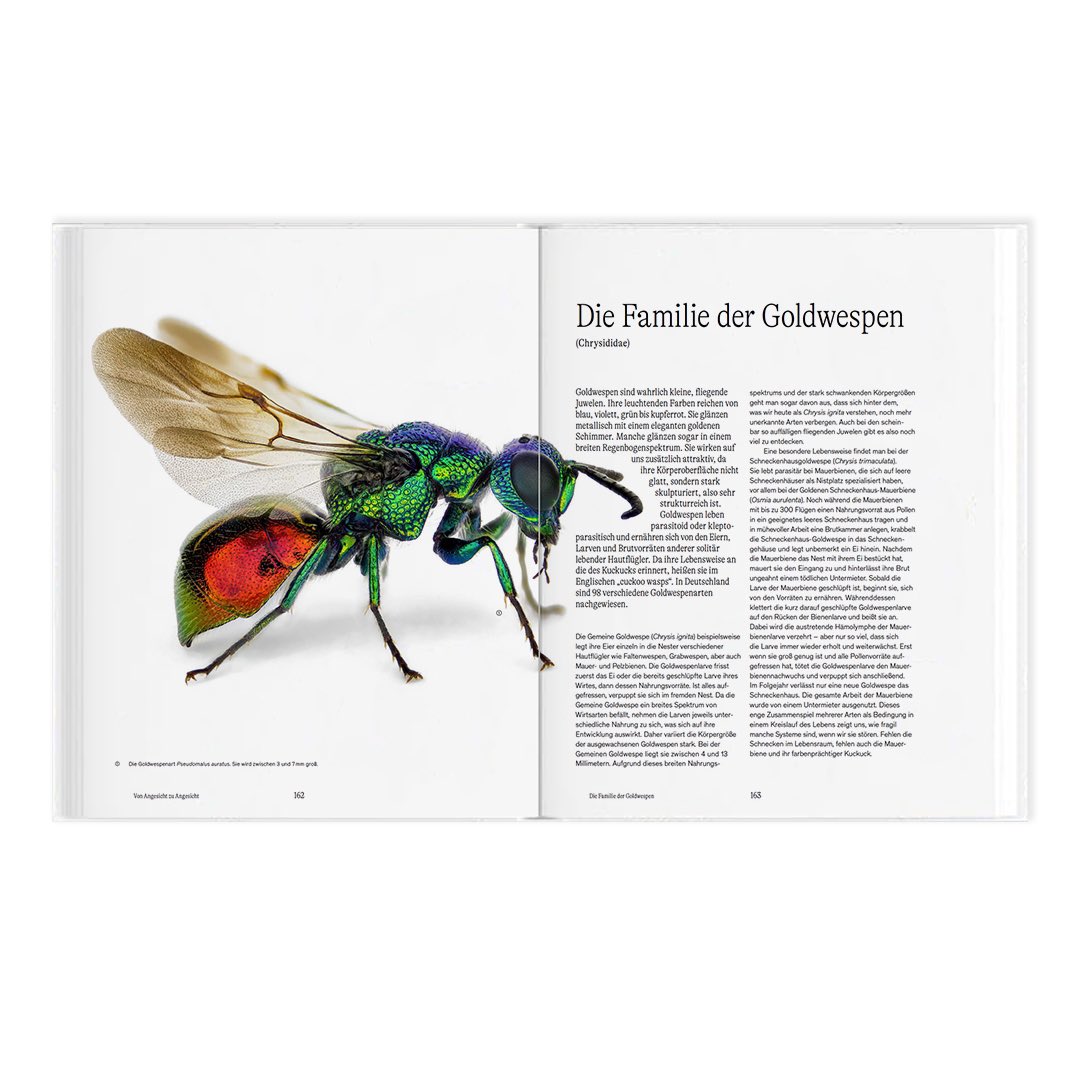
Wer hätte es gedacht? Ein Insektenbuch als Bestseller!
Unser Buch 'Von Angesicht zu Angesicht - Auf Augenhöhe mit heimischen Insekten' wurde in die Spiegel-Bestsellerliste aufgenommen. Mit diesem Herzensprojekt wollen wir den Insekten eine Bühne geben, ihnen auf Augenhöhe begegnen und zum staunen anregen. Denn nur was wir sehen und kennen sind wir bereit zu schätzen und zu schützen.
Zusammen mit Thomas Hörren und Dominik Eulberg konnte ich dieses Projekt nach vielen Jahren Arbeit umsetzen und bin mehr als zufrieden mit dem Ergebnis und den Reaktionen. Vielen Dank an Alle die uns unterstützt haben.
Erschienen bei Kosmos
ISBN 9783440179000
6
24
167
8,749
Jun 11
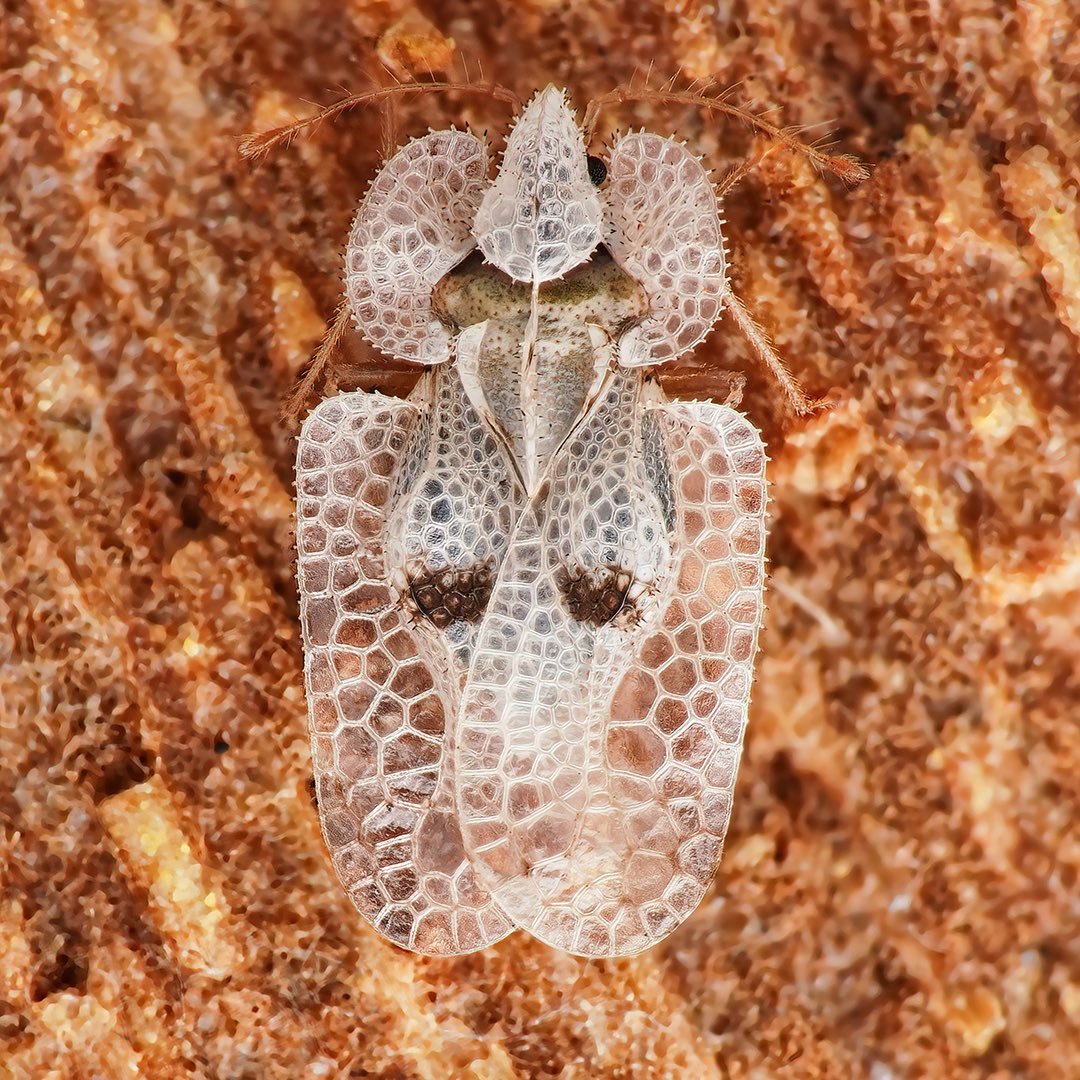
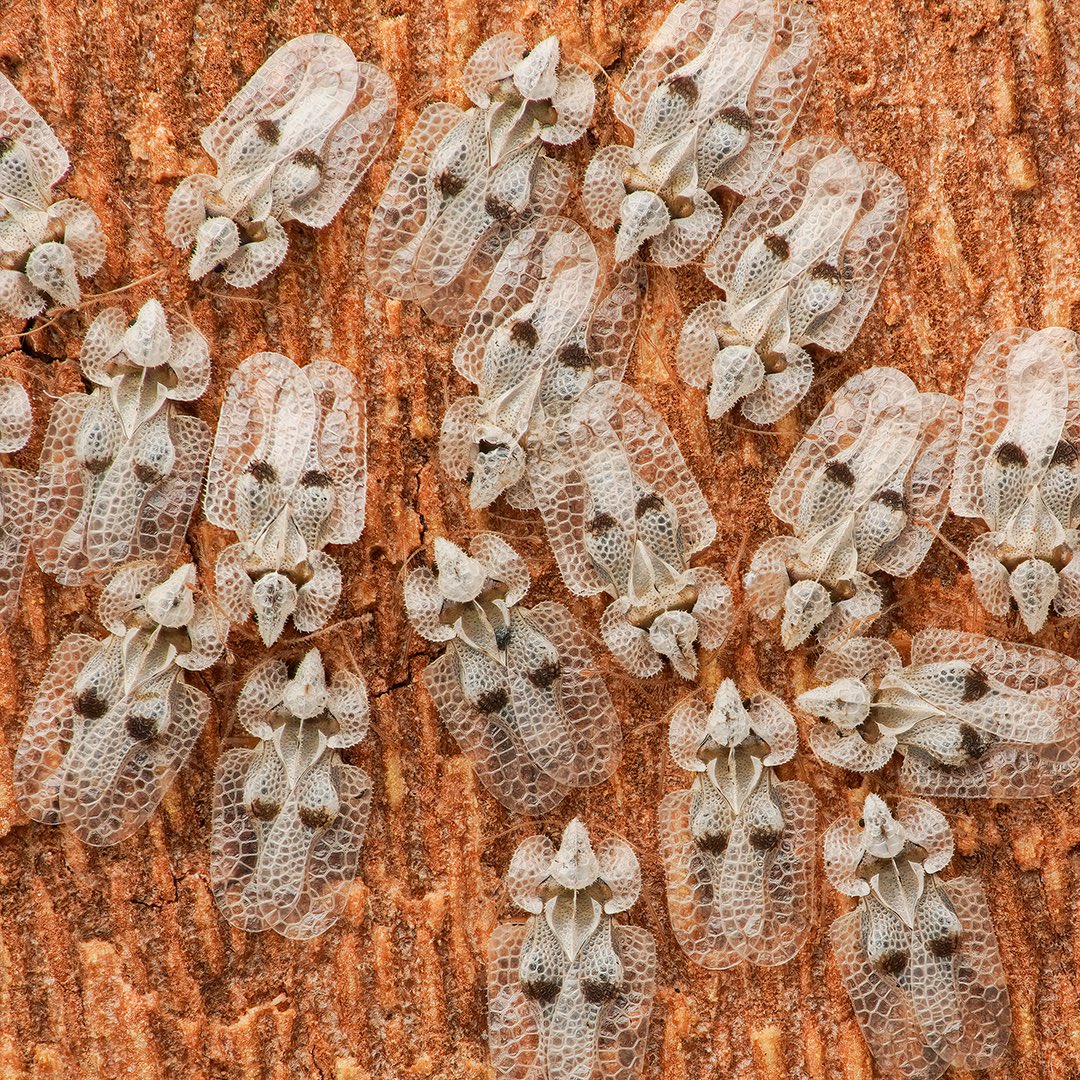
Discovering the Sycamore Lace Bug
Have you ever searched for lace bugs hidden beneath the bark of plane trees? These delicate creatures often go unnoticed, tucked away in quiet crevices of the Platanus. I was delighted to find this beautiful specimen of Corythucha ciliata. If you look closely at the second image, you’ll spot it right in the center: a perfectly preserved dead find, though with a slightly damaged head. Even in its imperfect state, it is a wonderful treasure. The intricate, lace-like wing patterns and fragile structure make it an ideal subject for the coming winter studio sessions — perfect for detailed macro photography, scientific illustration, or careful study. Nature continues to surprise and inspire, even in the smallest forms.
9
54
248
5,524
Jun 8
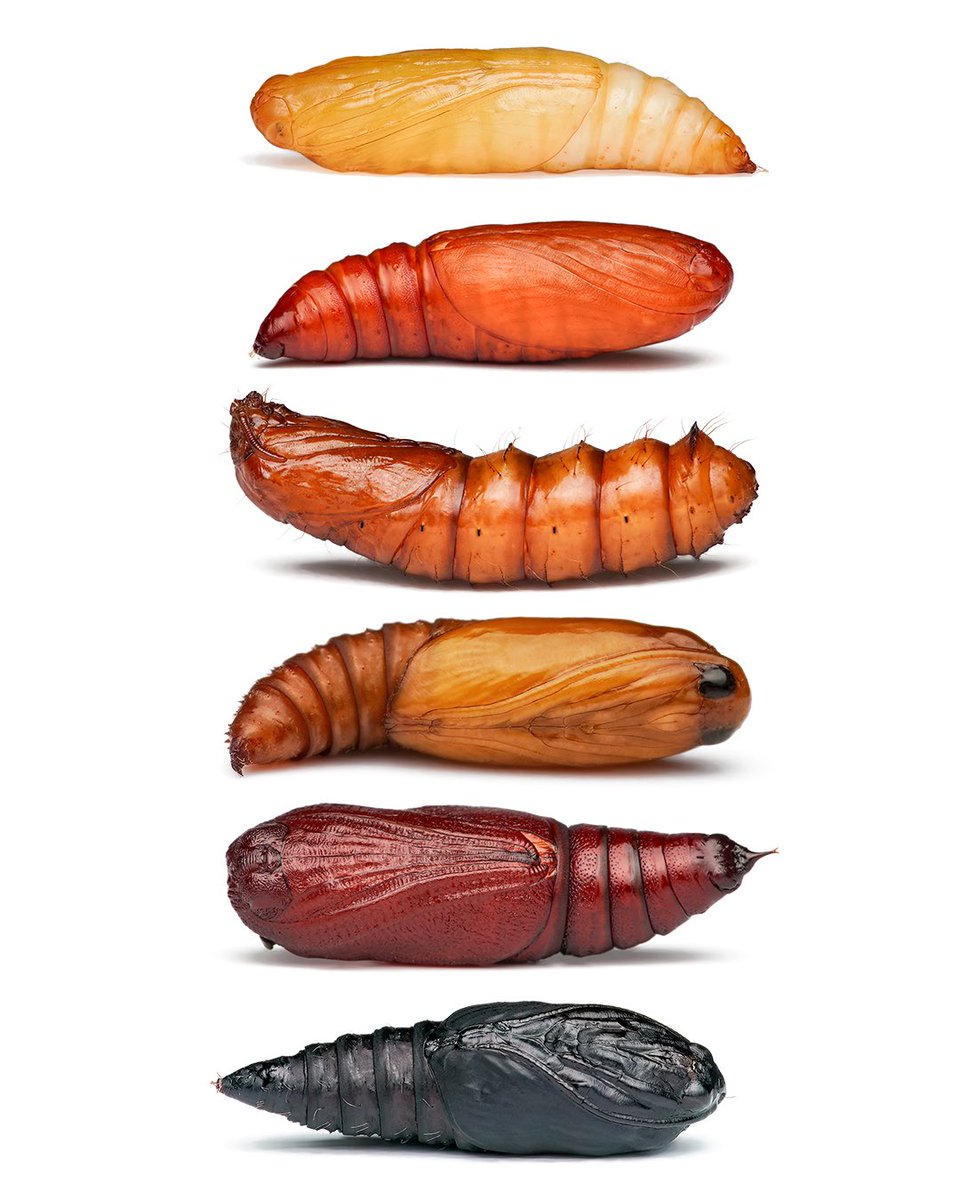
Some beauties I found while gardening.
So, all species that pupate in the ground.
8
28
230
3,997
Jun 3
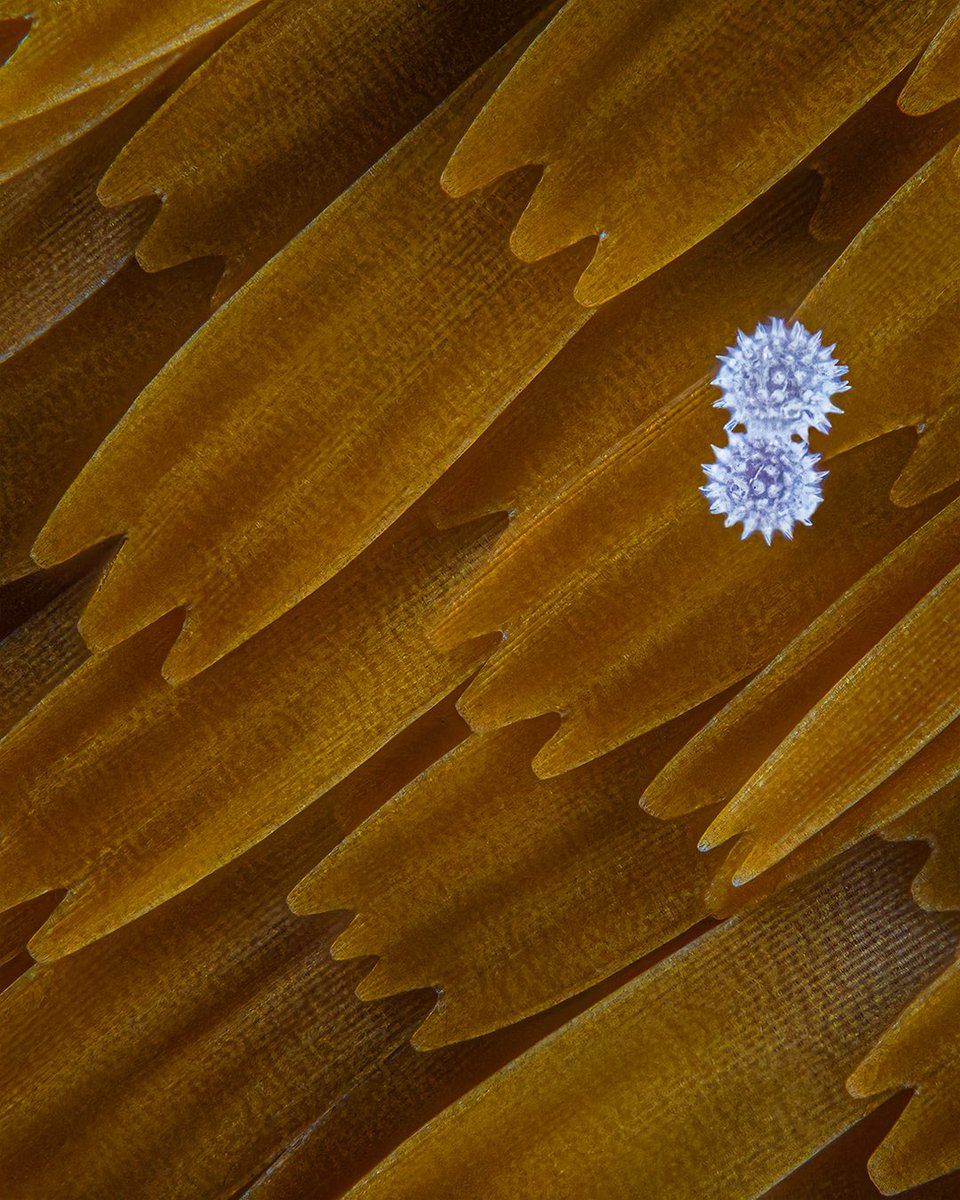
Two pollen grain of a sunflower on a hummingbird hawk-moth (Macroglossum stellatarum) wing at a 50:1 magnification. Most of the sunflower pollen are yellow but these are white.
11
73
1,377
May 22
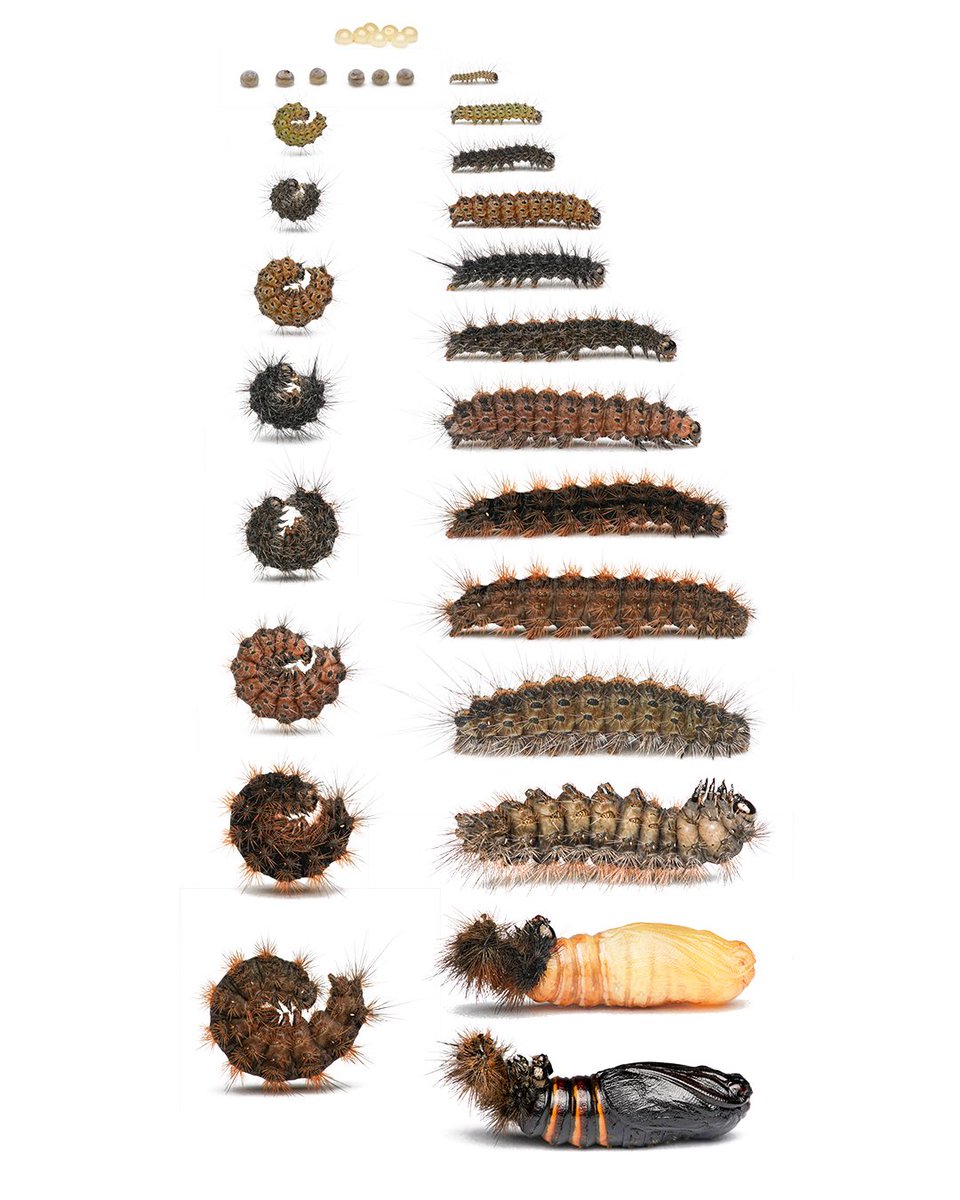
Diacrisia sannio – the Clouded Buff
This is the most detailed series I’ve created for a single species so far. It’s nearly finished now. I’m currently editing the adult moths and will share the final results with you very soon.
23
189
3,959
May 18
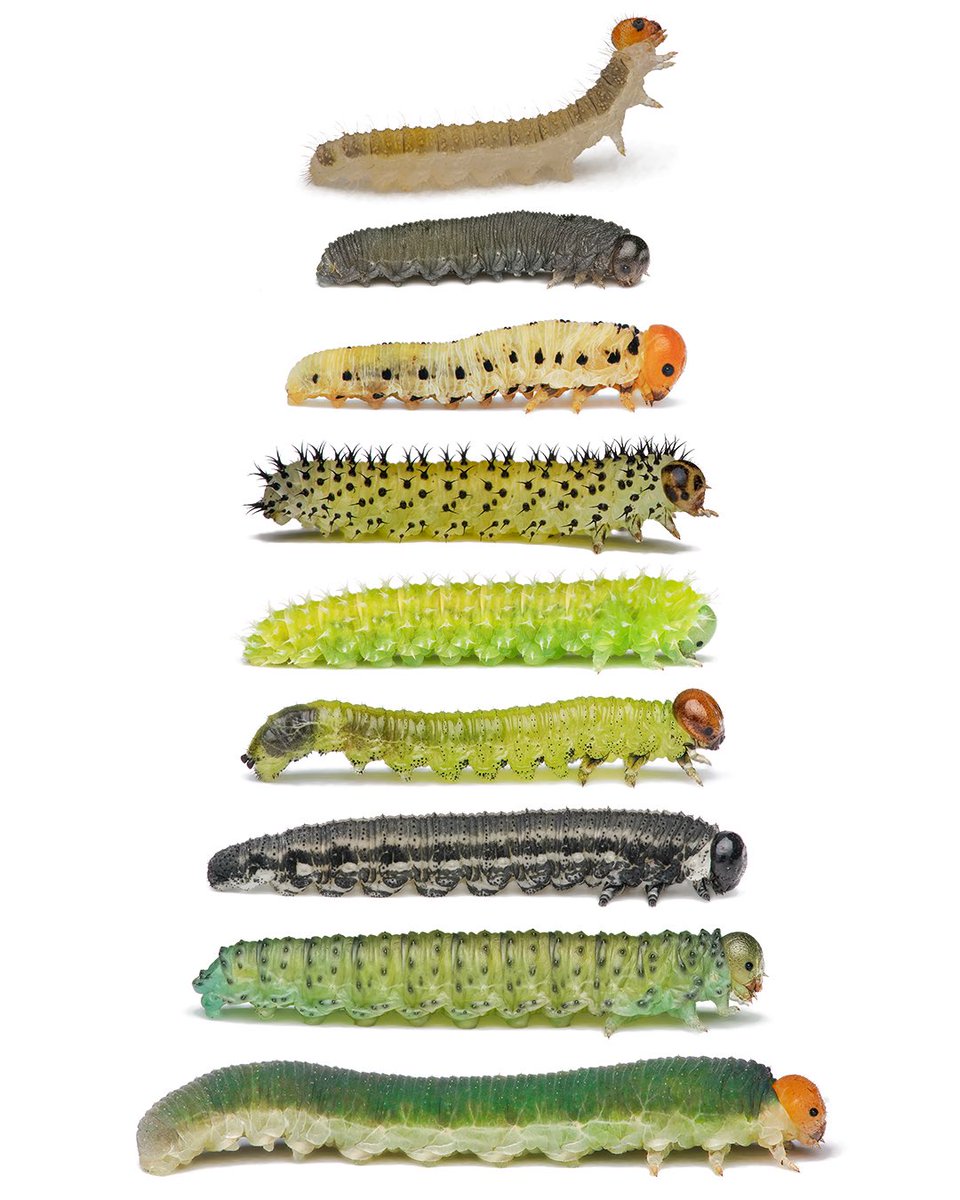
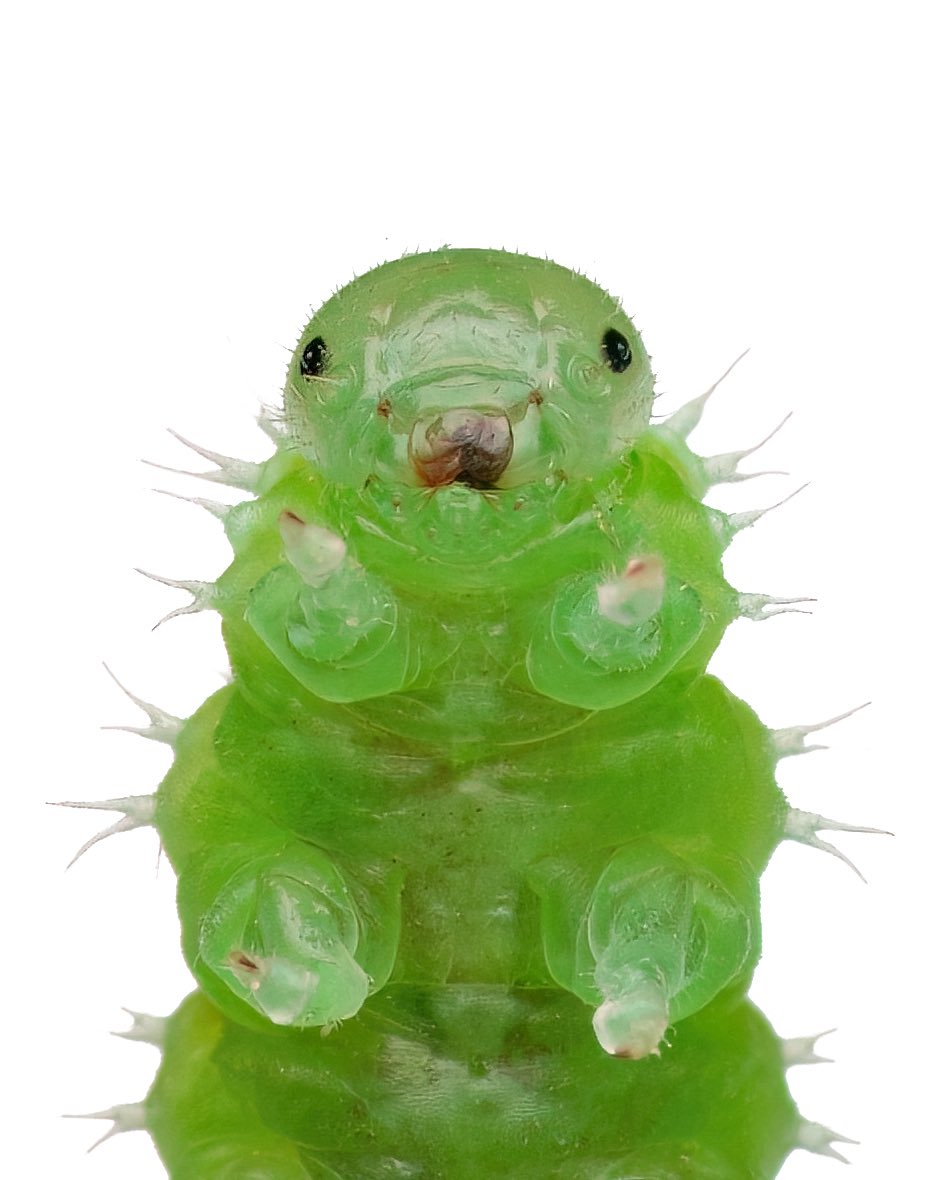
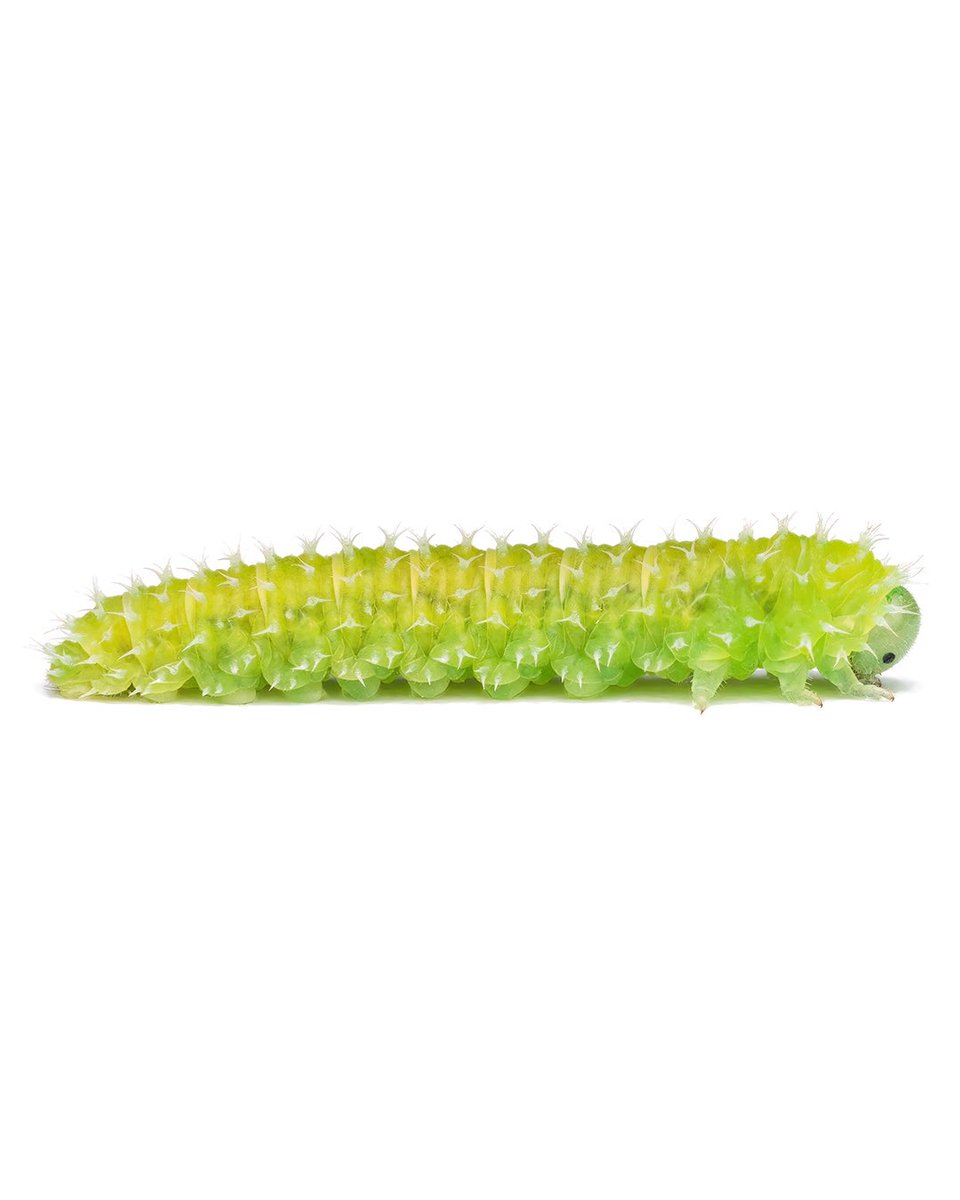
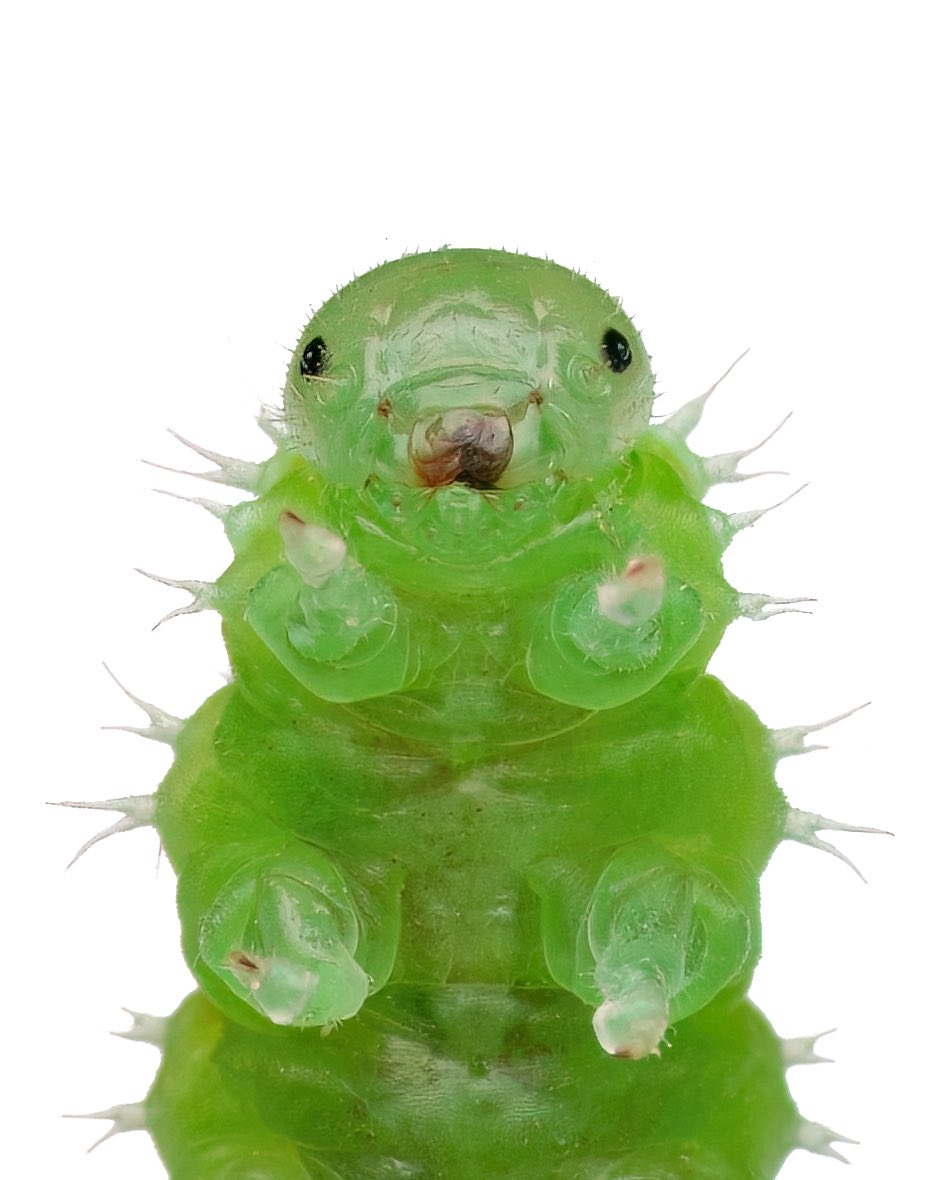
So happy that the new sawfly larva I found fits perfectly into last year’s collection! Now I can finally show you the updated collection plus a nice lateral view… and of course, the sawfly selfie 😍
2
14
134
2,727
May 16
Hi!
A sawfly larva from the Periclista genus from an unusual angle.
3
14
90
1,334
May 13
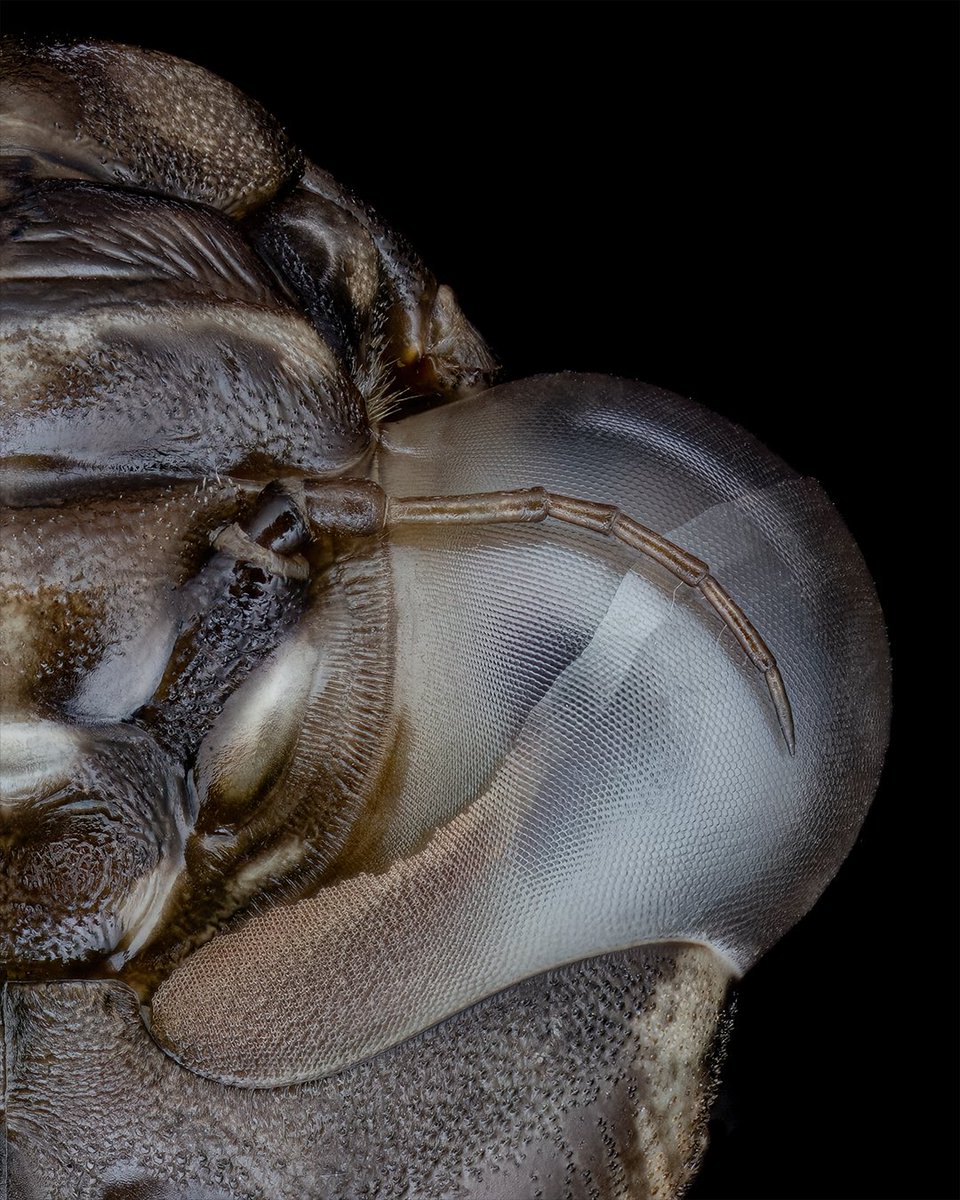
The intricate exuvia of Aeshna cyanea, the Blue-green Mosaic Darner.
This highly magnified view reveals the delicate head of the final larval skin, with the exoskeleton split precisely through the compound eye as the adult dragonfly emerged. Each facet of the eye, once housing the living larva’s vision, now stands as a fragile testament to one of nature’s most remarkable transformations.
A single moment of emergence frozen in time.
2
16
74
1,698
May 5
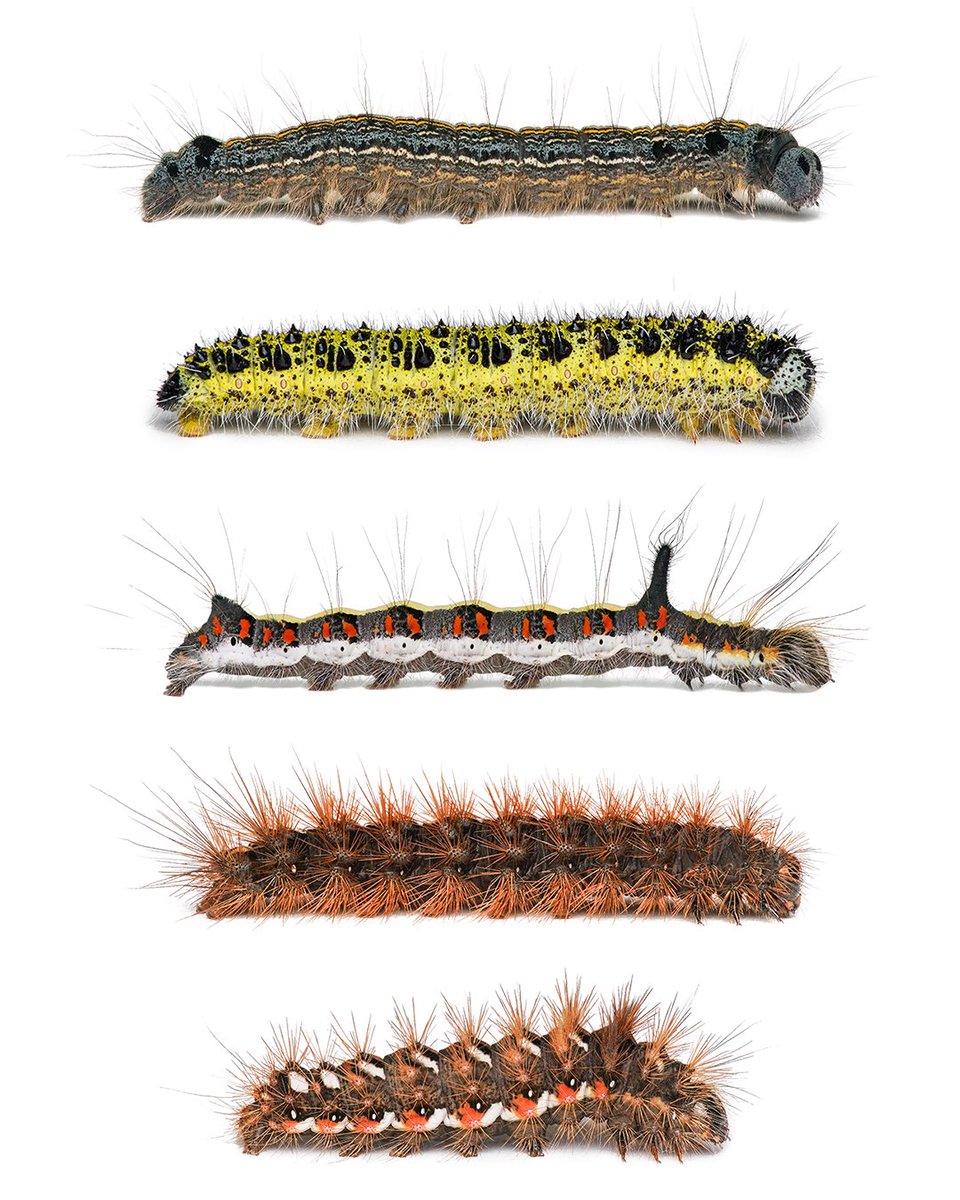
Hairy selection
1. Malacosoma neustria
2. Pieris brassicae
3. Acronicta psi
4. Diacrisia sannio
5. Acronicta rumicis
12
51
977
May 2
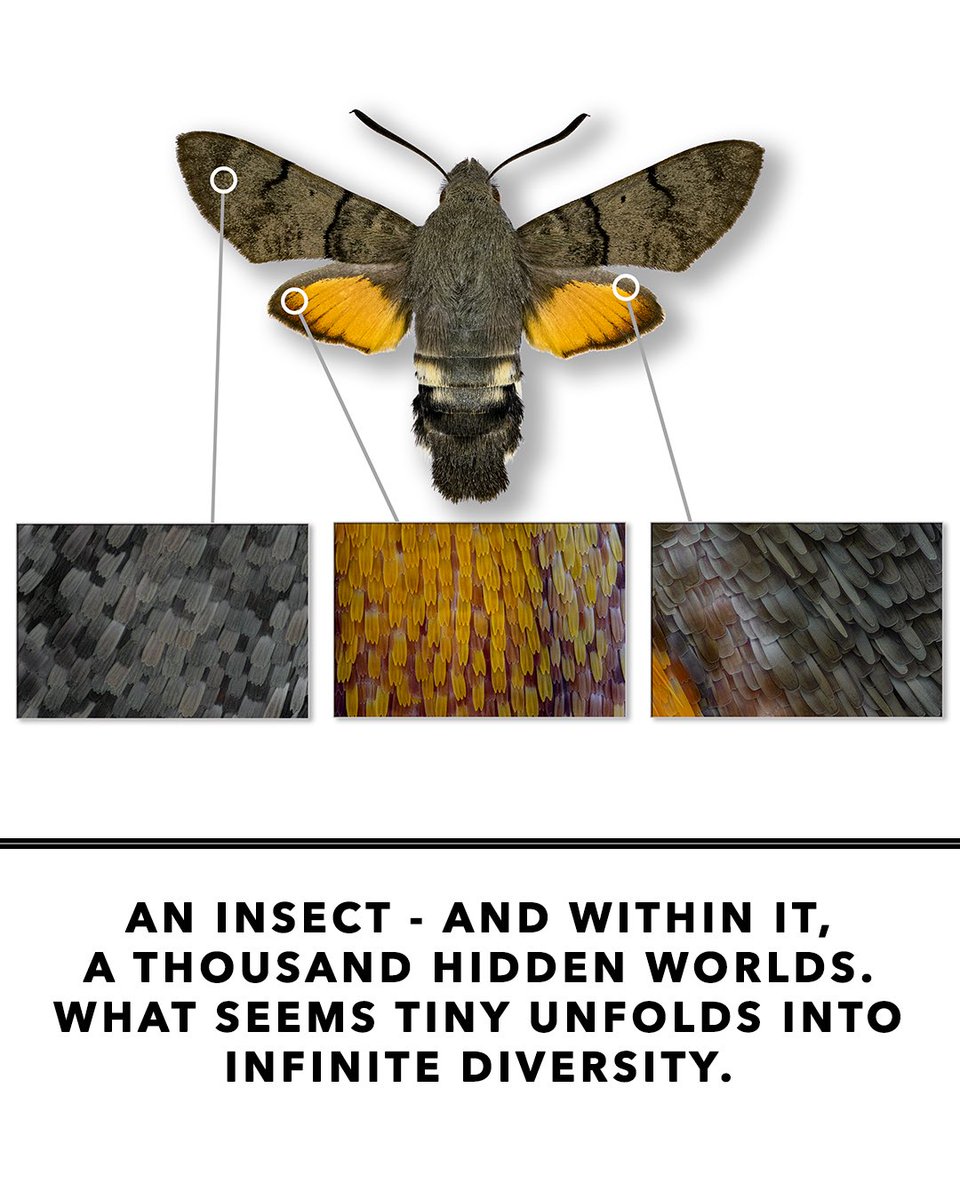
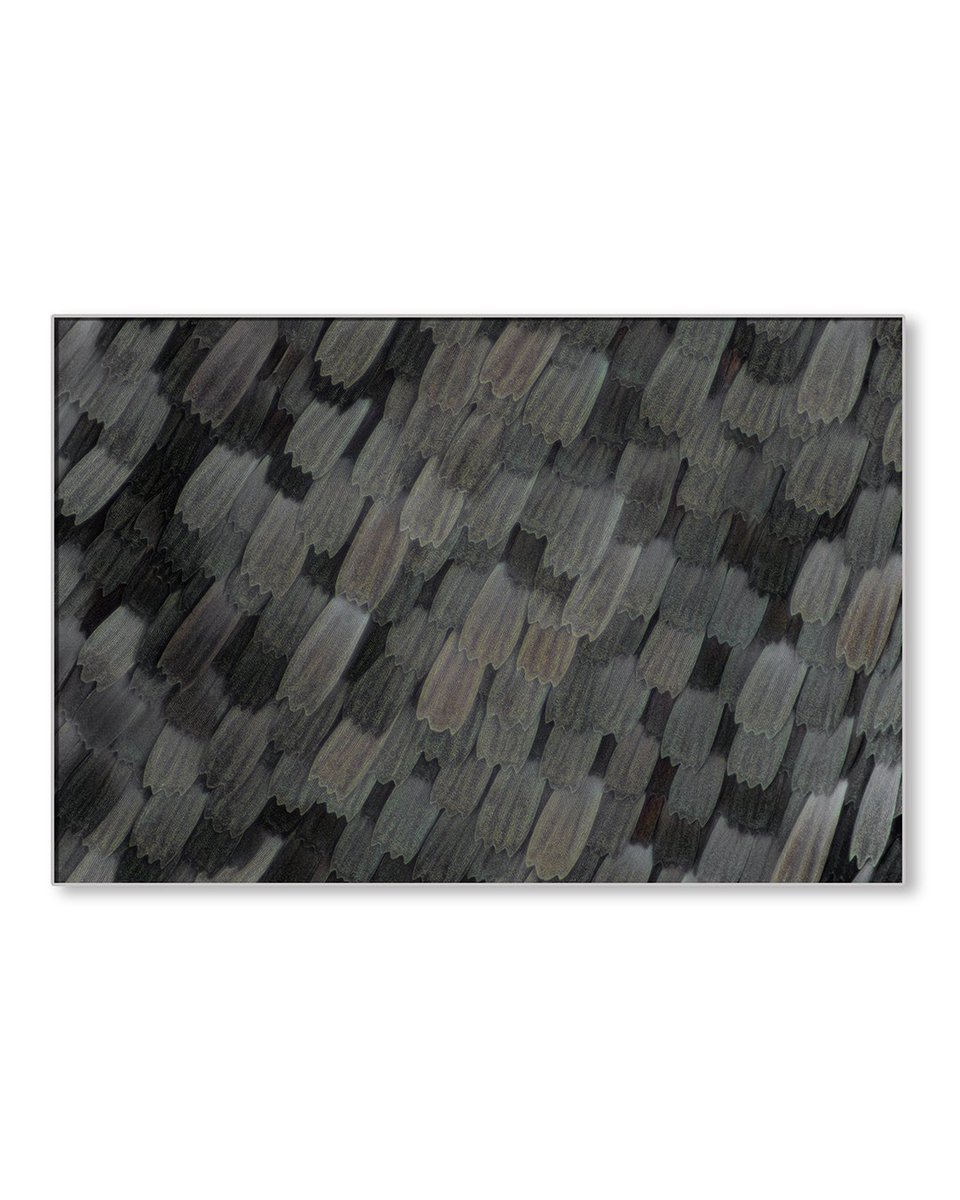
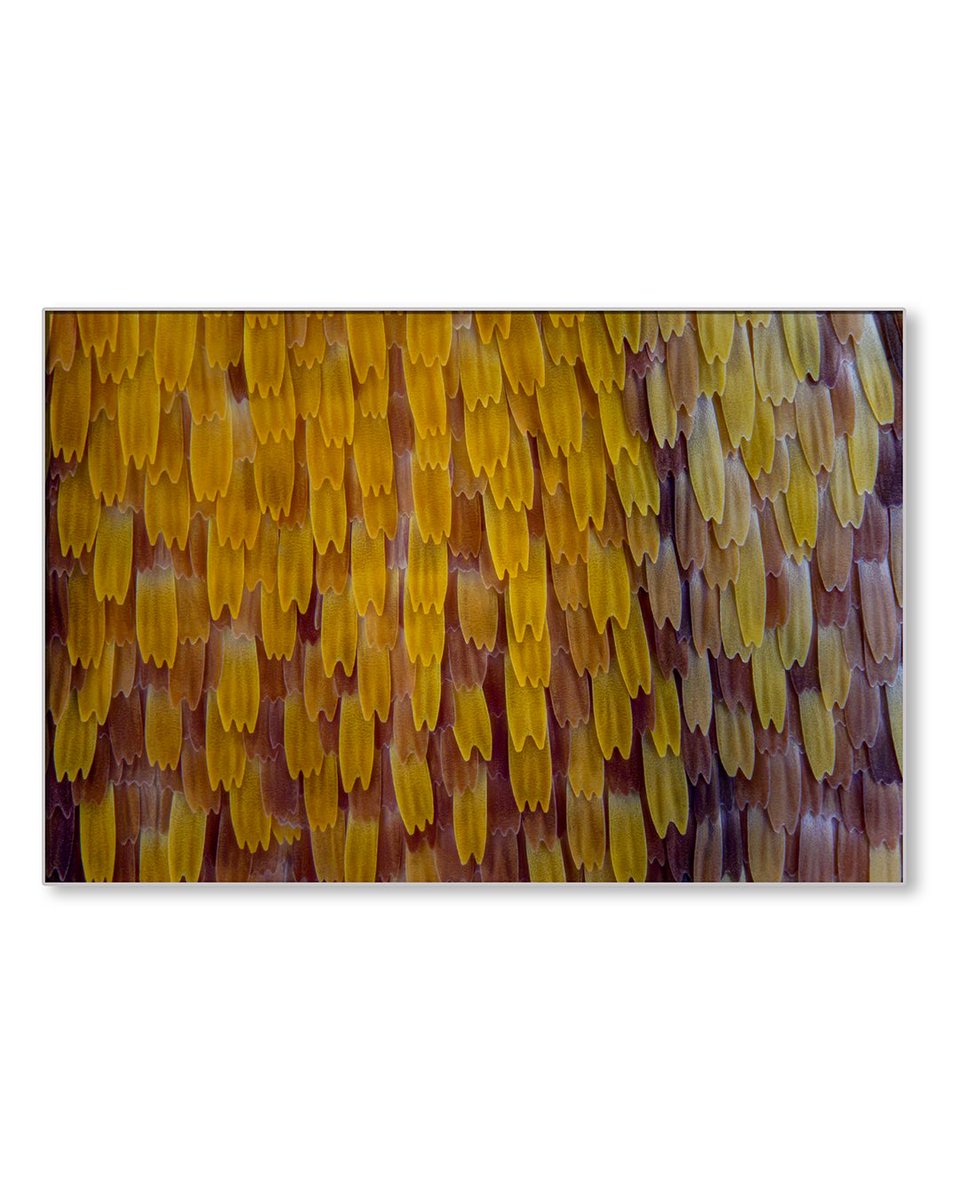
Hummingbird hawk-moth, Macroglossum stellatarum.
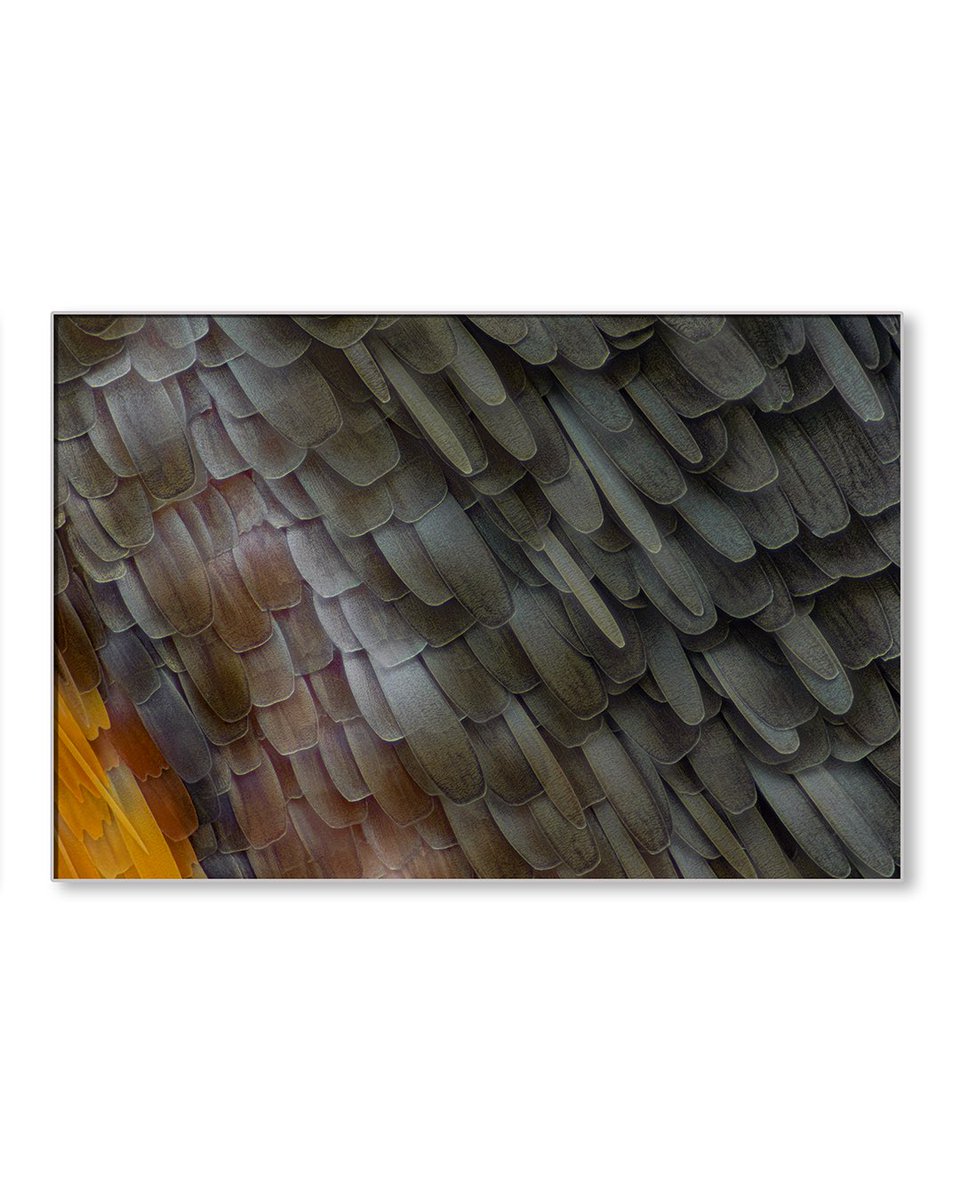
Three magnified excerpts from the wings reveal a hidden world that often escapes the naked eye. What appears as a simple surface transforms into a landscape of intricate structures, delicate scales, and subtle variations in light and texture.Seen up close, the wing is no longer just a tool for flight, but a composition of patterns and micro-architectures, shaped by evolution with remarkable precision. These details, invisible in motion, become a reminder that even the most familiar creatures carry within them an abundance of unseen beauty. In breaking the whole into parts, the ordinary becomes extraordinary—an invitation to look closer, and to rediscover the richness hidden within the smallest forms of life.
9
67
2,305
May 1
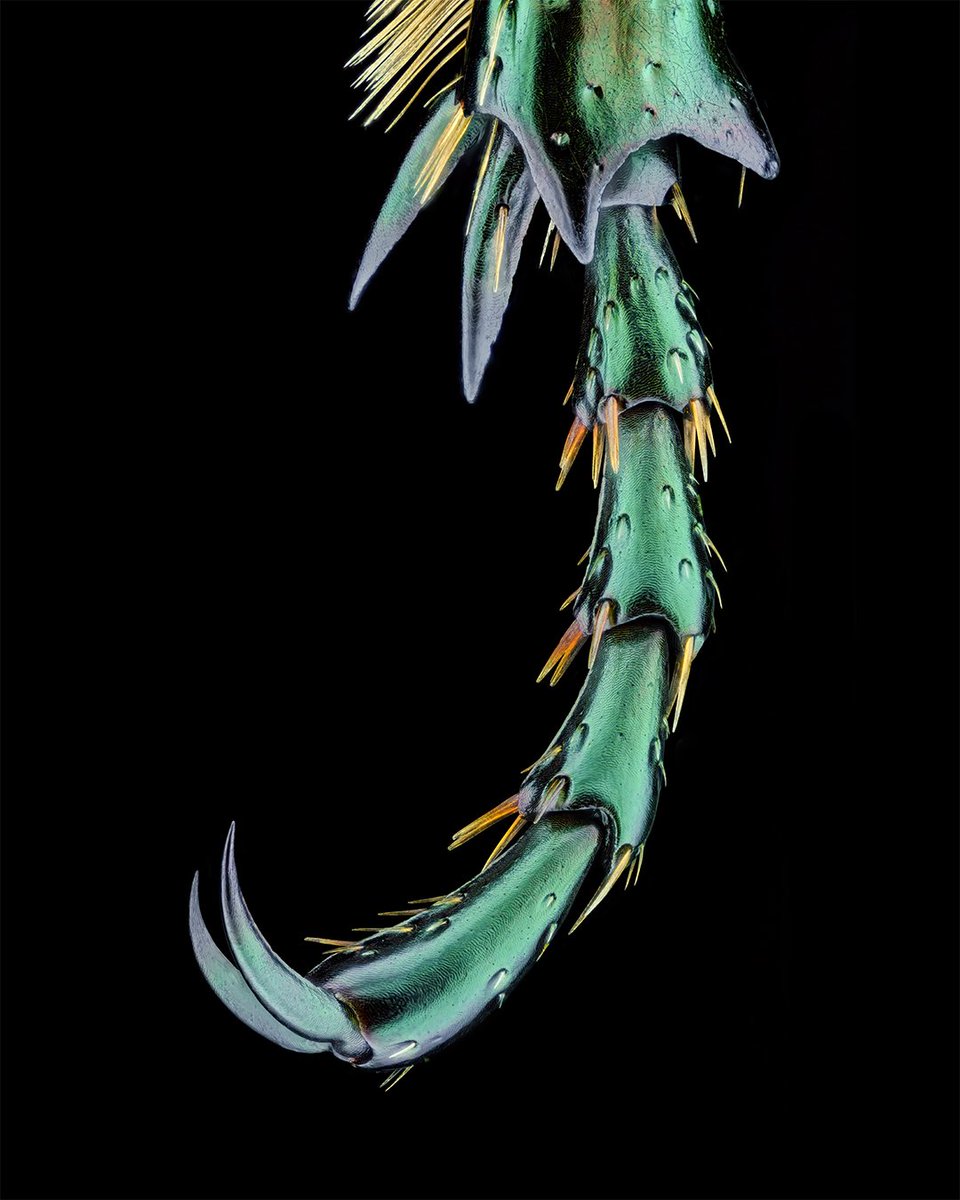
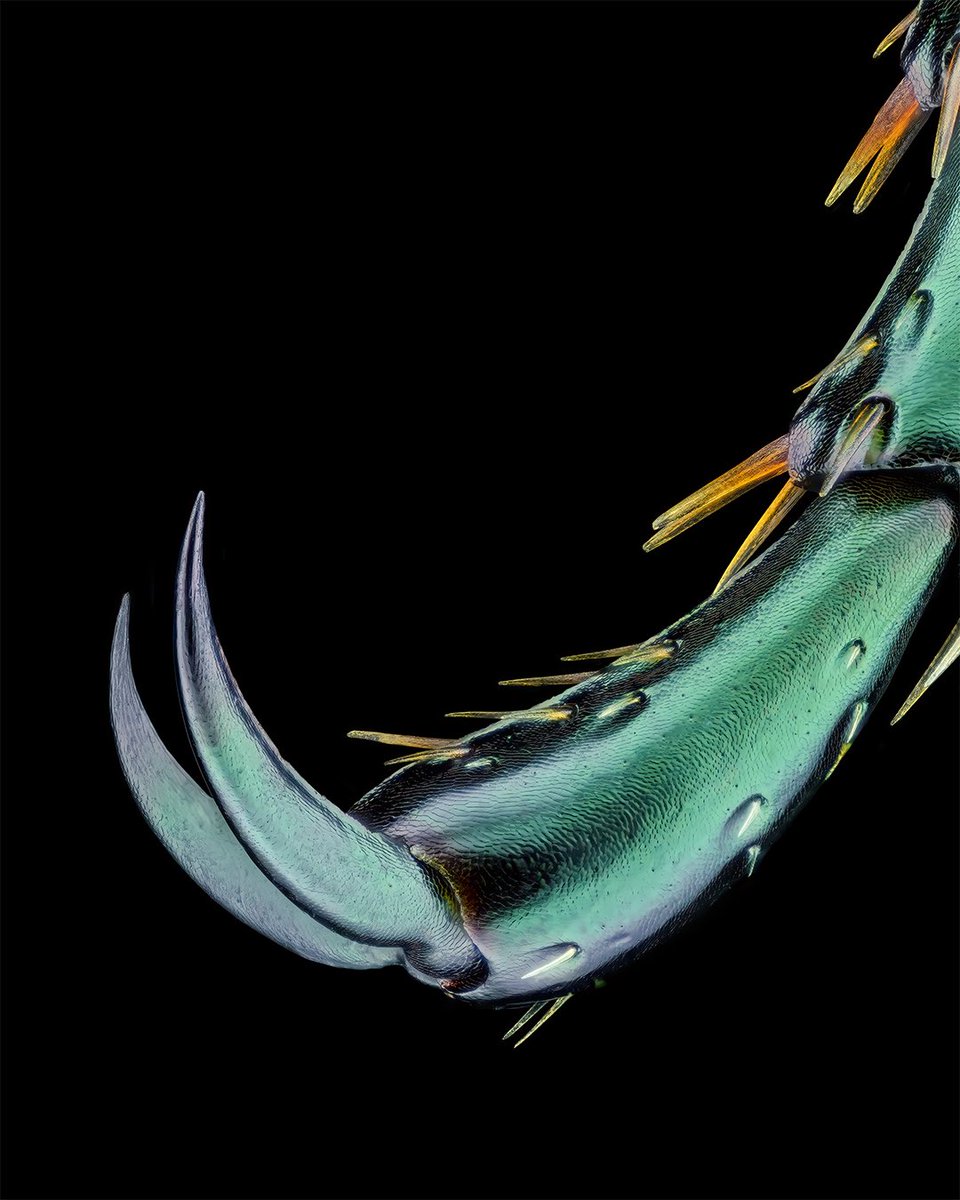
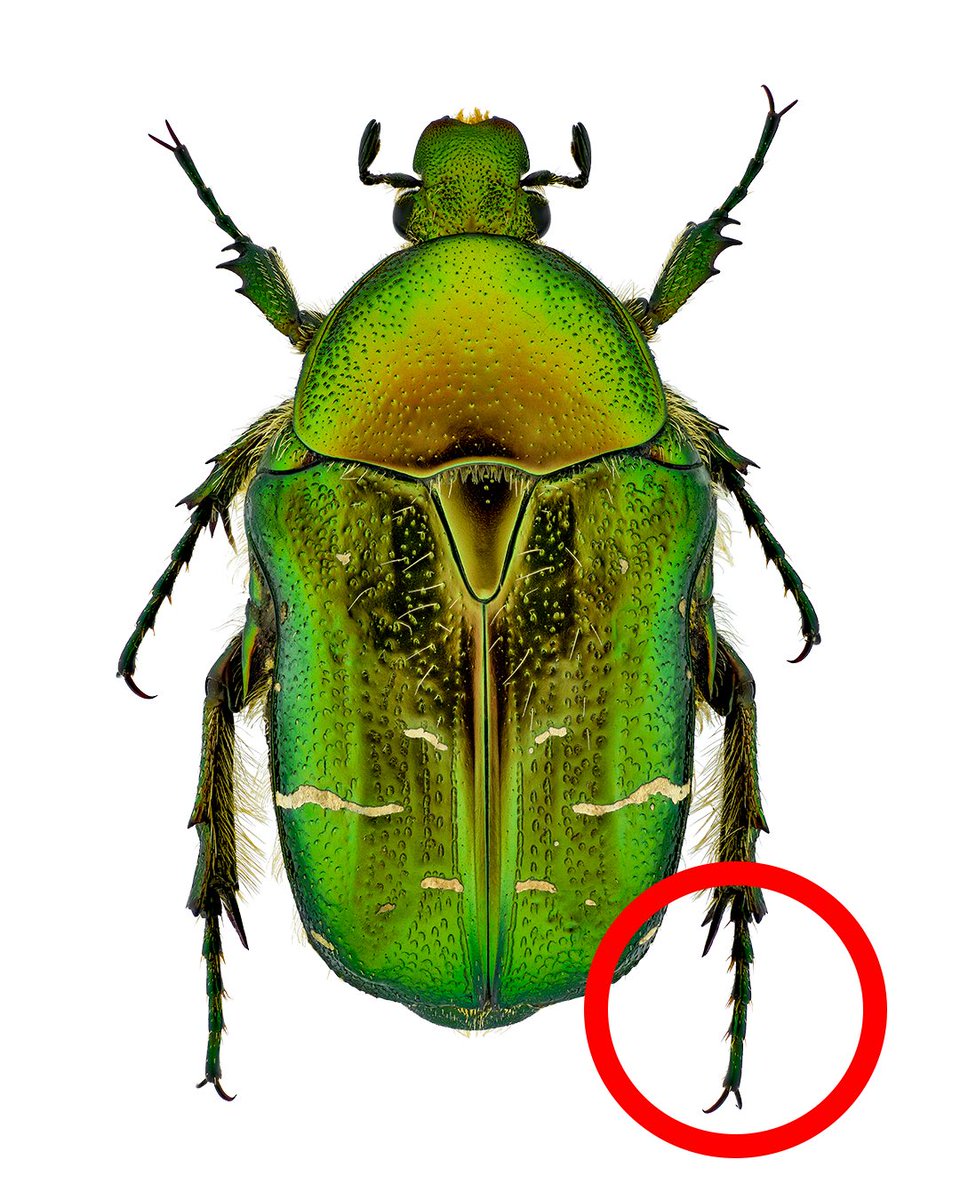
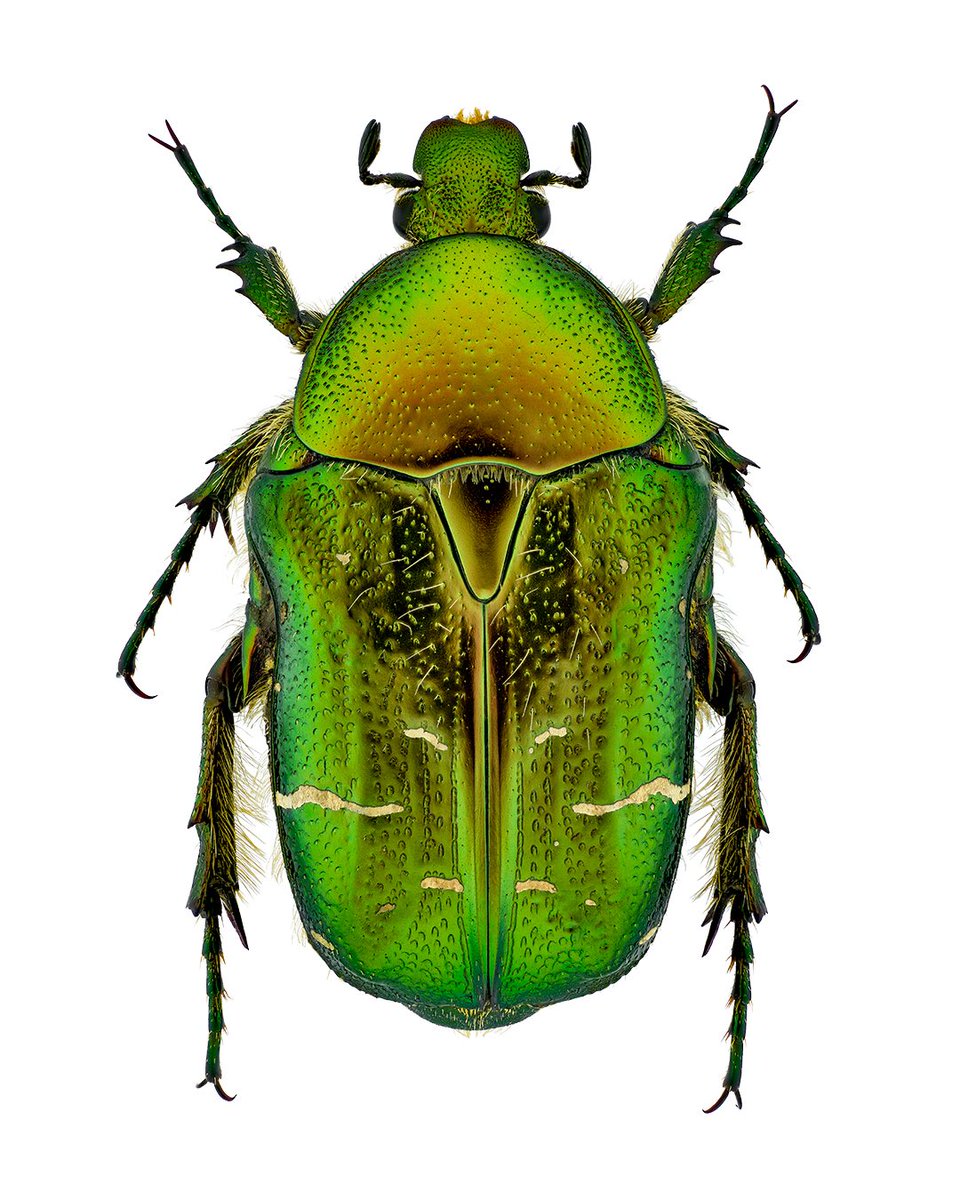
Rose chafer, Cetonia aurata.
At first glance, it might seem like nothing more than a claw.
Yet look closer and you see a masterpiece of evolution — intricate, powerful, and perfectly engineered for its purpose.
This ultra-high-resolution image of the claw of Cetonia aurata (the Rose Chafer) was created using the Stack and Stitch technique: a combination of focus stacking and panoramic stitching. The final photograph is assembled from 3034 individual images, revealing details far beyond what the naked eye can perceive.
Just a claw — or a wonder of nature?
12
90
3,119
Apr 29
Clerus mutillarius, this elegant insect belongs to the family Cleridae also known as checkered beetles and stands out with its elongated body, vibrant red abdomen, and distinctive black elytra marked with bold white bands. Measuring between 8 and 15 millimeters, it is a skilled predator often found in European forests, particularly on oak wood, fallen logs, and tree stumps. Both adults and larvae help control populations of wood-boring beetles, making them valuable allies in forest ecosystems.
7
40
1,038
Apr 26
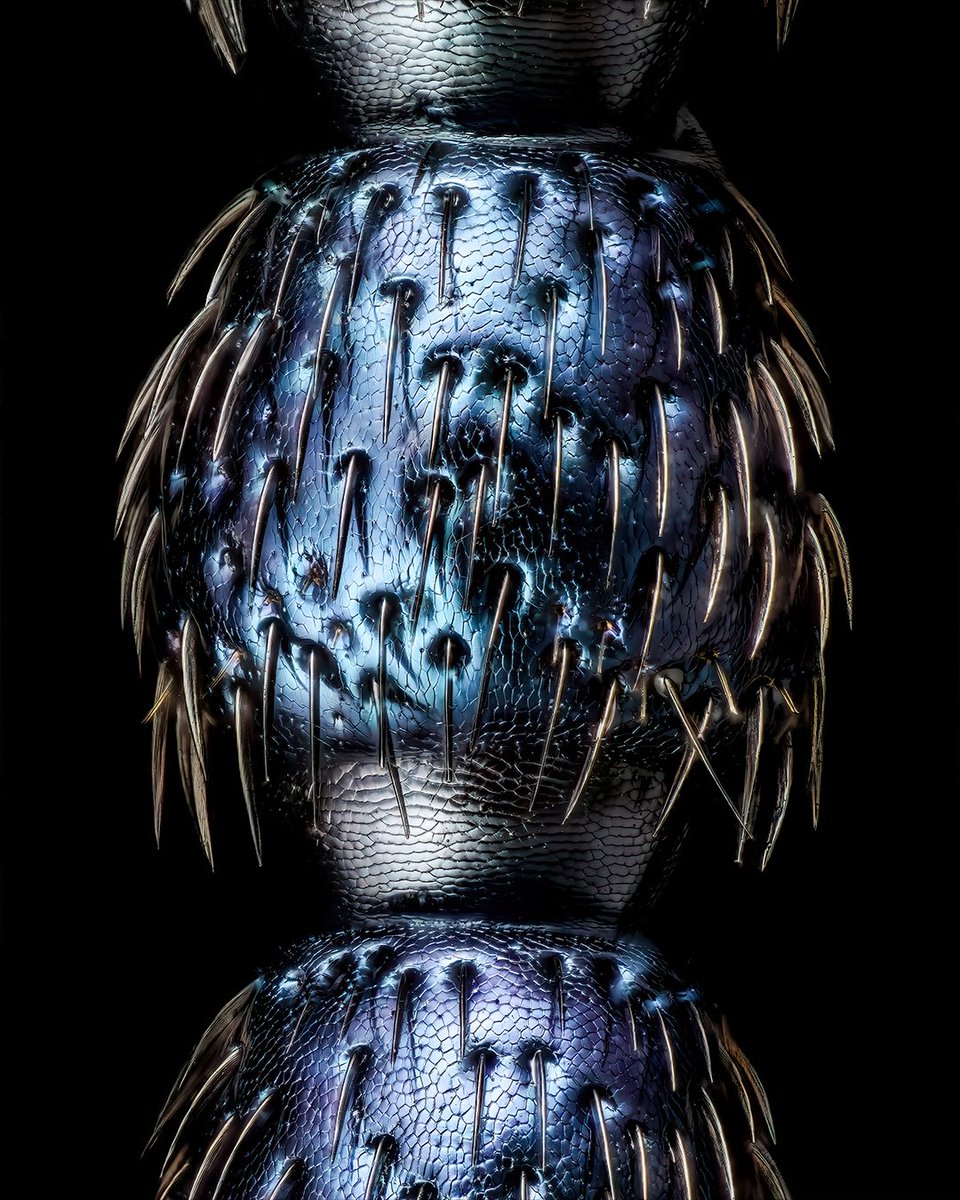
Small bloody-nosed beetle, Timarcha goettingensis.
Here you can see a part of the antenna of this beautiful leaf beetle. An excellent sample of beautiful engineered ball joints.
5
68
1,318
Apr 15
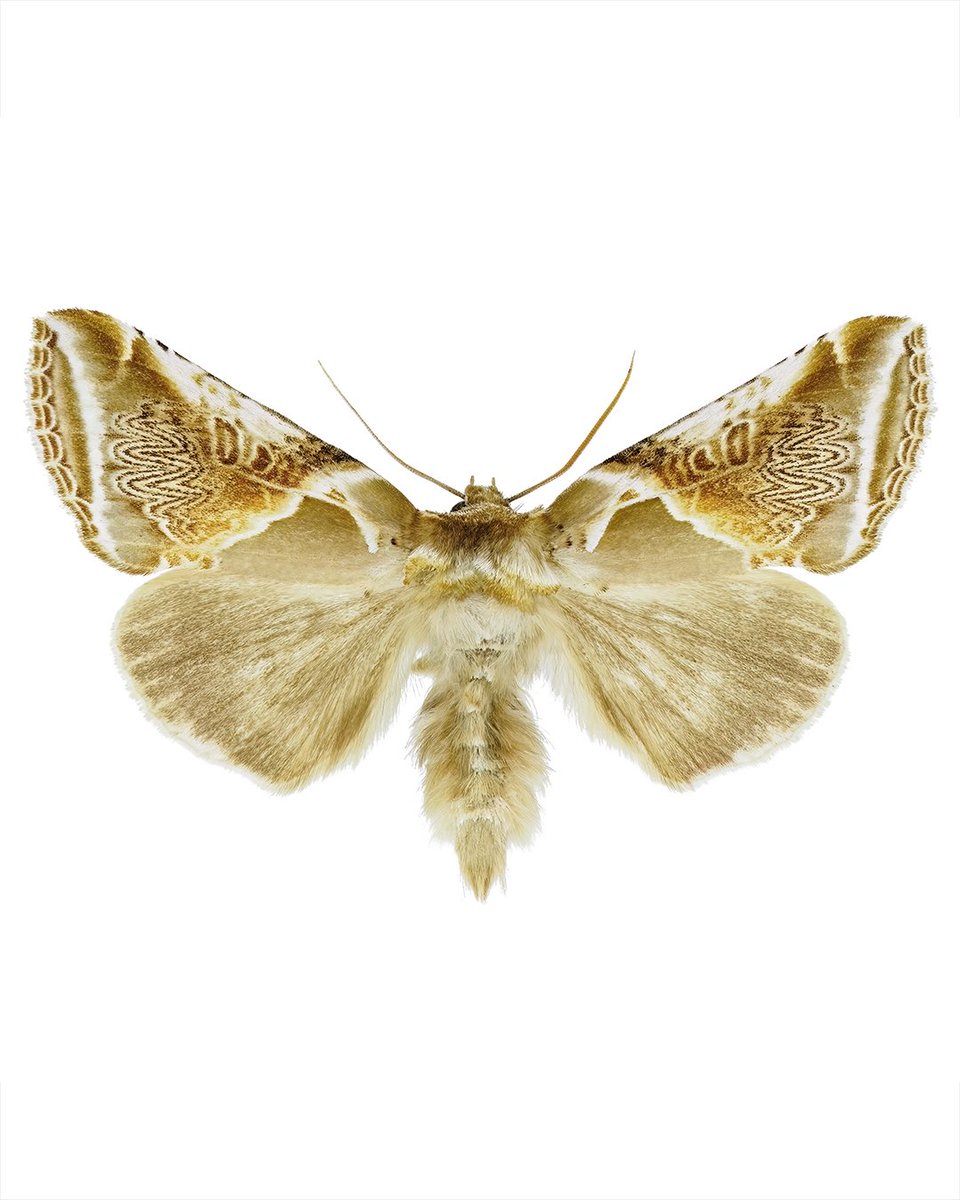
The beautiful Habrosyne pyritoides, commonly known as the Buff Arches. Captured here in dorsal view, showcasing the striking and intricate patterns on its forewings. A true masterpiece of natural camouflage and elegant design.
Specimen from the collection of @SMNStuttgart
Thanks so much for your support 🫶
11
60
1,197
Apr 14
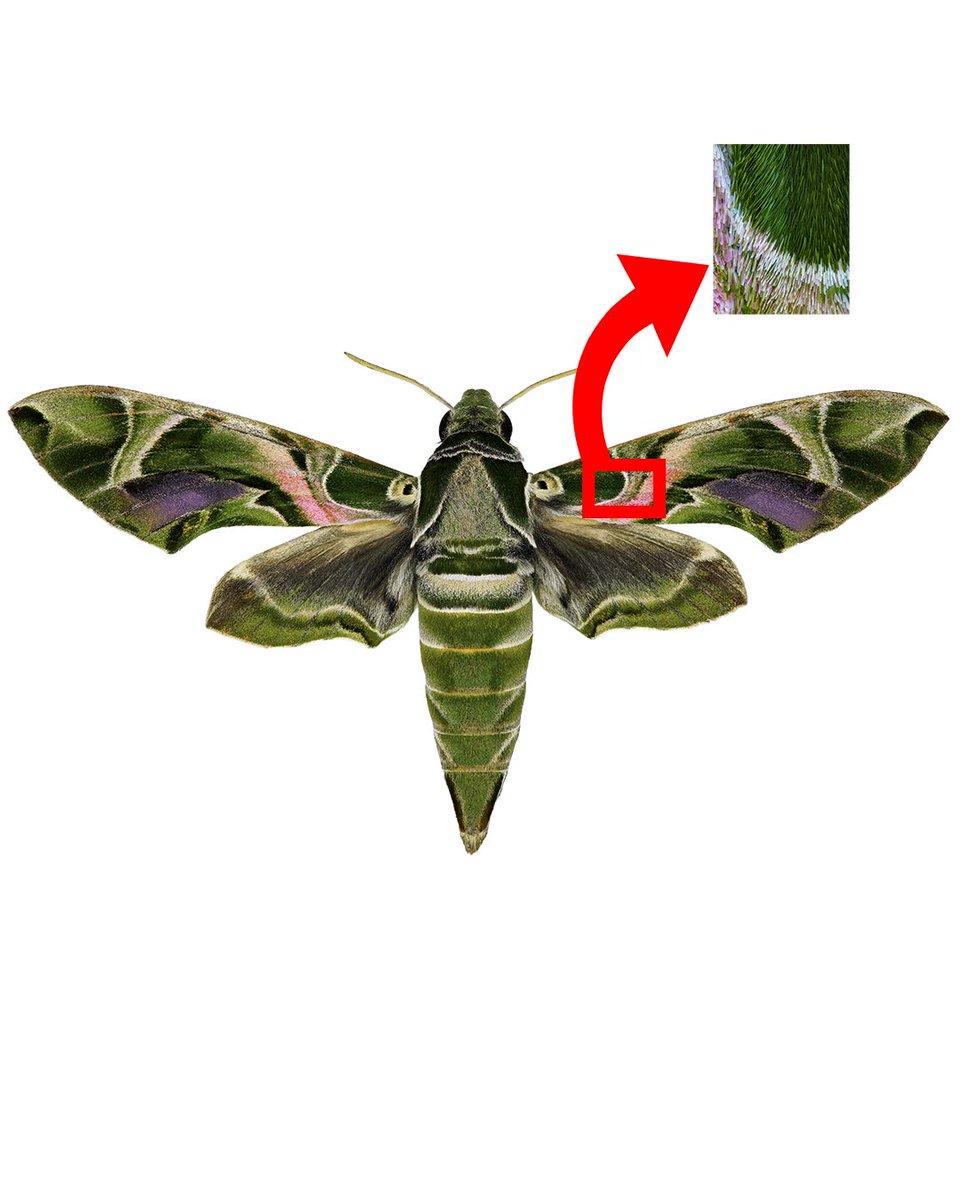
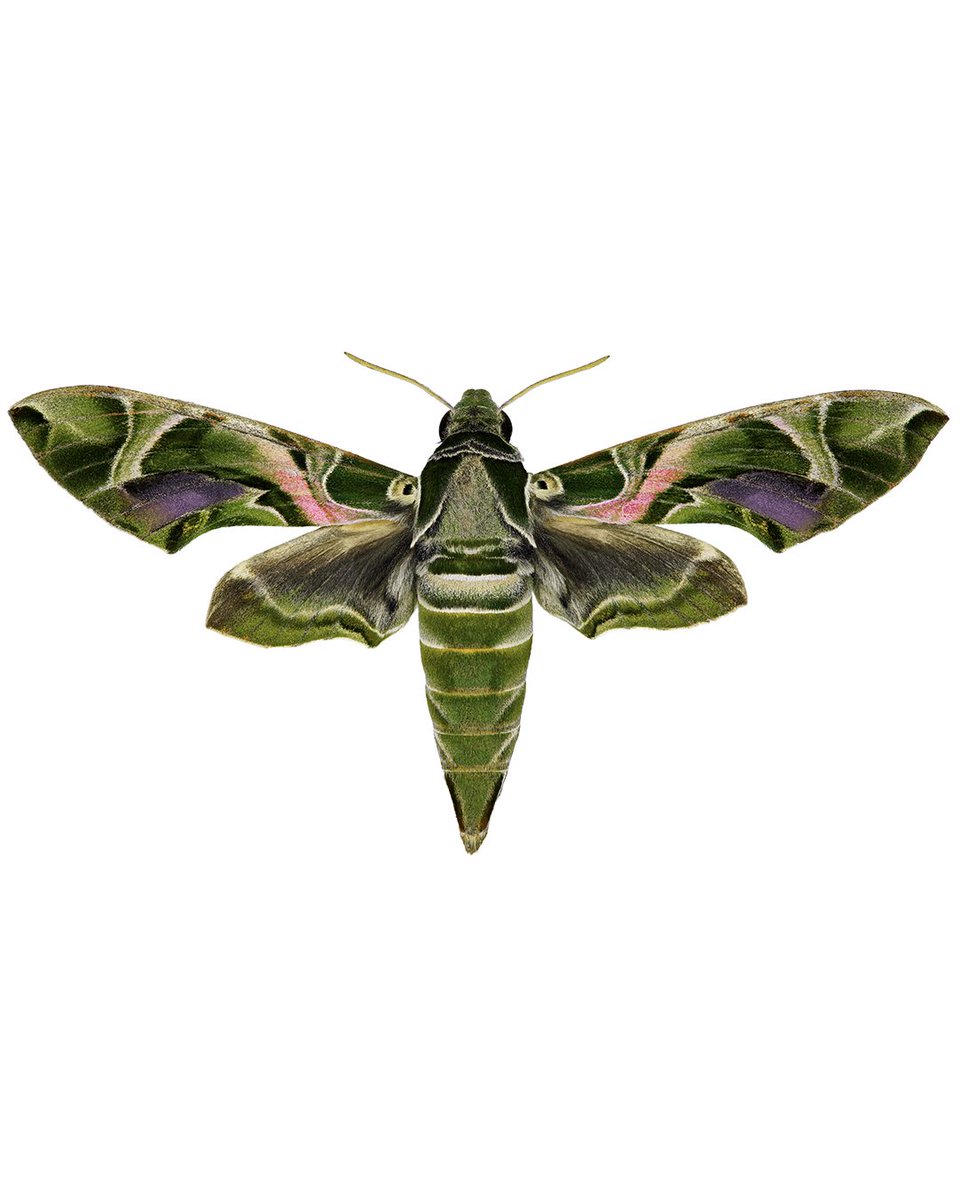
We zoom deep into a single region of the wing from the Oleander Hawk-moth (Daphnis nerii). Every individual scale is visible, tiny overlapping scales that create the moth’s signature olive-green and pink patterns. Nature’s finest brushwork 🌱
6
175
1,039
18,230
Apr 13
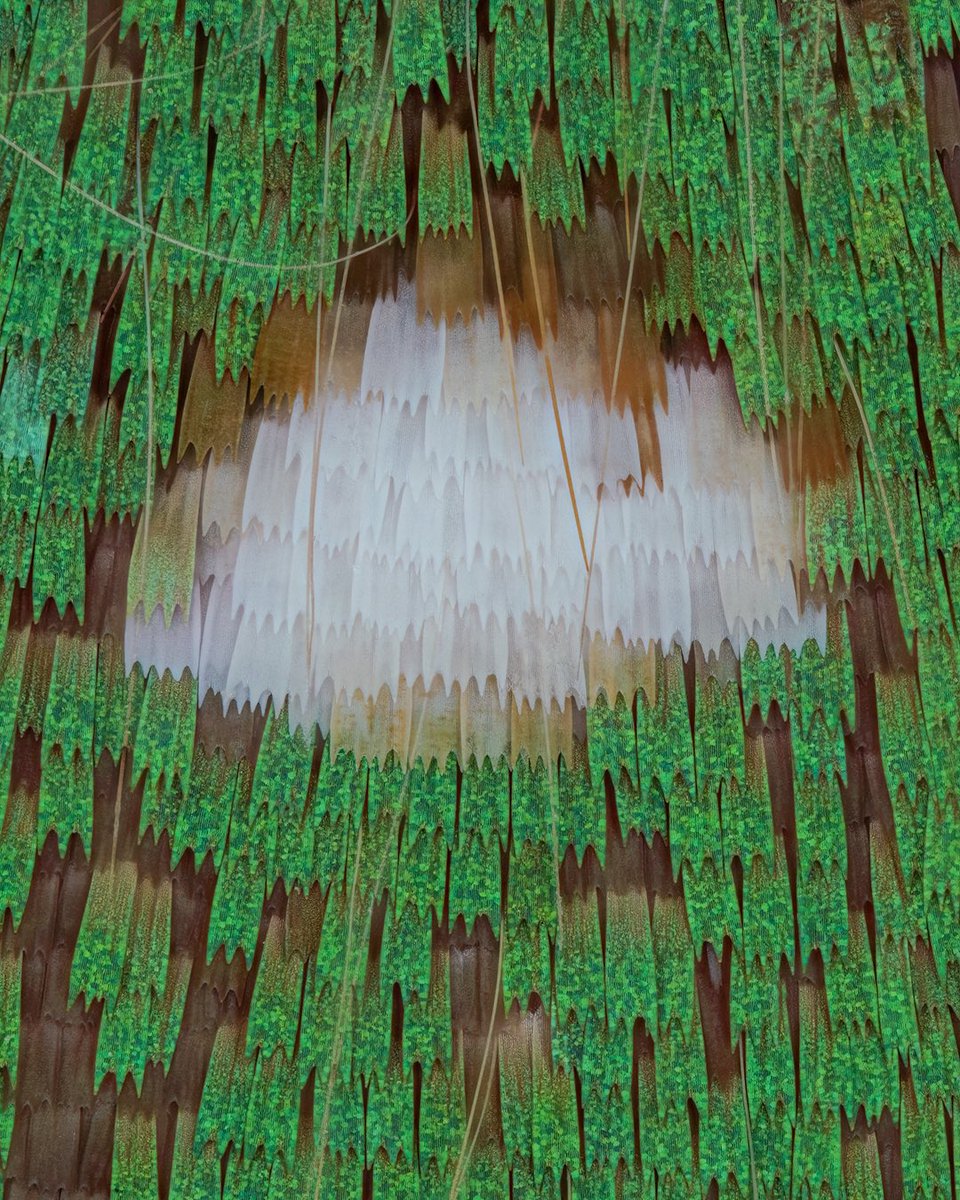
Extreme macro revealing the intricate world of wing scales on the Green Hairstreak (Callophrys rubi). This delicate butterfly is the only diurnal species in Germany whose wings feature these vivid metallic green scales on the underside. Unlike most butterflies, where color comes from pigments, the shimmering emerald green here is created purely by structural coloration. Tiny, precisely arranged microscopic structures in the scales act like natural diffraction gratings, refracting and interfering with light to produce this intense iridescence that changes subtly with the angle of view. A breathtaking hidden universe visible only at extreme magnification. Nature’s own masterpiece of optical engineering.
2
18
100
2,489
Apr 12
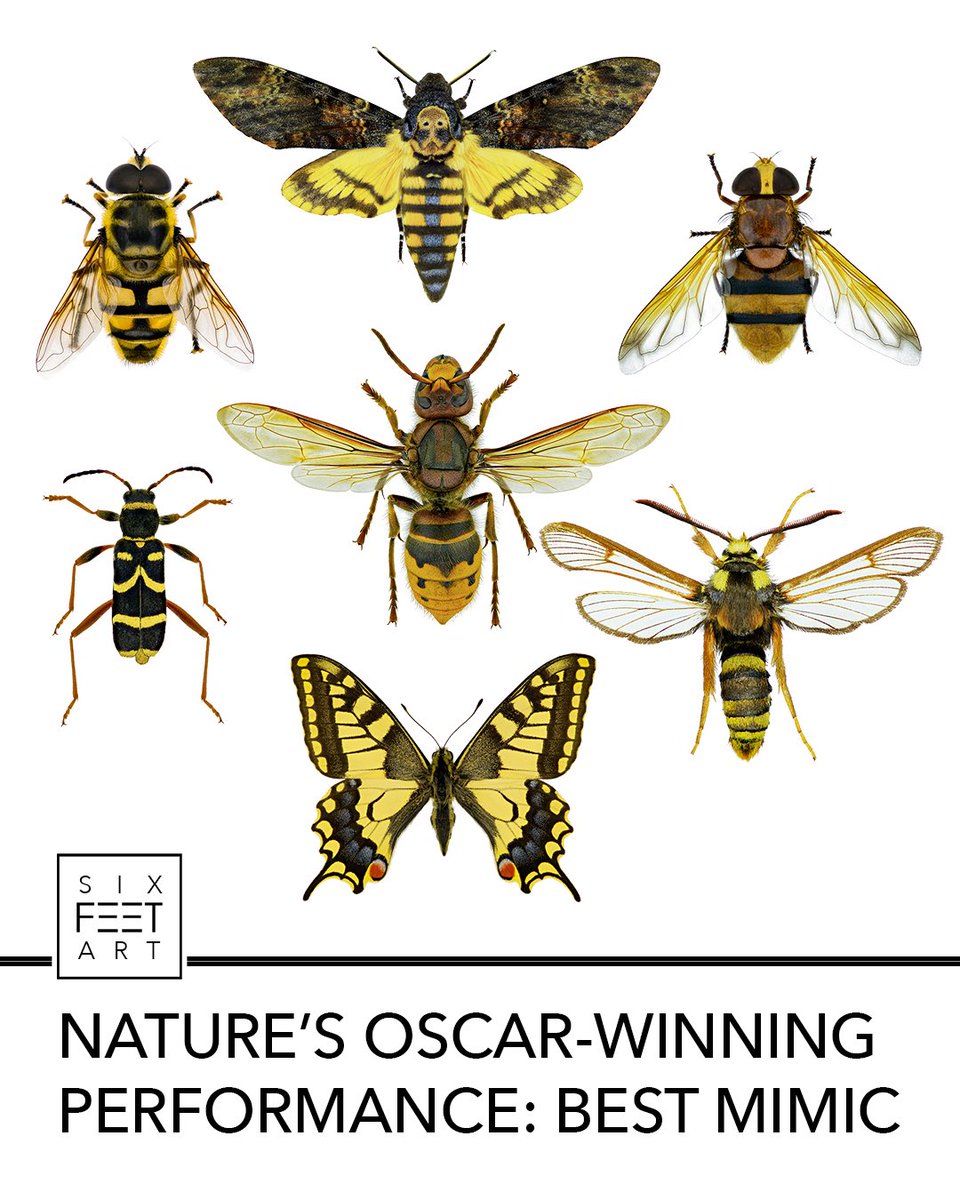
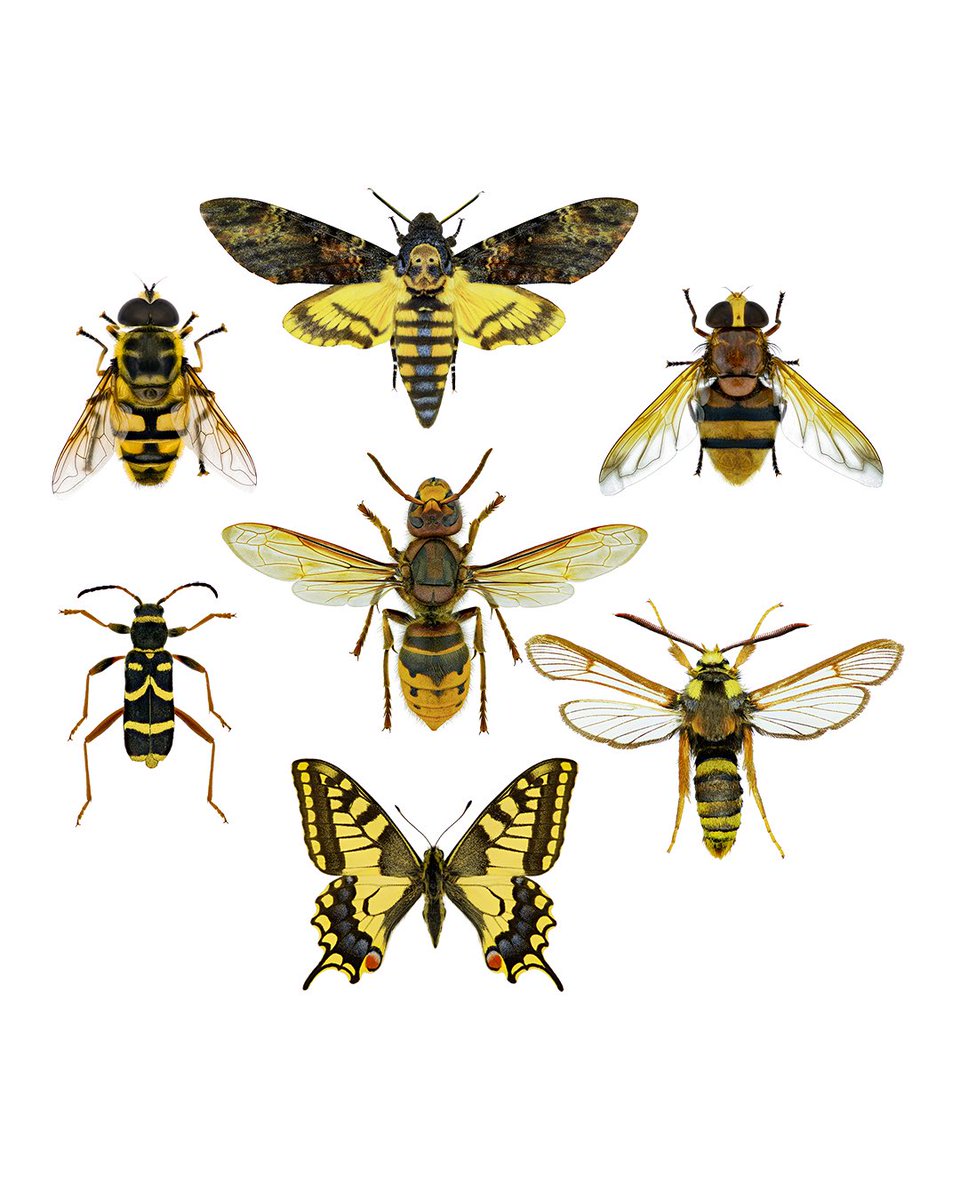
At first glance, they all display the same striking black-and-yellow warning colors. But only one of them belongs to the stinging Hymenoptera. In the center: a real hornet. Around it: seven insects from completely different orders — butterflies and moths (Lepidoptera), beetles (Coleoptera), and flies (Diptera). These harmless species have evolved to wear the warning pattern typical of stinging Hymenoptera through a remarkable strategy called mimicry. By adopting the bold colors that predators associate with a painful sting, they gain protection without possessing any venom or stinger themselves. A single unpleasant encounter with a wasp, bee, or hornet is often enough for predators to avoid anything bearing this color scheme. This gives the mimics a significant survival advantage. Defenseless insects survive by borrowing the dangerous reputation of stinging Hymenoptera. Nature’s most elegant deception, captured in one striking lineup.
Starting at 12 o clock ending in the center:
1. Death’s head hawk-moth (Acherontia atropos)
2. Hornet mimic hoverfly (Volucella zonaria)
3. Hornet clearwing (Sesia apiformis)
4. Common yellow swallowtail (Papilio machaon)
5. Wasp beetle (Clytus arietis)
6. Batman hoverfly (Myathropa florea)
7. Hornet (Vespa crabro)
2
18
108
2,537
Apr 9
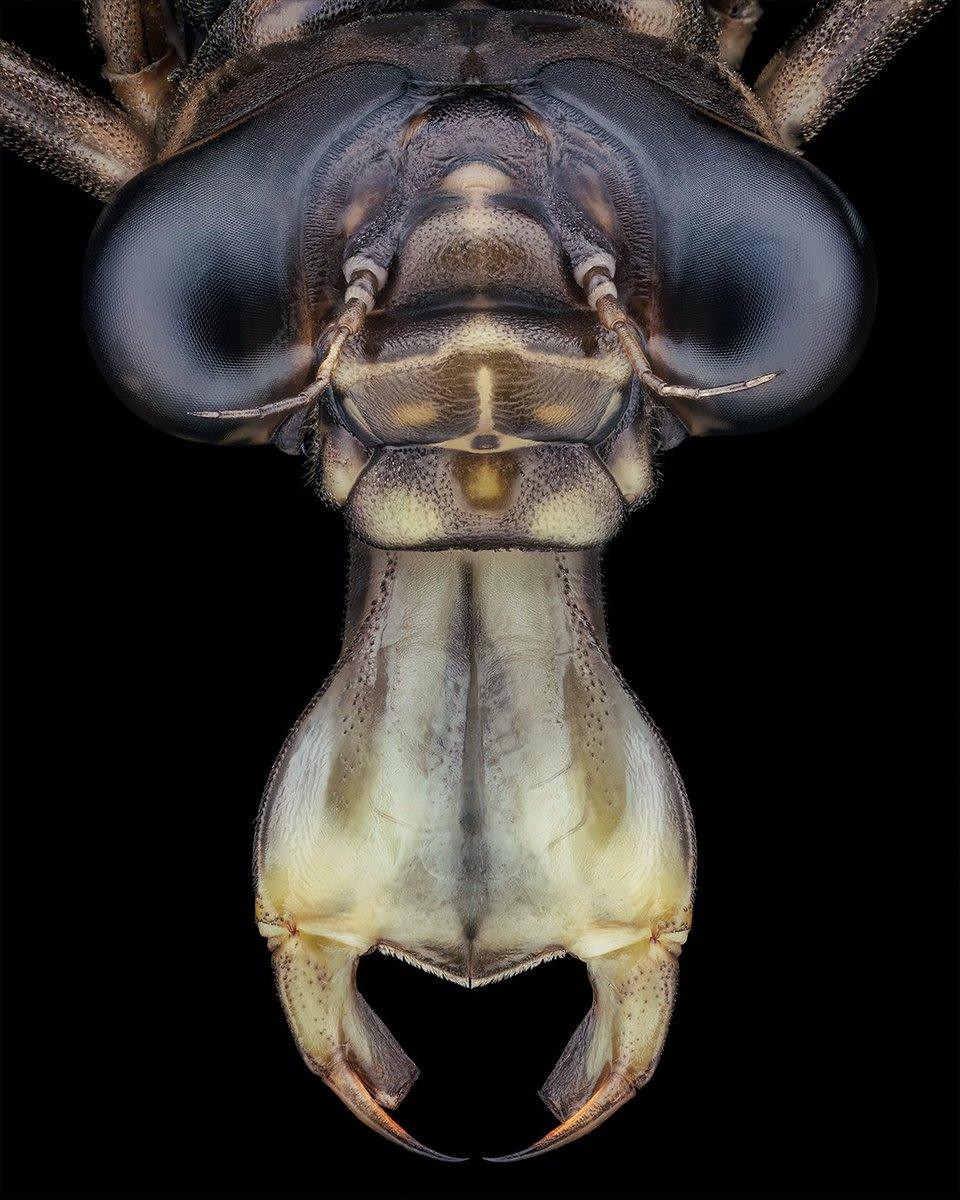
This is the larva of the southern hawker (Aeshna cyanea), captured in stunning macro detail. The most striking feature is its formidable “labium mask” — a highly modified, extendable lower lip (labium) that the larva can shoot forward with explosive speed to ambush and capture prey. A perfectly evolved hunting tool hidden in plain sight.
1
26
178
2,991
Apr 6
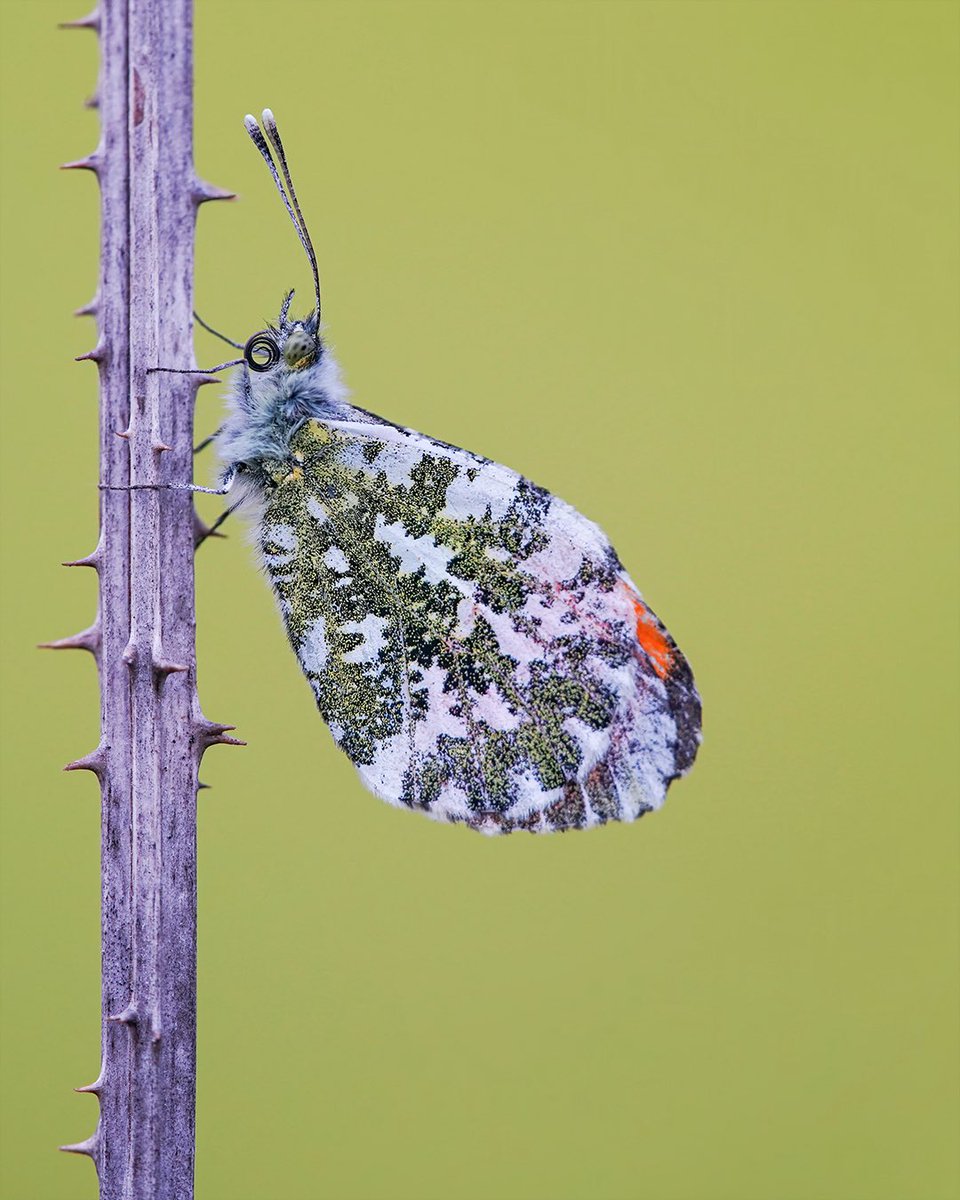
Orange tip (Anthocharis cardamines)
A harbinger of spring.
It‘s a diurnal butterfly belonging to the family Pieridae, distributed across large parts of Europe and Asia. Males are distinguished by their bright orange forewing tips, whereas females display predominantly white wings with grey-black markings.
2
21
175
2,643
Apr 5
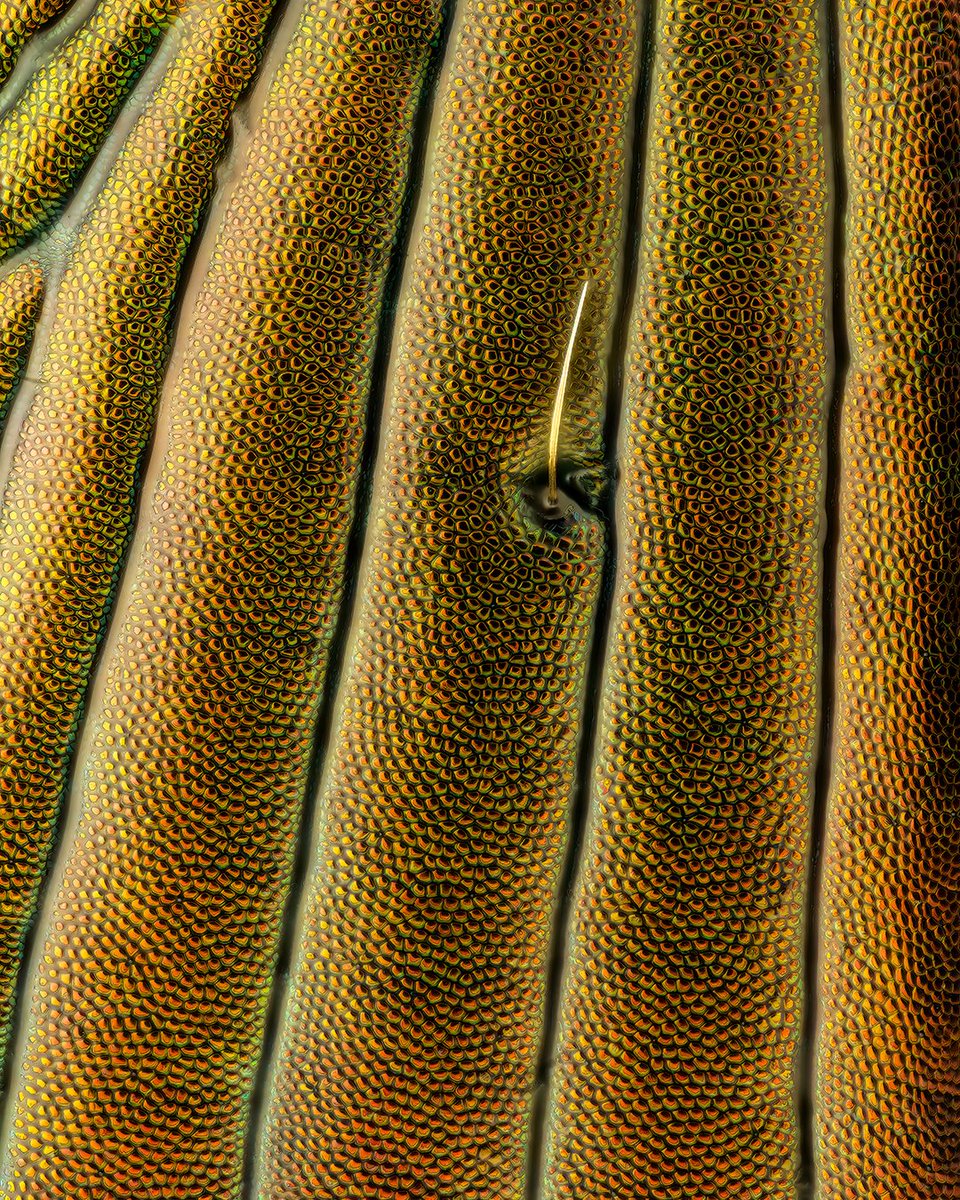
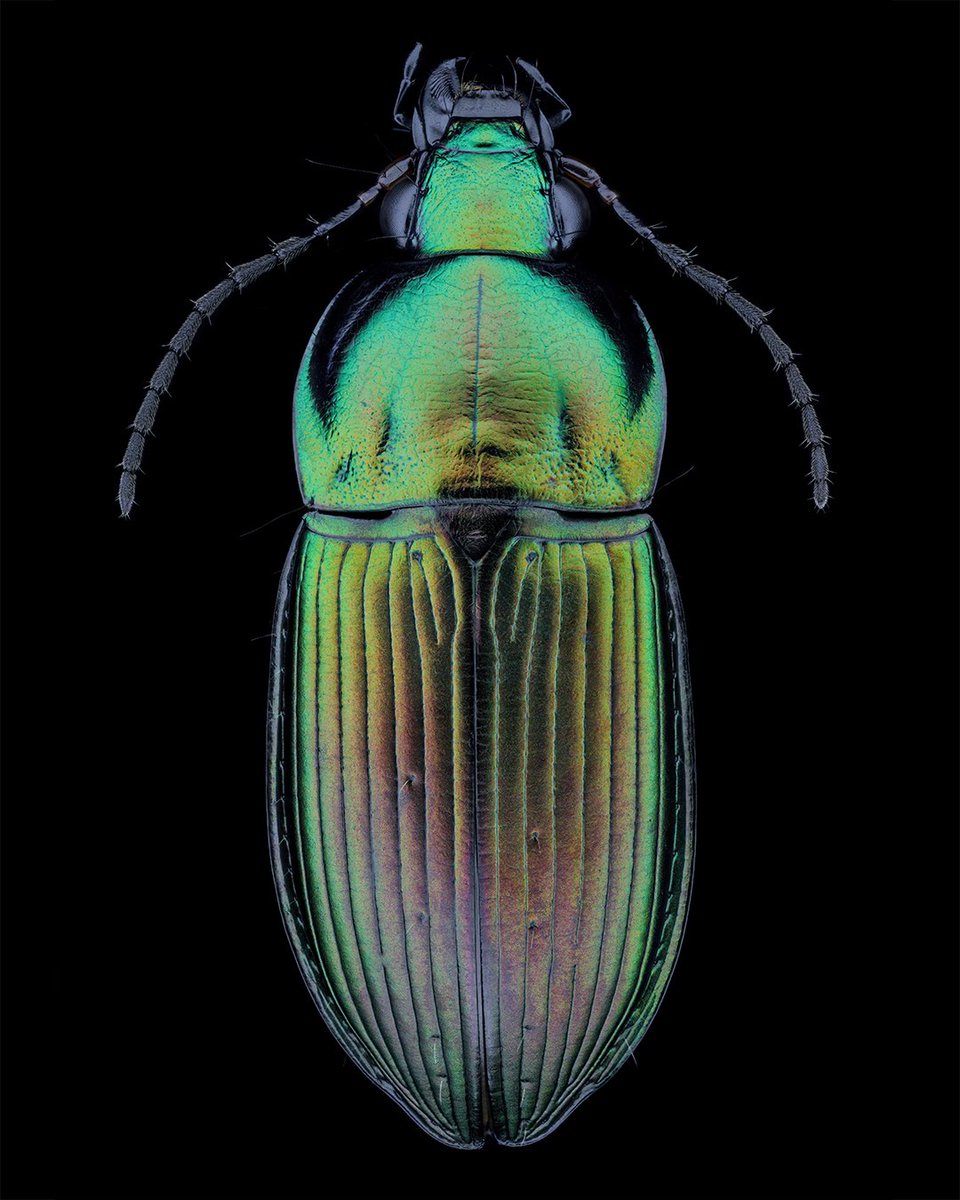
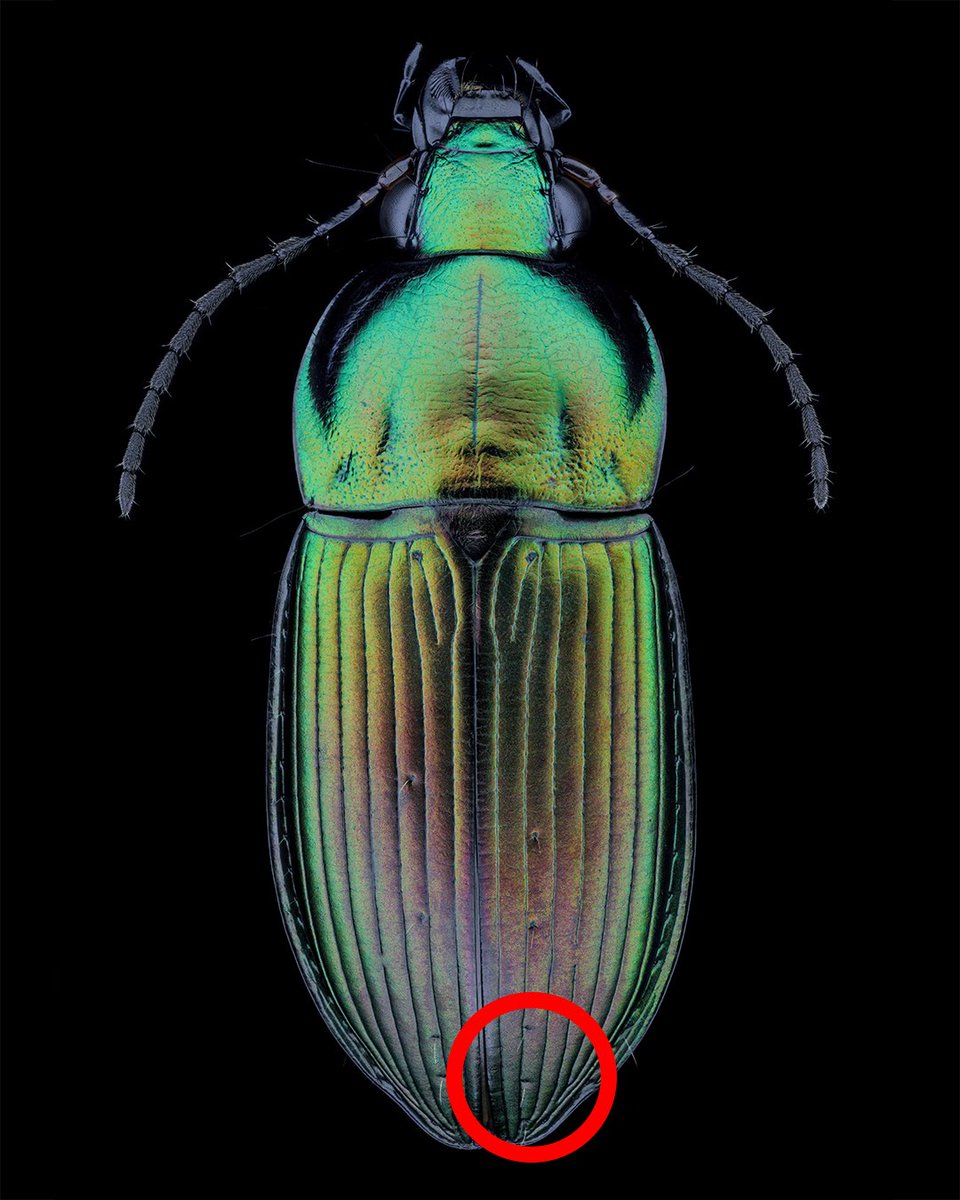
Ground beetle (Poecilus versicolor): a closer look reveals a hidden world. This magnified section of a ground beetle’s elytron shows a single hair emerging directly from the metallic surface, which is finely textured with microscopic sculpturing.
Many ground beetles have tiny hairs on their elytra (the hard wing covers). These hairs serve several important functions. They act as sensory tools, helping the beetle detect its surroundings, especially in low-light conditions. The hairs can also provide protection by repelling water and dirt, while reducing shine to improve camouflage on soil or leaf litter. In addition, they may help regulate moisture and temperature by trapping a thin layer of air close to the body. Not all ground beetles have the same type or amount of hair—these differences reflect adaptations to their specific habitats.
4
72
1,491