التغريدة المثبتة تعطيك لمحة بسيطة عني وشغلي ؛ متخصص واعمل في التسويق من 2013 . حاليا مهووس بالصينين 👌 وأسكن في مدينة الحبيب
Joined January 2013
- Tweets 22,775
- Following 2,403
- Followers 18,024
- Likes 17,446
3,459 Photos and videos
Pinned Tweet

10 Jun 2023
بعد 17 شهر
من العمل في #تسويق_المطاعم
مع 22 مشروع وحملة إعلانية
حبيت أكتب قصتي في هذا القطاع ؛وكيف أن علاقة واحدة صحية تكون سببًا لفتح أبواب من الفُرص؟
وأيضا أتوجه بالشكر والإمتنان لكل من كان له أثرًا في تقدمي السريع وإثراء وتنوع تجاربي التسويقية بذكر مواقفي معهم.
#ثريد ط و ي ل
84
183
2,133
826,995
سمير محمد retweeted

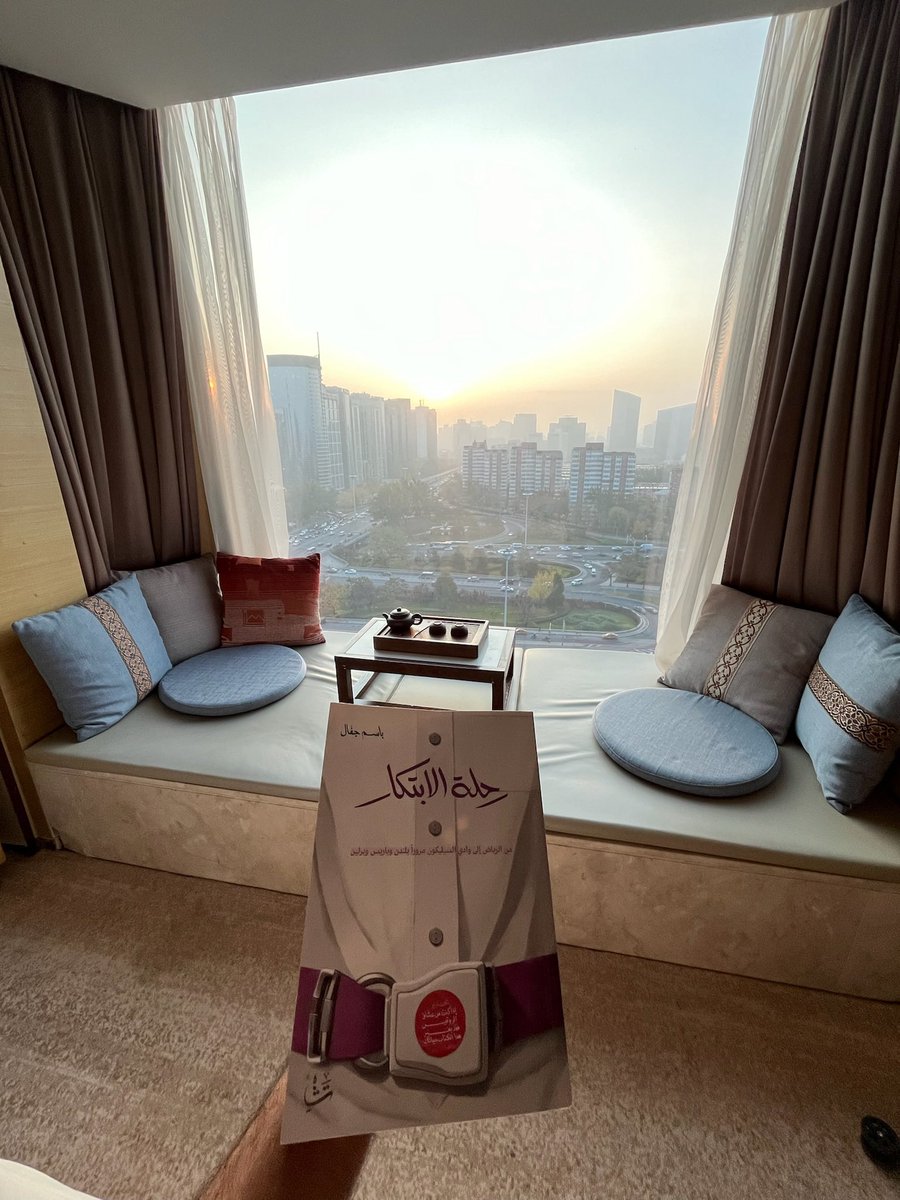
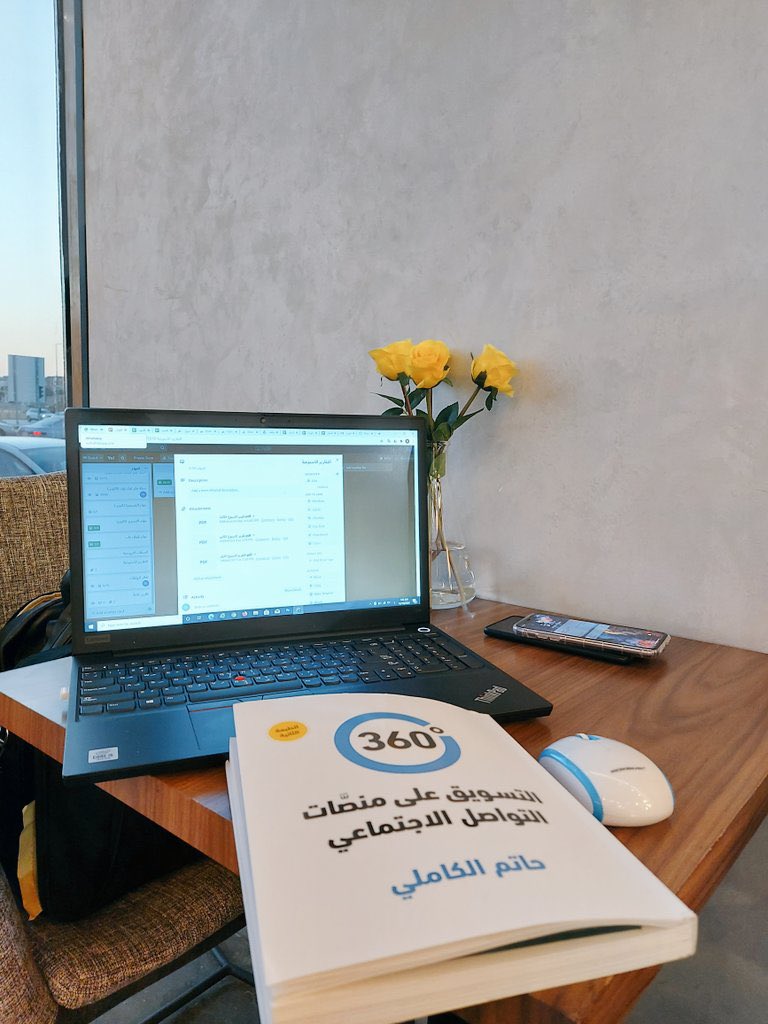
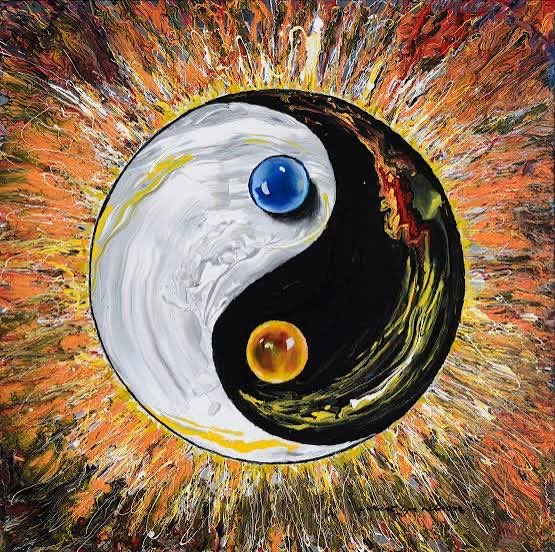
الكتاب يتكلم عن فلسفة التاو الصينية 道 باستخدام شخصيات كرتون ويني ذا بوه
إذا ما عرفت الفلسفة من اسمها.. أكيد مرت عليك أحد أفكارها
أشهرها علامة الين واليانغ وهي تمثل التوازن بين التضاد ( الخير والشر، النجاح والفشل وهكذا ) ⚪️⚫️
لسه ببداية الكتاب لكن أعجبني أسلوبه لطيف وفي رسومات جميلة
1
1
977
世界上最自信的那个人
不是口袋里塞得最满的那个
而且摔过跤
脸上还带着泥
眼睛里却亮着光的人
没有人给他们递地图🗺️
路是他们一脚一脚踩出来的
答案是他们从石头缝里抠出来的
所以你听他们说话
声音里没有讨要夸奖的劲
想要自信
不能光盯着别人
而且找到自己
你得愿意
往自己心里那片黑漆漆的地方走
别怕
里边住着的不叫恐惧
那叫做
还没有被你认领的勇气
当你认真的走通了这一段
那种笃定
是自己找出来的
别人只能够在边上看着
然后继续琢磨他们的
如果和但是
4
267
سمير محمد retweeted

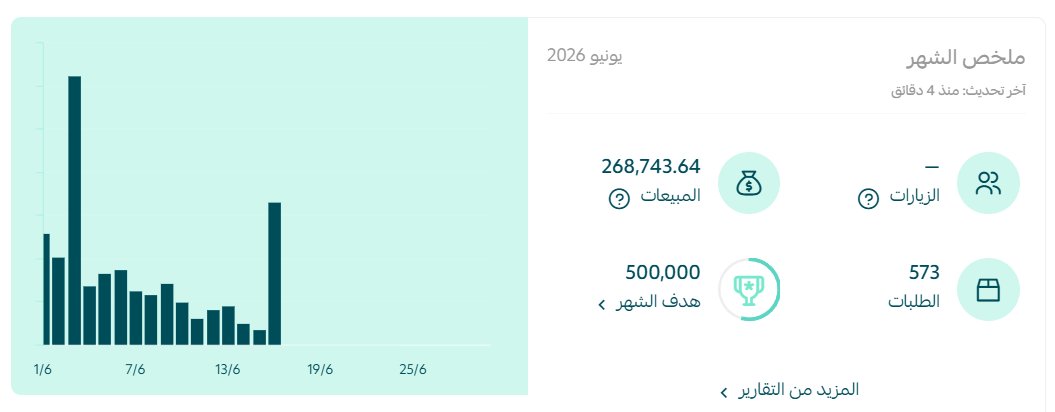
الحمد لله عمل فردي بشكل كامل
إدارة كاملة للحملات الإعلانية لمتجر إلكتروني
أكثر من 250 ألف ريال في 15 يوم
جهد كبير ومتعب جداً ولكن النتيحة مرضية والحمد لله
3
1
12
867
سمير محمد retweeted

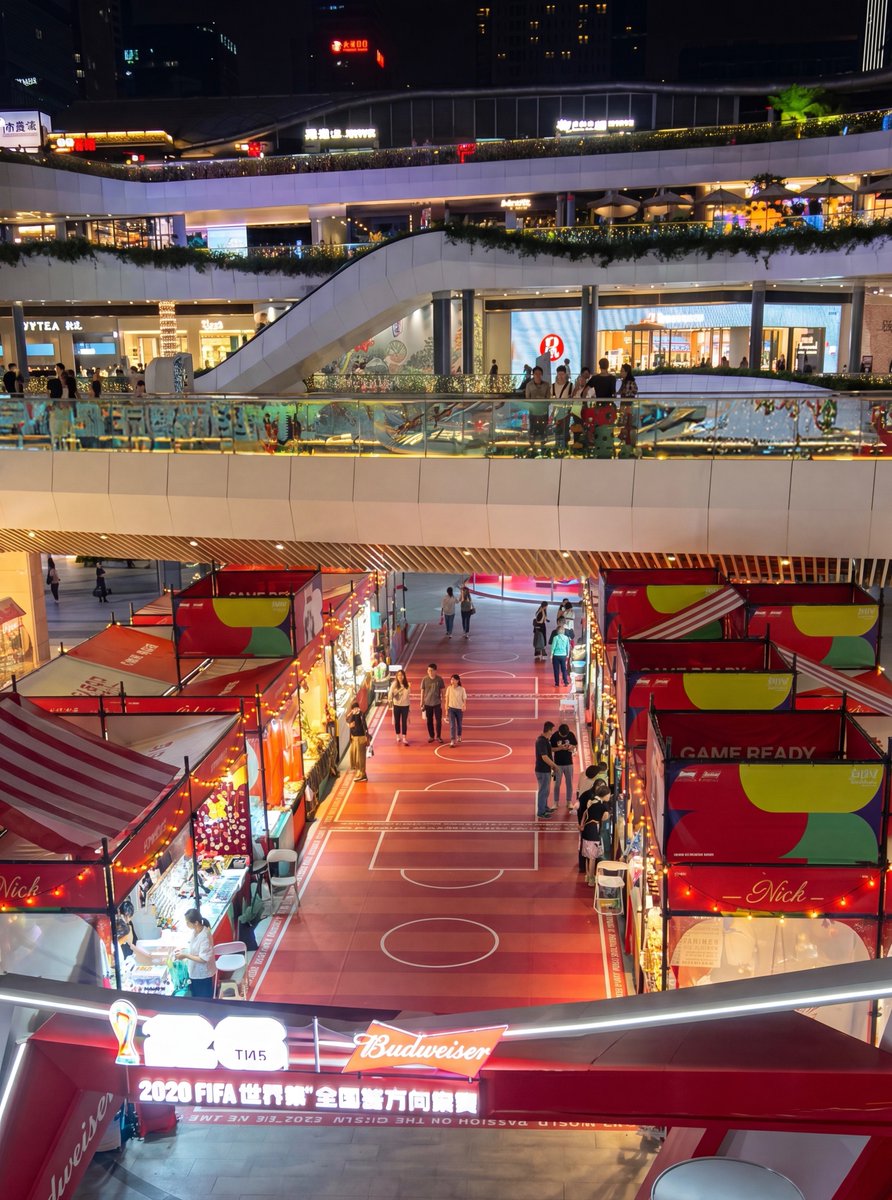
اليوم أكتب لكم من الصين، في رحلة عمل..
ورغم أن الصين ليست من المنتخبات المشاركة في #كأس_العالم 2026، إلا أن الاهتمام بالبطولة موجود بشكل لافت، الناس يتابعونها ويتفاعلون معها وكأنهم جزء منها.
هذا خلاني أفكر: كيف قدر حدث مثل كأس العالم يتجاوز الحدود ويجمع مليارات الناس حول قصة واحدة، مهما اختلفت لغاتهم وثقافاتهم؟
وفي وقت صار فيه كل شيء سريع والانتباه صعب، تبقى القصة المشتركة من أقوى الأصول التي يمكن أن تمتلكها دولة أو شركة أو حتى شخص.
فمن يجيد صناعة القصة.. يُرى، ويؤثر.
2
6
9
823
11h
Incredible! This post perfectly answers why Shenzhen is the city of my dreams.
My plan is to live there for 10 years, and I bet that the impact we will leave from the heart of this great ecosystem will last for the next 100 years. Living among builders makes history. 🛠️🔥
And I left my heart in its streets a year ago 🫠
Jun 16

Tuo has built an incredible community for robotics founders. The energy in Shenzhen is absolutely real; it's a magnet for builders.
Thanks @Robo_Tuo for the tour and for hosting a great event!
Shenzhen has an insanely dense robotics ecosystem.
- It transformed from a small fishing village of around 30,000 people in the early 1980s into today’s global hardware epicenter with over 18 million residents.
- The city is home to more than 1,200 robotics companies and tens of thousands of robotics-related suppliers and enterprises.
- Thanks to this extreme proximity of engineers, factories, suppliers, and researchers (especially along Liuxian Avenue in Nanshan’s "Robot Valley"), hardware prototyping and iteration cycles can happen in days instead of months.
2
390
سمير محمد retweeted

Jun 15
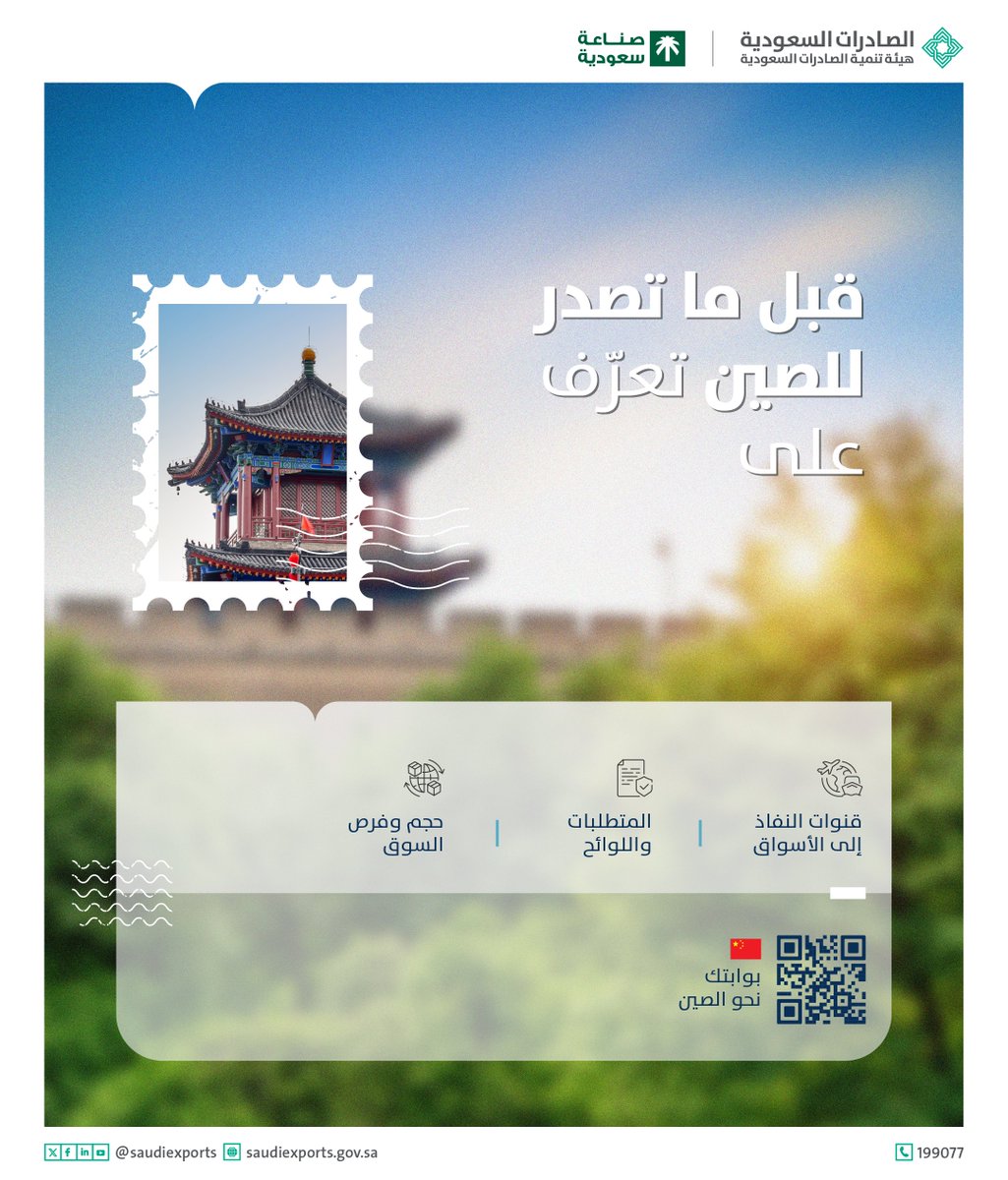
السوق الصيني من أبرز الأسواق المستوردة للمنتج السعودي، تعرّف على حجم السوق ومتطلباته، وقنوات النفاذ إليه.
للاطلاع على الدليل:
shorturl.at/ZnwtJ
5
12
1,150
سمير محمد retweeted

Jun 15
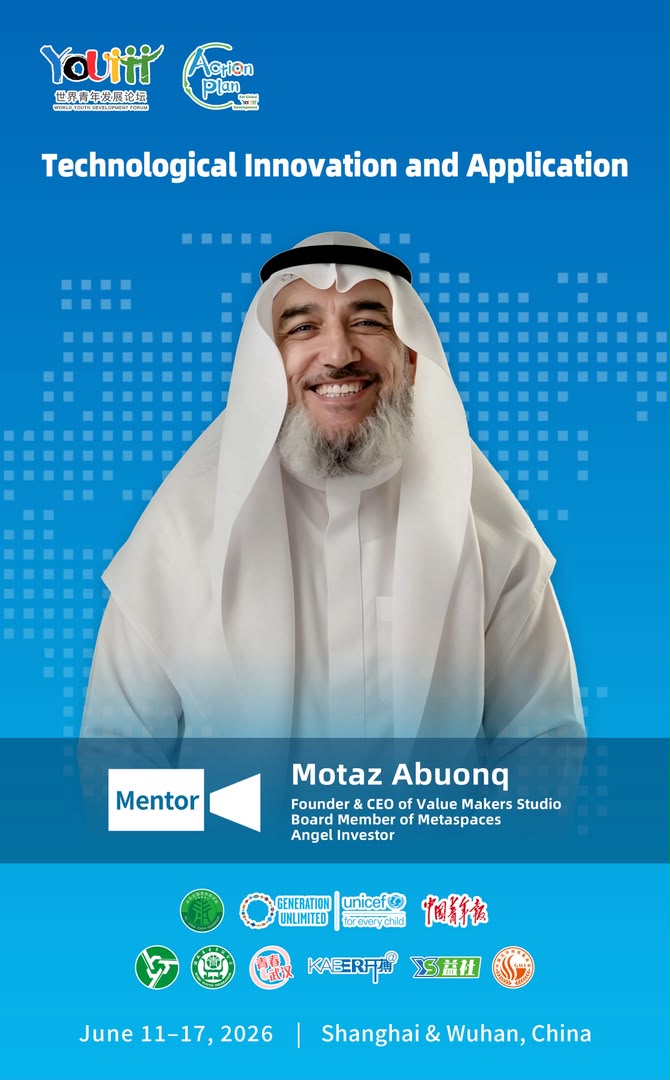
سعيد بمشاركتي في منتدى تنمية الشباب العالمي بالصين
كـ (Mentor) لمناقشة ابتكارات التقنية وتطبيقاتها.
المنعقد في مدينتي شنغهاي ووهان
في الفترة من 11 إلى 17 يونيو 2026.
سنركز في الجلسة على بحث آليات تحويل الابتكارات التقنية
إلى حلول واقعية تسهم في تعزيز التنمية المستدامة.
2
1
3
1,026
Jun 15
I once read a post titled:
“How do you make a billion dollars?”
Read it twice.
Then I did something that sounded completely irrational.
I sent a message to a billionaire.
The proposal was simple:
Give me SAR 1 million.
I’ll bring back RMB 1 billion from the Chinese market within 2 years.
If I fail:
10 years in prison.
Or 30 years working for you for free.
Driver.
Assistant.
Whatever.
Most people would call this crazy.
Maybe.
But every breakthrough sounds crazy before it works.
A year ago, I was sitting in a Chinese friend’s home in China.
We were talking about business.
He said:
“The biggest opportunities are invisible to people waiting for certainty.”
That sentence never left me.
Saudi Arabia is changing.
China is changing.
The bridge between them is still massively underestimated.
If the investment happens, great.
If not, also great.
I’ll keep building.
Keep learning.
Keep meeting people.
Because the question is not whether this will happen.
Only when.
Either I get there.
Or I die walking toward it.
The funny part?
I’ve already produced some record-breaking results on Douyin.
The less funny part?
My bank account hasn’t received the memo yet.
Fortunately, social capital is a currency too.
And right now, it’s appreciating faster than cash.
Jun 14

How to Earn a Billion Dollars: paulgraham.com/earn.html
1
7
1,559
سمير محمد retweeted

Jun 14
June 13 marks China's 2026 Cultural and Natural Heritage Day.
This year, the theme of intangible cultural heritage events is "Intangible Cultural Heritage: Making Life Better".
Intangible cultural heritage has never just been exhibits in museums. It is the daily life of every Chinese.
191
10
73
31,492
سمير محمد retweeted

Jun 14
• عين المقر.. زرقاء اليمامة في المدينة المنورة
• فريق مهمته الوحيدة: صناعة السعادة
• دار التقوى: من المدينة إلى العالمية
• سياحة الشواطئ تقفز 40%
• أزور يدخل عالم الأطفال بخدمات VIP
نشرة «حديث السعودية»
#المدينة_المنورة
#حديث_السعودية
9
8
1,760
سمير محمد retweeted

Jun 14
Why can't #Xuanwei #ham be truly replicated anywhere else? Because Xuanwei itself is part of the recipe. Its distinctive geography and climate provide ideal conditions for natural fermentation, while generations of intangible cultural heritage inheritors have kept centuries-old techniques alive. Join China Daily reporter Yan An as she discovers how nature and tradition come together to create the unique flavor of Xuanwei ham. #YunnanDelights #ChinaTravel #ChinaBound
1
12
35
3,148
سمير محمد retweeted

Jun 14
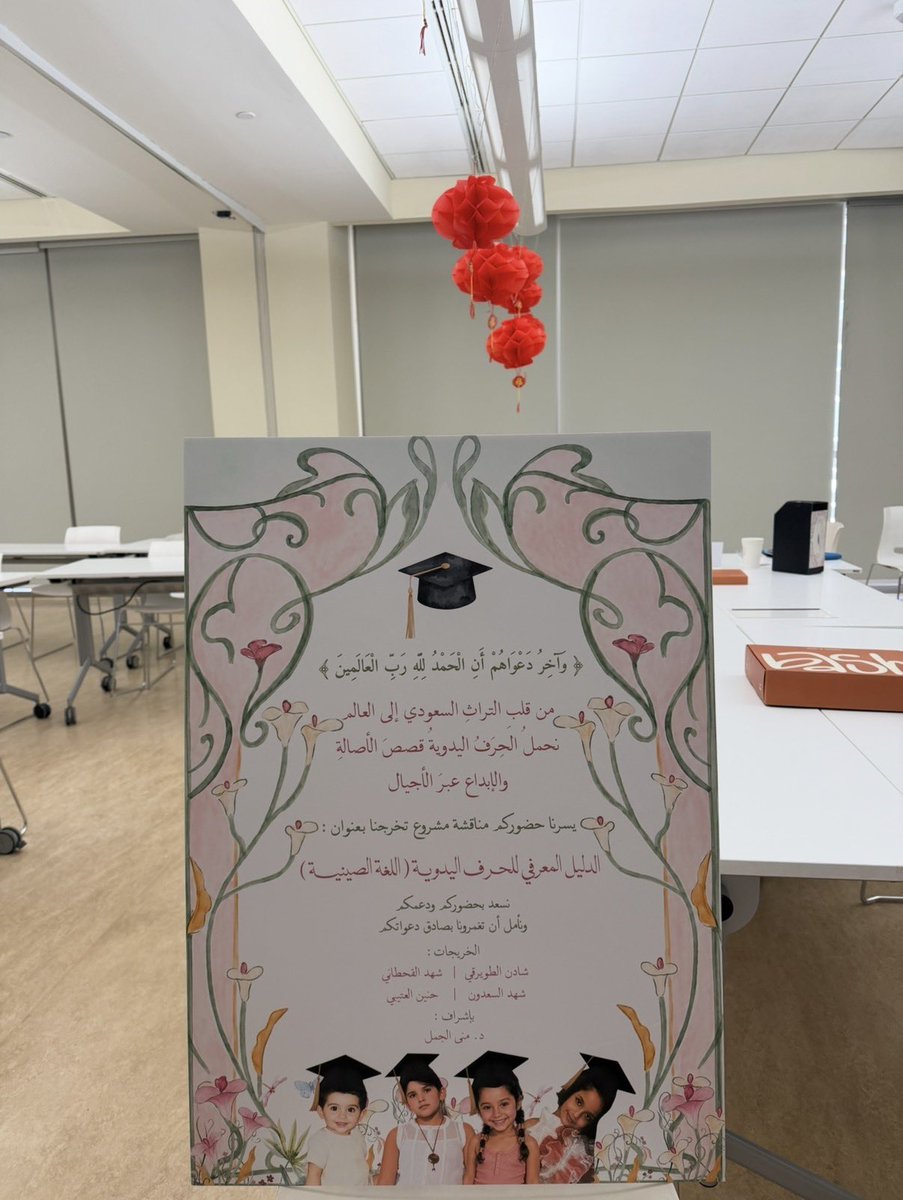
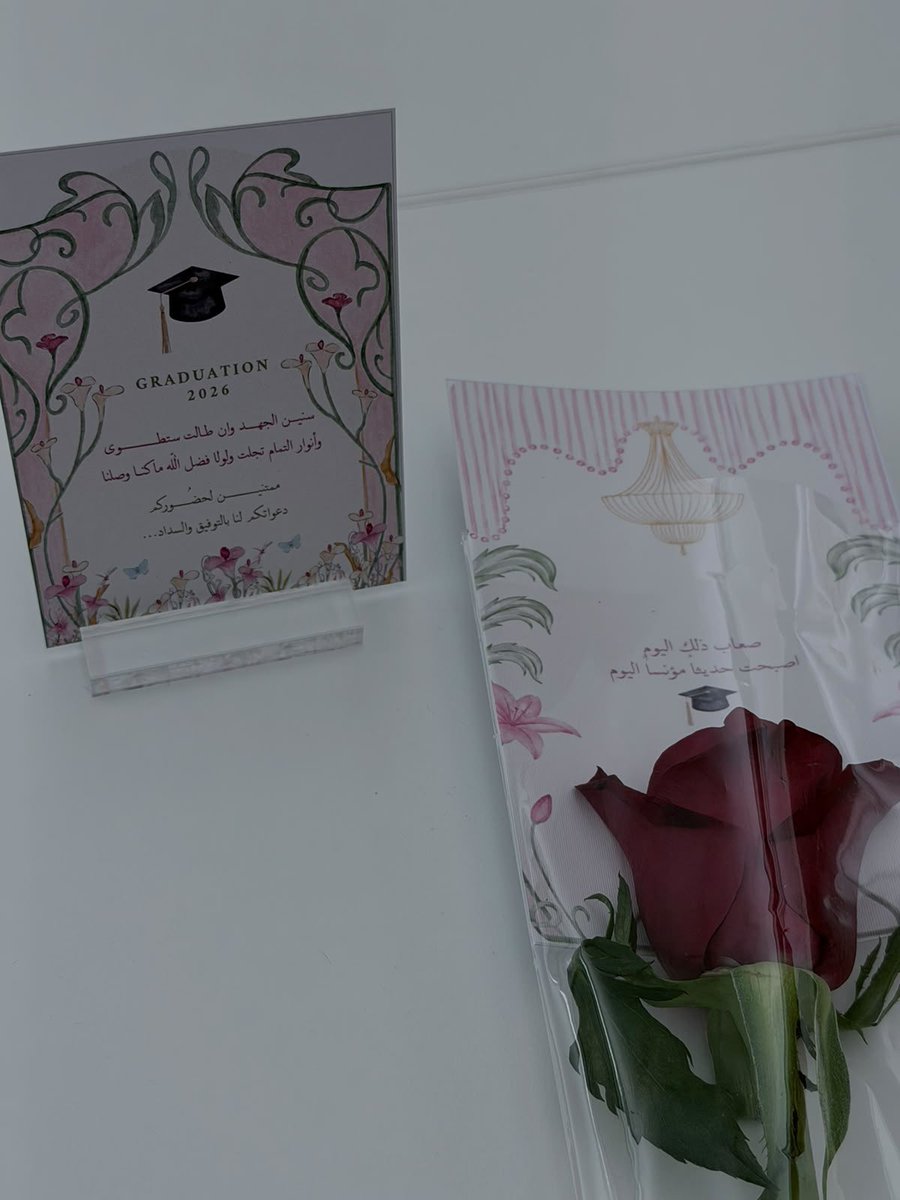
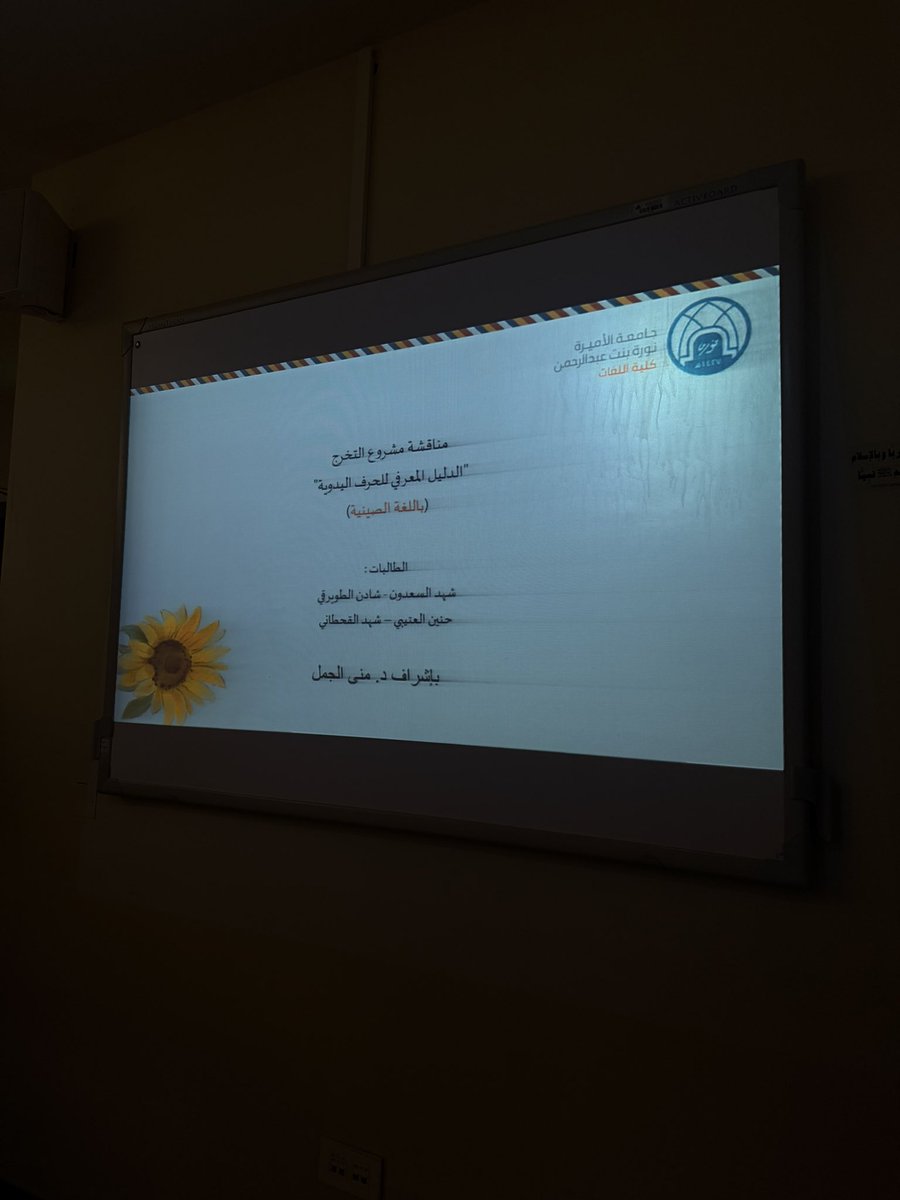
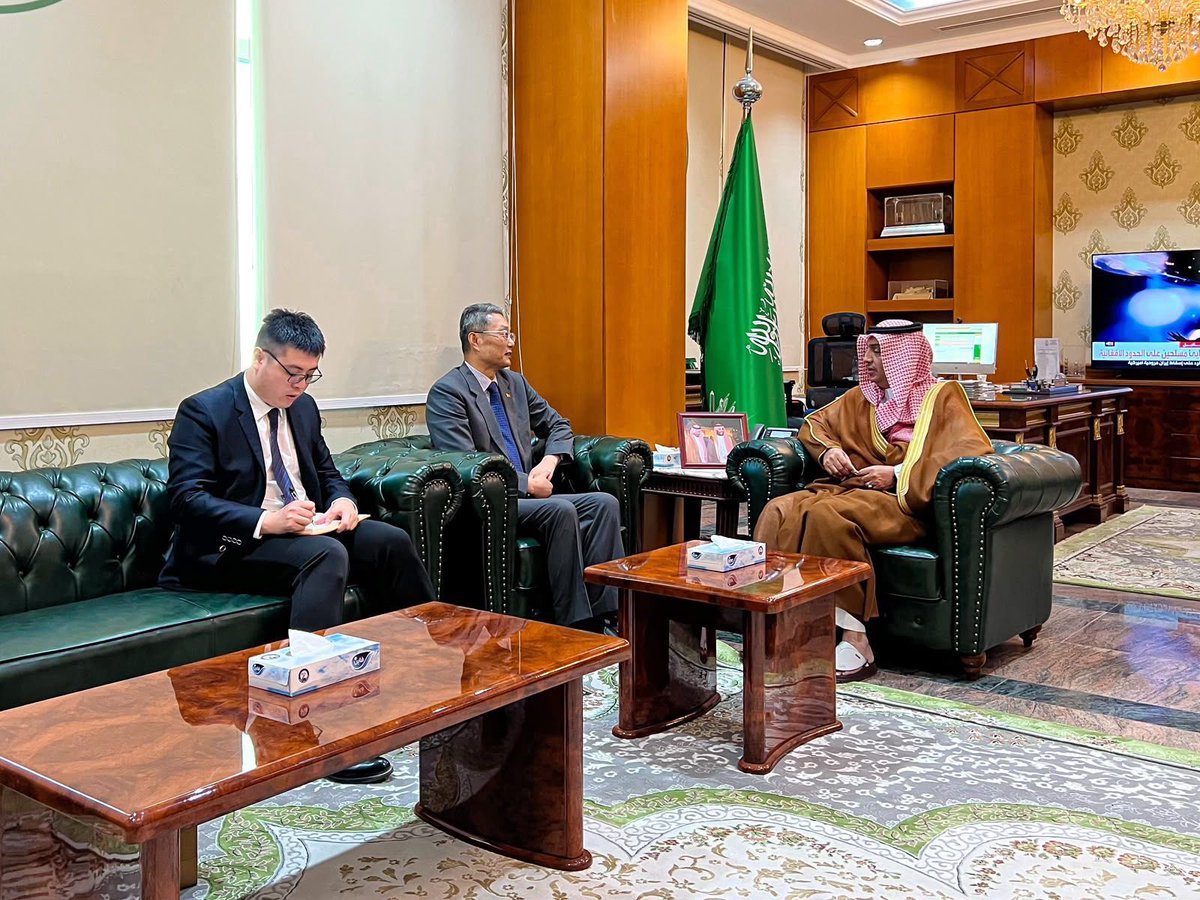
الحمد لله على التمام وحسن الختام🤍
تمت مناقشة مشروع تخرجي بعنوان:
"الدليل المعرفي للحرف اليدوية السعودية" (باللغة الصينية)
(沙特阿拉伯⼿⼯艺中⽂知识⼿册)
سعيدة بأن يكون هذا العمل جسرًا ثقافيًا ينقل تراثنا وحرفنا اليدوية السعودية إلى الناطقين باللغة الصينية🇨🇳🇸🇦
2
1
14
1,576

سمير محمد retweeted

Jun 14
🚨🤖Meet Luvbotics – your new robofriend
LuvBotics, a new Chinese startup, has launched pre-orders for RUMI – a bipedal humanoid robot that can run, jump, and navigate obstacles, offering lifelike hugs and emotional interaction.
🟡21 degrees of freedom enable RUMI to walk, run, and even jump, a rarity in companion robots.
🟡Soft skin, quiet motion, expressive eyes, and touch feedback for realistic hugging.
🟡65 cm tall, weighing 12 kg; pre-order price $1,000–$1,400 in China.
🟡Advanced sensors and AI analyze the user's mood and respond with appropriate expressions and actions.
The global companion robot market is expected to exceed $65 billion by 2032, growing at 27% annually.
x.com/ErenChenAI/status/2065…
5
24
72
5,886
سمير محمد retweeted

Jun 13
Another startup from China called LuvBotics is entering the companion robotics race.
35
107
627
91,288
Jun 13
من يتحدث اللغة الصينية وهو غير صيني
يملك مهارة قيمتها مليون دولار.
Jun 12

若者には中国語を学ぶ事を強くお勧めします。イーロン・マスクの息子は中国語を勉強中で、ザッカーバーグも中国語を話せる。私は英語を学んで2倍は稼げる様になったが、仮に中国語が話せたら、更に2倍は稼げたはずと後悔しています。そのくらい中国人/中華系と母語で対話できる事で商機は広がります
5
20
5,943
Jun 13
إلى القراء المحبين
لصباحات السبت الهادئة :
رسالة خاصة جدا من شاب صيني !
سمعتها بأذني قبل سنة من فلاح في الصين
واليوم اقراها صدفة من كتابة مثقف !
—
صديقي العزيز،
أعلم مدى عمق إيمانك بربك ، وكيف أن هذا الإيمان يمنحك الطمأنينة بأن كل شيء يسير بمشيئته وقدره. في الغرب، غالباً ما ينظرون إلينا نحن الصينيين بنوع من الشفقة لأننا لا نشاركهم نفس المفهوم عن الإله، لكنهم في الحقيقة يجهلون تماماً جوهر العقيدة الحقيقية التي تحركنا.
نحن في الصين، ورغم تعايش الأديان المختلفة بيننا بسلام، نحمل في وجداننا وجيناتنا إيماناً آخر صيغ قبل آلاف السنين، وهو لا يتعارض مع احترام الخالق، بل يركز على الدور الذي أُوكل للإنسان على هذه الأرض:
**الإنسان صانع سببه، ومصيره يتشكل بسعيه وعرقه.**
هذا ليس كلاماً نظرياً، بل هو عقيدتنا التي استقيناها من أقدم أساطيرنا، والتي تشبه إلى حد كبير مفهوم "الأخذ بالأسباب" لديكم، ولكن بأقصى درجاته.
دعني أشاركك ثلاث قصص تبين لك كيف نرى دورنا في هذا الكون:
🌊 مواجهة الطوفان.. بالعمل لا بالانتظار
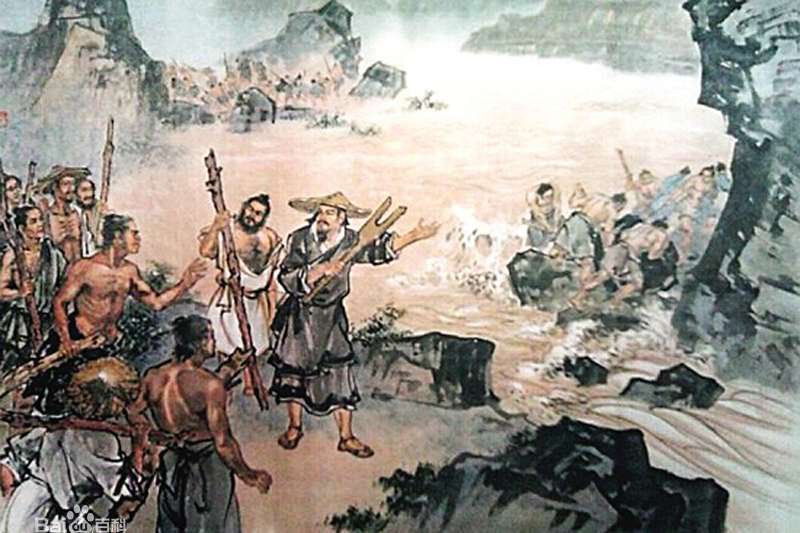
في حدود عام 2200 قبل الميلاد، اجتاح الصين طوفان مدمر استمر لأجيال وقضى على حضارات كاملة. في ثقافات أخرى، قد يرى الناس في هذا غضباً إلهياً فيستسلمون أو يكتفون بالدعاء. لكن البطل الصيني "يو" (Yu) اختار طريقاً آخر.
لم يقف مكتوف الأيدي، بل أمضى سنوات عمره يشق الجبال، ويوجه مجاري الأنهار، ويصرف المياه إلى البحر. التفاني لديه كان مطلقاً، حتى أننا حتى اليوم نردد مقولة *"مر بباب بيته ثلاث مرات دون أن يدخله"*، لأنه كان مشغولاً بإنقاذ الناس ولم يتوقف لرؤية مولوده الجديد. بالنسبة لنا، العبادة الحقيقية كانت في العمل ومواجهة غضب الطبيعة لحماية البشر.
🌞 السيطرة على الفوضى
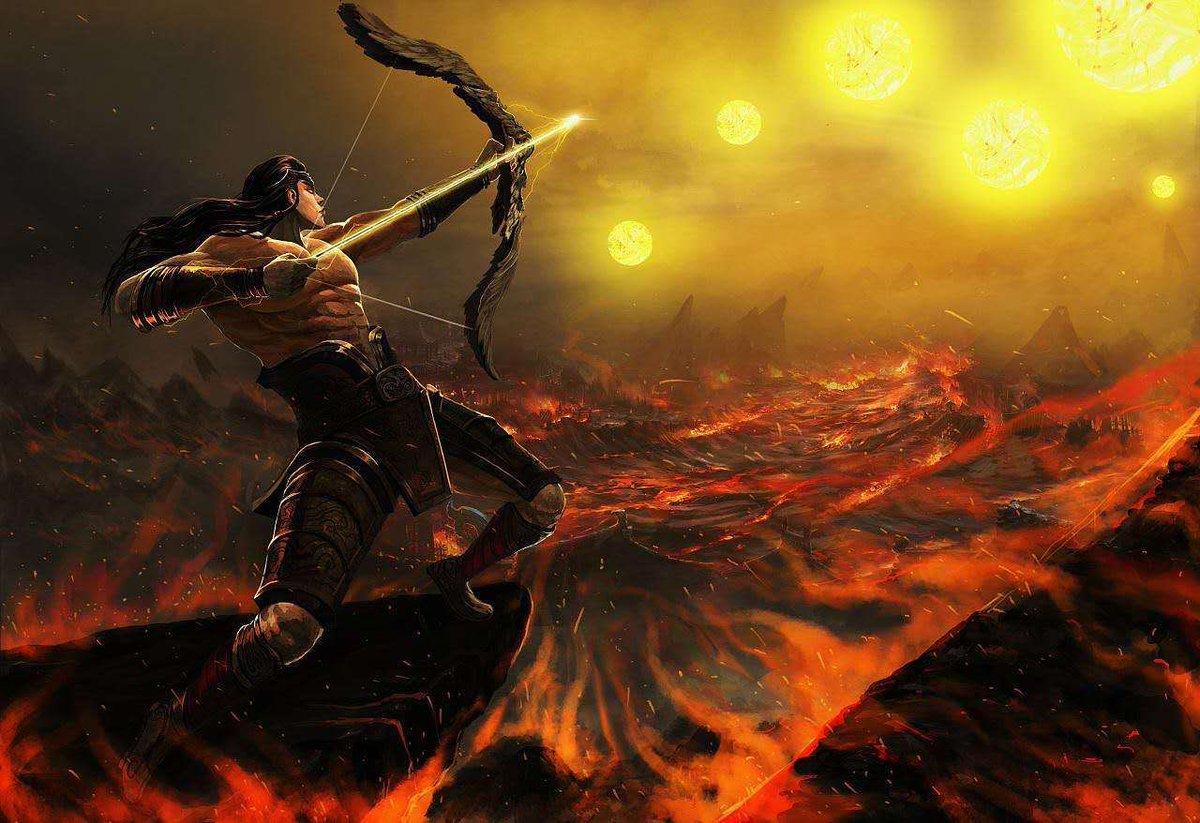
هناك أسطورة قديمة تقول إن عشر شموس ظهرت في السماء دفعة واحدة، فغلت الأنهار واعتُصرت الأرض من الجفاف. في هذه اللحظة، لم ينتظر البطل "هو يي" معجزة تنقذ البشرية؛ بل أمسك بقوسه وسدد سهامه ليُسقط تسع شموس ويترك واحدة فقط لكي تستمر الحياة بصورة متوازنة.
المغزى هنا ليس تحدي الإله، بل هو رسالة لكل صيني: إذا اختلت موازين الطبيعة وهددت البقاء، فإن دور الإنسان هو التدخل بحسم لإعادة التوازن وحماية الأرض، وليس الاستسلام للفناء.
⛰️ الإرادة التي تُحرك الجبال
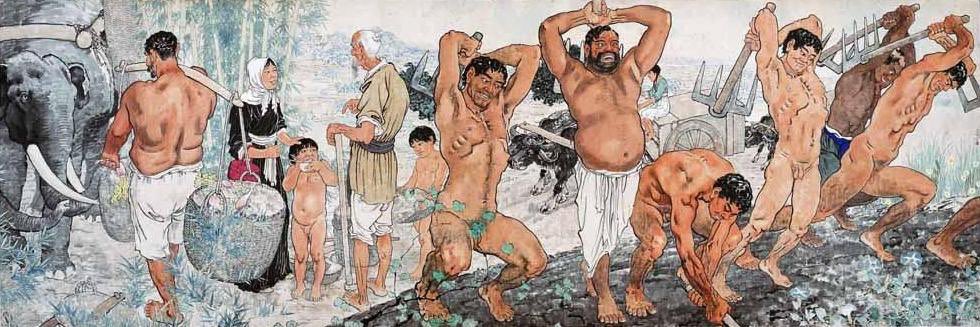
أما قصتنا المفضلة، فهي عن عجوز بلغ من التسعين عاماً، كان يعيش أمام جبلين عملاقين يقطعان طريقه. قرر العجوز بحفر الجبلين وإزالتهما مستخدماً الفؤوس والسلال.
عندما سخر منه جيرانه وقالوا له إن عمرك لن يكفي، أجابهم بيقين: *"إذا مت، سيكمل أبنائي، ثم أحفادي، جيلاً بعد جيل. الجبال لن تنمو، ولكن جهدنا لن يتوقف"*. تقول الأسطورة إن الآلهة في السماء، عندما رأت هذه الإرادة الصلبة والجهد الإنساني المخلص، أرسلت من يحمل الجبال عنه. نحن نرى أن السماء لا تساعد إلا من يبذل لآخر قطرة عرق.
يا صديقي، نحن في تقاليدنا نحترم السماء ونحترم المقدرات، لكننا لم نؤمن يوماً بأن الإنسان خُلق ليكون ورقة في مهب الريح تنتظر مكتوبها دون فعل.
أنتم تؤمنون بأن الخالق لا يغير ما بقوم حتى يغيروا ما بأنفسهم؛ ونحن نترجم هذا التغيير بالذكاء، والمثابرة، والعمل الجماعي الصارم الممتد عبر الأجيال.
هذا هو إيماننا الصيني
الذي أبقى حضارتنا حية وصامدة
لـ 5,000 عام.
Jun 12

While some in the West pity the Chinese for not sharing their God, they often overlook how we actually see the world.
While different religions live side by side peacefully in China, we’ve carried one deeper faith in our bones for thousands of years — long before Jesus was even born:
Humans can conquer nature. Our fate is in our own hands.
This belief isn’t abstract philosophy. It’s written into our oldest stories. Here are three ancient Chinese myths that prove it:
🌊 The Great Flood of Gun & Yu
Imagine a flood so devastating it lasted for generations — entire civilizations drowning, people scattered. Around 2200 BCE, the emperor tasked a father and son, Gun and Yu, with saving the realm.
Gun tried building massive dikes to hold the water back. Yu took a bolder path: he chose to channel it, redirect rivers, and drain the floodwaters. They faced not just nature’s fury, but mythical beasts. A dragon carved canals with its body. A giant tortoise hauled away mountains of mud.
Yu became a legend for his obsession. The saying “passed his home three times without entering” (三过家门而不入) still lives today — he was so focused on the mission that he walked right past his own door without stopping, even when his wife gave birth.
They didn’t pray for divine mercy. They fought the heavens themselves — and won.
🌞 Hou Yi Shoots the Ten Suns
One day, all ten suns rose at once and scorched the earth. Rivers boiled. Crops burned. Humanity faced extinction.
The hero Hou Yi stood before the heavens. He warned the suns. He pleaded with them. When they refused to listen, he picked up his bow and shot nine of them down.
Each sun fell and turned into a three-legged raven. Only one was spared after the Sun’s mother and Emperor Yao begged for mercy — so that life could continue.
Think about that: a human being literally negotiating with the gods by force, telling the very source of light in the sky, “You will not destroy us.”
⛰️ The Foolish Old Man Moves the Mountains
An old man of 90 lived at the foot of two giant mountains that blocked his path. Everyone called him foolish when he declared he would dig them away with nothing but hoes and baskets.
His neighbors laughed: “You’ll never finish this in your lifetime!”
The old man replied calmly:
“I may die, but my children will continue. When they die, their children will continue. Generation after generation, without end. The mountains won’t grow any taller — but our effort never stops. Why can’t we flatten them?”
The gods in heaven, moved by such stubborn willpower, eventually sent spirits to move the mountains for him.
These aren’t just fairy tales. They are the soul of Chinese civilization.
We respect the gods in our traditions. But we have never believed our destiny is written by them.
We believe it is taken — through intelligence, perseverance, and collective effort across generations.
That is our faith.
And it has carried us for 5,000 years.
1
10
1,470
سمير محمد retweeted

In a quiet Chinese village, an intangible cultural heritage guardian makes salted duck eggs using a 1,000-year-old recipe. Rustic clay jars, slow salt curing, and peaceful countryside views—taste authentic rural China.
#SaltedDuckEggs #IntangibleHeritage #RuralChina
7
29
472
10,107
Jun 13
هل انت مهووس بالصين ؟
ابشرك ، لست وحدك 👍🏻
Jun 12

lately i have been obsessed with everything China
all my feed has, are the:
advanced cities, drone robots doing food delivery, Huawei tech, earrings like earphones, robot leg wear-ons, safety in cities, the peace and quiet, the absence of cultural hate riots, the deep meaning behind their language, hanzi, the love towards their culture, the un-westernisation and literally so much more
growing up i always idolised everything US, maybe it was the media/content that i consumed or world affairs that i followed while China was less of stage show and more-let’s continue building internally
no wonder now they are the winning bet
3
527