
sound anthropologist / music producer / spatial sound designer
Joined October 2008
- Tweets 6,362
- Following 1,200
- Followers 871
- Likes 2,360
267 Photos and videos








11 Jun 2025
Interesting idea! Here's a haptic trailer for the new F1 movie
tv.apple.com/us/movie/f1-the…
74
11 Jan 2025
A question I have is why are so many houses made of wood instead of bricks in LA, especially 1 & 2 story ones?
Could the absolute carnage have been reduced if the building materials were fire retardant?
Honest curious question here...
#LosAngelesFire
1
2
163
27 Sep 2024
what is up with Amazon UK?? half my orders keep getting cancelled... a shoe rack, some plates? WTF is this nonsense?
2
81
14 Aug 2024
do you think Aussie breakdancing is bad? Wait till you hear some Aussie hip-hop 🙉🙉🙉
3
84
30 Jul 2024
Sadly, I'm unable to make the .@Leftfield .@orbitalband .@paranoidlondon show on Sept 14 @DreamlandMarg - so I'm selling my tickets at a nice discount. Get 'em here: secure.ticketmaster.co.uk/rs…
1
76
8 Jul 2024
Bear season 3 is stagnant and trying too hard to be artsy. The music supervision and editing feels lazy and the writing rushed.
2
3
84
2 Jul 2024
I'm kinda jealous... I've never been to a non-muddy Glastonbury. The concept seems foreign to me... It feels almost wrong not to have a foot of mud to trudge through by now??
3
98
26 Jun 2024
Quite insane to see the amount of global activity concurrently happening on a football field and in those respective teams' countries. See: France, Bolivia, Ukraine, England, USA, Argentina ... 😬
1
114
26 Jun 2024
Is there any new music happening in Australia or is it just retro events now?
46
9 Jun 2024
Imagine going through life thinking that the concept of god is a real thing and making every life decision based on this imaginary pretense.
3
1
79
9 Jun 2024
It's mindless to kill each other based on the myth of what happens to us after we die. The sheer idiocy if it.
1
36
25 Apr 2024
I own this, from then! And it's still my favourite record of theirs.
23 Apr 2024

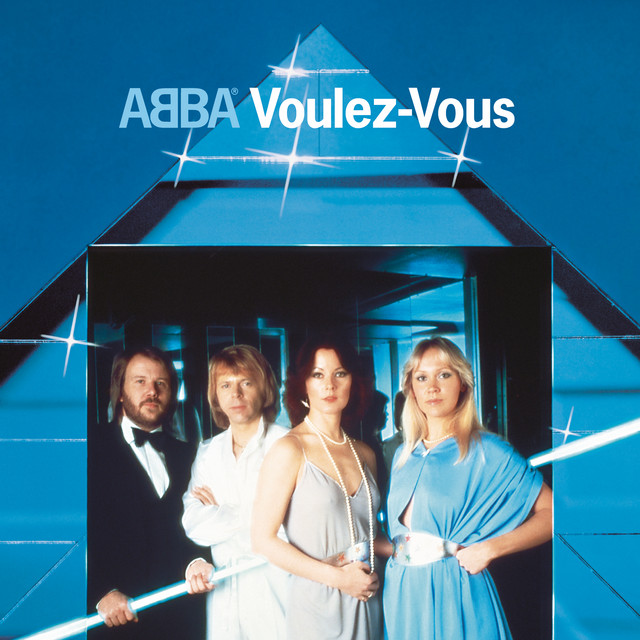
45 years ago today, ABBA released Voulez-Vous with 5 massive hits: "Chiquitita", "Does Your Mother Know", "I Have a Dream" and the double A-side "Voulez-Vous"/"Angeleyes"
81
19 Apr 2024
I just had a listen to the @orbitalband remastered Yellow album in full. Re-masters can go either way but this one is bang on. Fab work guys, sounds so good!
1
43
18 Apr 2024
Oh wow oh wow
18 Apr 2024

I used Midjourney v6 to create glass sculptures inspired by the effects of various substances. The results are extraordinary.
1. LSD

124
9 Apr 2024
Did I ever mention that I found myself producing Lithuania's official entry to the Eurovision Song Contest in 2014? Oh yeah, well that happened: sameersengupta.com/work/euro…
1
61
8 Apr 2024
Why does ProTools stop playback when inserting a plugin? So frustrating
58
4 Apr 2024
Bring it on.
4 Apr 2024

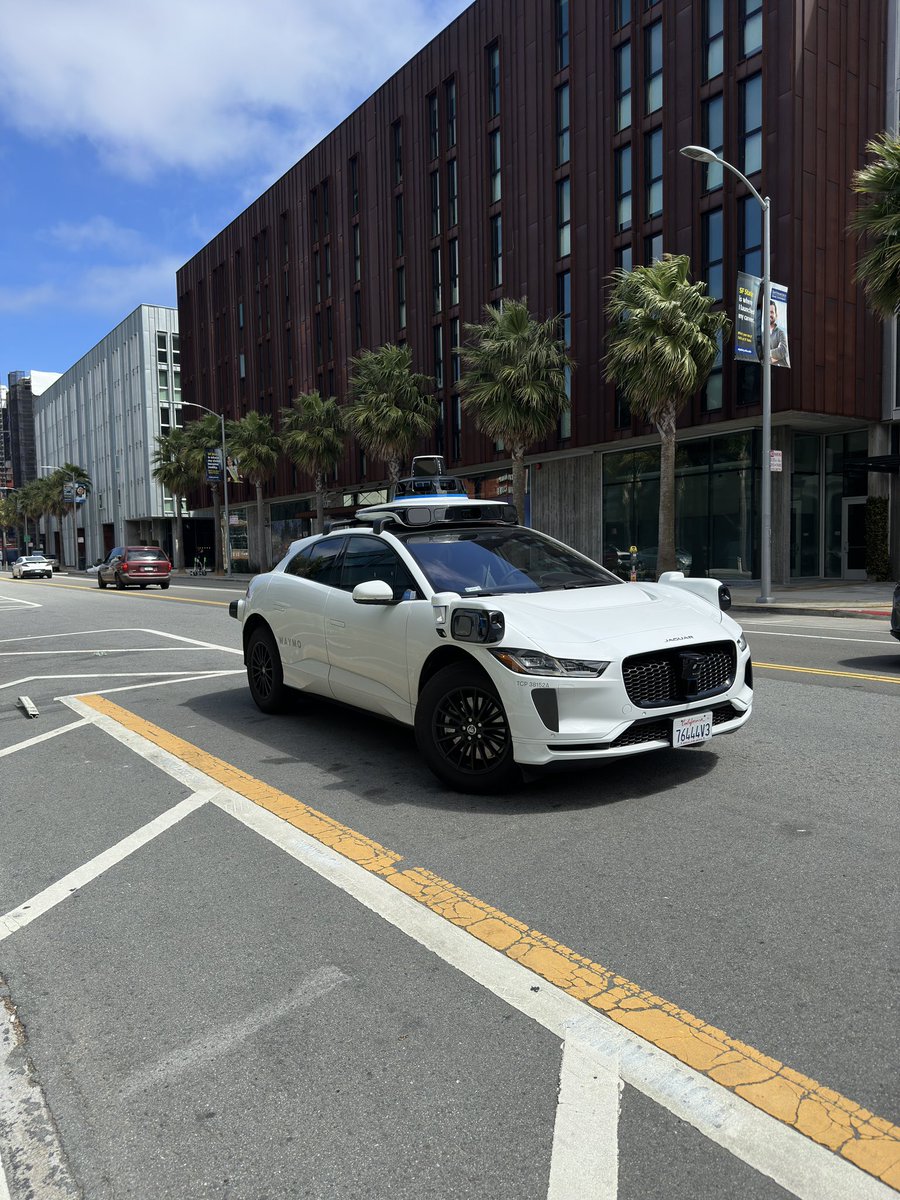
Uber is Dead, my reflections on Waymo
I’ve been in San Francisco for just over a week, during which I’ve taken 7 rides with Waymo, a similar number with Uber, and a few with FSD Teslas.
My journey to SFO via Uber was alarming—the driver veered out of the lane multiple times and nearly crashed on a ramp, seemingly vying for a one-star rating or to genuinely scare me.
Conversely, my experiences with Waymo were virtually flawless, if you don’t consider overly cautious driving a fault.
I experienced a minor hiccup when we got stuck behind parked cars because the vehicle thought they were queuing at a red light. It quickly resolved the confusion and moved on, which was rather amusing.
Waymo, and other Level 5 autonomous vehicles, are poised to revolutionize the movement of people and goods.
The most apt analogy I can think of is that Waymo is transforming the real world into an automated Amazon warehouse, with people as the goods and Waymo vehicles as the robots shuttling them around.
With the advent of personal transportation becoming incredibly affordable, sending anything from point A to point B using a self-driving electric vehicle will soon be within easy reach.
One of Waymo’s standout features is privacy. Riding in an Uber often means being subjected to the driver’s loud group chats on some app, making the journey neither quiet nor private.
In contrast, Waymo offers a fully private experience, allowing you to have confidential phone conversations or chat freely with fellow passengers without distraction.
Waymo also reimagines the concept of a car. Without the need for a driver, we can eliminate the front console, reduce weight, and remove the steering wheel.
This opens up possibilities for passenger seats to be reoriented, perhaps facing backwards, or for the vehicle to become a mobile living room. Tomorrow’s vehicle designs will differ drastically from today’s.
Destinations that are currently expensive and logistically complicated to reach via Taxi/Uber, often lying outside public transport routes, can be simplified to a single “Waymo” journey.
This could shift the current model of “Uber public transport Uber” to a more streamlined experience.
As more cars become self-driving, we could see a reduction in the amount of time cars are parked—from 99% of their lifetime to perhaps just 25%.
This not only improves unit economics but could also decrease the number of cars on the road.
This transition represents one of the most significant shifts for Generation X.
In conclusion, the future is autonomous, electric, and efficient. Uber, as we know it, is dead.
72
4 Apr 2024
A "live mix" is how we all made records back then! Can't believe how many times we'd have to do another pass till it was right.
musicradar.com/news/orbital-…
3
66