Soldier Son, Farmer, Atheist, Beardsome, Liberal, Leadership, Marketing, Politics, Husband and Father, MSDian, 9820270247
Joined May 2009
- Tweets 10,648
- Following 1,362
- Followers 634
- Likes 600
3,207 Photos and videos




Thorat writes with restraint, not self-display.
That discipline strengthens the record—but hides the emotional weight.
We see the officer clearly, but the man only partially.
1
2
Some soldiers fight wars. Others try to prevent them.
Thorat left his warning in writing before history proved it right.
The real question: do we ever learn to listen in time?
2
He could have become Army Chief.
He chose disagreement instead of compliance.
Leadership, in his case, was measured by what he refused to accept.
1
1
As someone from competitive sport, I’ve seen this silence before.
When a strategy fails, speaking up often costs more than staying quiet.
The scale changes. The dilemma does not.
1
1
The Forward Policy debate reveals the fracture clearly.
He opposed a militarily risky deployment plan.
And he knew what it would cost him.
1
1
Years before 1962, Thorat assessed the Chinese threat in detail.
His warnings were grounded, structured, and strategic.
But reassurance was preferred over reality.
1
1
The book moves through World War II, Independence, Partition,
Korean War, Indo-Pak conflict, and the lead-up to 1962.
History is not background here—it is the battlefield itself.
1
2
At its core lies a hard question:
What should a professional do when expertise clashes with political certainty?
Thorat’s answer was not convenient.
1
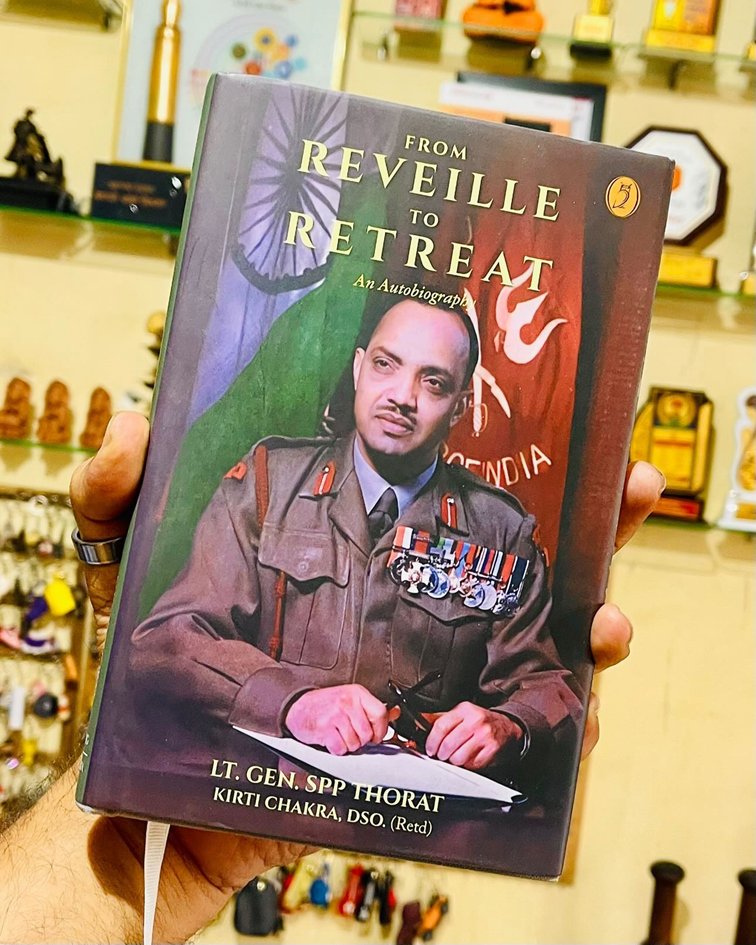
From Reveille to Retreat is Lt Gen SPP Thorat’s autobiography.
But it is not just a soldier’s life story.
It is the anatomy of conviction under pressure.
1
2
Most military defeats are analysed after they happen.
Maps are redrawn. Reports are written. Blame is assigned.
But rarely do we meet a man who saw it coming—and was ignored.
1
1
1
3
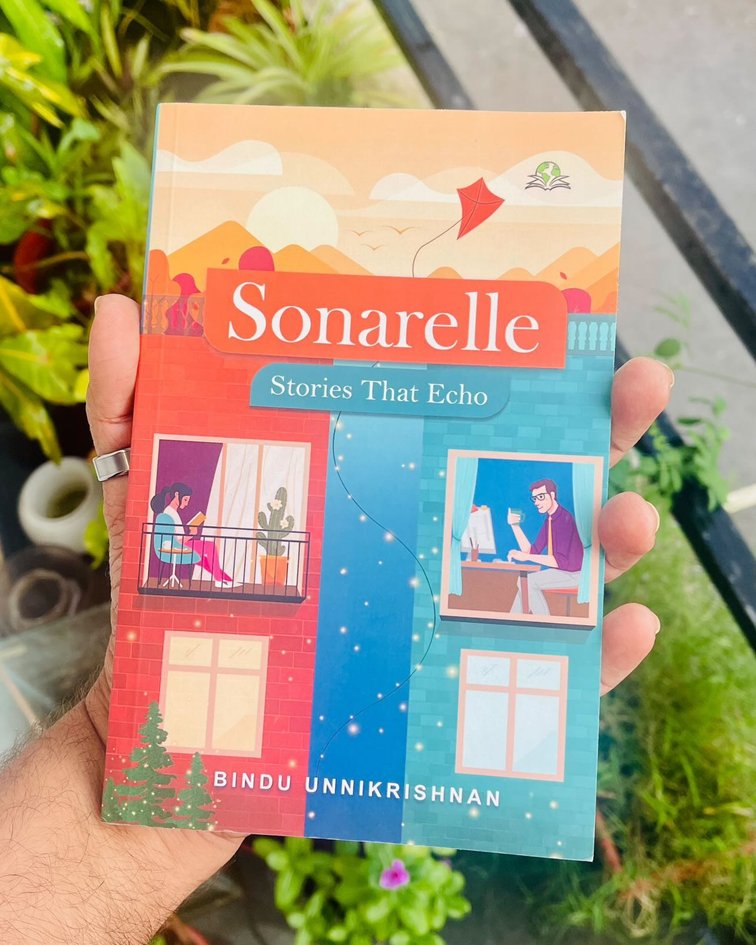
Most books try to impress you immediately.
The dangerous ones enter quietly and rearrange your emotional life days later.
Bindu Unnikrishnan’s Sonarelle belongs to the second category.
1
1
41
“Some stories do not entertain you. They recognise you.”
“Emotional survival often begins with finally feeling understood.”
That is the emotional core of Sonarelle.
1
7
Some books disappear the moment you finish them.
Sonarelle lingers like rain-smell before monsoon.
Soft. Persistent. Impossible to fully explain.
What book stayed with you long after the final page?
4