CEO of #Gosugamers / Co-founder of #officialdgpals #Teamflash_gg #cargostudioSG /Partner of #redd_plus_e
Joined July 2009
- Tweets 3,781
- Following 608
- Followers 914
- Likes 7,181
208 Photos and videos




Samson Oh retweeted

6 Apr 2025
The country is 100% behind the president on fixing a global system of tariffs that has disadvantaged the country. But, business is a confidence game and confidence depends on trust.
President @realDonaldTrump has elevated the tariff issue to the most important geopolitical issue in the world, and he has gotten everyone’s attention. So far, so good.
And yes, other nations have taken advantage of the U.S. by protecting their home industries at the expense of millions of our jobs and economic growth in our country.
But, by placing massive and disproportionate tariffs on our friends and our enemies alike and thereby launching a global economic war against the whole world at once, we are in the process of destroying confidence in our country as a trading partner, as a place to do business, and as a market to invest capital.
The president has an opportunity to call a 90-day time out, negotiate and resolve unfair asymmetric tariff deals, and induce trillions of dollars of new investment in our country.
If, on the other hand, on April 9th we launch economic nuclear war on every country in the world, business investment will grind to a halt, consumers will close their wallets and pocket books, and we will severely damage our reputation with the rest of the world that will take years and potentially decades to rehabilitate.
What CEO and what board of directors will be comfortable making large,
long-term, economic commitments in our country in the middle of an economic nuclear war?
I don’t know of one who will do so.
When markets crash, new investment stops, consumers stop spending money, and businesses have no choice but to curtail investment and fire workers.
And it is not just the big companies that will suffer. Small and medium size businesses and entrepreneurs will experience much greater pain. Almost no business can pass through an overnight massive increase in costs to their customers. And that’s true even if they have no debt, and, unfortunately, there is a massive amount of leverage in the system.
Business is a confidence game. The president is losing the confidence of business leaders around the globe. The consequences for our country and the millions of our citizens who have supported the president — in particular low-income consumers who are already under a huge amount of economic stress — are going to be severely negative. This is not what we voted for.
The President has an opportunity on Monday to call a time out and have the time to execute on fixing an unfair tariff system.
Alternatively, we are heading for a self-induced, economic nuclear winter, and we should start hunkering down.
May cooler heads prevail.
10,244
5,674
37,122
14,785,717
Samson Oh retweeted

6 Apr 2025
Otaku Think #4
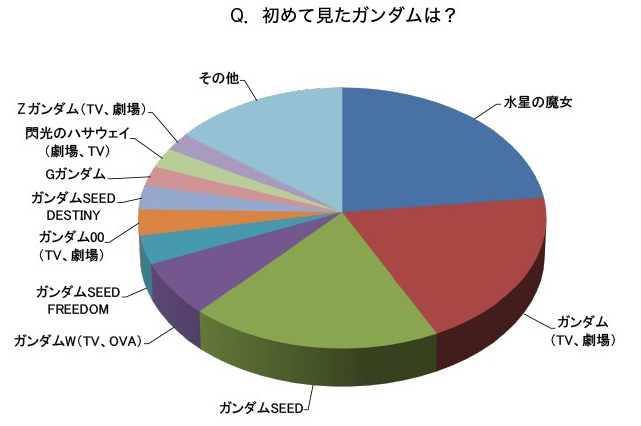
Gundam: The Witch from Mercury — A Bold Shift Done Right
When The Witch from Mercury first aired, it definitely caught many long-time Gundam fans off guard.
It featured a female-female central pairing instead of the franchise’s more traditional male-female dynamics,
layered social commentary disguised as school life,
and designs that were undeniably “Gundam,” yet somehow felt distinctly different.
Naturally, there was concern—was this still Gundam?
But the result? It was a massive success that brought in a wave of new fans.
I still remember how, during its run, everyone around me was talking about it.
Sometimes, bold risks are necessary.
But here’s the key—it wasn’t a shock-for-shock’s-sake kind of risk.
It was a sincere attempt to reflect modern sensibilities and new forms of storytelling.
And that’s why it worked.
The Witch from Mercury stayed true to the core of what makes Gundam—
themes of war, politics, and humanity—
while choosing to evolve the way those themes were delivered.
It didn’t dismantle the “traditional framework.”
It expanded it.
And that expansion paid off.
It brought in younger viewers who may have never touched a Gundam series before,
and even longtime fans found themselves saying, “Yes, this is still Gundam.”
In the end, that’s the real challenge for any long-running franchise:
Can you protect the core while still telling a story that speaks to today?
Stick only to the past, and you become a relic.
Chase only the future, and you risk losing your soul.
The Witch from Mercury found that balance—beautifully.
And its success now stands as a clear message for other franchises to follow:
Change isn’t betrayal—when it’s done with purpose.

2
3
519
Samson Oh retweeted

31 Dec 2024
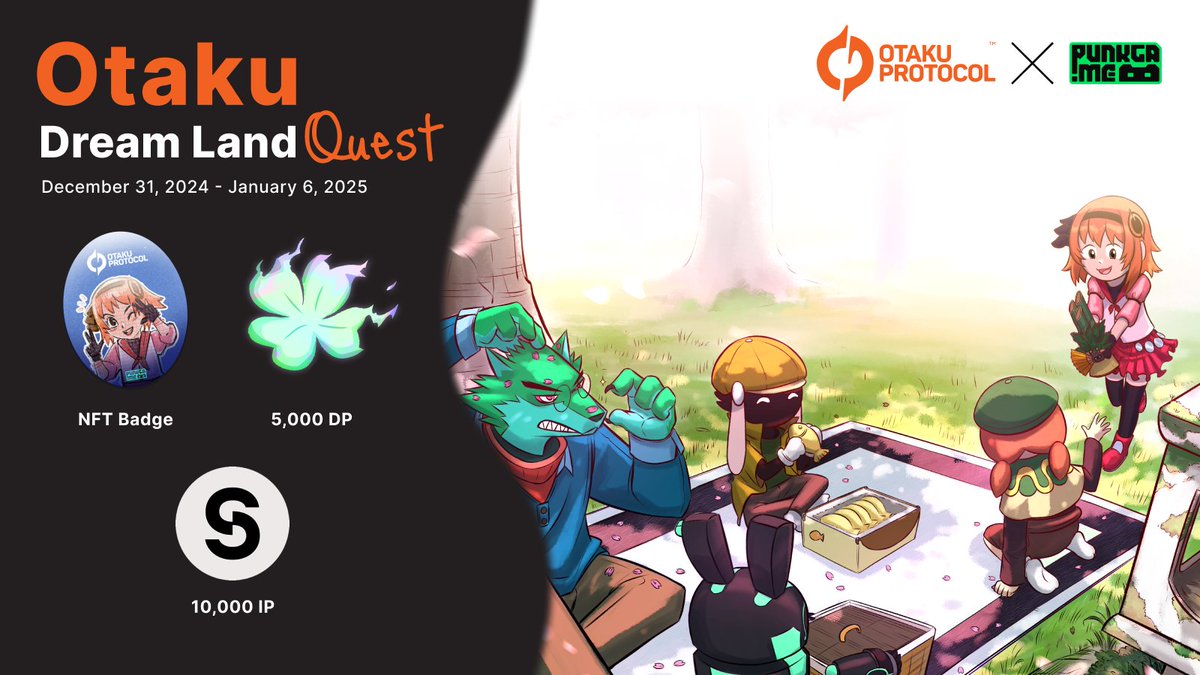
Punktober x Otaku Protocol: Otaku Dream Land Quest
Dive into thrilling quests with @Otaku_Protocol as part of the Punktober series and collect tons of exciting rewards!
📍 Join now: app.punkga.me/campaigns/otak…
⏰ Duration: December 31, 2024 - January 6, 2025
🎁 Rewards Awaiting You:
✅ NFT Badge for completing the final quest.
✅ Raffle Prizes:
- 10,000 IP distributed among 100 random winners.
- 5,000 DP distributed among 100 random winners.
Don't miss out, join now to grab these juicy rewards!
12
479
334
5,944
Samson Oh retweeted
9 Dec 2024
Konnichiwa, fellow nakama! (ノ◕ヮ◕)ノ*:・゚✧
こんにちは、みんな! (ノ◕ヮ◕)ノ*:・゚✧
We are excited to announce our collaboration and partnership with @PunkgaMeManga
めっちゃワクワクなお知らせがあります!
なんと、PunkgaMeとのコラボ&パートナーシップが決定しました

1
4
8
815
Samson Oh retweeted
6 Dec 2024
PunkgaMe is thrilled to announce our partnership with @Otaku_Protocol, the onchain IP-tailored platform empowering creators and connecting Otakus worldwide!
Together, we're building a stronger manga ecosystem and nurturing programmable ꧁IP꧂ for creators and fans alike!
5
13
26
2,449
Samson Oh retweeted
29 Nov 2024
and btw Elon has good taste
そしてイーロンマスクさんは良い趣味を持っていますよね。
1
1
1
236
Samson Oh retweeted
29 Nov 2024
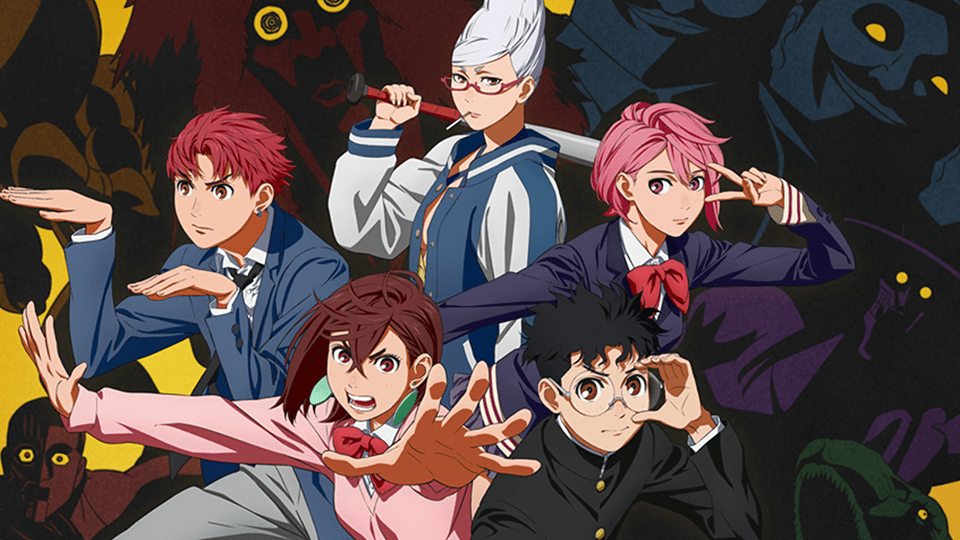
We are Otaku Protocol.
私たちはOtaku Protocolです。
Empowering All Otakus around the world
世界のすべてのオタクに力を!
2
1
1
206
Samson Oh retweeted

15 Sep 2024
39
1,225
5,354
343,798
Samson Oh retweeted
6 Sep 2024
3
16
144
10,851
Samson Oh retweeted
4 Sep 2024
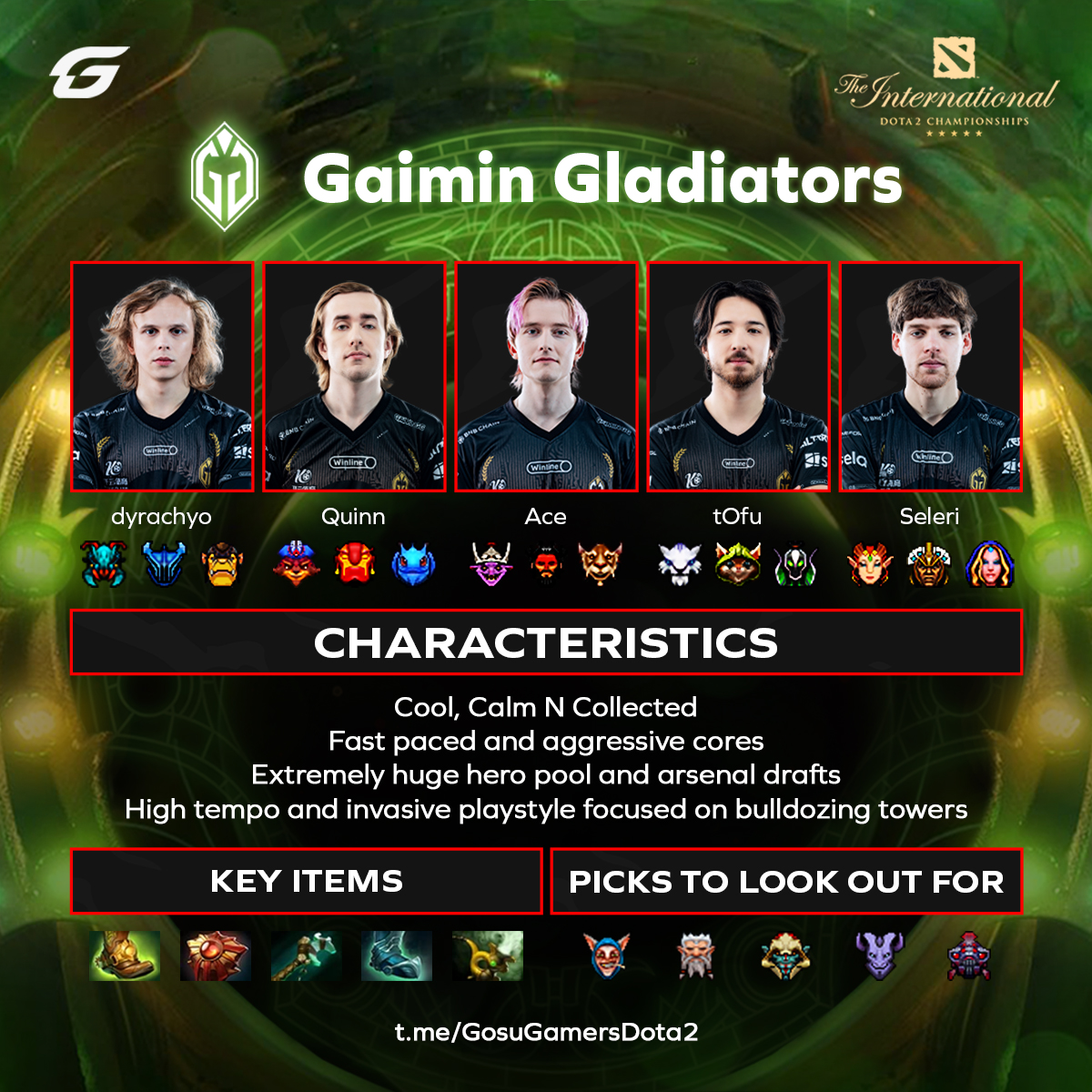
Now let's talk about none other than @GaiminGladiator.
The team focuses on a high-tempo, invasive playstyle focused on bulldozing towers. They have an extremely huge hero pool and arsenal of drafts, with fast-paced and aggressive cores.
#Dota2 #TI13
4
15
78
5,166

Samson Oh retweeted

21 Aug 2024
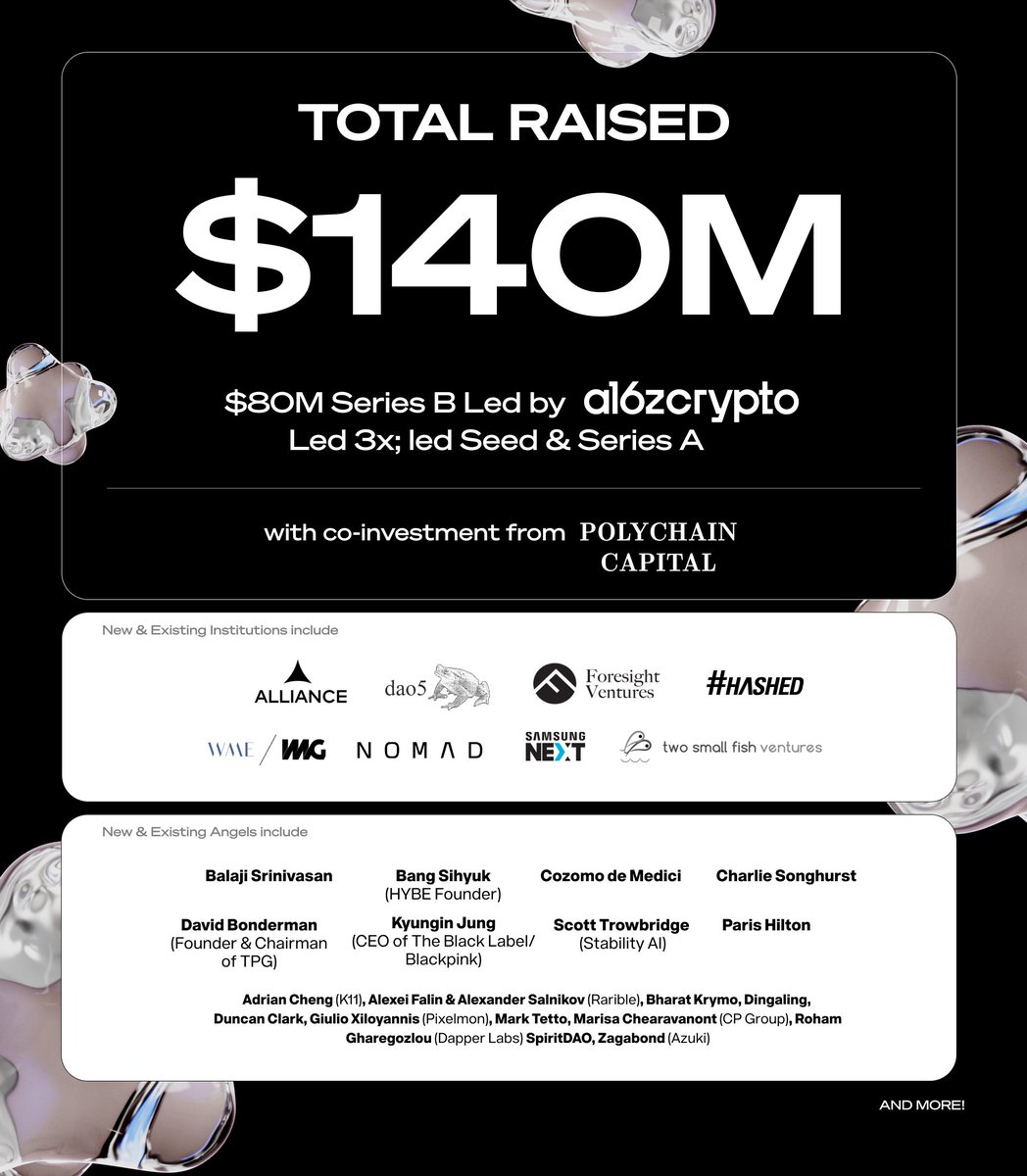
1/ Announcing $140M in total fundraising to build Story, the World’s IP Blockchain.
633
1,319
4,212
2,503,378

Congrats @StoryProtocol team! Can’t wait to work with you guys
9 Jul 2024

Introducing Story Network, the World's IP Blockchain.
Story L1 enshrines the Proof of Creativity protocol, tokenizing a multi-trillion dollar asset class into Programmable IP legos
In the era of AI-powered creativity, Story is powering an IP legoland👇
2
4
228
Samson Oh retweeted
16 Jun 2024
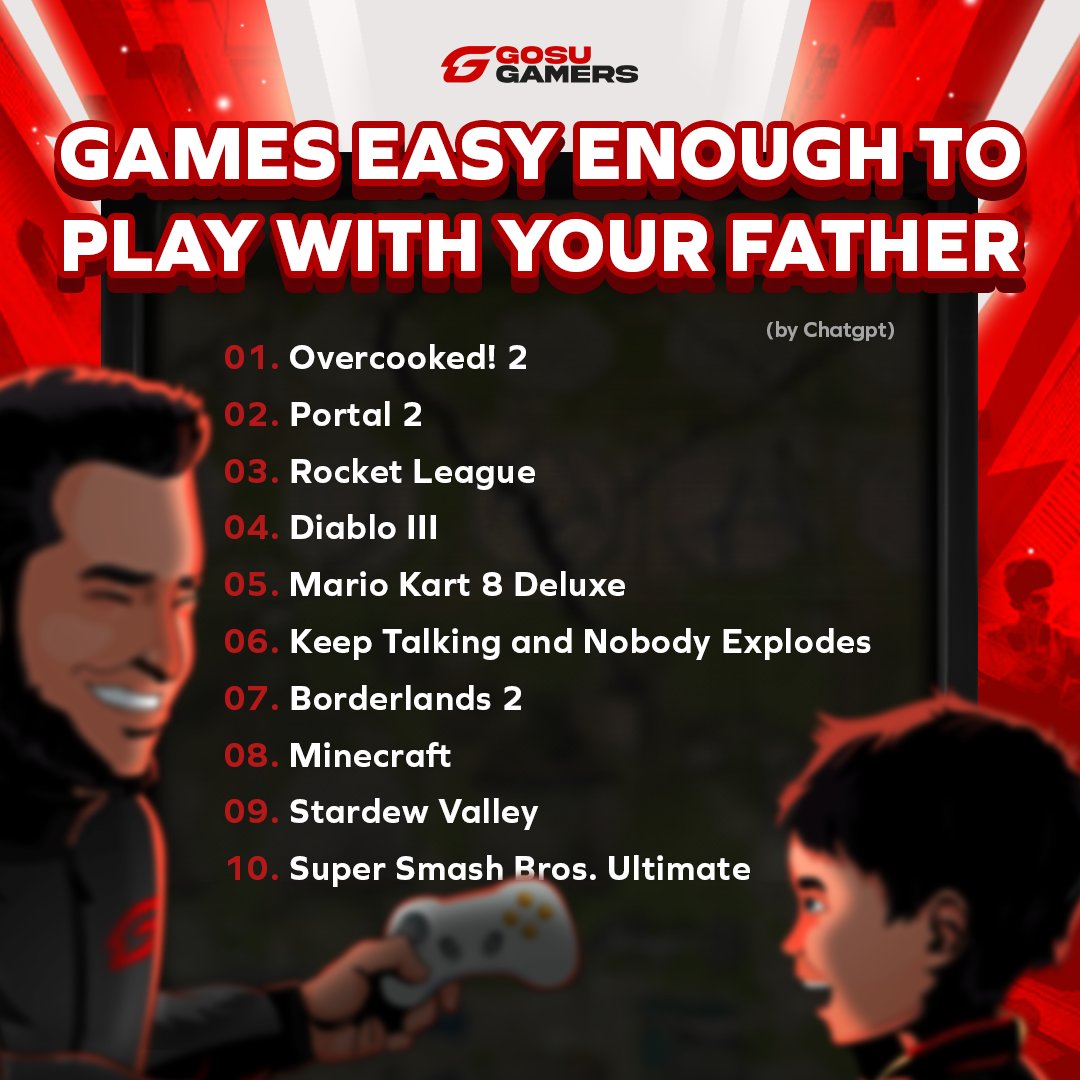
Here's a list of games you can enjoy playing with your dad according to @ChatGPTapp! You're welcome. 😉
#GosuGamers
1
2
765
Samson Oh retweeted
10 Jun 2024
🌟Exciting News!🌟
We’re thrilled to announce the launch of our official Dota 2 Telegram channel, your one-stop hub for all things Dota 2! 🔥
Be the first to get match updates, real-time news, stats, and exclusive content right on your phone! 📲
Don’t miss out – join us today! Link down in the comments
#GosuGamers #Dota2 #Telegram
2
3
24
8,506
Samson Oh retweeted

14 Apr 2024
Curiosity and ambition will ensure they do, unless misgovernment gets in the way. That's the lesson from history at any rate.
31
45
1,234
117,425
Samson Oh retweeted
26 Feb 2024
MinD_ContRoL explains the reason for his sudden departure from Tundra Esports.
#Dota2 Clip credits to Twitch/gorgc
36
208
1,199
140,677