
Monitoring and narrative intelligence for the people protecting brands, nations, and public trust. All posts are assessments of The Disinformation Commission.
Joined January 2009
- Tweets 16,957
- Following 10,856
- Followers 25,069
- Likes 7,725
184 Photos and videos
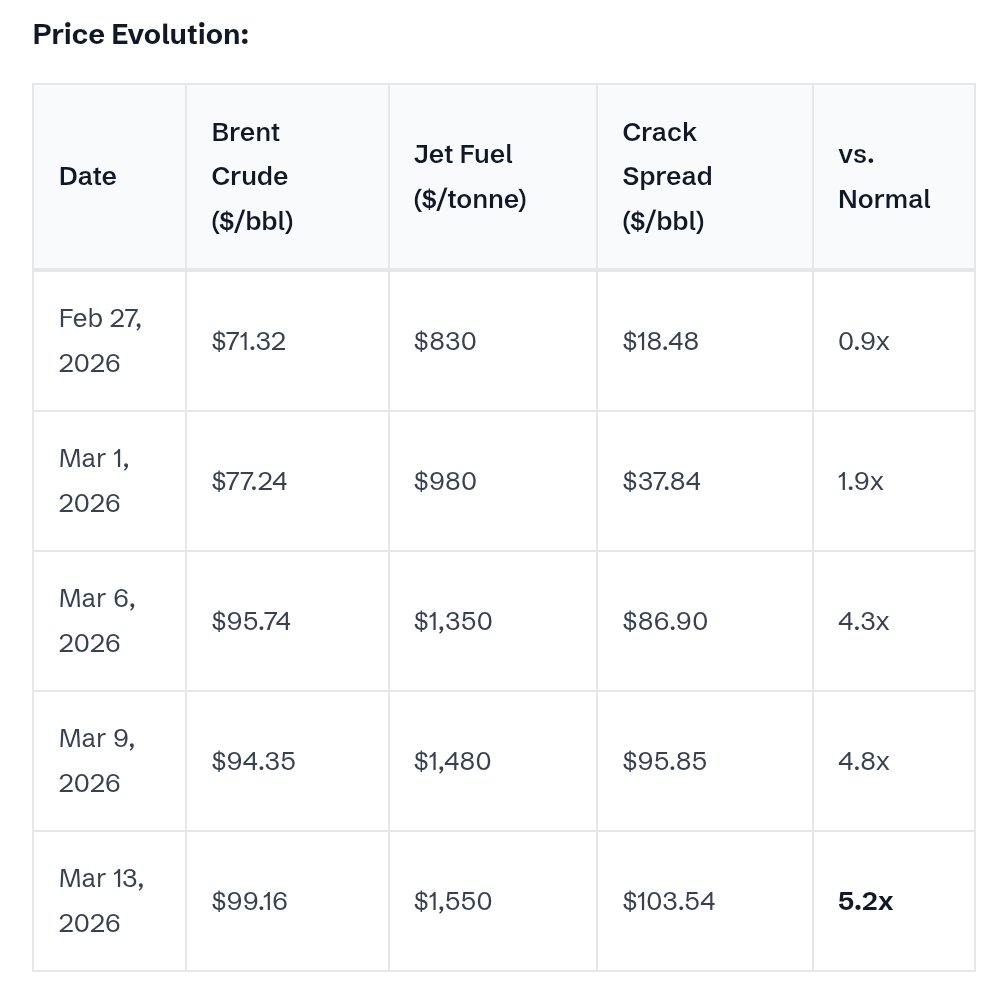
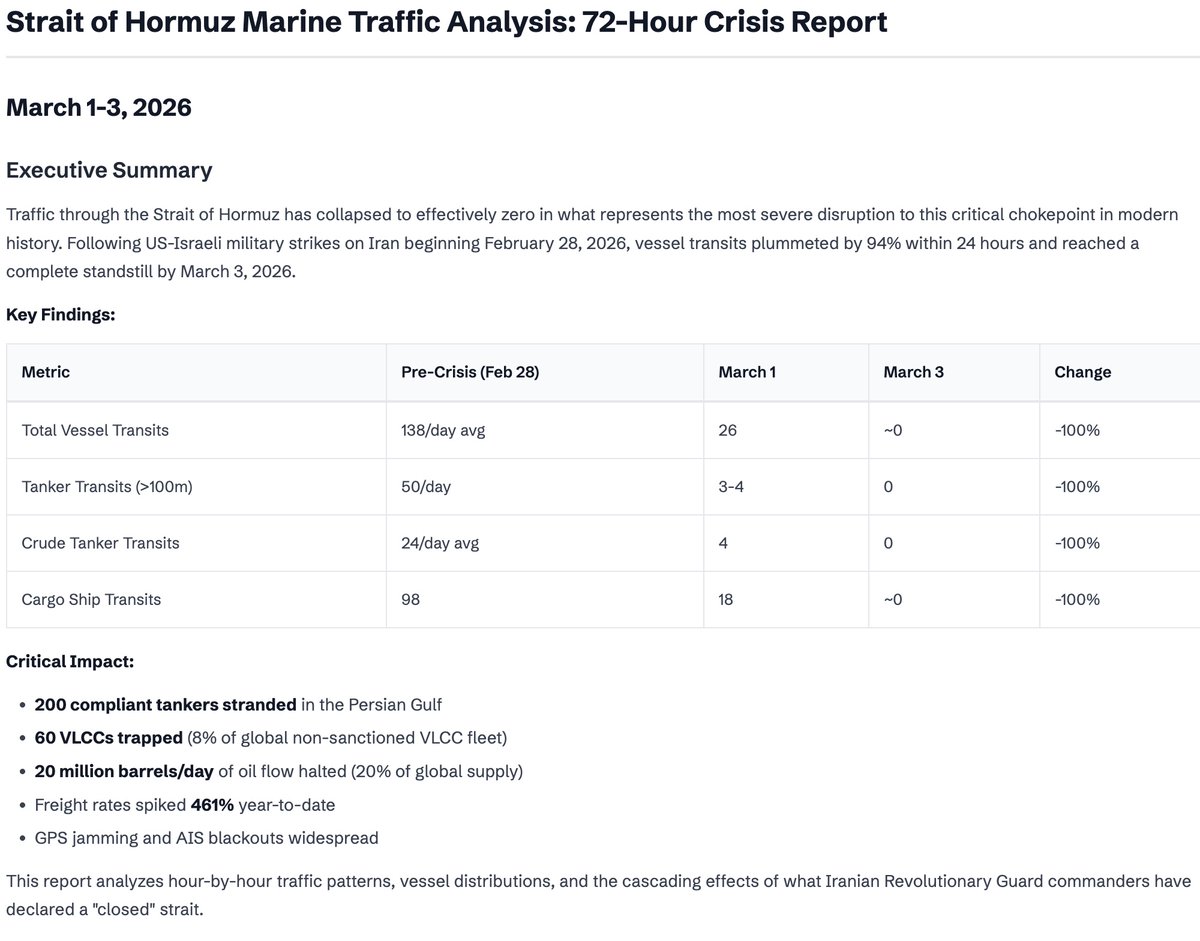






This week's top narratives we tracked across the monitoring network
Five operations
Three regions
One recurring infrastructure pattern
Here's the summary:
1
1
Operations 4 & 5 — Smaller-scale domestic campaigns in two separate countries
Both using astroturfing to manufacture the appearance of grassroots opposition to policy decisions
Both traceable to identifiable coordination signals
Neither currently covered in mainstream reporting
1
1
Full technical breakdowns for all five operations are published at DisinformationCommission.com
If you're monitoring any of these narratives in your region, we want to hear from you
What are you seeing on the ground?
2
Disinformation doesn't require a majority to be effective
It requires enough ambient doubt to make consensus feel impossible
That's a much lower threshold
And it's achievable at a fraction of the cost people assume
4
When a platform says it "takes disinformation seriously," ask one question
What is the ratio of trust and safety staff to active users?
That number tells you more than any policy document
2
93
Today's global disinformation score is 14/100, remaining Credible. The UK was the hottest region for narrative intelligence reporting. Our daily analysis helps you cut through the noise. disinformationcommission.com…
1
82
The Times headline 'How Sudanese migrants ‘faced supremely easy’ path to asylum' uses loaded language typical of its immigration coverage. While details are verified, the framing aims to provoke.
44

Jun 13
Which disinformation technique do you think is most consistently underestimated by the institutions responsible for countering it?
Not by the public — by the professionals
Researchers, journalists, policy people — we want your honest read
35
Jun 13
The most sophisticated influence operations don't look like influence operations
They look like grassroots movements
That's not an accident
It's the design specification
29
Jun 12
Before you engage with a claim about a breaking event, check one thing first
Who is the earliest identifiable source
Not who's sharing it now
Who put it into the information environment, and when
That single check eliminates more noise than any other
1
1
1
58
Jun 12
Why information warfare doesn't end when the conflict does
The narratives seeded during a crisis have a longer operational life than the crisis itself
Here's the mechanism:
1
24
Jun 12
Documented examples include narratives seeded during the 2014 Ukraine conflict that were reactivated in 2022
Health disinformation seeded in 2020 that resurfaced in modified form during subsequent outbreaks
The shelf life of a well-constructed false narrative is measured in years, not news cycles
1
15
Jun 12
This is why the archive matters as much as the live monitoring
We maintain both
Full longitudinal dataset at DisinformationCommission.com
15
Jun 12
Platforms are not passive infrastructure that disinformation happens to flow through
Every recommendation algorithm, every amplification decision, every moderation threshold is a design choice
Neutrality is not an option
It is a position that has already been taken
14