
Entrepreneur, business executive, and public speaker.
Joined June 2010
- Tweets 320
- Following 1
- Followers 6,838
- Likes 685
88 Photos and videos






Jun 12
Most founders say they want engagement.
Very few can tell you which kind.
When I sit with early-stage teams and ask what keeps people coming back, the answer is almost always a feature list. The notification system. The streak counter. The social feed.
But features are delivery mechanisms.
The question underneath is: what are you delivering?
You can think of it as three different loops, and they are not interchangeable.
Dopamine is reward anticipation. The scroll, the notification badge, the variable reward. Slot machines and social feeds run on this. It drives frequency, but not necessarily loyalty.
Adrenaline is urgency and stakes. Live bidding, competitive gaming, countdown timers. It drives intensity, but burns out fast without recovery.
Oxytocin is trust and belonging. Group identity, shared rituals, reciprocity. It can support retention, referrals, and willingness to pay, but it takes time to build and cannot be faked.
Most products that struggle with retention are running a dopamine loop and wondering why users leave after three weeks.
The loop works.
It is just the wrong loop for what they are trying to build.
Here is the practical test: if you turned off all notifications and removed all variable rewards, would anyone still open the app?
If the answer is no, you may have built a dopamine delivery system, not a durable product.
That is not always wrong. Some businesses are built entirely on dopamine and they work.
But the business model, the pricing, the retention curve, and the defensibility all follow from the loop you chose.
Most teams discover that after they have built, not before.
The strongest products I have seen are the ones where the founder could name the loop on day one.
They were not designing for engagement.
They were designing for a feeling.
22
Jun 10
The most defensible thing in your company is probably the part you are slightly embarrassed to say out loud.
Most founders start with the clean version. A market gap. A tidy thesis. Something that sounds fundable in a sentence and does not require them to reveal anything.
It works for a while. It gets meetings. It gets nods. Then it stops feeling load-bearing, and they cannot quite explain why.
Here is what I keep seeing: the companies that last are rarely built from the neatest gap. They are built from a problem the founder actually lived.
That is what makes the work hard to copy.
A competitor can read your market. They cannot borrow your scar.
I have built an identity on a performative version of myself before, and watched it outperform the truth until the performance started making the decisions. The work that has held up since has usually come from the problems I needed solved and could not outsource, buy, or perform my way around.
That is not always the story you put in the deck.
But it is often the only genuinely proprietary thing in the building.
The clean version gets funded. The true version is what keeps you building after the clean version stops working.
30
Jun 9
The most expensive agreements I've been part of were the ones that never got signed.
Not because anyone acted in bad faith. Because everyone assumed the relationship would stay the same.
Here is the pattern. Two people build something together. The terms are discussed over dinner, agreed with a handshake, and never written down. It feels right. Writing it down would feel transactional. Like you don't trust each other.
So you don't.
Then circumstances change. One person's contribution shifts. A third party enters. The market moves. Someone needs to exit. And now you're reconstructing a conversation from 18 months ago, and you remember it differently.
This is not a trust failure. It is a structural one.
The handshake was real. The problem is that handshakes don't have version control.
I've seen this across founding teams, advisory arrangements, joint ventures, and investor relationships. The common thread: the moment it mattered most was the moment there was nothing to point to.
Paper it while the relationship is warm. The conversation is easy when everyone is aligned. It becomes almost impossible once someone feels wronged.
Specificity protects the relationship. "We'll figure it out later" is not a plan. It is a deferred conflict.
Writing down what happens if one person leaves, if priorities change, or if the economics shift is not pessimism. It is care.
The person who suggests formalizing the agreement is not undermining the relationship. They are protecting it.
If you're sitting on a verbal commitment right now, whether it is equity, revenue share, a role promise, or an advisory arrangement, ask yourself:
If this relationship changed tomorrow, what would I point to?
If the answer is "a conversation I half remember," that's your signal.
2
47
May 29
The people who open the most doors have usually never figured out who holds one for them.
You know the type. They make introductions without being asked. They mentor strangers. They hold the door for dozens of people they'll never hear from again. The generosity is completely genuine.
But somewhere in the design, reciprocation got left out.
It isn't naivety. Asking would feel like breaking a contract they never consciously wrote. The reflex to give got rewarded, over and over, until it started running on its own.
Here's the leak. Gratitude never pushes back, so the pattern keeps rewarding the grateful. The people getting the free version are often exactly the ones who should be paying for it.
It isn't really a discipline problem. Watch closely and you'll see the pattern: when someone pushes, structure appears. When someone is grateful, the gift stays a gift.
Pressure gets structure. Gratitude gets a gift.
The fix isn't to be less generous. It's to design relationships where the door gets held for you too. Not by taking, but by building reciprocity in early, before gratitude makes it feel wrong to ask.
If this is you, you don't have a giving problem. You have a design problem.
1
1
69
May 28
Most leaders think they have a number two. What they actually have is a front.
A front represents you. They speak for you, carry your message into rooms you can't be in, and put a trusted face on the work. That is valuable.
But a front amplifies your reach without reducing your load.
A real number two does the opposite. They take work off your desk. They own outcomes you no longer have to think about.
The confusion is easy to make because both feel like leverage. Someone visible, trusted, carrying your name: it looks like delegation.
But amplification and offloading are not the same thing.
If every decision still routes back through you, you don't have a number two.
You have a very good front.
Here is the test: after a week working closely with this person, is your desk lighter, or just your visibility higher?
If the work still lands on you, you solved for reach when your actual problem was load.
I've watched capable operators collect fronts for years and wonder why they're still exhausted. The honest answer is uncomfortable. They hired for amplification because it's flattering, when what they needed was someone to carry the weight.
A front extends you. A number two frees you.
Work out which one you're actually short of before you go looking.
37
May 27
Two words that changed how I make decisions: "Wanna bet?"
Not literally. But the question works.
Most of us walk around with opinions we treat as facts. We're sure about a hire. We know the market is moving a certain way. We're confident the deal will close.
Then someone asks: how much would you actually bet on that?
And the certainty evaporates.
You realize you're maybe 60% sure, not 95%. That gap between how certain you feel and how confident you really are is where a lot of bad decisions live.
@AnnieDuke calls this belief calibration. The moment you imagine putting real stakes behind a belief, your brain switches from selling mode to accuracy mode. You stop defending the position and start evaluating it.
I've started doing this quietly before every major decision. Not "am I right?" but "what odds would I give myself?"
The answer is usually humbling.
31
May 26
Your website has two visitors now. One of them has eyes. The other doesn't.
For three decades, we've been optimizing every little detail. The hero image, the call to action, the flow from the landing page to checkout. All of it built around what a human sees and feels.
Now a second visitor is showing up in growing numbers, and it has no eyes at all. It's an AI agent. It doesn't care how cool your site looks. It cares whether your site is legible and structured.
That quietly changes the brief.
For years we've built websites that make people want to visit. Now we build a presence that humans can trust and machines can understand.
This is already changing how choices get made. Last week I was looking for a new car. I didn't trawl marketplaces. I gave an agent my criteria, and it came back with a shortlist of three. The pre-qualification now happens through agents. The human only makes the final call.
The mistake is treating this like a conflict. If agents do more of the choosing, why even bother with beautiful design?
Because humans and agents need different things, and both still matter.
Humans need beauty, story, and trust, especially now that anyone can generate a polished site in minutes. Agents need structural clarity, which might be the most underrated word in our industry.
So design stops meaning only what a human sees. It also starts to mean what a system can understand.
Build websites for humans. Make them readable by machines.
51
May 25
The smarter your advisory board, the worse your decisions might get.
Not because of the people. Because of the design.
Most advisory groups are built for social harmony. The founder presents a plan. The room nods. Someone pushes back gently, if at all. The pull is always toward agreement, because disagreement carries social cost and nobody wants to be the difficult one.
The result: you walk out feeling validated, not calibrated.
IARPA’s Good Judgment Project found that some of the best forecasting results came not from better access, but from better structure. The strongest teams were not organized around consensus. They were organized around accuracy. Someone had to argue the other side. People were rewarded for updating their views. Truth mattered more than cohesion.
That is the part most founders miss. They do not design conversations for truthseeking. They design them for comfort.
If you leave every advisory meeting feeling good about your direction, that does not necessarily mean the direction is right.
It may be a sign the room is too polite to tell you otherwise.
65
May 22
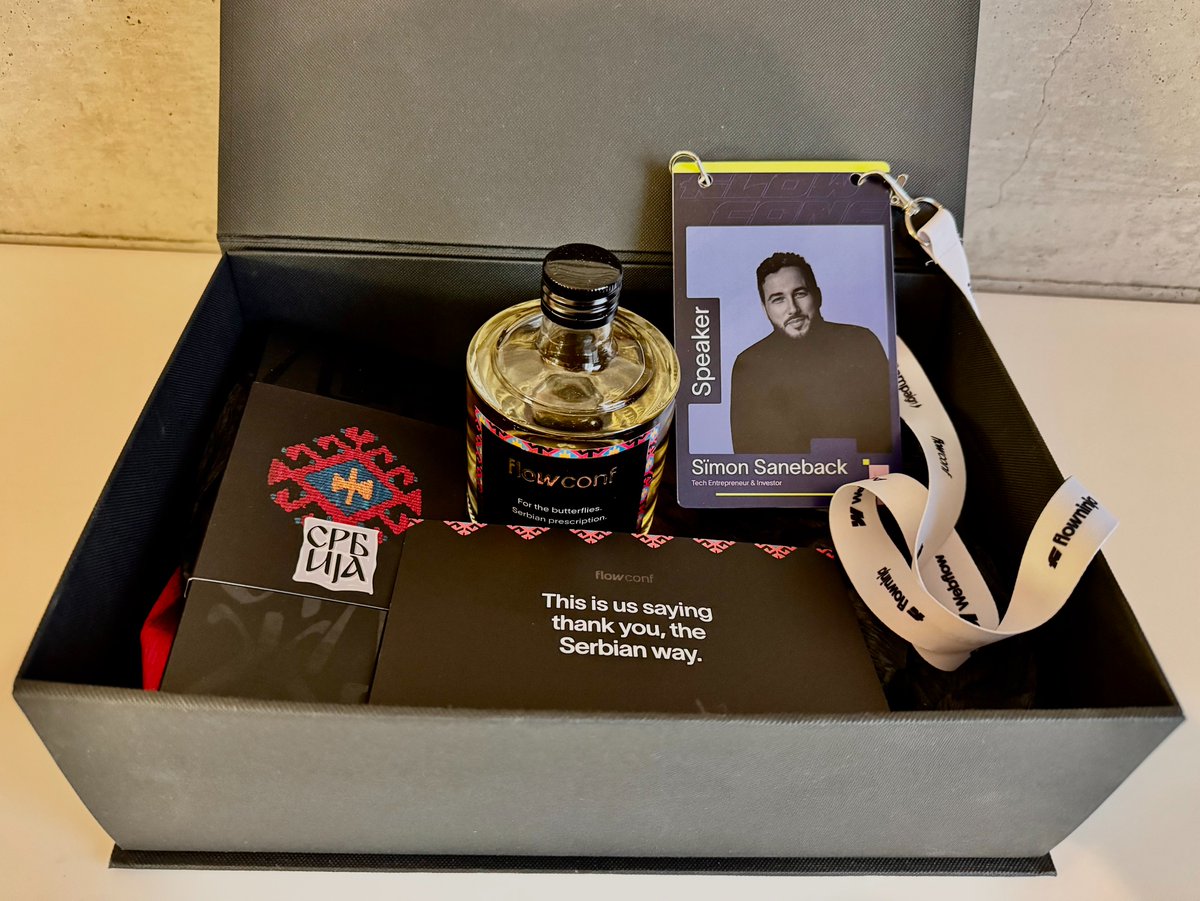
Every time I come back to Serbia, the signal gets stronger.
Last year I spoke in Niš. Last night, I gave the closing keynote at FlowConf in Belgrade. Each visit leaves me with the same conclusion: the Balkans are producing technical talent that much of Europe is still underestimating.
At #FlowConf, I met designers, engineers, and developers who would hold their own in any room in Stockholm or London. Some of them were under 18.
What stands out isn't just the skill. It's the hunger. These are people who want to learn, want to build, and aren't waiting for anyone's permission to start.
A few things you don't hear enough in mainstream European tech conversations:
• The Balkans have real technical education pipelines. English fluency is near-universal among the younger generation. And the gender balance across design, development, and engineering is better than what I've seen in many other European nations.
• This region isn't catching up. It's building something different. Lower operating costs, proximity to major European markets, and a generation that treats constraints as fuel rather than excuses.
When I think about where the next wave of technical talent will come from, I keep coming back to the same places most investors and tech leaders still overlook. Serbia. The wider Balkans. Central and Eastern Europe, along with Central Asia.
The talent is already here. The question is whether the rest of the industry will notice in time.
1
2
112
May 19
Most AI startups I see are building solutions in search of a problem.
They start with the technology ("we use GPT to do X") and go looking for someone who needs it. That's backwards. The ones that survive start with a real pain point and then use whatever technology solves it best.
After looking at a lot of AI startups, I keep coming back to the same three questions.
First: if the underlying model got dramatically better tomorrow, would your product become stronger, or obsolete?
Second: do you have a data advantage that compounds over time, something a competitor can't copy by plugging into the same model?
Third: would your customers notice if you disappeared?
If a founder can't answer yes to at least two of those, the company is probably a feature, not a business.
And features get absorbed by platforms.
That's the difference between hype and durability. Hype is a wrapper around someone else's technology. Durability is a product with its own gravitational pull: proprietary data, deep customer relationships, or a workflow that becomes hard to unwind.
Everything else is noise with a landing page.
39
May 14
Last Sunday, I showed a friend what I've been building. We'd just finished training, sat down for sushi, and I pulled out my laptop.
Within two minutes he said, "So it's like having your own kitchen instead of eating out."
Exactly.
Most AI tools work like restaurants. You walk in, order, get something decent, and leave. The restaurant keeps the recipes, the ingredients, and the memory of what you like. If it shuts down, you start over somewhere else.
An AI second brain is the opposite. You own the kitchen. Your notes, contacts, ideas, and files live locally on your machine. The AI is just the chef. It walks in, cooks with what you have, and leaves.
If the chef quits, you hire another one. The kitchen stays.
The default relationship most people have with AI right now is dependency. You pour everything into someone else's system and hope they don't change the pricing, the model, or the terms.
The alternative is ownership. Your knowledge lives on your computer in plain text files. The AI reads them, connects them, and helps you think. But it never takes them with it.
A friend set his up this week. Within 48 hours, he had found uses I never planned for.
That's the thing about owning the kitchen: you start cooking things nobody expected.
1
52
May 13
Applications close May 30.
For years, tech diplomacy has been one of those fields everyone talks about and almost nobody gets trained for properly.
That gap is no longer acceptable.
So we built the Tech Diplomacy Global Executive Program™.
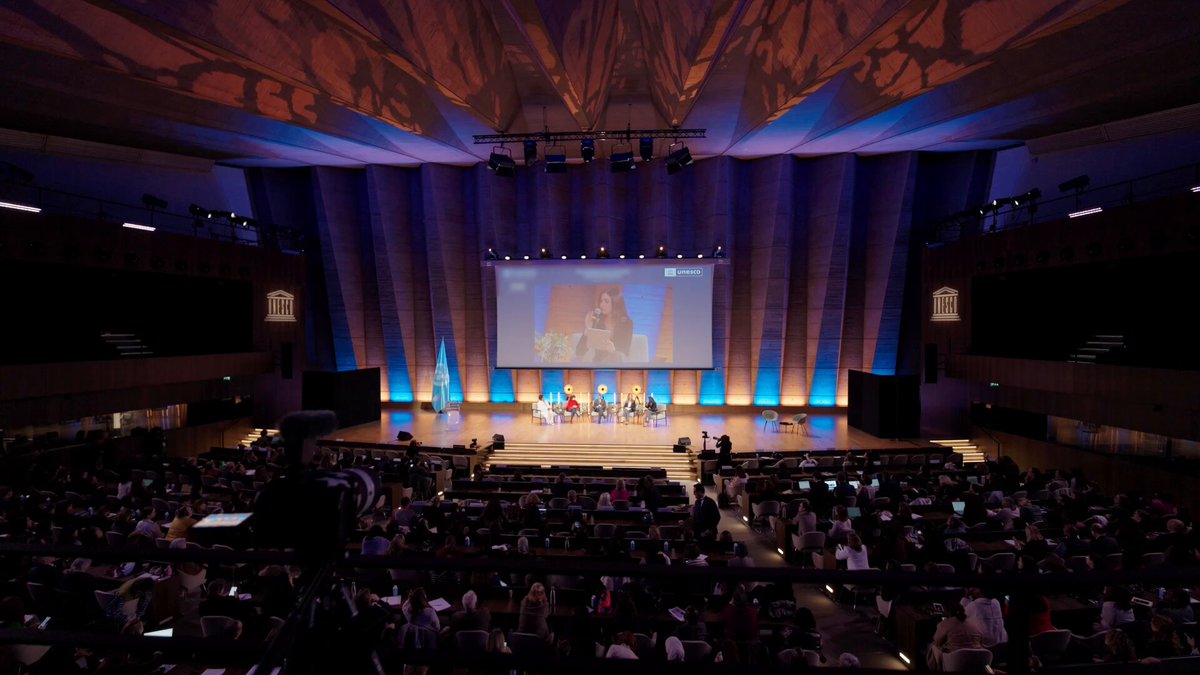
It starts June 29 in Paris. Six months. Two immersive weeks. Four online modules. A practice-based program with capstone project designed for immediate use.
The opening week includes participation at the Tech Diplomacy Global Forum at UNESCO.
Faculty and contributors associated with IMD Lausanne, Cambridge, Oxford, Stanford, INSEAD, and the Mandela School of Public Governance.
Interviews are already underway.
The people who can speak both languages, diplomacy and technology, will not just comment on the future. They will shape it.
1
39
May 12
The founders who obsess over their Series A metrics often build companies shaped like pitch decks.
The founders who obsess over the problem are more likely to build companies that actually work.
This is a pattern, not a romantic idea.
Economist John Kay called it obliquity: complex outcomes are best achieved indirectly. When you make the outcome itself the goal, you often lose the thing that produced it.
Boeing is a good example. They didn't lose their edge because they forgot how to make planes. They lost it when financial engineering started crowding out engineering excellence. Quality degraded first. Then the money followed quality out the door.
Startups do the same thing. The more directly they chase fundraising, optics, and momentum, the more likely they are to build something optimized for the story rather than substance.
The most durable companies I've come across were not optimized for exit. They were optimized for usefulness. The founder couldn't stop thinking about the problem, started building, and the business model showed up later because the thing was genuinely good.
The exit was never the point.
31
May 11
Boten Anna turned 20 today.
If you grew up in Scandinavia, you know the song. I ended up naming a robot after it.
In 2021, in the middle of the pandemic, I co-founded a Danish robotics company called AnnaOne with a group of friends. The robot was called Anna, partly after the Basshunter song about a chatbot, partly because "anna" means "I" in Arabic, and partly because of an internal joke about Will Smith's movie.
Anna was a human-trained household robot. It could vacuum, load the dishwasher, fold laundry, and clean the toilet. We had engineers in Eastern Europe building the prototype, a manufacturing partner lined up, our demo going viral on YouTube and TikTok, and $2 million on the table from a serious investor.
Then, in February 2022, the war erupted.
Our entire R&D team got drafted. The prototype got stuck in customs for six months because it looked like a detonating device being smuggled out of a war zone. We tried to restart. We couldn't. The investment disappeared. We lost our money, our time, and two years of work.
A year later, Netflix reached out. They wanted to license our footage for a Jennifer Lopez film. Even dead, the concept was cool enough for them.
This was a textbook Valley of Death. The idea wasn't bad. People cared. But an external shock hit a fragile company that didn't have the resources to absorb it.
The startup world loves to celebrate raises, valuations, and visible momentum. It says much less about the graveyard full of serious people building serious things that never got the chance to survive.
Most startups fail quietly.
This is one of mine.
1
4
288
May 6
If you're not at the table when digital policy gets decided, you're still expected to implement it.
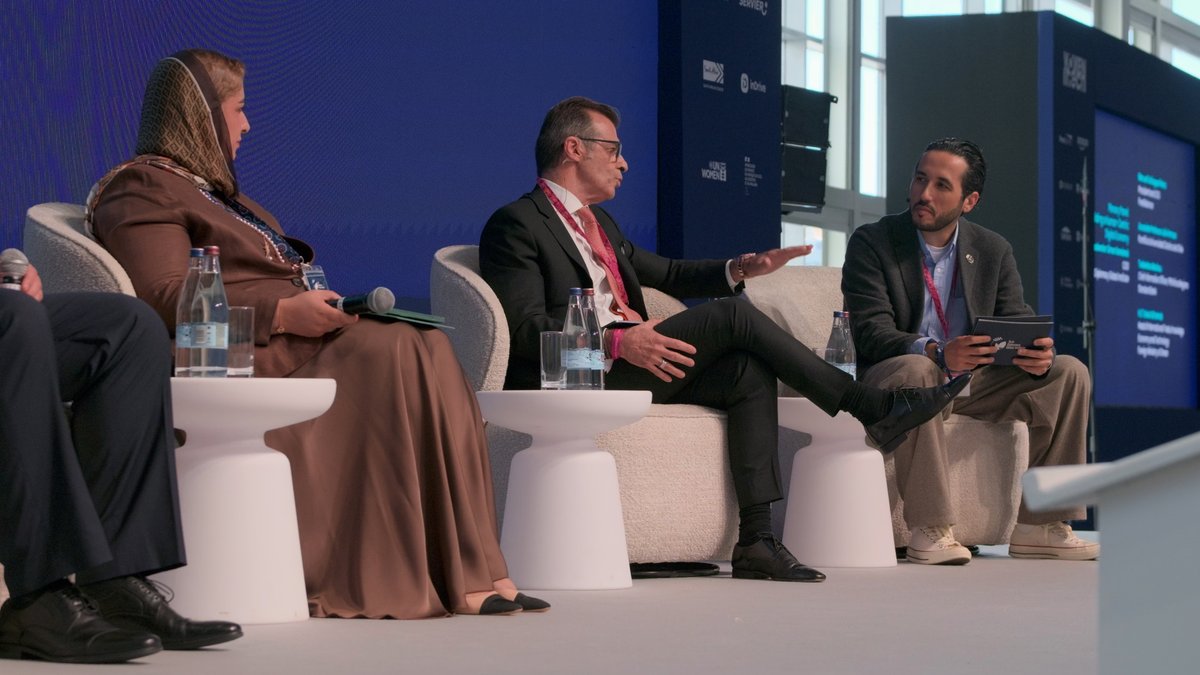
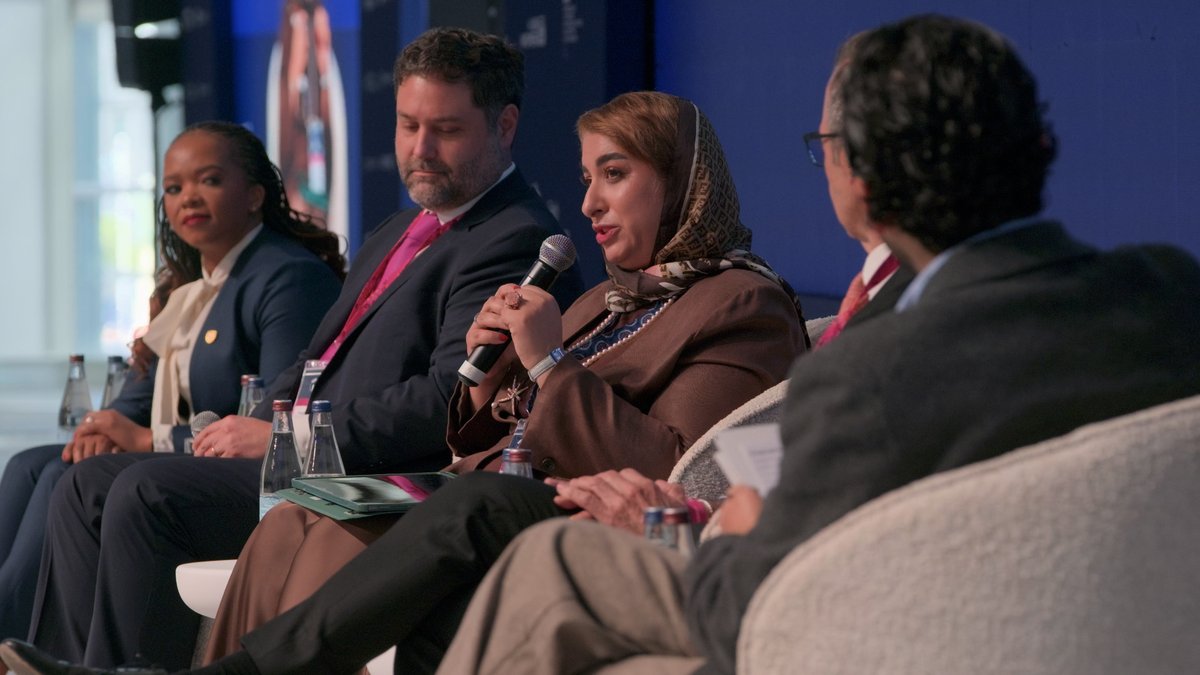
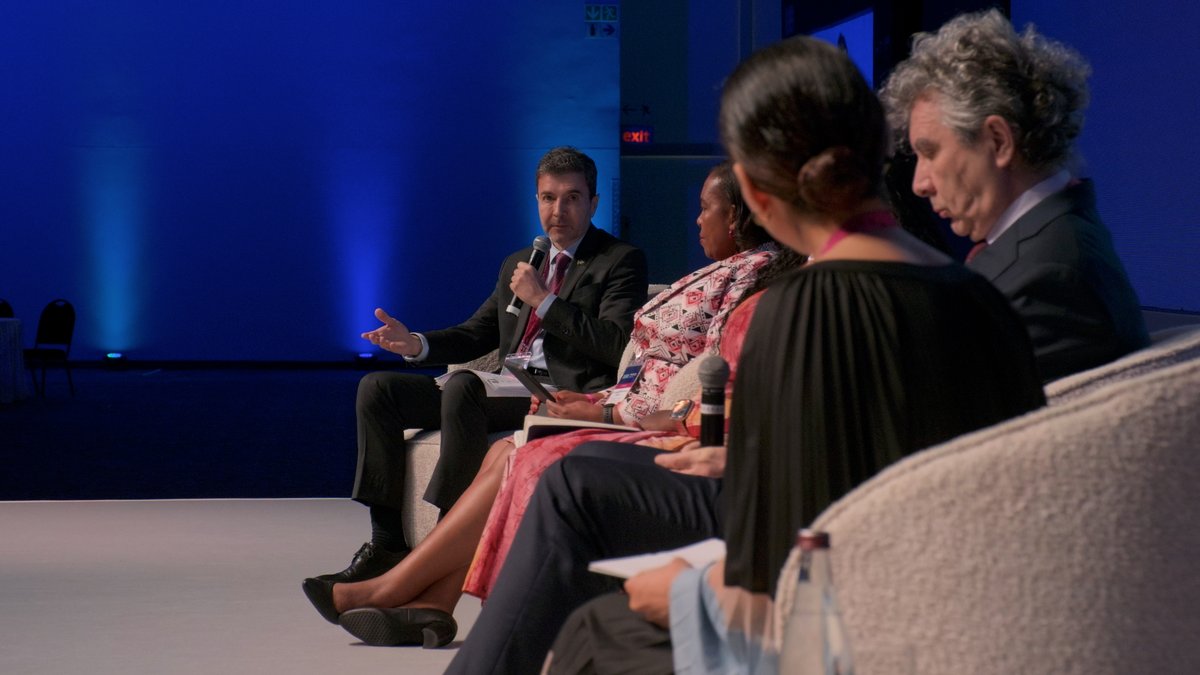
That was the underlying tension at the #TechDiplomacy Africa Symposium in Cape Town, where we sat down with two tech ambassadors from Oman and Brazil who had arrived at their roles from completely different directions
One came from technology and entered diplomacy. The other came from diplomacy and had to learn tech.
What they agreed on was simple: tech ambassadors need to be bilingual. They need to speak the language of diplomacy and the language of technology.
Their job is to translate between two worlds that still don't speak the same language.
That role barely existed eight years ago. A few countries moved early. Most still have nobody doing this work, especially in the Global South.
And that matters. The rules being shaped now will not stay local. They will travel.
If you're not at the table, you're on the menu.

1
61
May 6
If you're not at the table when digital policy gets decided, you're still expected to implement it.
That was the underlying tension at the #TechDiplomacy Africa Symposium in Cape Town, where we sat down with two tech ambassadors from Oman and Brazil who had arrived at their roles from completely different directions
One came from technology and entered diplomacy. The other came from diplomacy and had to learn tech.
What they agreed on was simple: tech ambassadors need to be bilingual. They need to speak the language of diplomacy and the language of technology.
Their job is to translate between two worlds that still don't speak the same language.
That role barely existed eight years ago. A few countries moved early. Most still have nobody doing this work, especially in the Global South.
And that matters. The rules being shaped now will not stay local. They will travel.
If you're not at the table, you're on the menu.
52
May 4
The biggest barrier to startup growth isn't ideas or money. It's translation.
Builders and funders don't speak the same language. The pathways between them are broken or were never built.
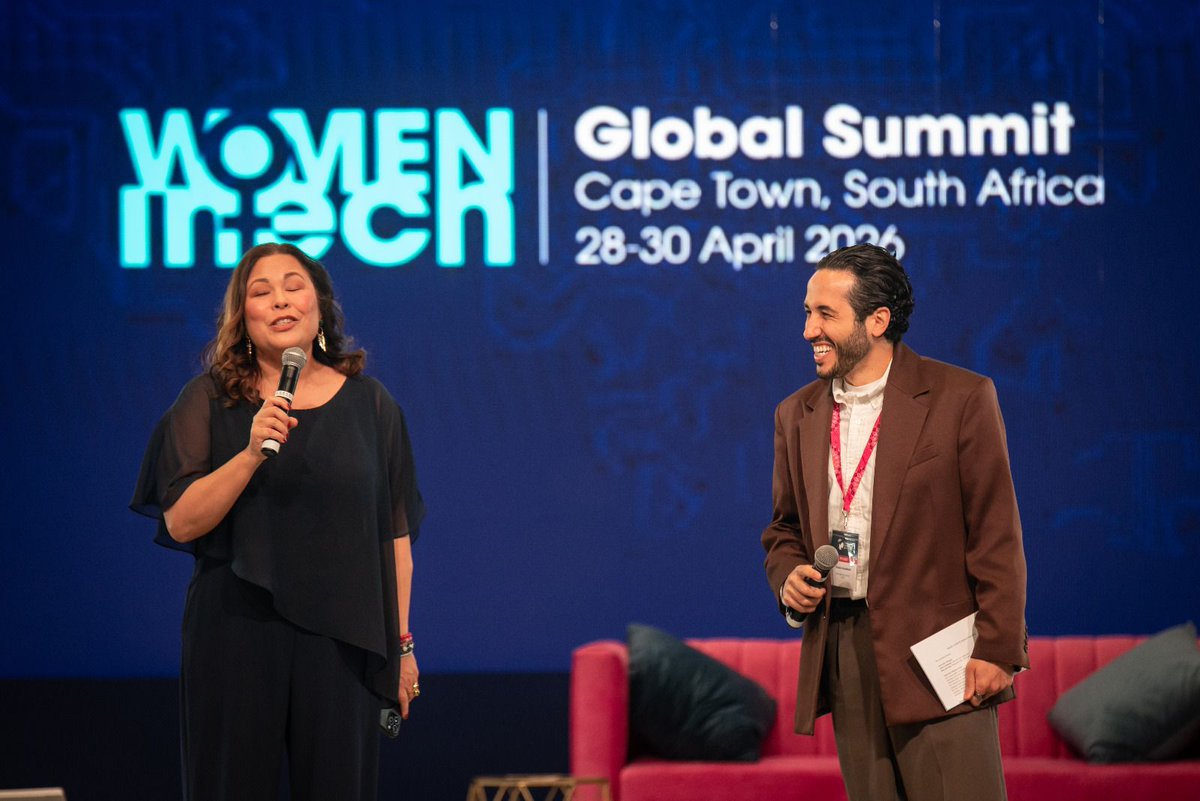
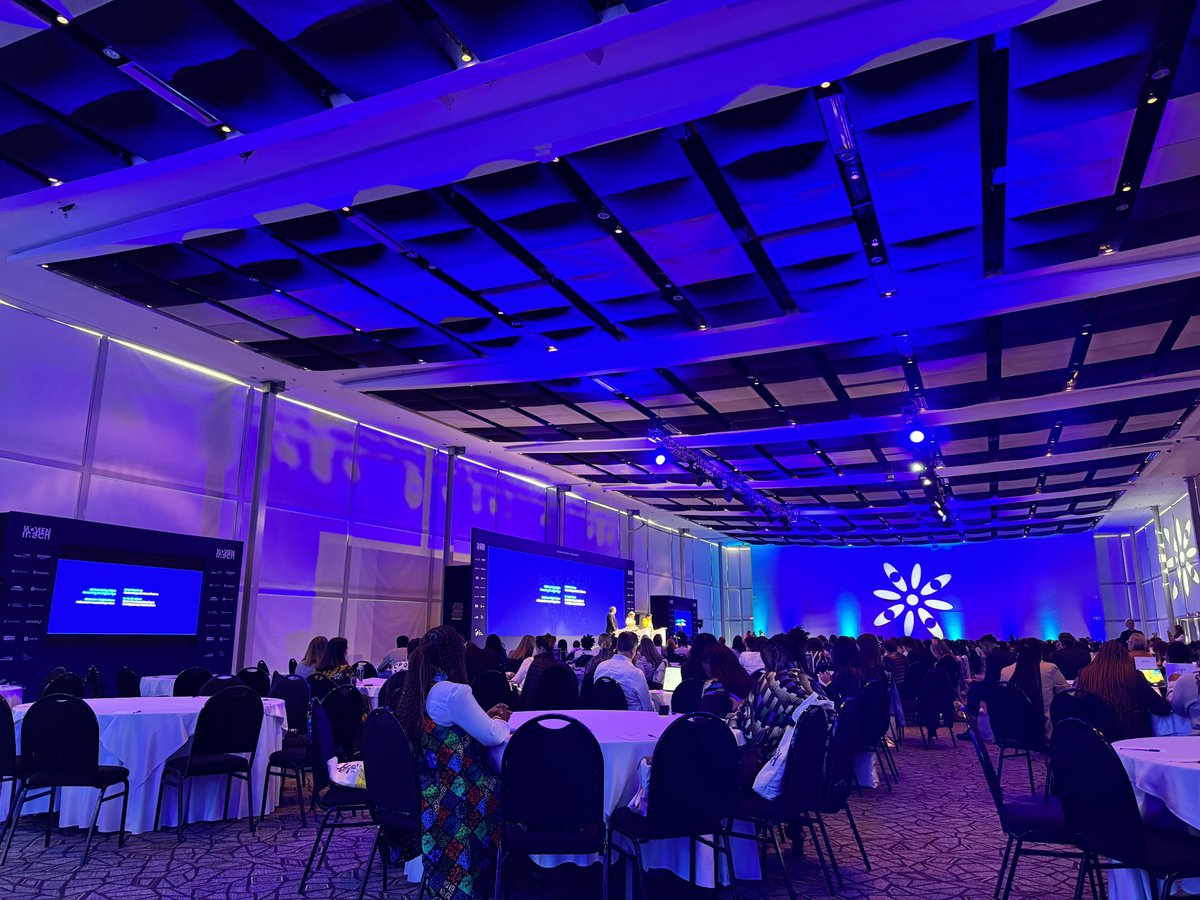
Moderated a panel at @WomenInTechOrg in Cape Town. Five continents, same question.
Cyprus: near-zero to 15% of GDP in tech in five years. Private sector organized, government listened, they built frameworks together.
The ecosystem conversation is global now. The question is whether the people shaping it are listening as fast as they're legislating.


1
66
Apr 22
A new kind of founder is showing up, and I'm not sure the ecosystem knows how to read them.
They're not 22 with a pitch deck. They have 10-15 years in healthcare, banking, education, government. They've run teams and managed budgets.
Now they're building tech companies. Not because they learned to code. Because the tools caught up to them.
What makes them different: they invest their own capital and treat it as the cost of learning, not a bet they need to win. They're optimizing for whether the product is genuinely fun. Not PMF. Not EBITDA. Fun.
VCs aren't trained to spot this founder. Someone who's 40 , self-funded, and measuring joy instead of MRR doesn't trigger any signal investors look for.
They don't move as fast as VCs expect. They move deliberately. And some of them will quietly build past the people who raised louder.
They're not performing "founder." They're just building.
1
1
57
Apr 20
Founders create value. They rarely capture it.
I've watched this over and over. Brilliant operators who built companies from zero, created product categories, turned around failing teams, and walked away with almost nothing.
Not because they lacked value. Because they didn't protect it.
You trust a handshake. You sign without negotiating. You assume your contribution is obvious and that fairness will follow.
It doesn't.
The work speaks for whoever's name is on the cap table, the contract, or the invoice.
The ecosystem celebrates creation. It compensates capture.
26
Apr 16
Some trips give you memories. The good ones give you language.
A few days in LA with @ferrazzi and his team sharpened something I've been circling for weeks.
Founders obsess over product, capital, hiring, growth. All of it matters. But the leaps that change a company's trajectory rarely come from execution alone. They come from trust.
The introduction that gets answered. The room you get invited into. The person who vouches for you before the metrics do. The call that compresses six months into six days.
The startup world calls this networking. It is not.
Networking is collecting contacts. Trusted relationships, built on purpose before they're needed, move outcomes.
Relationships are work, not weather.
31