Law | Medicine | @UF #GoGators, @GWAlumni, inter alia | 𝕏 ≠ legal/medical advice | Scientia quaesitor

Joined January 2009
8,128 Photos and videos
Pinned Tweet
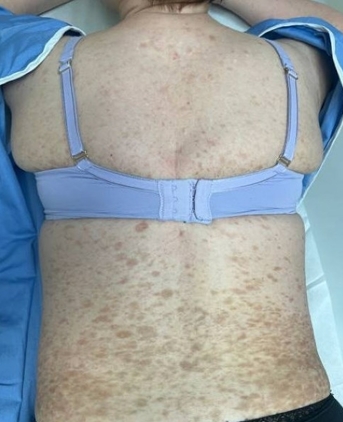
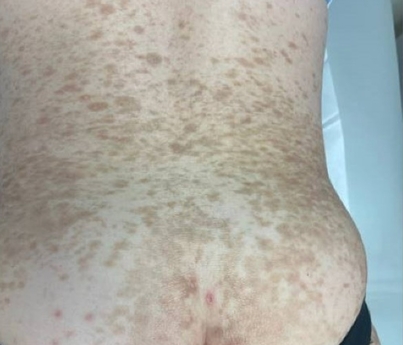
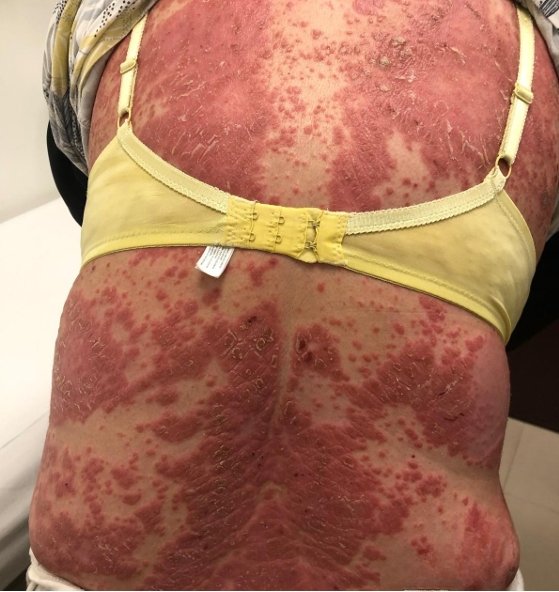
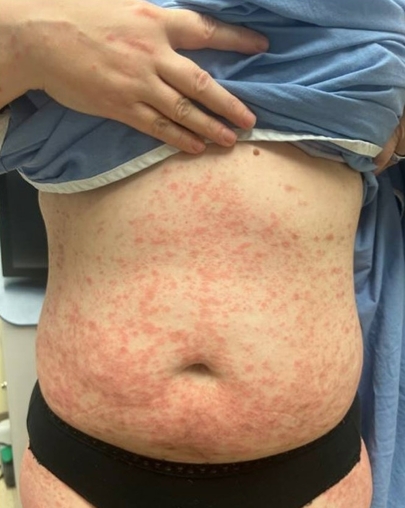
A woman in her 60s w/ T2DM, asthma, HTN, obesity, & MM on lenalidomide maintenance monotherapy presented w/ a 2-wk hx of rapidly progressive erythema beginning ~4 wks after tx transition. The eruption involved the trunk & all extremities and was associated w/ severe pruritus but no pain, fever, or systemic symptoms. She reported significant emotional stress preceding onset. O/E: widespread, sharply demarcated, indurated erythematous plaques with overlying scale, scattered papules, and islands of spared skin, involving >50% BSA (PASI ~30). What’s the diagnosis❓
2
1
6
185
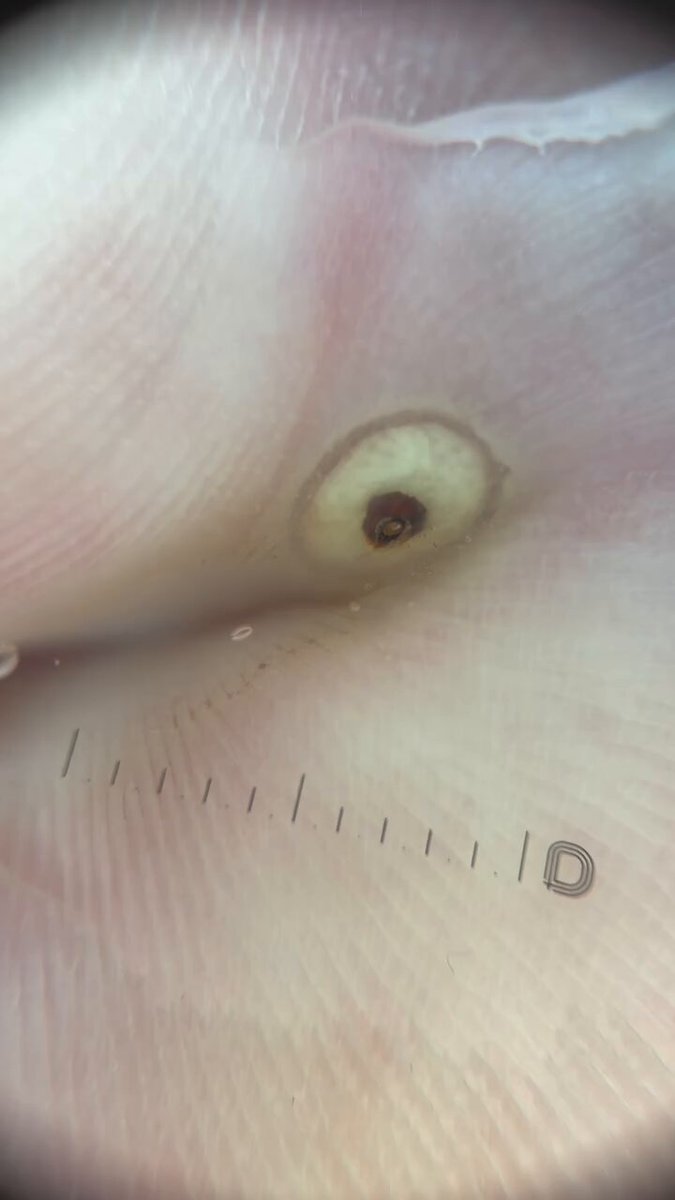
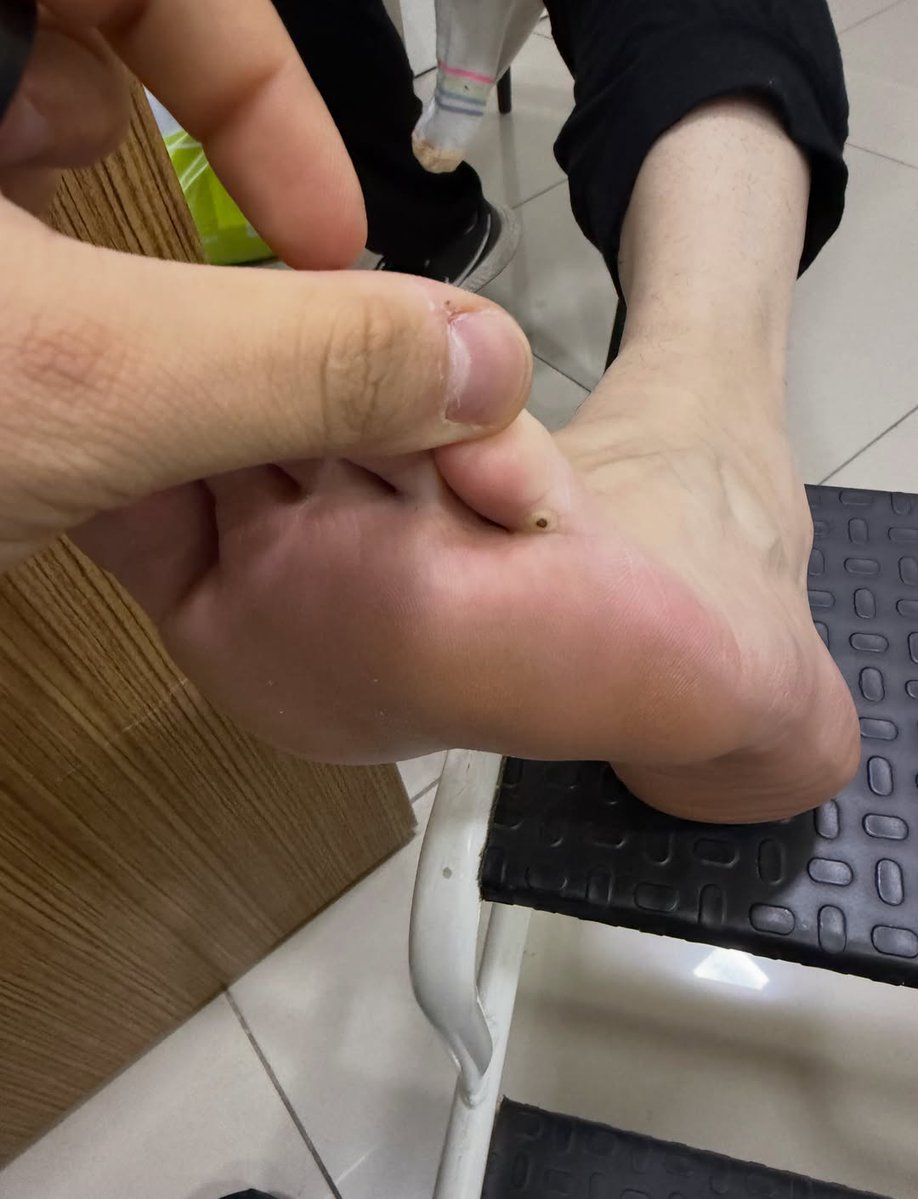
Tungiasis Caused by the penetration of adult female fleas of the species Tunga penetrans, mostly through the feet. It causes intense pain, itching & can be complicated by bacterial abscesses. Occurs in tropical rural areas of the Caribbean/South America and sub-Saharan Africa.
🦶 Spot diagnosis❔
2
82
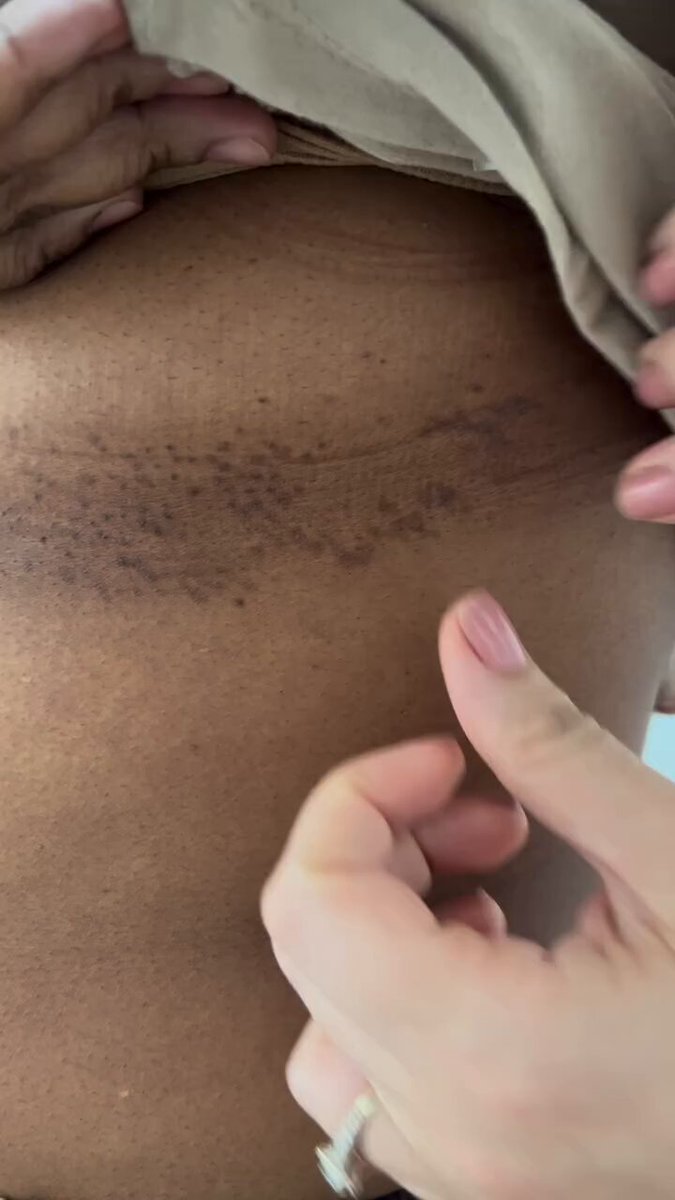
The Zirelí sign or “evoked-scale” sign in the folliculocentric variant of pityriasis versicolor. <🎥 DermatoFocus>
Replying to @drkeithsiau
.@DrCMcKeever demonstrates the ZirelĂ­ sign in pityriasis versicolor.
1
98
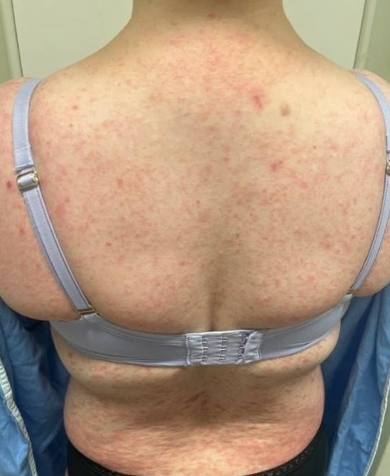
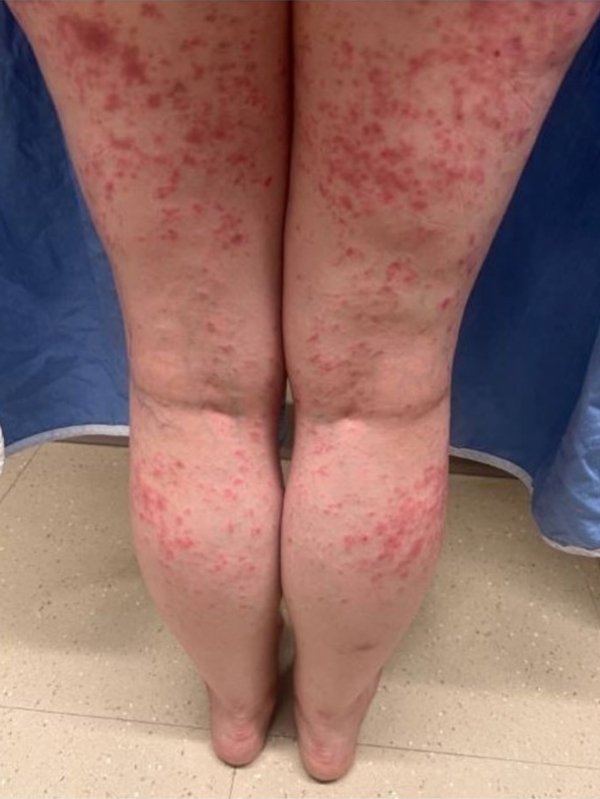
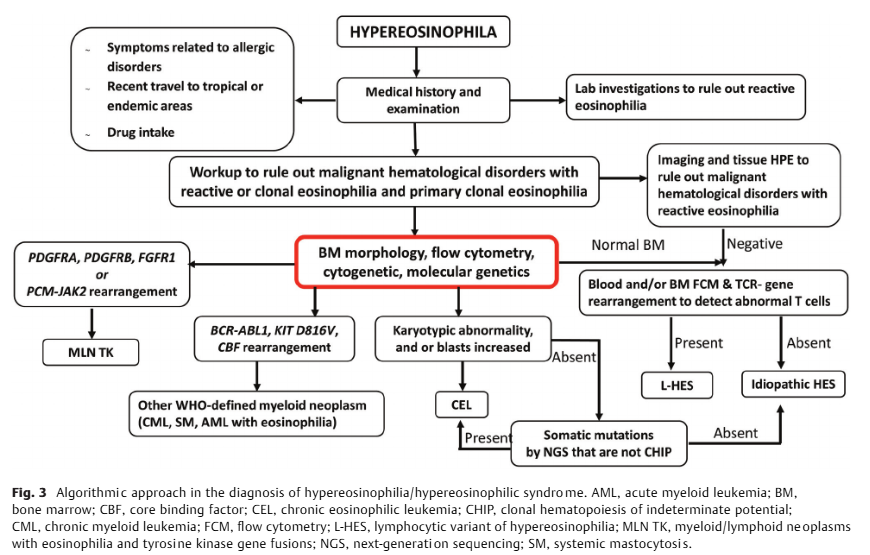
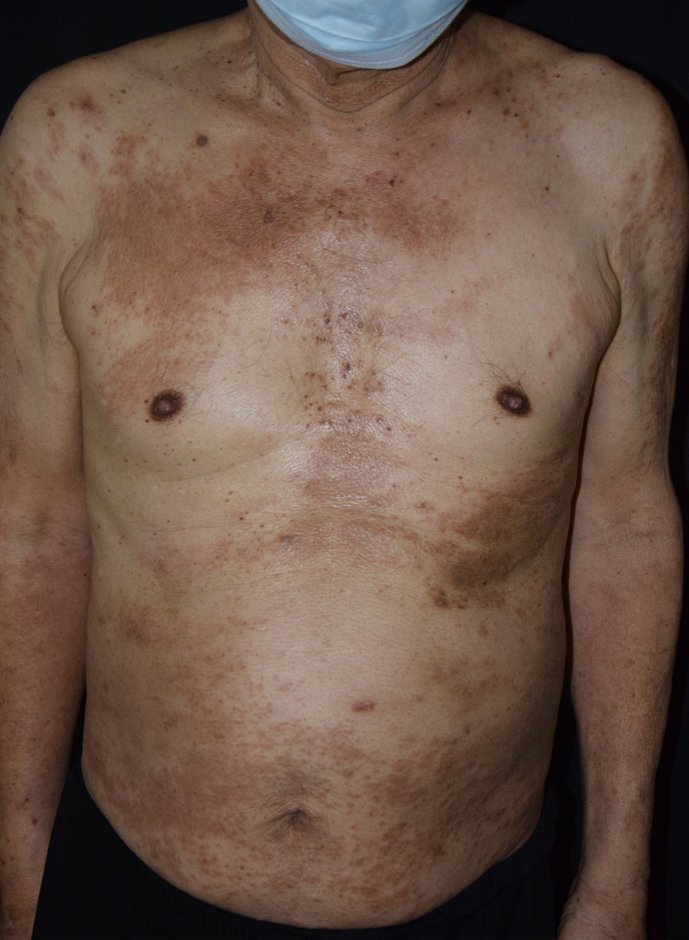
Lymphocytic-variant hypereosinophilic syndrome (L-HES) L-HES is a subtype of HES caused by a clonal/aberrant T-cell population (typically CD3−CD4 ) that overproduces IL-5, driving persistent eosinophilia & eosinophil-mediated tissue injury. Common manifestations include severe pruritus, papules, plaques, urticaria-like eruptions, & erythroderma. There is a small risk of progression to T-cell lymphoma. This patient’s chronic intensely pruritic papular eruption, marked eosinophilia (AEC 10,500/µL), elevated IgE & TARC levels, monoclonal T-cell receptor rearrangement, and circulating aberrant CD3−CD4 T cells are most consistent w/ L-HES. Bx showed a superficial perivascular & interstitial infiltrate rich in eosinophils, supporting eosinophilic dermatosis. The absence of drug exposure, parasitic infection, autoimmune disease, or myeloid neoplasm further supported L-HES over idiopathic or secondary eosinophilia. Although he initially declined systemic corticosteroids, his disease progressed w/ intractable pruritus & widespread papules coalescing into plaques. Narrowband UVB (NB-UVB) provided partial relief of pruritus, but complete clinical resolution occurred only after addition of prednisone 30 mg/day, after which the steroid dose was successfully tapered while maintenance NB-UVB was continued.
A man in his late 60s w/ DM, HTN, & CKD presented w/ a chronic, severe pruritic eruption. O/E: numerous 1–5 mm reddish-brown papules coalescing into plaques, diffusely involving the trunk & extremities. He denied any hx of drug hypersensitivity or recent med changes. What’s your DDx❓
2
80
A man in his late 60s w/ DM, HTN, & CKD presented w/ a chronic, severe pruritic eruption. O/E: numerous 1–5 mm reddish-brown papules coalescing into plaques, diffusely involving the trunk & extremities. He denied any hx of drug hypersensitivity or recent med changes. What’s your DDx❓
7
1
13
1,316
Lymphocytic-variant hypereosinophilic syndrome (L-HES) L-HES is a subtype of HES caused by a clonal/aberrant T-cell population (typically CD3−CD4 ) that overproduces IL-5, driving persistent eosinophilia & eosinophil-mediated tissue injury. Common manifestations include severe pruritus, papules, plaques, urticaria-like eruptions, & erythroderma. There is a small risk of progression to T-cell lymphoma. This patient’s chronic intensely pruritic papular eruption, marked eosinophilia (AEC 10,500/µL), elevated IgE & TARC levels, monoclonal T-cell receptor rearrangement, and circulating aberrant CD3−CD4 T cells are most consistent with lymphocytic-variant hypereosinophilic syndrome (L-HES). Bx showed a superficial perivascular & interstitial infiltrate rich in eosinophils, supporting eosinophilic dermatosis. The absence of drug exposure, parasitic infection, autoimmune disease, or myeloid neoplasm further supported L-HES over idiopathic or secondary eosinophilia. Although he initially declined systemic corticosteroids, his disease progressed w/ intractable pruritus & widespread papules coalescing into plaques. Narrowband UVB (NB-UVB) provided partial relief of pruritus, but complete clinical resolution occurred only after addition of prednisone 30 mg/day, after which the steroid dose was successfully tapered while maintenance NB-UVB was continued.
2
86
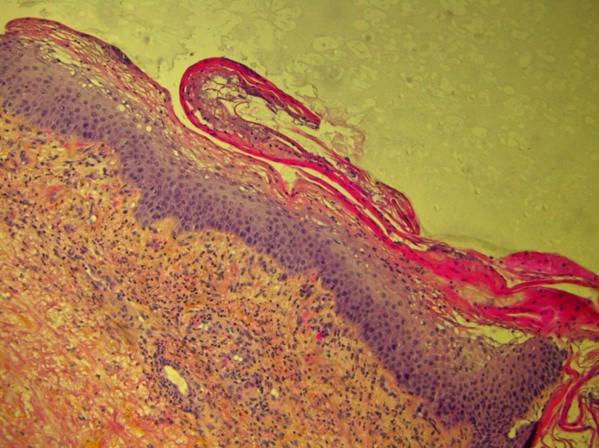
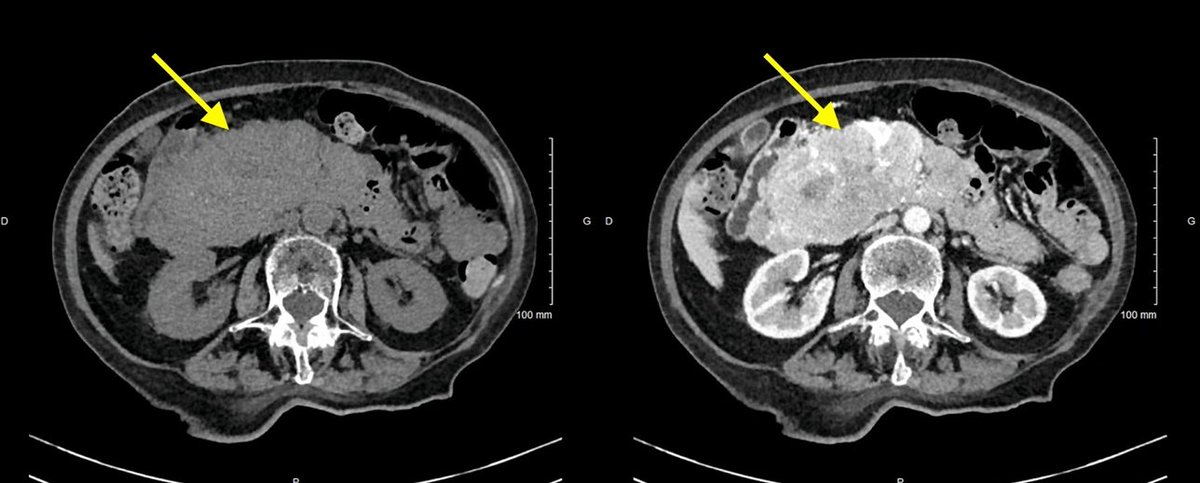
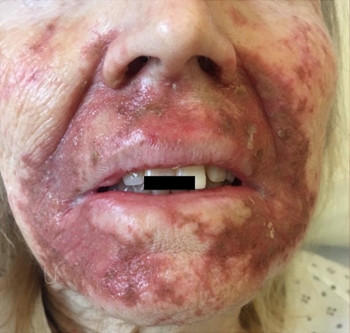
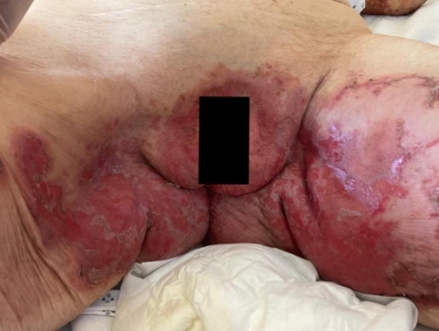
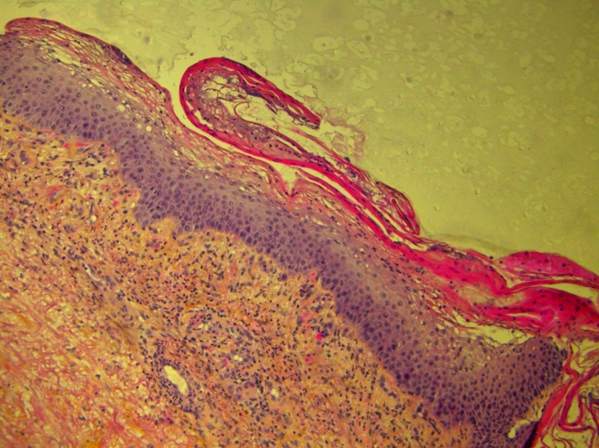
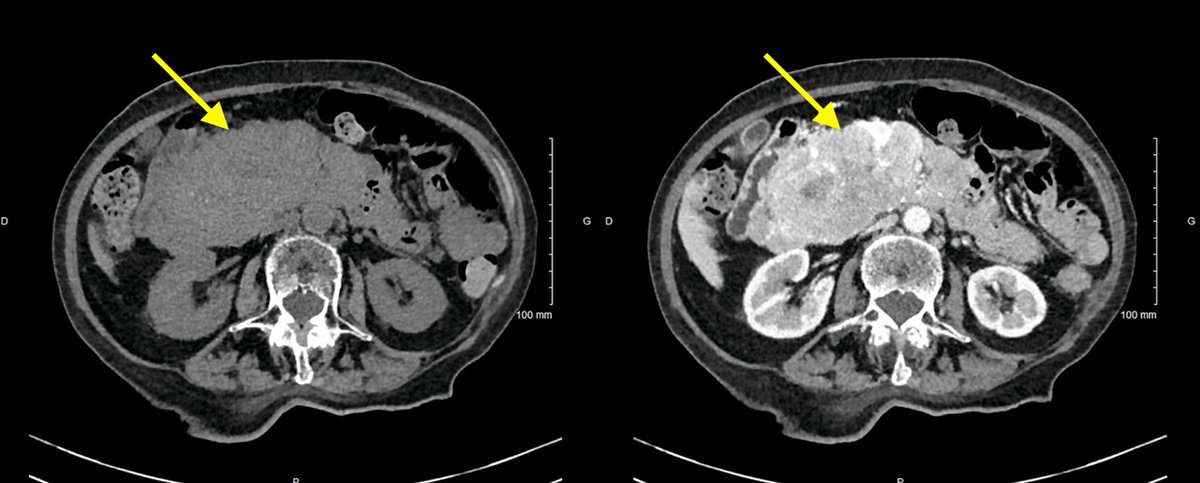
Necrolytic migratory erythema (NME) NME is the characteristic cutaneous manifestation of glucagonoma syndrome. The dx in this patient was supported by the classic clinical presentation of migratory annular erythematous plaques with peripheral activity & central healing involving periorificial, intertriginous, & acral sites, together with weight loss, anemia, glossitis, & histopathologic findings of superficial epidermal necrolysis with vacuolated keratinocytes. Although NME may occur in pseudo-glucagonoma states associated w/ nutritional deficiencies, the eruption failed to improve despite zinc supplementation & nutritional repletion. Metabolic evaluation demonstrated elevated plasma glucagon with endogenous hyperinsulinemic hypoglycemia, and abdominal CT identified a 12 × 14 cm pancreatic head mass. Biopsy confirmed a well-differentiated grade 2 pancreatic neuroendocrine tumor w/ metastatic disease. The coexistence of hyperglucagonemia & hyperinsulinemic hypoglycemia suggests either co-secretion of glucagon & insulin by the tumor OR inappropriate hyperglucagonemia insufficient to overcome tumor-driven insulin excess. B/c the tumor was unresectable, tx w/ lanreotide, everolimus, & diazoxide was initiated, resulting in marked improvement of the cutaneous eruption w/in 4 wks.
1
48
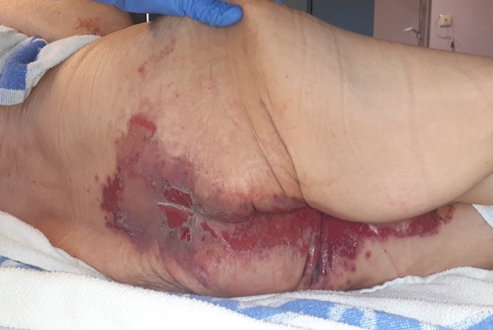
A woman in her 70s w/ no prior derm hx presented w/ several months of asthenia, weight loss, depression, & a progressive eruption. Lesions began on the LLE & spread to the gluteal/perineal regions, groin, lower back, & perioral skin. O/E: annular/polycyclic erythematous plaques w/ advancing erythematous borders, central clearing/healing, scale, crusting, erosions, & residual PIH. Lesions were nonpruritic & nonpainful. She also had glossitis and B/L proximal femoral DVTs. What’s your DDx❓
3
4
12
628
Necrolytic migratory erythema (NME) NME is the characteristic cutaneous manifestation of glucagonoma syndrome. The dx in this patient was supported by the classic clinical presentation of migratory annular erythematous plaques with peripheral activity & central healing involving periorificial, intertriginous, & acral sites, together with weight loss, anemia, glossitis, & histopathologic findings of superficial epidermal necrolysis with vacuolated keratinocytes. Although NME may occur in pseudo-glucagonoma states associated w/ nutritional deficiencies, the eruption failed to improve despite zinc supplementation & nutritional repletion. Metabolic evaluation demonstrated elevated plasma glucagon with endogenous hyperinsulinemic hypoglycemia, and abdominal CT identified a 12 × 14 cm pancreatic head mass. Biopsy confirmed a well-differentiated grade 2 pancreatic neuroendocrine tumor w/ metastatic disease. The coexistence of hyperglucagonemia & hyperinsulinemic hypoglycemia suggests either co-secretion of glucagon & insulin by the tumor OR inappropriate hyperglucagonemia insufficient to overcome tumor-driven insulin excess. B/c the tumor was unresectable, tx w/ lanreotide, everolimus, & diazoxide was initiated, resulting in marked improvement of the cutaneous eruption w/in 4 wks.
1
52
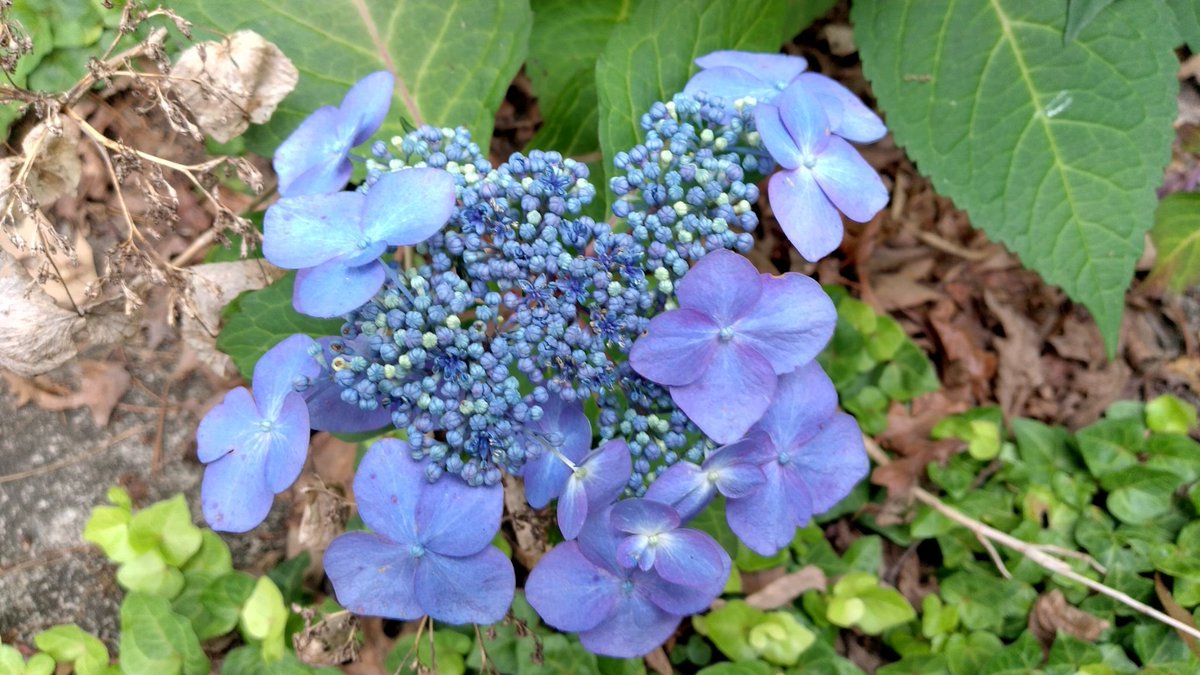
💙🌿 Welcome back Hydrangea!
1
7
186
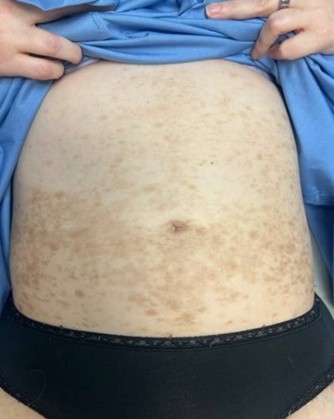
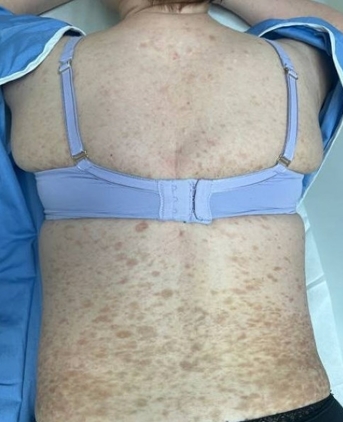
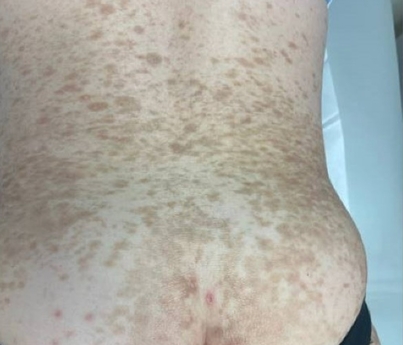
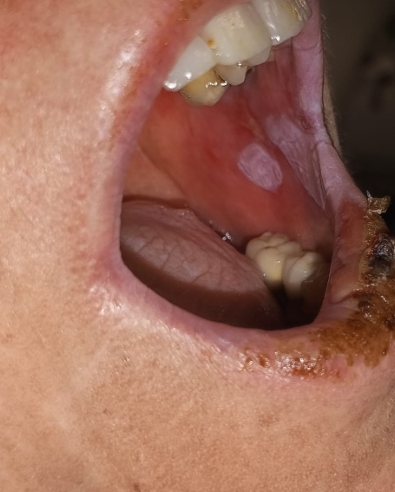
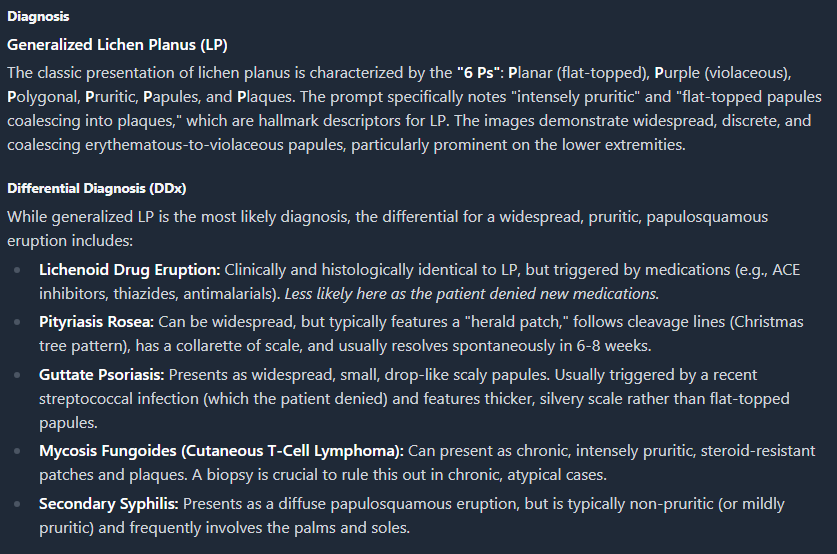
Generalized lichen planus (LP) LP is an uncommon variant characterized by widespread intensely pruritic, flat-topped papules & plaques. Histopath in this patient demonstrated a classic lichenoid interface dermatitis w/ a band-like lymphocytic infiltrate and effacement of the dermoepidermal junction, confirming LP. Given extensive disease (~80% BSA) & failure of topical corticosteroids, tx options include systemic corticosteroids, acitretin, methotrexate, cyclosporine, & other immunomodulators. The patient declined traditional systemic immunosuppression b/c of concerns regarding adverse effects & was started on deucravacitinib (Sotyktu®️) 6 mg daily. W/in 3 mos, she achieved near-complete clearance w/ marked improvement in pruritus, leaving only residual post-inflammatory hyperpigmentation & a few new lesions (see infra). The therapeutic rationale is supported by increasing evidence implicating TYK2-dependent cytokine signaling, including type I interferons & IL-23–related pathways, in LP pathogenesis.
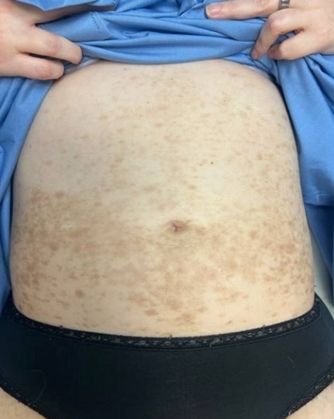
A woman in her late 40s presented w/ a several-month hx of a progressively worsening, intensely pruritic eruption. The rash began on the trunk & extremities and eventually involved ~80% BSA. She denied new meds, infections, or other identifiable triggers & failed tx w/ topical corticosteroids. O/E: diffuse pink, flat-topped papules coalescing into plaques across the trunk & B/L upper & lower extremities. What’s the diagnosis❓
1
6
507
A woman in her late 40s presented w/ a several-month hx of a progressively worsening, intensely pruritic eruption. The rash began on the trunk & extremities and eventually involved ~80% BSA. She denied new meds, infections, or other identifiable triggers & failed tx w/ topical corticosteroids. O/E: diffuse pink, flat-topped papules coalescing into plaques across the trunk & B/L upper & lower extremities. What’s the diagnosis❓
6
2
25
5,563
Generalized lichen planus (LP) LP is an uncommon variant characterized by widespread intensely pruritic, flat-topped papules & plaques. Histopath in this patient demonstrated a classic lichenoid interface dermatitis w/ a band-like lymphocytic infiltrate and effacement of the dermoepidermal junction, confirming LP. Given extensive disease (~80% BSA) & failure of topical corticosteroids, tx options include systemic corticosteroids, acitretin, methotrexate, cyclosporine, & other immunomodulators. The patient declined traditional systemic immunosuppression b/c of concerns regarding adverse effects & was started on deucravacitinib (Sotyktu®️) 6 mg daily. W/in 3 mos, she achieved near-complete clearance w/ marked improvement in pruritus, leaving only residual post-inflammatory hyperpigmentation & a few new lesions (see infra). The therapeutic rationale is supported by increasing evidence implicating TYK2-dependent cytokine signaling, including type I interferons & IL-23–related pathways, in LP pathogenesis.
3
250
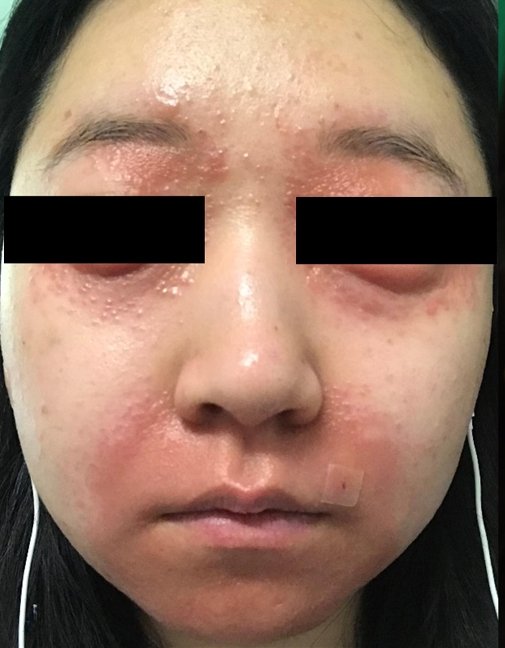
A woman in her 20s w/ no hx of atopy presented w/a 2-mo hx of a pruritic facial eruption involving the periocular & perioral regions. O/E: ill-defined erythematous patches surrounding the eyes, nose, & mouth, w/ numerous grouped follicular erythematous papules w/in the affected areas. What’s the diagnosis❔
5
4
14
1,424
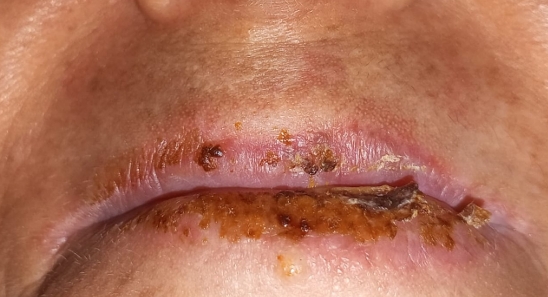
A woman in her 60s w/ a hx of type B2 thymoma (s/p resection & adjuvant chemo) developed progressive, painful oral ulcerations during tx w/ carboplatin & etoposide. She also reported dysphagia, nasal obstruction, & painful genital erosions. O/E: extensive erosions, crusting, & scale of the lips, multiple buccal mucosal ulcers, & B/L conjunctivitis. What’s your DDx❔
2
1
9
661
1
4
229
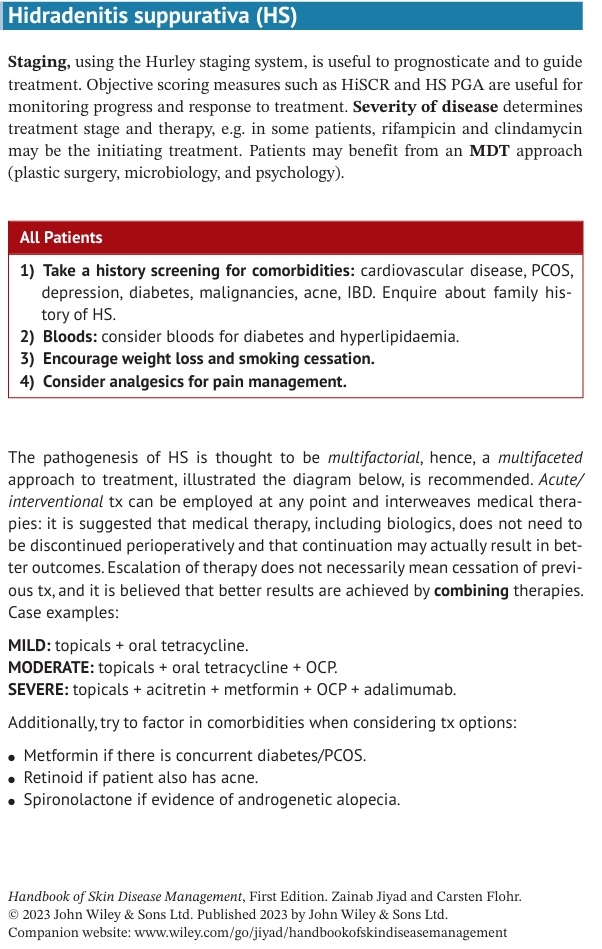
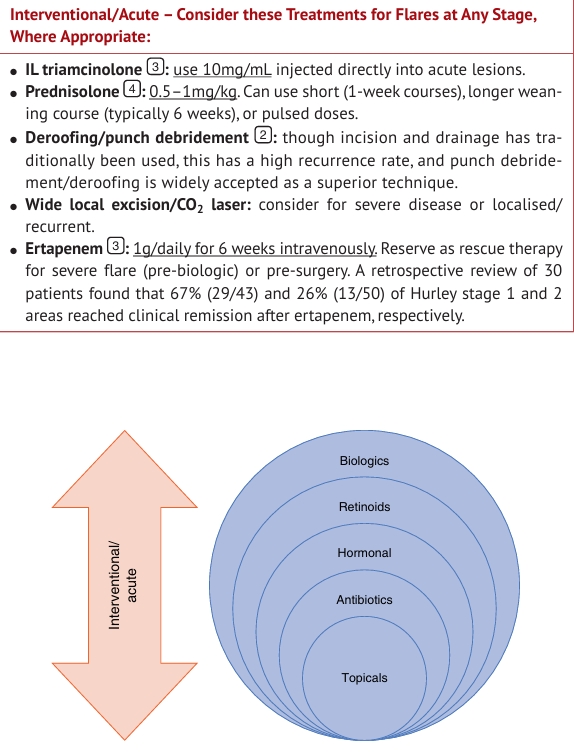
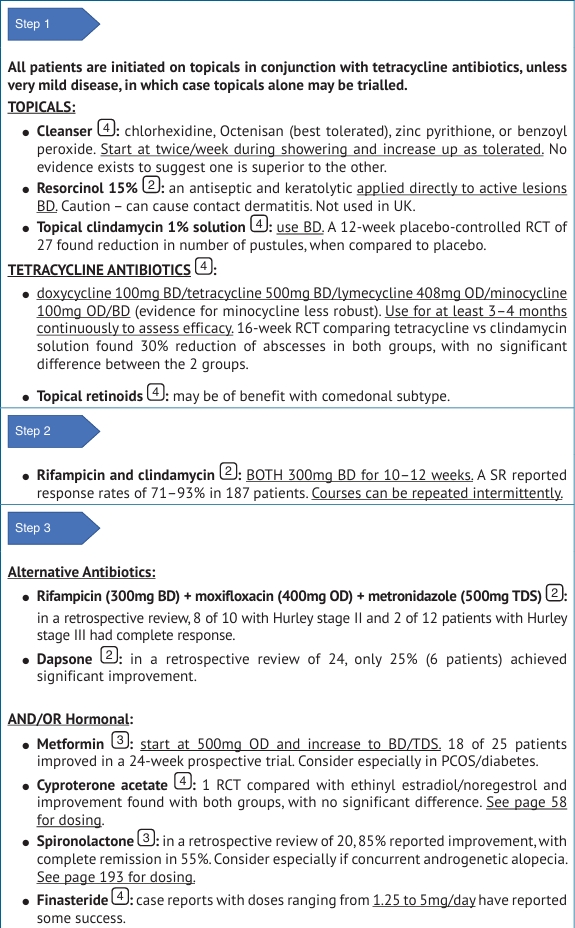
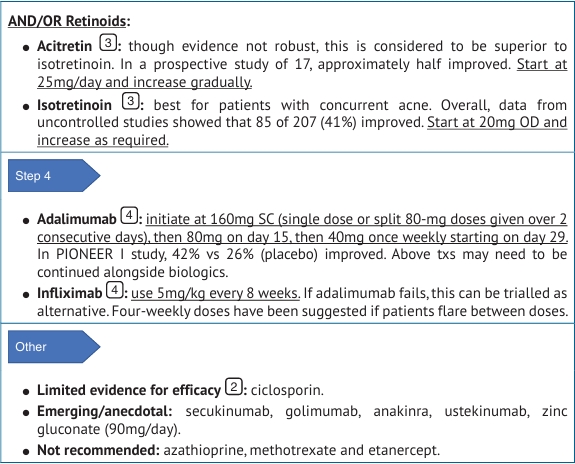
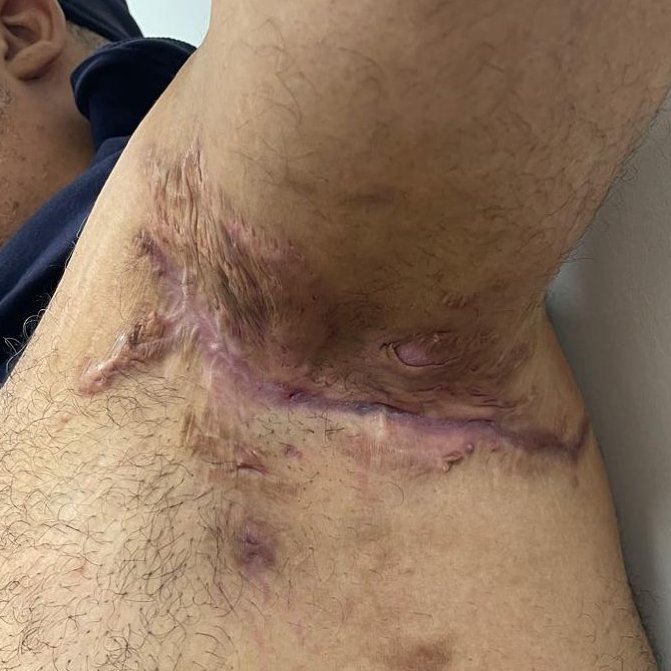
Hidradenitis suppurativa <📖 Handbook of Skin Disease Management>
What's the diagnosis❔
3
13
1,304
Scott C. Howard retweeted
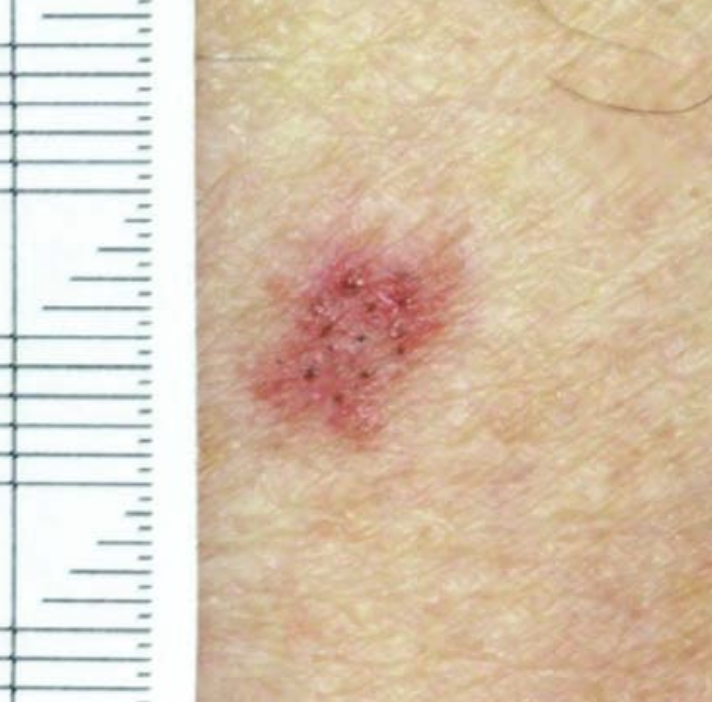
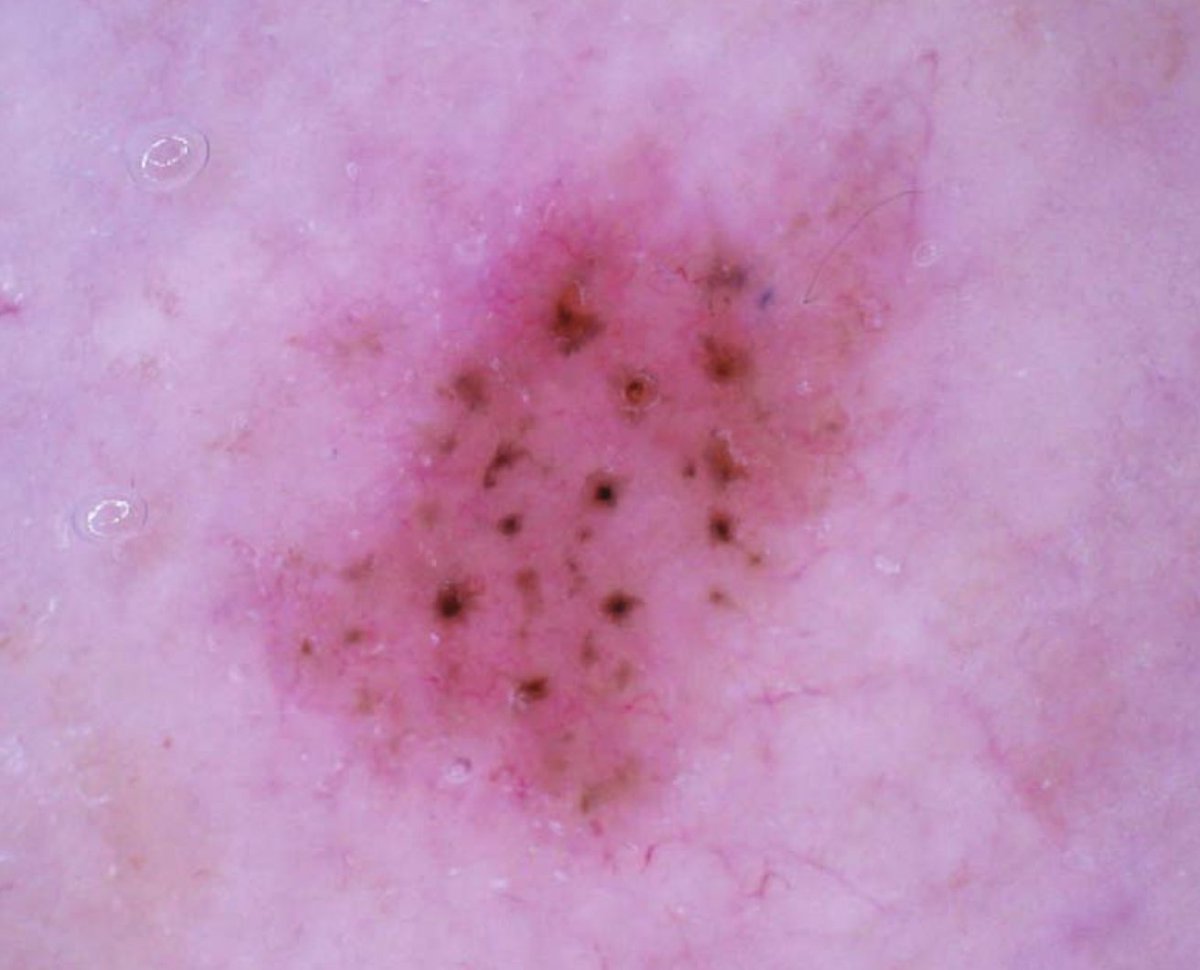
🤓 QUIZ Pink lesion on the right upper back of a 35-yo woman... ⬇️⬇️⬇️ #dermoscopy #MedEd
1
1
8
1,307
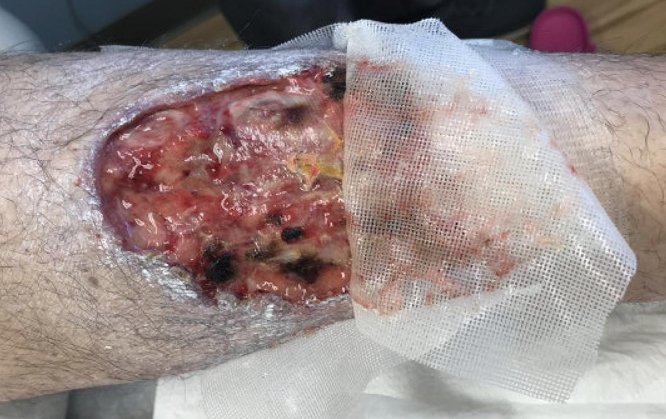
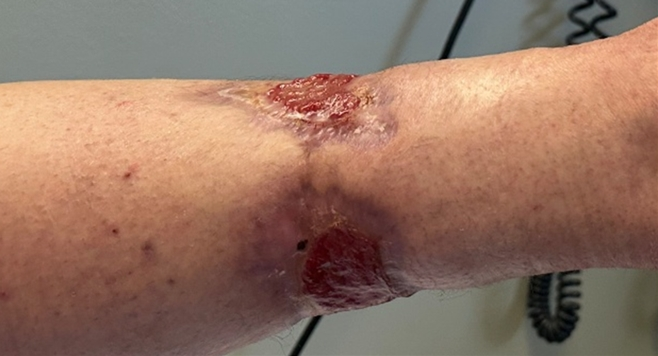
A patient in their 50s w/ Sjögren disease & anti–Jo-1 antisynthetase syndrome (myositis & ILD) presented w/ a 2-mo hx of progressively painful B/L lower-extremity ulcers. What’s your diagnosis❓
3
6
627
Pyoderma gangrenosum (PG) PG is a neutrophilic dermatosis characterized by rapidly progressive, painful ulcers w/ undermined violaceous borders. In this patient, bx demonstrated a dense neutrophilic infiltrate with -ve tissue cultures & special stains, supporting the diagnosis. The clinical presentation -- initial "bug bite–like" papules that rapidly ulcerated, multiple lower-extremity ulcers w/ undermined borders, & a high PARACELSUS score -- was also highly consistent w/ PG. Given progression despite prednisone, azathioprine, wound care, & tx of secondary bacterial colonization, the disease was considered refractory. IHC demonstrated IL-36 expression at the ulcer edge, providing a rationale for IL-36 blockade w/ spesolimab (Spevigo®️). Following initiation of spesolimab, the patient experienced rapid improvement in pain & drainage, with near-complete re-epithelialization by 14 weeks (see infra). 🔑 There is an emerging role of the IL-36 pathway in PG pathogenesis & suggests that spesolimab may be an effective option for severe, tx-refractory PG, particularly in patients with evidence of IL-36–driven inflammation.
4
131