Joined November 2008
- Tweets 22,566
- Following 2,356
- Followers 2,755
- Likes 13,909
1,795 Photos and videos



Pinned Tweet

I have thought of this story many times since going vegan.
"The Ones Who Walk Away from Omelas",
by Ursula K. Le Quin.
A short story - only 5 pages.
shsdavisapes.pbworks.com/f/O…
37
RT @Sentient_Media: At the JBS Swift & Co slaughterhouse in Louisville, Kentucky, 10,000 pigs are slaughtered and processed every day. Now,…
28
scorp_ Make 1984 Fiction Again 🌿 Ⓥ retweeted

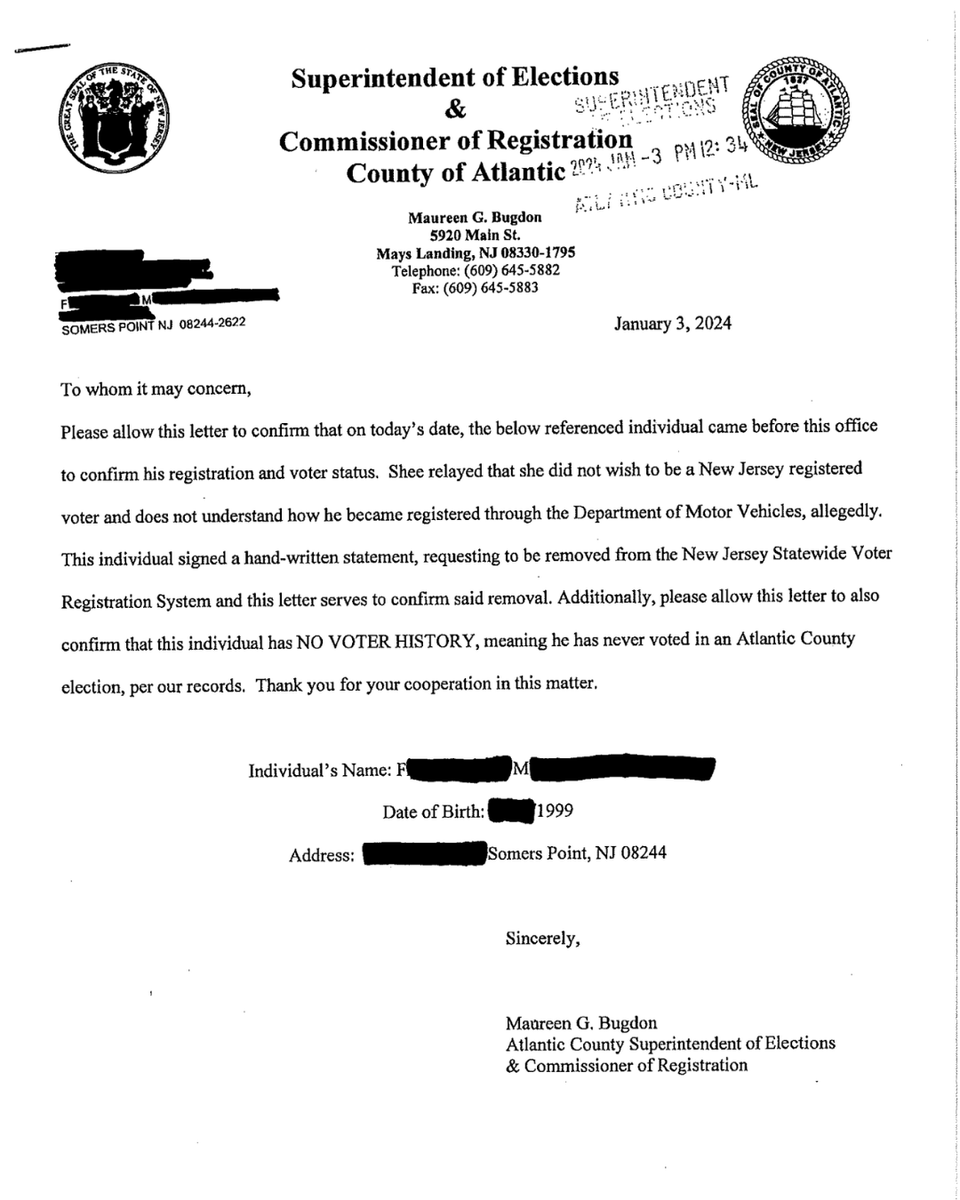
Republicans pored over voter rolls in New Jersey, looking for noncitizens who cast ballots.
What did they find? A grand total of two, the last of whom voted nearly two decades ago.
Fox News wrote this up as an "exclusive:"
"One noncitizen, who the county said was removed from the rolls in 2015, voted several times in 2000 and 2001, and in the 2008 general election. Another voted in a primary election in 2005 and a municipal election in 2000."

EXCLUSIVE: Noncitizens in New Jersey were on the voter rolls for years — and some even cast ballots before asking to be removed, according to documents obtained through public records requests.
Records reviewed by the NJGOP and RNC show multiple noncitizens seeking citizenship told election officials they were unknowingly registered to vote, with several pointing to the DMV as the source.
Most had no voting history, but county records show at least some voted in elections before being removed from the rolls.
The records were uncovered after Republicans requested voter roll data from all 21 New Jersey counties and are drawing renewed attention to how noncitizens were registered and what safeguards could be put in place to catch the errors sooner.
22
606
1,397
50,676
scorp_ Make 1984 Fiction Again 🌿 Ⓥ retweeted

Jun 15
👀HUGE scoop from @CarolLeonnig.
MS Now confirms the Trump administration has been pressuring career civil servants to “COME UP with a case against Gavin Newsom.”
651
1,785
2,942
79,934
scorp_ Make 1984 Fiction Again 🌿 Ⓥ retweeted

Hey
Jun 14

Sen. Deb Fischer: "Iran played us and we ended up sending pallets of cash to them. I doubt that's going to happen under President Trump."
61
271
1,329
65,635

scorp_ Make 1984 Fiction Again 🌿 Ⓥ retweeted

Jun 15
The U.S. government just made a land deal with the world's first trillionaire. Not a sale. A trade.
Because apparently that's how we do things now.
715 acres of the Lower Rio Grande Valley National Wildlife Refuge - built by Congress in 1979 to protect one of the most biodiverse wildlife corridors left in North America - handed to SpaceX.
Endangered ocelots. Aplomado falcons. Piping plovers. Land the Carrizo/Comecrudo Nation of Texas has called sacred since long before there was a United States.
SpaceX built a rocket launch site next door. Then came the explosions. Concrete and metal hurled six miles across refuge land. A 2024 study found that after one launch, every single monitored shorebird nest near the site suffered egg damage or loss. The Fish and Wildlife Service's response was not enforcement. It was a land swap.
FOIA documents show internal planning for this transfer started as early as April 2025 - while Musk was running DOGE and threatening to fire federal workers who didn't justify their jobs to him. The agency developed what they called "the most expedited schedule possible" to get it done.
Part of what's being handed over includes the Palmito Ranch Battlefield - the site of the last battle of the Civil War. A National Historic Landmark. Once transferred, SpaceX can restrict public access whenever they want.
25,000 people submitted public comments. Most opposed the deal. The government moved forward anyway.
A coalition of tribal and conservation groups filed a federal lawsuit this week to stop it. Because someone has to.
Why are we cutting real estate deals with a trillionaire when we could have just made him pay for it?
#DemsUnited
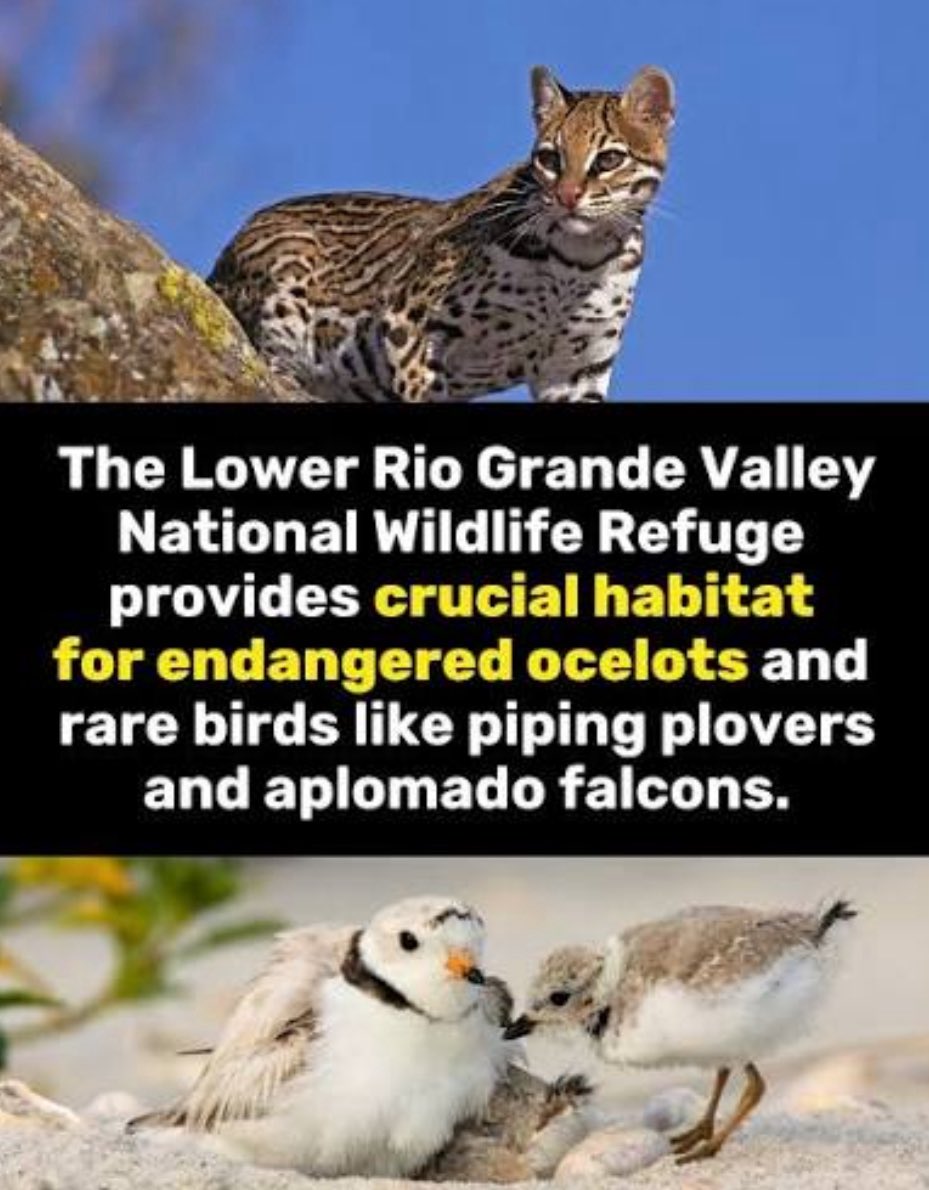
ALT Informational graphic about wildlife habitat in the Lower Rio Grande Valley National Wildlife Refuge. An ocelot stands on a rocky ledge at the top of the image, and a piping plover with a chick rests on a sandy beach at the bottom. Text states that the refuge provides crucial habitat for endangered ocelots and rare birds, including piping plovers and aplomado falcons.
194
2,695
3,601
164,633
scorp_ Make 1984 Fiction Again 🌿 Ⓥ retweeted

Jun 15
Republicans are worried: Graham Platner received over 150,000 votes in the Maine primary, more than any Democratic Senate candidate in ME history.
People in Maine are tired of establishment status quo politics. They want to take on the billionaire class & fight for REAL change.
3,247
1,338
9,318
308,048
scorp_ Make 1984 Fiction Again 🌿 Ⓥ retweeted

Jun 15
People need to call Trump’s Iran “deal” for what it is: he got bent over and completely humiliated. Stop sane washing this. All he had to do was stay in Obama’s deal, but NO, now we are on the hook for hundreds of billions of dollars with 14 service members dead. This was a humiliating defeat that was completely AVOIDABLE!
110
782
3,604
66,071
scorp_ Make 1984 Fiction Again 🌿 Ⓥ retweeted

Jun 15
and fuck Joe Rogan
317
615
7,203
113,388
scorp_ Make 1984 Fiction Again 🌿 Ⓥ retweeted

Jun 15
Empathy is a dogma killer. That's why MAGA Christians are going so hard against it. The moment you get close enough to someone to see their humanity, it's much harder to hate them. And MAGA needs their followers to hate the "other." So they demonize empathy, convince their base to ignore empathetic instincts in the face of inhumane policy and BOOM- their dogmatic ideology is protected.
74
155
638
10,181
scorp_ Make 1984 Fiction Again 🌿 Ⓥ retweeted

Jun 15
“Michelle Obama is a man” shouted on the White House lawn in a ring sponsored by Bud Light only available on Larry Ellison’s Paramount Plus. What a way to celebrate America 250 and the twilight of liberal democracy.
5,073
5,377
45,836
13,942,813
wow.. didn't know this. Reagan was Screen Actor's Guild (SAG) Union Leader at the time - reporting on people in the Union to the "Red Scare" Committee.
What a betrayal...
26 Dec 2025

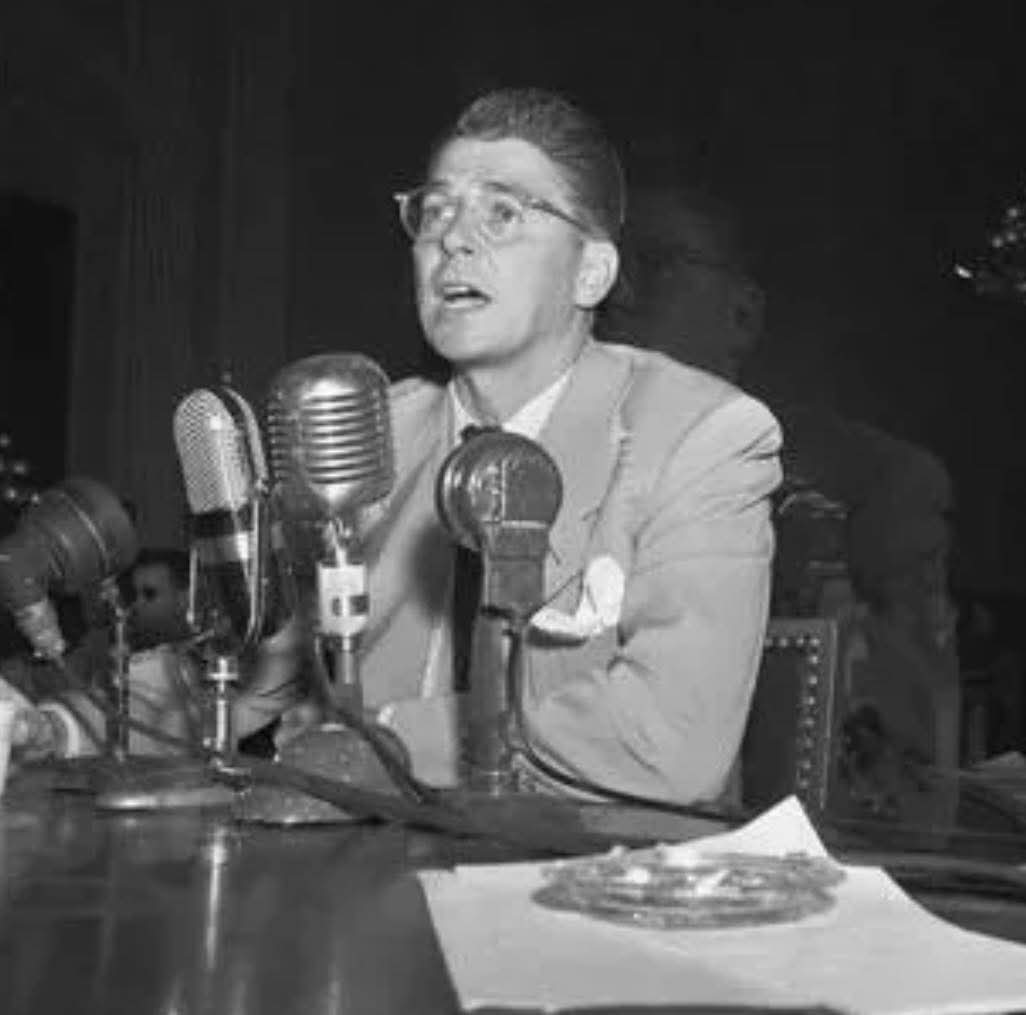
Ronald Reagan testifying against fellow actors at the House Un-American Activities Commission, 1947....
That year, a young Ronald Reagan appeared before the House Un-American Activities Commission during one of the most charged moments of the early Cold War. At the time, Reagan was best known as a Hollywood actor and as president of the Screen Actors Guild, a position that placed him at the center of growing fears about communist influence in the film industry.
Hollywood had become a focal point for anti communist investigations. Studios, unions, and creative workers were scrutinized amid concerns that films could be used as vehicles for political ideology. Reagan testified that he believed communists were attempting to infiltrate guilds and unions, though he stated he opposed blacklisting and emphasized the importance of free expression. His testimony reflected a careful balance, supporting the investigation while distancing himself from its harsher consequences.
The hearings would soon lead to the Hollywood blacklist, derailing or ending the careers of dozens of writers, directors, and actors. For Reagan, the moment marked an early public alignment with anti communist politics and helped shape his ideological trajectory. Decades later, as president, he would frame the Cold War in similarly moral terms, casting it as a struggle between freedom and totalitarianism.
Reagan secretly cooperated with the FBI during this period, providing information about suspected communist activity in Hollywood under the codename T 10.
© History Pictures
#archaeohistories
6
scorp_ Make 1984 Fiction Again 🌿 Ⓥ retweeted

Jun 14
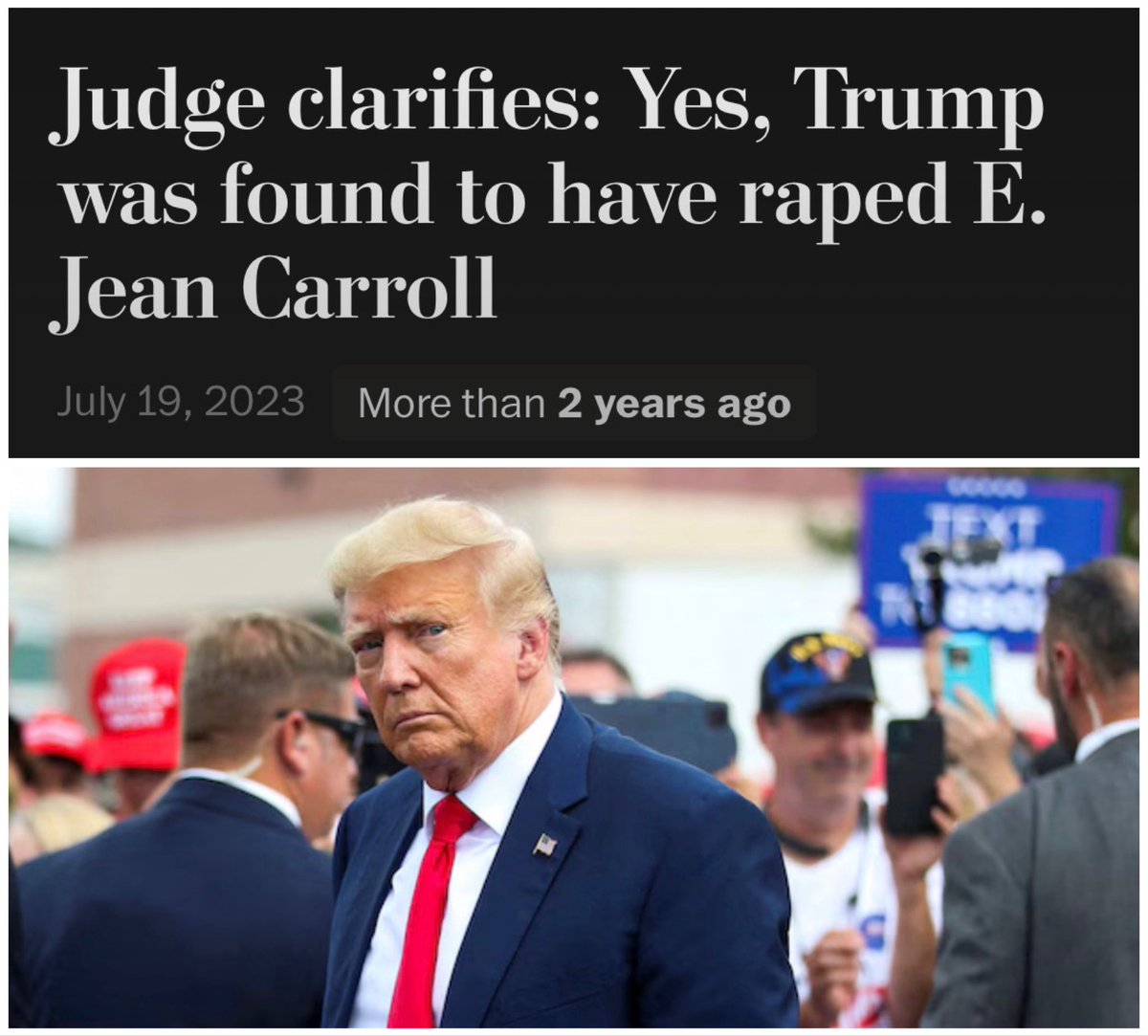
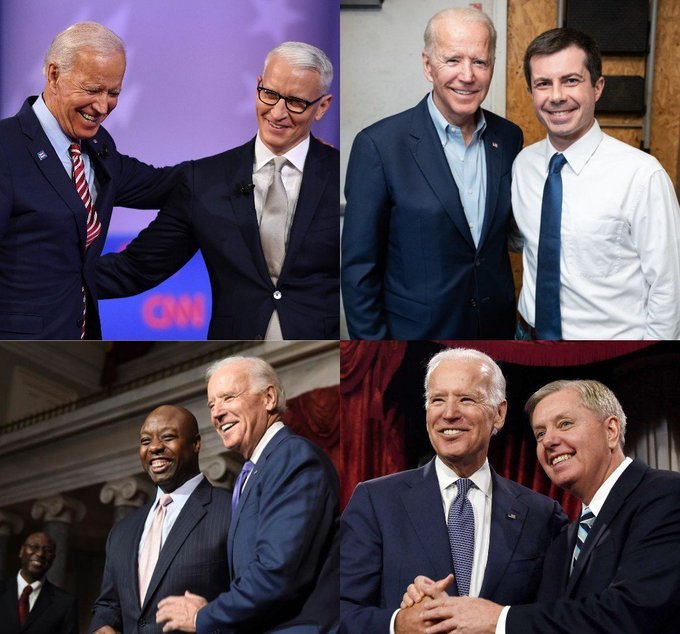
Reminder that the birthday boy is a sexual abuser with a nipple fixation.
26
537
1,132
5,593
scorp_ Make 1984 Fiction Again 🌿 Ⓥ retweeted

Jun 14
I was recently turned gay by a spinach salad. And then I was turned straight when I walked into a Home Depot. But then I was turned transgender when someone asked for my pronouns. Afraid to leave my house now.
1
3
25
172
scorp_ Make 1984 Fiction Again 🌿 Ⓥ retweeted

Jun 14
I was once turned gay (temporarily of course) by simply watching a rainbow 🌈 in the sky for longer than the official 30 seconds allowed by law. Admittedly this all happened while riding on my unicorn 🦄 named Subaru.
13
3
195
41,331

That's not water, that's a pool of poop she's nearly drowning in. A whistleblower reported that many cows fell into this pit at Lone Star Organic Dairy 💔
Remember her face the next time you're thinking "pasture-raised" is anything but cruel.
20
278
430
9,822
trump's blatant corruption
instagram.com/reel/DY-HgUuCg…
2
scorp_ Make 1984 Fiction Again 🌿 Ⓥ retweeted

The Turning Point Women's Summit was filled with tradwife talks. Alex Clark encourages all women to marry early. She is 33 and unmarried.

101
242
1,236
13,892
scorp_ Make 1984 Fiction Again 🌿 Ⓥ retweeted

Jun 14
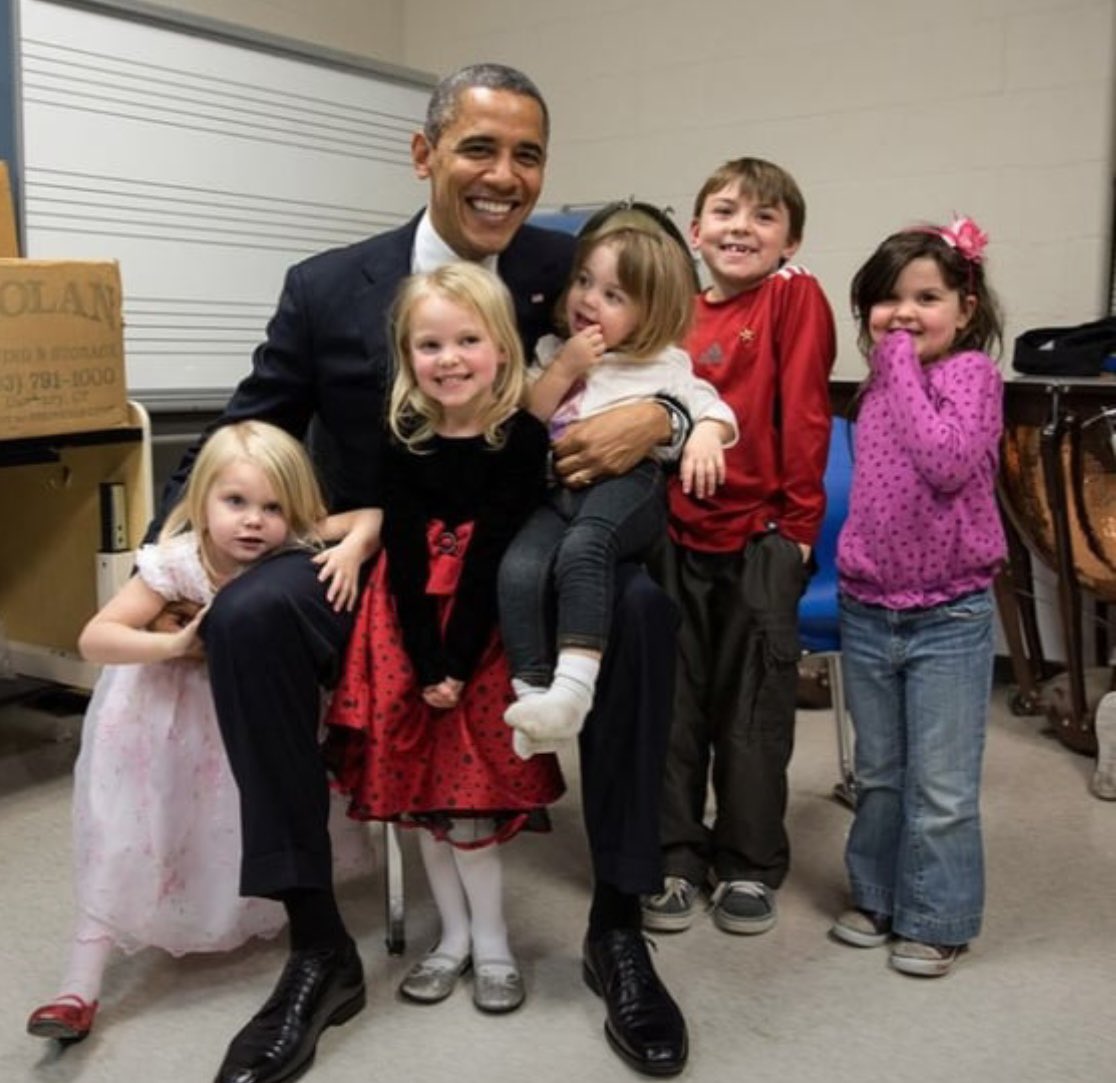
Today, June 14th, seems like a good day to honor a president who can be trusted around children.
Barack Obama
891
4,421
13,629
81,332