Dehradun based not for profit organization working on social and environmental issues of Uttarakhand & Himalayas.
Joined December 2019
- Tweets 2,544
- Following 5
- Followers 2,362
- Likes 4,825
1,312 Photos and videos
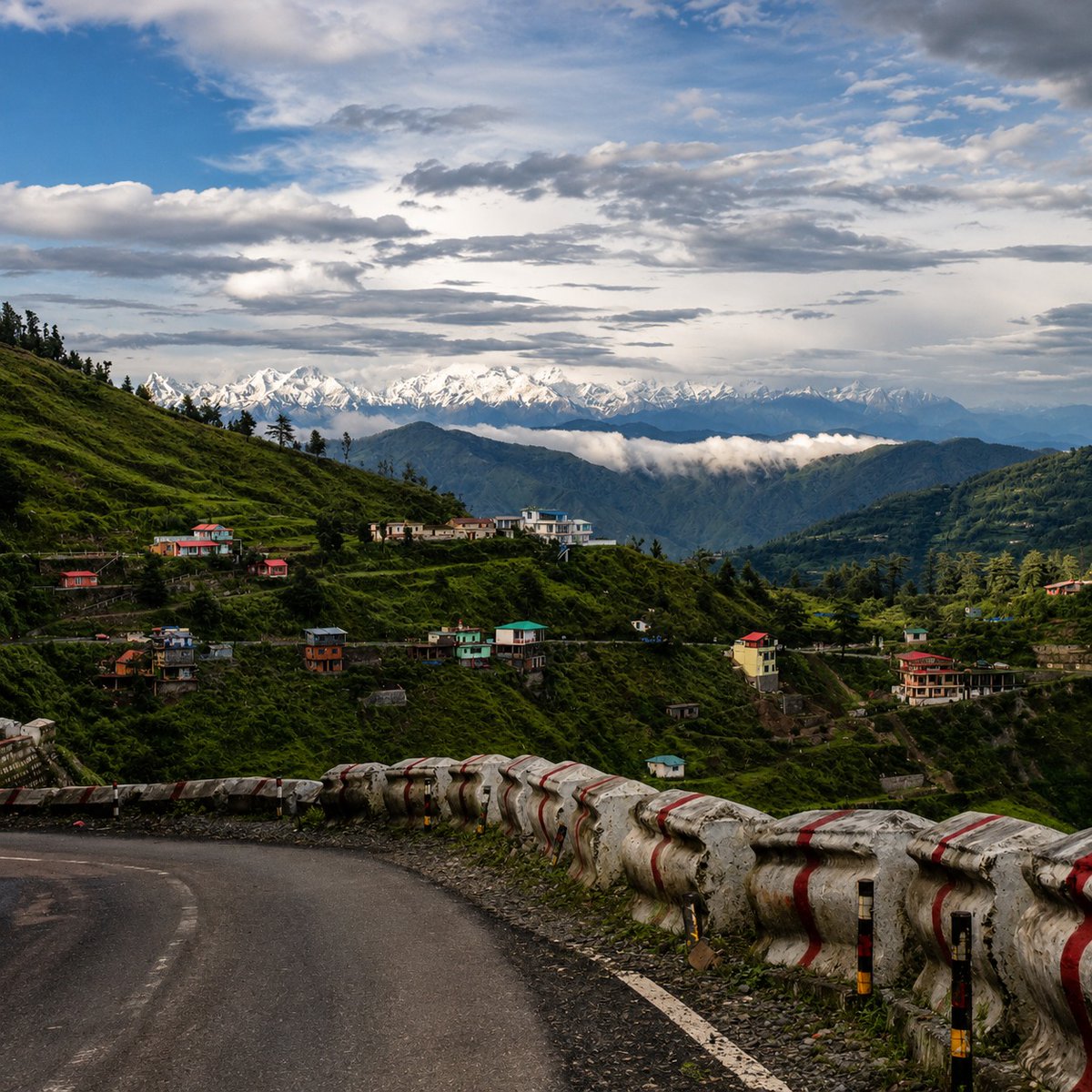
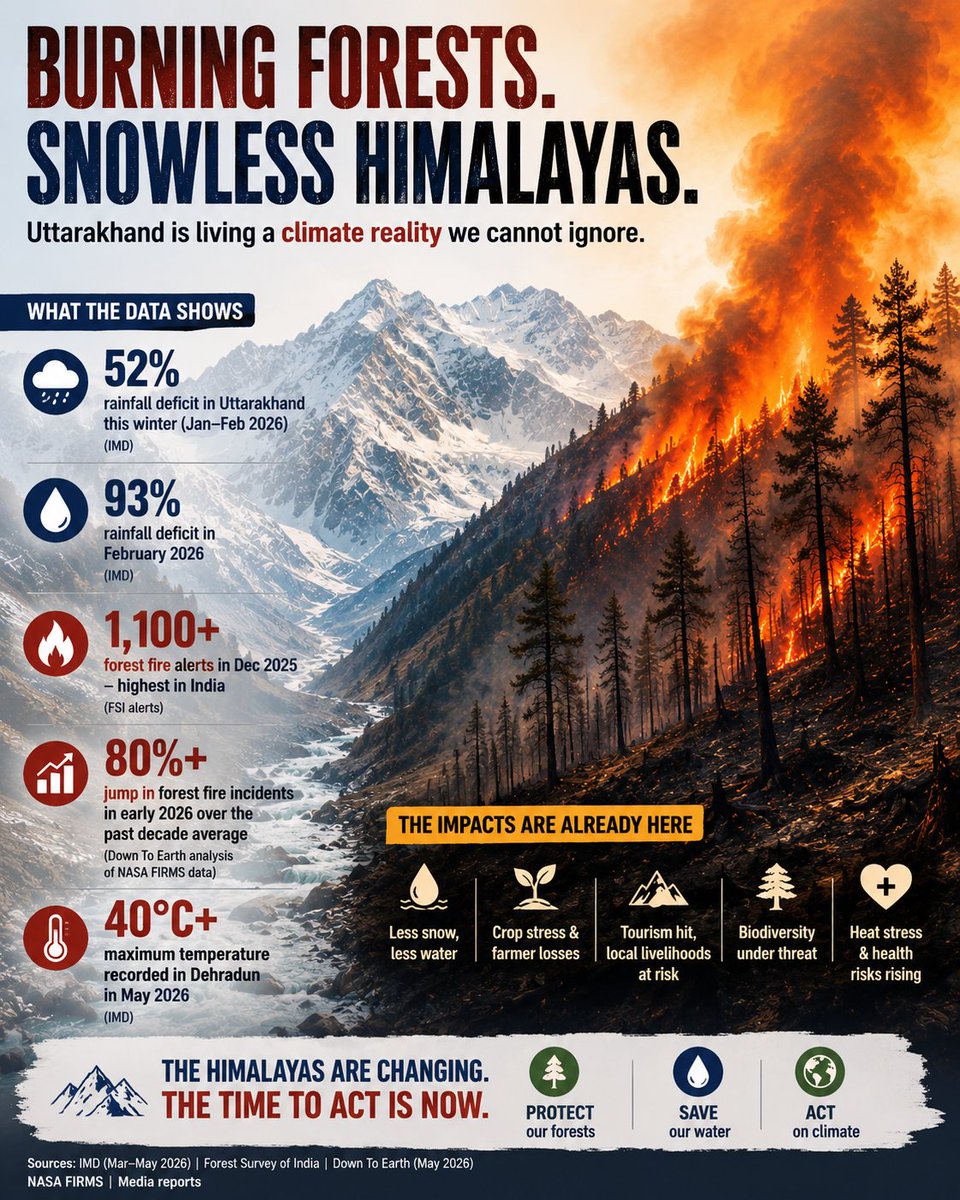






The Himalayas are changing before our eyes.
Declining snowfall, rising temperatures, and increasingly severe forest fires are reshaping one of the world's most important mountain ecosystems. What does this mean for water security, biodiversity, livelihoods, and communities across the region?
A thought-provoking article by Ritika V. explores the interconnected crises of snow droughts and forest fires in the Himalayas, and why these warning signs demand urgent attention.
Read here: sdcuk.in/snowless-himalayas-…
#ClimateChange #Himalayas #Environment #Sustainability
1
39
Social Development for Communities Foundation retweeted

Jun 10
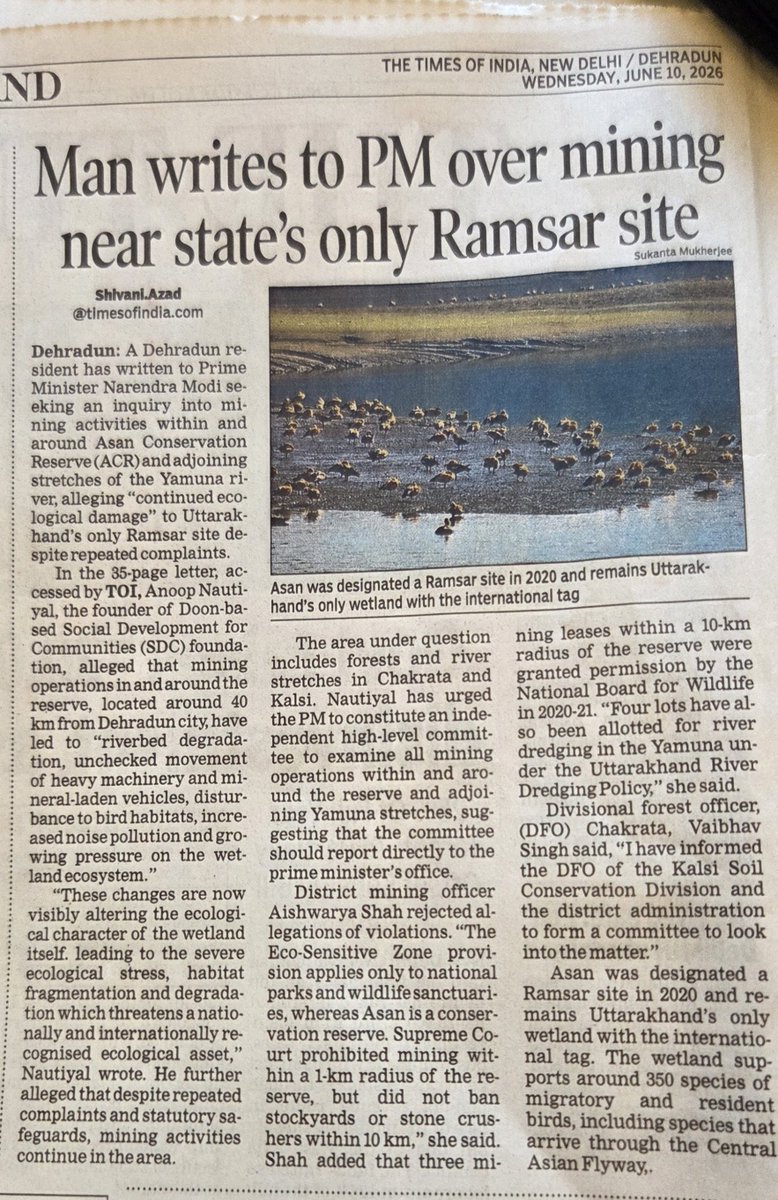
I am grateful to the Times of India for covering my letter sent to PM Shri Narendra Modi re rampant mining activities around the Asan Conservation Reserve, the first & only Ramsar site in our state of #Uttarakhand.
It is noteworthy to highlight that the illegal mining is posing serious threats not only to Asan Reserve but to the wider Yamuna ecosystem as well.
This development is an outcome of my recent 35-page letter to the PM seeking urgent intervention to address environmental concerns & ensure long-term protection of this ecologically significant landscape.
Let us join hands to preserve our pristine but threatened natural resources.
Thank you!
@narendramodi
@PMOIndia
Thank you @shivaniazadTOI for the story!
17
131
292
5,846
Social Development for Communities Foundation retweeted
I condemn the decision to cut 700 trees from Garhi Cantt in Dehradun via Kimadi to facilitate traffic movement to Mussoorie. It’s also vital to discuss that these 700 trees will provide eco services to the tune of more than 50 Crores during the next 10 years. I urge the state govt to commit that they will look for alternate solutions to manage the rush of both tourism and traffic in Dehradun and Mussoorie. Further details in the video!
#Uttarakhand
15
85
155
4,449
On World Environment Day, all of us at SDC Foundation want to say something simple about our state.
Uttarakhand carries a heavy load. Our glaciers are retreating. Our hillsides are scarred by landslides and choked with plastic. Forest fires return every summer, and our springs are running dry. This is not a problem somewhere far away. It is the air our people breathe and the water they walk miles to fetch.
But here is what gives us hope. The change we need will not come from a department in Dehradun. It will come from communities. From the women who have always guarded our forests. From our van panchayats. From villagers who replant slopes and protect their naulas without waiting for permission.
The mountains do not need our slogans. They need our hands.
This is Devbhoomi. The people who live here have protected it for generations. Let us back them.
#NowForClimate
# WorldEnvironmentDay
#Uttarakhand
2
6
129
Social Development for Communities Foundation retweeted
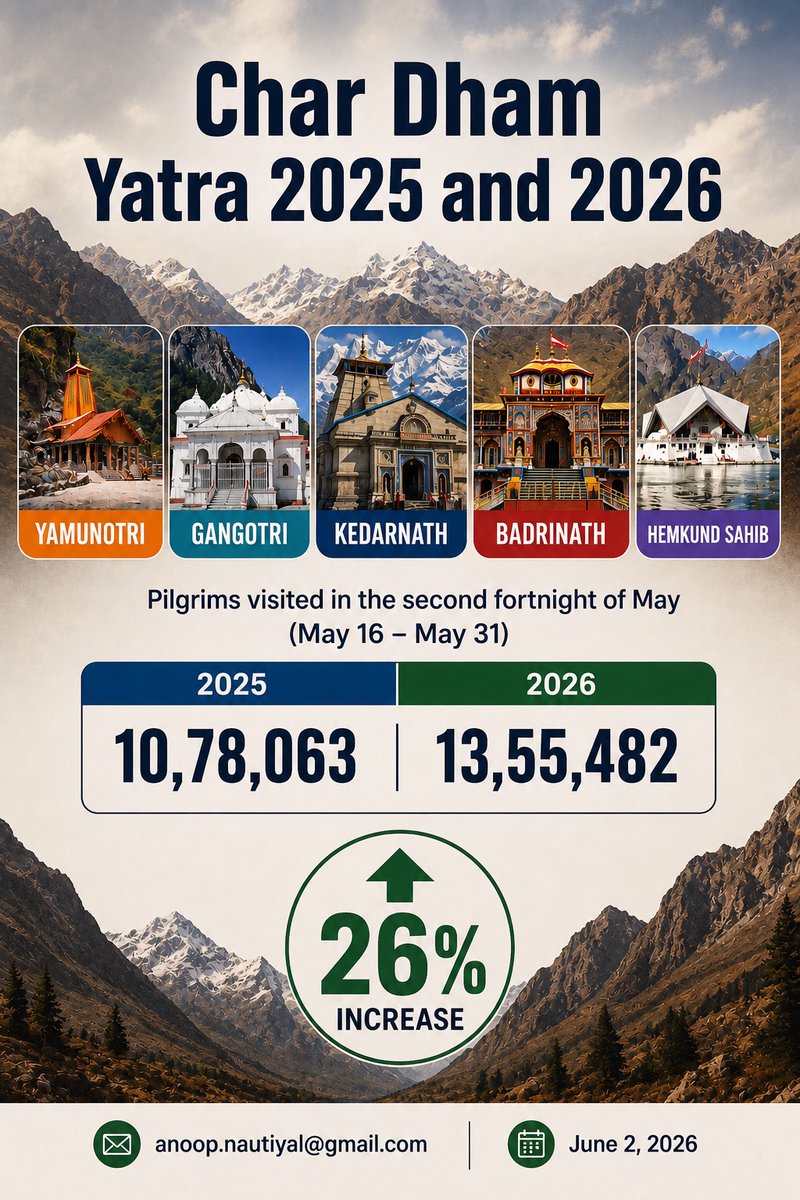
26% Increase in Char Dham Yatra Numbers in Second Fortnight of May 2026:
The ongoing Char Dham Yatra is witnessing a sharp surge in pilgrim numbers compared to the previous two years.
In the second fortnight of May, between May 16 till May 31, 2026 a total of 13,55,482 pilgrims visited Kedarnath, Badrinath, Gangotri , Yamunotri and Hemkund Sahib compared to 10,78,063 pilgrims during the same period in 2025, an increase of 26%.
The extremely high numbers at Kedarnath and Yamunotri are particularly concerning as both sites require substantial trekking. Masive traffic jams and roadblocks have been widely reported on the Badrinath route as well.
Such massive pilgrim inflows are a grim reminder of the enormous challenges of crowd management in a region already facing increasing pressures from extreme weather events, climate vagaries and frequent disasters.
Compounding the challenges are law and order issues, massive traffic snarls, pilgrim safety concerns, health challenges, unabated waste generation, immense pressures on animals and infrastructure stress.
While the high pilgrim footfall undoubtedly translates into significant economic gains for many Yatra-associated stakeholders, the environmental costs continue to remain completely unaccounted for. Despite repeated discussions about carrying capacity, the ground reality is completely contrary to these principles.
Considering that it is high time, it is expected that the Government of Uttarakhand will finally adopt a sustainable approach towards the management of the Char Dham Yatra instead of viewing it only as a record-setting and record-breaking exercise.
@PMOIndia
@AmitShahOffice
@ndmaindia
@OfficeofDhami
3
9
17
598
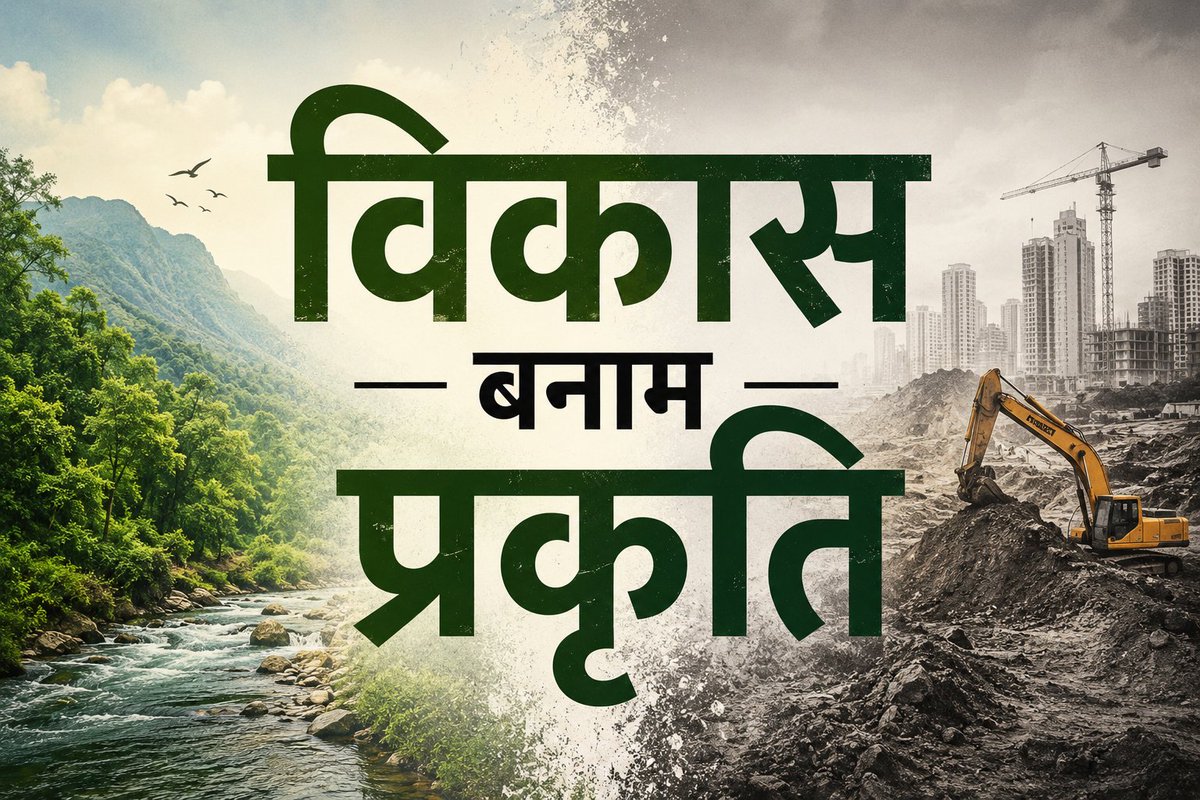
🌳 विकास बनाम प्रकृति — क्या यह सचमुच एक विकल्प है?
📖 पूरा लेख पढ़ें और अपने विचार साझा करें। sdcuk.in/वि%…
जब जंगलों को सिर्फ "खाली ज़मीन" और नदियों को सिर्फ "संसाधन" समझा जाने लगे, तब विकास की कीमत पर्यावरण और स्थानीय समुदायों को चुकानी पड़ती है।
SDC Foundation के लिए लिखे गए इस विचारोत्तेजक लेख में लेखक Sandeep Singh Negi विकास, पर्यावरण संरक्षण और समुदायों के अधिकारों के बीच संतुलन की ज़रूरत पर महत्वपूर्ण सवाल उठाते हैं।
✍️ यदि आप भी पर्यावरण, विकास, समाज, नीति या समसामयिक मुद्दों पर लिखते हैं, तो अपनी रचनाएँ हमें भेजें:
📩 contactsdcuk@gmail.com
#Uttarakhand
1
92
The Himalayas are no longer behaving like the Himalayas we once knew. ❄️🔥
Between March and May 2026, Uttarakhand witnessed an unusual combination of heatwaves, forest fires, and shrinking snow conditions at the same time.
Dehradun crossed 40°C for consecutive days this May, while several hill regions also recorded unusually high temperatures for the season.
At the same time, forest fires intensified across Himalayan forests.
According to recent Down To Earth analysis using NASA FIRMS data, forest fires in India during early 2026 were over 80% higher than the past decade average, with Himalayan states like Uttarakhand showing major spikes in both frequency and intensity.
Scientists are increasingly linking this to:
• weaker Western Disturbances
• declining winter snowfall
• prolonged dry spells
• warmer nights and rising surface temperatures
The consequences are now becoming structural.
Less snowfall means lower glacier recharge and declining spring water availability. Rising temperatures are increasing forest fire risk months before the traditional fire season.
Heat stress is also beginning to affect mountain agriculture, tourism economies, biodiversity, and public health in Himalayan towns.
Studies already show Uttarakhand’s forest fire incidents rising dramatically over the years — from around 922 recorded incidents in 2002 to over 41,000 by 2019.
The worrying part is not just the fire.
It is the collapse of the Himalayan climate rhythm itself.
Snowless winters, warmer mountains, earlier fires, and prolonged heat are no longer isolated events.
They are beginning to overlap together — turning the Himalayan region into one of India’s most climate-sensitive zones.
#ClimateChange
#Uttarakhand
1
1
3
88
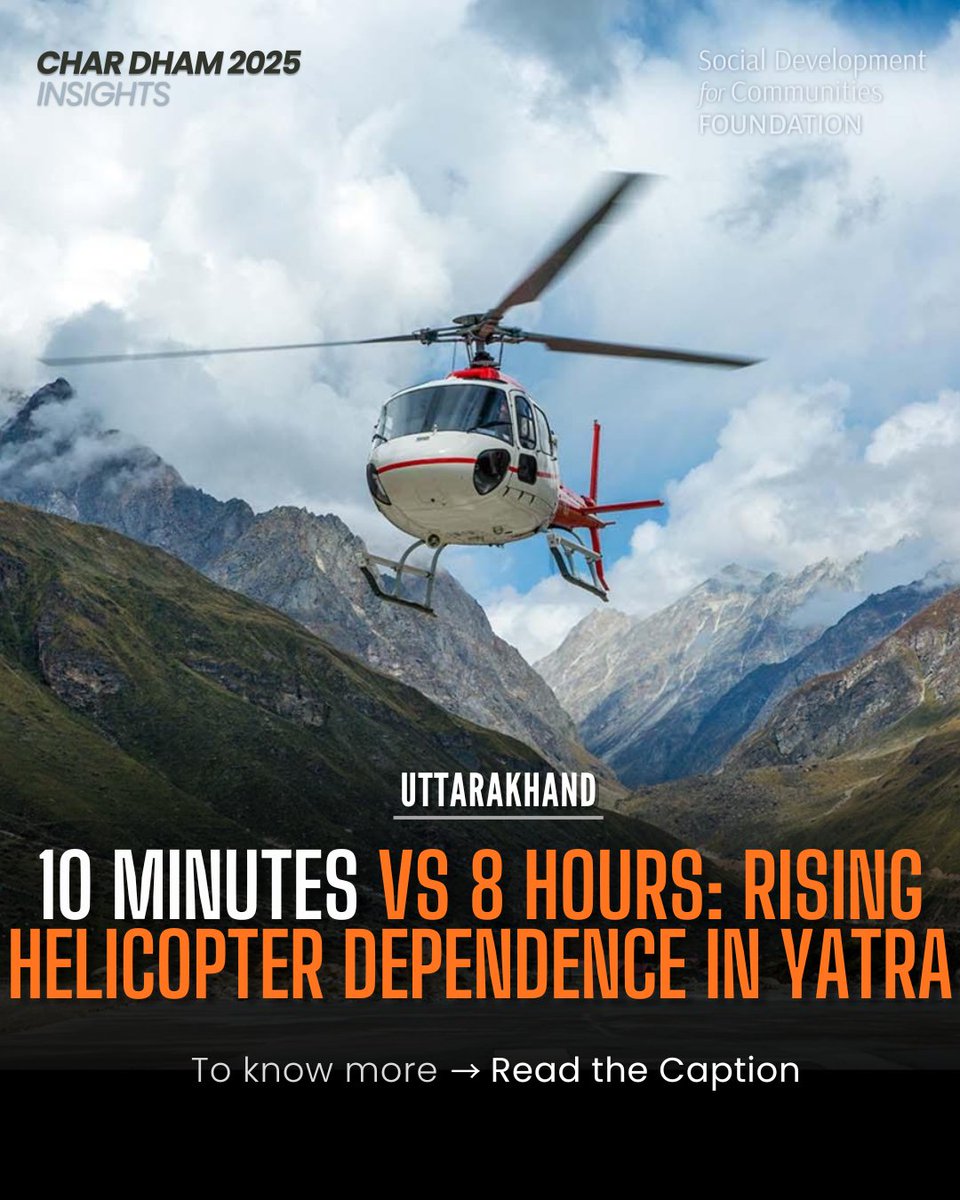
A journey that once took 6–8 hours… now takes just 6–10 minutes. 🚁
In Char Dham Yatra 2025, helicopter access — especially to Kedarnath — is rapidly reshaping how pilgrims travel.
The numbers highlight the shift:
• 6–10 minute flight vs 6–8 hour trek
• Kedarnath alone sees ~17.6 lakh pilgrims
• Flights operate at ~3,583 metres in narrow Himalayan valleys
But this convenience also comes with growing risks and dependency.
Helicopters operate only in daylight and clear weather. Even minor fog, wind, or cloud cover can suspend operations completely.
👉 Result:
• tickets sell out within minutes
• pilgrims crowd helipads for hours
• delays quickly turn into uncertainty and chaos
And the safety concerns are becoming harder to ignore.
Recent years have witnessed multiple helicopter accidents, emergency landings, and fatalities on Char Dham routes linked to weather, terrain, and operational pressure. In 2025 alone, Uttarakhand saw repeated helicopter incidents during the yatra season, including fatal crashes near Kedarnath and Gangotri routes.
⚖️ The bigger question is: Are helicopters supporting the yatra…or quietly becoming the backbone of access?
Because when thousands depend on a 10-minute aerial route in fragile Himalayan terrain, even a small disruption can trigger large-scale operational and safety consequences.
You can share your reviews and engage with us on our ongoing research and advocacy around Char Dham Yatra in Uttarakhand — just drop us a mail at contactsdcuk@gmail.com 📩
#CharDhamYatra #Uttarakhand
2
174
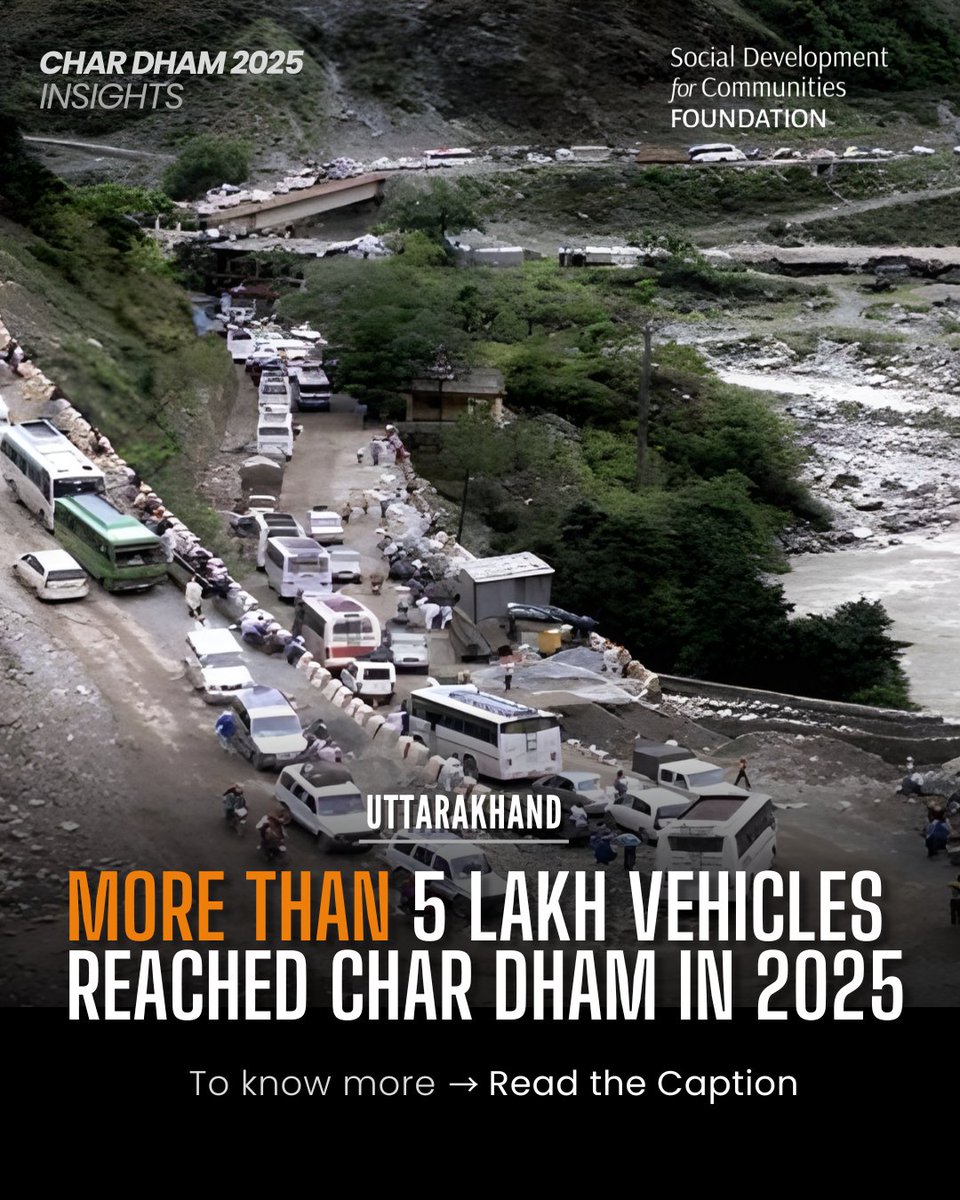
Char Dham Yatra is growing every year—but so is the pressure on the Himalayas.
In 2025 alone, a total of 5,14,016 vehicles reached the Char Dham routes.
📍 Breakdown:
* Badrinath – 2,19,309
* Kedarnath – 1,38,954
* Gangotri – 91,578
* Yamunotri – 64,175
That’s over 5 lakh vehicles travelling through some of the most fragile mountain terrains in India.
These are not normal highways. These are narrow, landslide-prone Himalayan roads with limited capacity.
🚗 More vehicles mean:
* Heavy traffic congestion
* Increased pollution in eco-sensitive zones
* Higher pressure on already weak infrastructure
* Greater risk during landslides and extreme weather
At the same time, over 51 lakh pilgrims visited the Char Dham in 2025—showing how rapidly the scale of the yatra is increasing.
👉 The question is not just about access, but about sustainability.
Can the Himalayas handle this level of traffic every year?
Because if growth continues without regulation, the cost may be paid by both nature and human lives.
You can share your reviews and engage with us on the report — drop us a mail at contactsdcuk@gmail.com 📩
4
177
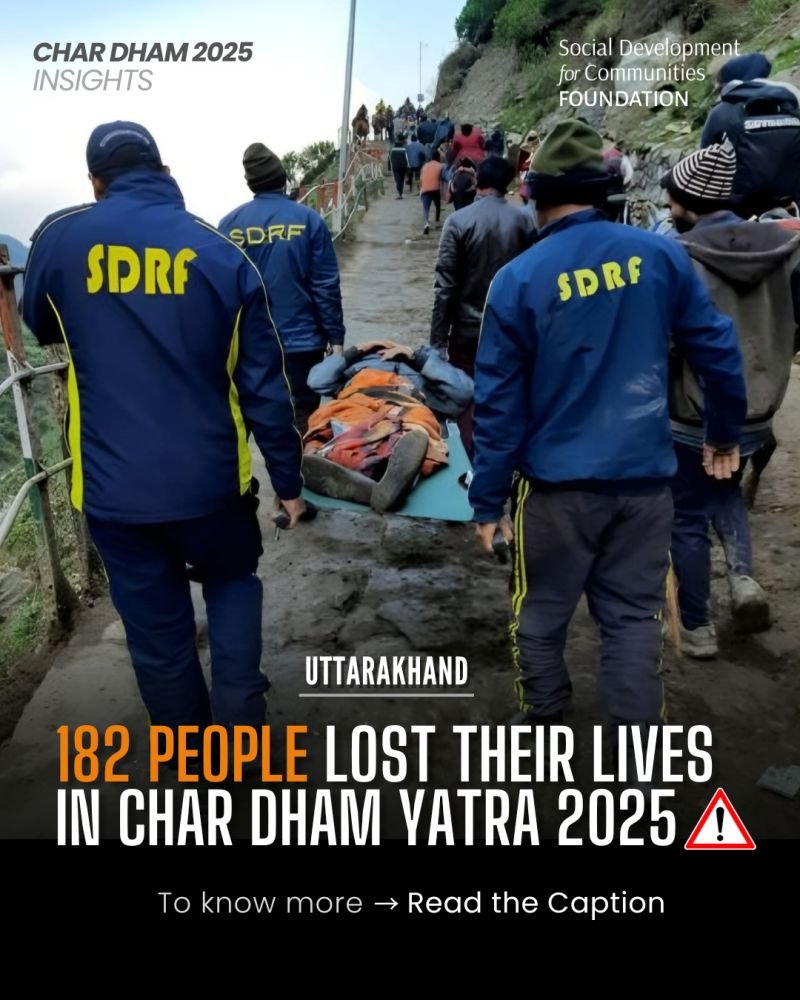
Char Dham Yatra is one of the most sacred journeys in India. But the 2025 data highlights a serious concern.
A total of 182 people lost their lives during the yatra. Out of these, 159 deaths were due to medical reasons, not accidents.
📍 Breakdown of medical deaths:
* Kedarnath – 75
* Badrinath – 45
* Yamunotri – 23
* Gangotri – 16
In addition, there were injuries and even a missing person reported, showing that risks go beyond just fatalities.
This shows that the biggest risk isn’t always the terrain—it’s health.
⛰️ High altitude
🌬️ Low oxygen levels
🚶♂️ Long travel & physical exertion
All of this makes the journey extremely demanding, especially for elderly pilgrims or those with pre-existing conditions.
At the same time, over 51 lakh pilgrims undertook this journey in 2025—putting immense pressure on infrastructure, medical systems, and emergency response.
Many of these deaths could have been prevented with:
* Proper medical screening before travel 🏥
* Better awareness about health risks 📢
* Stronger on-ground medical facilities 🚑
👉 The focus should not just be on increasing pilgrim numbers, but on ensuring safe and prepared journeys.
@Anoopnautiyal1 @Writer_Rishabh
1
4
88
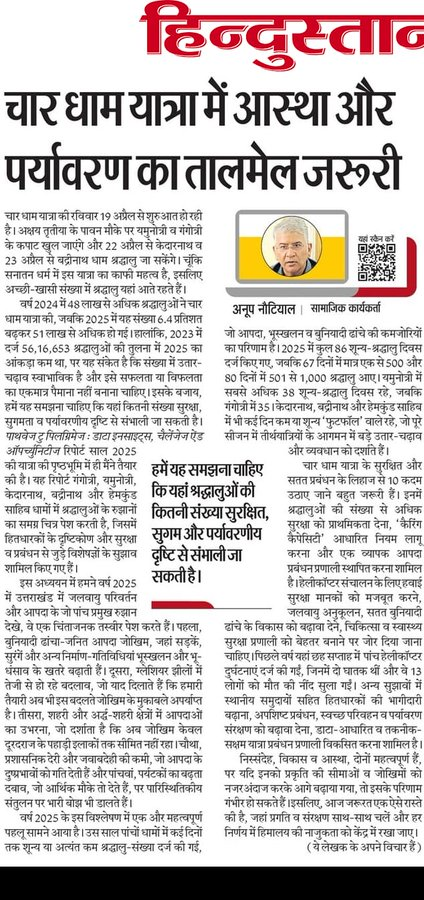
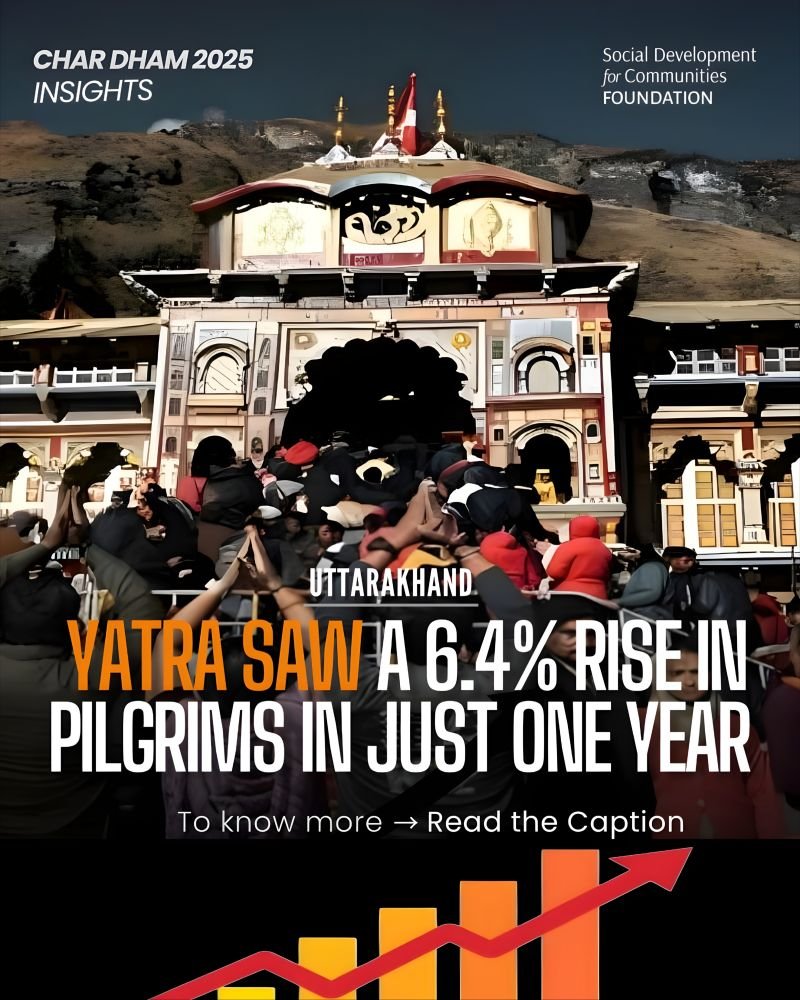
Char Dham Yatra is witnessing a steady rise in pilgrim numbers every year 🙏📈
In 2024, around 48 lakh pilgrims visited the shrines.
In 2025, this number increased to 51 lakh pilgrims, marking a growth of over 3 lakh people (6.4% increase). 🚶♂️🚶♀️
At first glance, this growth reflects rising faith and improved accessibility
But it also raises serious concerns. ⚠️
More pilgrims means:
* Increased pressure on fragile Himalayan roads 🛣️
* Higher environmental stress 🌱
* Greater demand for medical and emergency services 🚑
* Risk of overcrowding in high-altitude regions ⛰️
What’s important is that this growth has happened without a significant increase in infrastructure capacity.
In fact, the duration of the yatra remained almost the same ⏳, which means more people are travelling within the same limited timeframe, increasing crowd density. 🚨
This puts both pilgrims and the ecosystem at risk. ⚠️
especially in a region already prone to landslides, extreme weather, and altitude-related health issues. 🌧️⛰️
👉 The key question is not just how many people are visiting, but how safely and sustainably this growth is being managed.
A shift from a “record-breaking numbers” mindset 📊
to a “safety and sustainability first” approach 🌱
is essential for the future of Char Dham Yatra.
1
1
3
530
On average, every urban commuter in India spends 90-100 hours a year in traffic jams!
Watch our recent video analysis of India's crumbling traffic situation by our founder @Anoopnautiyal1.
Share your take on this in the comments!

In my latest YouTube video, I took a hard look at the growing traffic chaos across India and why it’s becoming unbearable for citizens everywhere. I went beyond highlighting the problem to offer solutions that can work across the nation. I had earlier posted some short reels from the video, now uploading the full version. Hope you find it relevant & insightful.
@nitin_gadkari
@OfficeOfNG
@MORTHIndia
@MORTHRoadSafety
@NITIAayog
1
4
49
86 days. Not a single pilgrim. That’s what the Char Dham Yatra 2025 data reveals.
For 86 days, roads were shut, routes were unsafe, and access to the temples was completely blocked.
- Yamunotri: 38 zero days
- Gangotri: 35 zero days
Add to that 147 more days of extremely low footfall, and you see a pattern not of occasional disruption, but of systemic instability.
This is not just about the weather anymore. It’s about how climate change is reshaping one of India’s largest pilgrimages.
For local communities, these weren’t just ‘zero days’ they were days with zero income. No tourists, no business, no livelihood.
At one end, we see overcrowding in peak months. At the other end, complete shutdowns.
The real question is:
👉 Are we prepared for a future where such disruptions become normal?
The focus now should shift from record-breaking numbers to building a resilient, climate-ready pilgrimage system.
Read the full report here: lnkd.in/gEdfjvSe
Keep following us for more such insights on climate change, safety, and Char Dham Yatra.
Interested in knowing more about our report or supporting our research efforts? Feel free to drop an email at contactsdcuk@gmail.com
1
90
🚨 72% pilgrims complete Char Dham Yatra in just 60 days.
📊 One week alone sees ~11% of total footfall.
This isn’t a smooth pilgrimage flow. It’s a structural bottleneck.
As the Yatra begins from 19th April, we’re launching a data-driven report to unpack this:
📊 200 days of granular data across shrines
📈 Extreme early-season crowd concentration vs underused later months
⚠️ Overcrowding, safety risks & infrastructure stretched to limits
🌧️ Weather disruptions, zero-pilgrim days & repeated interruptions
🚁 Safety concerns, including multiple helicopter incidents
🌍 Mounting sustainability stress in a fragile Himalayan ecosystem
This is not just about management. It’s about capacity.
➡️ Why Uttarakhand must move from record-chasing to data-driven, risk-aware Yatra governance.
Stay tuned.
@Anoopnautiyal1 @Writer_Rishabh
6
151
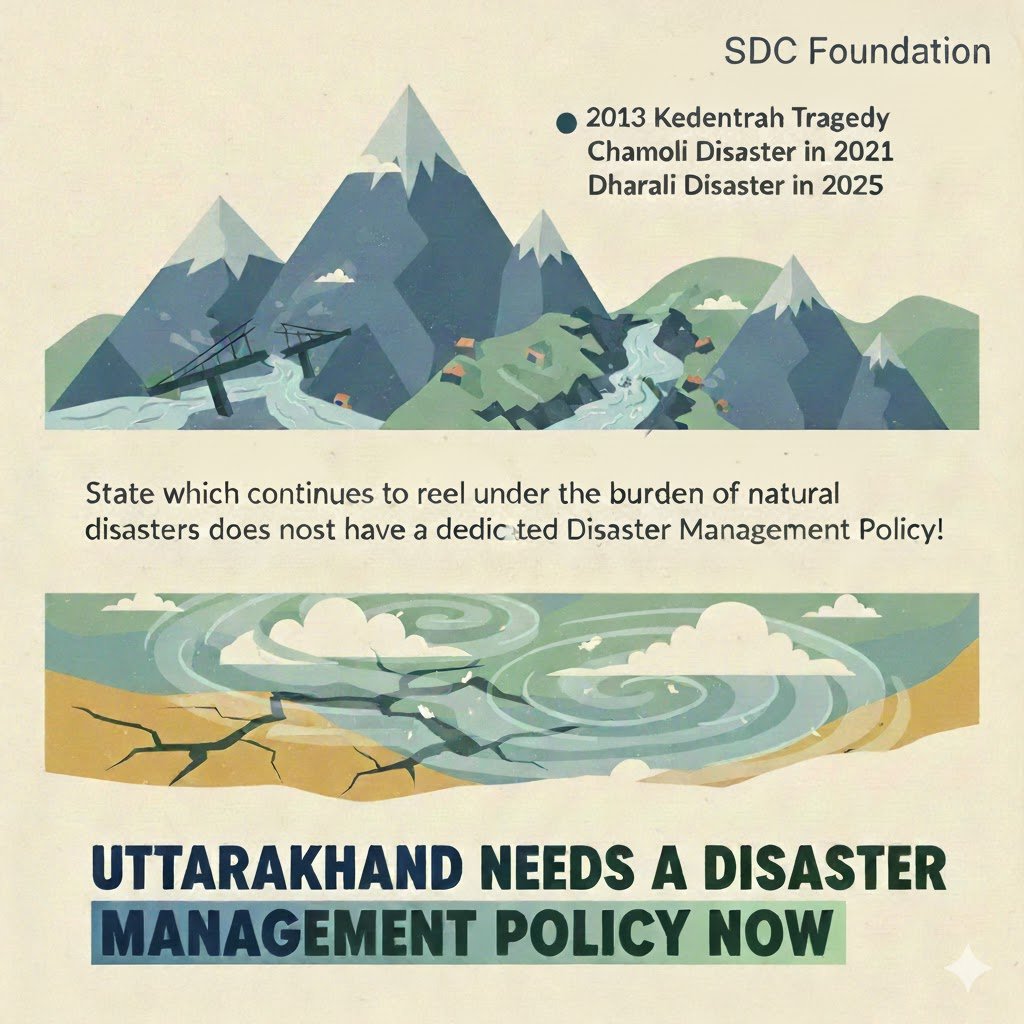
Yes, #Uttarakhand needs a dedicated policy on #disaster management!
4 Dec 2025
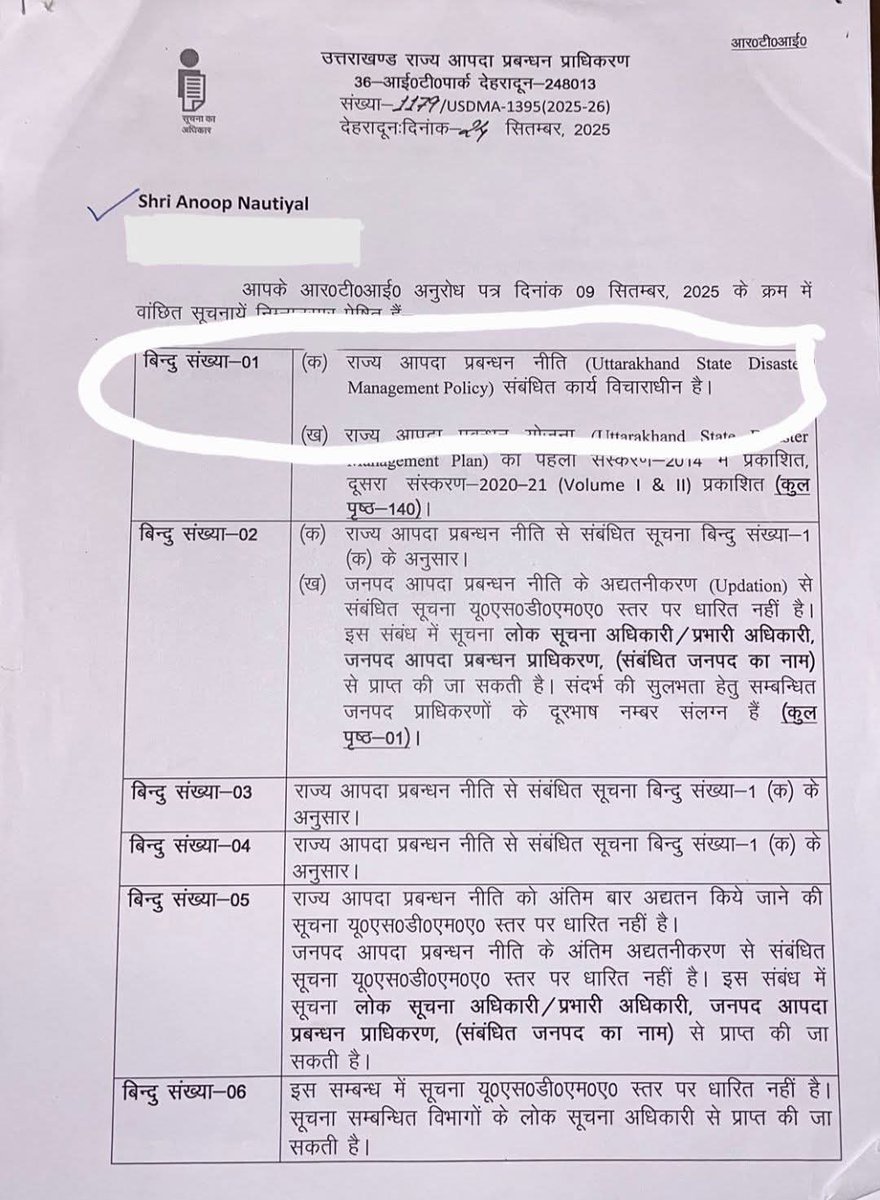
शर्मनाक, उत्तराखंड में नहीं है आपदा प्रबंधन नीति!
धराली में 147 लोगों के लापता होने संबंधी कर्नल अजय कोठियाल के बयान ने उत्तराखंड की राजनीति में ज़बरदस्त भूचाल ला दिया है। यह मामला अब केवल दो राजनीतिक दलों के बीच तकरार तक सीमित नहीं रहा बल्कि राज्य के लोगों और सरकार के भीतर भी गंभीर मतभेद और अव्यवस्था उजागर कर रहा है।
लेकिन जब हम धराली जैसी दुखद और चिंताजनक घटनाओं पर चर्चा कर ही रहे हैं, तो यह एक बार फिर याद दिलाना ज़रूरी है कि उत्तराखंड आज भी आपदा प्रबंधन नीति के बिना चल रहा है।
यह वही राज्य है जो हर साल भूस्खलन, बाढ़, जंगल की आग, सड़क दुर्घटनाओं और अत्यधिक जलवायु घटनाओं से जूझता है। यह वही प्रदेश है जिसने केदारनाथ 2013 से लेकर चमोली 2021 और अनगिनत मानवीय त्रासदियाँ देखी हैं। फिर भी हमारे पास आज तक एक स्पष्ट Disaster Management Policy क्यों नहीं है?
क्या यह शर्म की बात नहीं है कि एक पहाड़ी राज्य, जो सबसे अधिक आपदाओं का बोझ उठाता है, वह अभी भी “घटना-के-बाद प्रतिक्रिया” पर निर्भर है? क्या मुख्यमंत्री और उनकी सरकार को इस पर तुरंत ध्यान नहीं देना चाहिए?
आज राजनीतिक बयानबाज़ी से ज़्यादा ज़रूरत व्यवस्था की जवाबदेही की है। धराली की त्रासदी हमें एक बार फिर याद दिलाती है कि आपदा प्रबंधन पर गंभीर पहल के बिना, उत्तराखंड लगातार जोखिम में ही रहेगा।
इसमें कोई संदेह नहीं कि उत्तराखंड में लगभग सभी सिस्टम धराशाई हो चुके है और आपदा जैसे संवेदनशील मुद्दे पर बेहद कम काम हुआ है। खैर अब तो जिम्मेदारी लेनी चाहिए और सरकार को एक मज़बूत आपदा प्रबंधन नीति तैयार करनी चाहिए। हम उत्तराखंड के लोग इससे कम के हकदार नहीं है।
#उत्तराखंड
#Uttarakhand
PS : Sharing RTI reply dated 24 Sept, 2025 from USDMA on above subject!
Shri @pushkardhami (For Information and Action)
@PMOIndia (For Information)
@ndmaindia (For Information)
1
75
Social Development for Communities Foundation retweeted

3 Dec 2025
Excited to Announce Our New Article! ✨
“On the Edge of Loss: A Call to Conserve Uttarakhand’s Tangible Heritage” is now published by @sdcfoundationuk
Read the full article here:
sdcuk.in/on-the-edge-of-loss…
Let’s step forward together to protect Uttarakhand’s Heritage. @rawat957
1
1
44
It is encouraging to see more and more people voicing their thoughts and opinions on the state of our cities and urban infrastructure. But, it needs to be sustained and such social media campaigns should create space for more actions and mobilizations on the ground. No?
1
1
4
205