774 Photos and videos

Pinned Tweet

25 May 2023
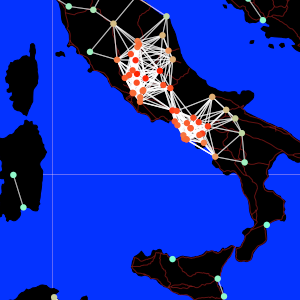
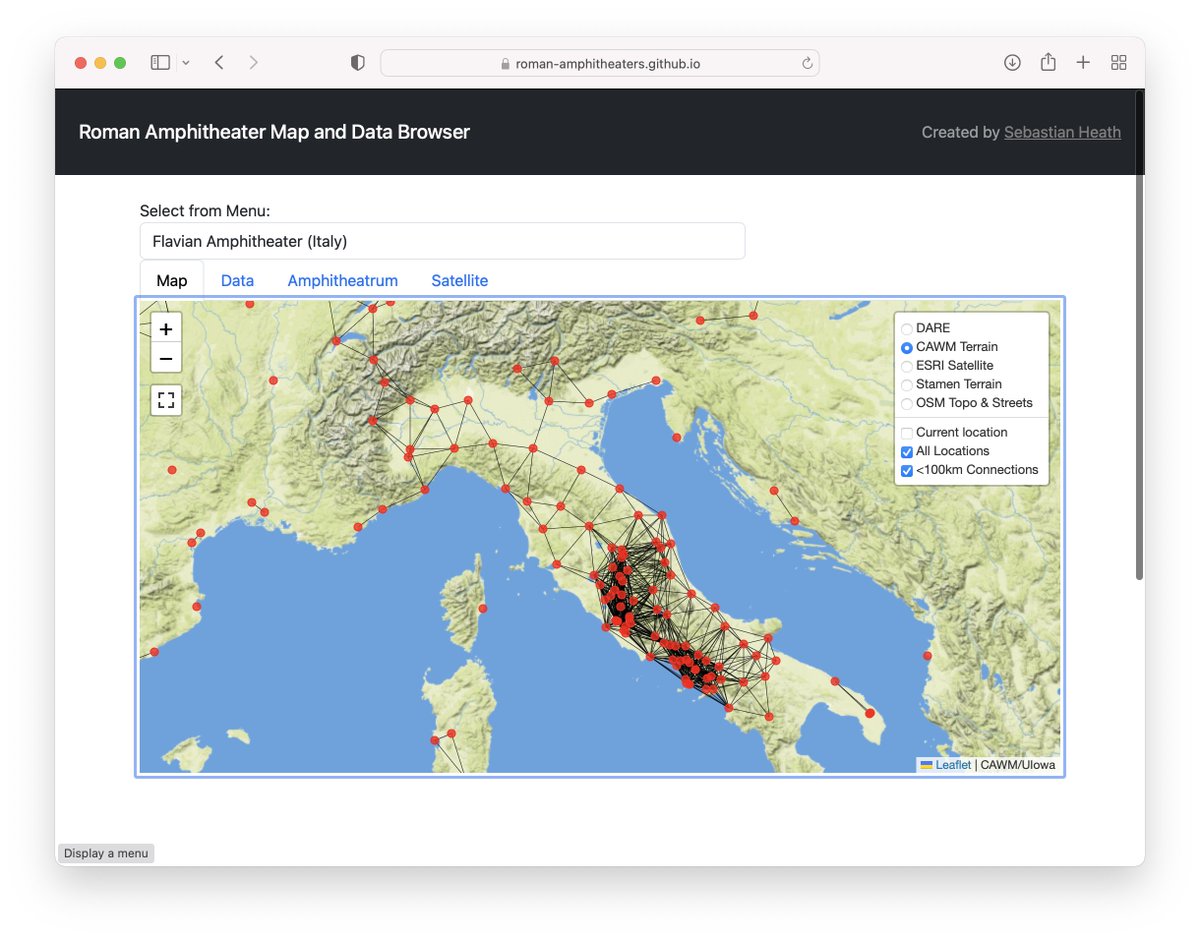
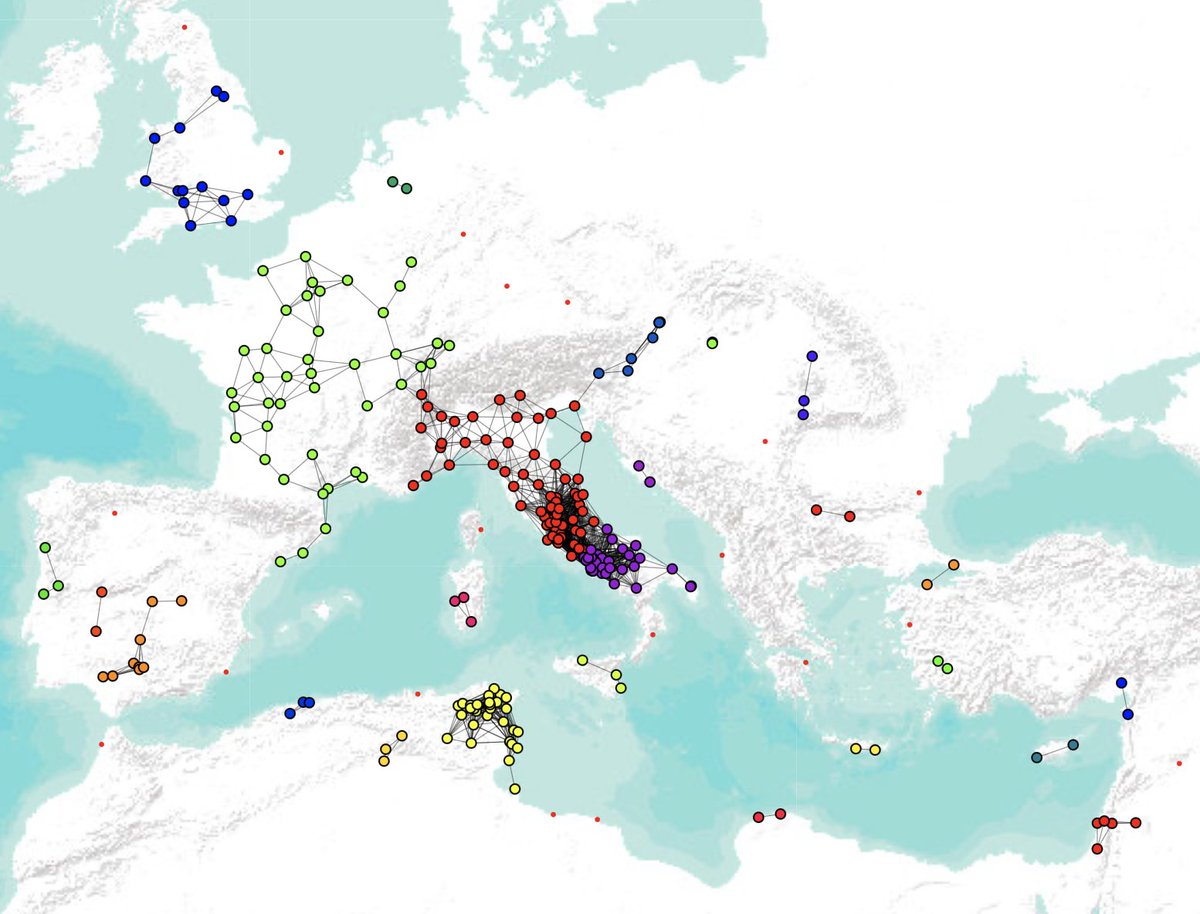
Last night I added a "<100 Connections" overlay to the Amphitheater Browser. A hint of "#NetworkAnalysis". Or at least some sense of where there are many "close" amphitheaters. Pic shows it looks nice with the CAWM Basemap roman-amphitheaters.github.i… . 1/2
ALT Screenshot of showing Roman Amphitheater browser showing display of less than 100km distances between locations.
1
3
12
1,751
2 Aug 2023
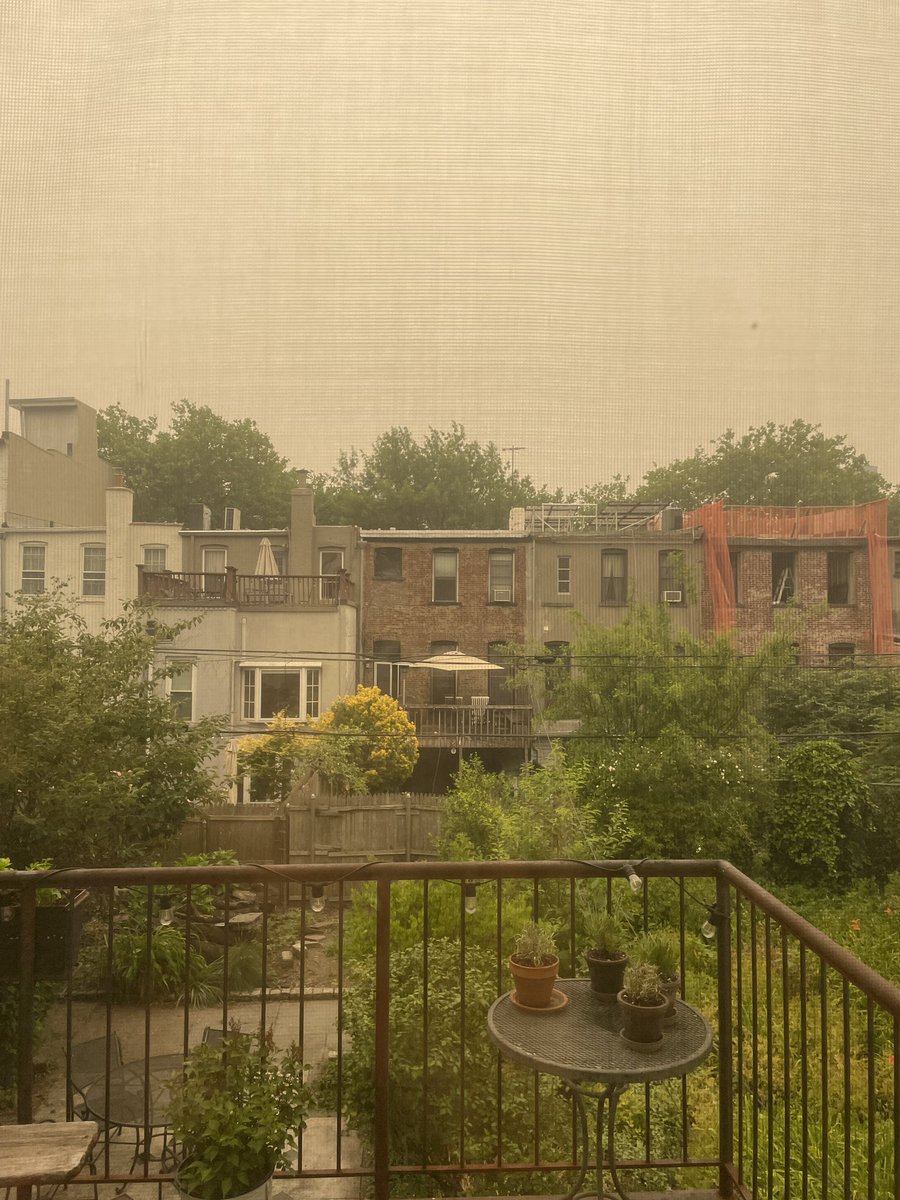
If this is my last tweet, then this may well be where I'm off to.
1
7
635
Sebastian Heath retweeted

25 Jul 2023
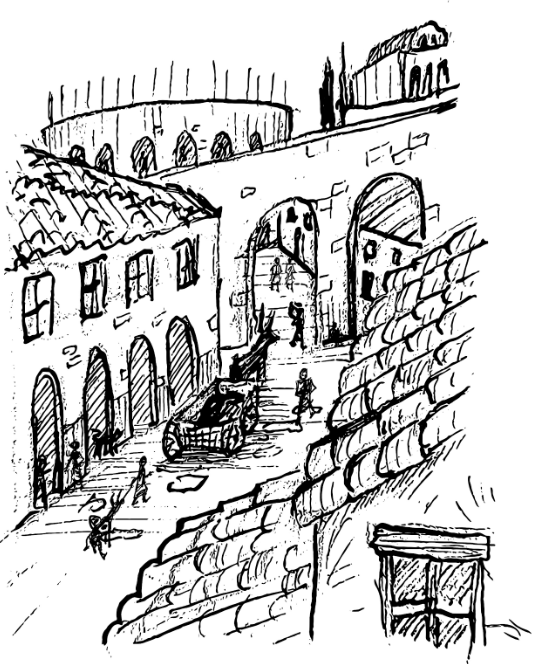
I've been working on an open source novella/textbook for first year Latin students. The main character is a curious cat who solves mysteries. Here is Mysterium Felis Absentis! It features the underground basilica near the Porta Maggiore. Edits welcome!! #classicstwitter🧵
5
22
144
12,716
25 Jul 2023
I'm tempted to propose a volume titled "We're not sure and that's OK: Selected studies from the Roman World" (I'd humbly ask @candidamoss to contribute as it picks up an occasional thread of convo.)
1
1
14
1,619
19 Jul 2023
4
966
17 Jul 2023
The "Kenchreai Ceramic Catalog" is still in earliest stages. Looking OK, I think. I've added Pontic and Cypriot Sigillata. Some nice Late Roman Athenian vessels. Our earliest African Red Slip piece (Hayes 8a) and other entries. All with pretty good photos. kenchreai.org/catalogs/kench…
4
4
871
15 Jul 2023
On test basis, J.Rife and I have begun a "Kenchreai Ceramic Catalog". See kenchreai.org/catalogs/kench… . Early stage! But may help readers explore the rich assemblage there. (Flagging @AliceWaldner1, @IreneSotoMarin, @SLadstaetter, @romanpottery among others who might be interested.)
6
9
1,444
14 Jul 2023
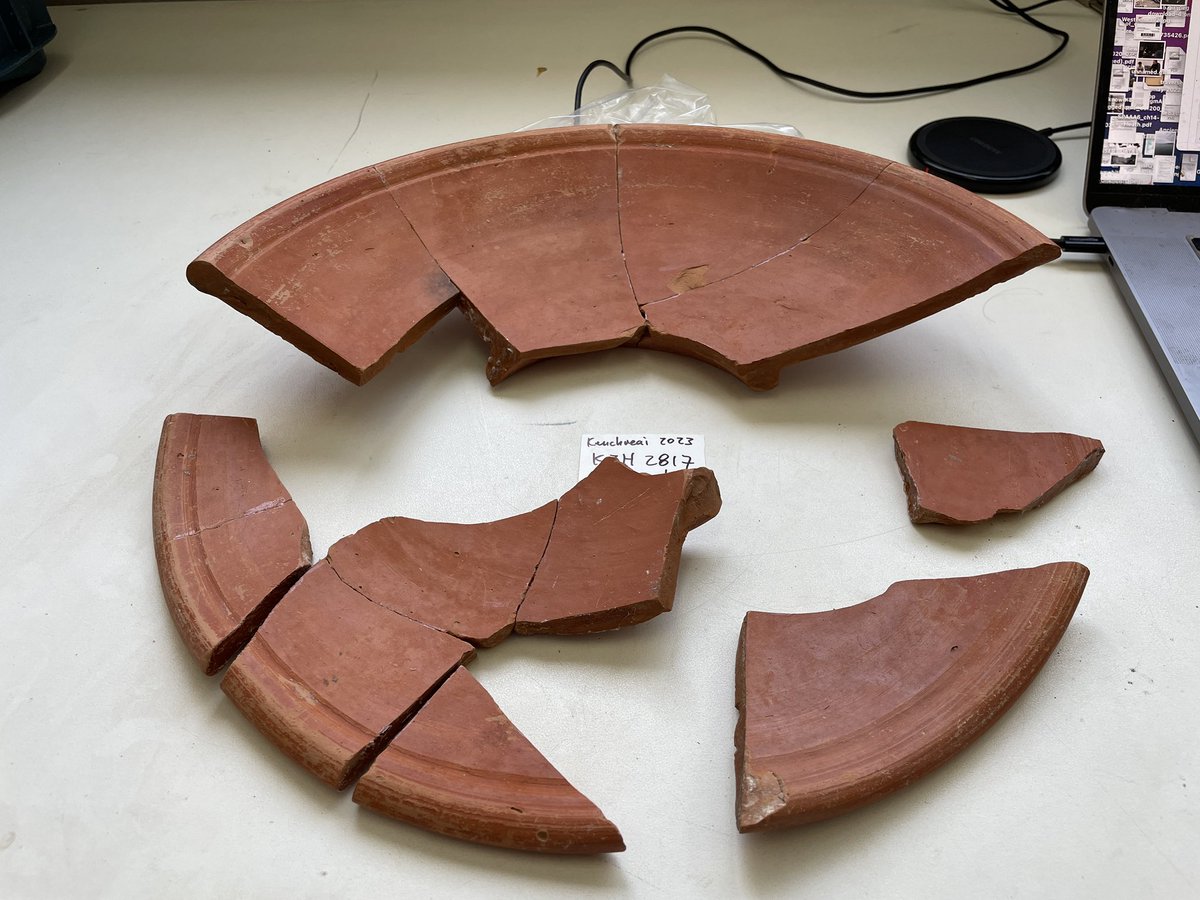
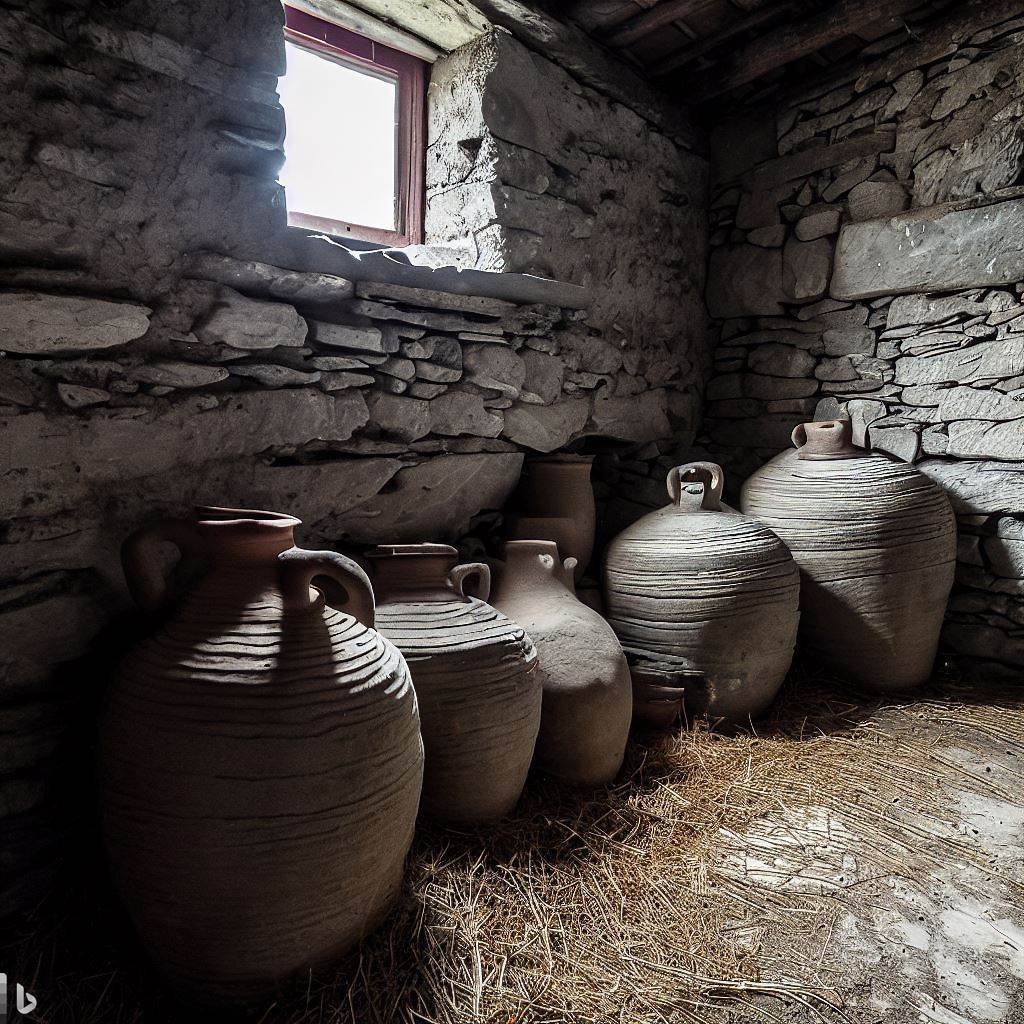
Quick illustration of the archaeological principle that you don’t need to find much of a vessel to restore it. Just about any part of the rim of this Late Roman dish (from area of modern Tunisia) would give an idea of the whole thing. Having base is great as well! #kenchreai2023
4
389
28 Jun 2023
Call for Papers: "Representing the Ancient World through Data", Journal of Open Humanities Data. openhumanitiesdata.metajnl.c… (eds. include @diyclassics ). I'll submit github.com/roman-amphitheate… as a "Short Data Paper". Sept 1 deadline.
1
12
27
2,217
Sebastian Heath retweeted

28 Jun 2023
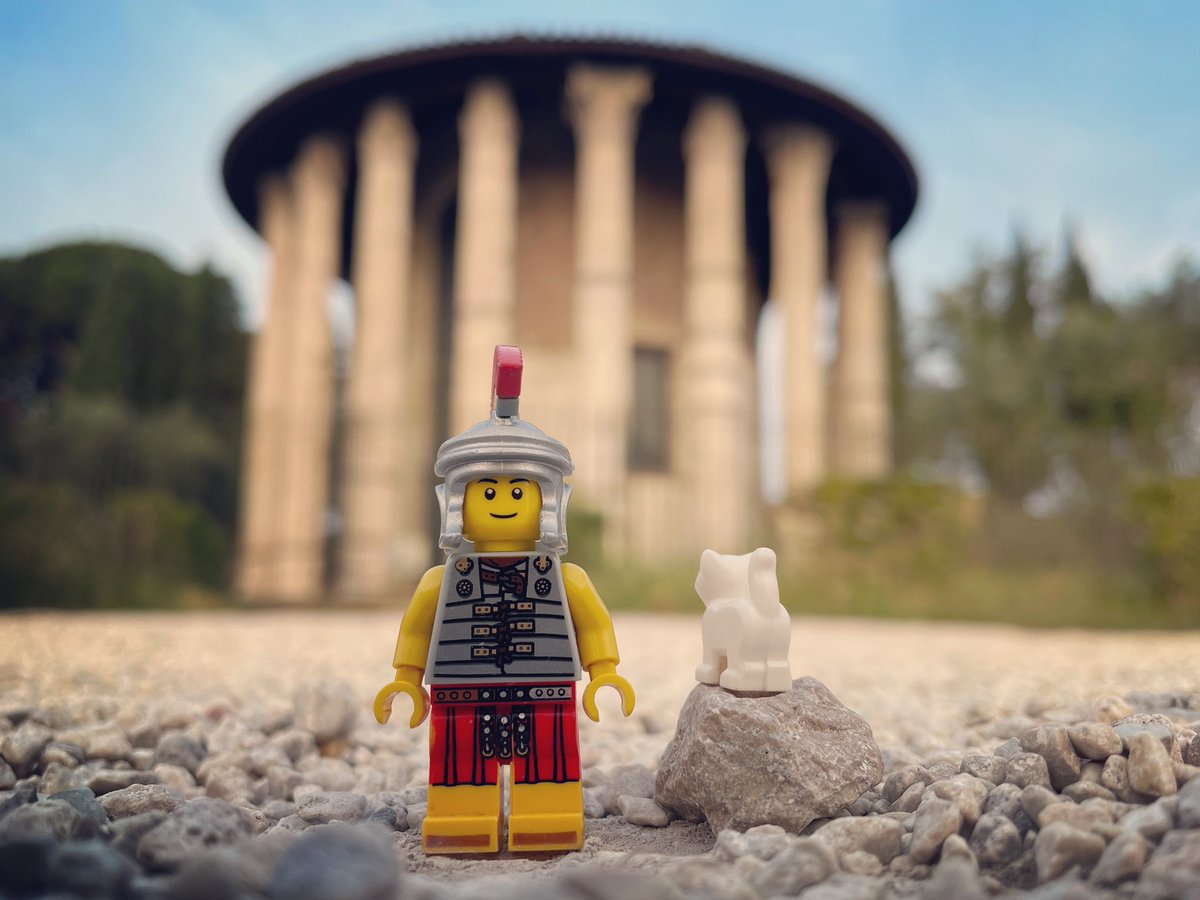
Ecce! Hodie Lola Marcusque regionem inter Tiberim et Capitolium explorant. Hoc illo tempore prope hoc templum rotundum stant. Marcus nescit cuius templum sit, sed olim audivit id esse templum Herculis. Hercules est heros Graecus Marco praedilectus. Lola cupit in tecto dormire.
2
9
96
5,030
26 Jun 2023
I just want everyone to know that I'm in a battle with ubuntu, apache2, and Phusion Passenger. I will win. And it is healthy for me to keep my hand in this plumbing aspect of #DH. Skillz maintenance. But yeah, it's a battle. I'll win! #AcademiChatter
1
10
664
26 Jun 2023
Victory. I think. Though I should be cautious. Phusion Passenger didn't like AWS Linux. So I spun up Ubuntu 22.04. No go (openssl 3.0 too up to date). Ubunto 18.04 too old (Python 3.6). A few AWS instances later... Ubuntu 20.04 worked. Complicated!😠But yeah, victory. I think.
2
206
23 Jun 2023
I grew up in NYC and I live in NYC. Love the place. If you click thru, Vienna at top of this list. I’ve spent a tiny bit of time there. Great public transportation. Great parks. Great vibe. Add in good healthcare, and yeah, I get it. Probably not perfect but definitely livable.
23 Jun 2023

The Economist Intelligence Unit just published its ranking of the most liveable cities, and nowhere in the US made the top 10.
In fact, no US cities have featured in the top 10 since the ranking started in 2009.
businessinsider.com/most-liv…
1
3
943
14 Jun 2023
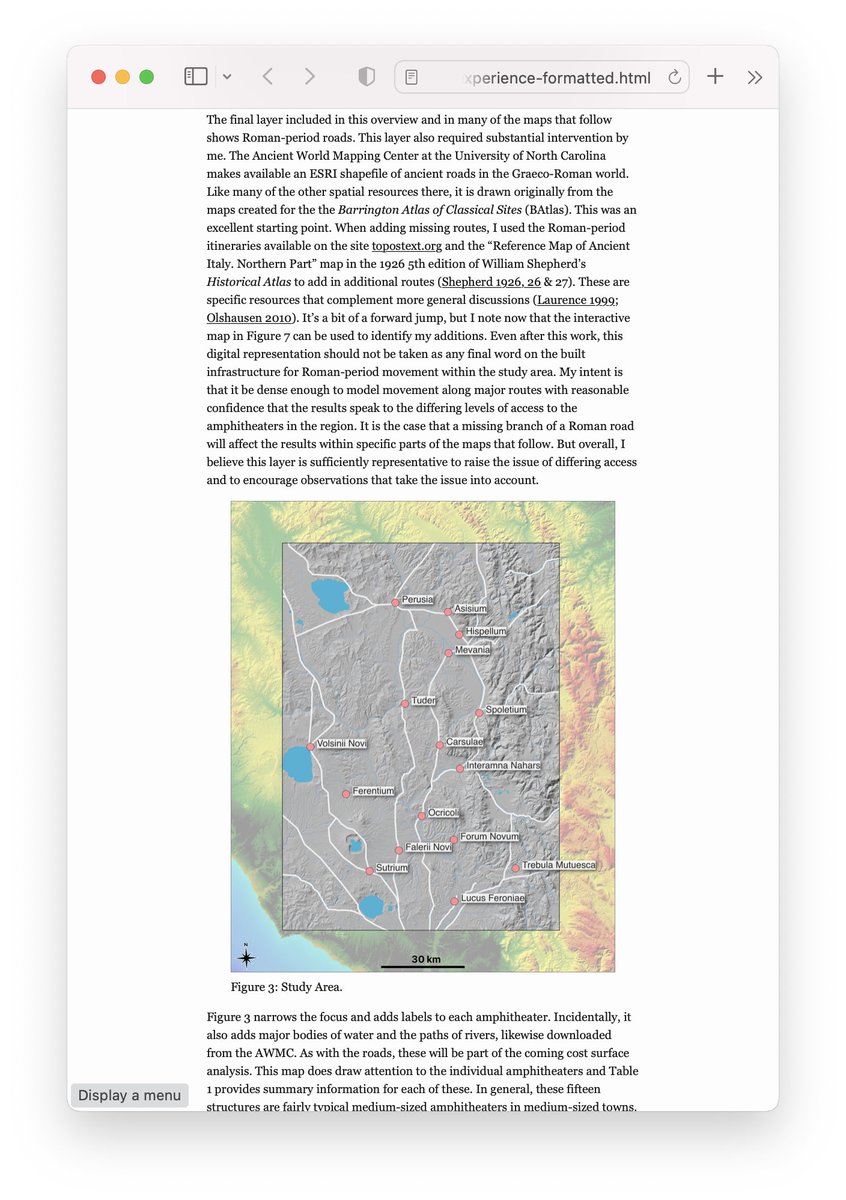
I have something like a complete draft of "Mapping Movement and Diverse Experiences Between Amphitheaters North of Rome". Public preview is at roman-amphitheaters.github.i… . From .md source. I'll use that to pitch to an editor. I won't put that person on spot. But do wish me luck.
7
576
14 Jun 2023
#DH Summer School in September on Lake Como, Italy. From the 11th to the 15th. dhwa.lakecomoschool.org . I'm on the hook for one day's worth of stimulating content. And looking forward to it! Registration open through July, 31st.
1
1
1,001
Sebastian Heath retweeted

8 Jun 2023
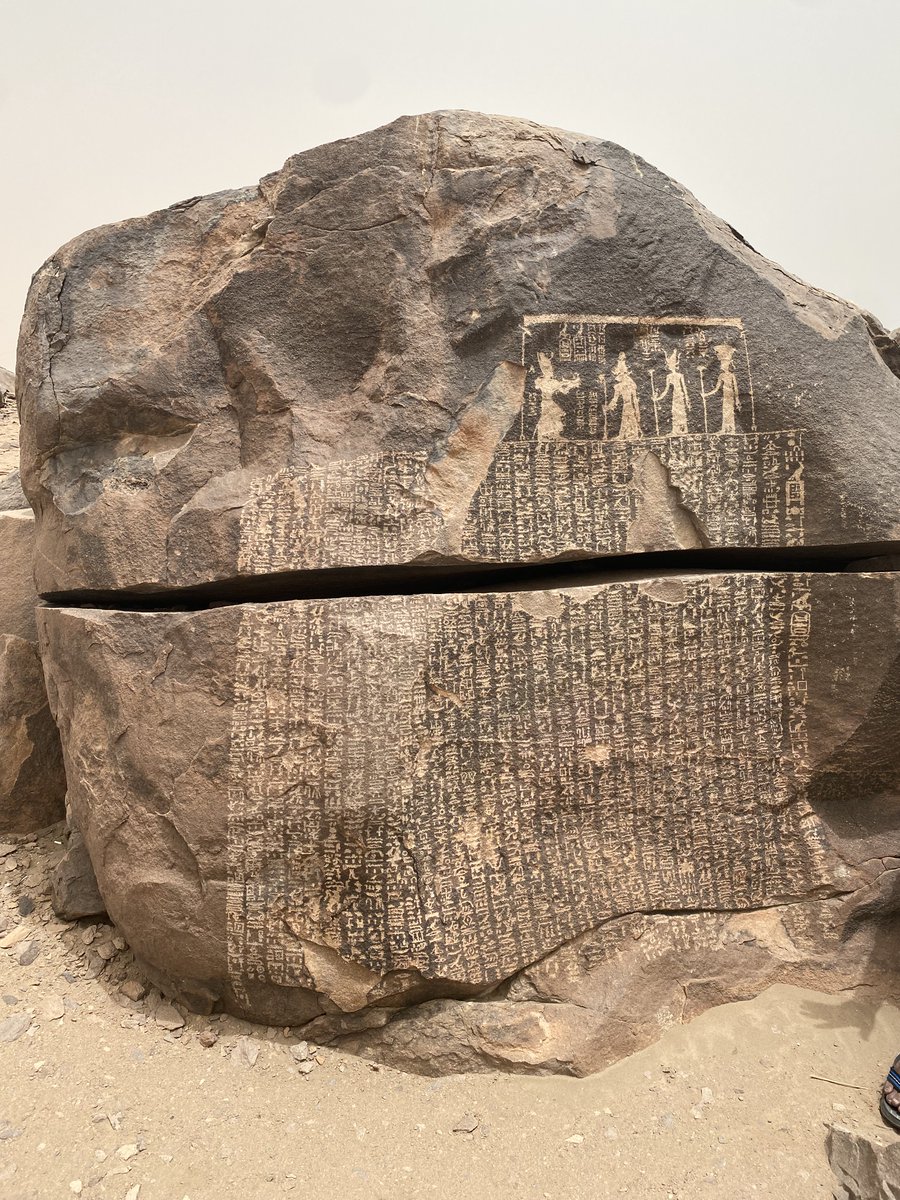
Visited the "hunger stele" today on the island of Soheil south of Elephantine. Getting there requires some hiking up a sandy hill surrounded by a maze of hieroglyphic petroglyphs from various periods - most of which are dedicated to the local triad: Khnum, Satet and Anuket. Beautiful!
This stele's text is set in the 18th regnal year of Djoser and describes the king as anxious about the land of Egypt after a seven year long bout of drought and famine. The king asks the priests for help. Long story short, Imhotep searches some archives, finds a book, informs the king that the flooding of the Nile depends on the god Khnum at Elephantine, where there is a sacred spring located from which the annual flooding originates. Imhotep travels to Elephantine (jbw), purifies himself in the temple of Khnum, and prays to him for help. He falls asleep and has a dream where Khnum god shows off his divine powers, and promises to make the Nile flow again. Imhotep reports this to the king, who then decrees to restore Khnum's temple and grants the priests of temple of Khnum at Elephantine the region between Aswan and Tachompso with all its wealth, as well as a share of all the imports from Nubia.
This is a classic propaganda text, most likely written by the priests of Elephantine to justify their position and privilege. It is also worthwhile to note that the classic "going to the archives to find an old book that reinstates and old cult that saves the people.." which was very popular in antiquity (e.g. 2 kgs 22–23) is also used here. It is too often forgotten that this was a popular narrative trope in antiquity and does not necessarily refer to historic events...
The stele is usually dated to the Ptolemaic period and the possibly relationship to the Joseph story - if any - is debated. Seven-year famines are found in many cultures in the region.
8
39
233
31,656
8 Jun 2023
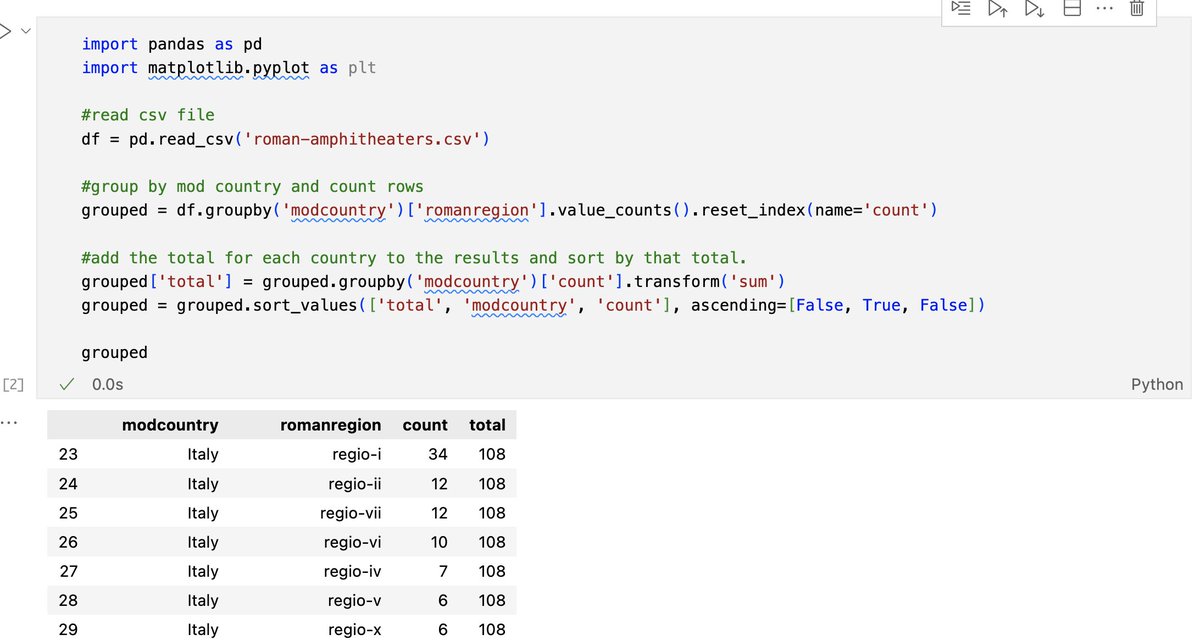
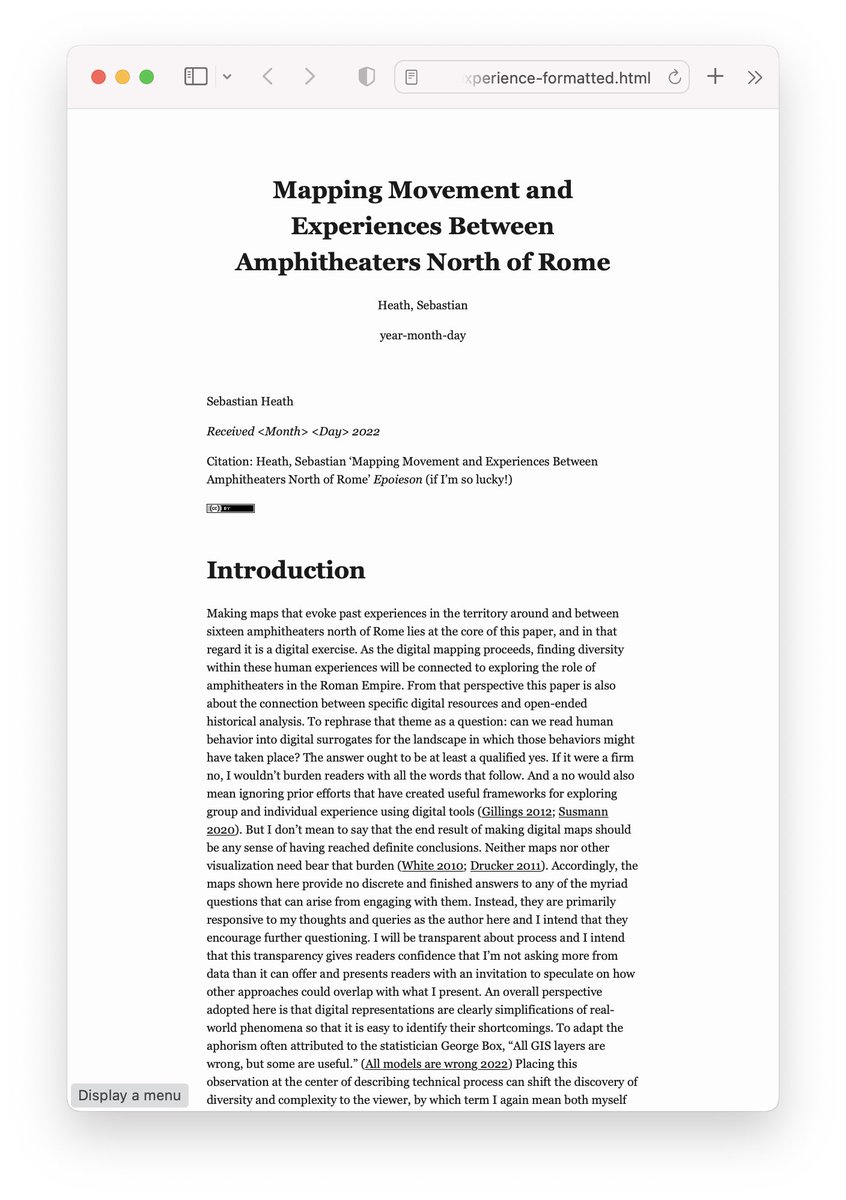
Today's #AcademicChatter is that I am tantalizingly/frustratingly close to being done with an article. Title along lines of "Mapping Movement and Experiences Between Amphitheaters North of Rome". See, screenshots! Come on! Finish by tomorrow! Be done! (Those were notes-to-self.)
9
432
7 Jun 2023
5
19
1,880
6 Jun 2023
Today's #AcademicChatter is that getting in about 3 hours of writing *before* turning to the departmental and other service that also beckons will count as self-care. Yesterday, reversing that did *not* work.
5
254
Sebastian Heath retweeted

29 May 2023
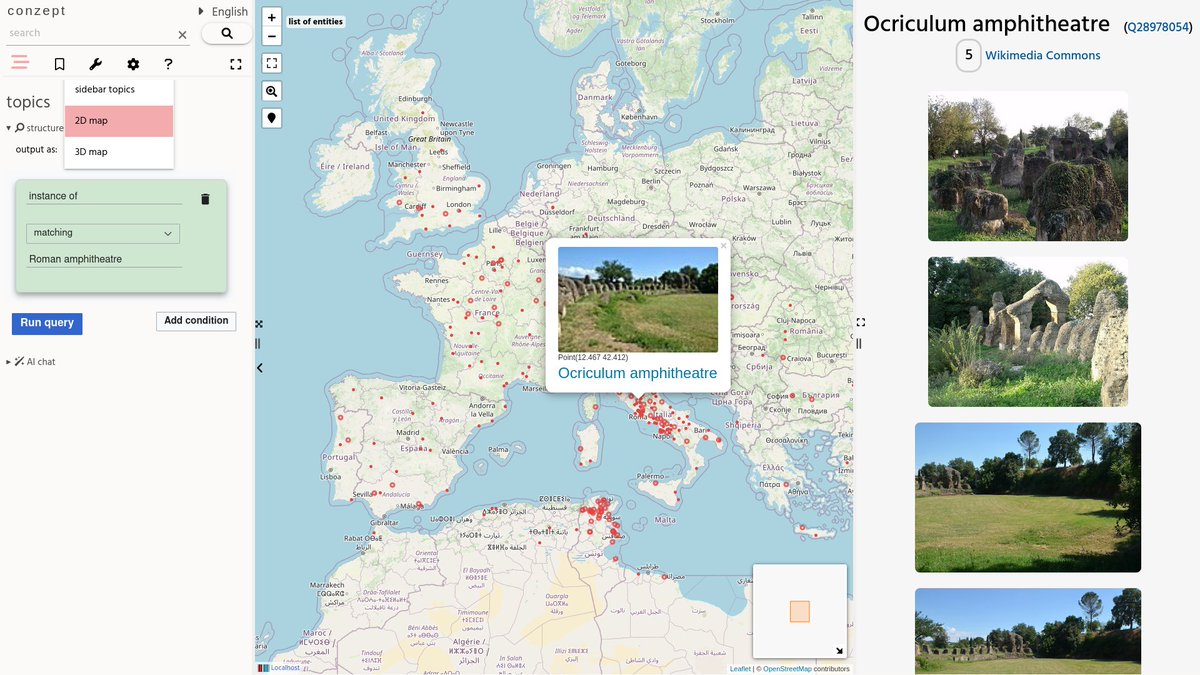
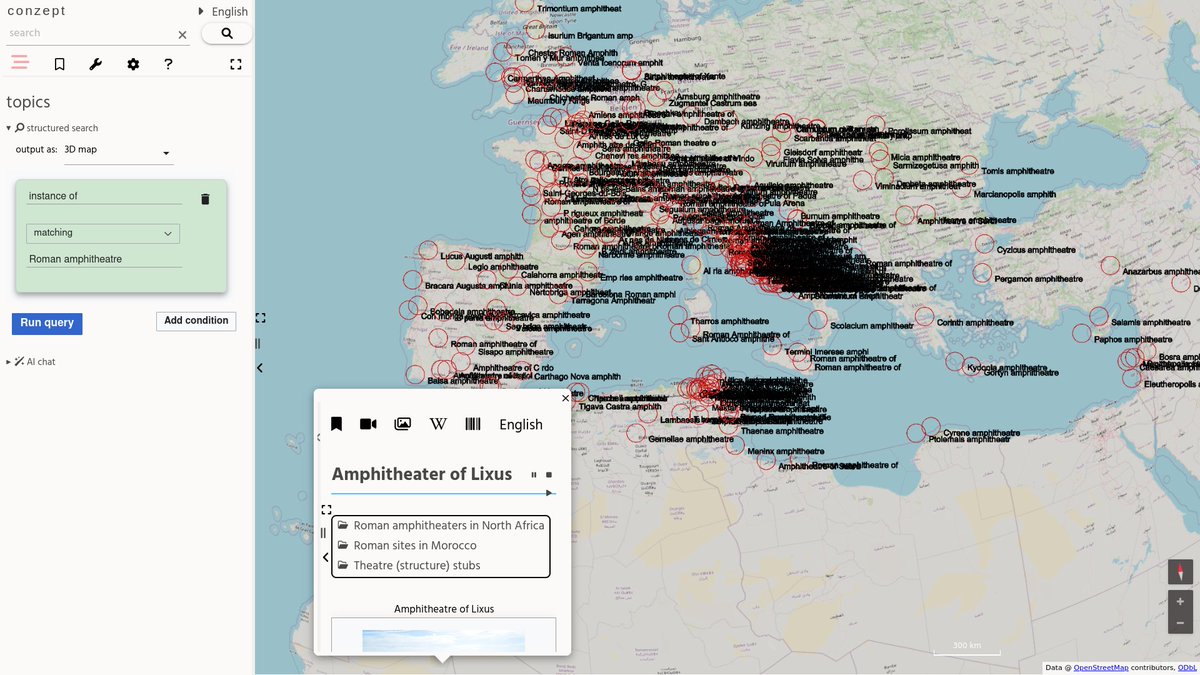
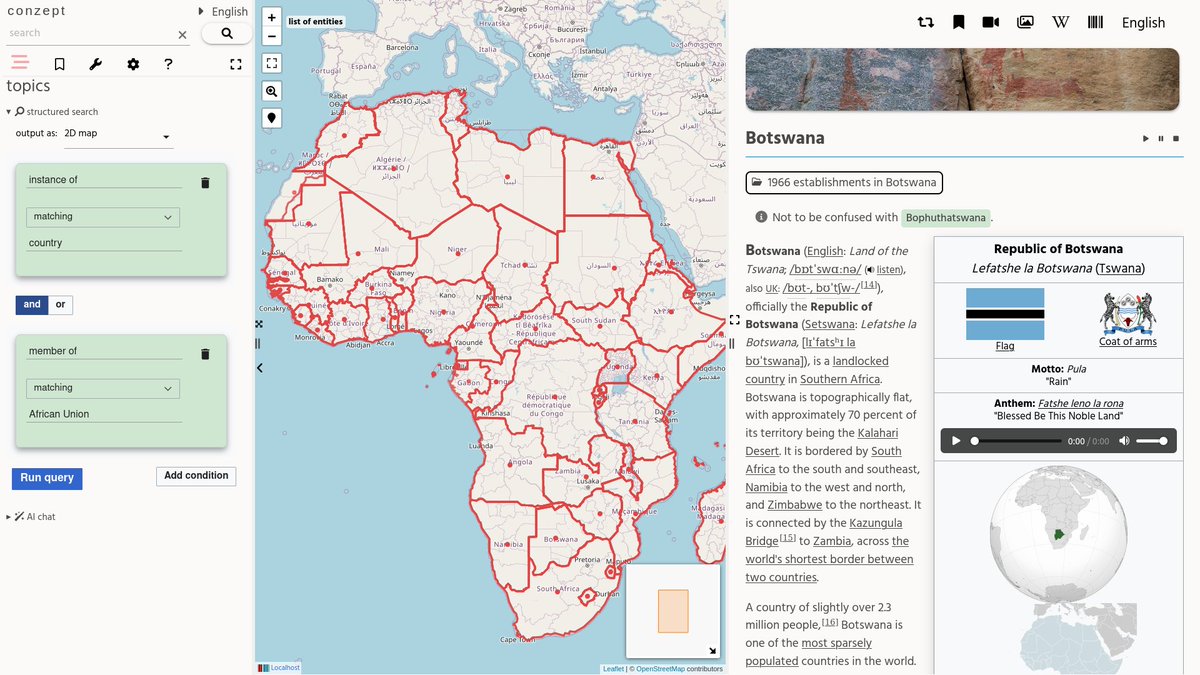
Exploring new render views of the #SPARQL-based @wikidata structured search (beyond the sidebar).
Currently there is (experimental) support for 2D 3D map generation using the Command API.
Examples:
tinyurl.com/w9x3tup7 (Roman amphi)
tinyurl.com/ycyczzyj (African union)
2
7
17
1,154