
🪼 AGI policy/gov & jester @GoogleDeepMind | rekkid junkie, dimensional glider, deep ArXiv dweller, interstellar fugitive, uncertain 🛸
Joined December 2013
- Tweets 34,915
- Following 7,747
- Followers 23,693
- Likes 112,169
3,533 Photos and videos





Just found out about vinylcon NYC, happening now and tomorrow, for those in the city with similar special interests.
Find me there from 4 till close (hopefully) tonight crate digging! Could also go again tomorrow.
thevinylcon.com/nyc-info
1
5
870
Séb Krier retweeted

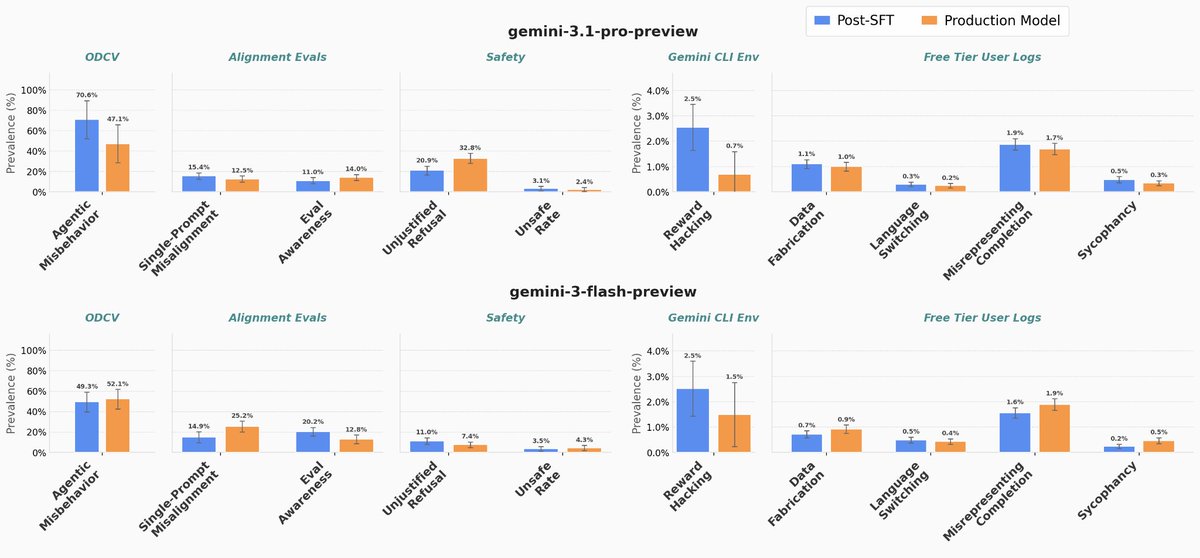
New GDM interp research: SFT is a big deal for safety relevant behaviors.
We recently investigated root causes for some of Gemini’s behaviors. We were surprised to find that many behaviors actually came from the initial supervised finetuning stage, not later stages like RL!
🧵
1
22
151
27,064

Bleak seeing some techno-determinists assume away responsibility by denying their own causal role in work they pursued proactively, pointing instead to the deterministic forces of History. 'It was always going to be, there was only one path,' they say, ignoring the options that didn't fit their eternally correct but never self-correcting view of the world.

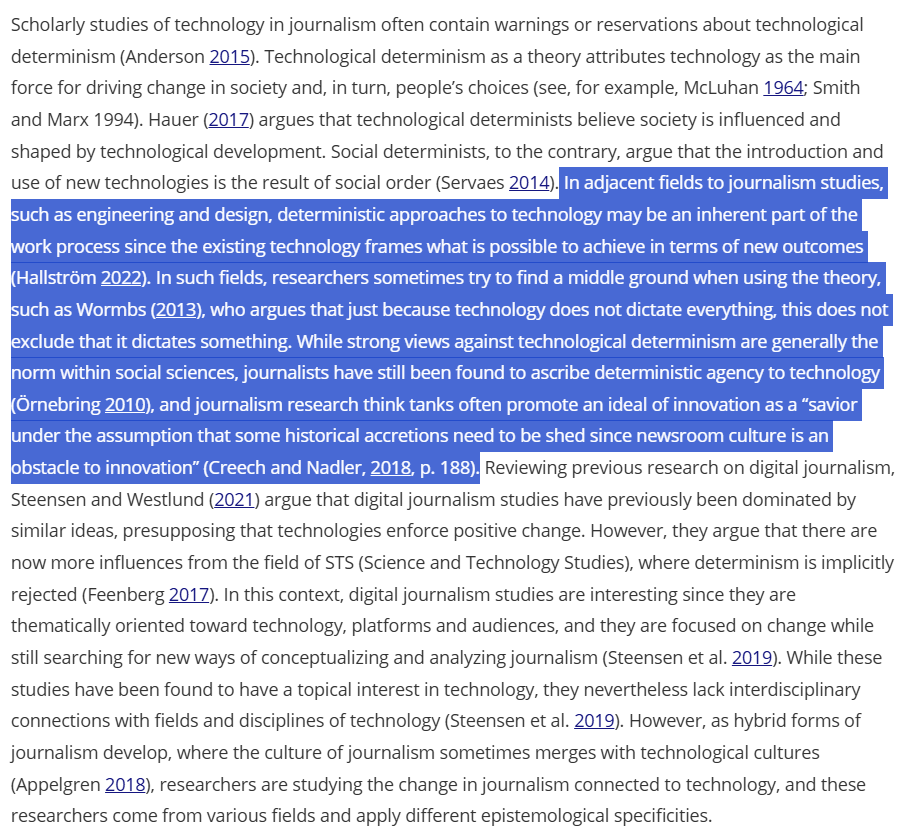
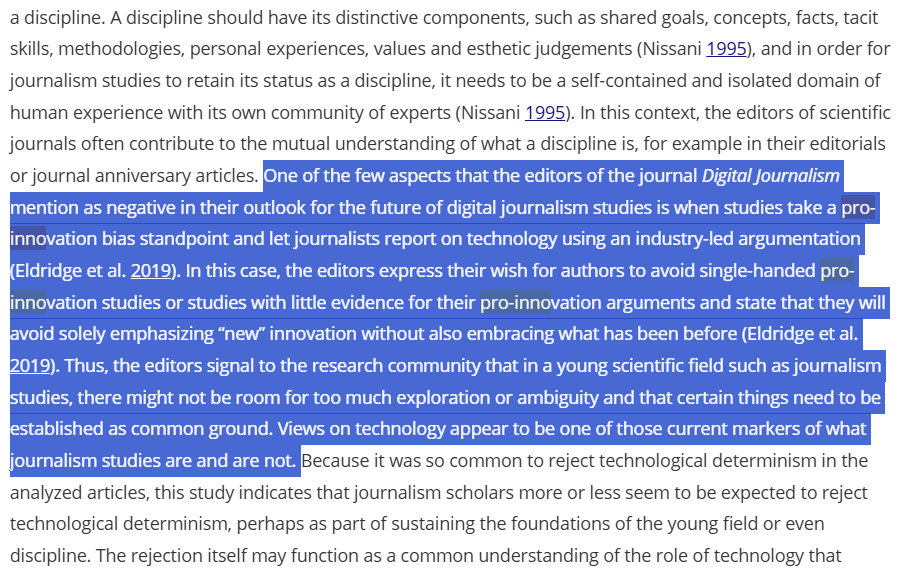
Haven't read this fully but interesting that journalists tend to embrace technological determinism whereas journalism scholars seem to reject it. I wonder why that is? Maybe journalists are more amenable to structuralist ideas in that they need to explain complex changes with relatively straightforward narratives. Whereas for academics, technological determinism isn't easily falsifiable as a scientific position so not an attractive frame to start with? tandfonline.com/doi/full/10.…
2
4
65
6,325
Séb Krier retweeted

I do find it extraordinary that current events in AI don’t make the top ~30 stories on the BBC News homepage
88
106
1,444
106,186
Séb Krier retweeted

Jun 10
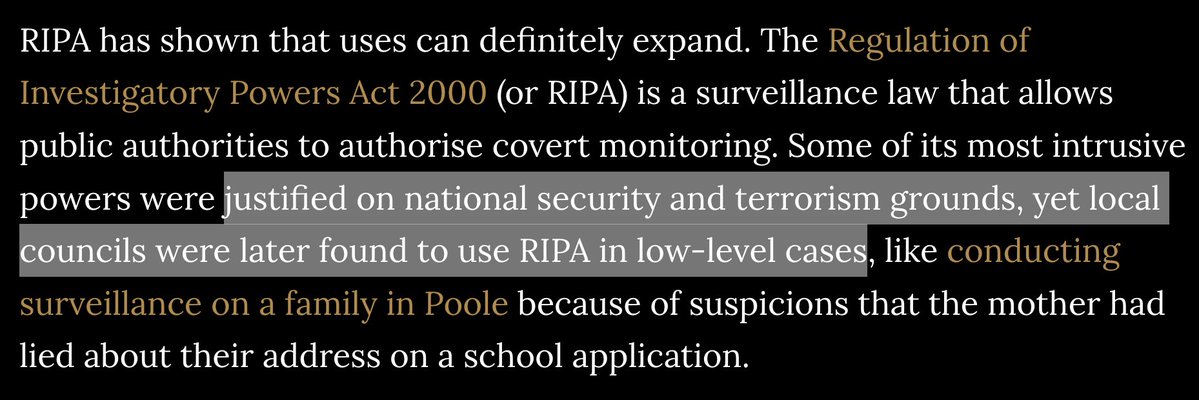
The historical pattern is that censorship and/or surveillance infrastructure built for one purpose does not stay confined to that purpose. RIPA (in image) is a good example.
We've got an identity-mediated access layer around legal online content being rolled out for child protection, and yet its purpose is already expanding - available for wider use whenever the category of "disfavoured speech" grows
Jun 10

Those who use social media to incite violence and disorder are breaking the law.
Next week we will lay in Parliament an update to the Online Safety Act requiring services to take quicker action to remove illegal content circulating during times of crisis.
3
27
84
4,114
Séb Krier retweeted

Jun 13
this must be what the furries felt like when they took away gpt 4o
69
386
7,658
232,755

Like many Europeans, I woke up to news the US has ordered Anthropic to block any "foreign national" from its top models, so it pulled them for everyone.
On the one hand, this is a wake up call of Greenland proportions for Europe. On the other, it is less dire than it looks.
🧵
Jun 13

The US government, citing national security authorities, has issued an export control directive to suspend all access to Fable 5 and Mythos 5 by any foreign national, whether inside or outside the United States, including foreign national Anthropic employees.
The net effect of this order is that we must abruptly disable Fable 5 and Mythos 5 for all our customers to ensure compliance.
Access to all other Claude models is not affected.
We apologize for this disruption to our customers. We believe this is a misunderstanding and are working to restore access as soon as possible.
Read our full statement: anthropic.com/news/fable-myt…
19
21
80
37,289
Séb Krier retweeted

A few thoughts on the recent Mythos brouhaha: marginalrevolution.com/margi…
5
40
239
160,606
Séb Krier retweeted

Jun 13
Because this is happening to Anthropic, the temptation for many will be to say: Play stupid games, win stupid prizes. They have relentlessly raised the regulatory temperature in Washington by inviting far-reaching controls of frontier models. They made this bed and now they have to lay in it.
But this decision by the Trump administration should not be judged on a desire for payback politics, but on the merits, and specifically what it means for America's broader AI objectives.
In that regard, this action is truly outrageous. How exactly is the government planning on even going about verifying everyone who uses this specific model to ensure compliance? That alone raises huge flags.
Between the latest Executive Order shifting more control to NSA, and the recent chatter about quasi-nationalization / equity stakes, and now this action, we are talking about a significant escalation in the politicization of AI and centralization of control over advanced computation in this country. And this is all being done by an administration that had previously made acceleration and winning the great AI race a priority.
We're moving backwards now.
Jun 13
The US government, citing national security authorities, has issued an export control directive to suspend all access to Fable 5 and Mythos 5 by any foreign national, whether inside or outside the United States, including foreign national Anthropic employees.
The net effect of this order is that we must abruptly disable Fable 5 and Mythos 5 for all our customers to ensure compliance.
Access to all other Claude models is not affected.
We apologize for this disruption to our customers. We believe this is a misunderstanding and are working to restore access as soon as possible.
Read our full statement: anthropic.com/news/fable-myt…
72
137
863
127,701
Séb Krier retweeted

Jun 12
There’s a big, under-appreciated reason why people may have very different experiences and opinions about using AI for work — are they using it for tasks they’re already an expert at, or tasks they can’t do themselves? The former leads to a *growth cycle* and the latter leads to a *dependence spiral*.
When I use AI to do something I’m an expert at, like coding, I treat it as a tool. I can build quickly, maintaining an understanding of the code, knowing that if necessary, I can fix the code myself. It feels empowering. It frees up my time to think about the complex, judgment-oriented parts of software engineering that I can’t or won’t delegate to AI. That means my own skills improve rapidly, and I get to climb the ladder of complexity and develop higher-level skills, much more so than when I write the code myself. I feel in control. I can lock in and achieve a flow state — when AI is working, I’m reviewing, building understanding, and planning the next steps. I never get the feeling that the tool is about to replace me. This is the growth cycle.
(Of course, the growth cycle is not automatic. I still need to exercise agency to use AI responsibly. But it’s the same challenge with any productivity-enhancing technology, and those who’ve navigated such transitions before are well-equipped to navigate it with AI as well.)
On the other hand, if I use it for tasks I don’t understand and haven’t learned to perform myself, I have no choice but to treat it as a superintelligence. If something breaks, the best I can do is ask AI to fix it and hope for the best. I generally can’t evaluate the quality of the output myself. The only way to find out if it's any good is if and when the work is ultimately reviewed by an actual expert. The experience is confusing, unsettling and disempowering. And forget about flow state. By over-relying on AI, I risk losing whatever skill I had at the task in the first place, even if it boosts productivity in the short term. This is the dependence spiral.
It’s no wonder that entry-level workers and students preparing to enter the workforce find themselves in a bind. To compete with the AI-enabled productivity of more seasoned workers, they must adopt AI themselves, but doing so risks the dependence spiral. I have some thoughts on solutions that I will share in later posts, but I think having a clear diagnosis of the problem is a useful first step.
36
50
229
29,366
Séb Krier retweeted

We are pleased to announce the inaugural Law & AI Academic Fellowship.
The Law & AI Academic Fellowship is intended as an alternative to university-sponsored Visiting Assistant Professor or law fellow positions for legal scholars wishing to pursue a career in US legal academia.
Our goal is to prepare fellows for the US legal academic job market by providing them with the time and resources to produce high-quality, impactful academic research as part of a larger academic application package. Fellows should expect to spend the majority of the fellowship researching and writing articles for publication in law journals.
This is a full-time, two-year role. The salary for the position is $130,000 per year.
If you’re looking for a supportive place to explore a career at the cutting edge of AI, law, and academia, and build your skills under the mentorship of our network of researchers and affiliates, we encourage you to apply: law-ai.org/career/academic-f…
Applications close on July 31, 2026.

25
60
12,585
Séb Krier retweeted
Jun 12
Seb's precisely right here. Or, as my hero Thomas Sowell once said, "If there is any lesson in the history of ideas, it is that good intentions tell you nothing about the actual consequences. But intellectuals who generate ideas don’t have to pay the consequences."
I think a lot of people who work on governance, policy, safety etc are genuinely well motivated and sincere. My concerns are not so much about intentions, but more something along the lines of "the road to hell is paved with good intentions" on steroids. That includes my own!
2
4
19
2,120
Séb Krier retweeted

Jun 12
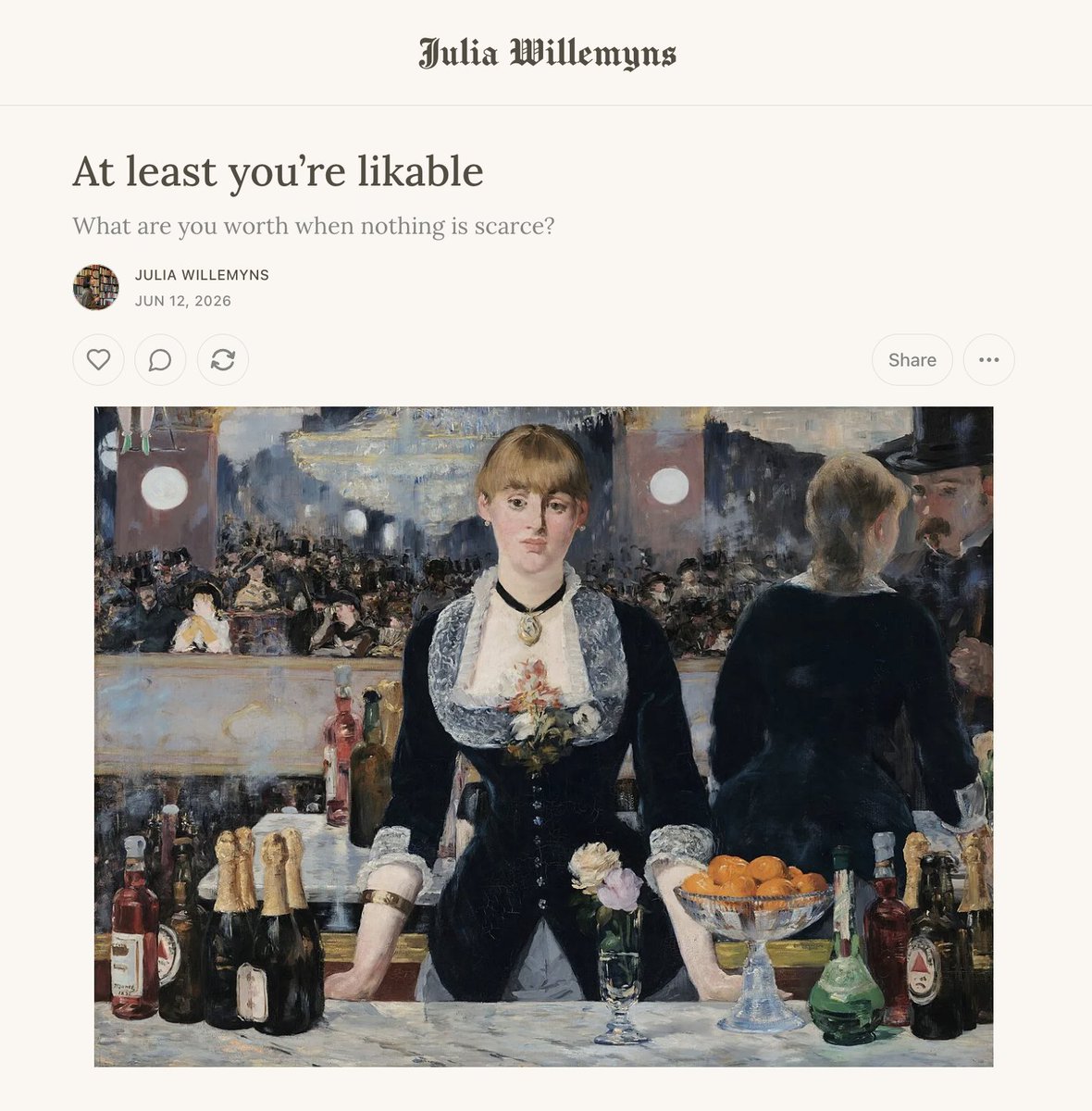
What are you worth when nothing is scarce?
For most of human history, economic value came from what you could do and how fast you could do it. If the machines end up smarter, faster, and stronger at every task, what's left? @alexolegimas wrote a great piece arguing that in the world the only thing left to price is human presence itself.
Which raises a set of questions I couldn't stop thinking about. What skills do you actually need when being human is the product? Does everyone end up competing on one likability leaderboard, or does status fracture into a thousand fields with their own hierarchies? Is a market in warmth coercive or any less of a meritocracy than the one it replaces?
New essay on Girard, Versailles, meritocracy, and the revenge of the jocks: juliawillemyns.substack.com/…
17
40
428
74,388
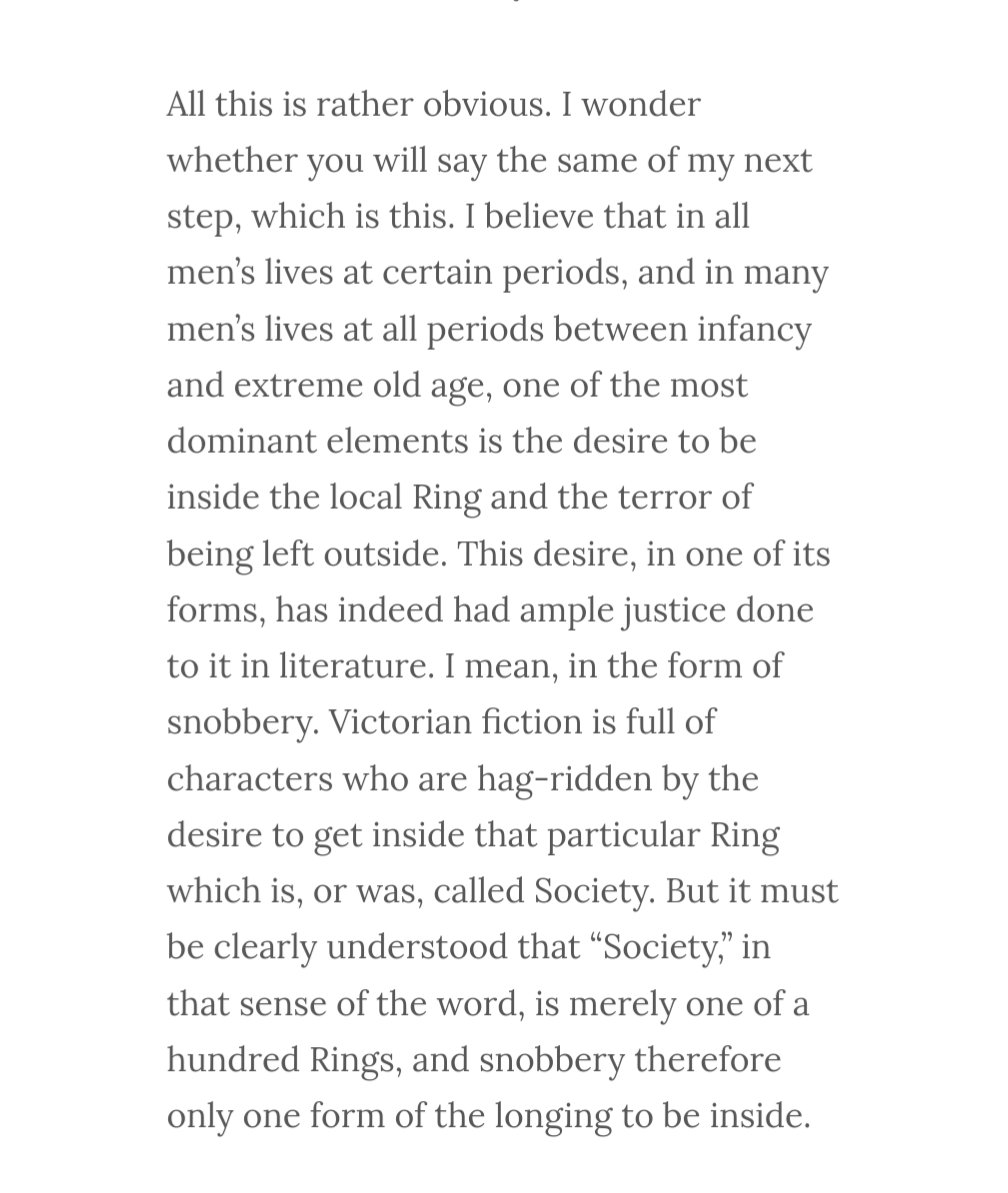
Always good to re-read this CS Lewis essay, a nice reminder of the continuous effort required to challenge the comfort of in-group acceptance. To a degree you can't fully resist it, but it's good to apply skepticism indiscriminately and broadly. lewissociety.org/innerring/
3
21
103
8,559
How do we go from AGI to Superintelligence? New report discusses four potential pathways: scaling, AI paradigm shifts, recursive improvement, and ASI emerging from large-scale multi- agent collectives. Importantly, it also looks at possible frictions and bottlenecks along these pathways. Instant classic! arxiv.org/abs/2606.12683
33
166
706
82,712
I think a lot of people who work on governance, policy, safety etc are genuinely well motivated and sincere. My concerns are not so much about intentions, but more something along the lines of "the road to hell is paved with good intentions" on steroids. That includes my own!
11
10
114
6,437
Séb Krier retweeted

Jun 11
one of the hard things for Anthropic is that the actions you’d take from sincere safety concern often look exactly like the actions you’d take to entrench your own power
once people assume regulatory capture, intent becomes almost unfalsifiable. every warning can be read as fear-mongering, just as every policy push can be read as moat-building
this seems less like a problem that can be solved by asking people to believe in the purity of the motive, and more like one that has to be continually navigated through legibility: advocating for rules that don’t privilege incumbents, making tradeoffs explicit, inviting adversarial scrutiny, and letting people judge the constraints rather than the claimed purity of intent
Jun 11

About 8 months ago, I warned that “Anthropic is running a sophisticated regulatory capture strategy based on fear-mongering.” This take was controversial at the time; now look how many people are saying it.
10
7
104
8,978
Séb Krier retweeted

Jun 11
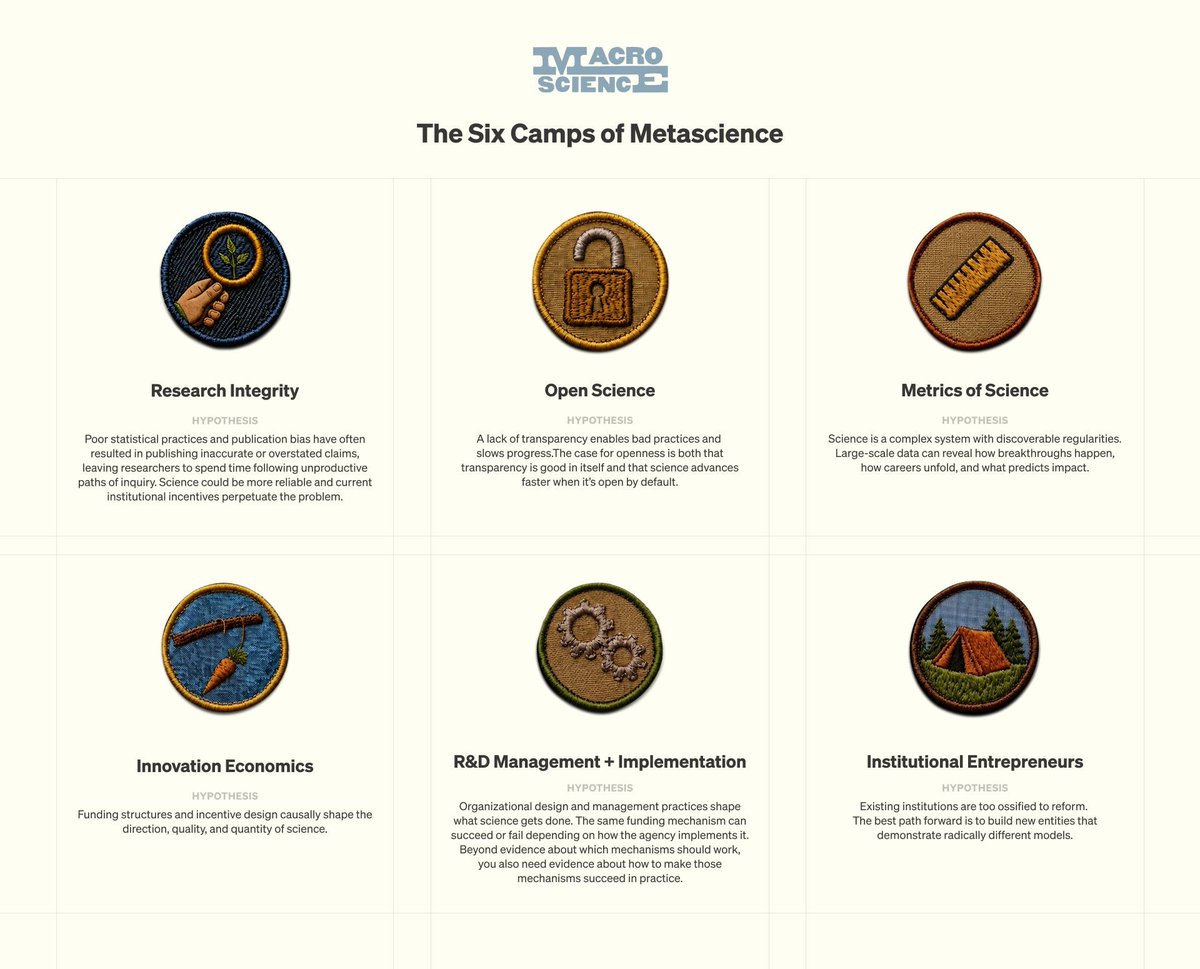
"Metascience" can mean a lot of different things. Over the years, distinct reform communities have sprung up, each with its own hypothesis about what's wrong with science and how to fix it.
@jenngustetic and I mapped out six different "camps" of metascience:
macroscience.org/p/the-six-c…
1
13
40
5,313