
Senior lecturer in Data Science and Materials Discovery @BristolUni. Swiss in the UK, science, gin and sports enthusiast. Previously @epfl, @mit and @UniofBath.
Joined November 2011
- Tweets 1,039
- Following 568
- Followers 445
- Likes 2,833
93 Photos and videos




Feb 27
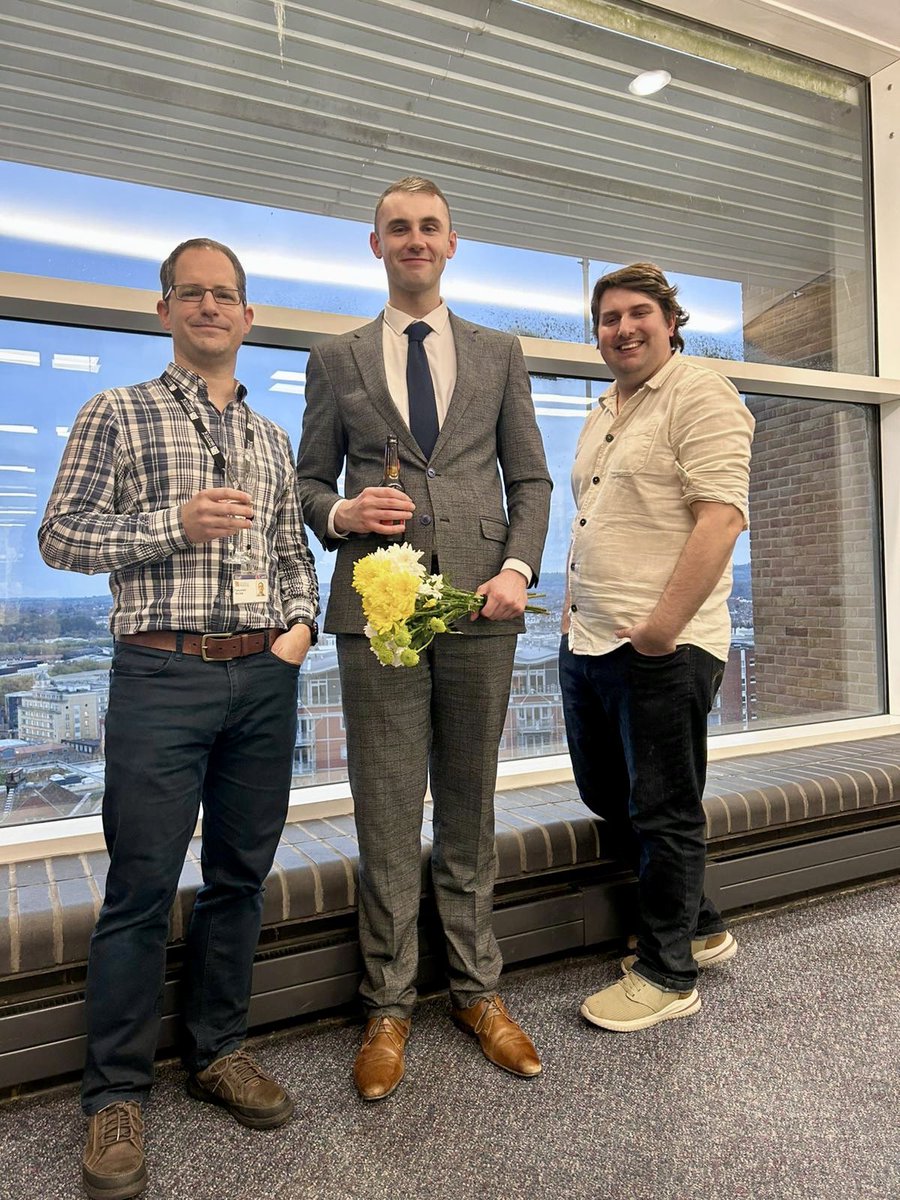
🚨Last call🚨 for oral abstracts to present at the coming #UKPorMat conference in Bristol in June! Deadline is tomorrow, send us one if you work on anything porous!
We look forward to seeing you in Bristol in June ☀️
Visit ukpormat.com for info and details.
Feb 6

By popular demand, abstract submission deadlines have been extended - send us your porous materials abstracts, and come visit us in Bristol this June! Details at ukpormat.com
@RSC_PorMat
28
Feb 6
By popular demand, abstract submission deadlines have been extended - send us your porous materials abstracts, and come visit us in Bristol this June! Details at ukpormat.com
@RSC_PorMat
Jan 27
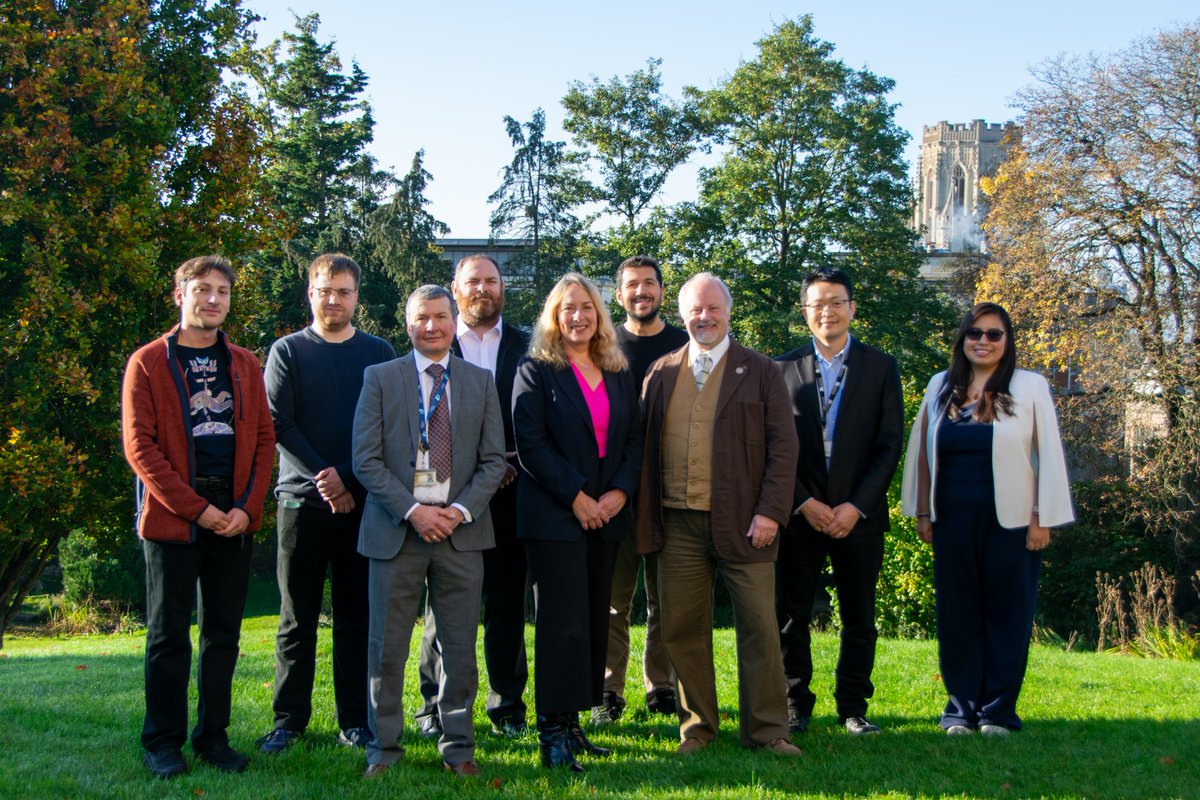
📢Just a few days to send your oral abstracts for #UKPorMat2026, deadline on the 31st January📢@snayak777 and I are looking forward to welcoming you in the beautiful city of Bristol🌉on the 9-10 June 2026 for what promises to be an excellent and fun porous materials conference.
1
128
Jan 27
📢Just a few days to send your oral abstracts for #UKPorMat2026, deadline on the 31st January📢@snayak777 and I are looking forward to welcoming you in the beautiful city of Bristol🌉on the 9-10 June 2026 for what promises to be an excellent and fun porous materials conference.
21 Dec 2025

🎄 Hello #Porous #Materials Community - Abstract submission is open now for @UKPorMat - 2026! 🎁 Website: ukpormat.com/
Looking forward to see you in Bristol in June (9th-10th) 2026! #MOF #COF #Zeolites #Nanocomposites #Conference

1
1
326
Jan 27
We welcome contributions from researchers at any career stage, reporting research on any type of porous materials without fear or favour! 🧽The fabulous lineup of invited speakers, and information for abstract submission and registration are available on ukpormat.com/
1
1
51

24 Jul 2025
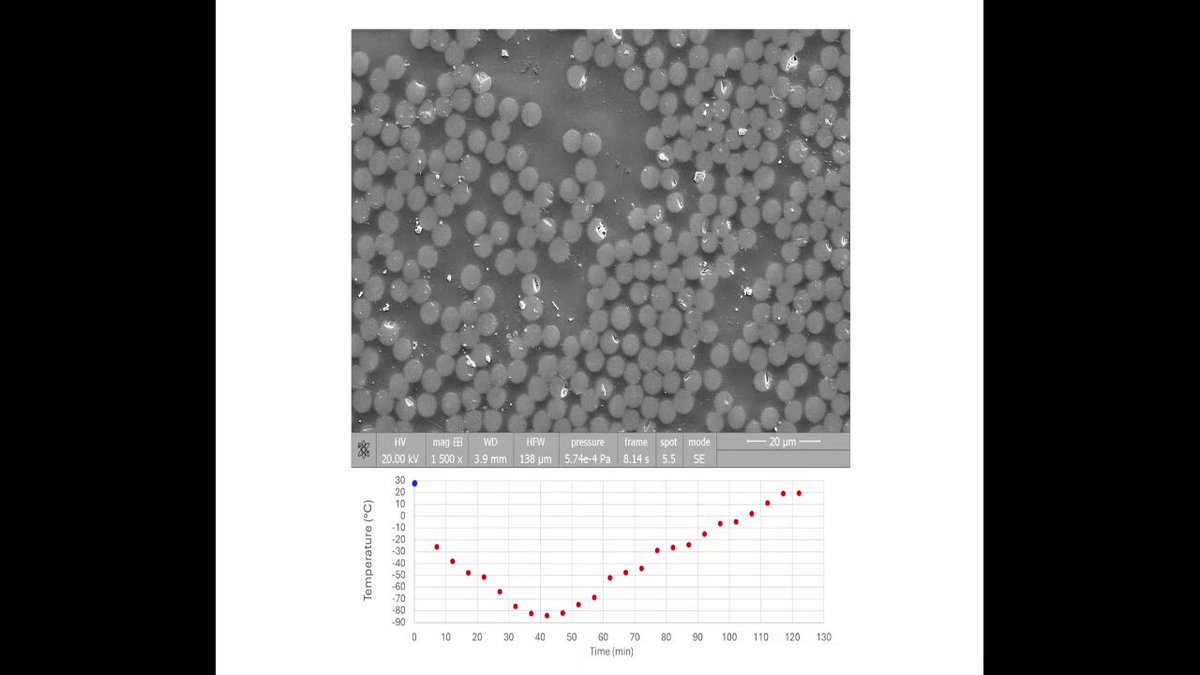
Understanding how and why tiny cracks form in composite materials will help engineers improve cryogenic composite designs—making them safer and more reliable for future applications in cold environments, such as in the growing fields of sustainable aviation and hydrogen storage.
1
1
122
24 Jul 2025
And this shows one of the timelapse images from the paper - can you see the tiny cracks forming as the temperature goes down? The circles on the image are cross-sections of carbon fibres, of diameter of around 5 micrometers - that's smaller than human hairs!
1
2
52
24 Jul 2025
The fibres are "immersed" in a polymer matrix and the cracks typically appear at the polymer/fibre interface. I'm endlessly fascinated by the ability we have to see matter evolving at such a small scale - truly a microscopy tour de force.
1
36
17 May 2025
Best part of #Eurovision2025 is clearly the images of Swiss regions between songs. 🇨🇭
1
2
169
17 May 2025
“Let’s raise our fondue forks in unity.” Is the best lyric tonight.
1
37

Abstracts open for the 2nd conference on Engineering Porous Materials at Multiple Scales, 17-18 Sept 2025, in Bath. Covering a broad range of topics that reflect the different scales of study, use, and porosity in porous materials research.
store.bath.ac.uk/conferences…
1
2
14
658
sebastien rochat retweeted

26 Feb 2025
Our just published work from @UoBrisComposite @BristolUni on emerging application for #MOF #composites. Truly collaborative work by @Bhomick15 @EvdokiyaHI01 @LilaAMahmoud @HuanDoanV Lui R Terry @JemmaRowlandson @ProfValeskaTing @sebrochat @MattAddicoat
pubs.acs.org/doi/10.1021/acs…
2
11
244
13 Feb 2025
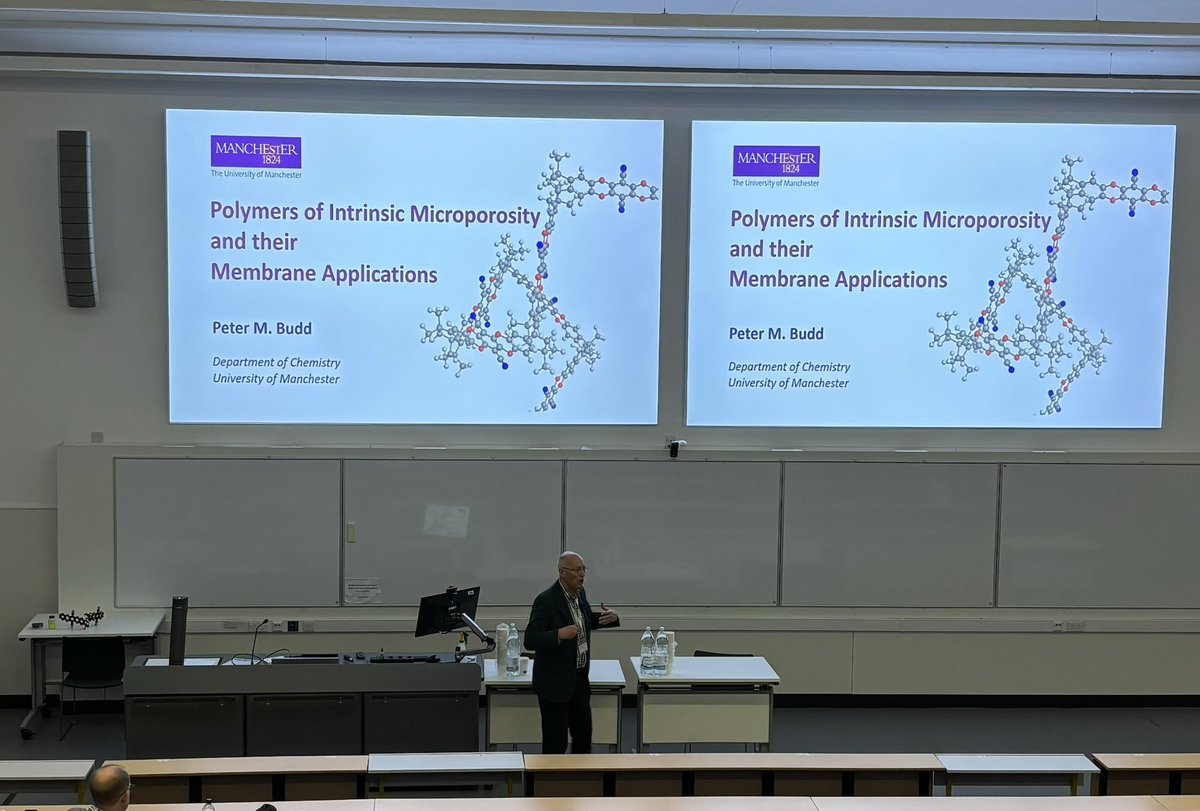
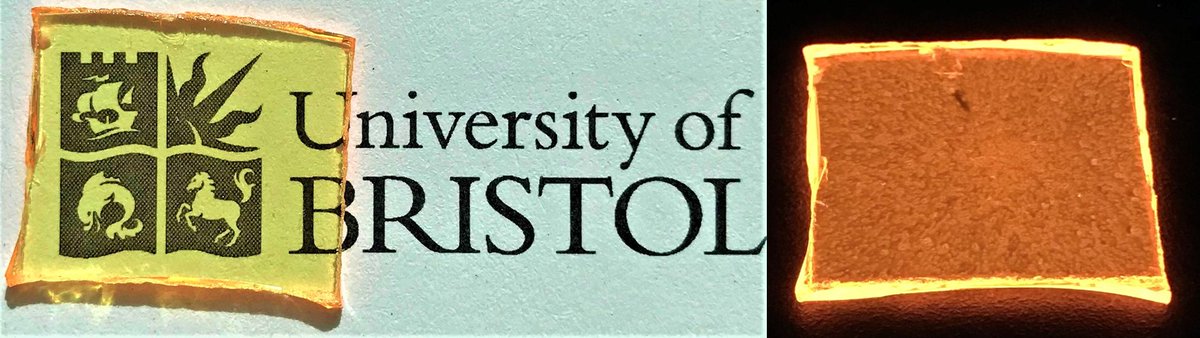
🚨New paper alert!🚨 Check it out for a new applications of polymers of intrinsic microporosity (PIMs) in light harvesting! Very proud as this is one of the first projects I started when I joined @BristolChem and @BristolEngMaths a couple of years ago. onlinelibrary.wiley.com/doi/…
1
3
14
692
13 Feb 2025
This work led by talented PhD student Stella (Yuxing) Wang at @bristolchem shows that polymers of intrinsic microporosity, known for uses in separation processes or water purification, are also excellent at absorbing light, which will make them useful in many new applications.
1
68
8 Nov 2024
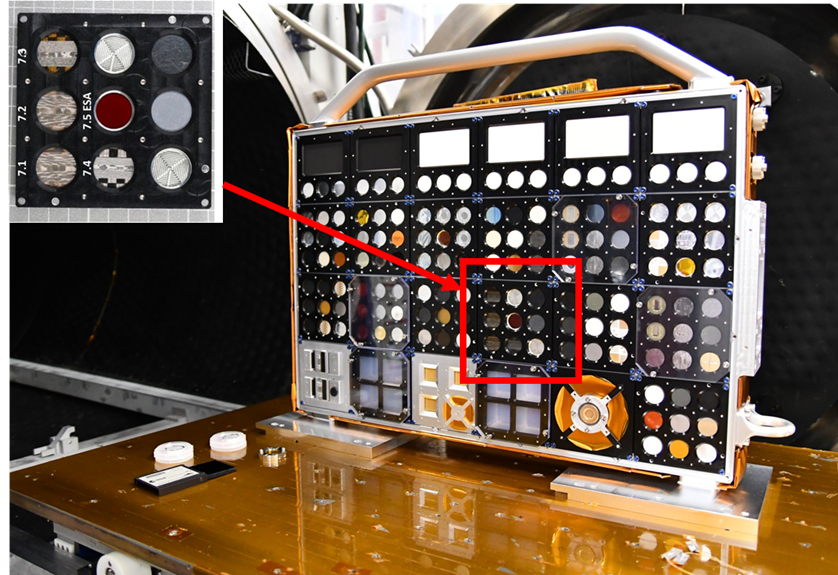
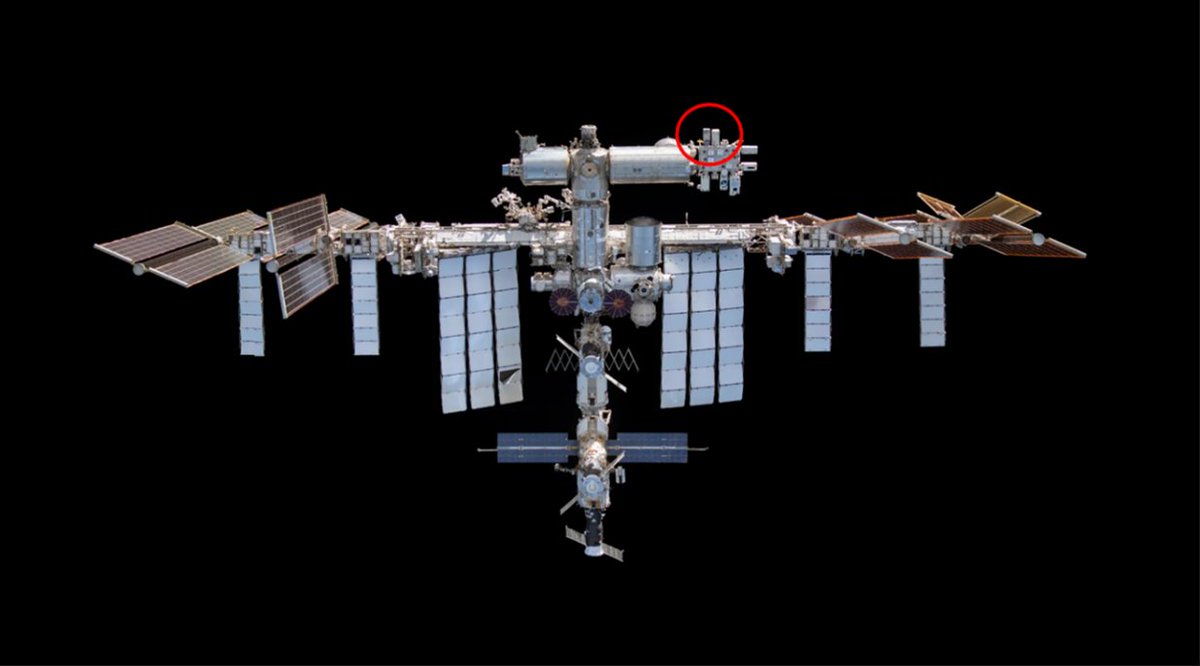
Really nice to see colleagues work on advanced composites highlighted - materials were just shipped to space for testing under extreme conditions!
8 Nov 2024

Space materials developed by our researchers have landed on the @Space_Station for testing 🛰️🔭
The "next generation" materials could be used to build future space bases or spacecraft 🚀
@BristolUniEng @UoBrisComposite @i_hamerton
1
169
5 Nov 2024
Very, very happy to see this paper out🎇! Thanks to enormous efforts 💪 by lead author @JustinJHPark, @PatrickGrimes37 (both @BristolChem ) and colleagues and friends in Italy (@GobboGroup ) and Canada (@WorkentinChem ). onlinelibrary.wiley.com/doi/…
1
2
9
460
5 Nov 2024
We show how light 🔦can be used to pattern mechanical information ℹ️ in soft materials by triggering chemical transformations. There is polymer synthesis ⚗️, mechanical analyses 🛠️ and even actuation🔛 - what's not to like? Very well done to all involved! 😀
49