498 Photos and videos
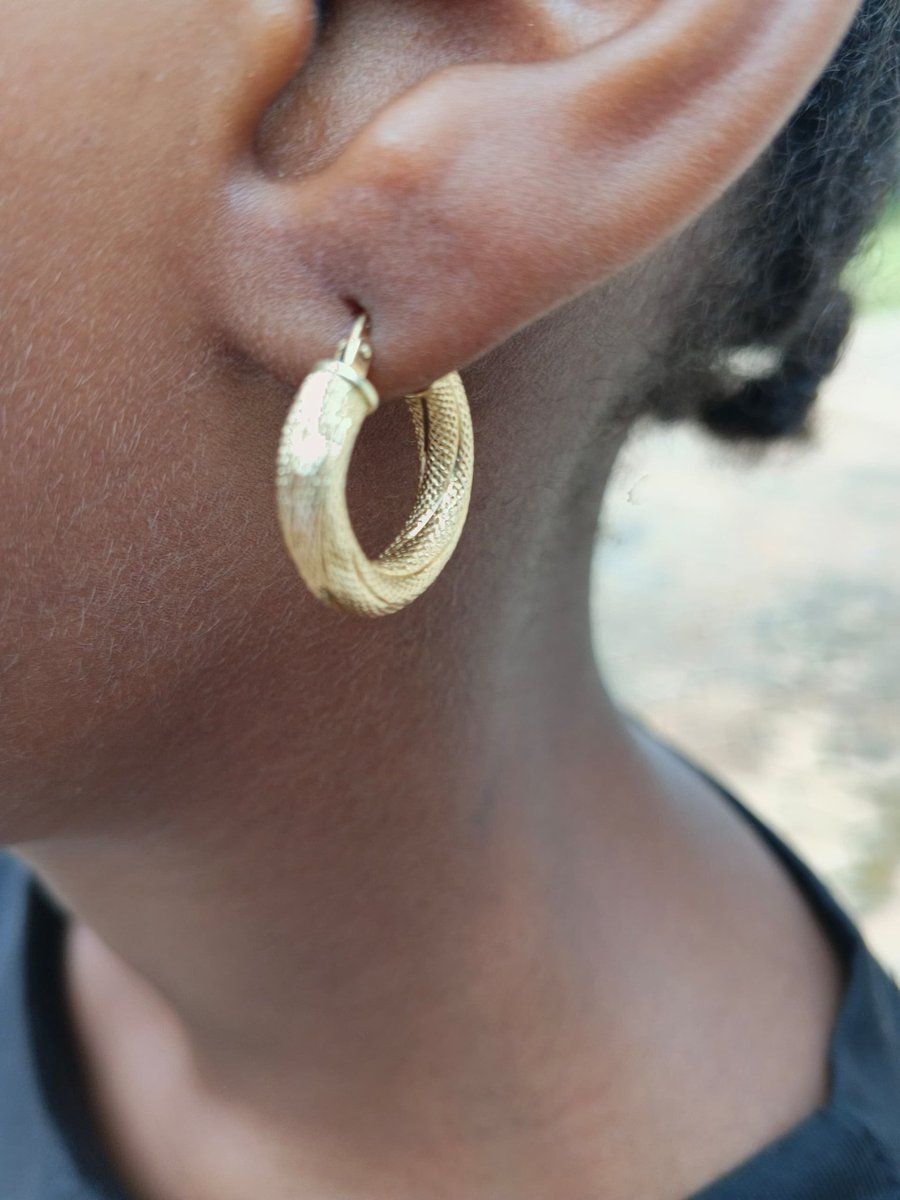






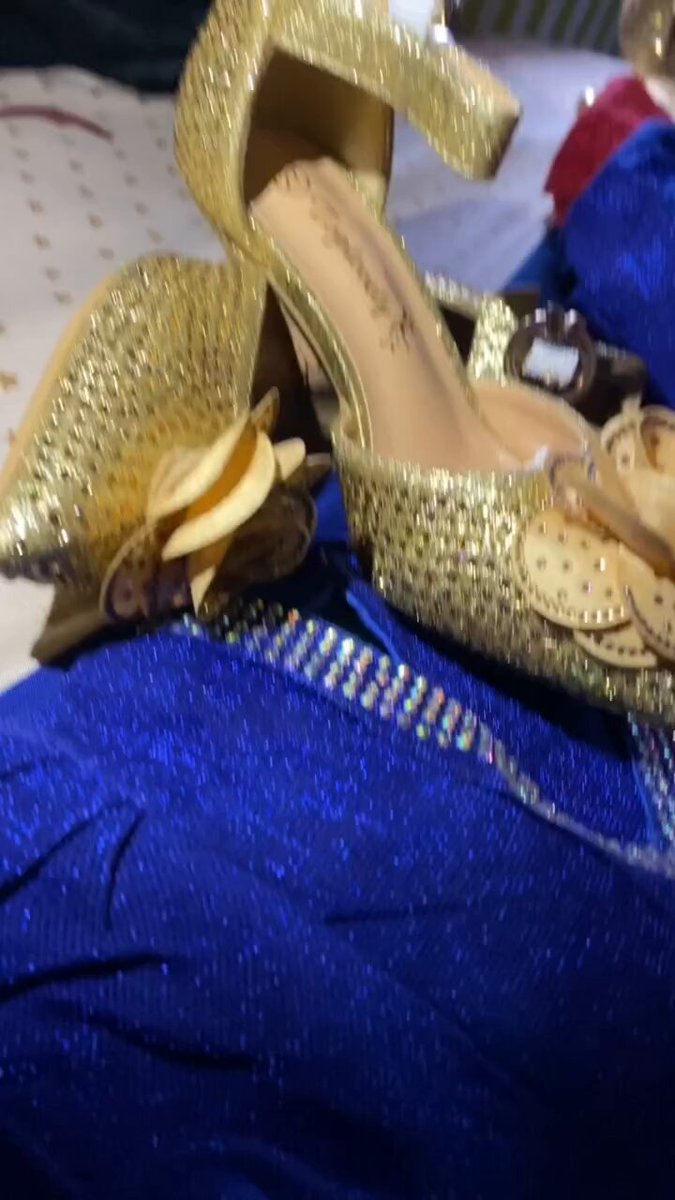

Less than an hour ago, a lady wearing white and blue at the RCCG zion mega, ibikunle, in osogbo stole my daughter's gold earrings.
She is at the children's chapel with her older sister when it happened. She said the lady called her aside and removed the earrings. My daughter is 5 years old and she trusted the adults at the children's chapel but unfortunately the trust was crushed. Upon brief investigation, the thief is an outsider, deliberately came to the church to steal something. The CCTV of the church is not working right now due to ongoing renovation. The technical department will help review Sunday service footage but the person that can do that is not available at the moment.
Thank goodness for life because, someone that can do this can definitely be a kidnapper.
Whoever did it has informant in the children's chapel. That's my conclusion for now.
The total value of the earrings is between N400k to N500k
The exact picture of the earrings is attached. If you see anyone trying to sell something like it in osogbo and environ please contact, 08102818827
@InsideOsogbo
1
3
3
277
Let me ask you something, hypothetically speaking, imagine Sharia law suddenly pops up in Yoruba land, but "only for Muslims", of course. Are the Sharia police going to be the new party crashers, asking who's Muslim at the clubs? Or will they be the Ramadan food police, checking who's eating during the holy month? Are they going to shut down my pig farm or ban pork sales in the market? And what about guys with dreadlocks, will they be asked to prove their Muslim credentials? It's a recipe for harassment, if you ask me. Will the Central mosque in Ile-Ife be relocated away from the Temple of Ifa or Okemogun, or vice versa? Let's be real, Sharia law is only feasible in a society where Muslims are the majority. You'd have to be a religious fanatic to think it'd fly in Yoruba land. Let's not stir up unnecessary drama in Yoruba land.
How are you going to enforce it? Jokes apart, I need enlightenment on this.
1
1
40
Seenesco retweeted

See you tomorrow morning..🇳🇬🤔

20
383
908
9,686
At some point, there will be collateral damage. I will track you and blow you up with all the victims. I will give all people in the border towns between, Nigeria and Niger/Chad 48 hours to vacate. Same go to all border town between northern and Southern Nigeria. There will be operation hell fire.
This is what I believe the government should do at some point. At this point, I believe the government themselves know about them. That's the only logical reason why these people are roaming freely in our forest without detection.
16
We need functional Local Government in Nigeria. The federal and state government underestimate the role Local government can play in securing our nation. If I am Tinubu today, I will sign an executive order today to sack all the local government chairmen and order INEC to conduct election in all local government within 2 months.
We can't continue like this in this nation.
The Commander in chief can still do something to curb this insecurities in our nation if he actually listen rather than worrying about reelection.
Moreso, any local government that at risk, he should appoint military administrators, preferably high ranking generals that can work with locals to bring sanity back into the society.
16
Seenesco retweeted

Jun 2
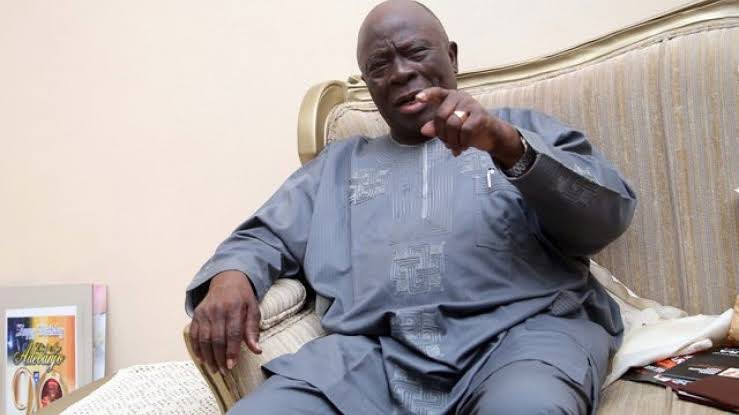
“If you, Nigerians, fail to vote for Peter Obi, and Tinubu mistakenly wins, you will suffer. And I may not be here to suffer with you.”
-Pa Ayo Adebanjo, November 2022.✍️
284
6,190
19,460
346,830
I just have to say this. I mean no disrespect to olori ade gbogbo.
Dear, @OoniAdimulaIfe, kabiyesi, from now on, stop giving anyone still in government or their family members chieftancy titles. I look back at the chieftancy title you gave Remi Tinubu, I see it as a slap in the face to our tradition. She doesn't deserve it.
Just have to let it out.
Long live the king!!!
196
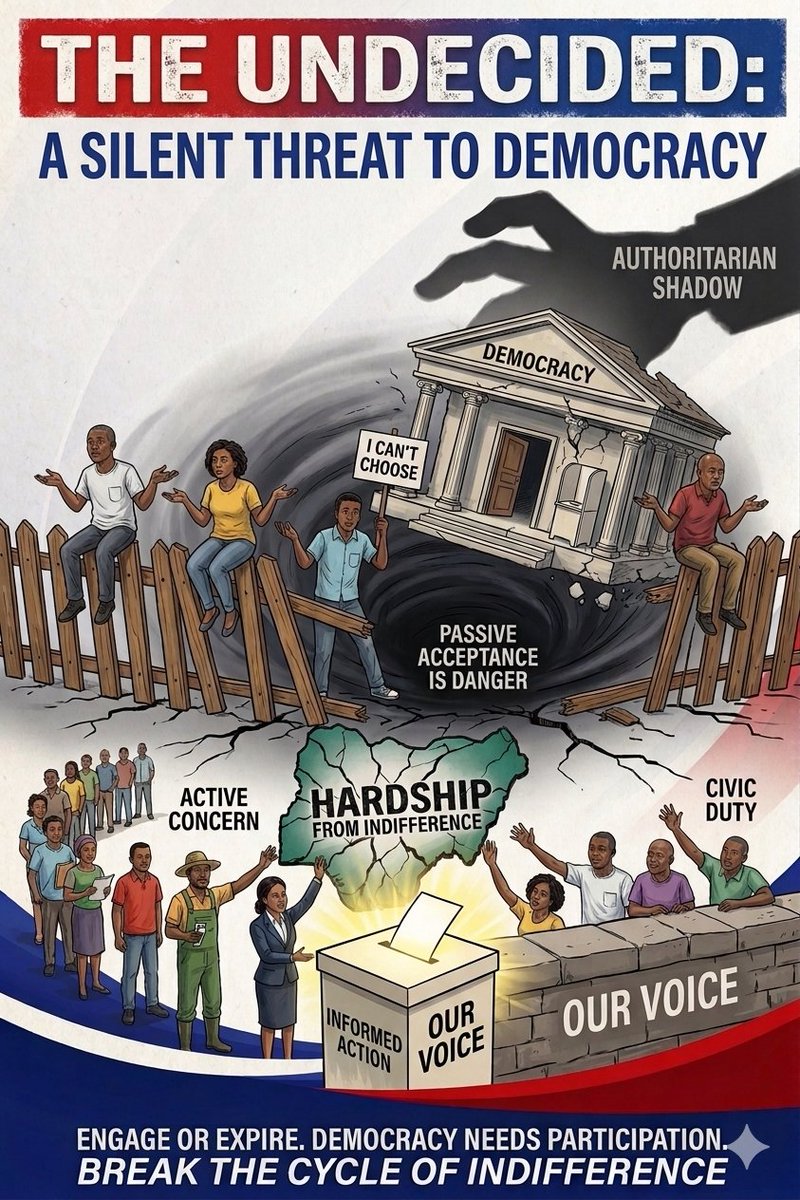
The Danger of the "Fence Sitter": How Silence Deepens Nigeria's Hardship
Nigeria stands at a perpetual crossroads, its immense potential often overshadowed by the shadows of bad governance. While we frequently assign blame to our leaders, a crucial and uncomfortable truth is often overlooked: the silence of the 'fence sitters' is a powerful catalyst for the nation's continuing hardship. The decision not to choose, to withdraw from the political process, is, in itself, a definitive choice—and its consequences are dire.
Too many Nigerians have retreated into a state of passive acceptance. This is not apathy born of lack of caring, but a profound resignation, a pervasive belief that no one capable of doing better exists. We have allowed a self-defeating narrative to take root: that supporting any candidate is futile, that all options are inherently flawed, and that our vote—or our voice—simply doesn't matter.
This silence is the lifeblood of bad governance. When a significant portion of the populace chooses inaction, they leave the field clear for the forces of corruption and mediocrity to persist. They cede their power to shape the future. The result is a political landscape where leadership is not truly tested, where fresh ideas are stifled, and where the same cycle of hardship continues unabated.
The danger of being a fence sitter lies in the comfort of detachment. It allows us to feel absolved of responsibility for the nation's failures. But this detachment is an illusion. We all feel the impact of poor policy, decaying infrastructure, and economic instability. When we remain silent, we passively accept these conditions, effectively condoning the very system we often complain about.
The belief that "no one else is capable of doing better" is a toxic and dangerous fallacy. It is a surrender to hopelessness. Nigeria is home to millions of talented, capable, and passionate individuals. To believe otherwise is to ignore our own collective potential.
True change requires engagement, not withdrawal. It demands that we actively seek out and support those who offer genuine vision and integrity, even if they are not perfect. We must move beyond the debilitating comfort of 'sitting on the fence' and accept that our active participation—whether by voting, advocating, or simply speaking out—is the only path to breaking the cycle.
If we truly want a better Nigeria, we can no longer afford to be silent observers. We must reject the comfort of indifference and step down from the fence. Our future, and the future of our nation, depends on it.
Seenesco
10
The Digital Trial Balloon: How Online Jests Reveal Offline Truths
We often treat social media as a consequence-free playground, a digital carnival where we can wear masks and shout into the void. When caught saying something reckless, cruel, or deeply revealing, the universal emergency exit is always the same: "Ah, it was just a joke. Can’t you take a laugh?"
But humor is rarely an accident. In psychology, there is a well-known concept that humor is the ultimate subconscious truth serum. It acts as a social trial balloon—a psychological probe sent out to test the depth of the water before jumping in. In Nigeria, this phenomenon is deeply woven into daily communication. Men and women alike use "play-play" to stretch boundaries, drop passive-aggressive hints, or float controversial worldviews. If the room reacts with disgust, they retreat behind the shield of humor. If the room claps, the mask slips a little further.
The truth is simple: what you like, what you share, and comment of support you think nobody is paying attention isn’t a detached, robotic action. It is a digital footprint of your true mindset.
To understand how heavy these "online jokes" truly weigh, one only needs to look at the story of Tunde and Shade.
The Story of a Slipped Mask
Tunde and Shade were three months away from their traditional wedding in Lagos. To their friends, they were the blueprint of compatibility. Tunde was an architect—quiet, deliberate, and fiercely protective of his peace. Shade was a vibrant marketing executive, charismatic, and the life of every room she walked into. They loved each other deeply, or at least, they loved the versions of themselves they brought to their dates.
One quiet Thursday evening, Tunde was scrolling through a popular Nigerian gossip blog on Instagram. The page had posted a trending, polarizing story: a prominent businessman had tragically lost his entire wealth overnight due to a failed government policy, and his wife of ten years had immediately filed for divorce, packing her bags before the week ran out.
The comment section was a war zone. Thousands of users were locked in a heated debate about loyalty, money, and survival.
Tunde idly scrolled through the top comments until a familiar handle caught his eye. It was Shade’s private account.
Underneath the post, she had written:
"Abeg, the woman did the right thing! Poverty is a disease and it is contagious. Love does not pay electricity bills or buy fuel. If my man loses his money today, I am packing my bags the next morning. No time to look back o! 😂😂😂 #SmartWoman #NoMoneyNoLove"
Tunde stared at the screen. The three laughing emojis at the end of the comment seemed to mock him from the glass.
His chest tightened. He knew Shade liked comfort—he did too—but this was different. This was a casual endorsement of total abandonment. He took a screenshot, locked his phone, and spent the night staring at the ceiling, wondering if the woman he was about to bind his life to would vanish the moment adversity knocked on their door.
The next evening, over dinner, Tunde brought it up. He slipped his phone across the table, showing her the screenshot.
Shade looked at it, let out a loud laugh, and waved her hand dismissively. "Oh, that? Tunde, please! It was just a joke. Everyone was banter-ing in the comments. You know how Instagram is, it’s not that serious."
"But you wrote it," Tunde said softly. "From your own account. Is that how you truly feel?"
Shade’s smile faded slightly, replaced by irritation. "Tunde, are you seriously questioning my loyalty because of a random comment on a gossip page? It’s play-play. I was just testing the ground to see how people would react to a hot take. You know me, I love you. Why are you acting so rigid?"
1
1
95
Continuation......
They dropped the issue, but the seed of doubt had been planted. Over the next two weeks, Tunde stopped looking at Shade’s profile through the eyes of a doting fiancé; he began looking at it like an investigator.
He noticed a pattern. Shade frequently liked tweets that normalized toxic behavior in relationships—posts that mocked husbands who cooked, or memes that glorified manipulating partners for financial gain. Separately, each post could be dismissed as a mindless double-tap. But together? They formed a mosaic of a worldview that Shade hid whenever she was with him. She was using the anonymity of the crowd to express her rawest, most cynical beliefs, safely tucked behind the excuse of "internet culture."
The breaking point came a week later. A major Twitter thread went viral about a woman who had secretly DNA-tested her children, only to find out her husband wasn't the biological father of their firstborn.
Shade had quote-tweeted it, writing:
"Men are wicked, sometimes you have to give them a backup plan just in case. 😂 Standard protocol."
For Tunde, the world stopped spinning. The woman he was about to make a mother to his future children found the ultimate betrayal to be a laughing matter—a "standard protocol."
When he called her that night, there was no anger in his voice, only a profound, chilling clarity. He told her the wedding was off.
Shade was furious. She drove to his house, crying, screaming, and bringing her elder sister along to mediate. "Because of Twitter? Because of comments online?!" her sister shouted. "Tunde, are you mad? She was joking! It’s just social media behavior, it’s not real life!"
Tunde looked at Shade, whose eyes were red from crying. "It is real life," Tunde said calmly. "Out of the abundance of the heart, the mouth speaks. Social media doesn’t make people say things they don't believe; it just gives them the courage to say what they usually hide. Shade, you use jokes to test the waters of what you can get away with. I don't want to spend the rest of my life wondering which part of our marriage is real and which part is a joke."
The breakup caused a massive rift among their friends. Some called Tunde insecure and petty. Others, who understood the weight of character, whispered that he had escaped a lifetime of misery.
What we post, like, and comment on is an extension of our character. Social media acts as a digital truth serum. When people believe they are shielded by the vastness of the internet, their true values, biases, and cruelties emerge, packaged neatly as humor.
A joke is never just a joke when it consistently points in the direction of your core values. If someone shows you who they are behind the screen, believe them the first time. Because when the laughter fades, the character remains.
The story of Tunde and Shade is a fictional story but a lot similar stories happen in real life.
By Seenesco with the help of Gemini
1
9
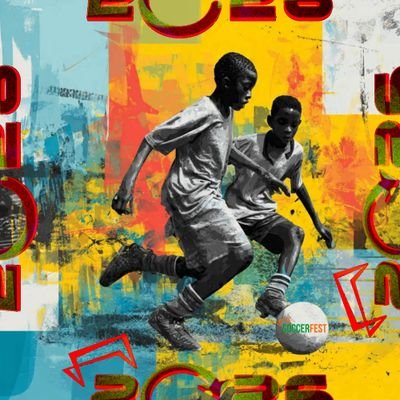
Get ready to witness the birth of legends!!! SoccerFest is heading back to it's original idea with SoccerFest 2026 in Ile-Ife. We are going to unearth the most ridiculously talented U-17 stars in the region.
I personally feel good about making SoccerFest U-17 permanently. This is the only way we can discover raw talents and it will also help eradicate the usage of mercenaries, therefore, letting teams focus on local talents.
We’re bringing 16 teams together this October/November, and we want YOU in the front row of this movement.
This is not just a tournament, it is a platform for discipline, teamwork, and raw talent. But to make this dream a reality for these players, we need the community to back them.
We are raising funds for field rentals, security, equipments, streaming and professional officiating. Your support ensures every young players has a fair shot at greatness. No amount is too small.
THE EXCLUSIVE REWARD:
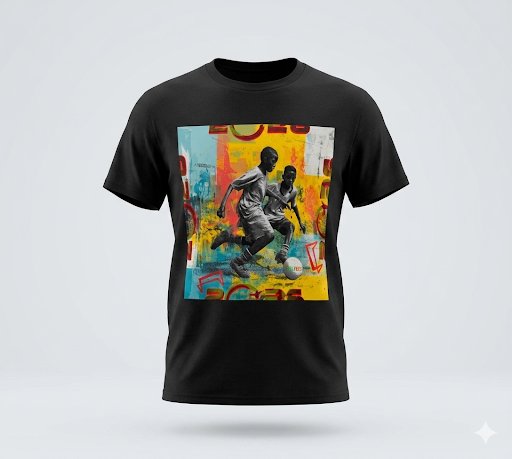
Want the shirt everyone is talking about?
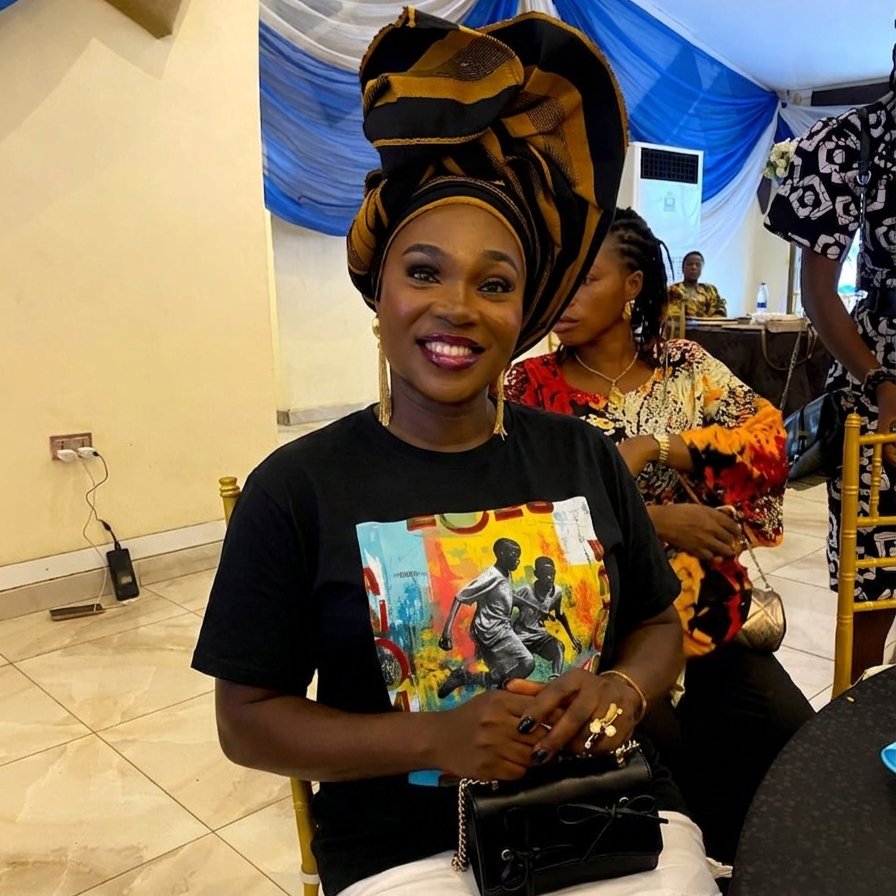
Donate ₦20,000 or more and this limited-edition SoccerFest 2026 Art T-Shirt (attached) is yours!!!
Bank: Zenith Bank
Account Name: Seenesco Sports Company
Account Number: 1229884040
International Donors: Check @SoccerFestIfe page for more options.
Send a proof of payment to 09043368035 to claim your Tshirt.
1
20
Weekend is for politics, Monday is for business. SoccerFest 2026 is my business today. Sorry in advance, am gonna bombard you with everything @SoccerFestIfe starting in the next few hours. Just make i wake up first.
14