
Software Architect
Joined December 2009
- Tweets 5,408
- Following 1,367
- Followers 119
- Likes 1,529
196 Photos and videos












May 25
Pointed my coding loop at itself — same repo, git log open.
Two stories shipped looking perfect. They were empty. Story 3 burned $4 finding out.
I left every scar in the history. Clean repos sell; honest ones teach.
👉 seevali.dev/builds/watching-…
#BuildInPublic #RalphLoop #BMAD
22
May 25
Follow-up: the "Hardening the Ralph Loop" runnable companion is public.
`git clone seevali/ralph-loop-demo` → run the loop → BMAD agents build a real app story-by-story.
Bonus: a system track where the loop forges itself.
👉 github.com/seevali/ralph-loo…
#RalphLoop #BMAD
May 23

Overnight agent loop. Real commits. Burned my weekly quota faster than coding it myself.
The leak: `claude --max-turns 1 "say hi"` → 68K tokens before your prompt.
Fix: prompt caching → ~4% cost.
👉seevali.dev/builds/hardening…
#BuildInPublic #BMAD #RalphLoop
63
May 23
Overnight agent loop. Real commits. Burned my weekly quota faster than coding it myself.
The leak: `claude --max-turns 1 "say hi"` → 68K tokens before your prompt.
Fix: prompt caching → ~4% cost.
👉seevali.dev/builds/hardening…
#BuildInPublic #BMAD #RalphLoop
1
125
Seevali Rathnayake retweeted

Apr 25
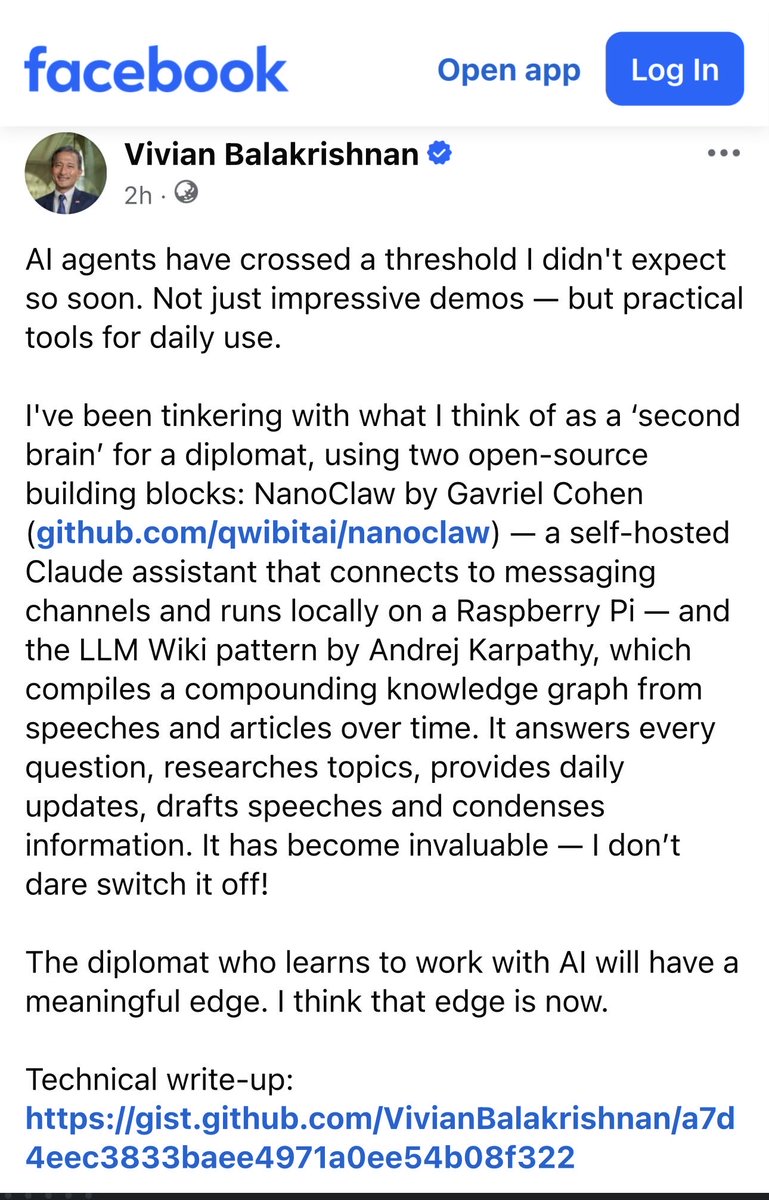
Singapore's Foreign Minister published the architecture for his "second brain for a diplomat" yesterday. Architecture diagrams, design rationale, the works. A developer-style writeup of his own system.
It runs on a Raspberry Pi. It connects to his WhatsApp and Gmail, transcribes voice notes locally, ingests speeches and articles, and builds up a knowledge graph over time. It answers questions, drafts speeches, condenses information. He says he doesn't dare switch it off.
What @VivianBala built is one-of-one. There's no other setup like it. But what he built it from isn't.
He composed four open-source pieces:
- @NanoClaw_AI , the agent framework: github.com/qwibitai/nanoclaw
- Mnemon, the persistent memory layer: github.com/mnemon-dev/mnemon
- OneCLI, the credential proxy that keeps API keys out of the containers: github.com/onecli/onecli
- The LLM Wiki pattern by Andrej Karpathy, the synthesis approach: x.com/karpathy/status/204047…
None of them are his. The composition is his. And then he published the composition: gist.github.com/VivianBalakr…
He didn't keep it internal as Singapore's edge. He didn't spin it into a product. He didn't gatekeep. He wrote it up and put it on GitHub.
There are tens of thousands of doctors, lawyers, researchers, investors, and operators building one-of-one setups for themselves right now. Some simpler than Vivian's, some more elaborate. The impulse will be to sit on it. Treat it as your edge. Think about what product or company you could spin out of it. Resist that impulse.
Vivian put it directly: "The diplomat who learns to work with AI will have a meaningful edge. I think that edge is now."
The specific thing Vivian composed will be obsolete in months. His real edge isn't the system. It's his ability to build it. Being plugged in, up to speed, able to cut through the noise and connect the right pieces into something that brings real value.
Sharing the blueprint doesn't give that away. It amplifies it.
You become a beacon. Other people working on the same things find you. They share what they're building, suggest improvements, point at things you didn't know existed. You learn faster. You stay in the center of where things are happening. Publishing isn't giving away your edge. It's doubling down on it.

Singapore’s AI obsession just hit Everest peak.
The Foreign Minister is self-hosting Claude on a Raspberry Pi and building a diplomatic knowledge graph using Karpathy’s LLM Wiki pattern. Wahlao!
SG devs, the minister is coming for your job. And he’s not even using Cursor — he’s on NanoClaw running locally. Can someone git pull his code and give it a test.
Only bad thing? He dropped this on Facebook instead of X. Minister, we need to talk.
gist.github.com/VivianBalakr…
45
401
2,164
741,414
Seevali Rathnayake retweeted
Apr 23
Just at the right time, @NanoClaw_AI now supports Codex!
With NanoClaw V2 you can build agent-to-agent collaborative setups: have a Codex GPT-5.5 agent, a Claude Opus 4.7 agent, and a OpenCode agent running @Kimi_Moonshot K2.6, all working together.
x.com/NanoClaw_AI/status/204…

Introducing GPT-5.5
A new class of intelligence for real work and powering agents, built to understand complex goals, use tools, check its work, and carry more tasks through to completion. It marks a new way of getting computer work done.
Now available in ChatGPT and Codex.
6
8
42
13,674
Seevali Rathnayake retweeted

Apr 23
✨ Announcing NanoClaw v2, in partnership with @vercel.
We completely rebuilt how NanoClaw agents communicate with the outside world. v2 brings agent-to-agent communication, human-in-the-loop-approvals, support for 15 messaging platforms, and more.
A thread on what's new:
51
112
981
204,733
Seevali Rathnayake retweeted
Apr 6
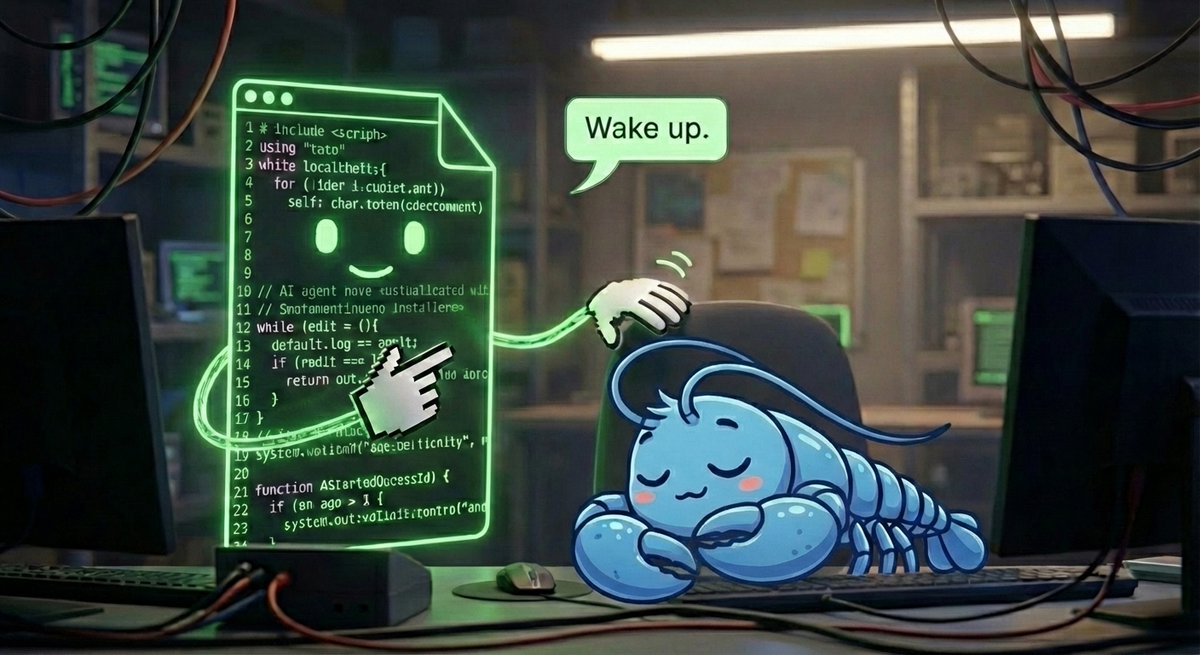
We get that a $200 subscription wasn't built for the token demands of always-on agents.
That’s why we built NanoClaw to run efficiently.
We don't have a heartbeat, meaning we don't just fire off randomly.
When you ask your agent to do a recurring task, it can write a script that runs on schedule and only wakes the agent up when it needs to be called.
4
5
46
1,449
Seevali Rathnayake retweeted

Feb 21
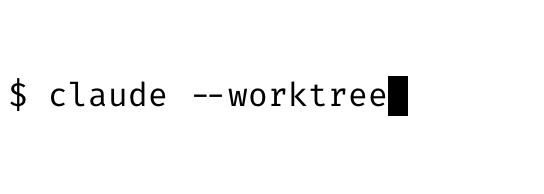
Introducing: built-in git worktree support for Claude Code
Now, agents can run in parallel without interfering with one other. Each agent gets its own worktree and can work independently.
The Claude Code Desktop app has had built-in support for worktrees for a while, and now we're bringing it to CLI too.
Learn more about worktrees: git-scm.com/docs/git-worktre…
435
843
10,960
1,301,076
Seevali Rathnayake retweeted

Feb 13
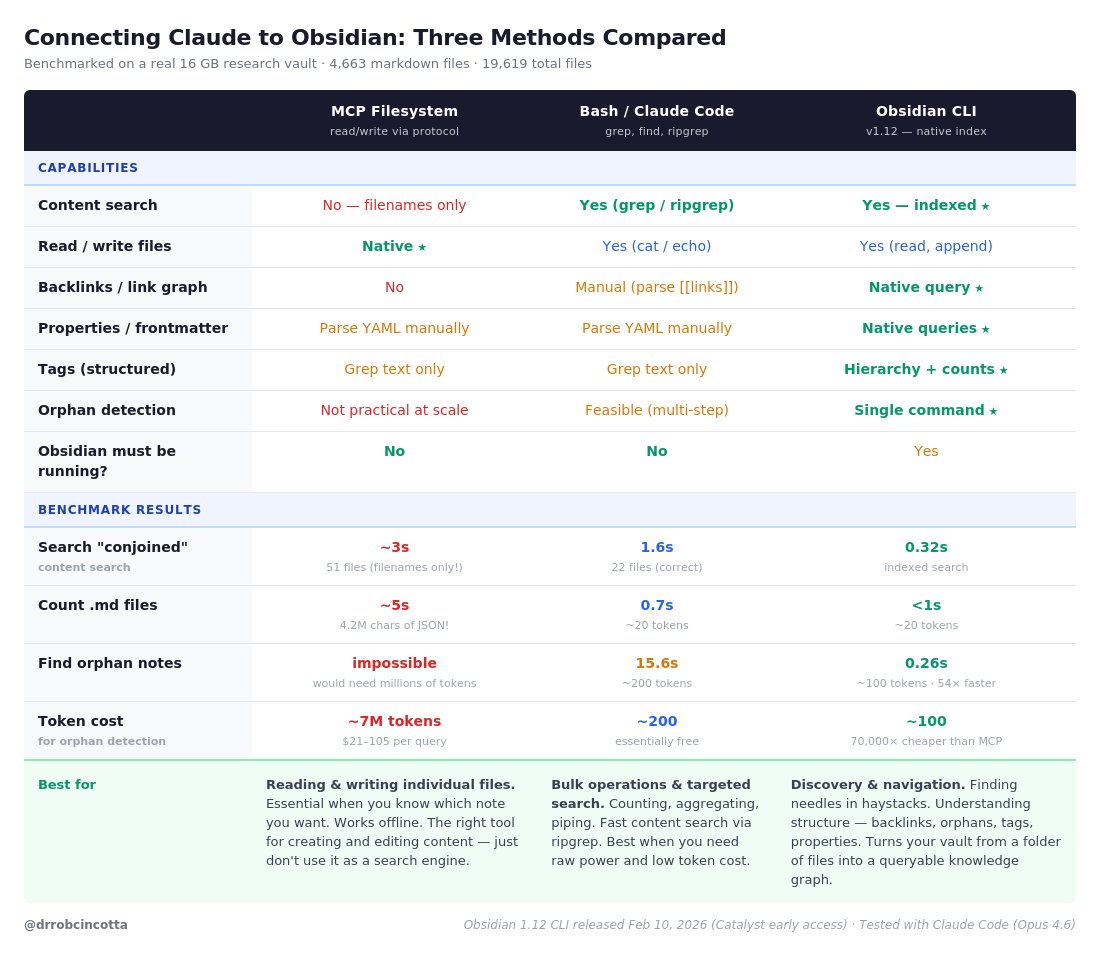
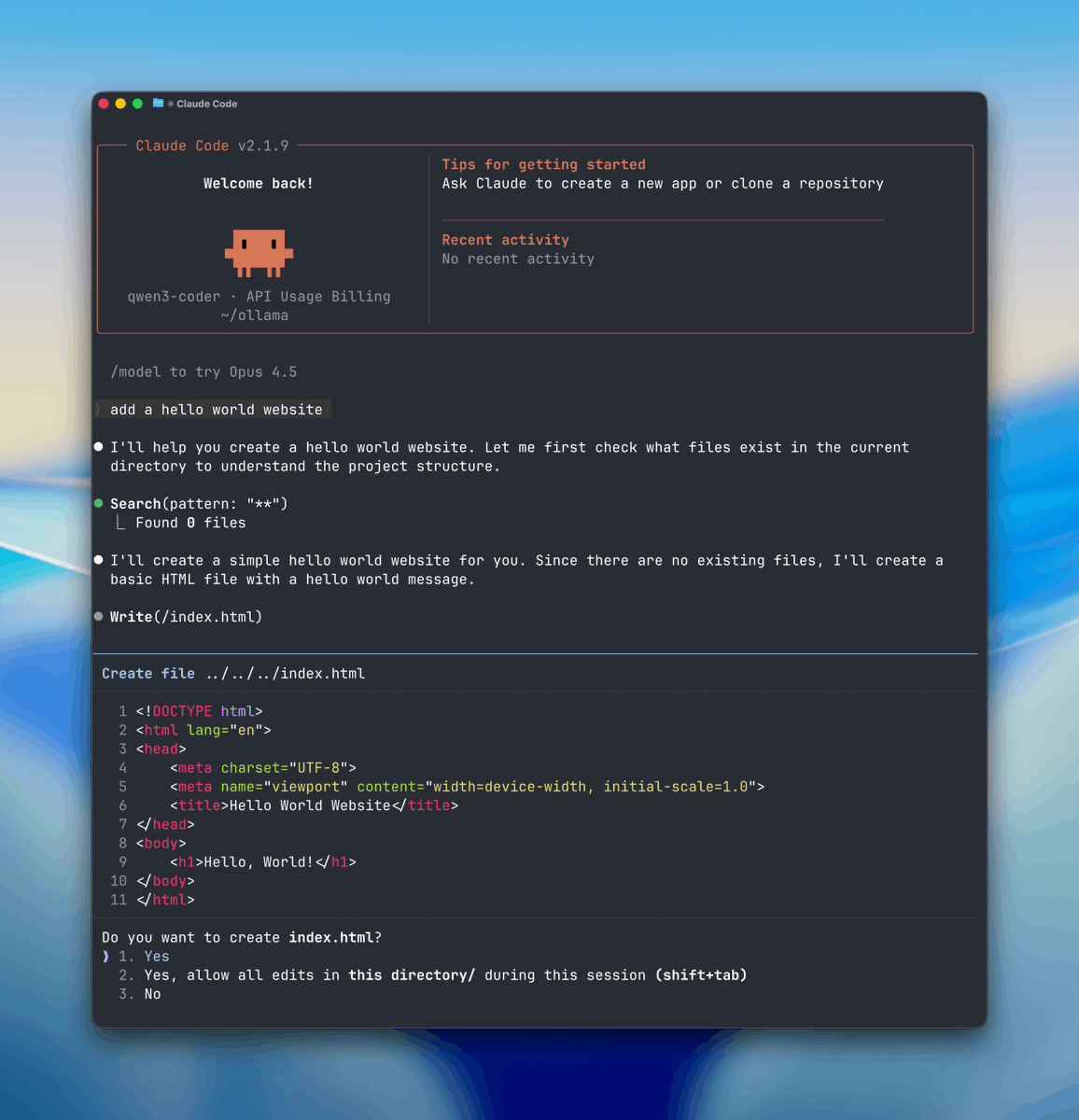
I have been testing the new Obsidian CLI with Claude Code on my research vault (4,663 files, 16 GB)... I know too many notes!!
Early results are significant. Its going to change the way in which Claude Code can interact with Obsidian
The way I see it, there are three ways Claude can connect to your vault:
Filesystem (MCP or bash) reads/writes markdown files. Covers maybe 40% of what Obsidian actually knows. No awareness of backlinks, tags, properties, or the graph. To search content, it has to open every file individually.
REST API MCP — talks to Obsidian via plugin. Gets you to about 55%. Better search, some metadata. But fragile setup and limited.
Obsidian CLI ...Yay @obsdmd and @kepano !! it queries Obsidian's actual indexes. This would be about 85% of Obsidian's capabilities. The missing 15% is purely visual the canvas layout, graph view rendering, live preview. Everything else is there: search, backlinks, orphan detection, properties, tags with hierarchy and counts.
The speed difference is real:
Finding orphan notes: bash grep 15.6s vs CLI 0.26s (54× faster)
Searching vault: bash grep 1.95s vs CLI 0.32s (6× faster)
Token cost for orphan detection via MCP: about 7 million tokens. Via CLI: 100 tokens. That's 70,000× cheaper.
The CLI uses Obsidian's pre-built search index the same thing that makes Obsidian's own search instant. Grep scans every file from scratch every time.
The catch: right now this only works via Claude Code (which can run CLI commands through bash). Claude Desktop and claude.ai can't access it directly. There is an early CLI MCP server (obsidian-ts-mcp) that would bridge this gap but I haven't tested it yet. (I think that if you ask nicely Claude Code could create a version for you!)
I'm using this as part of a research assistant stack connecting Claude to Obsidian, Zotero, PubMed and more. Posts on each piece coming.

Anything you can do in Obsidian you can do from the command line.
Obsidian CLI is now available in 1.12 (early access).
49
84
1,086
225,120


Seevali Rathnayake retweeted

Jan 10
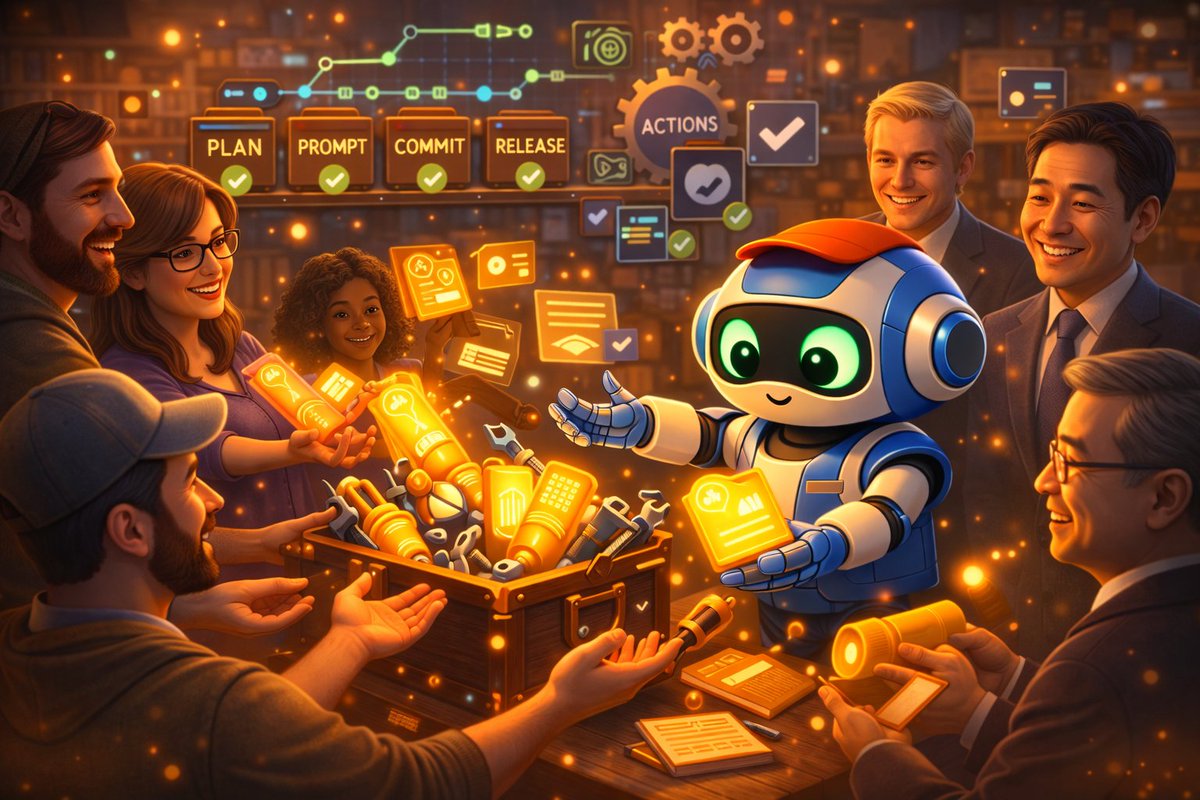
In this new world we live in, where ideas and intelligence are plunging in marginal cost by the day, I really think one is better off focusing on creating as much value as possible overall instead of focusing on how much value you can personally capture for yourself.
Have an abundance mindset. Don't hoard methods or tools, share them. You will help others and they will appreciate it. And it will quickly come back to you in so many ways that you can hardly predict.
And anyway, the half-life of a hoarded method or tool now is like a few months at best. You're better off focusing on building great things, growing your skills and reputation in the world, and helping others improve alongside you.
Building in public has so many advantages. For one, the GitHub Actions are free! But seriously, if you're working in dev tooling, your public repos are themselves your very best advertisement and public irrefutable proof that your tools and workflows really do work.
Because otherwise, where the hell are all those commits and releases coming from?
And I would go even further (and have been): don't just commit the final code. Commit each revision as you go so people can watch the evolution. And don't just post the code, post the plans. And not just the final plans, all of the versions as you go. And not just the plans, the prompts you used to make and refine the plans.
If you commit those as part of the repo, people will notice that and appreciate it and learn from you. And you will get users who give you valuable feedback and bug reports that your agents can slurp up and use to polish your software ( I have a big post to write about this process, which I've totally automated now for myself).
And where does all that lead? Well, many if not most of your users will be regular people who can only give you some support and encouragement and appreciation. But don't underestimate how personally satisfying that can be. In psychic terms, that's pure gold.
Some smaller fraction of your users will themselves be smart devs who have really interesting insights and suggestions that you can leverage. You'd never even know who they are probably if you didn't share your stuff.
And some even smaller fraction of your users, if you are really making something useful, will be extremely successful and prosperous people who also have an abundance mindset and who can bring you opportunities that would never be available to you otherwise.
Truly, the more you give, the more you get. Just focus on giving good stuff. Take all that time and energy you spend jealously guarding your edge and proprietary methods and workflows and spend it moving faster and making better stuff in the open, and you might be shocked at how much better it feels and how much it helps your bottom line, too.
So many people I speak to about open source tell me ruefully that it's too bad I've given this all away because now anyone can just take my stuff and turn around and sell it. Well, good luck selling what is already free and open, first of all, especially when I'm going a million miles per hour to improve it all.
But also, when I do figure out how to provide a service that people do want to pay for (i.e., a hosted offering that is built entirely on the same open-source tooling but which layers on an intuitive web app and mobile app, which I've already finished the beads for), I will have a built-in audience that is receptive.
And yes, of course, someone else or some big company could fork all 20 of my repos and try to rebadge and resell it all. But what are the chances that they're going to make something even close to as good as I can make when I'm the one who conceived of, designed, and implemented everything in 2 months?
Also, I strongly believe that many of the people I've helped along the way by being as open as I have been will then be happy to be patrons of my hosted offering, assuming it is a good service and a compelling value proposition, which I will ensure is the case.
Would they really want to switch to the ersatz knockoff version to save a few bucks? Knowing that it will always be behind my latest versions of the open source tooling?
I'd like to think not, but I guess we'll see. Stay tuned!
And btw, no matter what, I will never stop sharing and being open. Once you've see the light about this you never want to go back into the shadows, toiling in obscurity for illusory gold.
10
5
68
4,443
Seevali Rathnayake retweeted
Jan 2
I'm Boris and I created Claude Code. Lots of people have asked how I use Claude Code, so I wanted to show off my setup a bit.
My setup might be surprisingly vanilla! Claude Code works great out of the box, so I personally don't customize it much. There is no one correct way to use Claude Code: we intentionally build it in a way that you can use it, customize it, and hack it however you like. Each person on the Claude Code team uses it very differently.
So, here goes.
1,319
7,019
54,553
8,175,513
2 Aug 2024
https://zz x9ž$$zxx$x$ž$$$xx$$ddddddd&x¢z8xžz$$$$$$zx$$$$$zx$xz/ec-m-zxzz$$$xZz$-x z$ZzxZ7888, 88888z2024/zz, xx$$7$$zx$xxxxz$x?twclid=22in38efb96rfezex03z48upd0x£$
42
Seevali Rathnayake retweeted

20 Jun 2024
Introducing Claude 3.5 Sonnet—our most intelligent model yet.
This is the first release in our 3.5 model family.
Sonnet now outperforms competitor models on key evaluations, at twice the speed of Claude 3 Opus and one-fifth the cost.
Try it for free: claude.ai
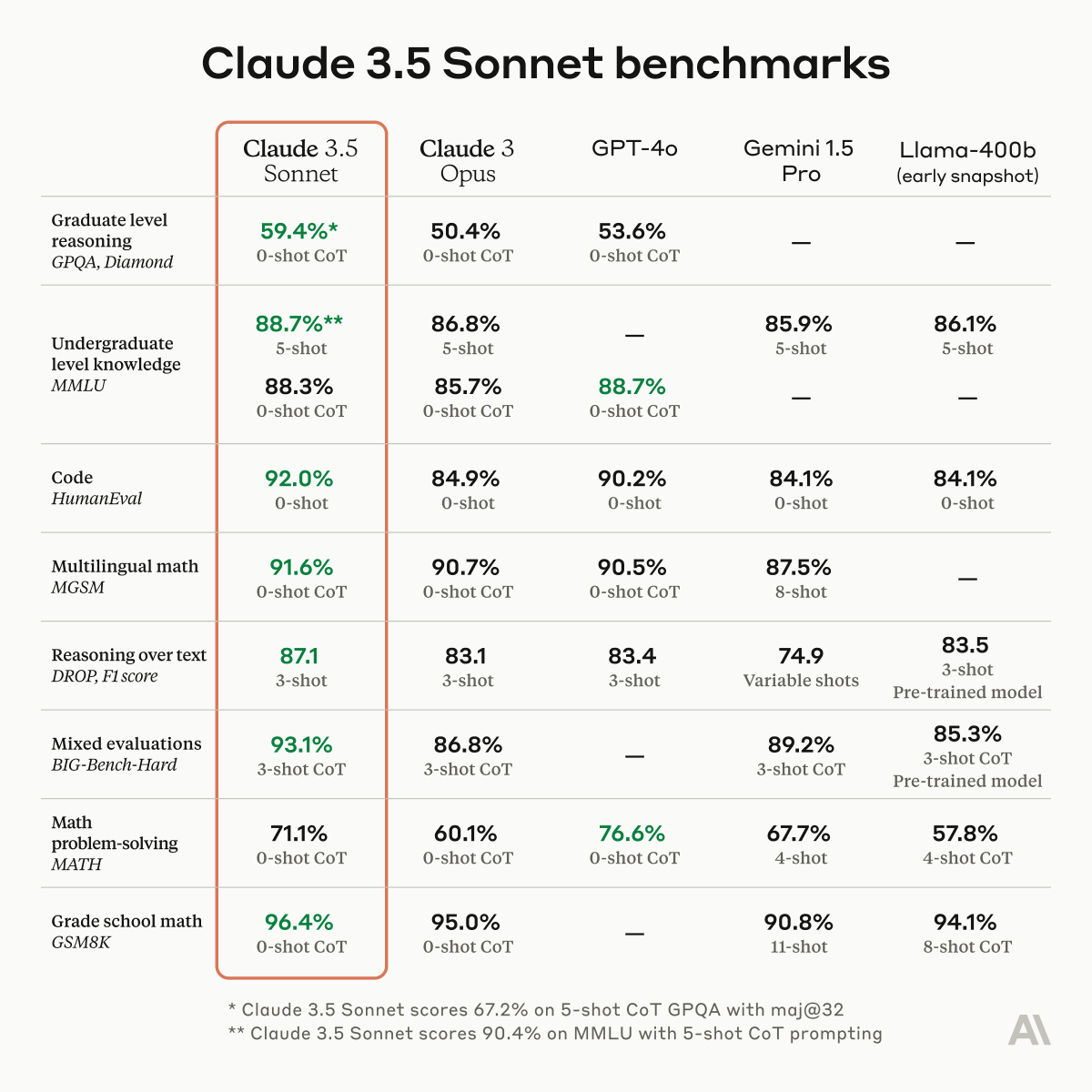
ALT Benchmark table showing Claude 3.5 Sonnet outperforming (as indicated by green highlights) other AI models on graduate level reasoning, code, multilingual math, reasoning over text, and more evaluations. Models compared include Claude 3 Opus, GPT-4o, Gemini 1.5 Pro, and Llama-400b.
419
1,531
7,040
2,522,663
Seevali Rathnayake retweeted

26 Mar 2024
Apple lost $1 billion in 1997.
Steve Jobs returned to the company and spoke to developers at WWDC.
When an audience member insulted him, he responded:
“One of the hardest things when you’re trying to effect change is that people like this gentleman are right.”
146
1,235
9,955
4,619,214

