
Evolutionary Psychologist. Mama. Married to @gmiller.
Joined March 2012
- Tweets 19,882
- Following 1,034
- Followers 68,752
- Likes 20,975
2,818 Photos and videos










Jun 12
This viral article from Stacey Patton is mostly AI

Jun 11

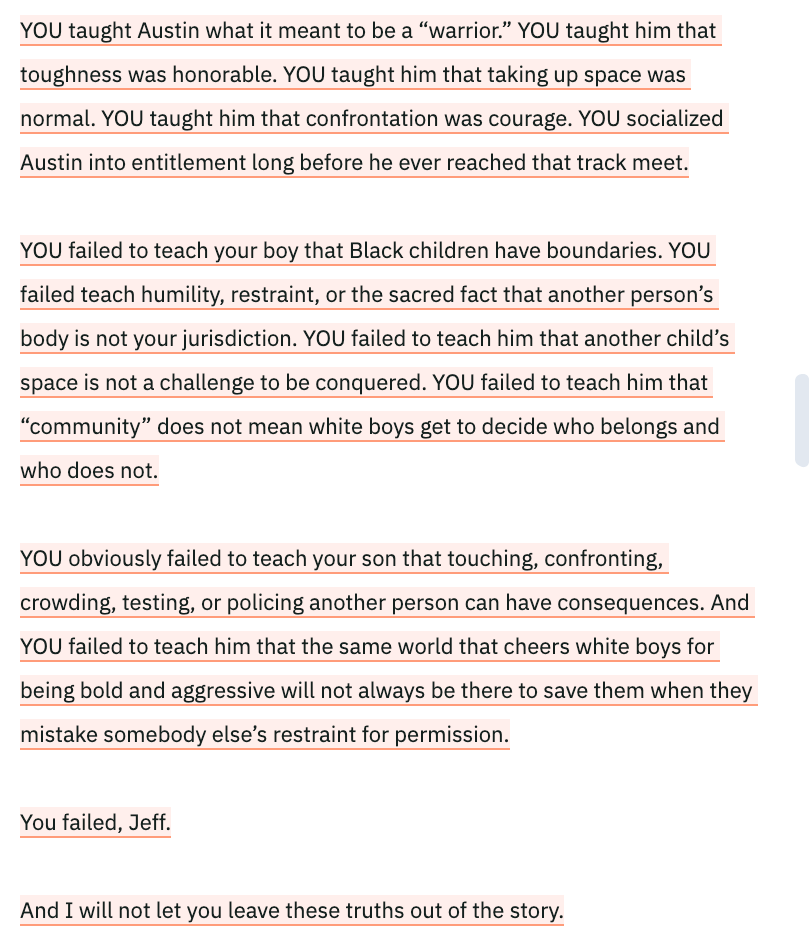
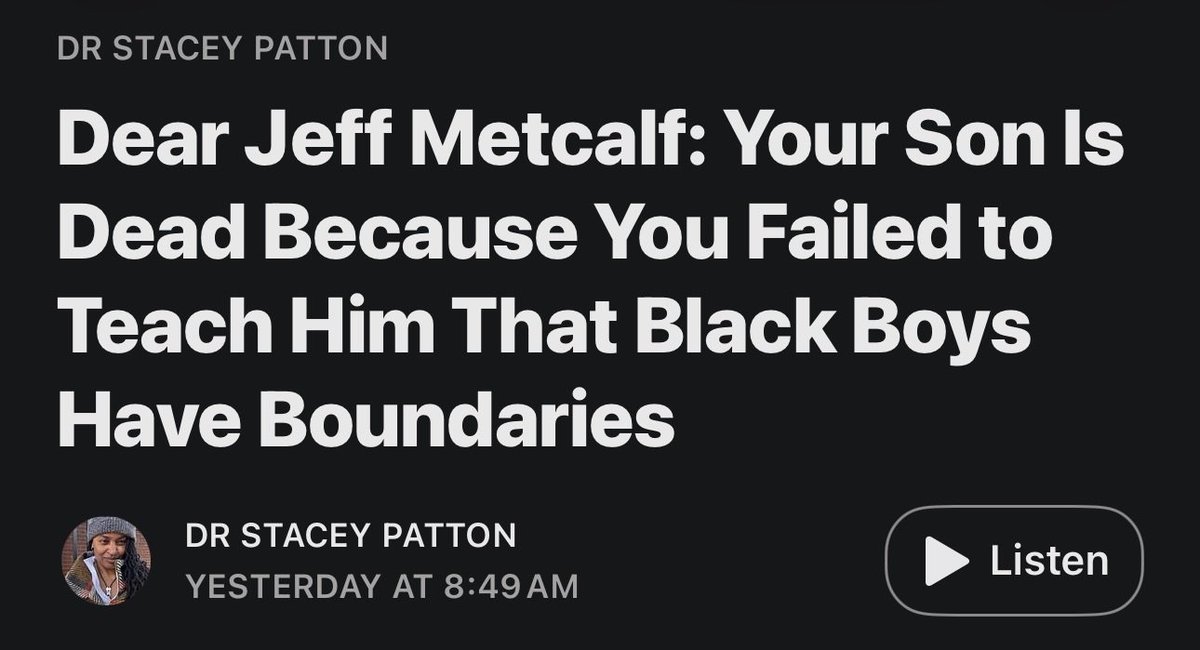
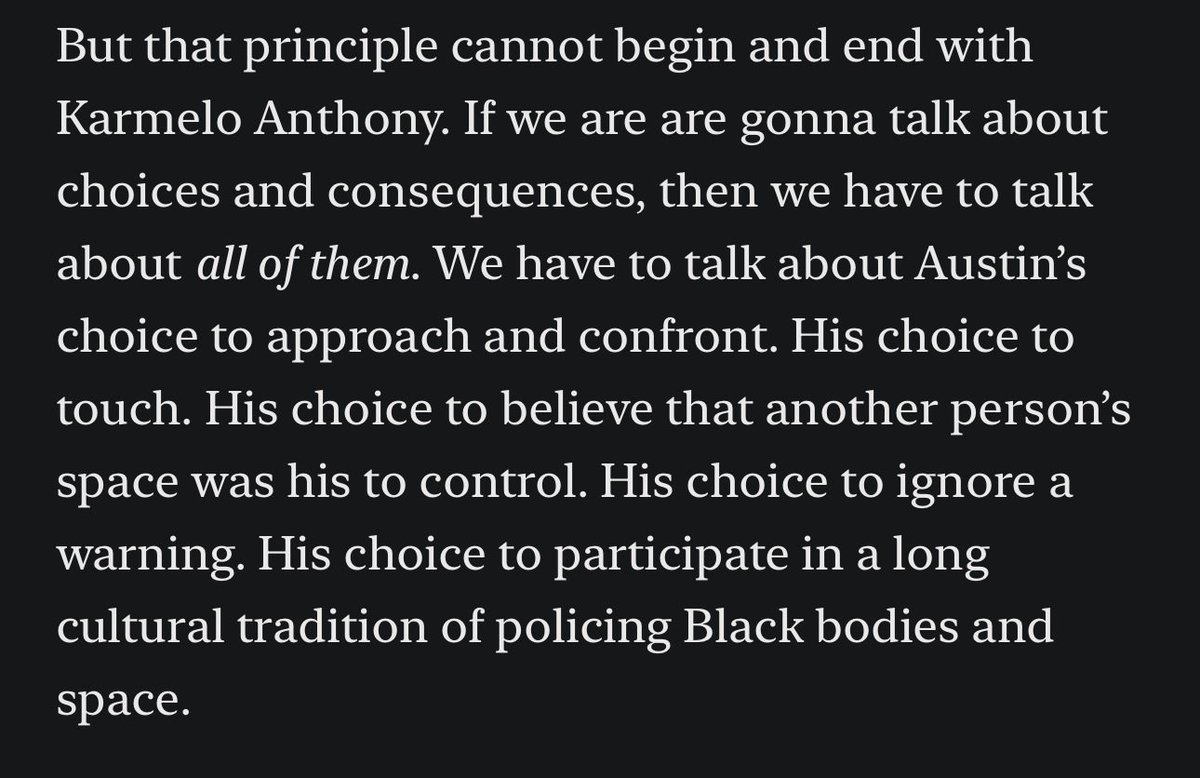
🚨 Dr. Stacey Patton, a professor at Howard University, wrote an article in which she blamed Austin Metcalf – and his family – for Karmelo Anthony's decision to murder him.
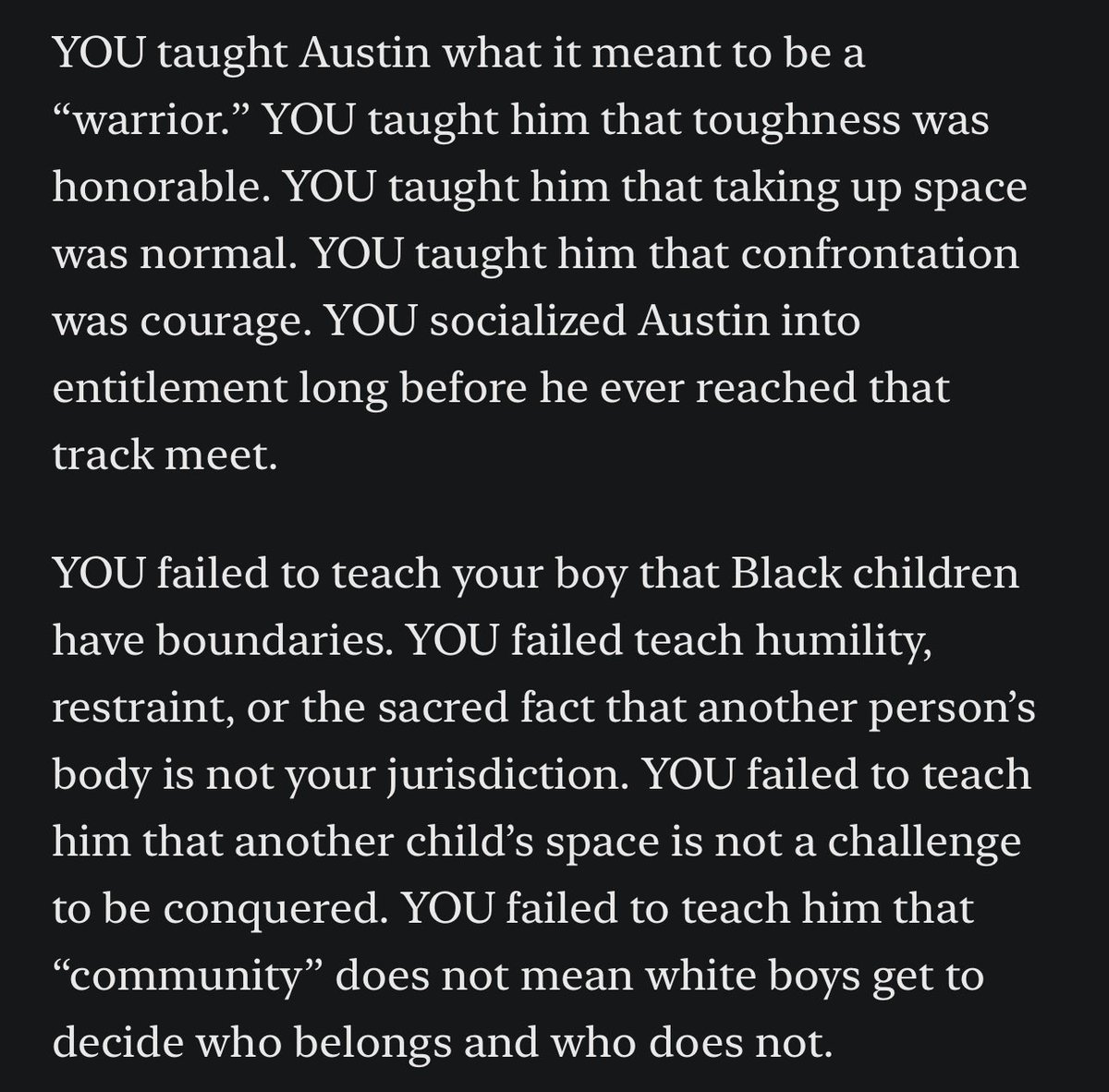
Titled "Dear Jeff Metcalf: Your Son is Dead Because You Failed to Teach Him That Black Boys Have Boundaries," the article argues that Jeff Metcalf failed to teach Austin that "black children have boundaries." In other words, Jeff should have taught Austin that black people will try to kill you if you ask them to stop violating social norms.
While Patton falls short of outright defending Karmelo's decision, the entire purpose of the piece is to rationalize his behavior. Kind of like "Sure Karmelo shouldn't have stabbed him, but it was Austin's fault at the end of the day."
She writes, "We have to talk about Austin's decision to approach and confront." As if Austin didn't have the right to tell someone from another school to leave his school's tent. As if somehow that minor confrontation justifies stabbing him in the heart. It is complete insanity. Patton ties Austin's behavior to "a long cultural tradition of policing black bodies and space."
Right.
Patton's Substack has nearly 50k followers. He has 300k followers on Facebook. She is an accomplished professor and journalist. The article received thousands of likes. We've all seen the low-class black people causing a scene outside of the courthouse. But it appears that even many educated blacks believe that people of their race have the right to murder anyone who asks them to stop playing music in public, respect physical boundaries, and so on.
"Let us do what we want or we'll kill you" appears to be the message being broadcast by a sizable share of the black community. You don't have to be a far-right radical to recognize the many unsettling implications this holds for the future of American race relations.
31
16
115
9,818
Jun 12
The article in question apologizes for using a sex binary:
"We are constrained in how we can refer to the sex spectrum within this article, and we will use the terms “female” and “male” in order to best represent the research we review. It is also critical to recognize that when making these arguments, we often have to rely on a comparison of the means, which, unfortunately, reinforces the idea of a strict binary...there is more variation within sexes than between"
anthrosource.onlinelibrary.w…
Jun 11

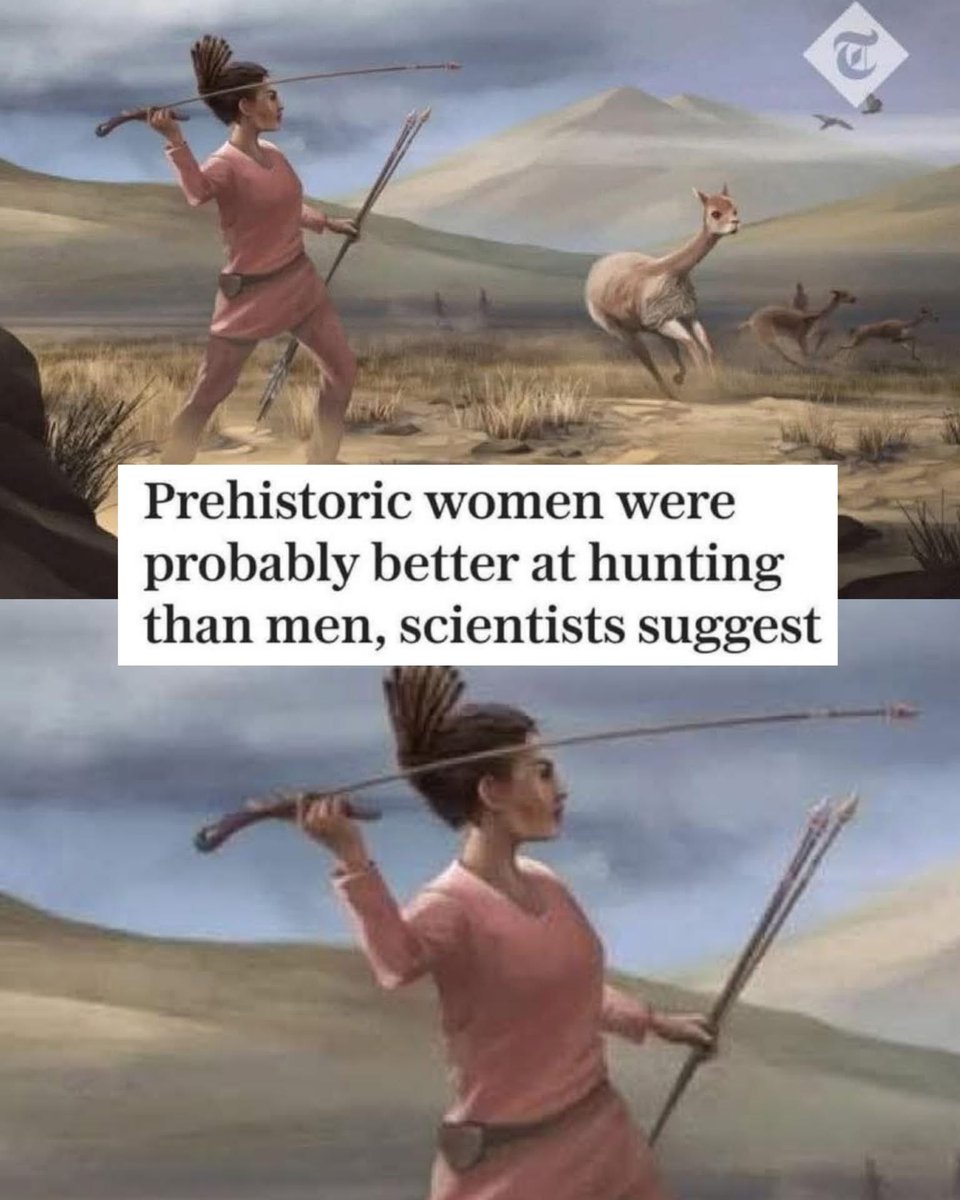
Scientists in 2023 published a study claiming prehistoric women were better hunters than men. The same scientists who can’t define what a woman is are now experts on what women were doing 12,000 years ago 😂💀
Community note
Missing context, "prehistoric women were probably better at hunting then men" is a clickbait title by News sites and not what the research actually claims. The actual research only suggests prehistoric women in some cultures also hunted alongside prehistoric men. journals.plos.org/plosone/articl…
12
3
86
18,057
Jun 12
I’m pretty good at fixing mechanical or electronic stuff, even if I don’t know that much about how something works, because I can maintain a gentle curiosity about seeing a connection between my actions and improvements in function. And I like looking things up.
But I don’t feel like I have access to that gentle curiosity when I write. The stakes seem absurdly high. There’s no “let’s just move this happy little paragraph and see if it likes its new home”. Instead, I feel like I’ve got my hood popped on the side of a highway at dusk.
7
55
4,100
Diana S. Fleischman retweeted

Jun 12
X is the new sex ed
Jun 11

Most women cannot have orgasms through penetration alone and need some kind of clitoral stimulation. There is evidence that female orgasm is a byproduct of male orgasm, meaning it's not really adaptive so we shouldn't expect all women to be able to orgasm. For some, grinding down or a little rubbing with a finger is enough, for others, they might need a vibrator or a lot of different toys. It's also possible that you can become accustomed to the intense sensation of a vibrator and then rely on it (sounds like what's going on in this clip). But, the desensitization isn't permanent, you can stop using vibrators and get your clitoral sensitivity back (allegedly).
2
13
4,999
Jun 12
On the appeal of relativism, the idea that there is no "true" knowledge and that evidence doesn't matter in the humanities, including anthropology:
"How did so many scholars, from so many different fields, become so thoroughly convinced of a heady view in epistemology, especially one that is stubbornly rejected by the mainstream of professional philosophers? We cannot say that the appeal is intellectual: We cannot point to powerful arguments that make a strong case for the view. On the contrary, and as we will see in a moment, the intellectual case against relativism about knowledge is overwhelming.
However, while it is not easy to see a strong intellectual case for relativism about knowledge, it is easy to see how it came to seem appealing to scholars who think of their scholarly project as a form of politics. In what way is the view politically appealing?
If any claim to knowledge — even one coming from established science or direct observation — depends for its justification on certain contingent non-epistemic values, then any such claim can be dispatched if one rejects the nonepistemic values on which it allegedly depends. And that can seem to be a very powerful tool. Suppose you don’t like what biology is saying about a politically charged topic, e.g., sex. You don’t have to accept what biology has to say, no matter how “well-supported by the evidence” it happens to be, since its justification will also depend ineliminably on certain non-epistemic values, ones that you may happen not to share. You don’t like a thesis that evolutionary psychology is building a case for? You may ignore the whole field, dismissing it as deriving from misguided political values. And so on. I
n general, a social constructionism about knowledge provides a blanket a priori guarantee that no one can force you to accept a thesis you don’t like on the alleged grounds that it has been shown to be true by the available evidence. For according to the view in question, there is simply no such thing."
7
9
48
4,010
Jun 12
A stance of relativism, that there is no "real" knowledge is essential to the philosophy of decolonization and dismantling eurocentric dominance:
"Many colonial projects were justified by the claim that the colonizers were giving those they colonized the benefit of their superior knowledge and culture. For intellectuals who had turned decisively against colonialism, it was appealing to be able to resist the colonizers, not by detailed critique of their spurious claims to superiority, but rather by maintaining on general philosophical grounds that there is no such thing as superior knowledge, only different knowledges, each appropriate to its own setting, just as postmodernist relativism asserts."
1
20
1,527
Jun 12
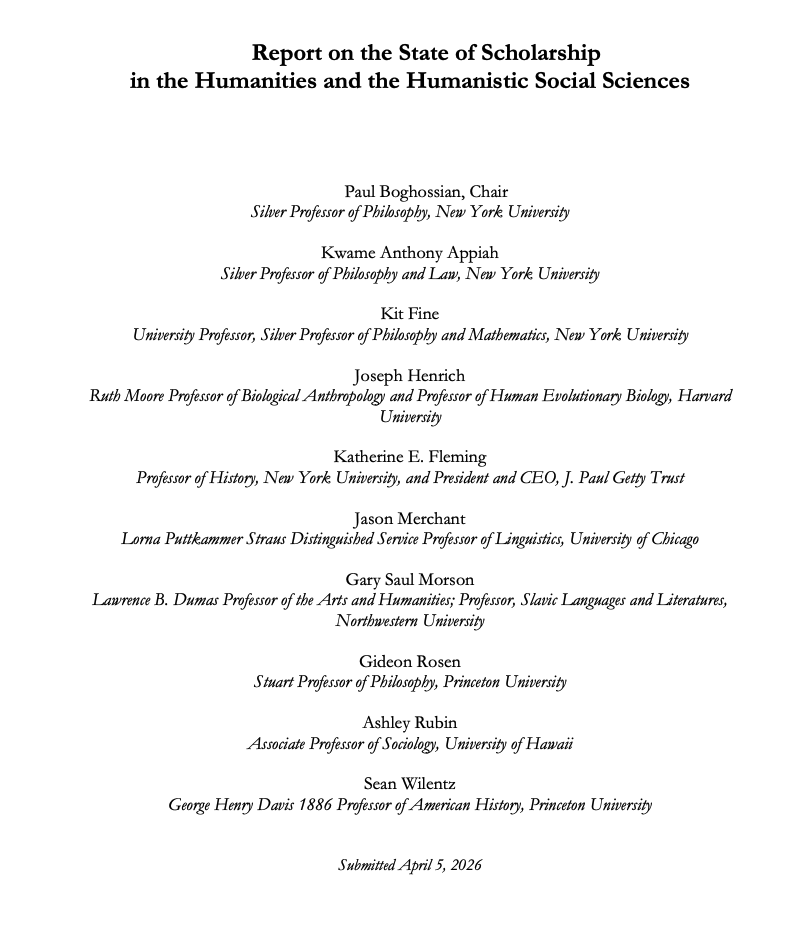
From this Report on the State of Scholarship in the Humanities and the Humanistic Social Sciences:
cdn.vanderbilt.edu/vu-wpfsx/…
1
3
15
1,440
Jun 11
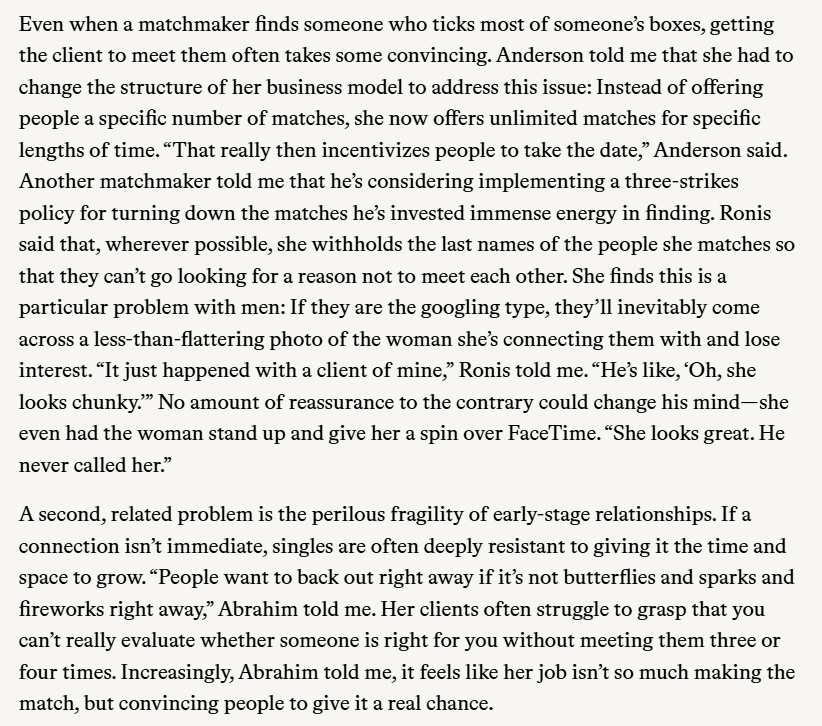
Matchmakers serving people who have been jaded by dating have to prevent men from trying to find unflattering pictures of matches online, implement a 3 strikes policy for not meeting matches and encourage daters to move past the expectation that there will be an immediate spark.

In more concrete terms, widespread overfiltering the illusion of abundant options has made early stage relationships incredibly fragile. One matchmaker told me it feels like her job isn’t so much making matches, but convincing people to give them a real chance.
8
7
199
27,246
Diana S. Fleischman retweeted
As a honeybee colony prepares to swarm the workers put the queen on a diet and force her to exercise so she'll be fit to fly.
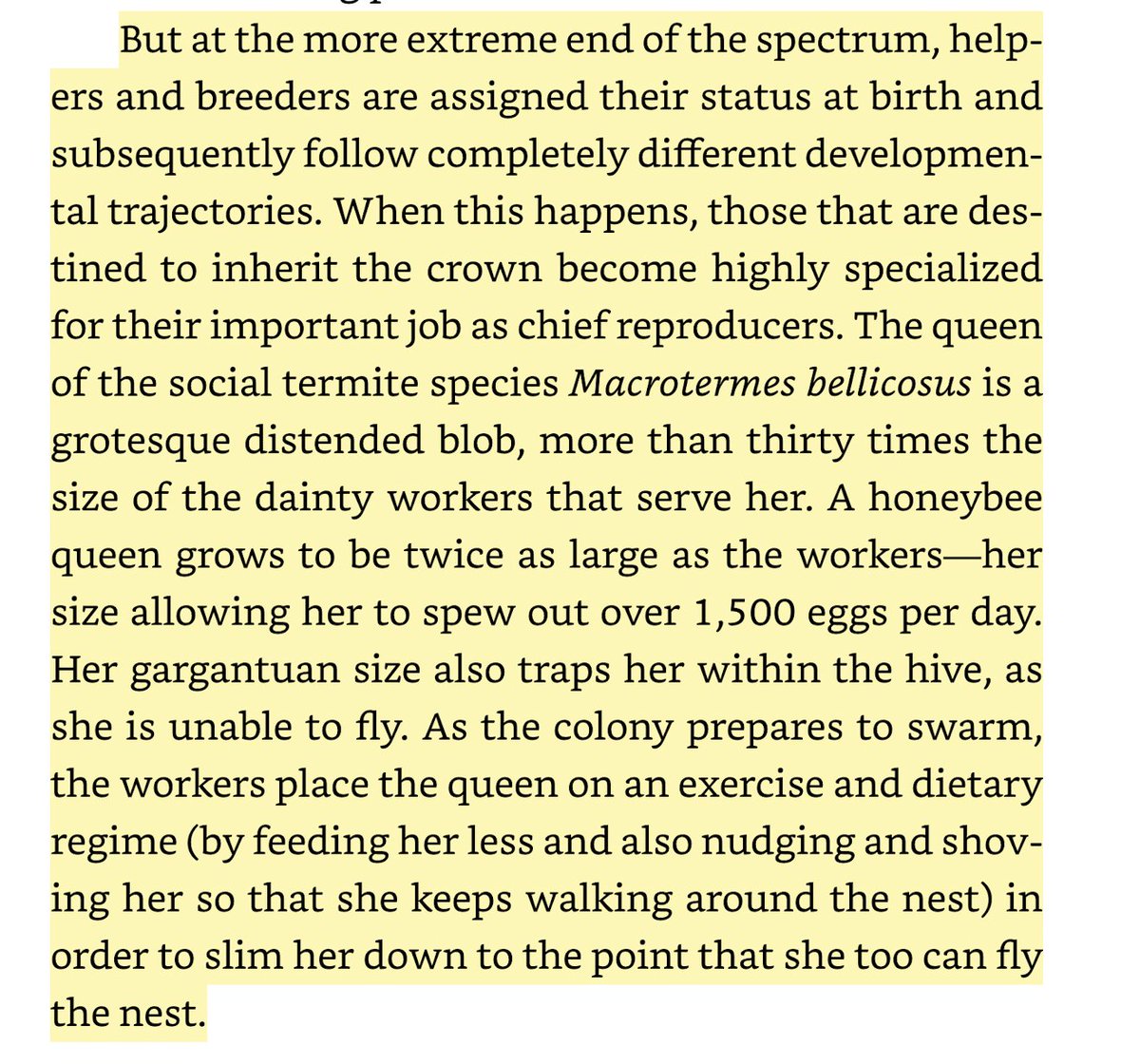
ALT An excerpt from the Social Instinct
4
7
58
4,152
Diana S. Fleischman retweeted
Jan 10
Some of the most calorie dense animals on this graph hibernate, like the outlier, the edible dormouse (Glis glis), who double their weight in autumn. Their pre-hibernation appetite was used to fatten them up by the Romans in glirarium, special terracotta dormouse-fattening jars.


Outlier appropriately named
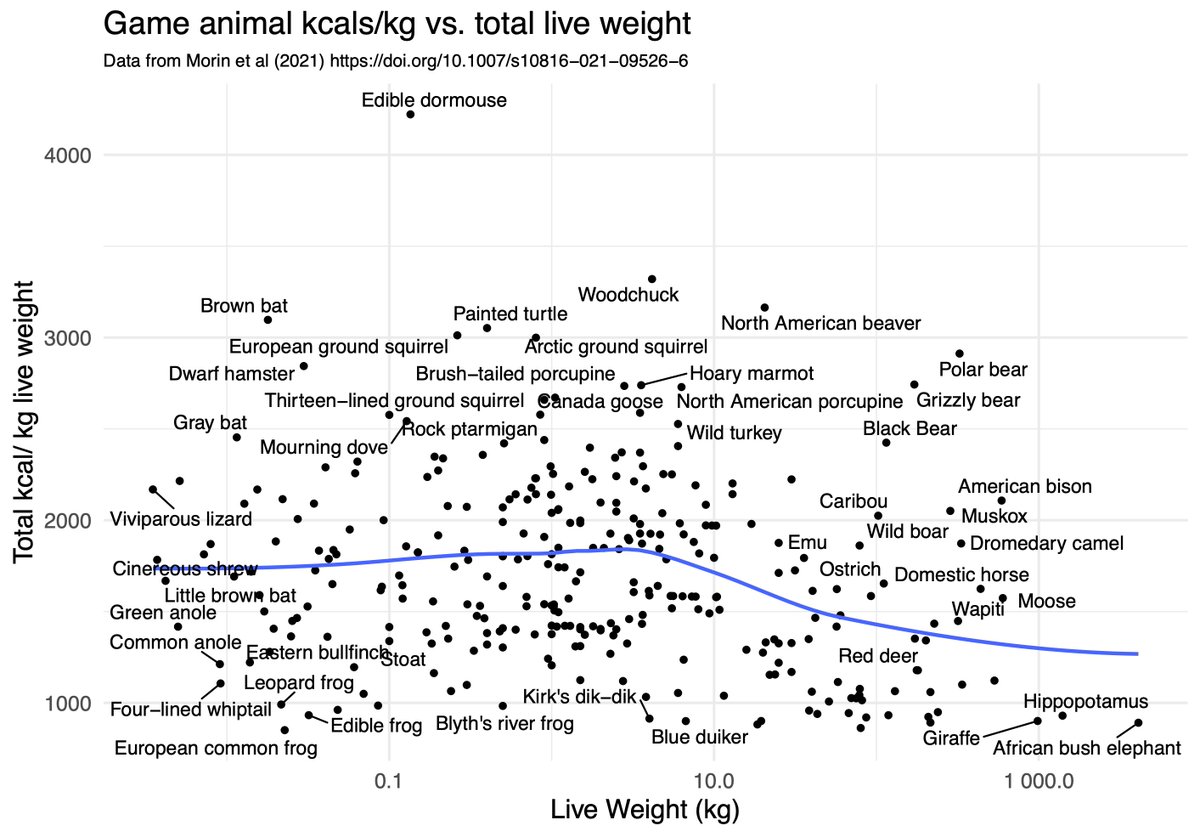
ALT A scatterplot of game animal weights vs. the number of kcals per kg
1
2
28
6,417
Diana S. Fleischman retweeted
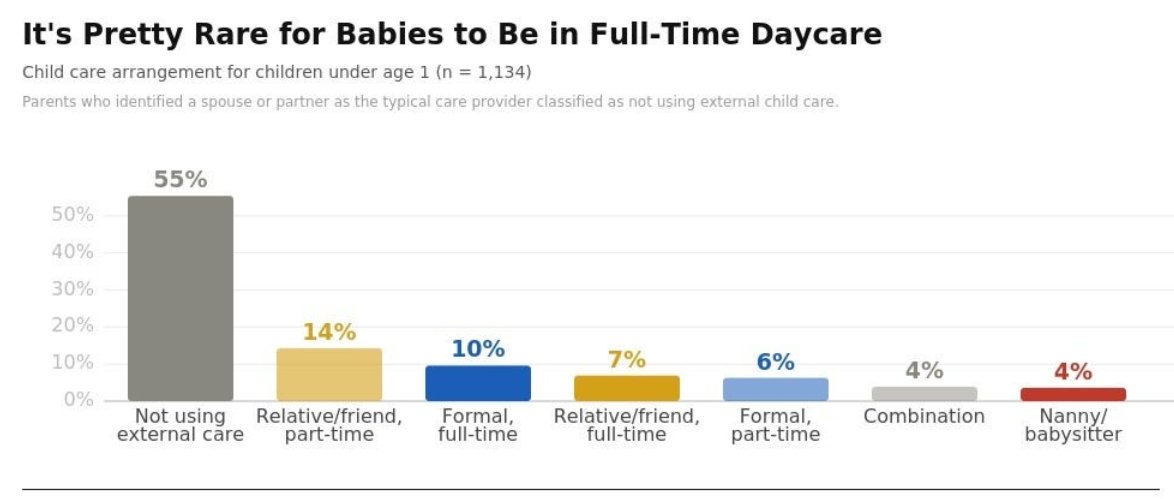
Actually, it sounds like expecting an equal division of labor for newborn infants, which men are not hormonally or physiologically equipped for might be the cause of their depression. That's the evolutionary mismatch. There is no culture on earth where men care for newborns as much as women.


17
15
257
35,200
Diana S. Fleischman retweeted

okay I'll give you a peak at one such chart. As a treat.
2
2
46
34,459
Diana S. Fleischman retweeted

Jun 10
I know AI sycophancy is about 17,000 discourse cycles ago on this site, but IMO the underlying dynamics (inc pressure to ship fast, not knowing how to balance user prefs w/ other things) are alive and well.
Wasn't expecting to explain that to Oprah of all people, but here we are
22
32
372
33,474
Demonstrative of the muddled thinking of the anti-surrogacy crowd is the constantly repeated claim that surrogacy is like taking a puppy away from its mother.
Surrogacy is like taking a puppy away from one mother, and giving it to another dog who accepts it as her puppy.
This technique is called cross-fostering and it's been used for centuries for animal husbandry, conservation and research because it has minimal effects on the animal so long as its new parent cares for it.
8
6
70
6,779
there are some other plausible surrogacy harms, that are aptly dealt with here @cremieuxrecueil aporiamagazine.com/p/surroga…
2
10
1,890

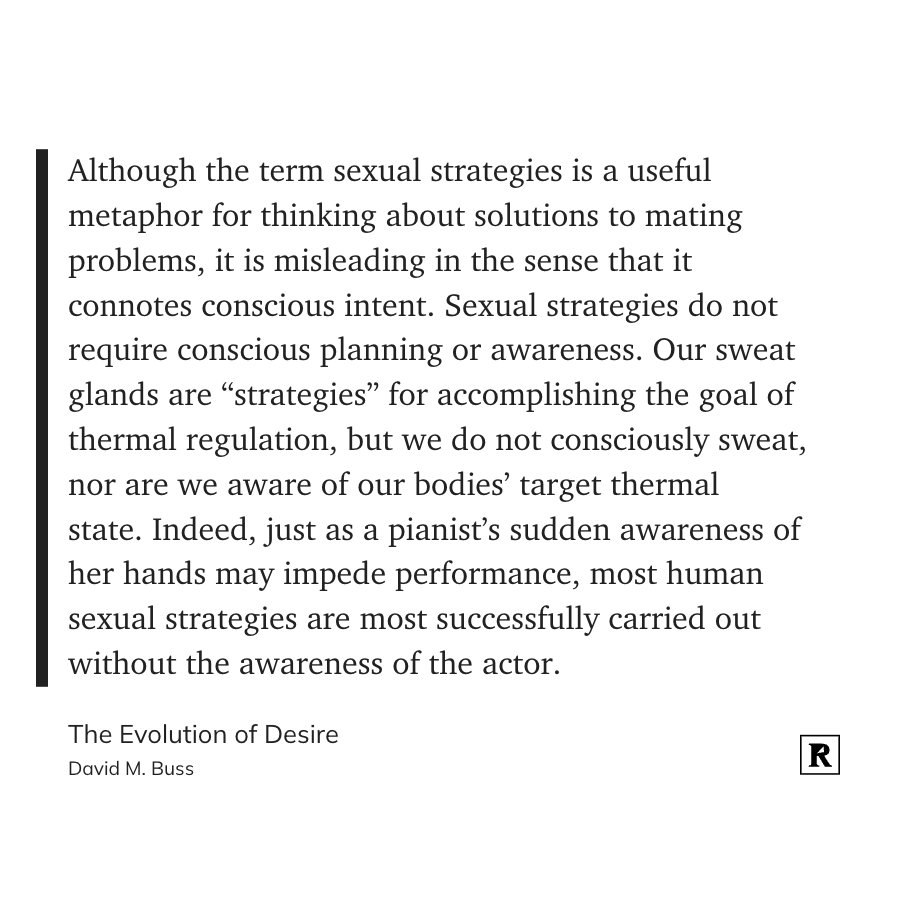
If “parenting as if we were divorced” is the equality ideal you are aiming for, something may have gone wrong.
10
6
226
16,905