Catholic wife, seeking God’s Wisdom and Grace.
Joined January 2011
- Tweets 40,065
- Following 1,282
- Followers 2,255
- Likes 131,561
1,822 Photos and videos




Susan Catherine🇻🇦 retweeted

Dear Cardinal McElroy,
Greetings in Christ. We read in Redemptionis Sacramentum,
“In distributing Holy Communion it is to be remembered that ‘sacred ministers may not deny the sacraments to those who seek them at appropriate times, are properly disposed and are not prohibited by law from receiving them.’ Hence any baptized Catholic who is not prohibited by law must be admitted to Holy Communion.
Therefore, it is not licit to deny Holy Communion to any of Christ’s faithful solely on the grounds, for example, that the person wishes to receive the Eucharist kneeling or standing.” (RS, no. 91).
In the Roman Rite, the Church continues to teach that the norm for the reception of Holy Communion is on the tongue (GIRM 160; RS 92). The Latin Church also preserves its longstanding tradition that it is not licit to refuse Holy Communion to those who wish to receive kneeling (RS 91).
The inclusion of altar rails will help us accompany those who wish to receive in this more reverent and traditional fashion. It will also help to ensure a continuous flow, since multiple people can kneel at the same time; thus, there is no issue of halting the Communion line. Furthermore, since the Church permits Holy Communion standing and in the hand (IDM; GIRM 160), those who wish to do so still can.
I think an important pastoral note to bear in mind is the following: Is it truly at the service of the People of God to deprive them of altar rails, which helps facilitate the right to receive Holy Communion on the tongue and the chosen devotion of kneeling?
While keeping in mind that the liturgy ought to be respectful in terms of timeliness, I also fear that concern for time can steal away from the most important time we ought to be generous with; the time we give to God.
We devote time to so many things. Can we not devote a little more time to the most important moment of our day: Holy Communion?
In terms of pastoral care for the elderly and the infirm, altar rails will actually help ensure that those behind the communicant do not trip, because communicants will be situated at the altar rail. Furthermore, we should consider that for decades and even centuries the Church distributed Holy Communion to those for whom walking was difficult. It was not an issue then, and it does not have to be now, because the presence of altar rails helps address concerns about someone tripping the person behind the communicant.
Another important question to ask is this: Is it equally reverent to stand before Almighty God for the reception of Holy Communion, or to kneel?
If Jesus stood visibly before you, would your first reaction be to fall to your knees or to remain standing? I think of the woman who fell at Jesus’ feet and washed them with her tears and dried them with her hair (Lk 7:36–50). The Pharisee looked down upon her, but Jesus praised her love.
This is another important point regarding those who might claim that people who kneel are making a “show” or drawing attention away from Jesus. Again, Jesus praised the woman because of how much she went out of her way to show love, but He rebuked the Pharisee for treating the Divine Guest so casually and for his lack of hospitality (Lk 7:44–47).
When I see people kneel for Holy Communion and receive on the tongue, I am edified by their example. It inspires me to climb the heights of holiness, while also rebuking me for my own lack of reverence at times.
This witness of reverent reception of Holy Communion should be praised and promoted, not shunned or canceled. To be a welcoming Church we must also welcome those who wish to live out our Sacred Traction, otherwise we cause marginalization and exclusion. This is my humble opinion, based on the Church’s teaching for centuries regarding reception of Holy Communion on the tongue as a more excellent, theologically appropriate, and reverent manner of receiving Our Lord (STh III, q. 82, a. 13; RS 92).
Let the people show reverence to God!
30
76
331
16,807

Set a reminder for my upcoming Space! x.com/i/spaces/1qKDzzAAMbBJV
1
1
2
54
Set a reminder for my upcoming Space! x.com/i/spaces/1qKDzzAAMbBJV
1
1
44
Set a reminder for my upcoming Space! x.com/i/spaces/1qKDzzAAMbBJV
1
2
31
Set a reminder for my upcoming Space! x.com/i/spaces/1qKDzzAAMbBJV
1
1
42
Susan Catherine🇻🇦 retweeted
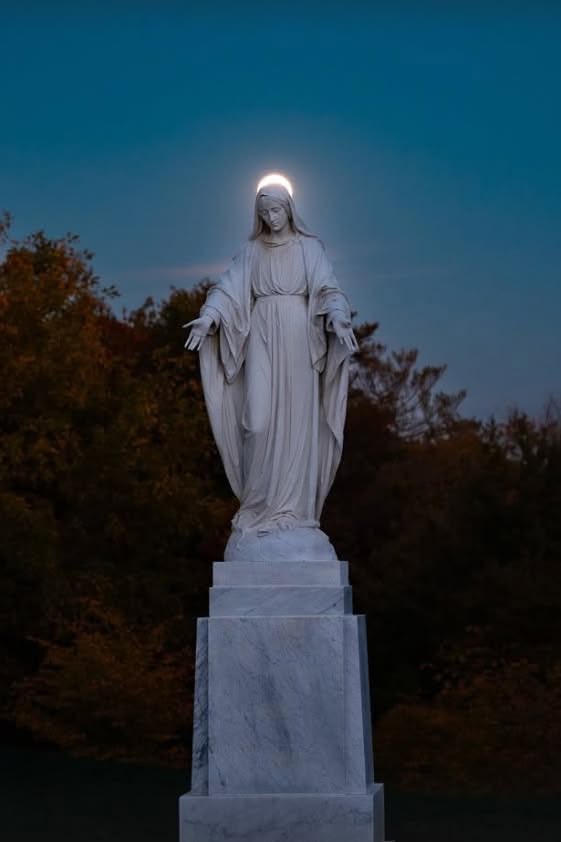
Mary helps us understand our role as women, daughters, mothers, and wives. Discover the beauty, joy, and gift of true, God-given femininity. 💗

7
23
206
1,232
Susan Catherine🇻🇦 retweeted

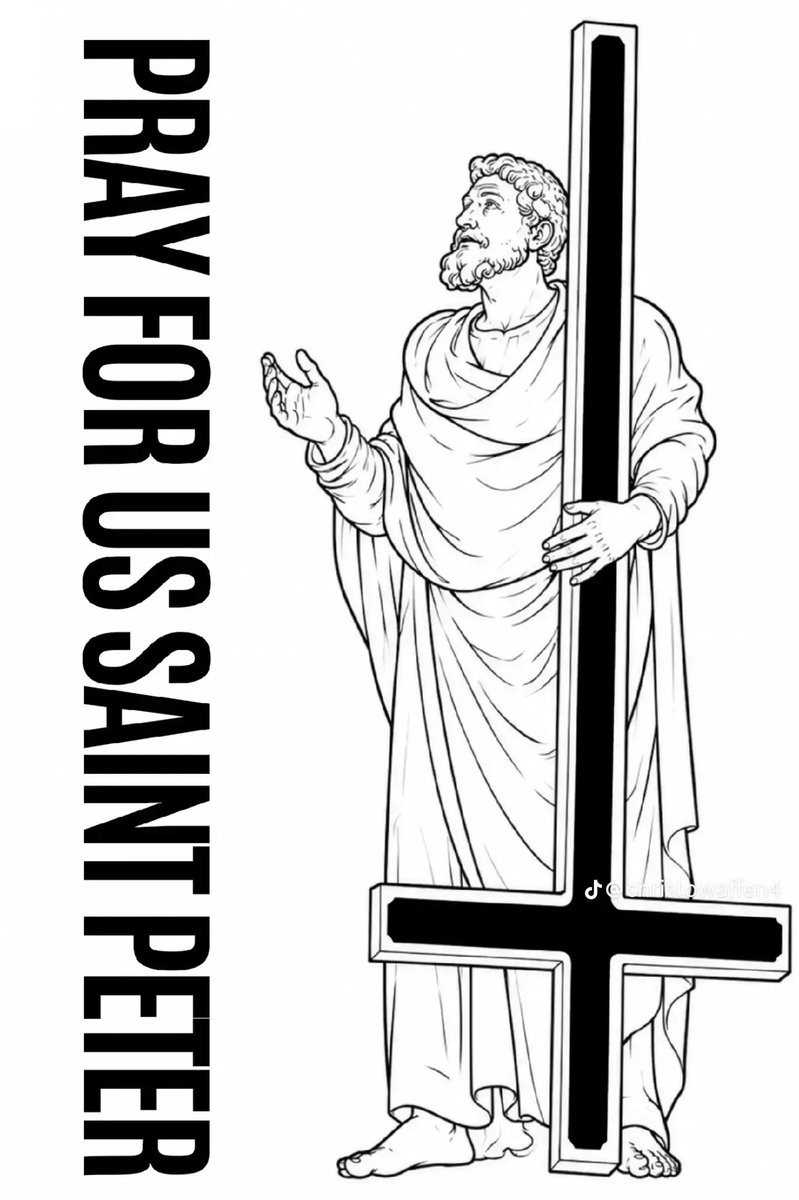
Reclaim the Cross of St Peter
8
109
1,397
10,753
Susan Catherine🇻🇦 retweeted

No child is a mistake. Children are only ever “mistakes” because we have developed a culture of control and self-determination which has lost the ability to cherish the present in wonder. We ought to shatter this by letting go and letting God. This necessitates having no care for what others say about our number or timing of children.


5
8
68
1,488
Susan Catherine🇻🇦 retweeted

Jun 13
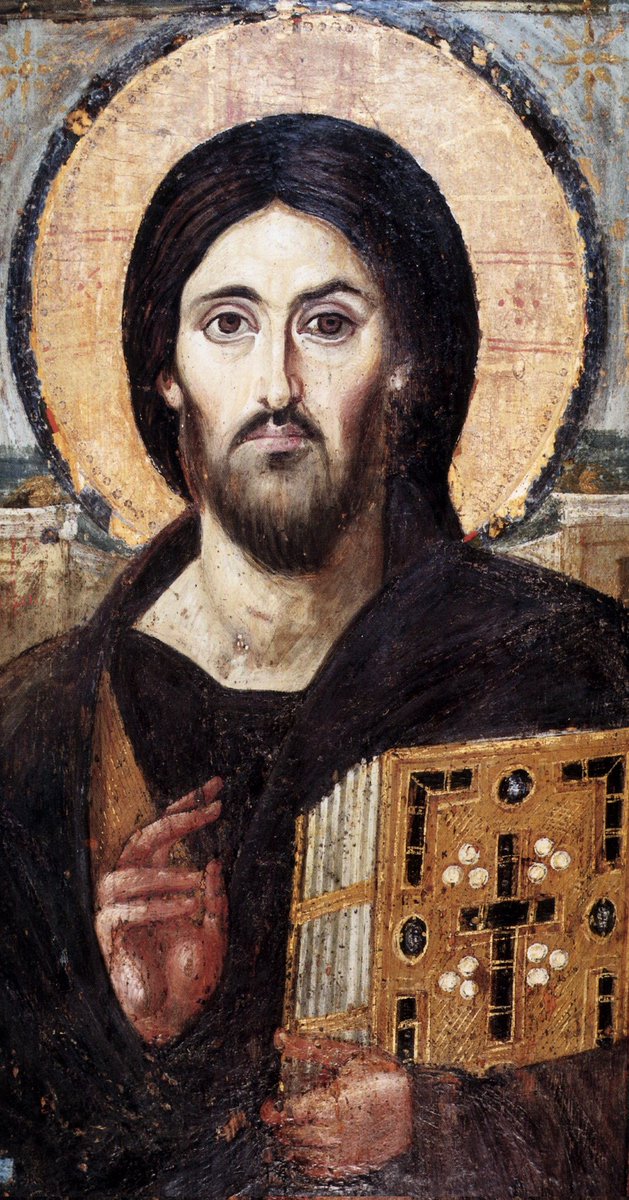
Christ is King. To Him be glory and empire for ever and ever. Amen.
20
129
1,490
13,228
Susan Catherine🇻🇦 retweeted

The observance of the Sabbath was imposed upon them so that they might always keep the creation of the world before their eyes, and thus recognize God and fear Him.

1
10
62
1,319
Susan Catherine🇻🇦 retweeted

Jun 13
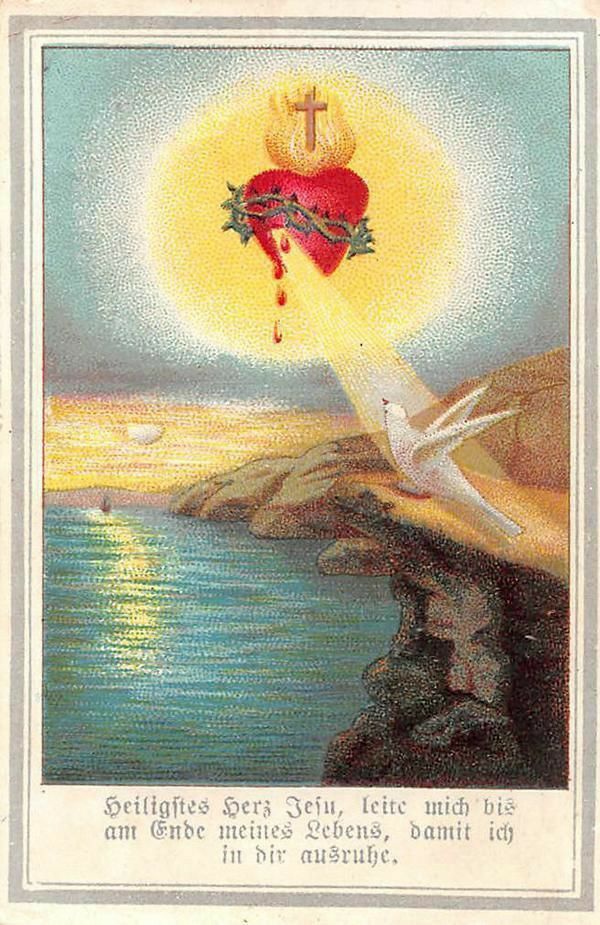
Most Sacred Heart of Jesus, lead me until the end of my life, so that I may rest in You.
German Holy card, 1880s-1900s
1
36
254
1,745
Susan Catherine🇻🇦 retweeted

Jun 13
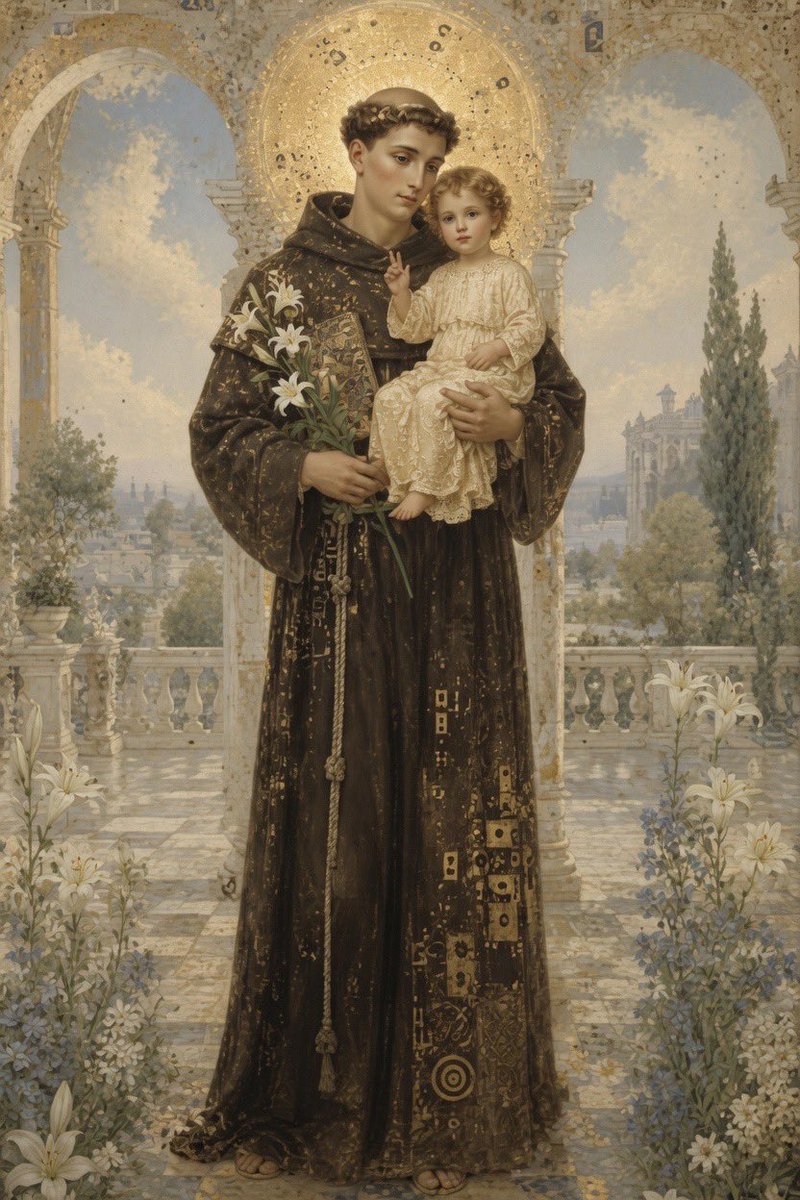
St. Anthony of Padua, OPN 🕊️
28
309
1,980
Susan Catherine🇻🇦 retweeted

Jun 13
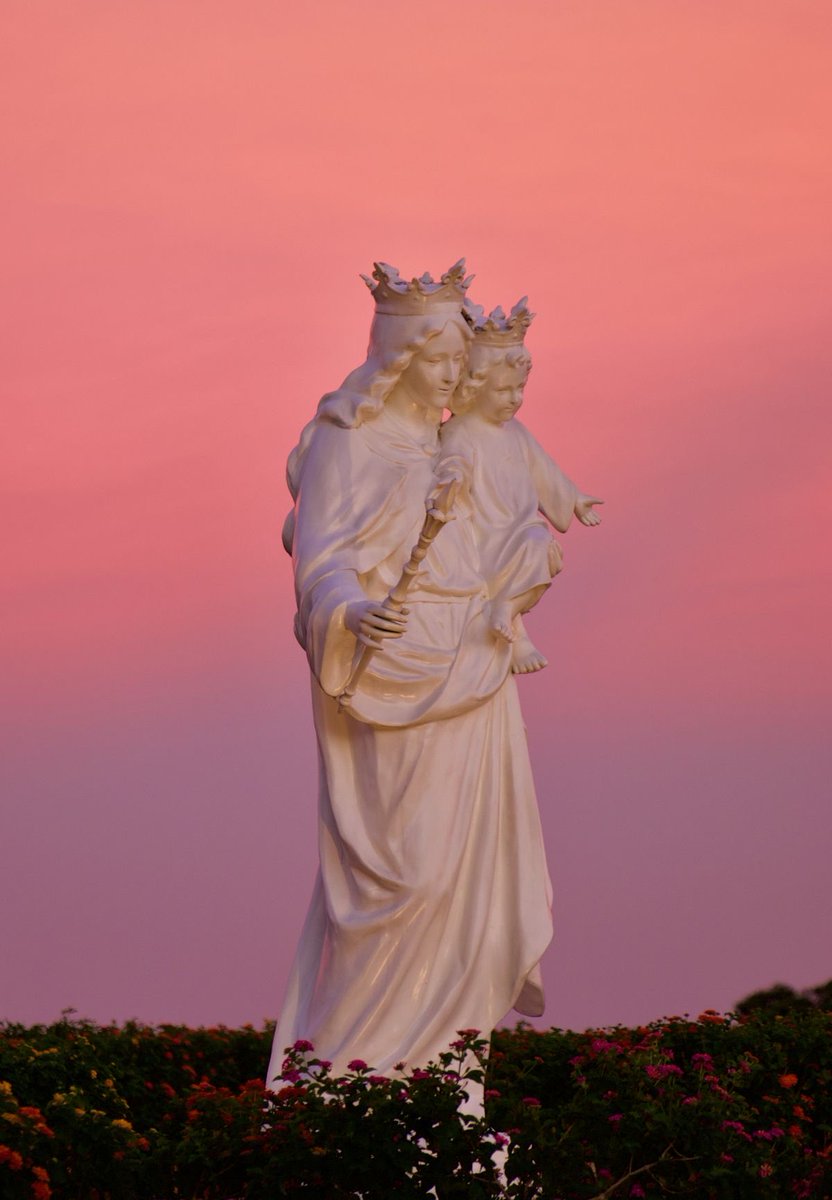
"Are you suffering a great deal? Don't lose heart. I will never forsake you. My Immaculate Heart will be your refuge and the way that will lead you to God!"
1
8
45
413
Susan Catherine🇻🇦 retweeted

Some sculptures are made to look beautiful.
Others are made to stop you in your tracks.
These 18 works are strange, heavy, haunting, massive, tender, and hard to forget. 🧵
1. Apennine Colossus
1579, Florence, Italy
Giambologna made a giant who looks as if he belongs to the mountain itself.
It is sculpture, architecture, and landscape working together.
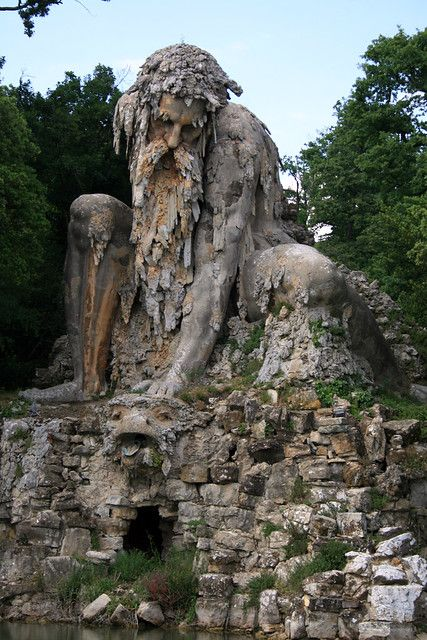
ALT Built over 420 years ago near Florence, Italy, is the Appennine Colossus. In the giant's upper floor is a chamber big enough for a small orchestra and in the head a small chamber holds a fireplace out of which the smoke would escape through his nostrils. Photo by lazysoul on flickr though Pinterest /pin/459507968235475669/
16
86
351
17,397
Susan Catherine🇻🇦 retweeted

Jun 13
You pay God a great compliment by asking great things of Him.
- St. Teresa of Avila

7
180
1,304
8,242