
Writer, researcher, and survivor championing the fight against coercive control and domestic abuse. Freedom begins with awareness.
Joined February 2024
- Tweets 9,685
- Following 484
- Followers 11,134
- Likes 22,487
2,357 Photos and videos
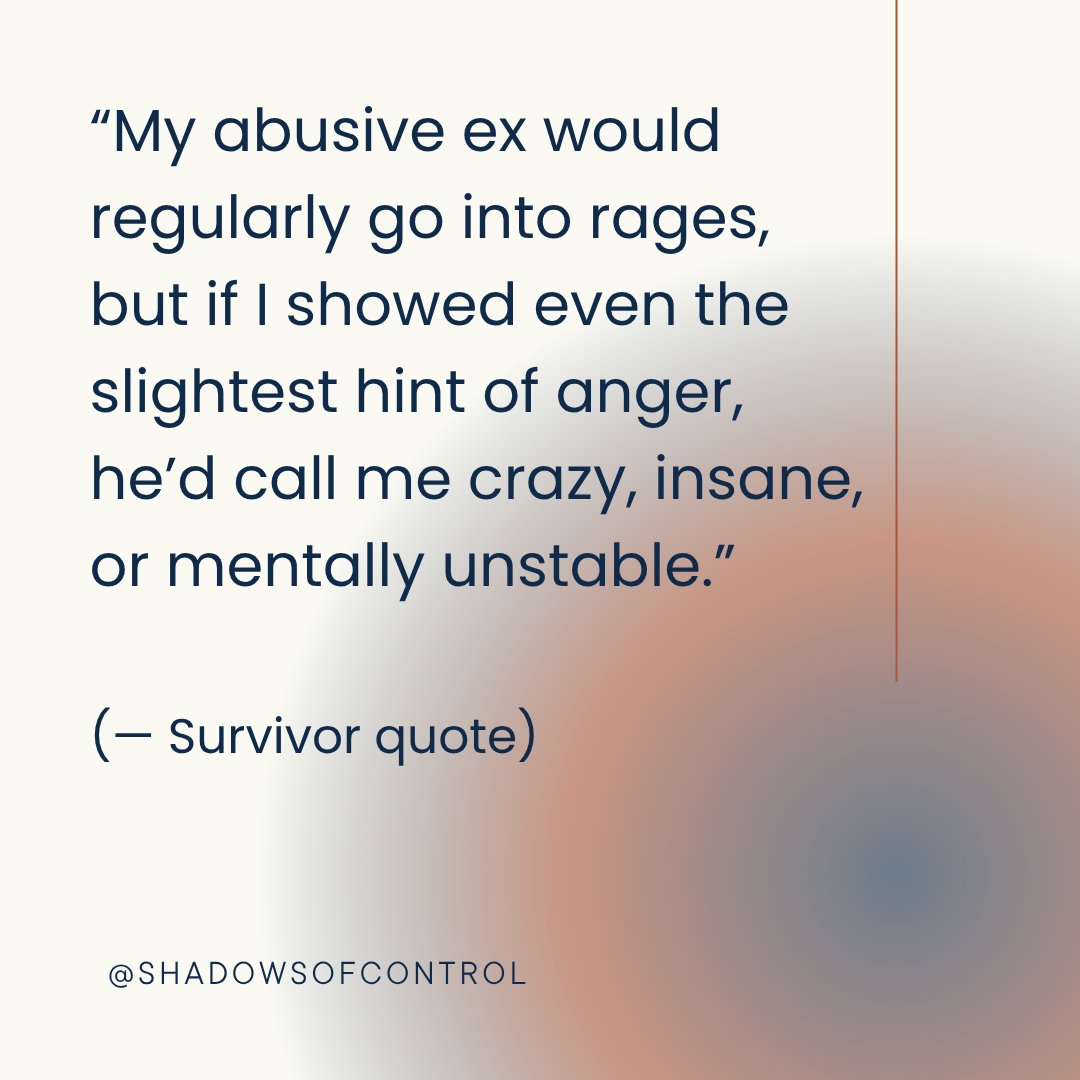
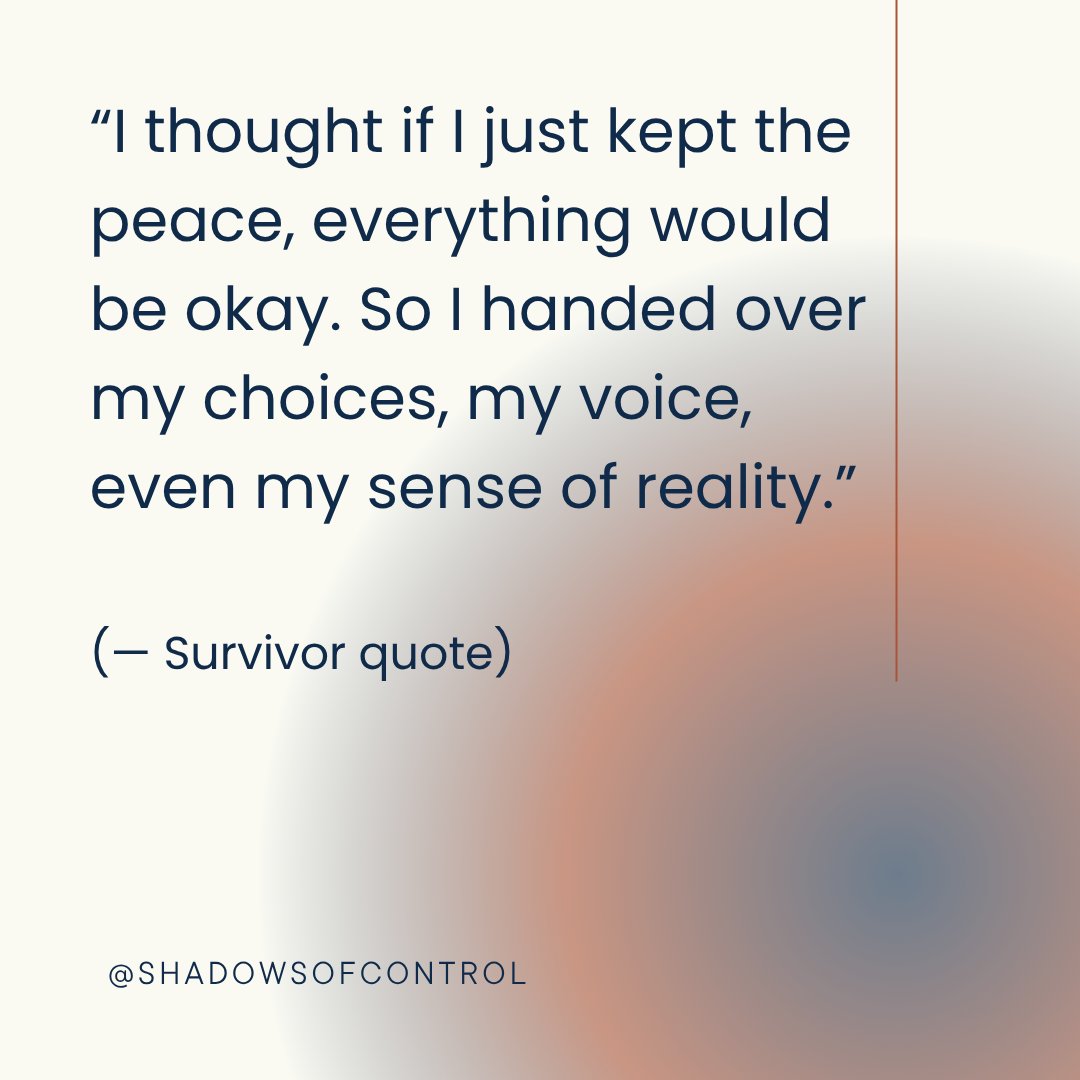




Abusers weaponise your reactions to hide their abuse—and make you doubt your own sanity.
#Gaslighting #EmotionalAbuse
2
11
50
567
Toxic people believe their needs are more important than yours. 🚩
4
7
47
784
Abusers often reveal their potential for physical violence through indirect signs—like punching walls, breaking objects, or harming pets. Sharing your experience with warning signs might help others spot the signals.
#domesticviolenceawareness
3
6
21
496
The reason gaslighting is so effective is that most abusers are so skilled at manipulation that they will sound absolutely convincing about what they are saying.
They will speak with complete certainty while knowing full well that you are right and that what they are saying is false. And they will react with rage and fury if you dare to insist on your version of events.
With such a persuasive performance it is extremely difficult to doubt them. It also feels impossible to believe that your partner could be so mallicious as to intentionally manipulate you to destabilize you.
With something so inconceivable, all that is left then is to doubt yourself. 💔
#Gaslighting #Manipulation #PsychologicalAbuse
6
14
96
2,909
Coercive control doesn’t always come with violence—it’s about slowly erasing your autonomy until you no longer recognise yourself.
#CoerciveControl
1
17
27
465
Abuse isn’t random — it’s rooted in an abuser’s sense of entitlement, the belief that they are owed obedience, attention, and even control over your body. Recognizing this mindset helps survivors see that the abuse was never about them, but about someone else’s warped expectations and need for dominance.
#DomesticAbuseAwareness
shadowsofcontrol.substack.co…
3
27
140
2,655
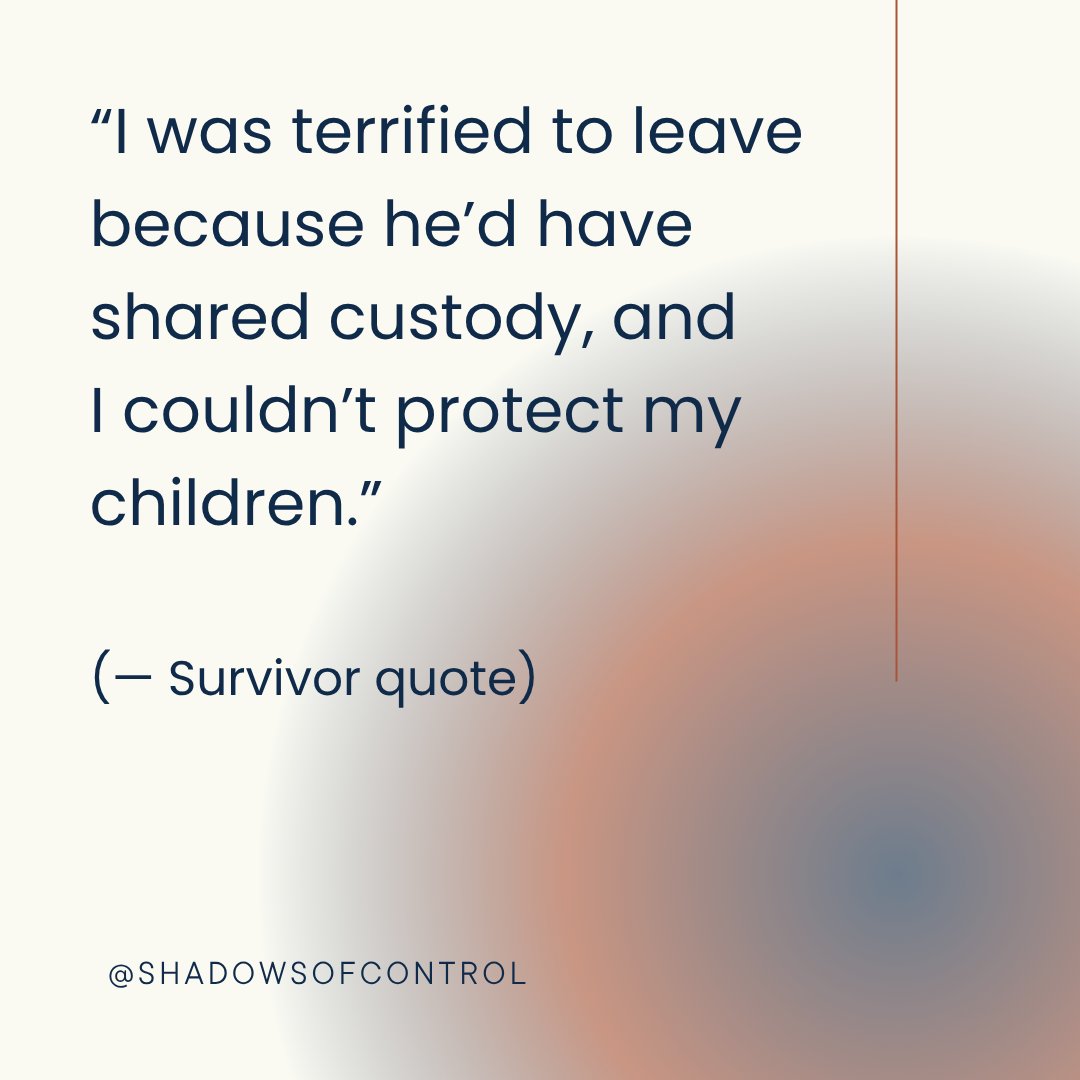
Shared custody with an abuser isn’t co-parenting—it’s court-sanctioned access to harm.
#ProtectChildren #PostSeparationAbuse
1
11
29
412
Abusers isolate you on purpose. They cut you off from friends and family.They make you feel like no one else understands or cares.They convince you they’re the only person you can rely on. Isolation is control. Reconnection is how you can start to break free.
#CoerciveControl
shadowsofcontrol.com/article…
2
11
48
578
Abusers use many strategies to keep their partners feeling trapped, making it seem impossible to leave. Let's bring awareness to these destructive tactics.
#coercivecontrol #emotionalabuse #breakthecycle
3
3
15
481
If it feels like a fairytale from day one, pause.
Abusers often lead with intensity, not intimacy.
Fast affection can be a red flag, not a soulmate.
#CoerciveControl
6
36
453
Many survivors leave an abuser only to discover that doubts and confusion linger long after.
You replay the moments when you snapped, shouted, or fought back, and in the fog of self-doubt, you start wondering: “Was I actually the abusive one?” or, “Was I just as abusive as they were?”
This confusion is often deliberately created by the abuser. Gaslighting, blame-shifting, and psychological manipulation work together to distort your sense of reality.
Abusers are experts at provoking emotional reactions, then holding those reactions up as “proof” that you were the problem.
This conditions you to doubt yourself and to carry guilt that never belonged to you in the first place.
As you heal, you come to realise that the problem was never you.
#gaslighting #emotionalabuse
1
6
41
980
Abuse isn’t always obvious at first. It builds over time, slowly dismantling your identity while convincing you it’s your fault.
#DomesticAbuseAwareness
3
8
34
642
Navigate the difficult journey of escaping domestic abuse with advice and support from survivors who understand the challenges first-hand. #DomesticAbuse
shadowsofcontrol.com/article…
4
8
323
Switching between love and cruelty creates a toxic bond that makes leaving feel impossible.
#coercivecontrol #traumabond #cycleofabuse
1
8
31
511
When I was married to my abusive husband, I had a large wound on my foot with stitches that was getting increasingly worse. One day, while I was playing with my 5-year-old son, the wound split open and I was in agony.
I put a movie on for my son so I could get immediate help, then texted my husband, who was working in another room, to say I was in severe pain and needed him urgently.
When he came into the room and saw my son watching a movie, he became enraged because I had broken one of his rules. TV was only allowed once every three days and it had been two.
“What are you doing putting a movie on for him?” he shouted in front of our son. “You’re causing him brain damage!”
He began yanking cables out of the TV, declaring, “I’ll never let either of you watch TV again if you can’t follow my rules.”
Meanwhile, I was crying from the escalating pain and my whole leg was turning purple as infection spread.
I was too afraid to ask him to drive me to the hospital, so I drove myself. I stayed there for a week because I’d nearly turned septic. He refused to bring my toiletries and clothing, telling me I could last the week without them.
This is what abuse can look like when control matters more than care. An abuser may ignore pain, dismiss urgent need, and turn the focus onto rule breaking, obedience, or punishment.
The harm is not only in the explosive moment. It is also in the neglect, the intimidation, the fear, and the way your distress becomes less important than their need for control.
An abuser doesn’t need to be physically violent to cause severe harm. The impact of emotional cruelty, rigid rules, punishment, and withholding care can leave wounds that aren’t visible but cut just as deep.
#EmotionalAbuse #CoerciveControl
11
39
203
7,325
Teenage relationships can be complicated, intense, and full of drama. But when does it become toxic and unhealthy? #teenrelationships
shadowsofcontrol.com/article…
209
Abuse often escalates in patterns. These are not random outbursts. They’re warning signs.
#RedFlags #DomesticViolence
1
13
37
592
One of the biggest myths about leaving an abuser is that you feel immediate relief the moment it's over.
For many of us, that isn't what happens at all.
I felt guilt, doubt, fear, confusion, and an overwhelming sense of grief. It took nearly two years before I began to experience any real relief.
I was grieving the relationship I thought I had, the future I had imagined, the promises I believed, and the love I hoped was real.
The grief was profound because the loss felt real, even if much of what I was grieving had never truly existed.
Anger came much later. Understanding came later still.
And when you’re dealing with post-separation abuse, there is often little room for relief.
Healing after abuse isn’t a straight path. It's messy, complicated, and often filled with contradictions.
If your journey feels confusing, it doesn’t mean you're doing things wrong. Healing has many stages, and sometimes relief is one of the last to arrive.
#HealingJourney #DomesticAbuseRecovery
2
5
33
781
Leaving an abuser takes unimaginable strength. But when survivors finally speak—and their stories are met with doubt, judgment, or silence—it delivers another deep betrayal. shadowsofcontrol.com/feature…
1
7
34
384
Abuse doesn’t happen because the victim is weak. It happens because abusers are strategic, manipulative, and skilled at exploiting trust.
#CoerciveControl
1
17
52
732