
Joined August 2013
- Tweets 11,190
- Following 668
- Followers 5,552
- Likes 27,305
3,300 Photos and videos
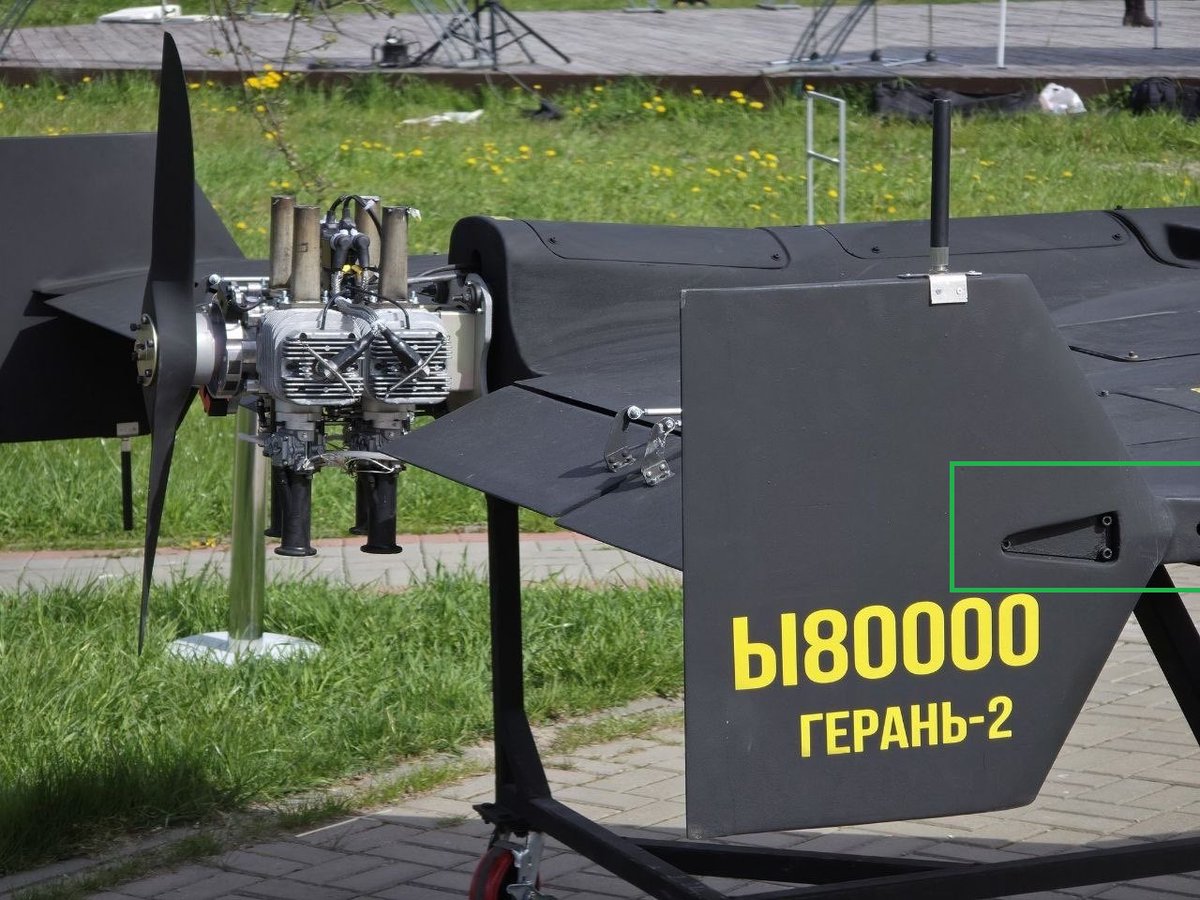
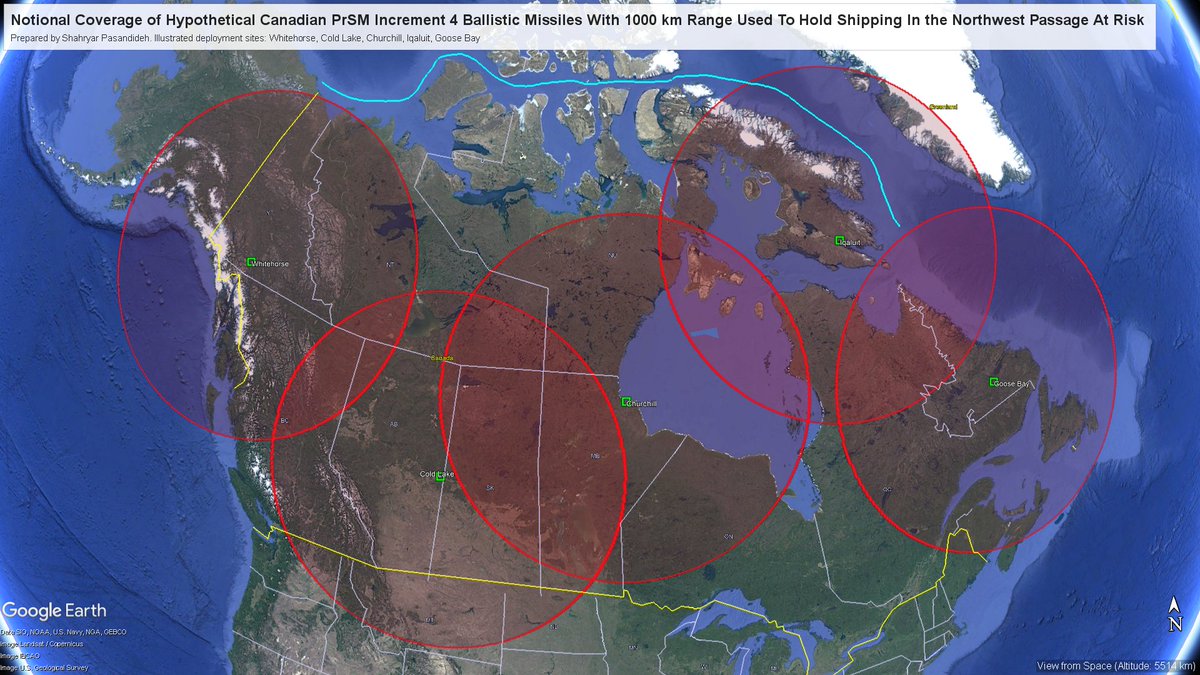
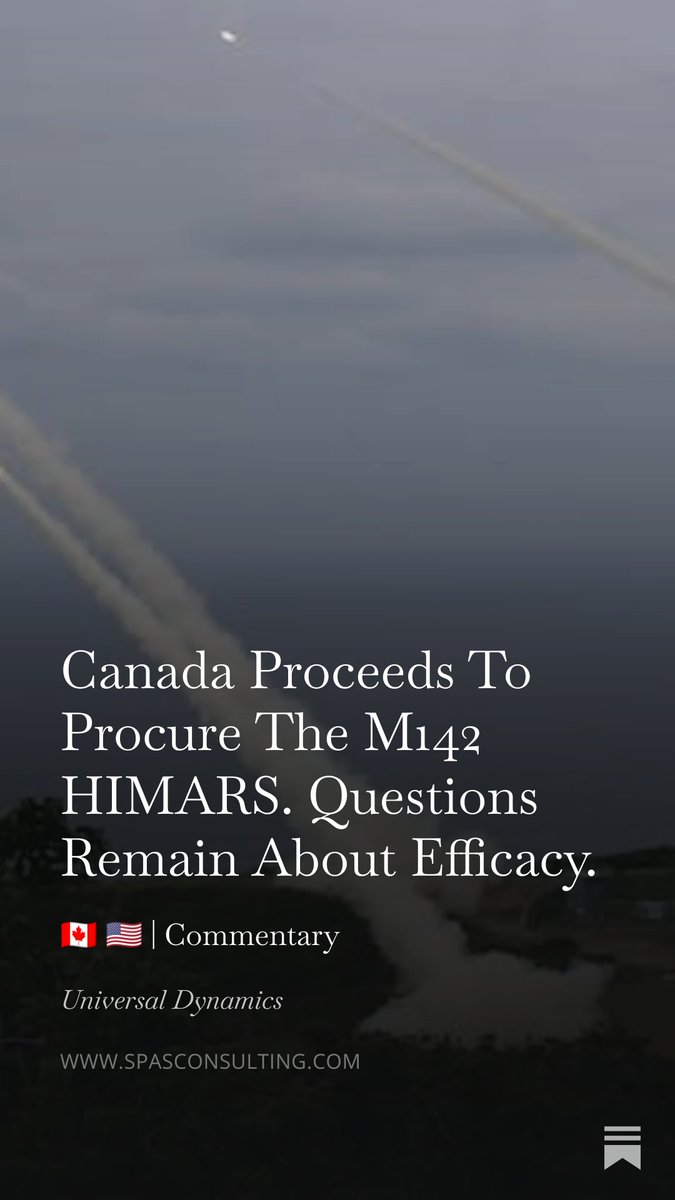



🇨🇦🇺🇸 Canada has placed an order for some number of M142 HIMARS launchers and associated munitions. Leaving aside how these are American-built, we are dealing with potent and proven systems. There are, however, major questions about the efficacy of this procurement choice in terms of the Canada-NATO angle. See the next post for the link. 1/

Pentagon procurement post reveals Canada quietly locked into HIMARS deal. #cdnpoli #CanadaUS #arms
cbc.ca/news/politics/canada-…
9
13
47
7,179
🇨🇦🇺🇸 This important issue has not been adequately addressed in public debate thus far. I have little doubt that NATO-Russia dynamics are primarily motivating proposals to expand Canada's military reserves, but some of the proposals only make sense if a hypothetical American invasion scenario is the primary concern. Hopefully, @Murray_Brewster, @davidpugliese, and others will press our elected representatives and CAF officials for clarification. I have gotten around to writing down my thoughts on the still pertinent issue of why the Canadian Armed Forces even considered targeting federal public servants for recruitment into the proposed 300,000-strong Supplementary Reserve. It makes a lot of sense if one is concerned about an American invasion, but otherwise makes little sense. A link can be found in the following post. 1/

A key issue not addressed here: for what specific purposes and threat scenarios do the Canadian Armed Forces need 85,500 regular force members, 100,000 primary reservists and 300,000 lightly trained citizen soldiers?
5
6
1,741

Apr 24
Hmm
Apr 24

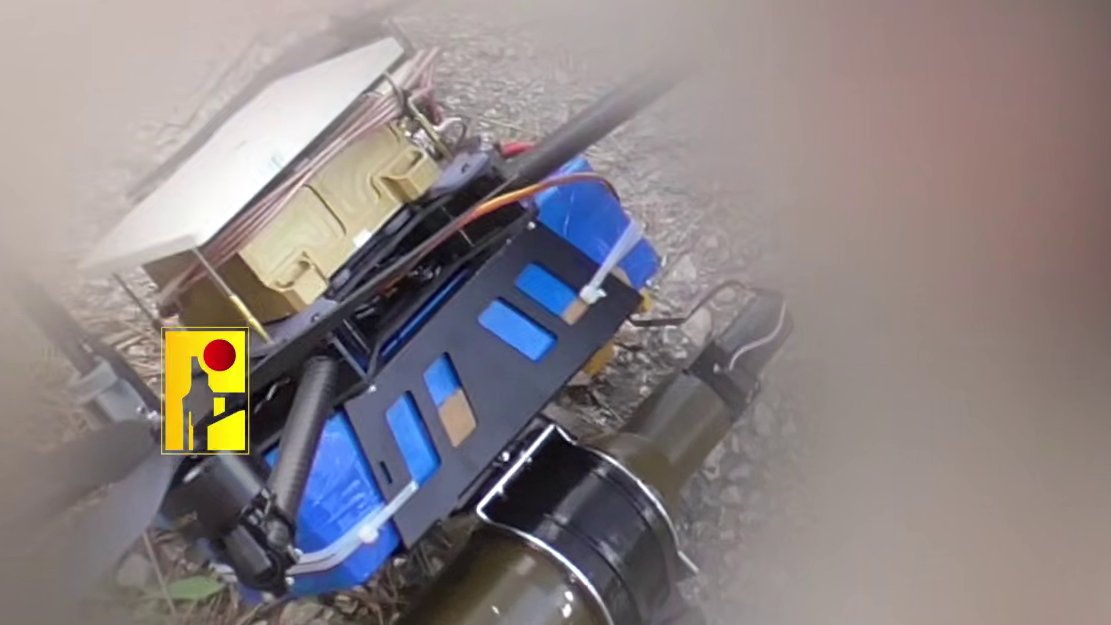
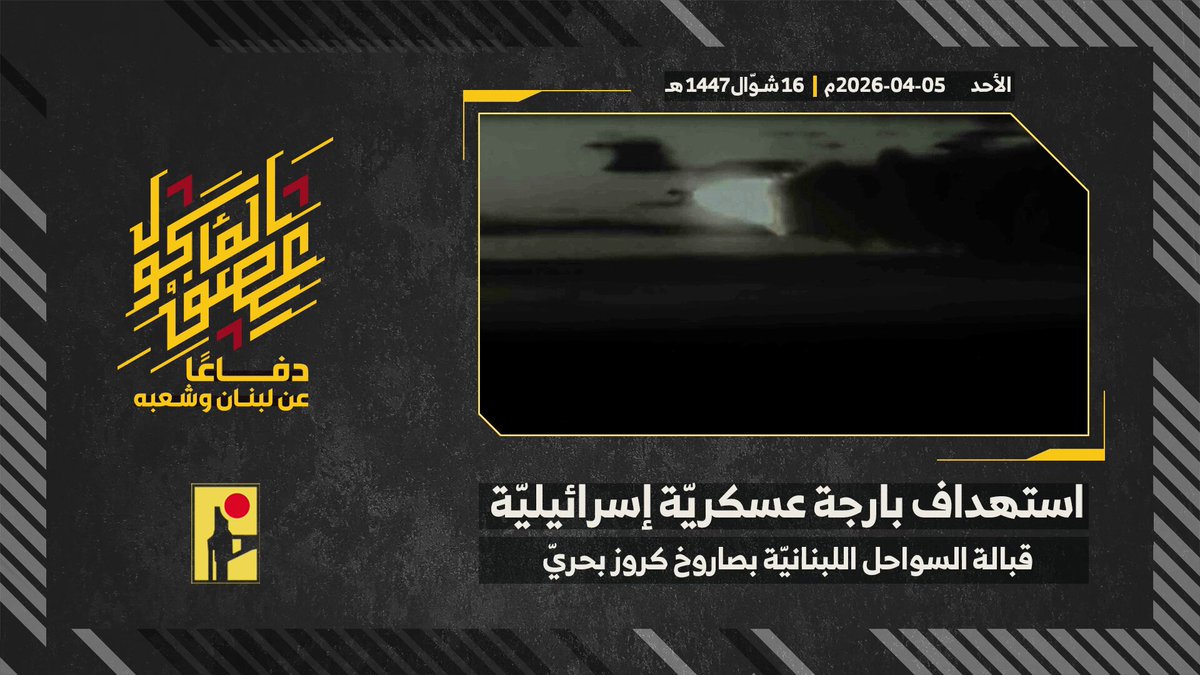
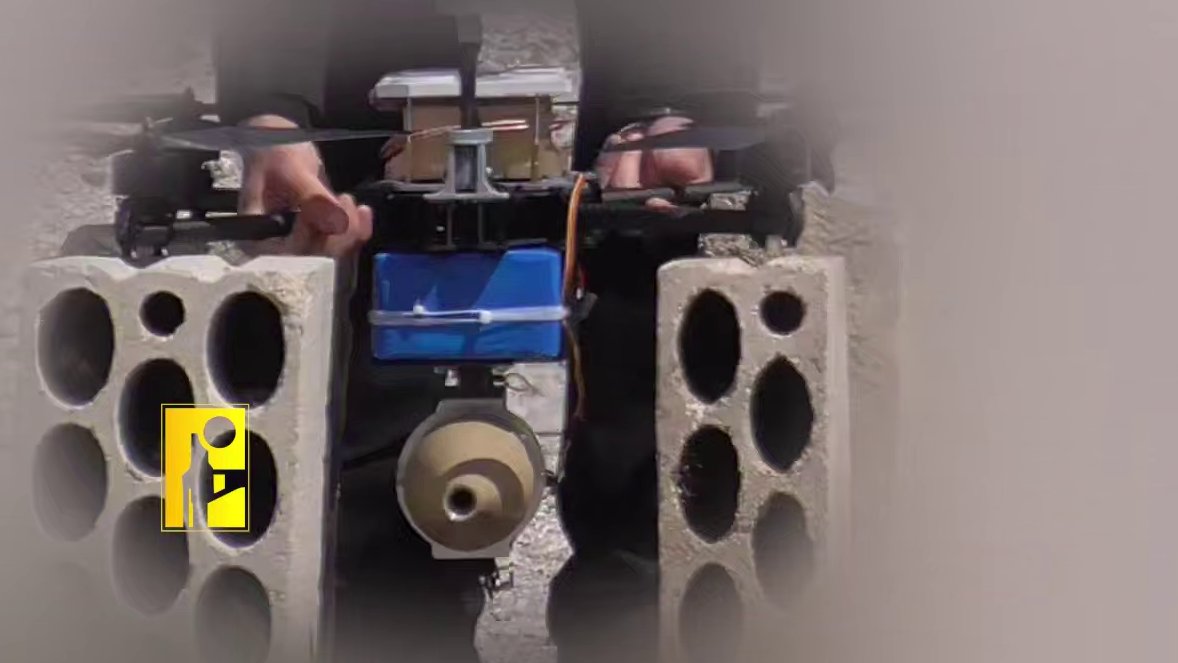
Lebanese Hezbollah published are many videos with strikes by FPV-drones against various Israeli vehicles, but IMHO these are first videos which shows the start of the FPV-drones.
1
2
33
4,691
Shahryar Pasandideh retweeted
Apr 11
2
1
14
4,893
Apr 12
🇮🇷🇵🇰🇸🇦🇺🇸 There is a wrinkle in the Persian Gulf theatre of this war: Pakistan, which has a formal military alliance with Saudi Arabia, has deployed combat aircraft to Dhahran/King Abdulaziz airbase, which is situated near Bahrain and along the Persian Gulf coast. I expect Pakistan's role to be limited to air-to-air missions and intercepting Iranian cruise missiles and strike drones. Even so, Iranian planners now have to account for the presence of Pakistani military personnel and aircraft.
Apr 11

تُعلن #وزارة_الدفاع عن وصول قوة عسكرية من جمهورية باكستان الإسلامية إلى قاعدة الملك عبدالعزيز الجوية بالقطاع الشرقي ضمن اتفاقية الدفاع الإستراتيجي المشترك الموقعة بين البلدين الشقيقين.
وتتكون القوة الباكستانية من طائرات مقاتلة ومساندة تابعة للقوات الجوية الباكستانية، بهدف تعزيز التنسيق العسكري المشترك، ورفع مستوى الجاهزية العملياتية بين القوات المسلحة في البلدين، وبما يدعم الأمن والاستقرار على المستويين الإقليمي والدولي.

5
1
11
3,822
Apr 12
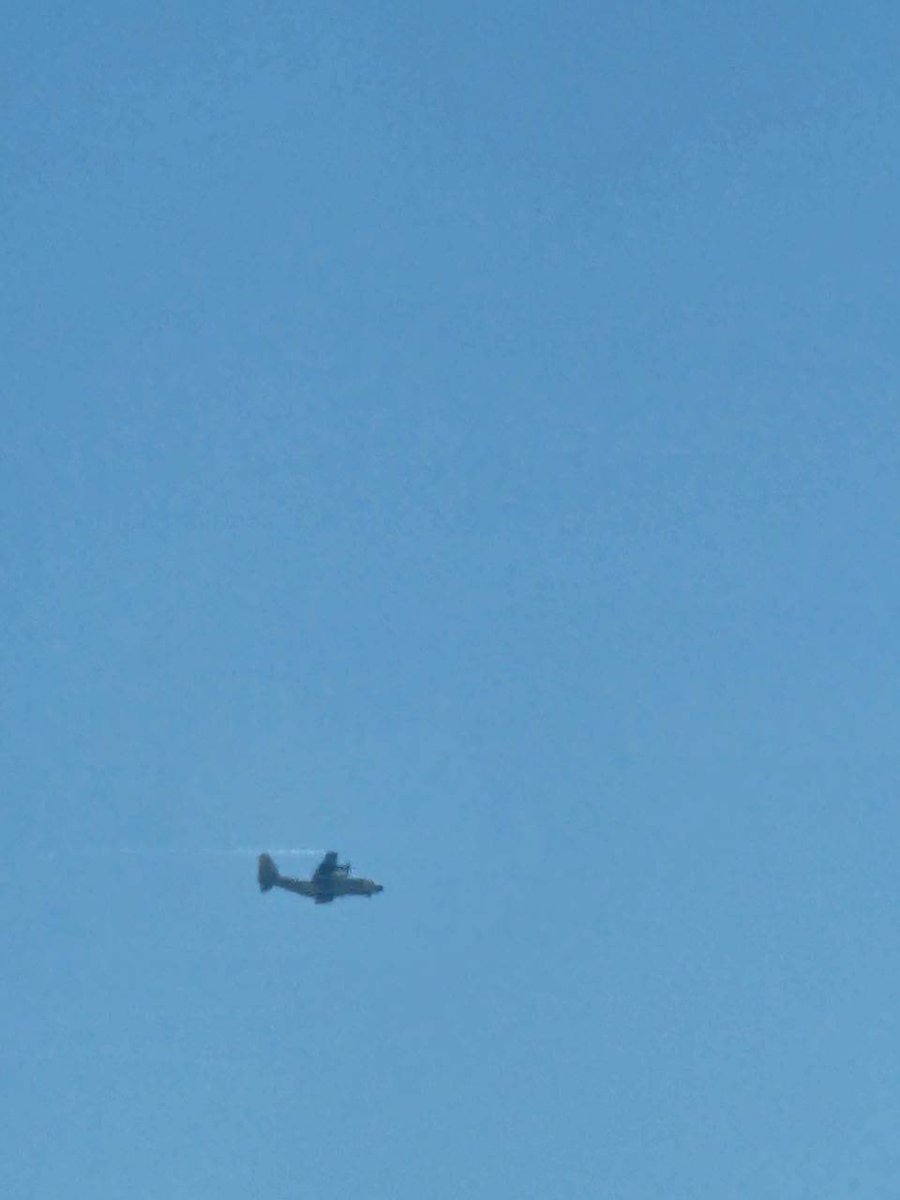
🇮🇷 If Iranian commanders and officials are smart, they will try to evacuate everything and anything that can fly to other countries before fighting resumes. This includes civilian airliners, which the Israelis are unlikely to spare, much as they have not to date.

1
7
32
4,396
Apr 12
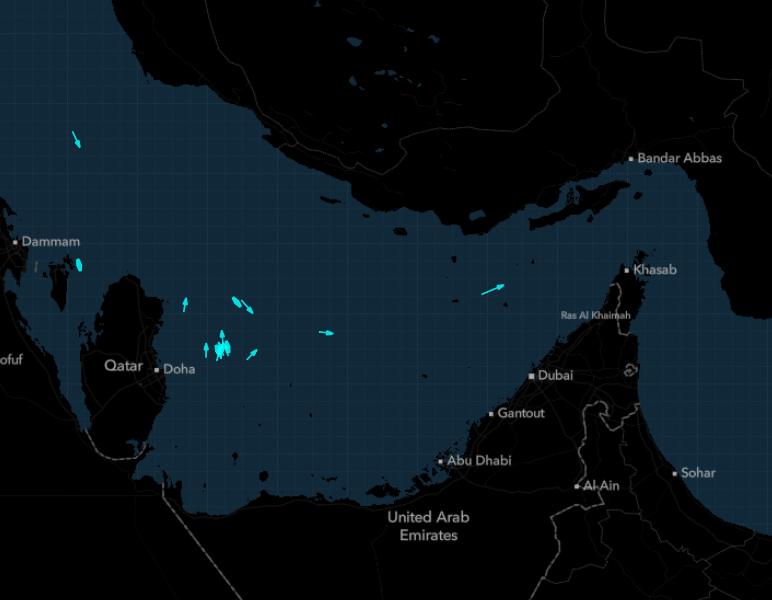
🇮🇷🇶🇦🇺🇸 The LNG carriers in the Persian Gulf are far more lucrative targets for Iran than any oil tanker, bulk carrier, container ship, and so forth. Spare a thought for the crews of the (laden) LNG and LPG carriers if and when these vessels are targeted.
Apr 11

NO MOVEMENT: The LNG tankers in the Persian Gulf remain idle and still don't look like they're heading to Hormuz 🚢⚠️
Some oil tankers have gone though the strait in the last day. But Qatar's LNG cargoes have basically stayed in place since the ceasefire was announced
2
3
12
1,767
Apr 12
🇮🇷🇶🇦🇺🇸 Should fighting resume, the Qataris will have, in their infinite wisdom, already supplied Iran with high definition footage of the targeted and damaged AN/FPS-132 ballistic missile early warning radar so that Iran can assess the damage and perhaps target it once more.
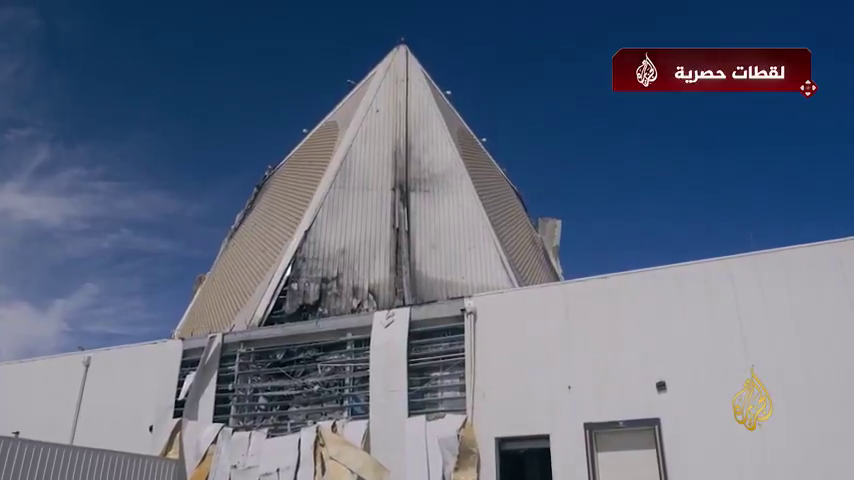

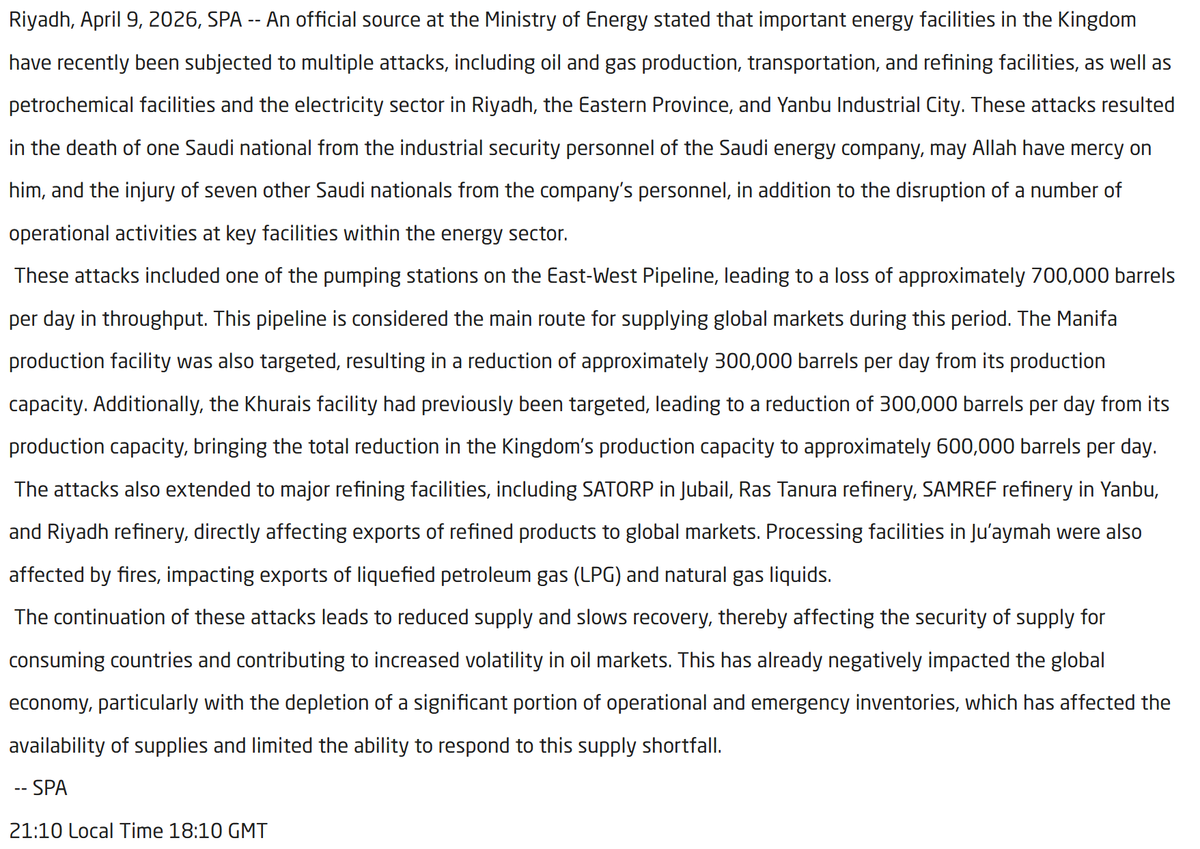
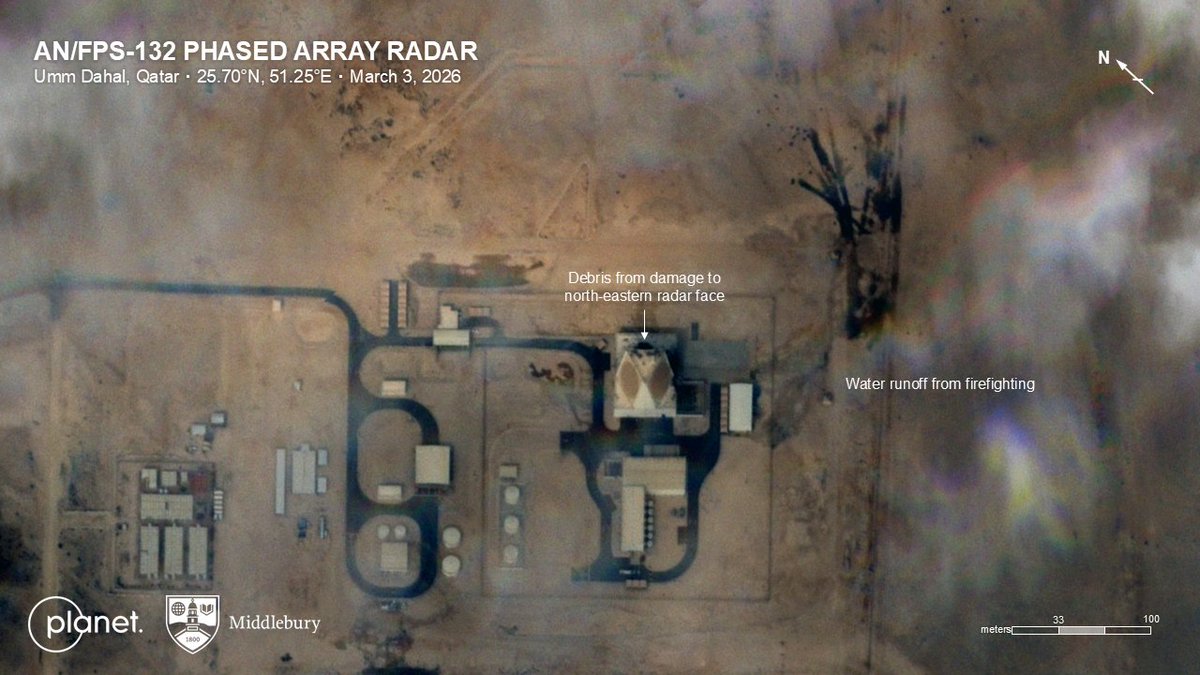
We now have confirmation (via @sam_lair) of a hit on the critically important Qatari AN/FPS-132 ballistic missile early warning radar. While the extent of damage is unclear, and the radar face in question facing north (each antenna covers no more than 120°) may still be operating in a degraded capacity, this is a non-trivial achievement for Iran and a significant "turning point" for the Iran-Gulf Arab dynamic of this war. Much is to be determined, including whether Iran attempted to target the other radar antenna "faces" and/or will attempt to do so going forward. Note that if the other antenna faces remain operational, this radar can still detect ballistic missile launches from places that are not Iran, such as by Ansarallah in Yemen. 1/
15
97
17,808
Apr 12
🇮🇷🇮🇱🇺🇸 If I were in charge "in Tehran," and if I were "certain" that a return to full-scale war was inevitable in the coming days, I would (try to) strike first. An Iran that attempts to strike first may be able to launch one or more salvos before American and Israeli, and perhaps Gulf Arab, combat aircraft return to the skies above Iran (all such aircraft will transit toward Iran at a high subsonic speed). Iran may even catch some American aircraft, among others, on the ground at places including but not limited to Muwaffaq as-Salti airbase in Jordan. As always, Iran's propeller-driven strike drones are much slower than its cruise missiles, let alone its ballistic missiles, so it will be difficult to coordinate "complex strikes" without giving the United States, Israel, and others early warning.
Again, if I were in charge "in Tehran," and if I were "certain" that a return to full-scale war was inevitable in the coming days, I would climb up the escalation ladder on the oil and gas front. At this stage of the conflict, it is not enough to merely damage oil and gas infrastructure via harassment/nuisance-level strikes. The damage must be lasting, if not more or less permanent, in the manner that Iran wreaked upon Ras Laffan. Similar things can be said about taking other forms of infrastructure offline, including but not limited to large international airports.
It is important to bear in mind that Trump will likely climb the escalation himself so as to bring Iran to heel as soon as possible. There are major first-strike incentives at play for Iranian decision-makers, incentives that are not, of course, without very major and very grave risks. War is ultimately a negotiation through violence. We are well beyond platitudes in this war. It goes without saying that Iran will likely face reciprocal strikes, perhaps from the Gulf Arabs. Such is life, and this war will likely end up being determined by who has the greatest appetite to suffer and sustain losses, not merely inflict violence upon the other.
To be determined.
Apr 12
🇮🇷🇮🇱🇺🇸 On balance, Iran has likely benefited more from the several-day-long ceasefire, which may or may not hold given recent developments/comments by Vance. Access to Iran's underground military bases, including the underground military bases, has likely been at least partially restored; these underground bases have likely been at least partially resupplied; and Iran may well be ready for at least several weeks of "more of the same."
Meanwhile, the worldwide oil, natural gas/LNG, urea, fertilizer, heldium, etc., etc., physical supply shortages remain essentially unchanged since the start of the ceasefire, and the prospects for the world economy look bleaker. Following the world economy will likely be the American economy and, with that, Trump's/Republican prospects in the November 2026 midterm, which may well lead to the Democrats controlling Congress, initiating impeachment proceedings against Trump, and so forth. Someone will have to throw in the towel and call it quits. It may end up being Iran. It may well end up being Trump and the United States. To be determined.
6
6
44
11,300
Apr 12
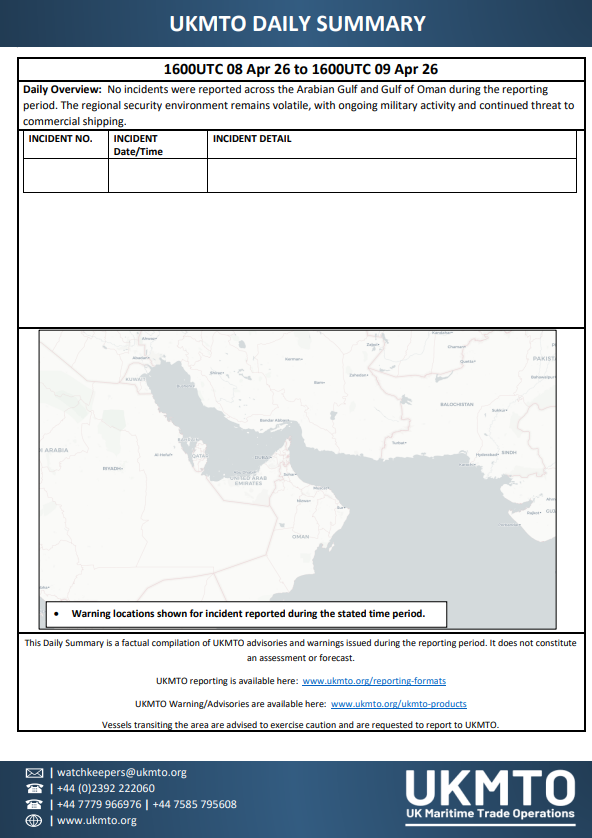
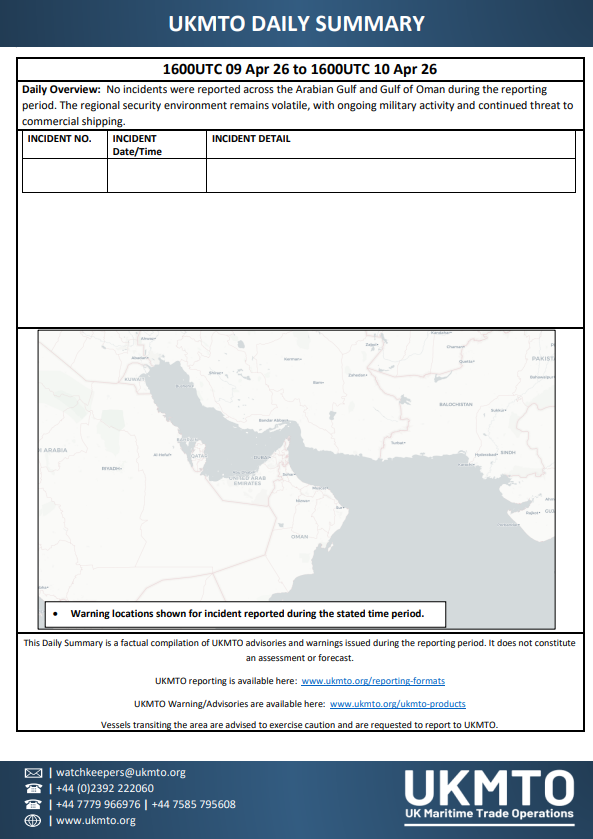
🇮🇷🇺🇸 I don't expect this state of affairs in and around the Persian Gulf to last if fighting resumes, and I would not be surprised if we see some "plausibly deniable" Iranian attacks on shipping, such as attacks via limpet mines, should the ceasefire continue without negotiations taking place, given how Iran will likely prefer not to give the United States more time to prepare to resume full-scale combat operations at a time and place(s) of its choosing.
Apr 12
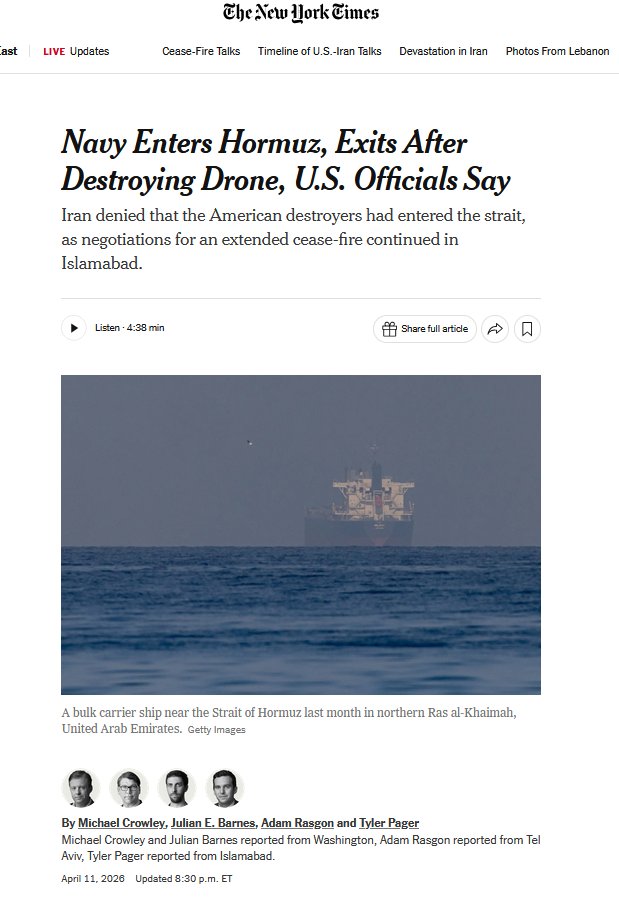
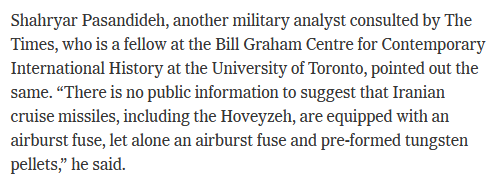
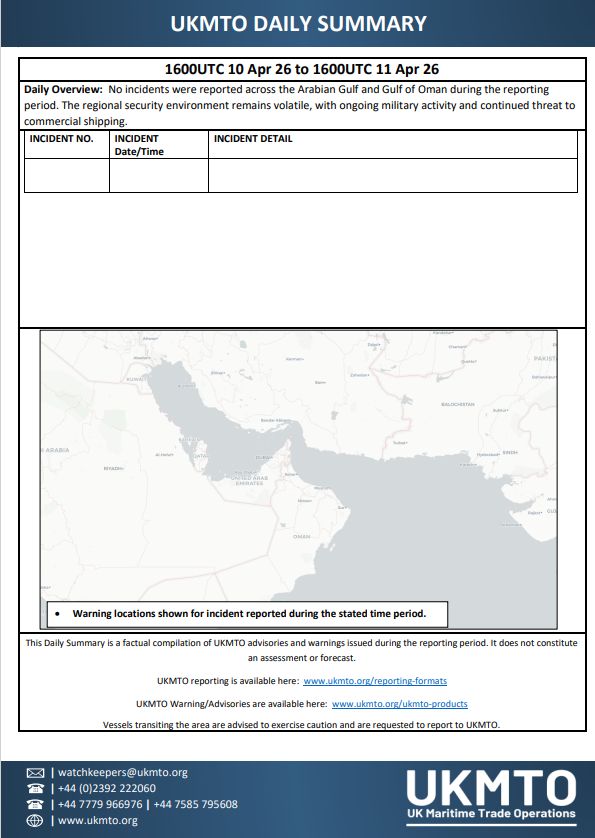
🇮🇷🇺🇸 Are the two American destroyers in the Persian Gulf or near the Strait of Hormuz? I thought it was a rather reckless, or at least premature, move, even with the understandable imperative of reassuring the shipping industry and markets, so as to restore oil and gas flows. TBD
1
4
1,429
Apr 12
🇮🇷🇮🇱🇺🇸 On balance, Iran has likely benefited more from the several-day-long ceasefire, which may or may not hold given recent developments/comments by Vance. Access to Iran's underground military bases, including the underground military bases, has likely been at least partially restored; these underground bases have likely been at least partially resupplied; and Iran may well be ready for at least several weeks of "more of the same."
Meanwhile, the worldwide oil, natural gas/LNG, urea, fertilizer, heldium, etc., etc., physical supply shortages remain essentially unchanged since the start of the ceasefire, and the prospects for the world economy look bleaker. Following the world economy will likely be the American economy and, with that, Trump's/Republican prospects in the November 2026 midterm, which may well lead to the Democrats controlling Congress, initiating impeachment proceedings against Trump, and so forth. Someone will have to throw in the towel and call it quits. It may end up being Iran. It may well end up being Trump and the United States. To be determined.
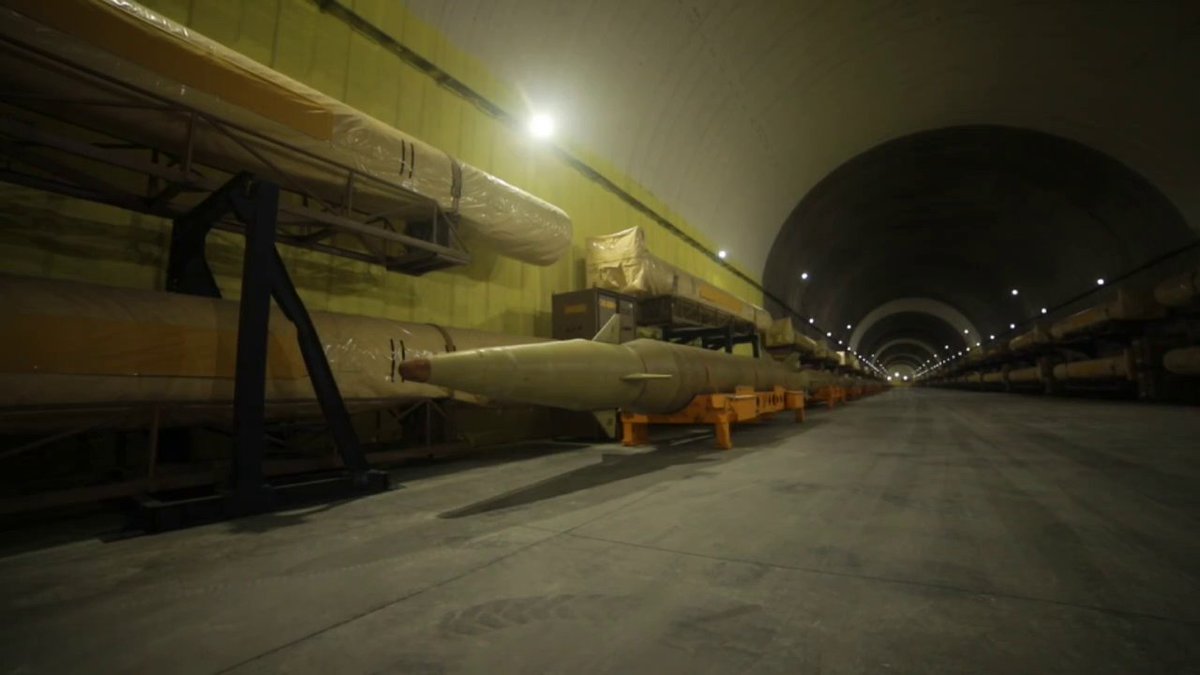
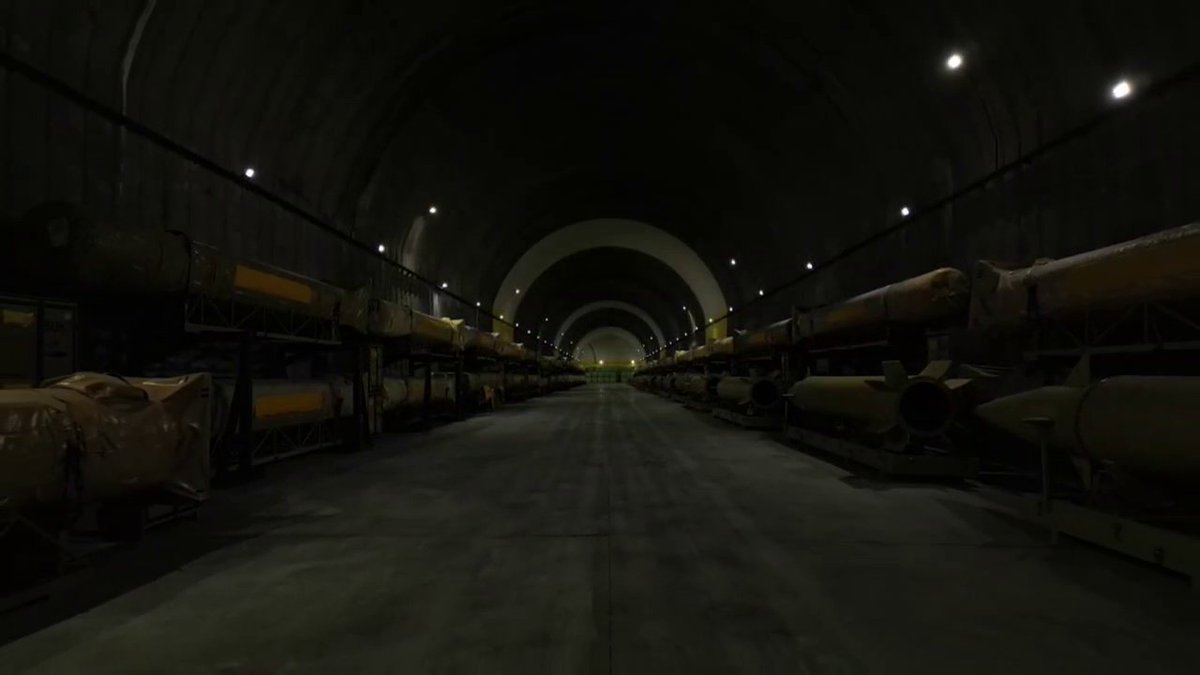
🇮🇷🇮🇱🇺🇸 Something to keep in mind: with every passing hour and day of this highly qualified ceasefire between, if no one else, Iran and the United States, Iran is able to restore access to its underground military facilities (not limited to its underground missile bases), resupply said facilities, and even position additional forces inside these facilities in preparation for a potential next phase of this war. It also bears emphasis that some systems and units may well leave Iran's underground facilities, perhaps indefinitely, for the duration of this war.
While some units may relocate from one underground facility to another for the duration of this war, we may see Iran make a partial shift toward more mobile launch operations. As I've explained before, the logistical imperative of accessing reloads is what has forced Iran's strike munition launchers to remain within/around Iran's underground missile bases. Iran's ballistic missiles and the associated launchers constitute a heterogeneous arsenal with limited interoperability. As the ratio of missiles of a given type to associated launchers approaches 1:1, mobile operations become more feasible—there may be no reloads available for a given type of munition, even if only at a given missile base and part of the country.
13
31
140
38,867
Apr 12
🇮🇷🇺🇸 A reminder that the United States is now better-positioned to initiate ground combat operations than it was several weeks ago. American ground combat forces have moved into the region, and Trump may well decide that the United States must escalate so that Iran submits to his terms. Will such a gambit "work?" I doubt it, but desperate times sometimes call for desperate measures, not least when an increasingly desperate leader eager to bring this war to a close will attempt to orchestrate whatever follows.
Mar 25
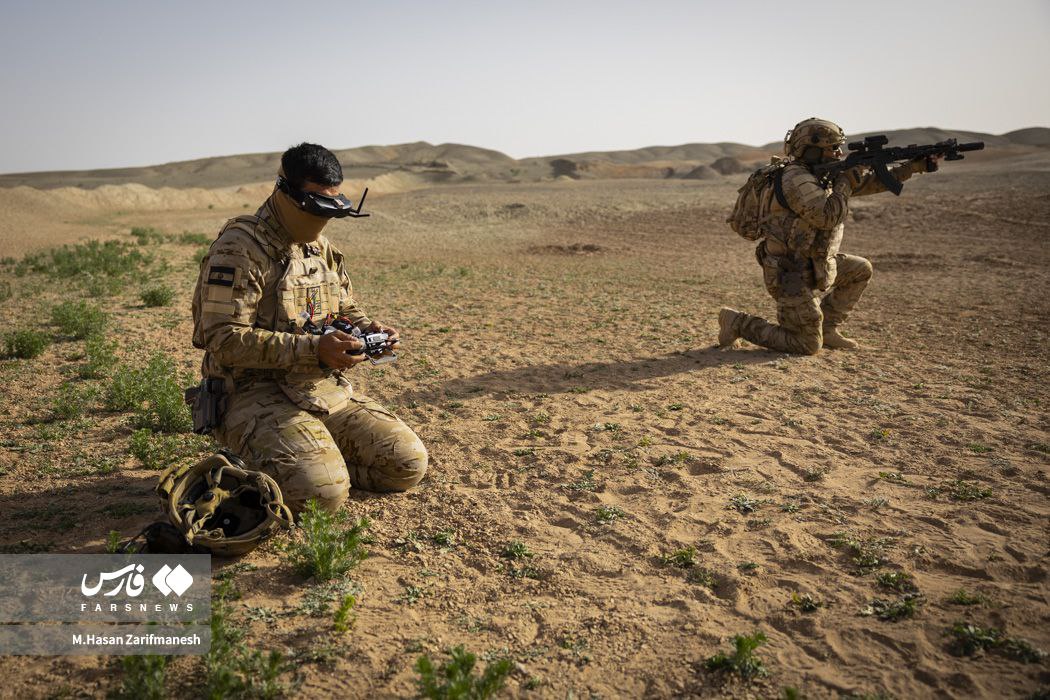
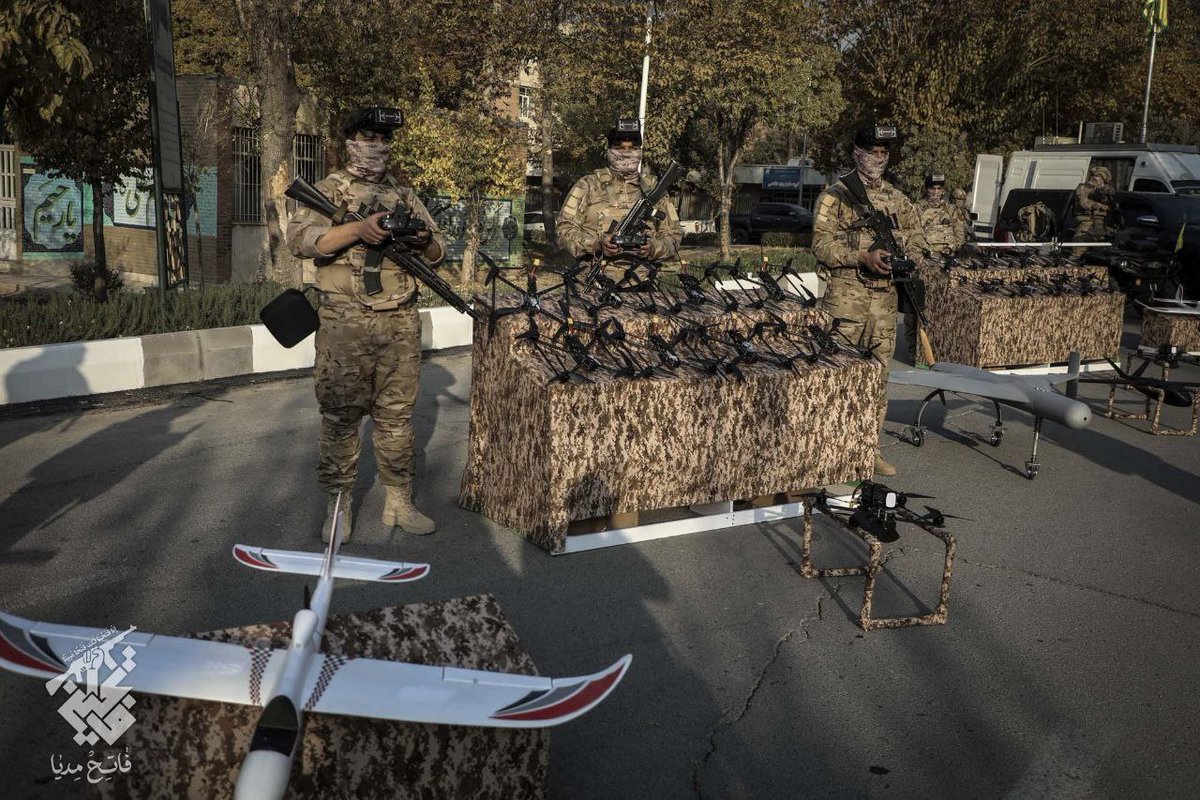
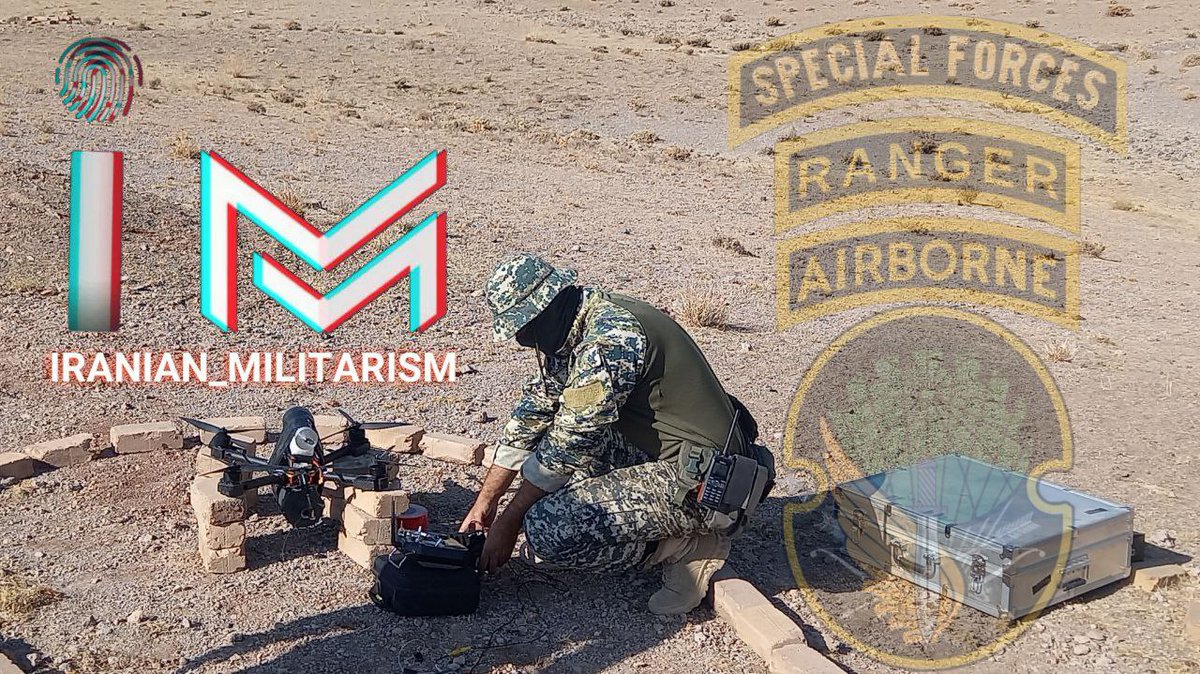
🇮🇷🇺🇸 A reminder that Iran has been publicizing the existence of armed "FPV" multirotor drones across several parts of its military and internal security apparatus over the course of 2025. Iran also deploys low-end fixed-wing uncrewed aircraft of the "FPV" variety, as well as higher-end "Lancet-type" loitering strike drones.
4
4
54
9,955
Apr 12
🇮🇷🇺🇸 Are the two American destroyers in the Persian Gulf or near the Strait of Hormuz? I thought it was a rather reckless, or at least premature, move, even with the understandable imperative of reassuring the shipping industry and markets, so as to restore oil and gas flows. TBD

Breaking News: The U.S. and Iran have failed to reach an agreement to end the war, Vice President JD Vance said after marathon peace talks. nyti.ms/3OeXQ1K
5
3
2,389
Apr 11
🇮🇷🇮🇱🇺🇸 You may have seen my recent post on how Iran is, all things considered, better off without nuclear weapons, as well as my allusions to this thesis since the June 2025 Iran-Israel War. I have rather hurriedly "dusted off" my longstanding notes and drafts on this topic in light of recent and ongoing events. The result is a working paper and a very long read that offers a military analyst's take on why Iranian nuclear weapons will likely be a bad deal for Iran itself. 1/
6
8
2,130
Apr 11
My recent post on this issue: x.com/shahpas/status/2041622…
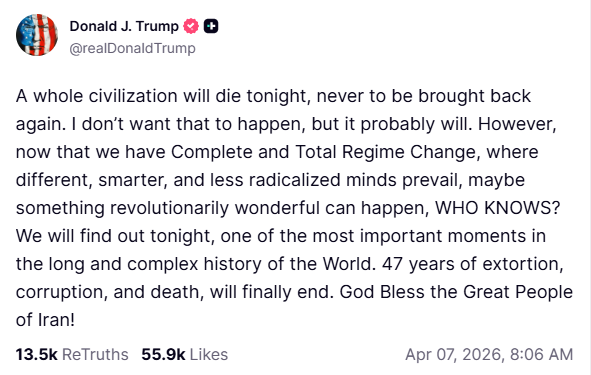
🇮🇷🇮🇱🇺🇸 I still maintain that, all things considered, Iran—under any government—is best off without nuclear weapons. Trump is, however, going out of his way to demonstrate that nuclear weapons are the ultimate guarantor for avoiding all kinds of nightmare scenarios, including foreign-induced wartime state collapse, the total loss of critically important industries, being "sent to the stone age," and having your "civilization die."
Ali Khemenei's pursuit of an advanced state of nuclear latency resulted in Iran getting the worst of all worlds: close enough to the threshold to put a target on Iran's back, but too far from the threshold for nuclear latency status alone to deter (non-nuclear) attacks. If you are presently sitting upon the proverbial peacock throne in Tehran, rushing toward the nuclear weapon state threshold is a dangerous, if not reckless idea, but so is stepping back from the current level of nuclear latency.
1
729
Apr 11
See also: x.com/shahpas/status/1936624…
22 Jun 2025
🇮🇷 🇮🇱 🇺🇸 While attacks by Israel and the U.S. have likely resulted in updating across Iranian officialdom and society as to whether Iran should undertake a nuclear breakout/seek to become a nuclear weapons state, I maintain my pre-conflict view that it will likely be a bad deal
573