
Programming since I was 6 years old on a C64. Now finding my way through this agentic world, one prompt at a time.
Joined November 2007
- Tweets 9,719
- Following 87
- Followers 1,054
- Likes 1,956
537 Photos and videos

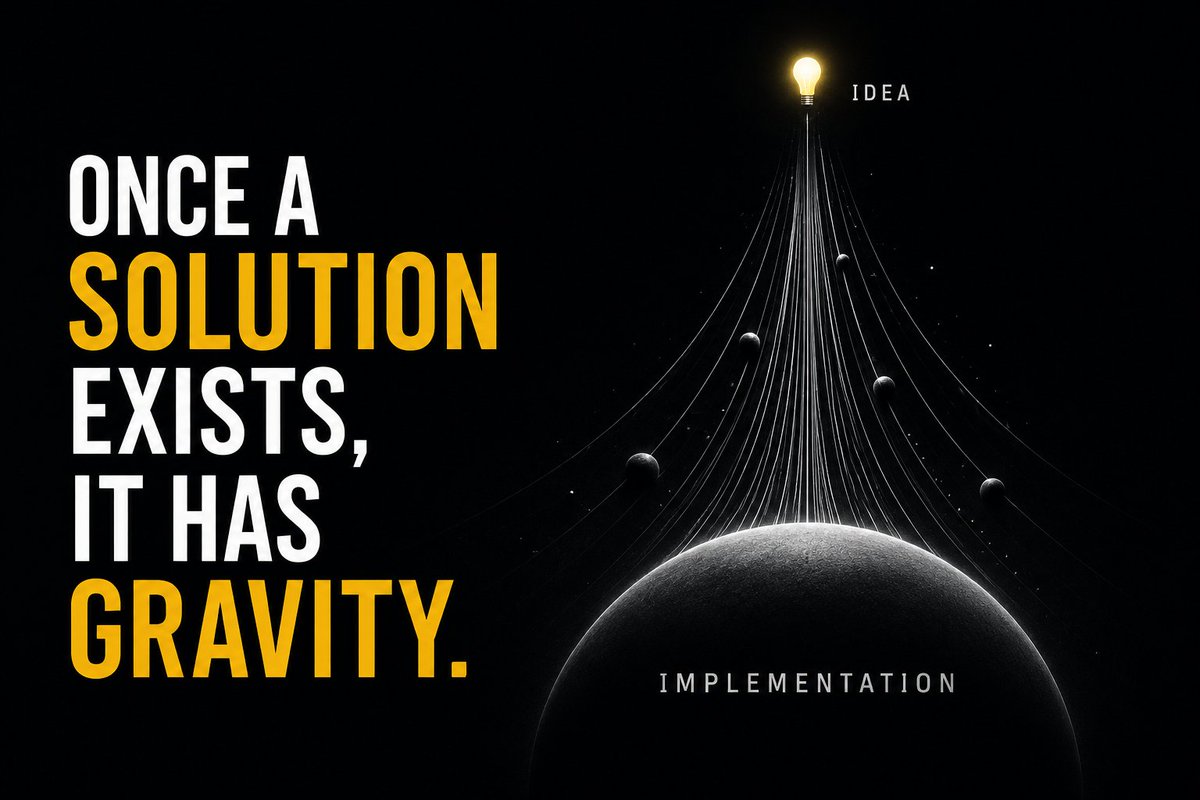




AI Made Me Rethink How Good Decisions Get Made
What if the biggest impact of AI isn’t on implementation, but on judgment?
open.substack.com/pub/shaps/…
45
RetroCalc is a fun calculator with an LCD display, soft buttons, and one very important feature: it helps you write words upside down.
Why? I wanted to share with my kids, one of my favourite old pastimes: typing numbers, flipping the calculator upside down, and discovering words hiding in plain sight.
I could not find one using a proper LCD-style font, so I made one. They loved it.
Its a personal, silly side project with my kids, made to show them that writing code, games, and apps can be playful. Also, calculators should let you discover that 5318008 is not the only joke in the drawer 😉
It is still a working calculator, obviously. It does sums, handles the usual operators, and then quietly encourages nonsense when nobody is looking.
Sharing for those of you who also want to be 12 years old again.
github.com/shaps80/RetroCalc

1
63
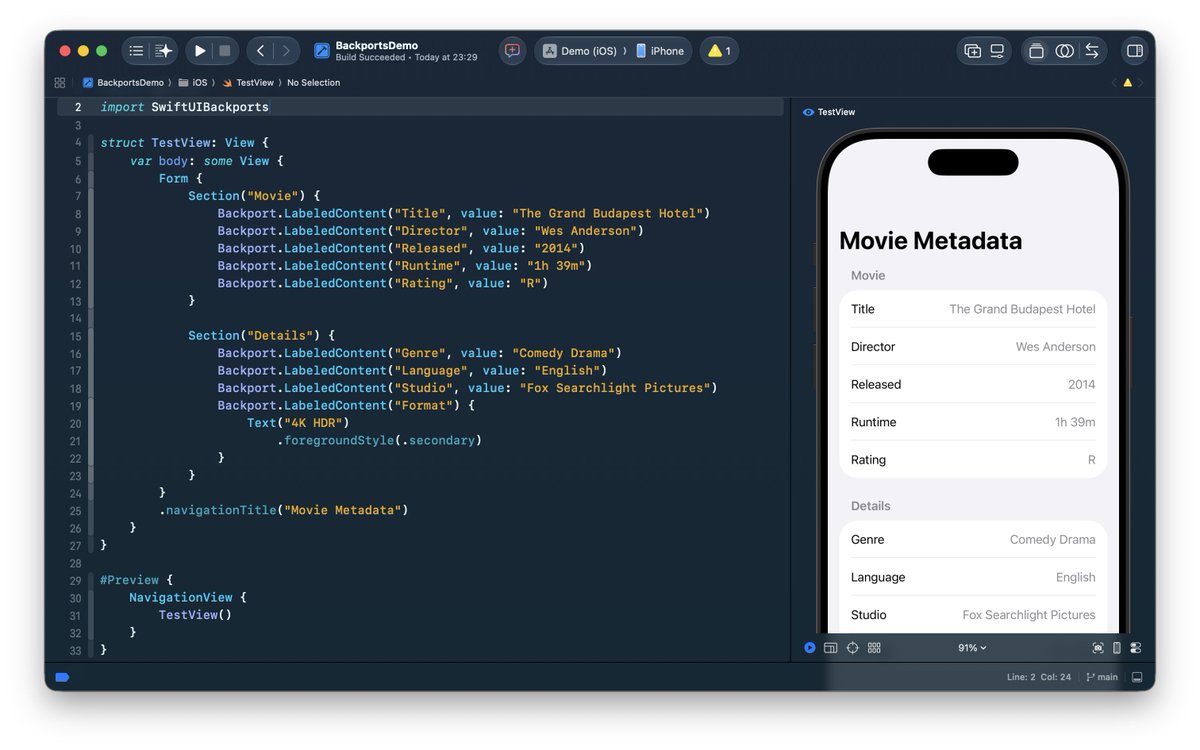
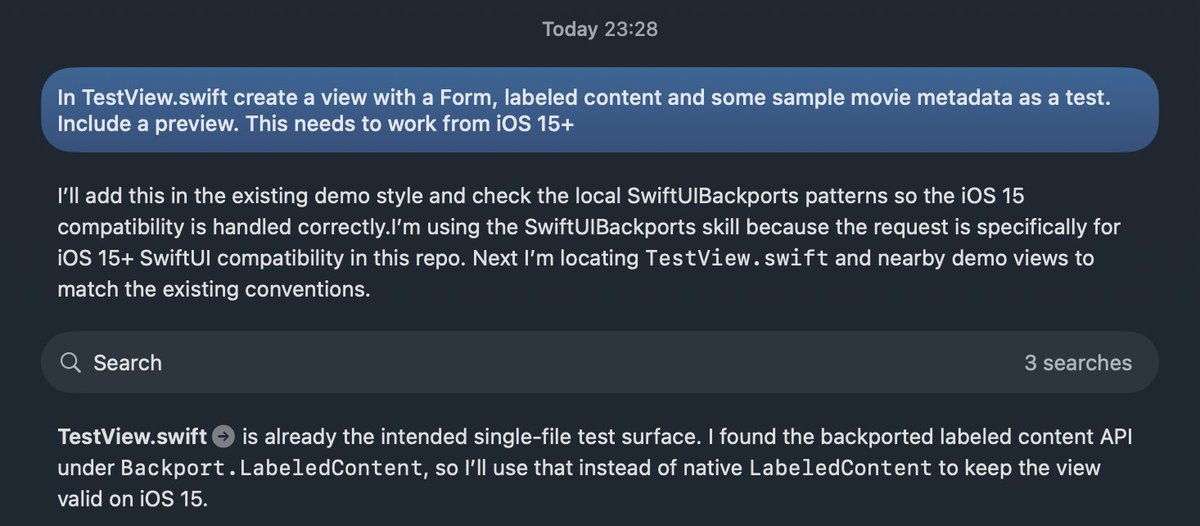
SwiftUIBackports is in active-mode with all he amazing WWDC announcements in SwiftUI.
So I decided to write a skill that also makes it trivial for agents to use and get a more consistent codebase, less custom code.
Don't forget to follow for updates, backports are coming!
2
4
200
When AI can write software an order of magnitude faster, its tempting to be revolutionary instead of evolutionary.
#agentic #softwareengineering
shaps.substack.com/p/innovat…
46
🤣 Thankfully my kids are 6 and 9, so its relevant for me.
Jun 8

iOS is redoing Screen Time just in time for my kids to graduate from high school
136
Can't wait to try this! As always great work from Natalie!

We're about to launch @useSerialDev - an agentic platform that's a mix of GitHub Codespaces, Cursor IDE, Lovable. It’s faster, multiplayer, and more scalable.
If your company could use a multiplayer VS Code IDE in the browser with agents, I'd love to chat.
1
2
1,416

Mojo 🔥 1.0 is in beta! Beta 1 marks the first step towards finalizing 1.0 later this year, which will bring a new level of language stability. The beta lands safe closures with a new capturing syntax, conditional trait conformance, and major variadic improvements. Plus, Mojo has its own home at mojolang.org.
11
104
623
52,515
What I can do with my experience and amazing tooling has no limits. AI isn’t the tool that enabled this for me. My experience and perseverance was all I ever needed and it’s true now more than ever.
If you’re looking for an engineering mindset that’s not limited by tooling, get in touch. I can help you transform your team, tooling and hopefully your mindset.
Open to full time or consultancy roles.
1
77
The Vampire Effect — anyone else feel the energy drain after coding-by-prompt day in, day out?
There is real value in using AI for engineering work. I’m not questioning that.
But over the past few months, I’ve had a lot of conversations with engineers who are starting to describe similar side effects.
It starts simply enough. The first few prompts of the day can feel almost magical.
You get that hit of excitement when something works. You’ve built something that might previously have taken days or weeks. Maybe something you couldn’t have built alone.
Then the second phase begins.
Now you have to review it.
Not just check whether the code compiles, but understand the assumptions, the trade-offs, the edge cases, the architecture, the tests, the things it changed that you didn’t expect it to change.
You’re getting “so much” done, but you’re also carrying more context, more diffs, and more uncertainty.
As the day goes on, the context window fills up. The agent starts drifting. The back-and-forth turns from exciting to frustrating.
By the end of the day, you can feel more drained than if you had written the code yourself.
I think part of it is that the sense of achievement changes.
You did create something. Maybe more than you thought possible. But the work can feel less like building and more like supervising, correcting, validating, and absorbing complexity.
That’s a very different cognitive load.
I don’t think this is just an individual productivity issue. I think it’s becoming a team design issue.
How do we structure engineering work so AI helps us move faster without quietly draining attention, ownership, and judgement?
I’m still finding my way through it.
Curious how others are handling this. Are you changing your workflow, your review habits, or your team norms around AI-assisted development?
102
💯

I don’t buy the idea that libraries will go away since everyone can just write their own now. Maybe for small internal company use-cases. But libraries are not just code, they’re time invested in edge cases, they’re hundreds of hours of human eyes. I don’t want to replace that.
81
While considering what I want to do next, I've been cognisant of the fact that I'm slightly less excited about the idea of jumping into another role where I'm solving many of the same problems – just with newer tools.
I've always thrived when applying broader thinking and working on problems and solutions that are beyond me and working with incredibly skilled teams that help me grow and learn and are equally excited by this endeavour.
Technology that will either be foundational or play a larger role in the future is particularly interesting to me right now.
I'd love to hear more about projects others are working on and anyone who resonates with what I'm saying. Doesn't have to be a role, if you just want to share what you're doing, I'm keen to hear about it.
I want to feel inspired and in the meantime I'll be plugging away and exploring my own ideas as well.
1
3
547
There’s so many exciting things going on across the industry right now but I have to say I’m personally most excited about companies that are working on foundations and infrastructure.
This is definitely the focus I’m personally looking for in my next role.
Apr 27

It's an extraordinary time in AI, and particularly for Modular given we're building the unifying layer that allows AI developers to have choice to scale across a range of hardware with different tradeoffs and capabilities.
Please reshare this post if you're excited about what Modular is doing, apply directly through our site if you're interested in any role, and look out for Mojo 1.0 beta 1 next week!!
2
143
Anyone got an invitation to the Notepad.exe application? Please share! notepadexe.com
Looks interesting. Keen to try.
144
/cc @benjitaylor

Animated Dialogs Like Family App Using SwiftUI | iOS 17 | Xcode 16
youtu.be/fgmsbYgcc3o
151
My favourite response yet from ChatGPT. I provided context that I have extensive engineering experience just not in game dev 😂 Basically it just called out Unity devs lol.
#unity3d #GodotEngine #swiftlang
128
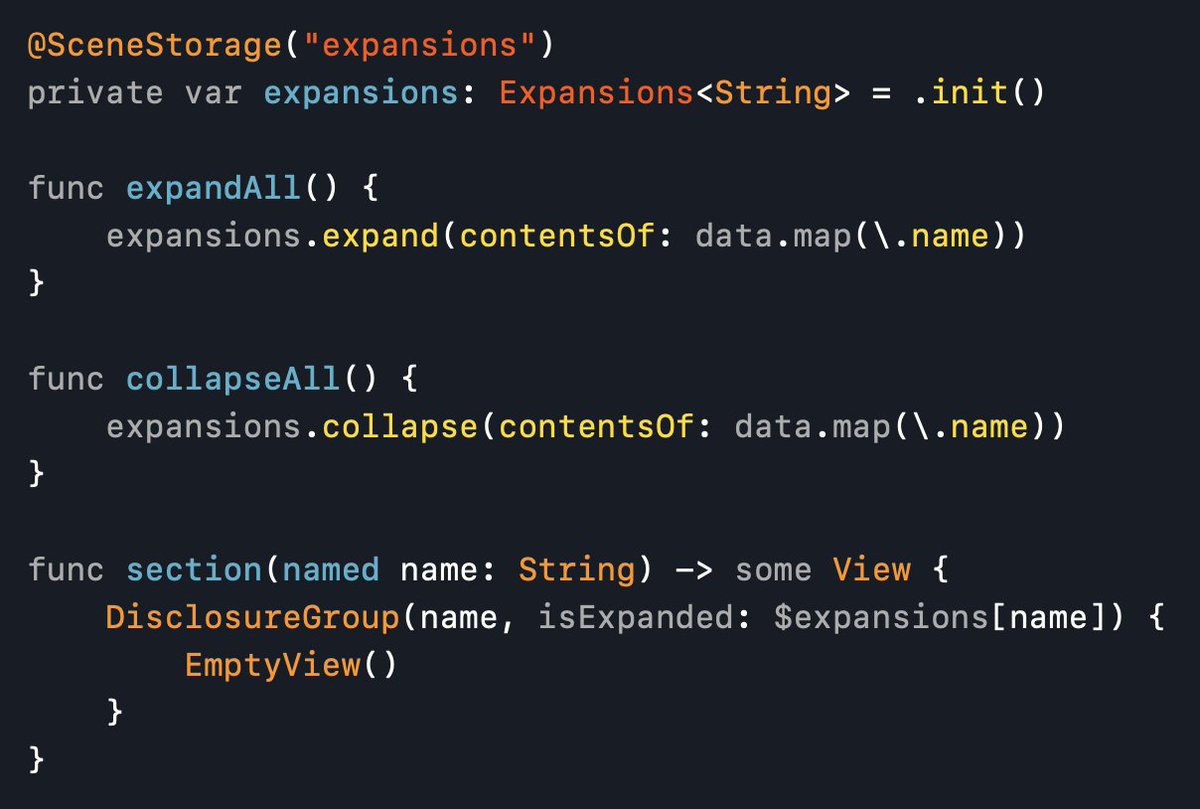
Writing restorable, collapsable Section, Disclosure Table & Outline views is tricky to get right.
So I wrote something that handles it for you, and its really easy to use.
Nice API and a `subscript` to get/set and access a binding 😬
#swiftlang #iosdev
gist.github.com/shaps80/1a41…
1
1
357