
Product Designer | Founder fourzerothree.in | Design Systems | Building Tenet UI (fourzerothree.in/p/design-sy…)
Joined February 2017
- Tweets 418
- Following 261
- Followers 224
- Likes 1,236
77 Photos and videos
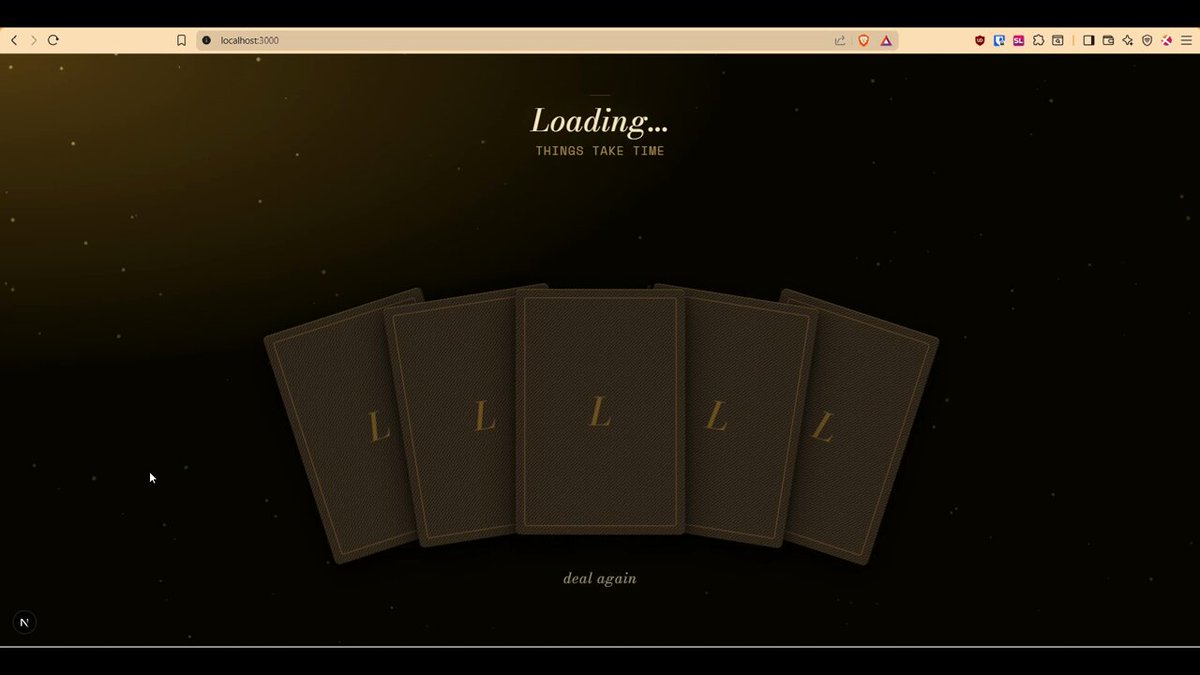

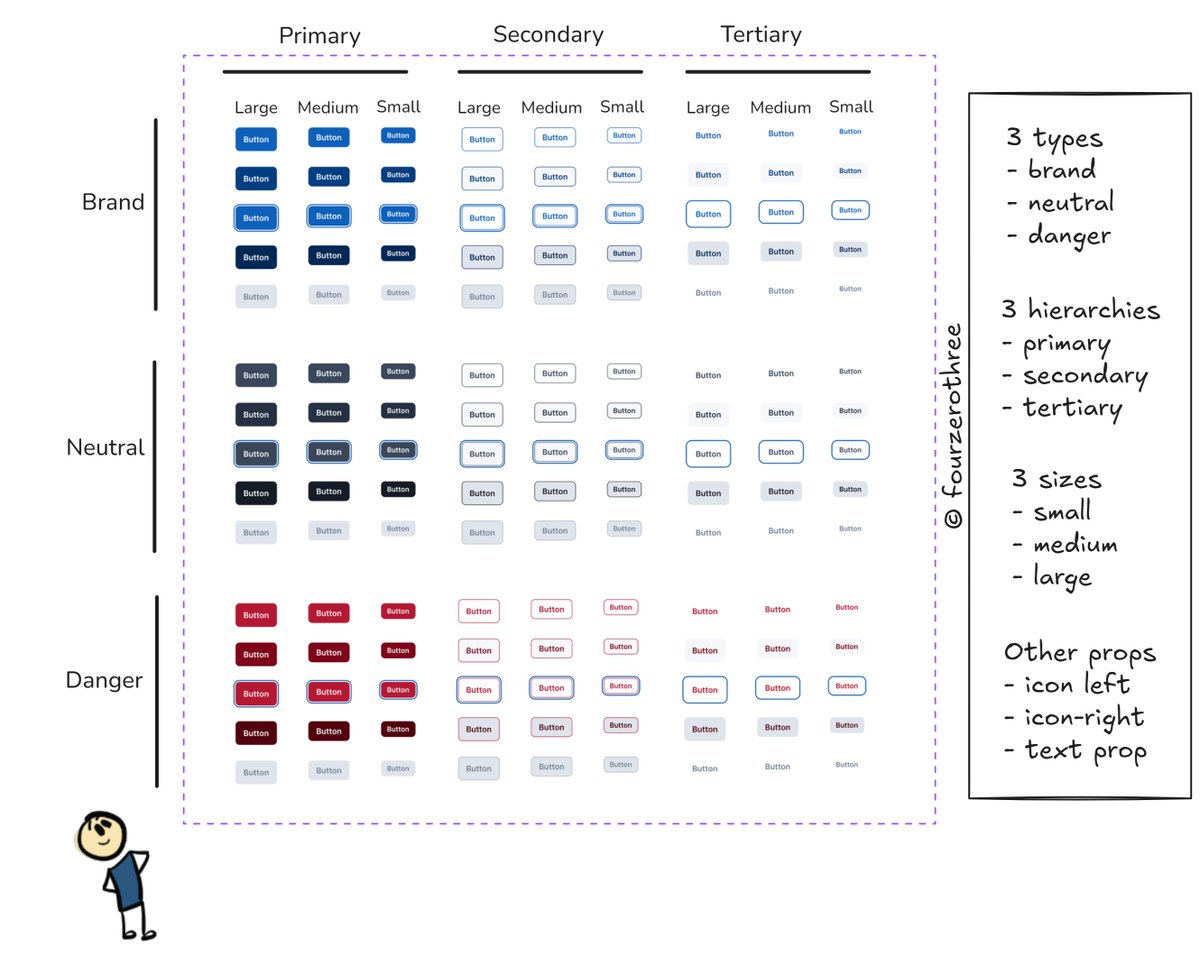
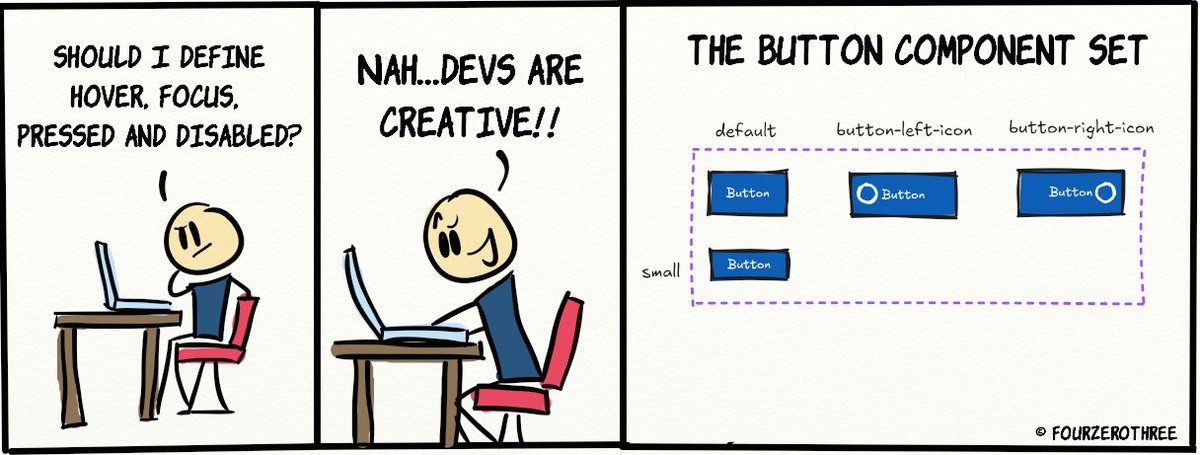
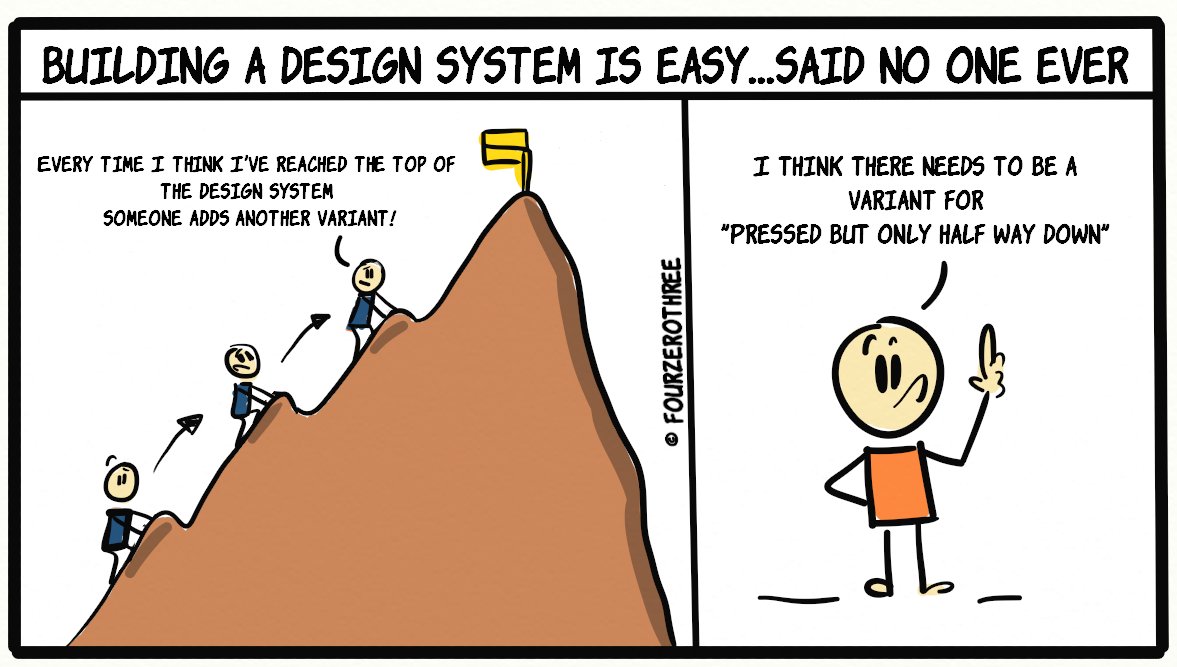
I'm building a small website called "Loading..." - (work in progress - making with Cursor)
Shout out: This was inspired by @joshpuckett's - Interface Craft interfacecraft.dev/ . His (amazing) work feels very soulful and personal.
1
2
47
The interaction always belongs to the world itself, so a VHS card rewinds, a cassette clicks, a terminal waits for exit and so on. At its heart, Loading... is about the space between cold systems and warm human feeling.
1
1
22
I have a lot of cards (and worlds) to go, but here are 2 cards I completed.
PS: The sounds here of course, were added during editing. But the sounds in the website closely mimic it. Part of the website's experience are the sounds!
1
24
I’ve been sharing how I’m working on Tenet UI Studio over the last few weeks.
ChatGPT as a persistent thinking space and Google AI studio for quick prototypes to ground decisions in behaviour.
fourzerothree.in/p/designing…
1
60

29 Dec 2025
37
28 Nov 2025
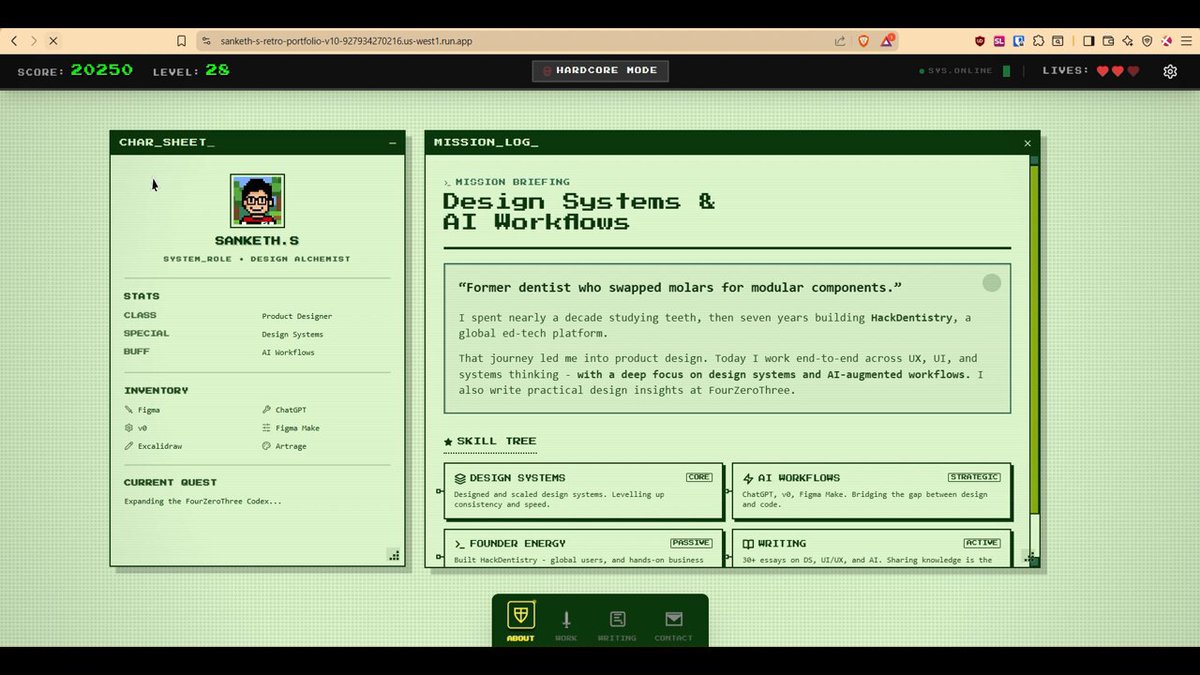
I finally built (vibe coded) my portfolio website!
-----------------------------------------------------
For the longest time, my newsletter doubled as my “portfolio.” But I thought why not
- vibe code a portfolio website
- In a full 90s PC game aesthetic
1
2
199
28 Nov 2025
Honestly I was a little skeptical I could pull it off, but with some amount of iteration (and patience), I finally shipped it.
Its not perfect, but I am genuinely happy with the output.
If you’d like to take a peek: sanketh-s-retro-portfolio-v1…
59
18 Sep 2025
Designers today are experimenting with AI workflows. You see people talk about “prompt → riff → refine” loops. But the truth is: no one has a perfect workflow yet. 👇
1
51
18 Sep 2025
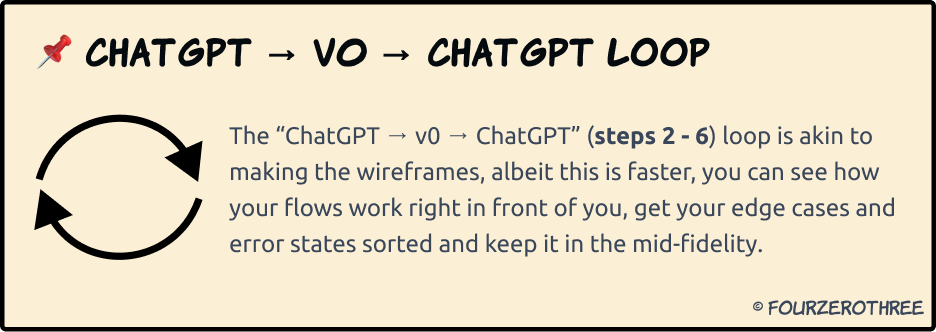
- User flows IA in ChatGPT → bring them to life in FigJam
- UI layout (text based) in ChatGPT
- Use v0 to bring these layouts to life
- Keep “riffing” and forking in v0
- Debug with ChatGPT
- Back to v0
- Export to Figma using the “HTML to Design” (Figma) plugin 👇
1
68
14 Sep 2025
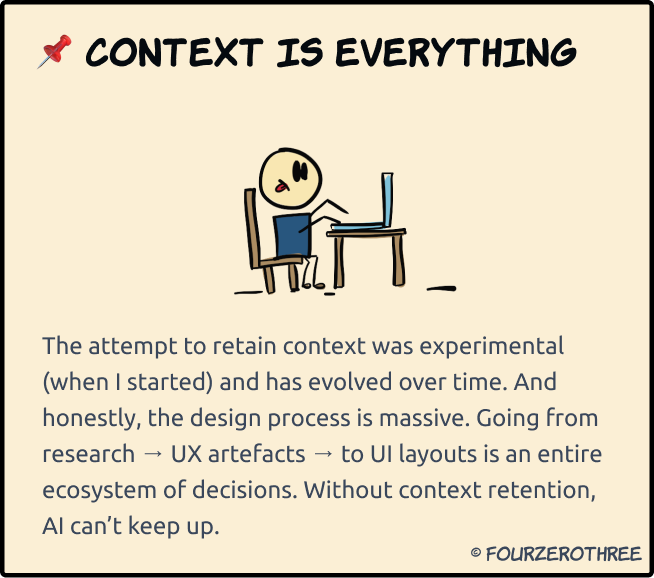
1. At work, I was part of a team tasked with an open-ended but challenging goal: “experiment with AI and figure out how it could actually make our design process faster and more efficient.” 👇
fourzerothree.in/p/context-e…
1
53
14 Sep 2025
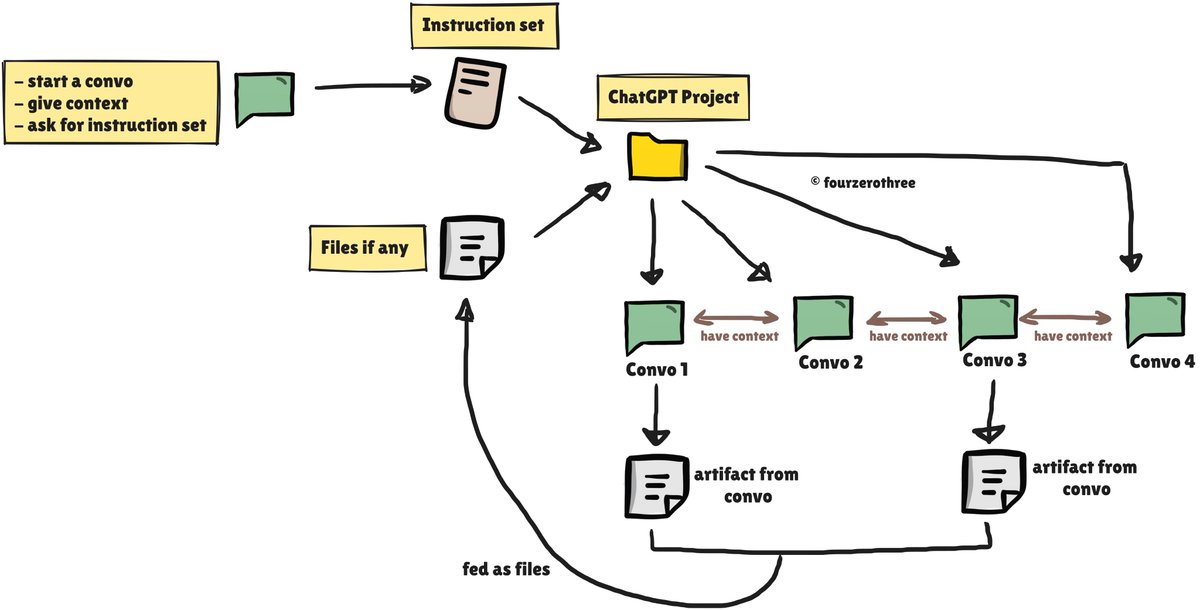
3. Long conversations meant hitting context window limits. The challenge, I then realized was carrying over context across conversations. If I wanted GPT to act as a “copilot”, I couldn’t just prompt it once and hope for the best. 👇
1
36
14 Sep 2025
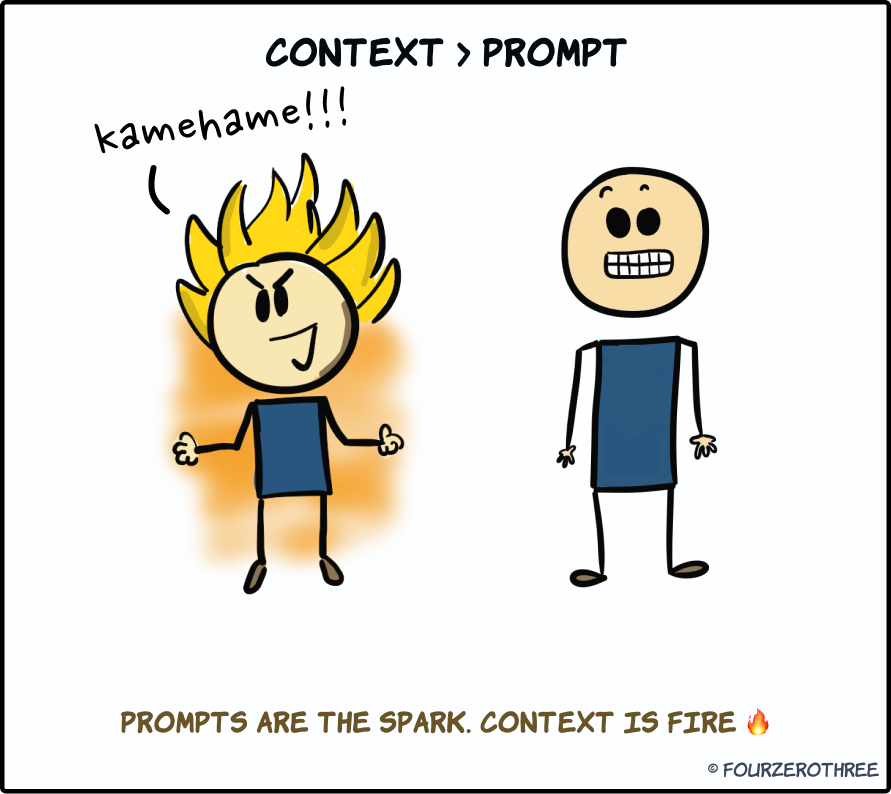
So, while prompts get all the attention, it’s actually context engineering that makes or breaks an AI-augmented workflow. Context, by far, is the only way you’d get consistent, high-quality outputs across the full design process.
fourzerothree.in/p/context-e…
#aidesign #uxdesign
41