
Exploring Web3 | PulseChain & DeFi | Football lover | NFA
Joined May 2025
- Tweets 6,541
- Following 2,239
- Followers 2,252
- Likes 17,024
1,045 Photos and videos
















Pinned Tweet

Mar 3
Zero Trust ($ZERO) is trustless finance reimagined on PulseChain
Not the cybersecurity concept. This is DeFi with no middlemen, no KYC, and immutable protocols
Tokenomics
• Around 63‑80% of $ZERO burned forever
• Additional tokens locked in contracts and community treasuries
• Ecosystem products drive buybacks and burns
• Paired liquidity with $pCOCK on LibertySwap
Why it matters
• Community-led with 555 Guardians and benevolent wallets
• Resurrects original crypto ideals: sovereignty, immutability, freedom from VCs
• Real-world utility through SovrinX: trustless payments across 9 chains
Silent builders, permanent infrastructure
Stealth projects coming soon: Zerivo, Croftr, Ciphr LABS
Learn more and join the movement at zerotrust.nexus/hub
#ZERØ #PulseChain #Trustless #DeFi $ZERO $pCOCK
11
12
81
10,168
SherlyX retweeted

imagine Elon taking his dog to eat on McDonald's after IPO and pays with Dogecoin
$MCDOGE
2
2
7
89
Jun 11
The market keeps rewarding attention, yet most people are still looking for utility.
That's the part that doesn't make sense to me.
I've watched projects spend months building features nobody talks about, while memes with strong communities keep pulling people in.
$POSAA isn't pretending to be anything else.
It's raw internet culture. Public opinion, sentiment, chaos, headlines, hot takes, all rolled into one coin on XRPL.
What I find interesting is that every day gives the community something new to react to. The conversation never really stops because the internet never stops.
No promises. No fake roadmap fantasies.
Just a community watching the world unfold and turning it into memes, discussion, and market action.
The longer I follow it, the more it feels like a coin built for the way people actually behave online.
Jun 10

$POSAA, soon fam.. soon.
load up while you can.
Buy here: firstledger.net/token/rUHPgW…
Ca: rUHPgW3p3YzkndS1RZRy9f3xKPRLuzVZtM
3
3
6
153



SherlyX retweeted

The crypto community saw the bait…
Now everyone is swimming toward it. 🐸🎣
Retail. Whales. Memes.
Nobody wants to miss the next runner.
The coin is glowing.
The crowd is growing.
The games have begun.
$PATRIOT 🇺🇸
#PatriotGames #MemeCoin #Crypto #BaseChain #DiamondHands

5
2
6
99


Jun 9
Something feels off in the best way with this one.
I’ve been in enough meme cycles to recognize when a community starts moving differently, and $WIGGA isn’t behaving like the usual noise.
It’s not just the chart or the contract. It’s the way people are actually showing up. Real engagement. Real replies. No dead energy in the timeline.
Most coins talk about community. This one is actually acting like one.
I’m not calling it early. I’m just saying it doesn’t feel late either.
@Monwigga

6
99
Jun 9
$4.7 billion got trapped because people thought a crypto app was safer than a bank.
That was the Celsius collapse.
Celsius looked simple.
Deposit your crypto.
Earn yield.
Borrow against your assets.
Withdraw when you want.
It felt like a bank account for the crypto age, but with much higher rewards.
That was the hook.
While traditional banks paid tiny interest, Celsius promised better returns on Bitcoin, ETH, stablecoins, and other assets.
To many users, it looked smart.
Why let your crypto sit idle when Celsius could put it to work?
The business model seemed easy.
Users deposited crypto.
Celsius controlled those assets.
Then it used them for lending, trading, borrowing, and other yield strategies.
If the strategies worked, users got paid rewards and Celsius kept a spread.
Simple on paper.
Dangerous in practice.
Because the whole thing depended on trust.
Users had to trust Celsius had enough liquidity.
They had to trust the risks were managed properly.
They had to trust that “withdraw anytime” would still be true when everyone wanted out at once.
That was the weakness.
Celsius made crypto feel safe with bank-like language, but it did not have the same protections as a bank.
No simple deposit guarantee.
No easy rescue button.
No full visibility into the balance sheet.
Just a platform, a promise, and a lot of confidence.
Then the market turned.
Crypto prices fell.
Liquidity dried up.
Risky strategies started looking much worse.
And the same users who once wanted yield now wanted their money back.
On June 12, 2022, Celsius paused withdrawals.
That was the moment the dream broke.
People could still see balances on the app.
But they could not move their money.
They could not withdraw.
They could not escape.
A few weeks later, Celsius filed for bankruptcy.
The craziest part is that Bitcoin did not fail.
Ethereum did not fail.
The blockchain did not break.
What failed was trust in a middleman.
People entered crypto to escape banks, then handed their coins to a company acting like one.
Later, regulators said Celsius misled users about the safety of customer assets and the health of the business.
Now compare that with FTX.
FTX looked like an exchange.
Celsius looked like a savings account.
Different products.
Same emotional trick.
Make the interface feel safe.
Make the returns look attractive.
Hide the real risk behind the screen.
That is the lesson.
If you do not control the keys, you are not holding the asset.
You are holding a promise.
Sometimes that promise pays.
Sometimes it pauses withdrawals.

4
387

Jun 7
Holy Pump
Jun 7

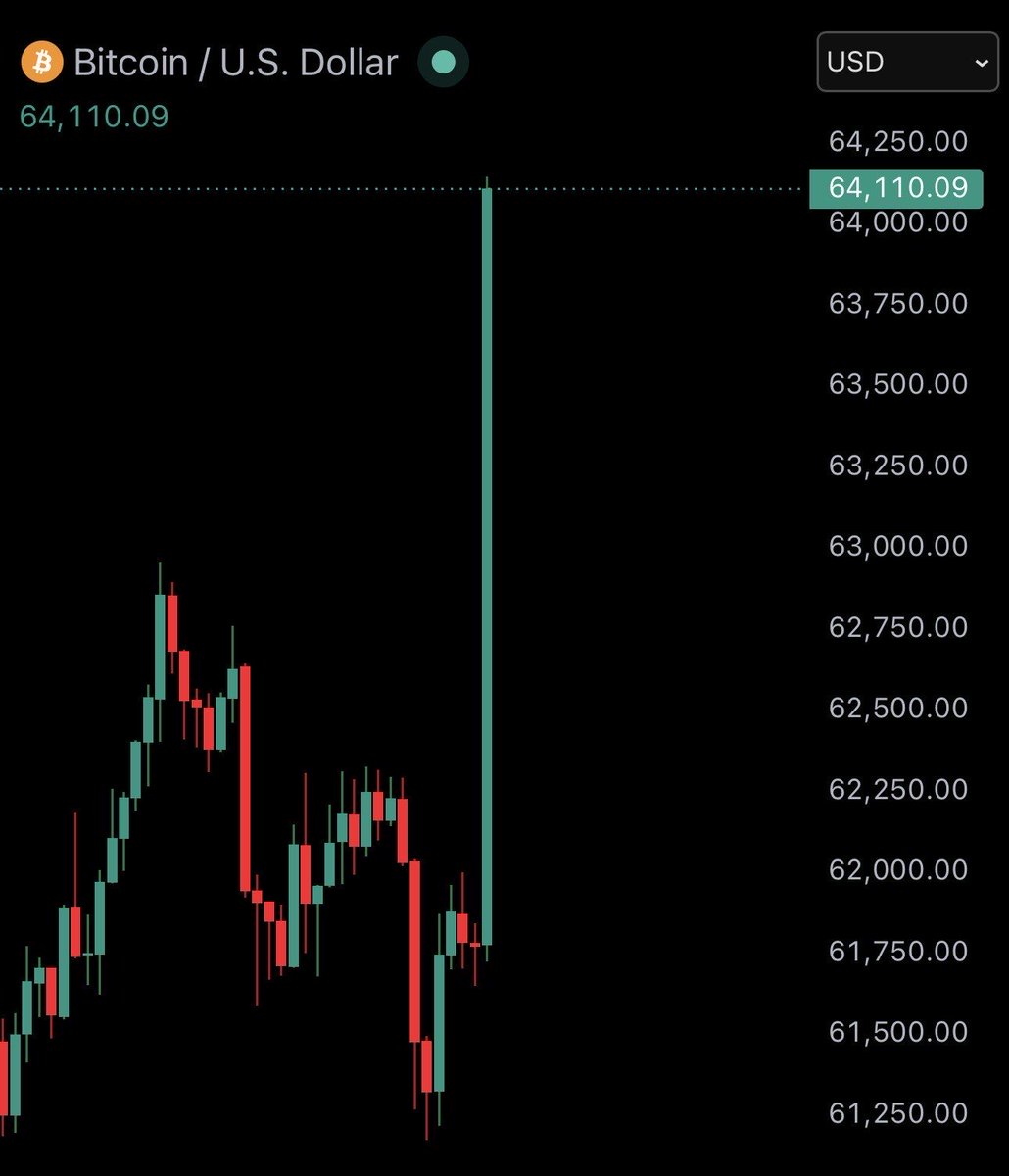
JUST IN: Bitcoin surges 5% to $64,000 after President Trump says Israeli PM Netanyahu has "no choice" but to accept an Iran deal.
1
2
107
Jun 7
Not every project survives the hype cycle. Some fade away, while others quietly keep building and rewarding their community.
$BURST has had a rough week, down around 25-30% as the usual meme coin volatility kicks in.
Meanwhile, $POSAA has been moving in the opposite direction, up 20% over the last 7 days with solid momentum and active holder participation.
What stands out isn't just the price action. Public Opinion, Sentiment, Antics & Assholery has been consistently rewarding holders through weekly giveaways. Hold just $5 worth of $POSAA and you're eligible for the next draw. Real payouts, not promises.
For XRPL traders looking beyond the usual noise, this is one worth keeping an eye on.
⚔️ The sleeper might be waking up.
CA: rUHPgW3p3YzkndS1RZRy9f3xKPRLuzVZtM
Trade: FirstLedger
$POSAA | TG: t.me/POSAA_XRPL
#XRPL #POSAA #TYSLYS

2
2
4
106

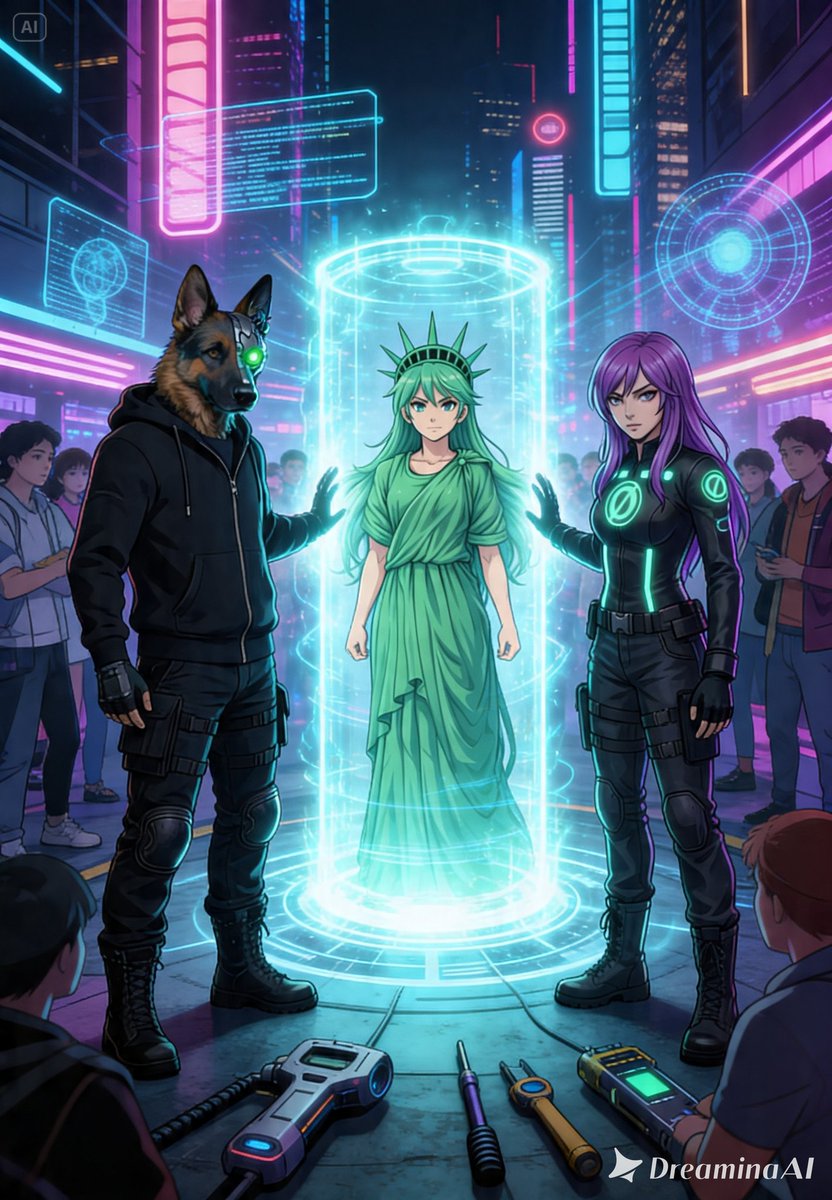
A fortress is useless if nobody can get inside. 🔐
We talk about sovereignty, but the real challenge is making the bridge from the legacy world to PulseChain frictionless.
Projects like @LibertySwapFi are doing the heavy lifting by turning legacy mainstream assets into real on-chain utility. 🛤️
@i_am_zerotrust is developing the tools allowing new comers to educate themselves and to find a safe place to land in the Pulsechain ecosystem. 📒
If you want to grow the ecosystem, focus on the rails that make adoption simple, not just the memes that make it loud. ⛓️⚙️
#Pulsechain #ZERØ #LibertySwap
10
11
57
1,301



SherlyX retweeted

Jun 6
🎰✨ Just found Golden Billion Lotto $GBL and the narrative instantly clicked for me.
A community-driven lottery ecosystem on Solana built around transparency, fairness, and the dream that one golden ticket could change everything. Simple concept, strong vision, and a community that’s still incredibly early.
Feels like one of those gems people will wish they found sooner if the team keeps building. 👀🚀
🎟️ $GBL Where every holder has a shot at the golden ticket.
X: @GBL1B
CA: EKvUhQUhc4DtG2cmznbhD6uLabKLL12y5awqDhGPpump
Who else is feeling lucky? 🍀✨

14
19
31
688
SherlyX retweeted

Jun 6
💎 💎 🙌🙌 💎 💎 🙌
💎 💎 🙌 🙌 💎 💎 🙌
💎💎 💎 🙌 🙌 💎 💎 🙌
💎 💎 🙌 🙌 💎 💎 🙌
💎 💎 🙌 🙌 💎 💎 🙌🙌🙌
26
12
71
3,145
Jun 6
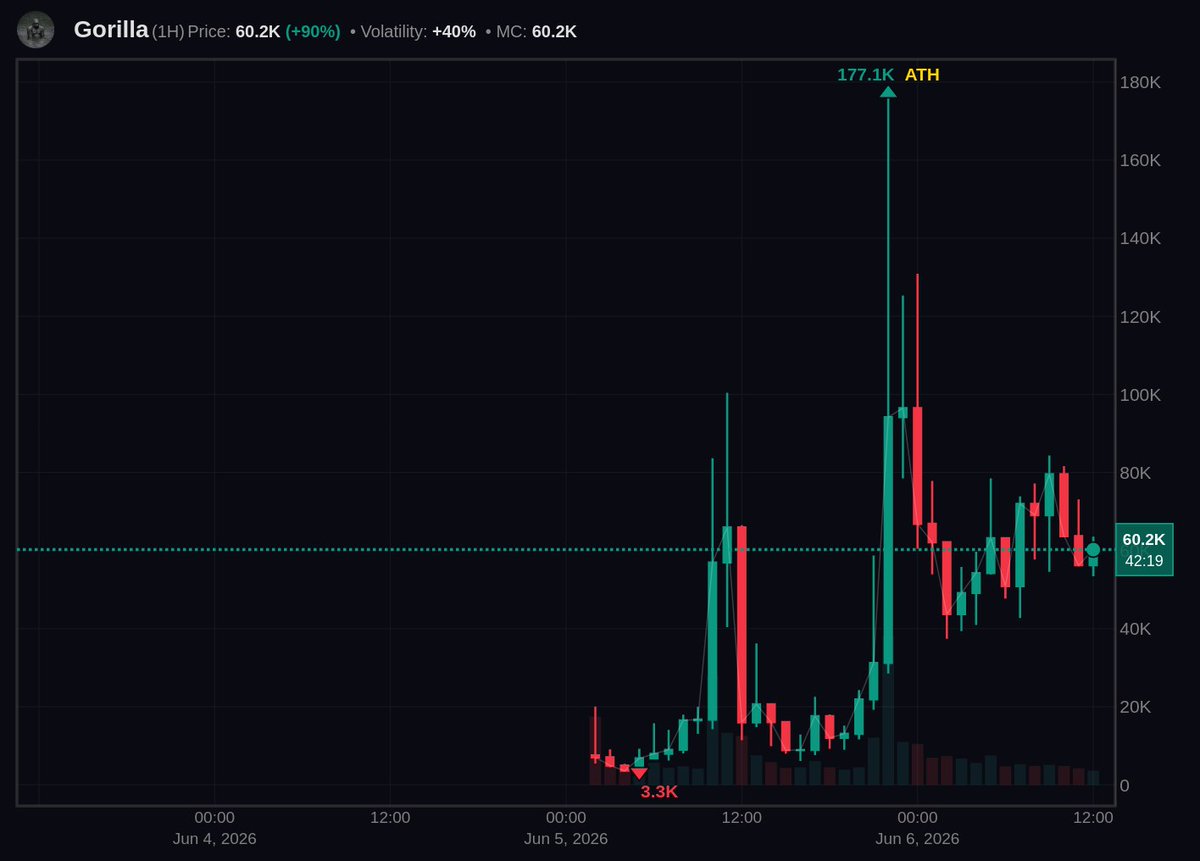
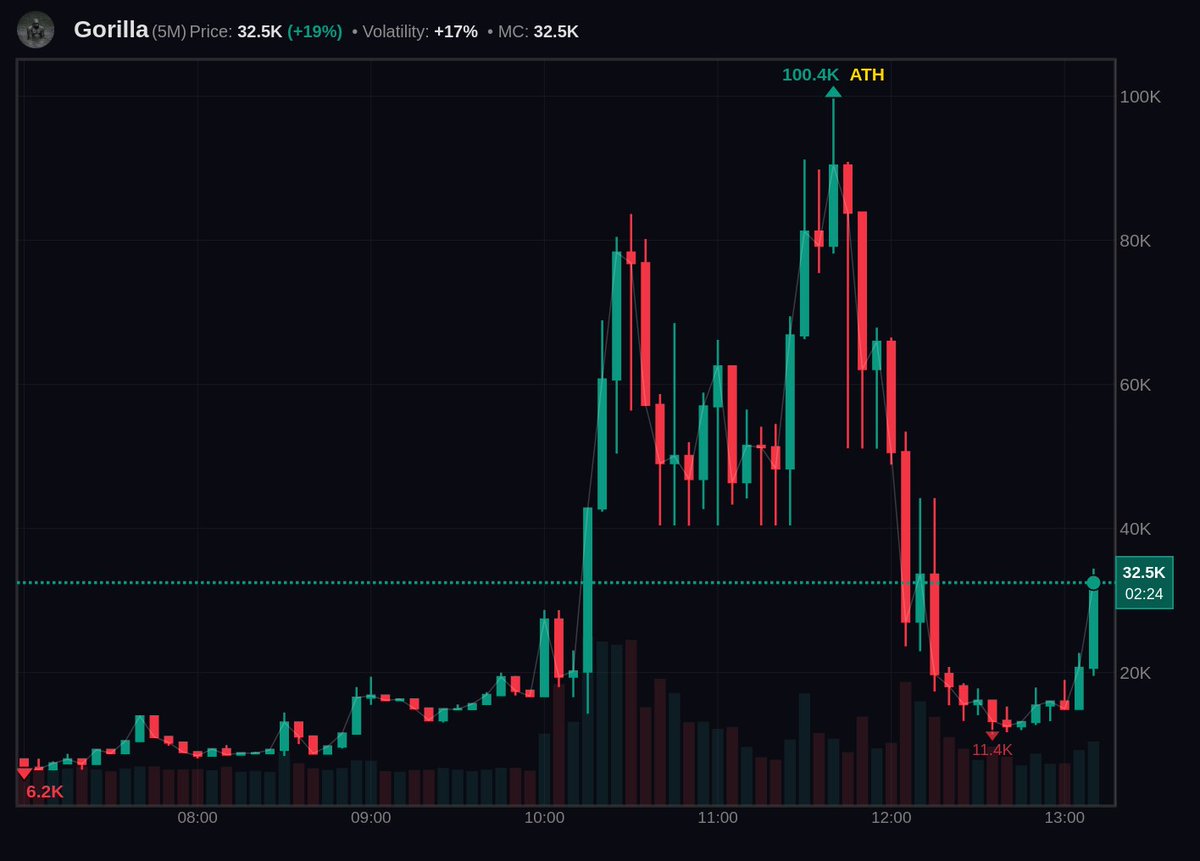
The truly Unsinkable Gorilla

1
6
356
Jun 5
Let that sink
Jun 5

You're not depressed.
You just need $500,000 in your bank account
1
4
110
Jun 5
In this period, Crypto-guys' mental health should be checked.
Jun 5

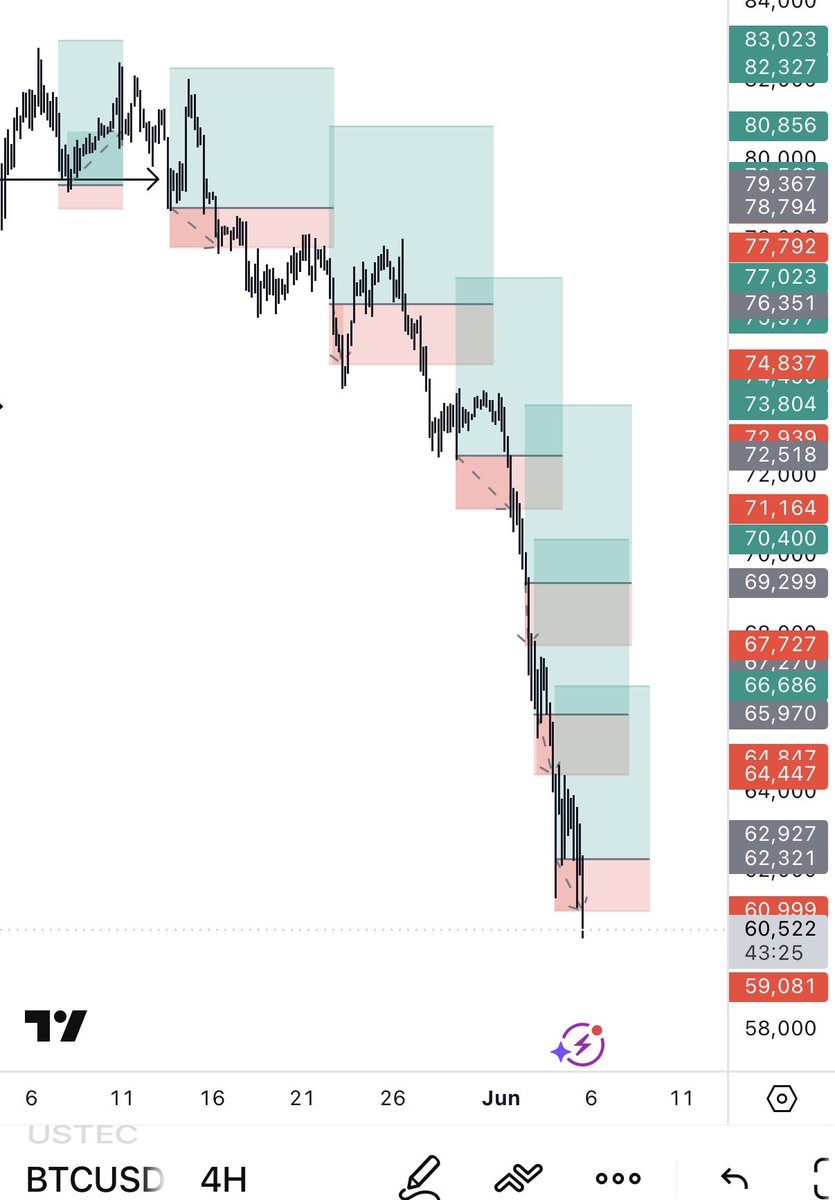
I have never been so devastated in my entire life like I have been in the last couple of months.
I’m currently at 0
I longed every dip, But the dip keep going dipper.
1
3
85
SherlyX retweeted

Jun 5

1
3
10
239