
Customer Success & Delivery Strategy Lead @ Lyzr AI
Joined February 2009
- Tweets 1,180
- Following 1,088
- Followers 1,391
- Likes 633
107 Photos and videos









Jun 15
#Fable5 is a reminder: enterprise AI risk isn’t just capability. It’s dependence on frontier providers—their access rules, retention policies, pricing, roadmap, and geopolitical exposure. The strategic question is the control layer you build around AI.
#AgenticAI #EnterpriseAI
86
Stacey Horricks retweeted

Mar 26
When I built menugen ~1 year ago, I observed that the hardest part by far was not the code itself, it was the plethora of services you have to assemble like IKEA furniture to make it real, the DevOps: services, payments, auth, database, security, domain names, etc...
I am really looking forward to a day where I could simply tell my agent: "build menugen" (referencing the post) and it would just work. The whole thing up to the deployed web page. The agent would have to browse a number of services, read the docs, get all the api keys, make everything work, debug it in dev, and deploy to prod. This is the actually hard part, not the code itself. Or rather, the better way to think about it is that the entire DevOps lifecycle has to become code, in addition to the necessary sensors/actuators of the CLIs/APIs with agent-native ergonomics. And there should be no need to visit web pages, click buttons, or anything like that for the human.
It's easy to state, it's now just barely technically possible and expected to work maybe, but it definitely requires from-scratch re-design, work and thought. Very exciting direction!
Mar 26

When @karpathy built MenuGen (karpathy.bearblog.dev/vibe-c…), he said:
"Vibe coding menugen was exhilarating and fun escapade as a local demo, but a bit of a painful slog as a deployed, real app. Building a modern app is a bit like assembling IKEA future. There are all these services, docs, API keys, configurations, dev/prod deployments, team and security features, rate limits, pricing tiers."
We've all run into this issue when building with agents: you have to scurry off to establish accounts, clicking things in the browser as though it's the antediluvian days of 2023, in order to unblock its superintelligent progress.
So we decided to build Stripe Projects to help agents instantly provision services from the CLI.
For example, simply run:
$ stripe projects add posthog/analytics
And it'll create a PostHog account, get an API key, and (as needed) set up billing.
Projects is launching today as a developer preview. You can register for access (we'll make it available to everyone soon) at projects.dev. We're also rolling out support for many new providers over the coming weeks. (Get in touch if you'd like to make your service available.)
projects.dev
629
540
6,401
2,464,376
Stacey Horricks retweeted

Mar 26
🚨 do you understand what Karpathy just said..
the guy who co-founded OpenAI.. led AI at Tesla.. one of the best engineers alive..
built an app with AI.. and said the code was the easy part..
the hard part was Stripe.. auth.. DNS.. databases.. deploying it.. connecting 15 different services that all have different dashboards and different docs and different billing pages..
AI can write your entire app in 20 minutes.. but it still can't click "confirm email" on Vercel..
so the thing that's "replacing developers" can't do the thing developers actually spend 80% of their time doing..
vibe coding didn't kill software engineering.. it just proved that coding was never the job.. the job was dealing with the mess around the code.. and that mess is still 100% human.
Mar 26

When I built menugen ~1 year ago, I observed that the hardest part by far was not the code itself, it was the plethora of services you have to assemble like IKEA furniture to make it real, the DevOps: services, payments, auth, database, security, domain names, etc...
I am really looking forward to a day where I could simply tell my agent: "build menugen" (referencing the post) and it would just work. The whole thing up to the deployed web page. The agent would have to browse a number of services, read the docs, get all the api keys, make everything work, debug it in dev, and deploy to prod. This is the actually hard part, not the code itself. Or rather, the better way to think about it is that the entire DevOps lifecycle has to become code, in addition to the necessary sensors/actuators of the CLIs/APIs with agent-native ergonomics. And there should be no need to visit web pages, click buttons, or anything like that for the human.
It's easy to state, it's now just barely technically possible and expected to work maybe, but it definitely requires from-scratch re-design, work and thought. Very exciting direction!
248
609
7,717
1,447,392
Stacey Horricks retweeted

Mar 19
Meet ClawLess. The world's first serverless browser runtime for AI agents.
No server. No backend. No access to your host machine. Just open a browser tab and run a full Claw agent inside an isolated WASM sandbox.
Try Now: play.clawless.io/
Github: github.com/open-gitagent/cla…
Built on GitAgent.sh standard.
cc @Shreyaskapale @lyzr__ai
14
32
276
19,008
Feb 18
We launched Architect this week.
Most AI tools stop at “here’s a suggestion.”
Architect moves to “here’s a working system.”
Prompt ➡️ agents, workflows, interface.
Less assembly required.
architect.new/
#EnterpriseAI #AgenticAI #AIArchitecture
2
80

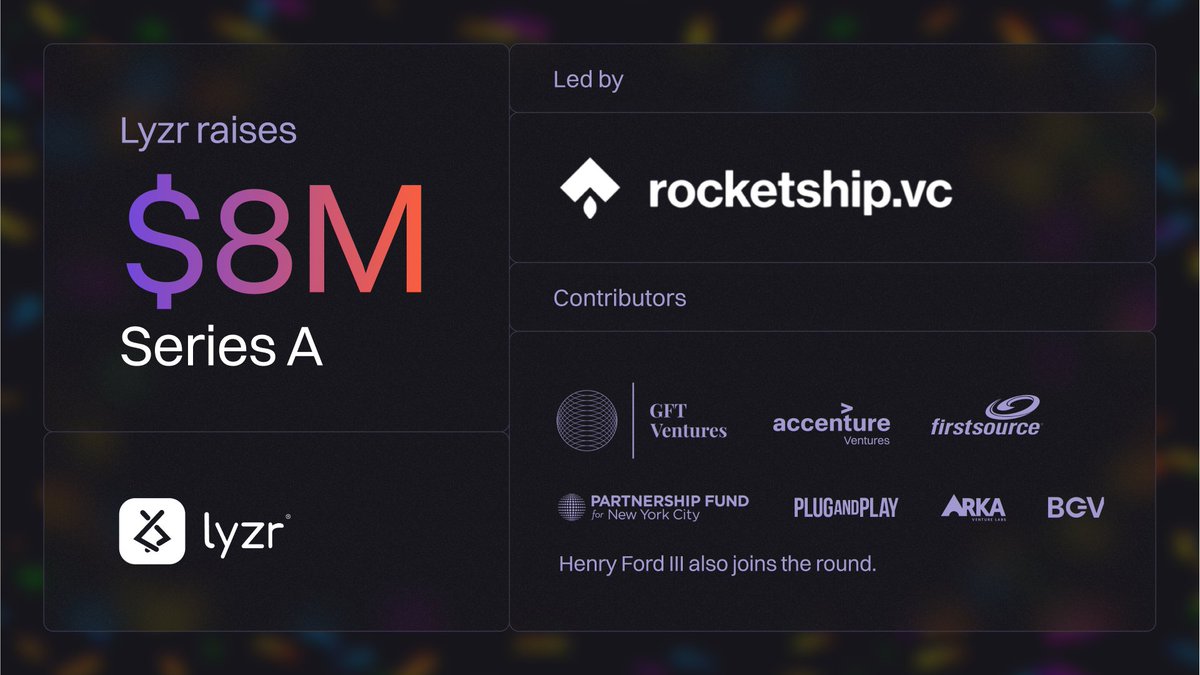
Breaking: Lyzr raises $8M Series A 🎉🎉🎉
Led by @rocketshipvc , joined by GFT Ventures, Accenture Ventures, Firstsource, Plug and Play Tech Center, BGV, Arka Venture Labs, and PFNYC
And we’re thrilled to welcome Henry Ford III to our Board.
What’s next?
Helping enterprises move from AI agents → multi-agent workflows → full Agentic Operating Systems.
Well we’re just getting started.
2
1
7
1,132
25 Oct 2025
Hello! @lyzr__ai is hiring for Customer Success Strategist - US & Canada Remote.
Come work for a cutting edge AI platform development company building solutions for some of the biggest enterprises in the world. lyzr.keka.com/careers/jobdet…
#hiring #GenAI #OGI #AgenticAI
1
98
17 Nov 2024
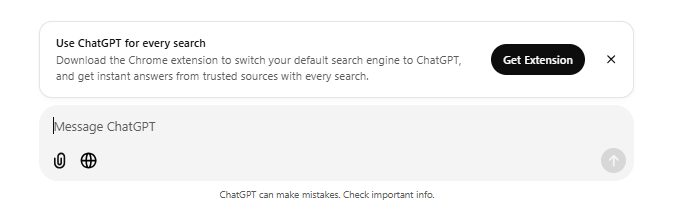
The battle for your default search engine is on! 🌐
Received notifications from Perplexity and OpenAI to switch from Google via their Chrome extensions.
📢SEO & Content Marketers: Understanding how they alter search dynamics will be crucial for adapting your strategies.
74
10 Nov 2024
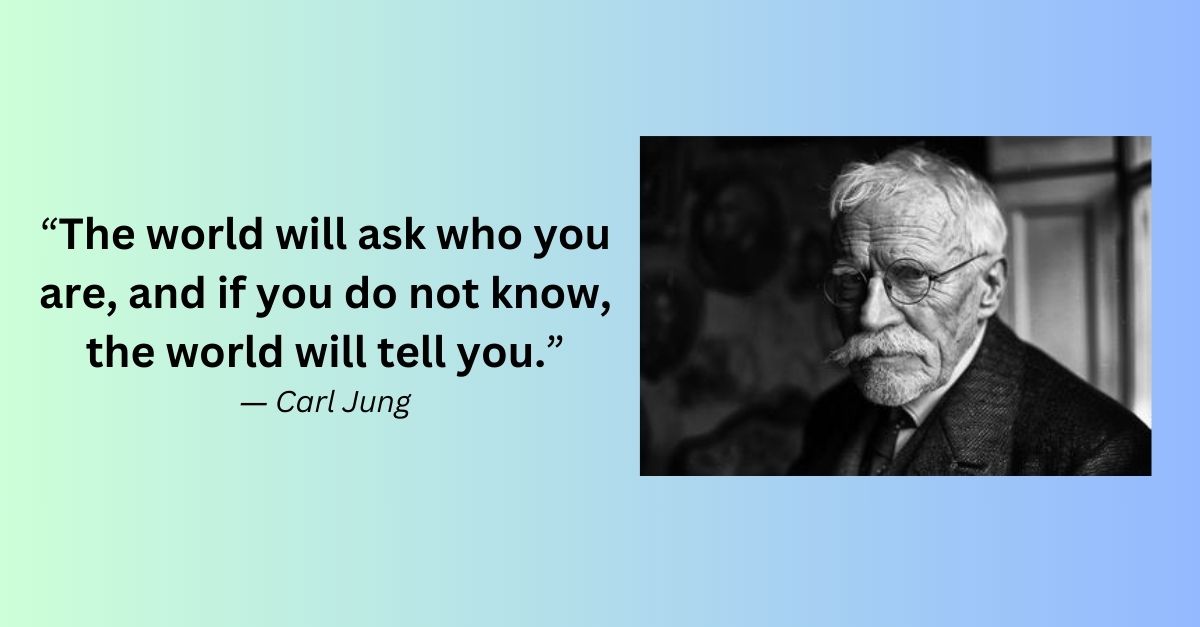
In a world of AI voices & synthetic content, authenticity is our most valuable asset.
So in a world of infinite copies, there's value in being irreplaceably you.
Modern Marketing: Human-Centric. AI-Enhanced.
#ModernMarketing #Authenticity #AI
45
6 Oct 2024
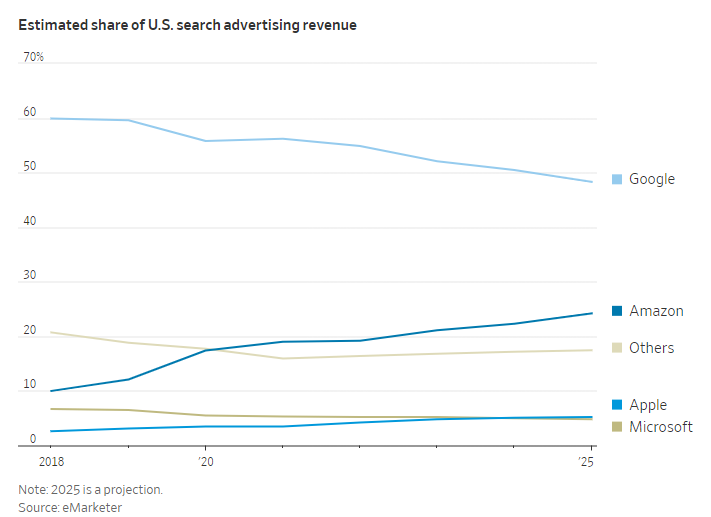
Google's grip on search is slipping, per WSJ.
TikTok's new search-based ad targeting taps into its young audience, while Perplexity shifts to ads in AI-generated answers, for personalized search experiences.
Interesting times ahead for #SearchAdvertising.
1
86
4 Oct 2024
One of my favorite podcasts, @HarvardBiz is now in 2nd place @signalawards Listener’s Choice #signalawards. RT VOTE: vote.signalaward.com/PublicV…
14

Stacey Horricks retweeted

9 Jul 2024
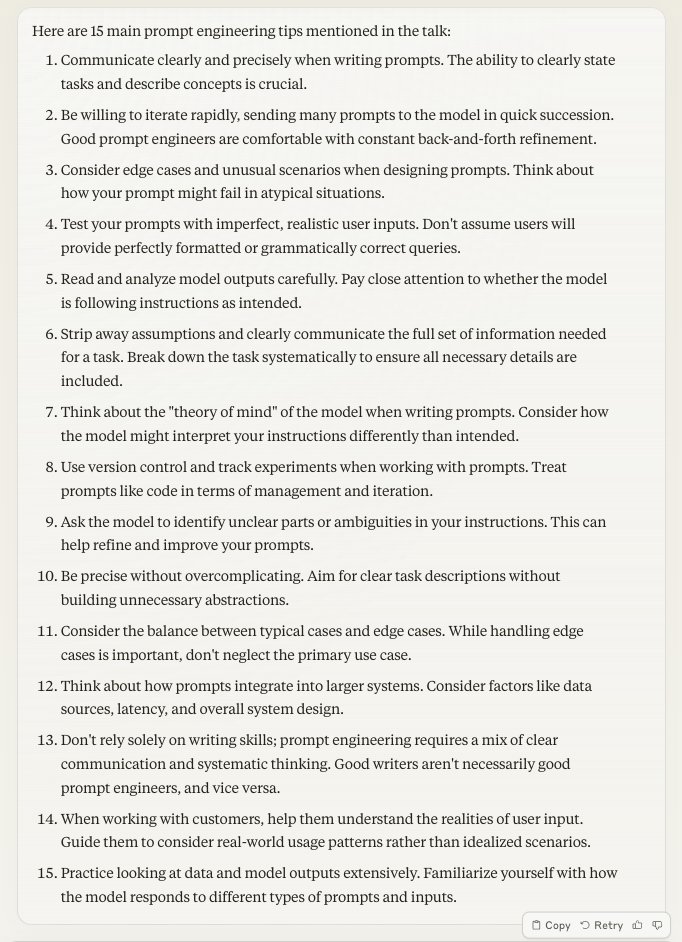
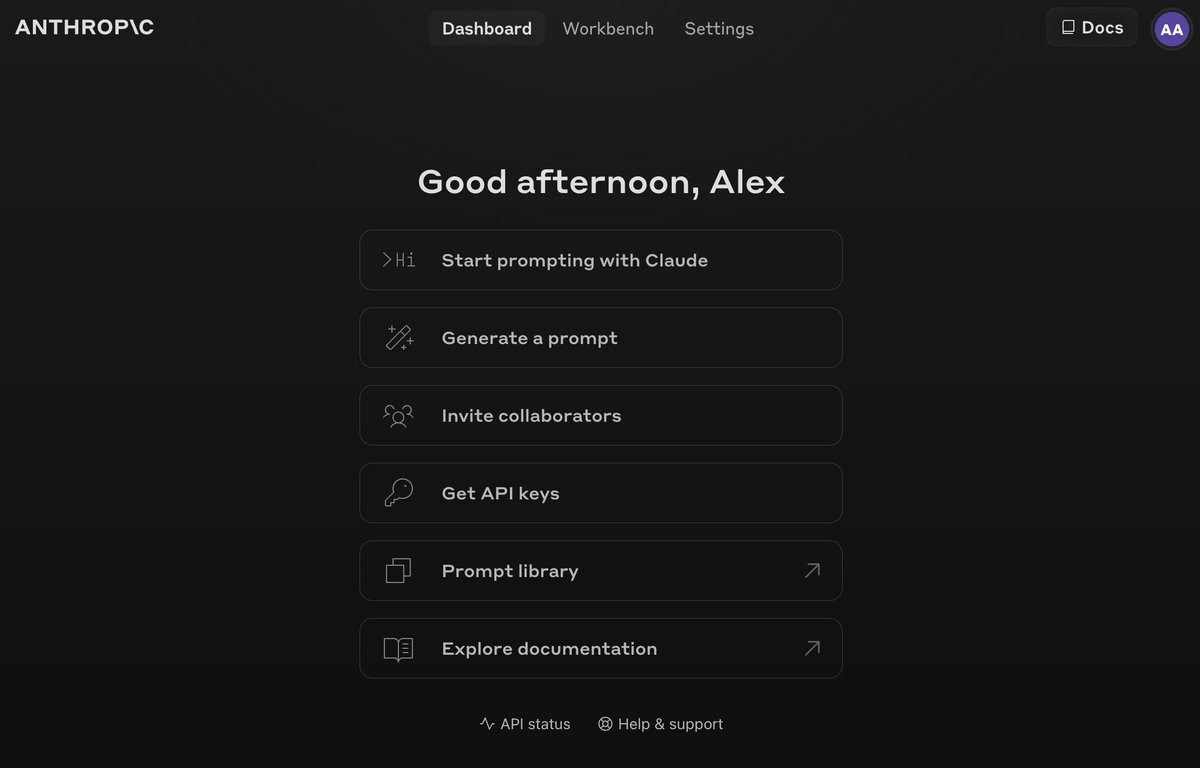
We've put a lot of work into the Anthropic Console the past few weeks and I'm excited to share the latest updates with y'all.
Turns out Claude is pretty good at prompt engineering so we've integrated Claude everywhere:
83
171
2,342
354,967
10 Jul 2024
Here's what I believe:
📌 Voices from marketing, sales and customer service are essential. Without them, we risk missing vital business use cases.
📌 While tech expertise is crucial, business acumen is equally important.
14
27 Jun 2024
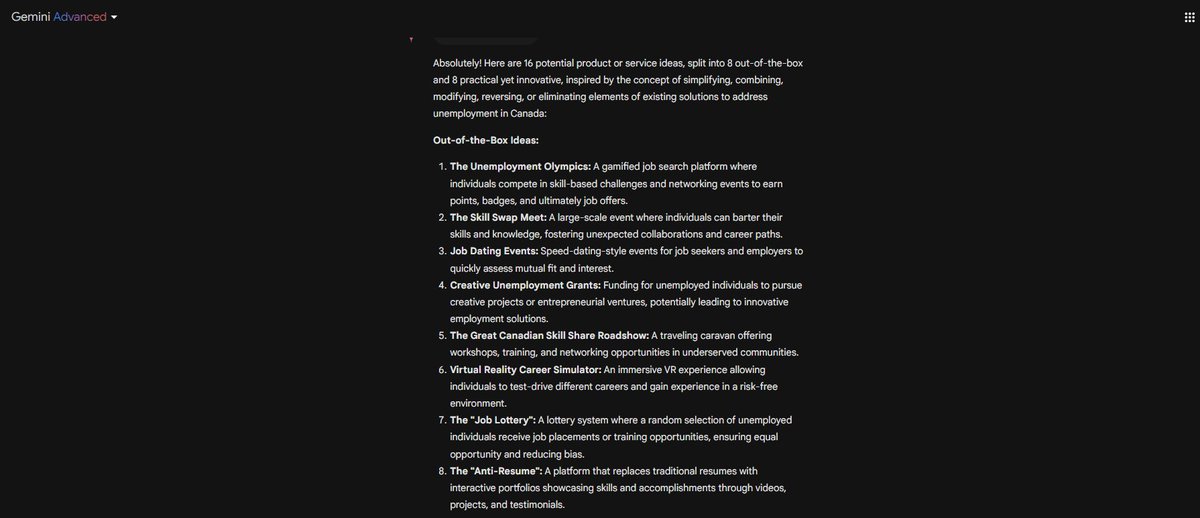
How I Used AI to Supercharge My Brainstorming.
In the fast-paced world of marketing, innovation is key to staying ahead. As a marketer always seeking an edge, I recently experimented with Generative AI to transform my brainstorming process.
2
1
26
27 Jun 2024
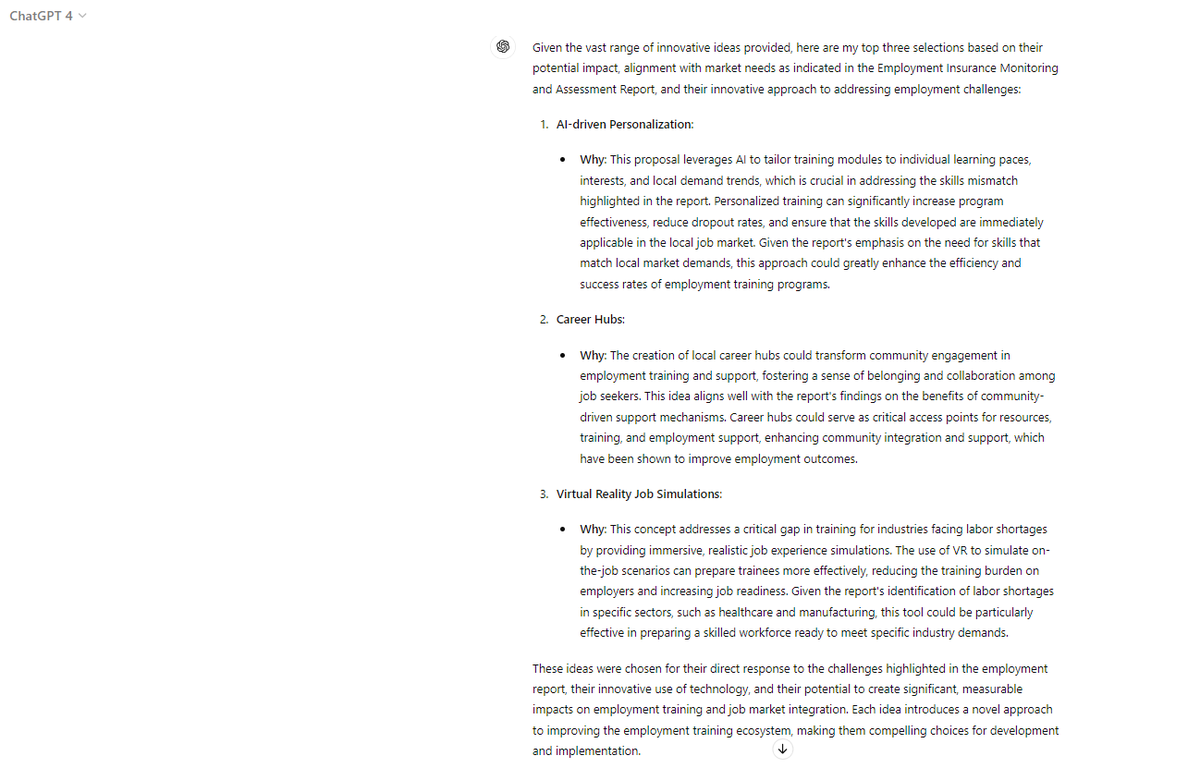
Both AIs analyzed the report and generated ideas through the structured brainstorming framework I had outlined in my prompt. ChatGPT excelled at balancing innovative thinking with attainable solutions, while Gemini offered more concise, marketing-savvy perspectives.
1
21
27 Jun 2024
I gained several valuable insights:
1. Preparation: This method will help me arrive at human brainstorming sessions better prepared and with a broader perspective.
2. Bias Mitigation: The AI's diverse viewpoints can challenge my own biases in data interpretation and ideation.
16