
Marketing Professional , Passionate about Wildlife Conservation, Travel Blogger, Foodie, Musician, Feminist
Joined September 2009
- Tweets 5,190
- Following 2,307
- Followers 491
- Likes 40,098
45 Photos and videos

Pinned Tweet

Jun 5
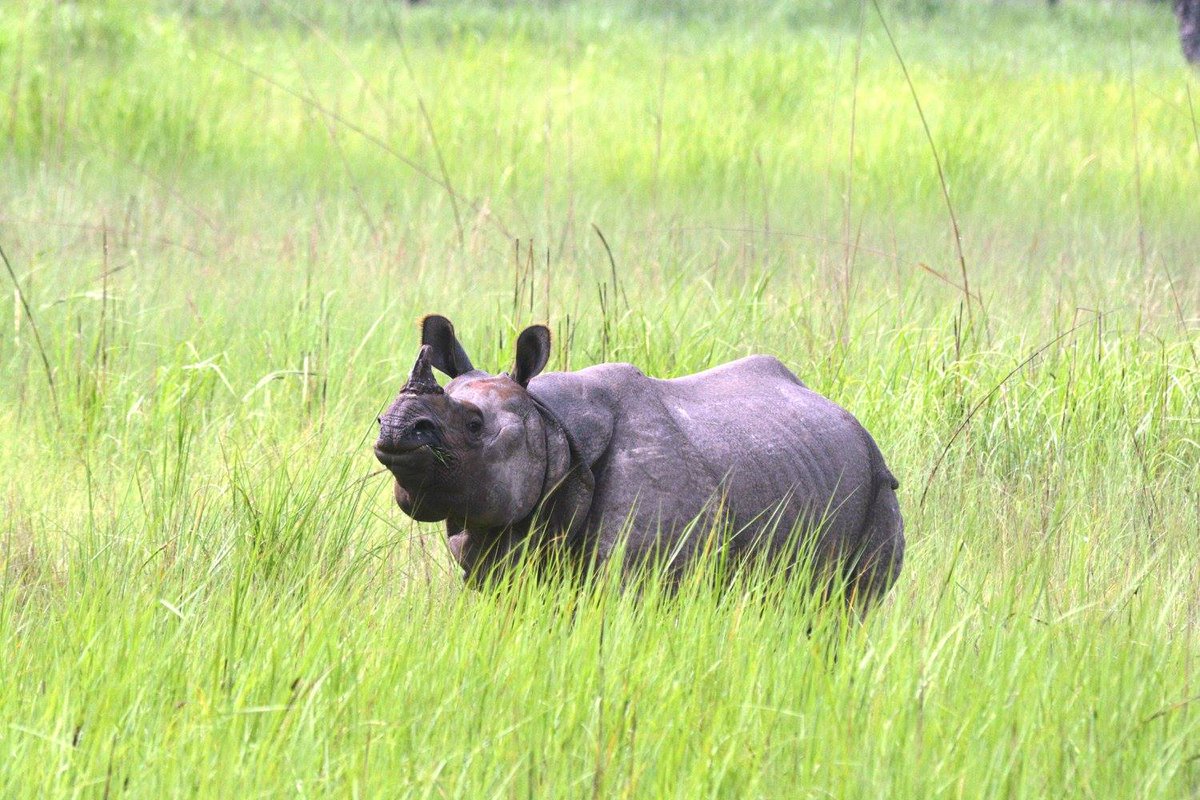
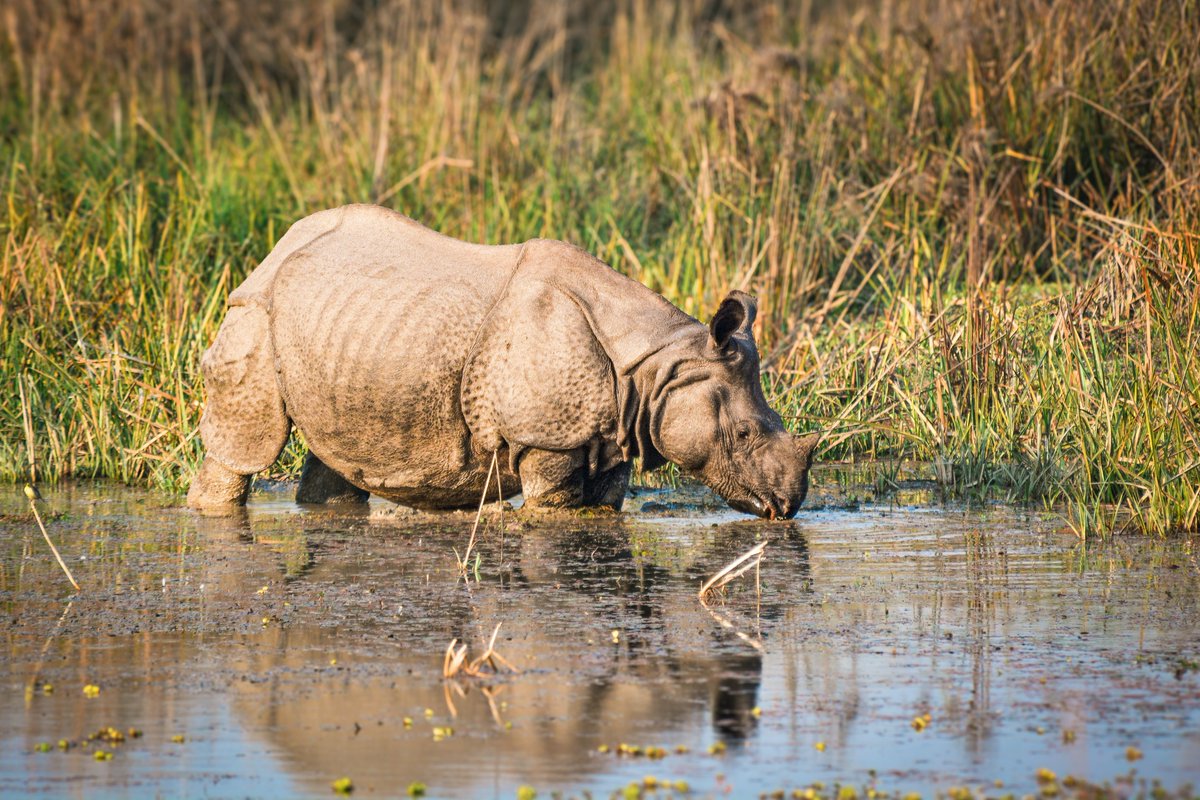
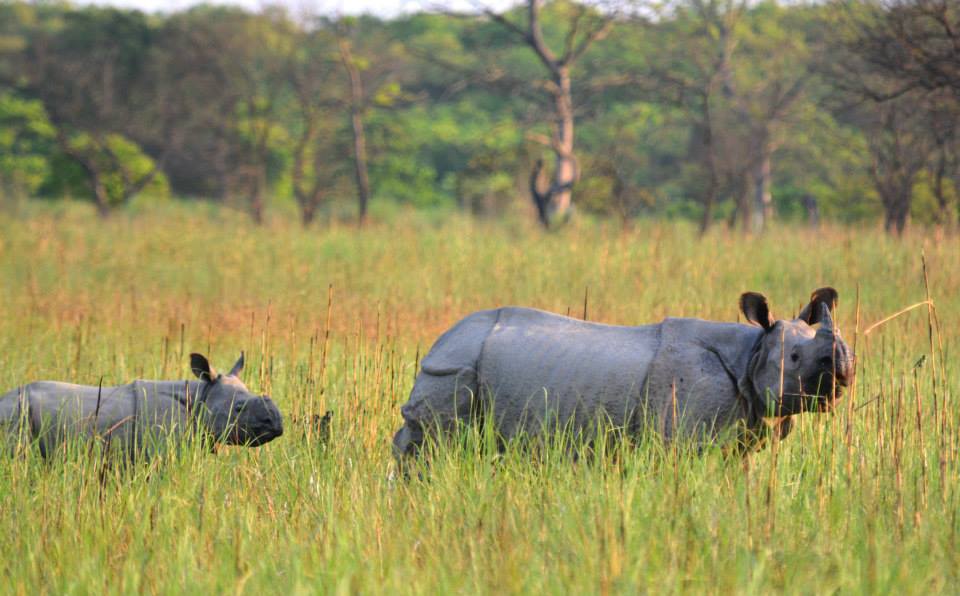
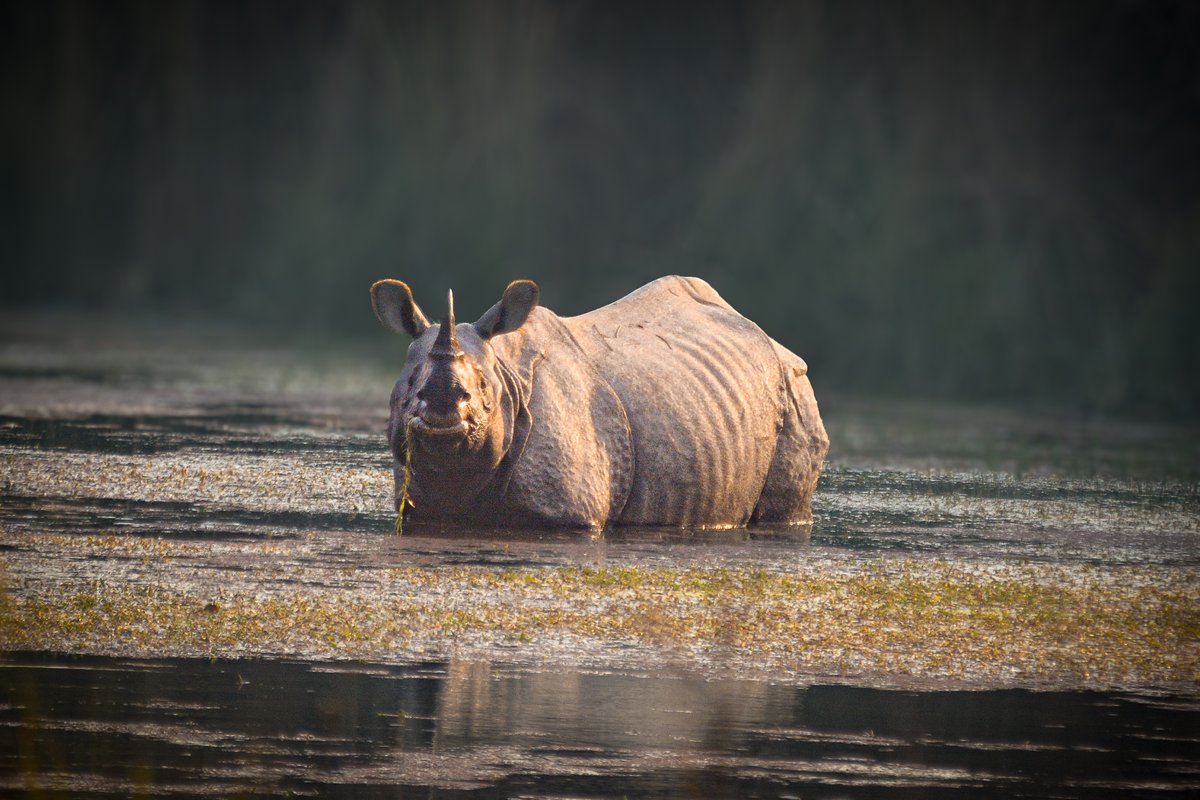
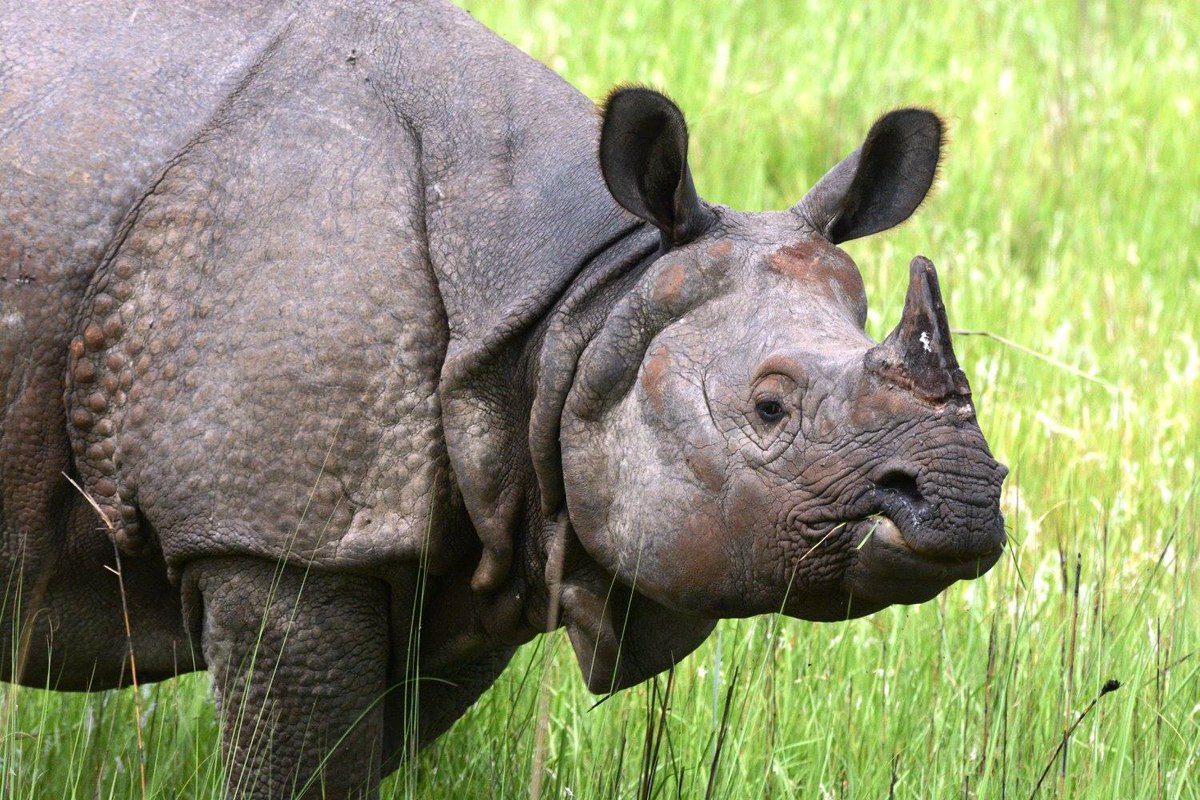
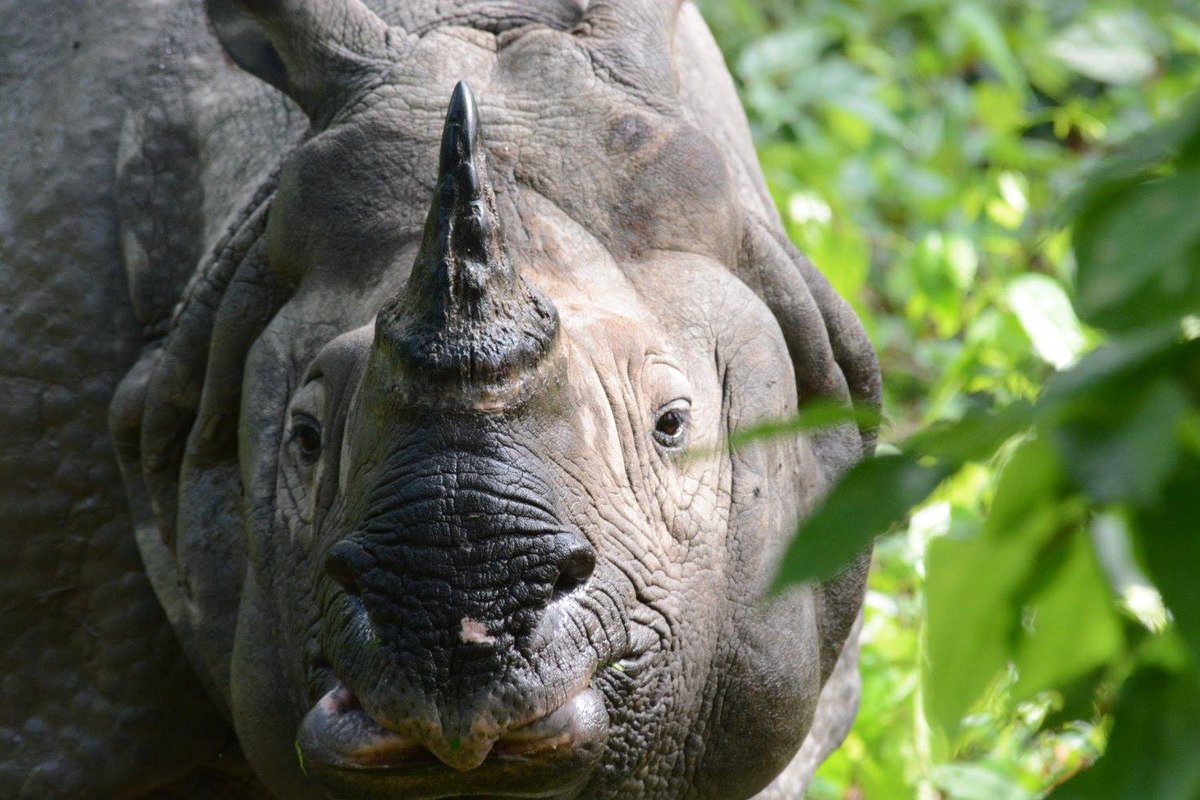
On #WorldEnvironmentDay2026, I’m sharing my article on the return of the Great Indian One-horned Rhinoceros to Dudhwa National Park.
@byadavbjp @moefcc @UpforestUp
@uptourismgov @DudhwaTR @WWFINDIA @savetherhino @IUCN @RhinosIRF #rhino #rewildling
medium.com/@ranjanshikhar/…
4
6
28
1,338
Shikhar Ranjan retweeted

Jun 12
The Kaziranga Wildlife Society (KWS) has opposed the recent approval granted to Oil India Limited (OIL) for hydrocarbon exploration in the Upper Dehing Reserve in Assam's Tinsukia district, calling for biodiversity-rich landscapes to be kept free from mining and drilling activities.
#OilIndiaLimited #DehingPatkai #assam #conservationists
nenow.in/environment/assam-c…
1
3
152
Shikhar Ranjan retweeted
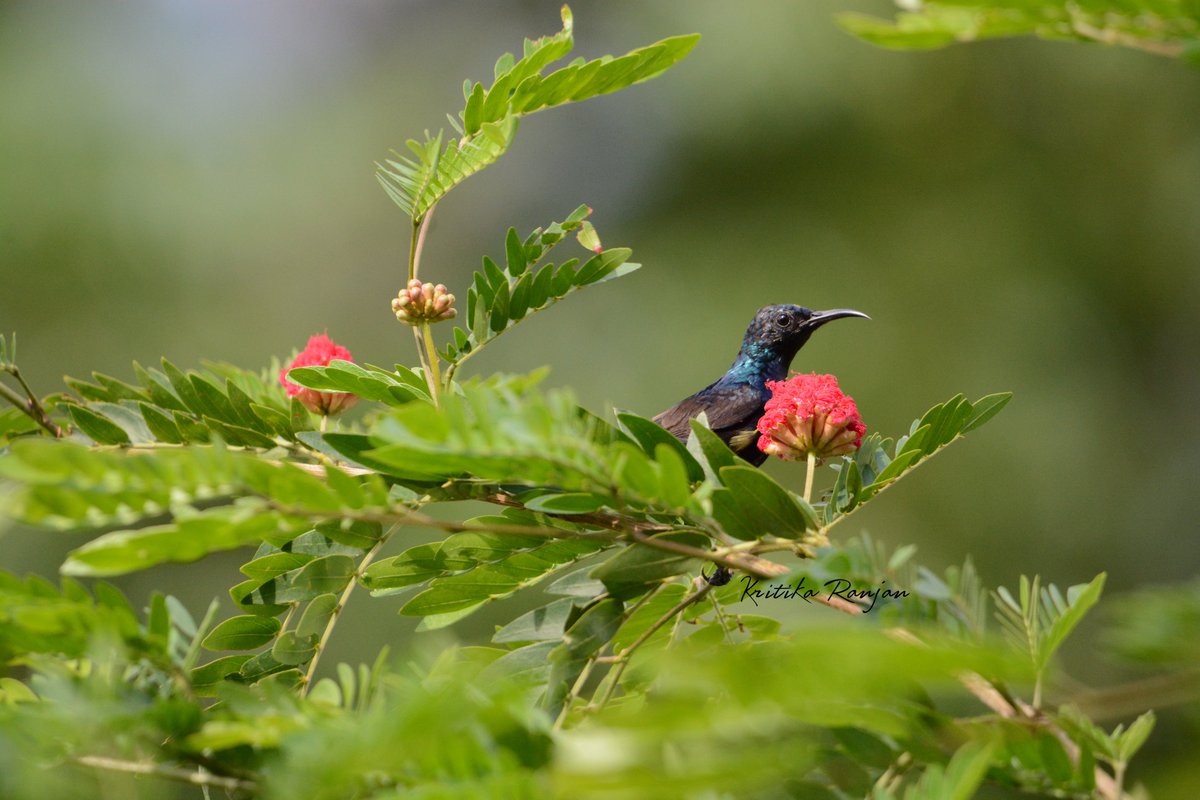
Purple Sunbird
Patkote, Uttarakhand
@IndiAves @Theme_pic_India #birdwatching #birding #birdphotography #TwitterNatureCommunity #nature #wildlife #Patkote #Uttarakhand
1
3
19
128
Shikhar Ranjan retweeted

Jun 13
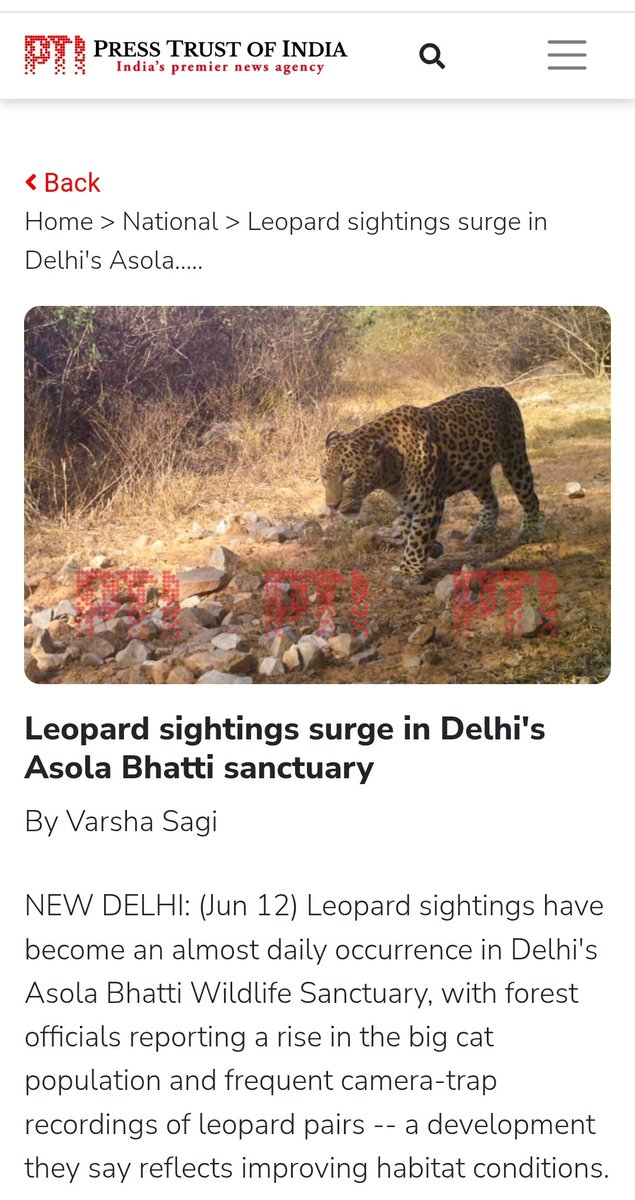
My Exclusive for @PTI_News
Daily leopard sightings and frequent camera-trap images of pairs suggest a flourishing big-cat population in Delhi's Asola Bhatti Wildlife Sanctuary.
#AsolaBhattiWildlifeSanctuary
Read the full story:
m.economictimes.com/news/ind…
.....
4
4
19
1,048
Jun 13
Loving the advent of AI driven conservation tech.
AI based tiger alert system active in Pench TR buffer zone has utilised the age old alarm calls signalling tiger movement to alert villagers via SMS & Sirens
@ntca_india @MahaForest
@PenchMP
timesofindia.indiatimes.com/…
71
Jun 13
Tigers return to Dooars: On #Worldtigerday 2 Tigers will be released in Buxa Tiger Reserve of West Bengal from Manas/Valmiki TRs.
Efforts in Habitat development and prey boosting by @ForestDeptWB and @ParveenKaswan sir have shown results.
@ntca_india
timesofindia.indiatimes.com/…
2
4
32
2,893
Jun 13
India's first 8-lane tunnel beneath a tiger reserve is set to open on the Delhi-Mumbai Expressway. A remarkable feat of engineering under Mukundra Hills Tiger Reserve. share.google/k68ppyDifbe0xM6…
1
55
Shikhar Ranjan retweeted

Jun 13
Nilgiri Tahrs are showing signs of return in Coimbatore Forest Division, with estimates rising from zero in 2024 to 26 in 2026, suggesting possible recolonisation or better survey coverage.
✍️ @wilson_thomas
trib.al/HWjoOsY
1
8
39
5,864
Shikhar Ranjan retweeted

Jun 12
Failed Plantations & Fake Promises:
A CAG report found that barely 33% of plantations in #Uttarakhand survived, exposing the myth that compensatory afforestation can replace mature forests lost to development projects. At a time when Uttarakhand has already witnessed extensive deforestation & loss of its green cover, the proposed felling of 700 more trees for the Dehradun–Kimadi–Mussoorie road expansion demands public scrutiny. Before another 700 trees are sacrificed, citizens have every right to know that if two-thirds of replacement plantations fail, who will replace the forests & green cover we are losing forever?
5
40
78
1,235
Shikhar Ranjan retweeted

A mutilated carcass of a Royal Bengal Tiger, allegedly killed by poachers, was recovered from a sandbar along Gabharu River in #Assam's Sonitpur district on Thursday, forest officials said.
#TheAssamTribune
@assamforest
assamtribune.com/assam/mutil…
1
4
6
227
Shikhar Ranjan retweeted

Jun 12
Inspite of scorching unbearable heat, non stop Tree felling happening in the Central Ridge (opp Buddha Jayanti Park, Gate 2).
Inspite of police and green helpline complaints, complete forest is being decimated.
Please don’t hesitate to stop by and complain.
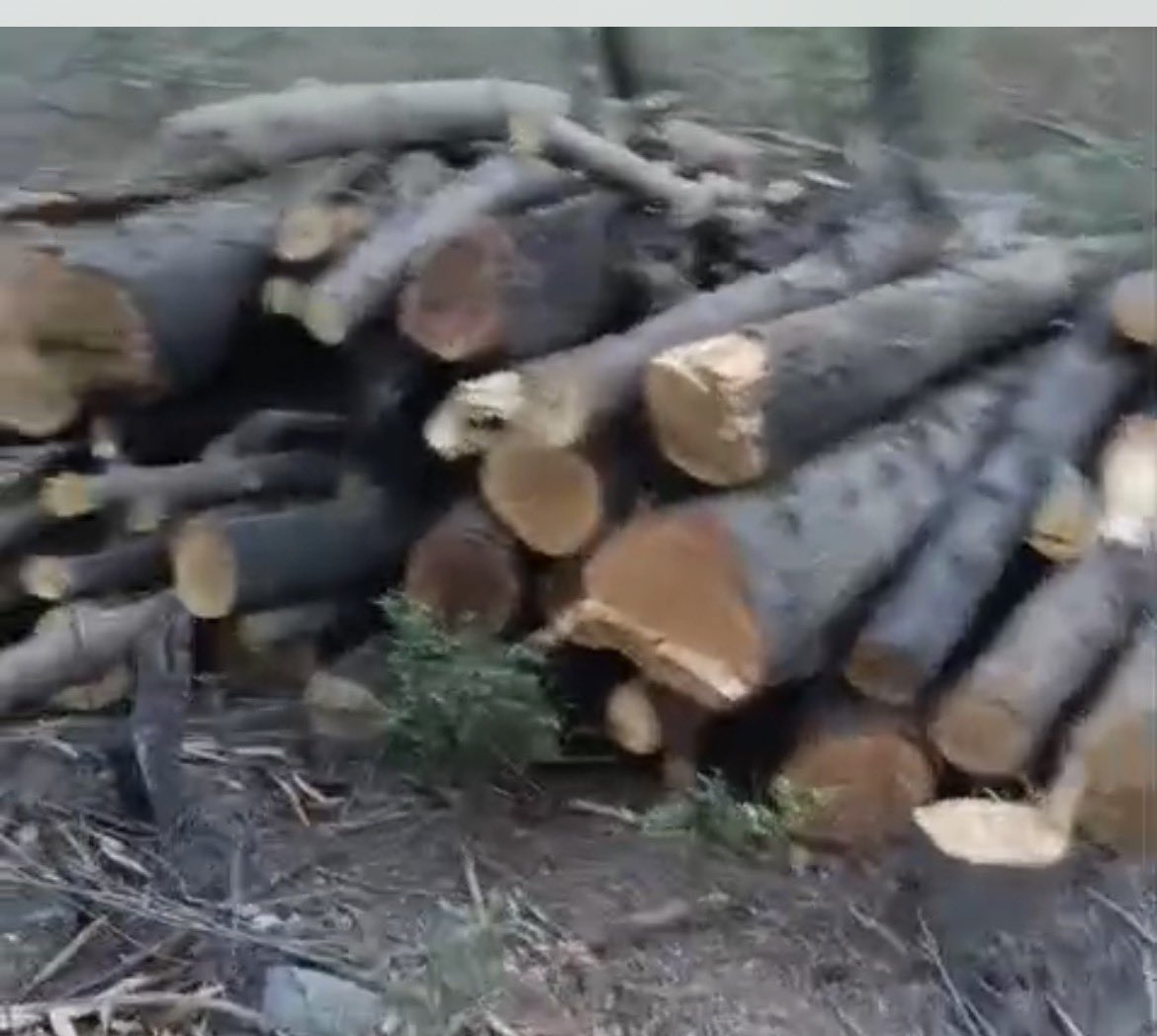
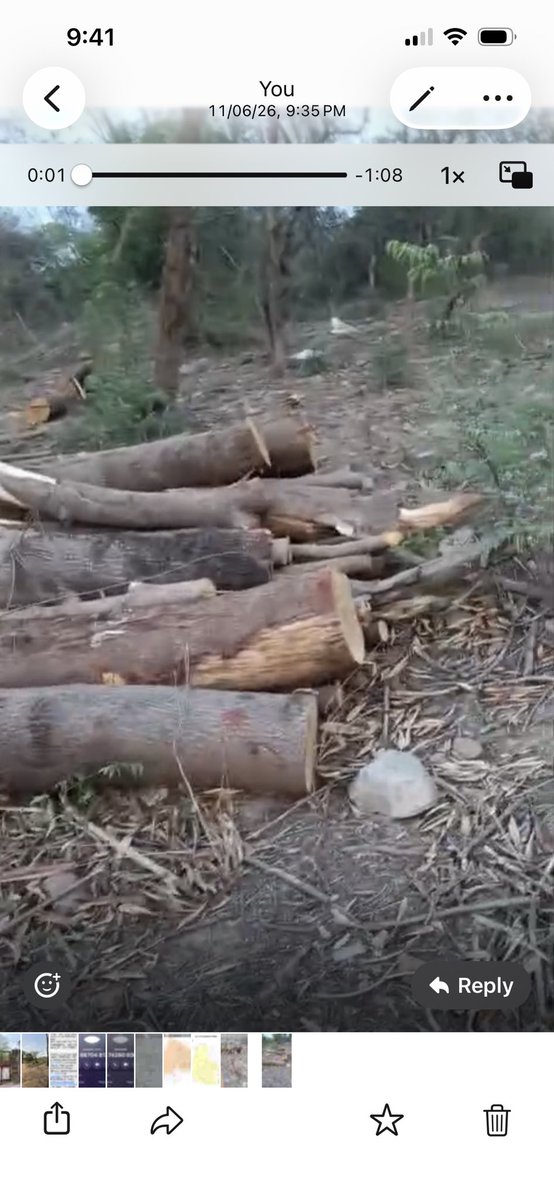

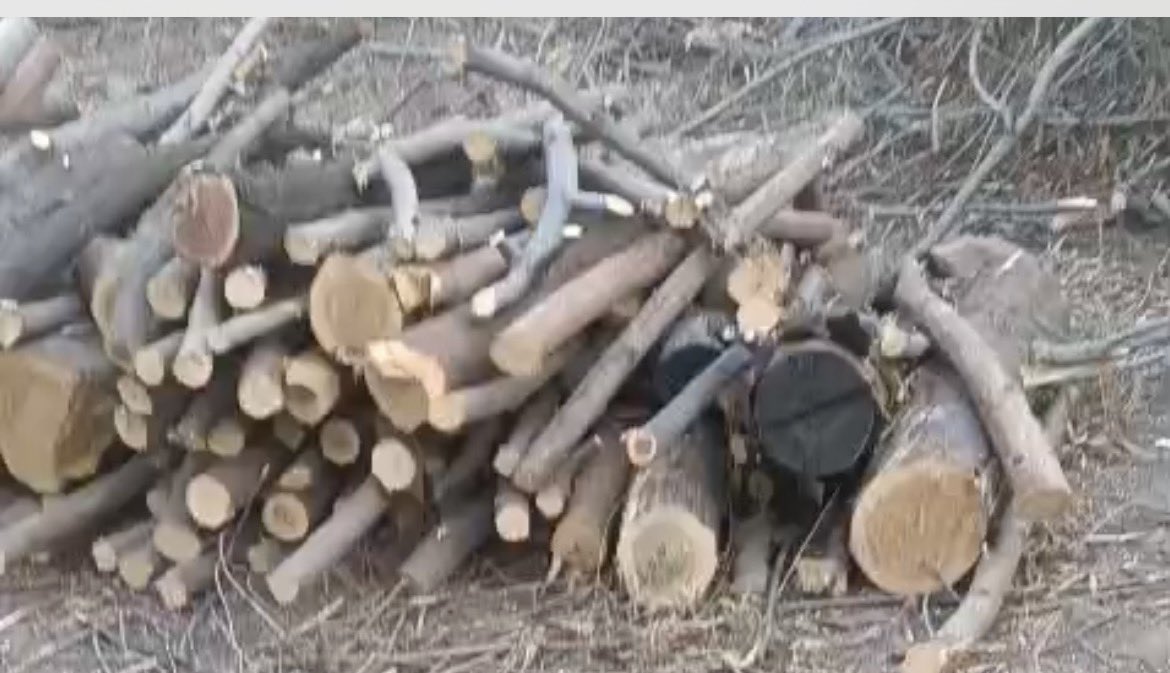

This is how heatwaves are being tackled in Delhi by felling Trees in the Central Ridge today😢
Save your future, #SaveDelhiRidge 🌳
1
33
35
4,089
Jun 12
A 17-year-old has built a smarter way to reduce human-wildlife conflict. Avi Mohan Shuklaa's AI-enabled device detects elephants & monkeys, alerts farmers & deters animals without harm
#HumanWildlifeConflict #ConservationTech @thebetterindia
thebetterindia.com/young-ach…
3
5
25
824
Shikhar Ranjan retweeted

Jun 11
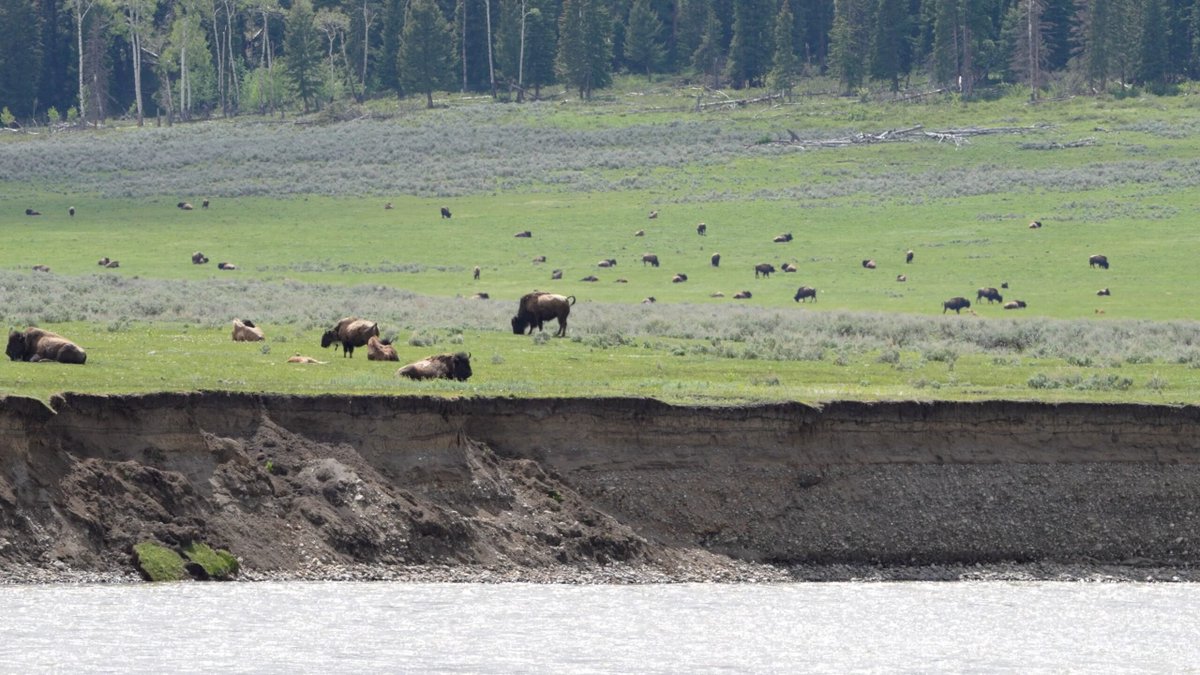
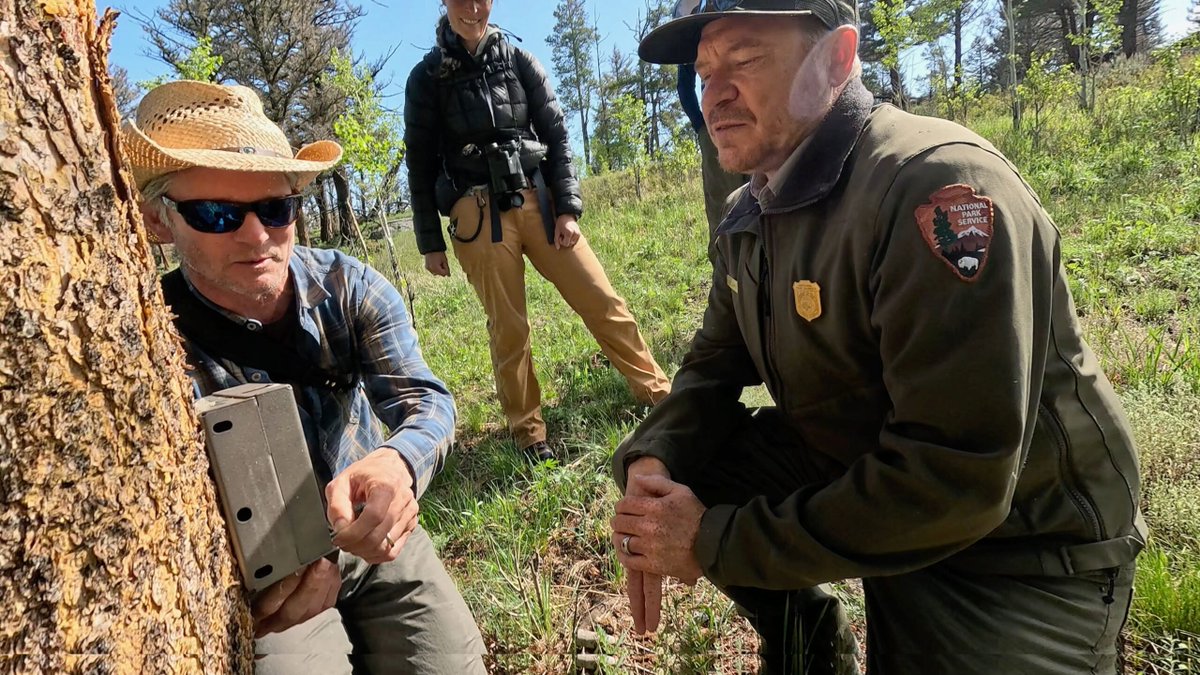
Lewis & Clark wrote of bison so thick "the whole face of the country was covered." Yellowstone's Lamar Valley still looks like that. Thousands of bison, wolves & lions. We checked trail cameras to document the recovery & diversity
rolandkays.com/yellowstone-w…
1
4
32
889
Shikhar Ranjan retweeted

Jun 11
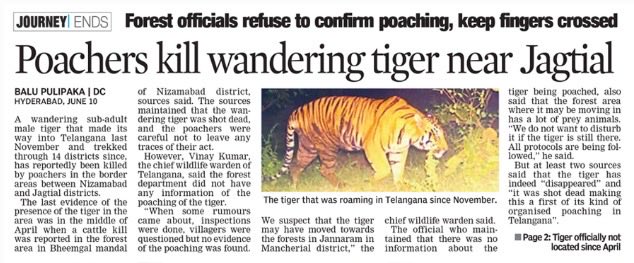
In a state where forest lands are distributed for votes.. where so called Tiger saving NGOs partner with the State to write off forest lands, where ground staff have no support.. and culprits who break Officials heads with sticks on videos are rewarded with posts and tickets.. how does a wandering tiger survive?
The day it entered #Telangana its future was doomed.
@BaluPulipaka @uday32008293
12
17
491
Shikhar Ranjan retweeted

Jun 11
2
3
8
73
Shikhar Ranjan retweeted
Jun 11
Today's photo challenge is Birds In Flight
Rufous Treepie caught mid-glide. @IndiAves @Theme_pic_India #Corbett #Bhandarpani #birdwatching #birding #birdphotography #birds #BirdsInFlight #BirdsOfTwitter #BirdsofIndia #Uttarakhand #RufousTreepie
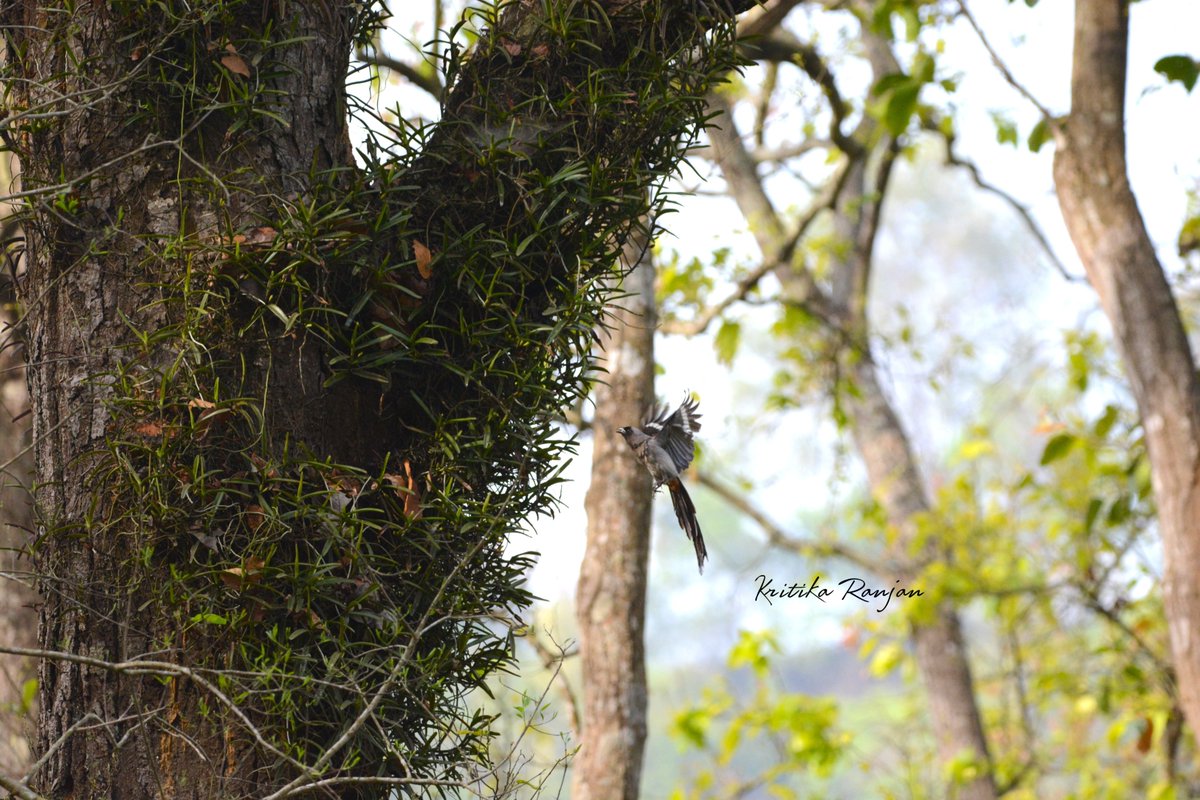

Today's Photo Challenge: BIRDS IN FLIGHT
Quote it or Share it 👇
Snow Geese in flight! Snow Geese migrate up to 3,000 miles twice a year, often flying at speeds of 50 mph and at very high altitudes.

4
4
21
567
Jun 11
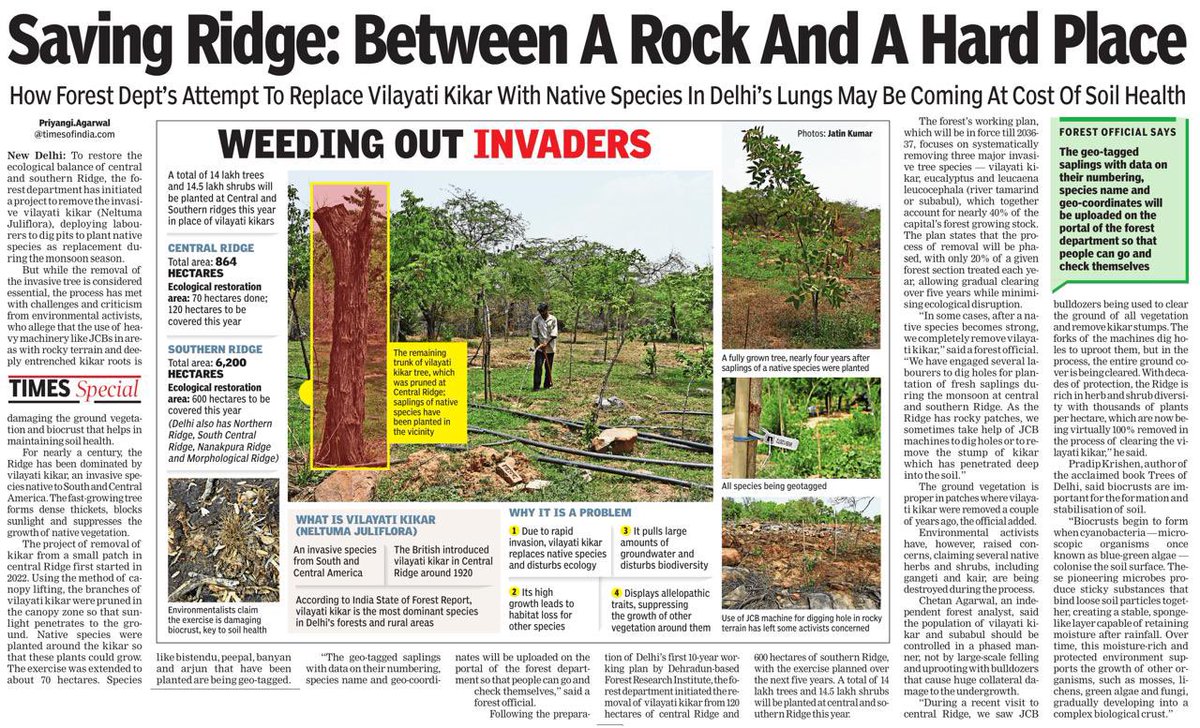
Delhi Ridge: Yes Vilayati kikar needs to be removed but through a slow manual process, letting JCBs inside the ridge will destroy the delicate biocrust of the soil formed over years. Look how @I_Am_Gurgaon did it in Aravali Biodiversity Park. #delhiridge @gupta_rekha
Jun 11
Ridge is one of Delhi's last surviving natural forests, not a space for engineering interventions. If process of removing invasive species destroys soil structure, biocrusts/native undergrowth, we may end up winning the battle against vilayati kikar while losing ecosystem itself.
1
3
88
Shikhar Ranjan retweeted

Jun 11
(Post-3 our tiger series problems)
We will cover Sariska Tiger Reserve as the next tiger reserve in our series today. This park is the last tiger habitat in the Aravali Mountain range. It is an isolated forest with an average tiger density. The park faces numerous problems, primarily due to its unique geographic location. From a mountain range perspective, this park is even more beautiful and densely forested than Ranthambore. However, the surrounding plains are equally disturbed and fragmented.
The main problems of this park, which the administration must address in a phased manner, are as follows:
1. (Unique Problem) There are two major religious sites inside the park: the first is the Pandupol Hanuman Ji Temple, and the second is the Bhairav (Bhrathri) Temple of the Gorakhnath sect. Especially at the Bhairav Temple, thousands of devotees from the sect visit daily for darshan and leave behind polythene bags and other garbage in the forest. Shockingly, both these sites are located in the heart of the park’s core jungle. Sambhar deer, Hanuman langurs, and other wildlife are consuming thousands of kilograms of this plastic waste and sugar-rich products, falling victim to various diseases.
2. A state highway passes through the middle of this jungle, serving as the only shortcut connecting the state capital to Alwar. Heavy vehicles continue to ply on it until 6 PM.
3. The most common issue is illegal mining, but the most critical problem here is the mining lobby’s deep influence in the government. Under pressure from this lobby, the government is intent on denotifying important parts of the tiger reserve (where tigers currently reside) to convert them into revenue land. The local MP and the Union Environment Minister have remained mute spectators, or their silence may even amount to tacit support for this unreasonable move.
4. Inbreeding among tigers here has reached its peak. Most tigers belong to the T-16 Machli family lineage, which could negatively impact the future breeding capacity of these fast-breeding carnivores.
5. In the plains, domestic livestock have severely degraded the grasslands, which has deeply affected the breeding capacity of wild herbivores.
6. In terms of human interference, this park is a textbook example of a tiger reserve with perhaps the highest level of human intervention.
7. The delay in notifying Jamwa Ramgarh and Viratnagar Sanctuaries as part of the tiger reserve’s core area is also a matter of serious concern. Even now, 1-2 male tigers continue to live in these forests.
8. Despite villagers causing damage to administrative staff and personnel, the silence of the authorities will once again create a crisis for the survival of tigers in the future. Some parts of this area also connect to the Mewat region, which is a highly sensitive zone for wildlife survival.
It is a matter of great surprise that both the Union Environment Minister and the State Environment Minister belong to Alwar. If they cannot secure their own home, then expecting them to protect another home would be our naivety. #bigcatprotection #sariskatigerreserve #tigerisland #ranthambhoretigerreserve #rajasthanforest #wildlifeawareness
Yuvraj tiger ST-21 at Sariska
5
13
43
1,285
Shikhar Ranjan retweeted

Jun 10
Wildlife experts write to Gujarat govt, flag threats to Asiatic lions in Gir
hindustantimes.com/india-new…
2
4
16
997
Shikhar Ranjan retweeted

“जलधारा”
“जलधारा” जोजरीनदी में केमिकल से मरते हिरणों के संरक्षण का एक प्रयास।
अपने एक प्रयास को हमने अपने इस डाक्यूमेंट्री के जरिये आप सभी तक पहुँचाने का प्रयास किया है जरूर देखें।
हम माननीय सुप्रीम कोर्ट से निवेदन करते हैं कि इस नदी को पूर्णतः जहर मुक्त कराने तक निरंतर निर्देश ओर आदेश पारित करावें।
सरकार से अनुरोध करते हैं कि इस सुंदर वन्यजीव बाहुल्य क्षेत्र को वन्यजीव संरक्षण क्षेत्र का दर्जा दें क्या ये वन्यजीव अभयारण्य के लिए पर्याप्त नहीं है।@JodhpurDm @ForestRajasthan @Sanjay4India1 @moefcc @KVSinghMPGonda @BhajanlalBjp @JogarampatelMLA @gssjodhpur
8
118
479
5,224
Shikhar Ranjan retweeted

Jun 10
Buddha jayanti park in north delhi - this summer is delhi not bad enough so why not just CUT some trees.
@NDNS_HQ @DelhiPolice @gupta_rekha @NimishaBhagat3
15
23
2,292