
Forward Deployed Editor. Proprietor of whatay.com. Talk to me: cal.com/sidin/id-n-w-sidin Writer of things. Do not kill civilians.
Joined May 2007
- Tweets 226,404
- Following 4,480
- Followers 223,862
- Likes 26,030
3,680 Photos and videos









Pinned Tweet

5 Nov 2025
Why so many Founders hate their website... and the Holiday Margherita Pizza Problem
It’s been four weeks since I set up SIDIN, my one-person comms design firm for early-stage companies. And since going public, things have been… hectic. I’ve spoken to dozens of founders, pitched for lots of projects, and booked half a dozen paying customers. All over the world! Not bad! Touch wood. (Thank you to everyone in my network, especially investors, who’ve connected me with potential clients.)
I like speaking to founders. Sometimes, amidst all the hype and hoopla, it’s easy to forget that most founders are placing ultra-high risk life bets on ultra-low probability business outcomes. It takes a special type to do this with sincerity. And I like talking to sincere people.
And as Founders open up to me, I can see interesting patterns in the problems they have with company story. (And other broader non-story problems also.)
Let's talk about one pattern today.
Time and time again I meet Founders who really dislike their business website. And it’s not just people who’ve had a design for many years. Often I meet Founders who’ve JUST completed a redesign and still hate it. And at least once a week I meet a founder who has relaunched their website six times in as many years. All with negligible impact on business.
Why does this happen?
Well, founders love optimizing for channels. It’s very addictive.
“I have a kick ass new way of posting on LinkedIn!”
“I have an amazing new hack to post on Twitter!”
“I am going to ripoff the Linear webpage for my SaaS thing!”
Sadly, this is often the wrong way to go about it.
Let me explain with an analogy. Redesigning your website before you design your story, is like optimising for the cover of your book, and the social media marketing plan, and the retail plan, and the book website… all before you’ve actually written the book.
All of those things are actually fun to do... but you have to write the book friend!
Do not optimise for distribution before you’ve optimised for what you’re distributing.
When "website" comes up on a call I usually ask founders how they went about making their latest iteration. And most of the time the say something along the lines of: “We hired an agency…”
So what ends up happening? The agency asks you a bunch of questions. Maybe you write a bunch of documents. The agency makes a few mocks. And suddenly you’re hunched over Figma arguing over fonts, colours, motion graphics etc.
In fact, you spend days sweating over the design details… when you’ve spent no more than an afternoon thinking of the actual content.
The agency, of course, follows your instructions. Your new website is ready. And you immediately know you’ve just spent a ton of money without actually telling your story well.
The problem only gets worse if you have multiple opinionated founders. In the effort to please everyone’s choices—usually about trivial things—you end up with what I like to call the “Holiday Margherita Pizza Website”.
This is the scenario: You’re on holiday with friends and family. It’s dinner time. There is no consensus choice for dinner, so you end up going to a boring ass Italian restaurant, and ordering the most boring ass pizza.
Increasingly, I see a tell when Founders have been through this: Companies that ship weak websites almost inevitably end up having pitch decks that tell the story wayyyyy better. Because the pitch decks are often a reaction to the website.
So what should you do when you're making your website? I am glad you asked.
1. Write down what sucked about the old one. And be brutal. And promise to never make the same mistakes again.
2. Write down your story. I could tell you the framework I use to do this with my clients. But that would not be good for business.
3. Everyone must agree on the story in black and white, before a single Figma thing happens. I use Workflowy to create a simple bulleted outline of the story. (Bulleted lists are the greatest form of compact storytelling.)
4. Take this to your agency as the actual problem: here's our story, these are the chapters, this is what we want to convey. Show us how you'd design this as a website.
5. Every single time you review any output, check for story fidelity before anything else. (Because a bad website with a clear story will have a better chance of succeeding than a great website with a banal story.)
6. Pro-tip? Simultaneously make a pitch deck for sales. Or for investors. Or for new hires. See if your website tracks them closely.
7. Want an even better litmus test? Once you have a website that is close to complete... try and pitch your business using only the website. Do a mock pitch at work. Really. Go for it. Can you pitch your business to a customer/investor/talent using just your website? If you can't talk an audience through it, there is no way the website can do it without you around.
And voila. You now have a website that tells the story you want to tell. That actually pulls weight. And that you don’t immediately hate afterwards. And now you iterate.
I hope that helps! Thank you for your reading. Next time we talk about why early-stage companies can be handicapped by emotional memories.
BTW I'd love to chat with you Founders about your company story. Link in bio for a relaxed, pitch-free conversation.
2
6
47
54,892
Reupping. If you need any help that I can provide let me know. I can help with some things. But know a lot of good faith people who are good at many things. Best response to all this nonsense is to just go and build.
Jun 13

Look if you’re doing anything to build sovereign AI anything whatever in India and need help with anything from comms to ops to bad jokes and whatever in between just ping me.
Less talk, more work is the way.
And I am here for you friend.
1
3
1,312
I would request you all to ignore inputs and discourse involving people who can’t and people who won’t. It’s hard enough to build when you’re surrounded by supporters. Why make it harder by subjecting yourself to drive-by-analysis?
3
769
www.sidin.co retweeted

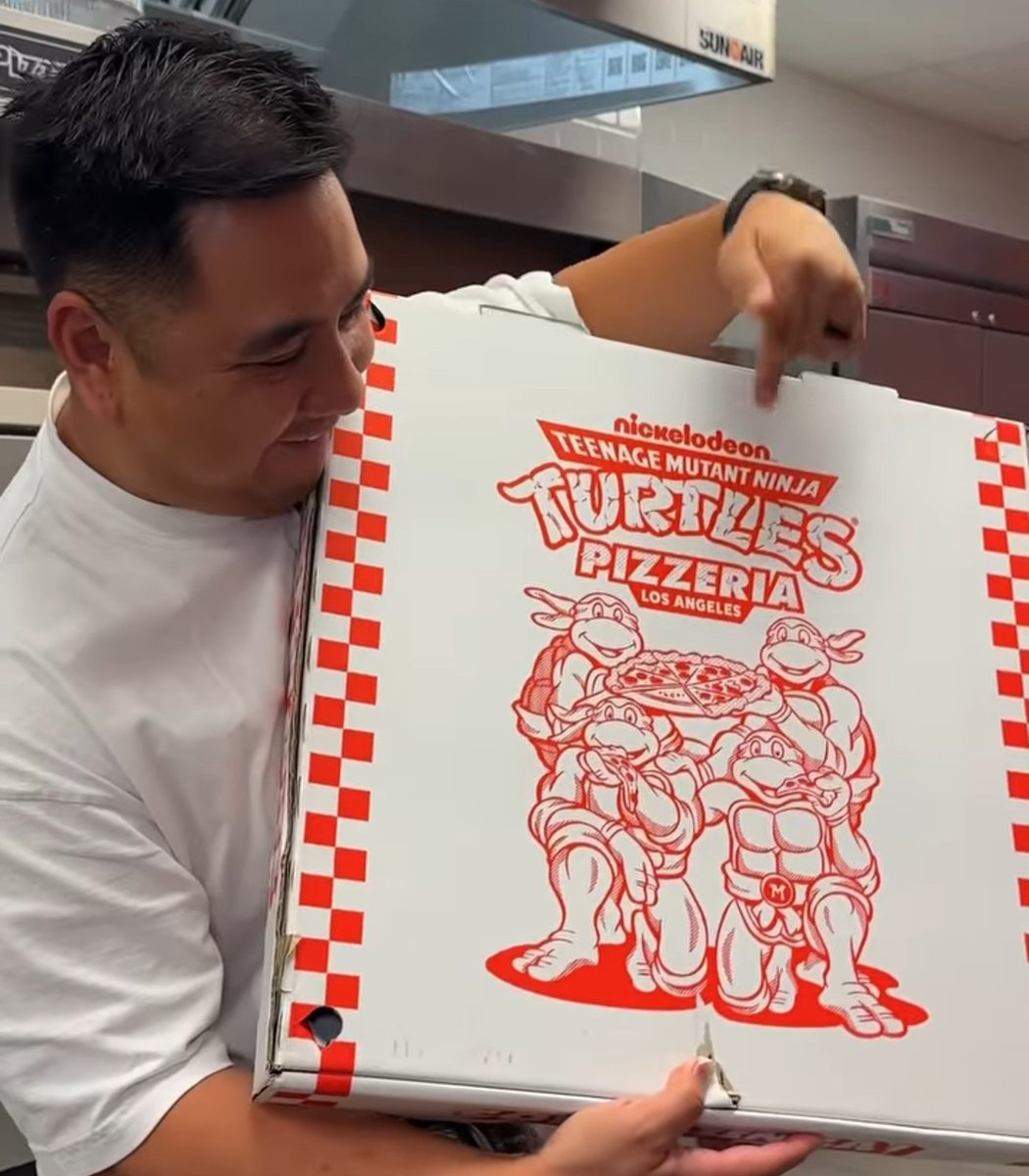
Disgusting. Hope the place burns down.

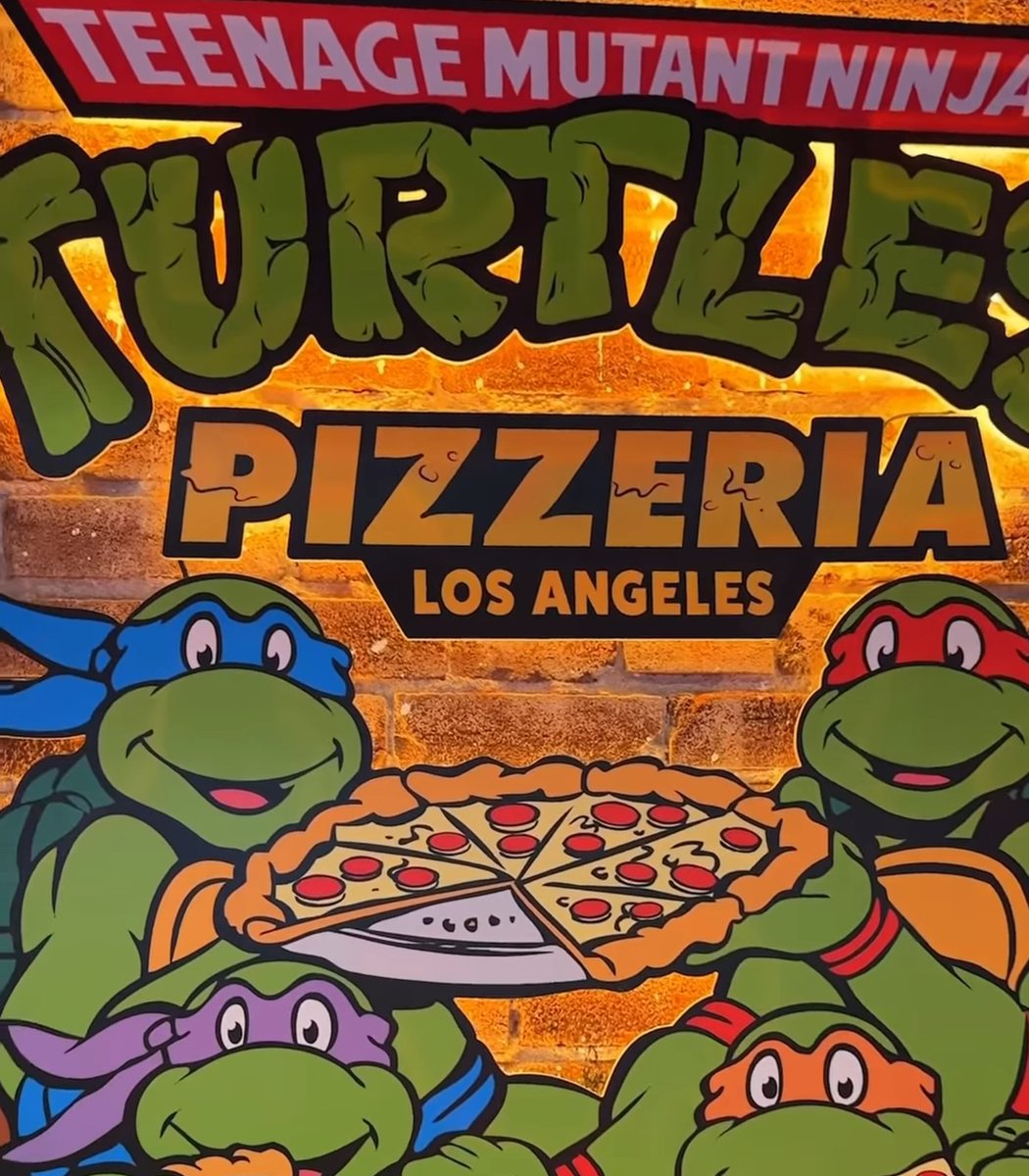
The world's first official Teenage Mutant Ninja Turtles pizzeria with staff dressed as ninjas is opening in California
The restaurant is currently holding trial runs ahead of its June 20 grand opening
163
3,026
65,710
3,812,203
www.sidin.co retweeted

Jun 13
US policy is becoming clear. They don’t want natural intelligence coming in or artificial intelligence going out.
46
377
2,938
116,339
13h
You know what is a fantastic name for a fictional private investigator?
Hydration Break.
1
1,250
13h
Moroccan fellows just pinging the ball about so quickly. Very enjoyable first half. But I would like to sleep.
1
1,256
20h
They’re sending Fable back to US from the Anthropic London office.

Extremely low flying plane with 2 fighter jet escort flying over London now - never seen anything like this before what's going?

1
10
2,672
21h
Solving for world-class talent is not just “one salary”. It is salary, plus spousal jobs, plus children’s schooling, plus housing plus facilities.
Talent is a “salary” problem only if you’re thinking of young bachelors.
2
19
1,966
23h
Guys go for it.
Jun 13

Looking for a team of 10-12 cracked researchers & engineers to build a new AI Lab in India.
Funding and compute secured.
DMs open.
2
10
6,339
23h
Meta is such a funny company. You have Meta AI in WhatsApp. But you cant send it voice notes? Why not? Pfft.
3
8
2,264
Jun 13
This is very useful if you want to convert normal T-shirts into banians.

6
2,863
Jun 13
Oh I am serious by the way. (I am very serious between 1-2 times every day.)
Jun 13
Look if you’re doing anything to build sovereign AI anything whatever in India and need help with anything from comms to ops to bad jokes and whatever in between just ping me.
Less talk, more work is the way.
And I am here for you friend.
3
1,855
Jun 13
Look if you’re doing anything to build sovereign AI anything whatever in India and need help with anything from comms to ops to bad jokes and whatever in between just ping me.
Less talk, more work is the way.
And I am here for you friend.
8
2
41
6,783
www.sidin.co retweeted

Jun 13
We have a Fable 5 in India.
It's called Panchatantra.
45
137
1,716
55,332
Jun 13
Token output arbitrage could be the new labour price arbitrage from an Indian perspective.
2
4
1,434
Jun 13
The “news” is the easiest and worst way to encounter fellow citizens.
5
1,153
Jun 12
Welcome to the World Cup ladies and gentlemen. We are minutes away from Canada and Bosnia-Herzegovina kicking off in Toronto.
Fun fact: The City of Toronto and the nation of Bosnia and Herzegovina have almost exactly the same population.
1
1
13
1,733