fighting for #justice and #humanrights, being a voice to voiceless and oppressed. silencedturkey.org/donatenow facebook.com/silencedturkey
Joined February 2017
- Tweets 15,572
- Following 544
- Followers 19,962
- Likes 4,623
3,367 Photos and videos
Pinned Tweet

1 Aug 2025
AST’s documentary “Metamorphosis” continues its journey across global platforms—earning awards and telling the story of women who, against all odds, keep teaching, learning, and standing tall.
🎖️Gothamite Monthly Film Awards – Best Documentary
This New York–based festival honored Metamorphosis with the “Best Documentary” award.
This recognition also brings the opportunity for a live screening in New York City in 2024.
⸻
🎖️Cannes World Film Festival – Best Woman Film
A prestigious, IMDb-recognized festival that highlights impactful global narratives.
⸻
🎖️ Amsterdam New Cinema Film Festival – Best Documentary (1st Place)
A platform celebrating independent cinema and diverse voices.
⸻
🎖️ Touchstone Independent Film Festival – Honorable Mention
Recognized by IMDb, this festival promotes powerful short and feature-length independent films worldwide.
⸻
🎖️ Hıff HALO International Film Festival – Honorable Mention
youtu.be/FvpaHcTGtyM?si=2E21…
3
20
30
4,308
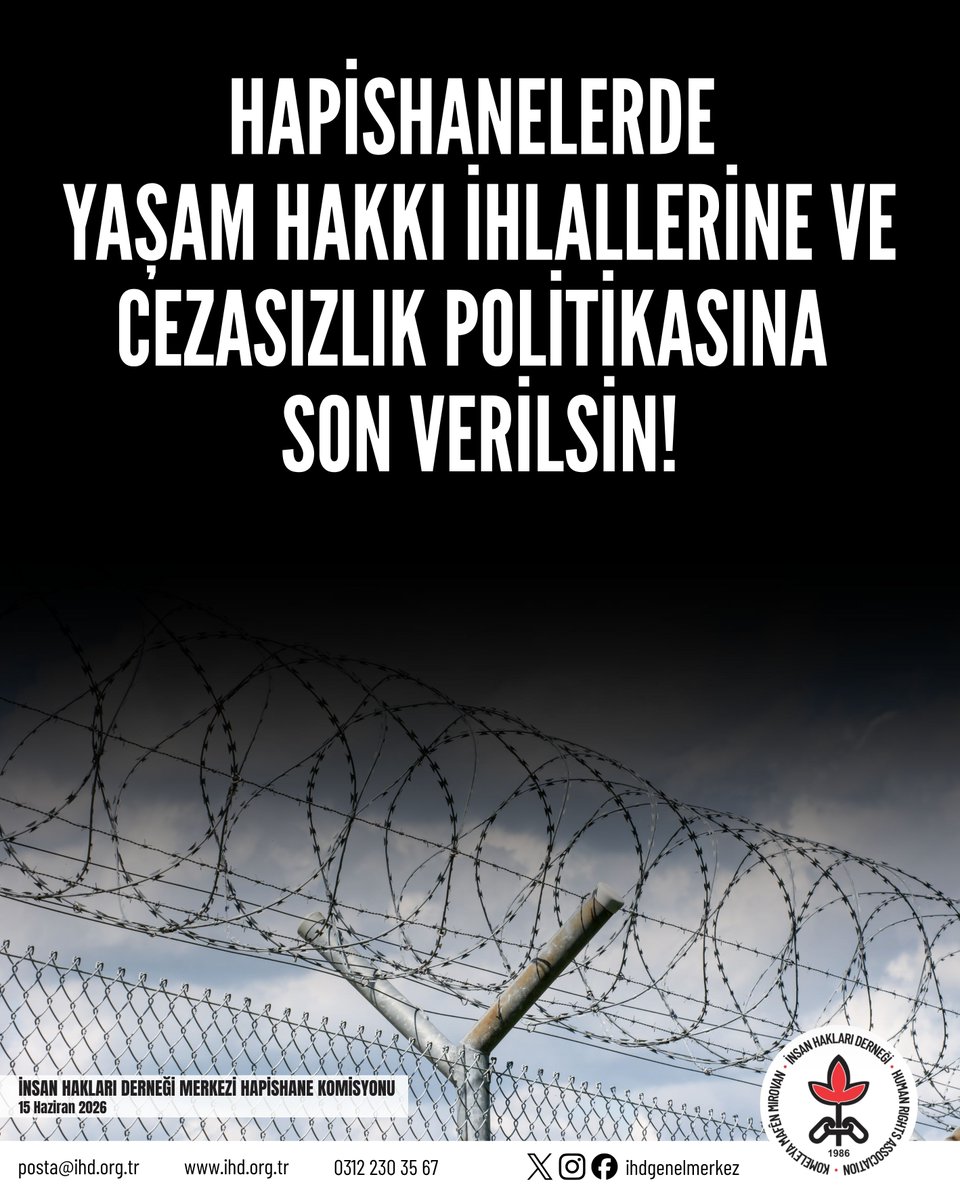
Many elderly prisoners rely on fellow inmates for basic needs such as eating, walking, dressing, and taking medication. International human rights standards recognize that detention conditions must respect human dignity. For some elderly prisoners, continued incarceration may be incompatible with that principle.
World Elder Abuse Awareness Day #Türkiye
@ihdgenelmerkez
ihd.org.tr/wp-content/upload…
8
5
80
According to @ihdgenelmerkez report, #Türkiye currently holds 6,285 prisoners aged 65 and older. Aging behind bars often means facing illness, disability, and dependency in an environment not designed for elder care. Many elderly prisoners suffer from Parkinson's disease, heart conditions, cancer, stroke-related disabilities, and other chronic illnesses.
World Elder Abuse Awareness Day #Türkiye
ihd.org.tr/marmara-bolgesi-h…
#KHKlıÇözümİstiyor
1
5
3
144
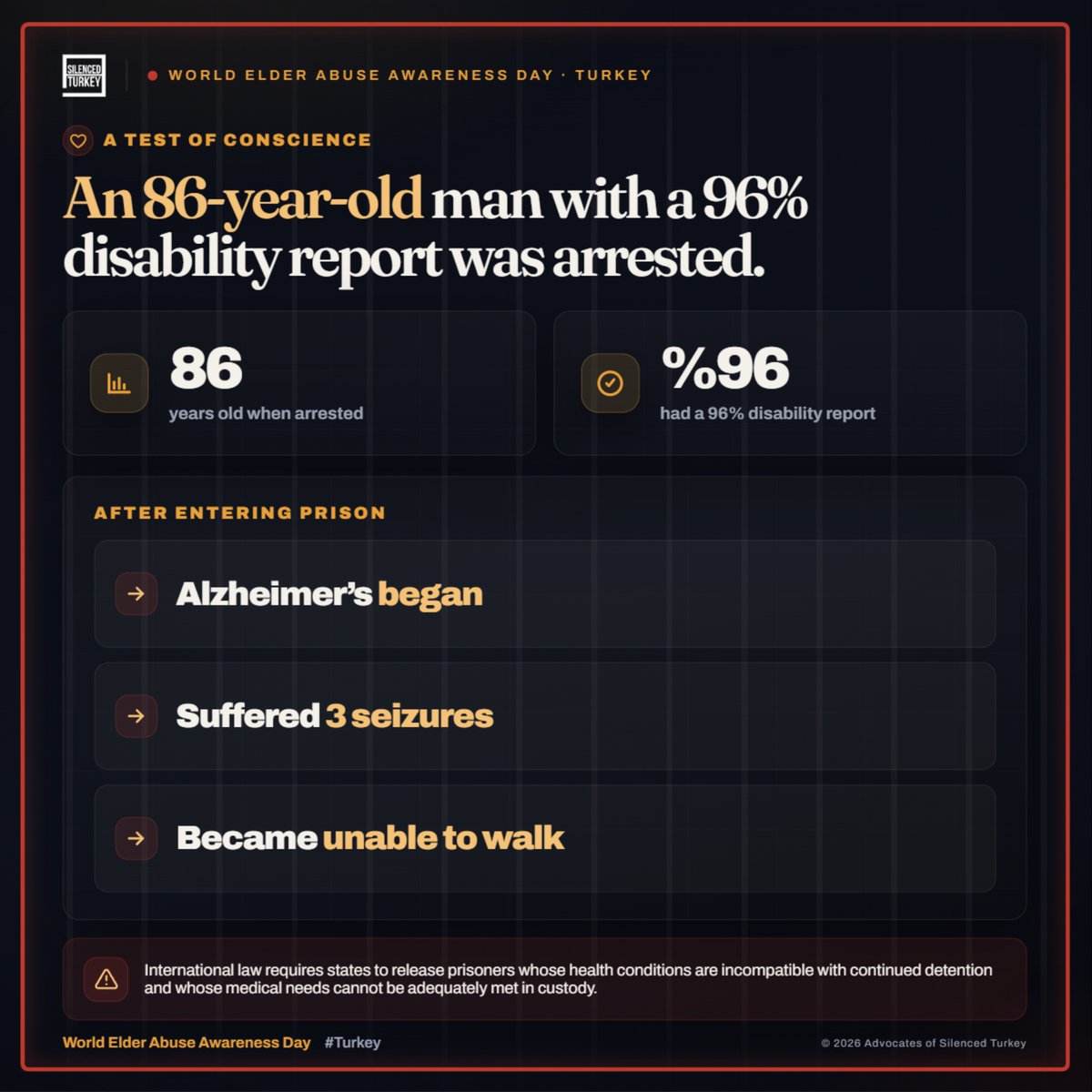
An 86-year-old man with a certified 96% disability was imprisoned.
Remaining imprisoned, he;
→ developed Alzheimer’s disease
→ suffered three medical crises
→ lost the ability to walk
International law requires states to release prisoners whose health conditions are incompatible with continued detention and whose medical needs cannot be adequately met in custody.
World Elder Abuse Awareness Day #Türkiye
#KHKlıÇözümİstiyor
silencedturkey.org/reports/i…
9
6
104
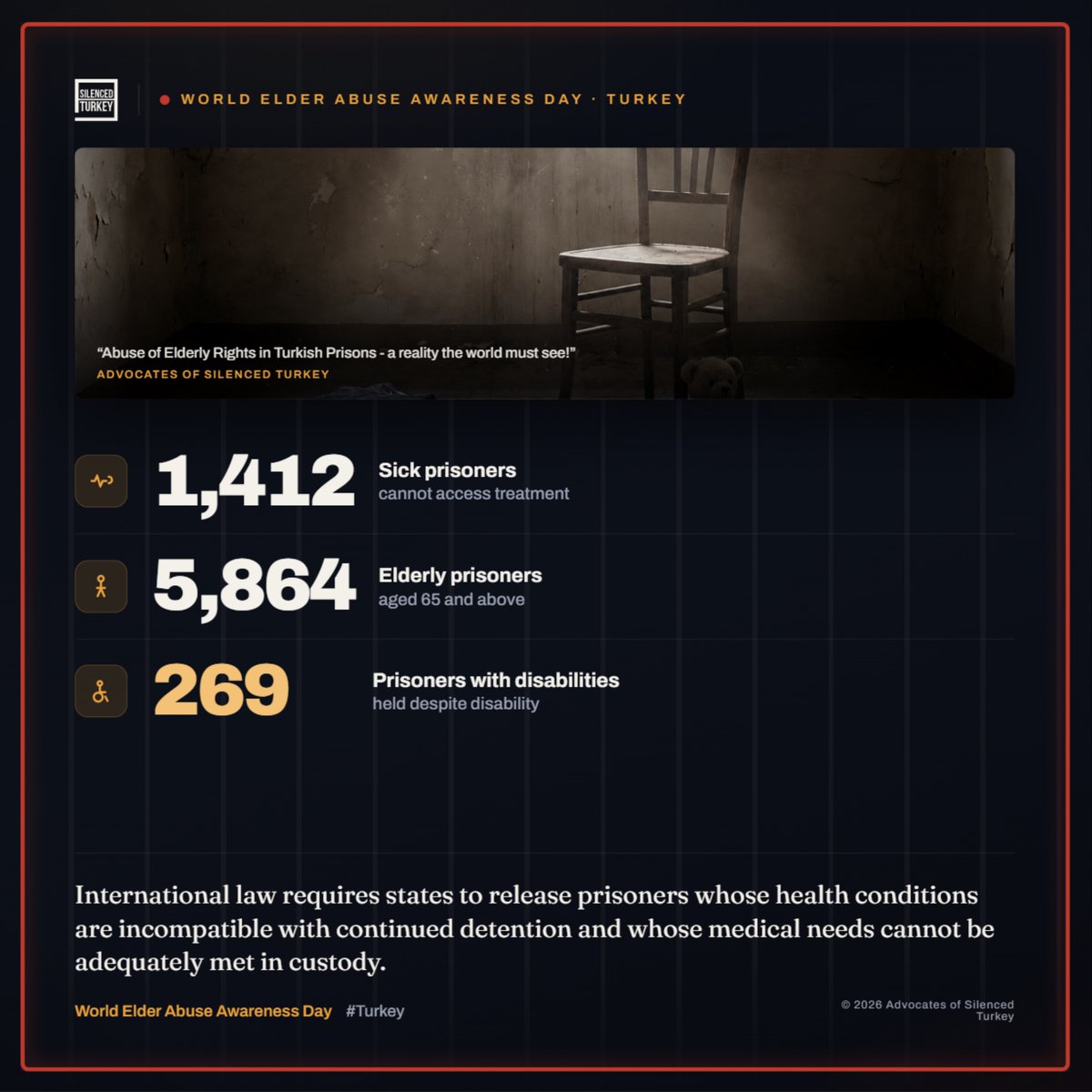
Thousands of elderly prisoners in Türkiye remain behind bars despite severe health conditions and declining mobility.
Today in Turkish prisons:
- 1,412 sick prisoners
- 5,864 elderly prisoners (65 )
- 269 prisoners with disabilities
International law requires states to release prisoners whose health conditions are incompatible with continued detention and whose medical needs cannot be adequately met in custody.
World Elder Abuse Awareness Day #Türkiye
#KHKlıÇözümİstiyor
silencedturkey.org/reports/i…
9
7
116
Elder abuse remain inadequately addressed especially concerning political prisoners in #Türkiye.
Türkiye needs a comprehensive legal framework on older persons' rights and stronger implementation of existing protections in this matter.
World Elder Abuse Awareness Day #Türkiye
nazanmoroglu.com/yasli-hakla…
9
8
239
#Türkiye is aging rapidly.
In 2018, people aged 65 made up 8.8% of the population.
By 2024, that figure reached 10.2%, representing more than 8.7 million people.
The Turkish Constitution explicitly states that older persons shall be protected by the State.
Yet, on this World Elder Abuse Awareness Day, we see that age discrimination continues in access to services, legal transactions, healthcare, and public life.
@nznmor @tihek_kurumsal
nazanmoroglu.com/yasli-hakla…
13
9
210
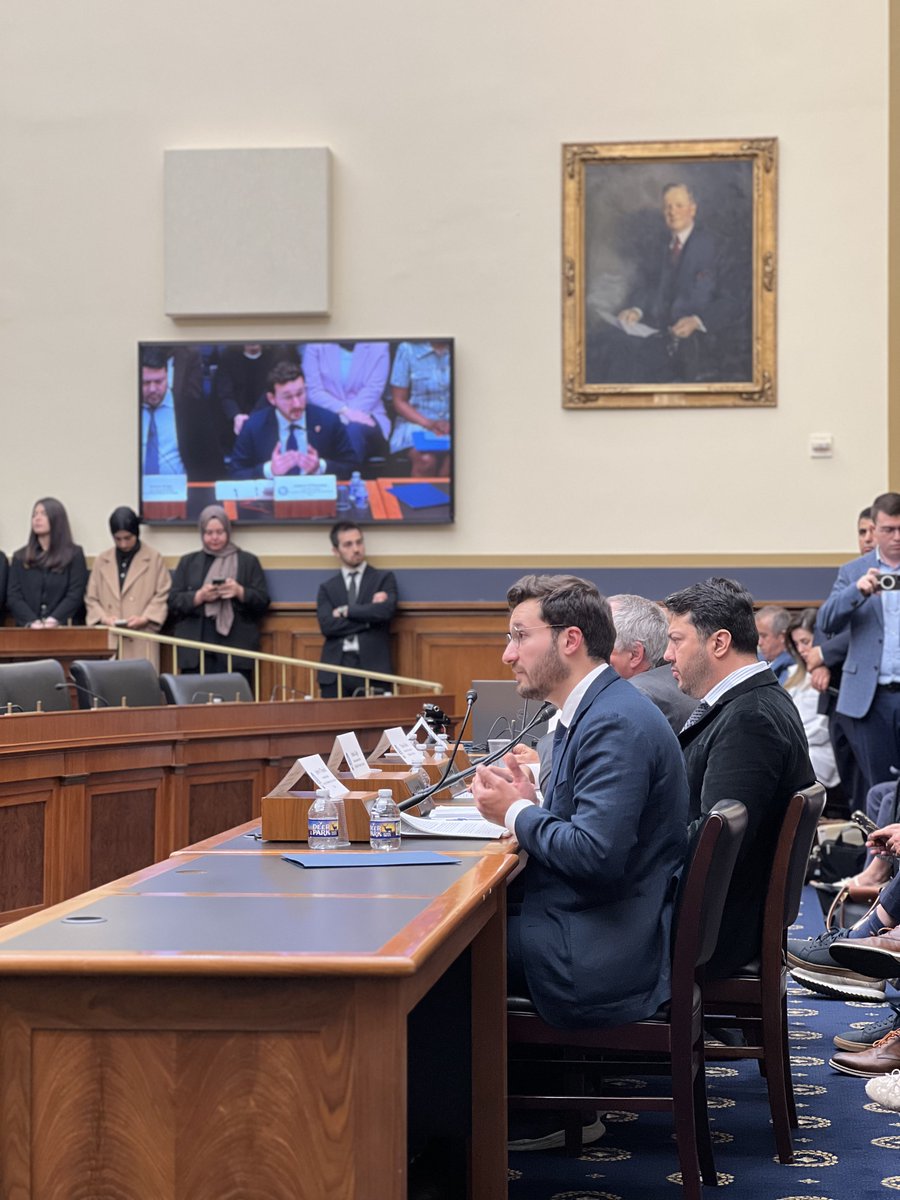
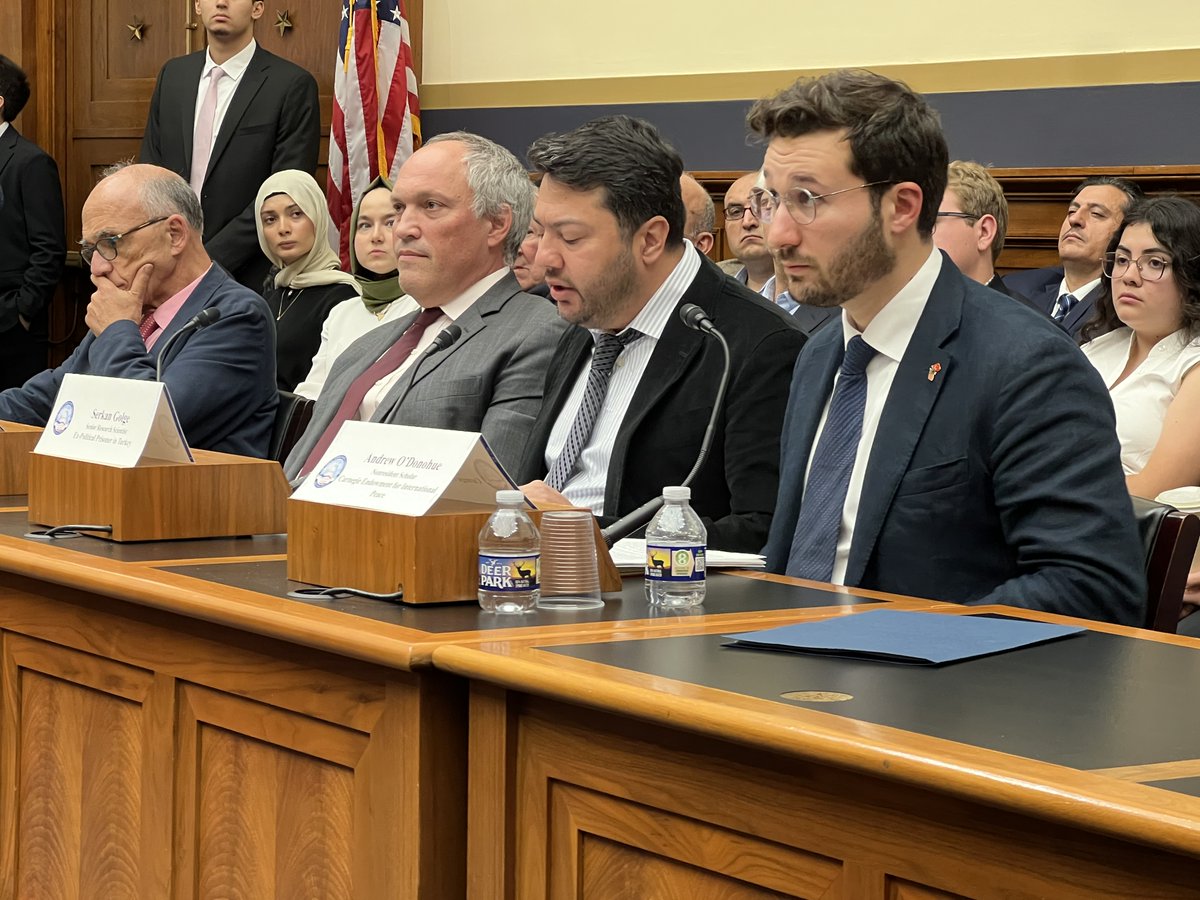
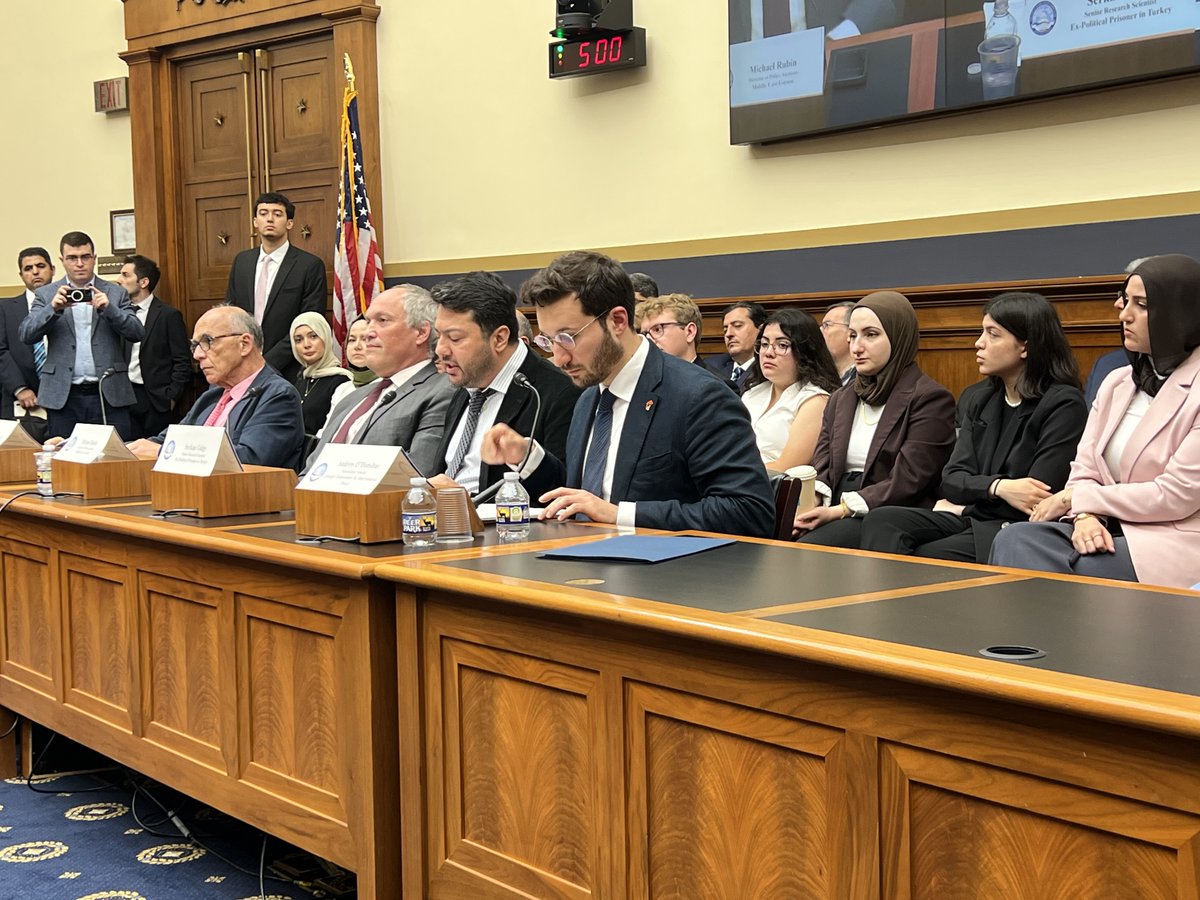
Within the @TLHumanRights hearing on human rights violations in Türkiye, Andrew O’Donohue, Harvard University fellow, described a political system increasingly centered on the survival of a single leader. “Turkey is increasingly organized around the political survival and preferences of a single individual,” he noted, emphasizing the use of legal and administrative tools to sideline opposition while maintaining the appearance of electoral competition.
@AOD_PhD
16
22
351
The @TLHumanRights hearing on human rights violations in Türkiye featured deeply personal testimony from Serkan Gölge, a Turkish-American scientist and former political prisoner. Gölge described spending nearly three years in prison, much of it in isolation, based on what he characterized as fabricated or misinterpreted evidence. “The profile came first. The so-called evidence came later,” he said, illustrating how ordinary aspects of his life, including his professional credentials and personal relationships, were used against him.
22
24
589
Michael Rubin, Director of Policy Analysis at the Middle East Forum, highlighted the widespread targeting of political opposition. “Every opposition leader has a target on his head,” he said, calling for increased international advocacy on behalf of imprisoned figures such as Ekrem İmamoğlu, Selahattin Demirtaş, and Osman Kavala.
@mrubin1971 @TLHumanRights
1
16
27
285
Henri Barkey, Senior Fellow at the Council on Foreign Relations, argued that Turkey has transitioned into a system of personal rule, where democratic institutions have been hollowed out. “The space for opposition has not been completely abolished,” Barkey noted. “It has been criminalized.” He pointed to the dismissal of approximately 4,400 judges and prosecutors following the 2016 coup attempt as a key factor undermining judicial independence.
@hbarkey @TLHumanRights
19
24
443
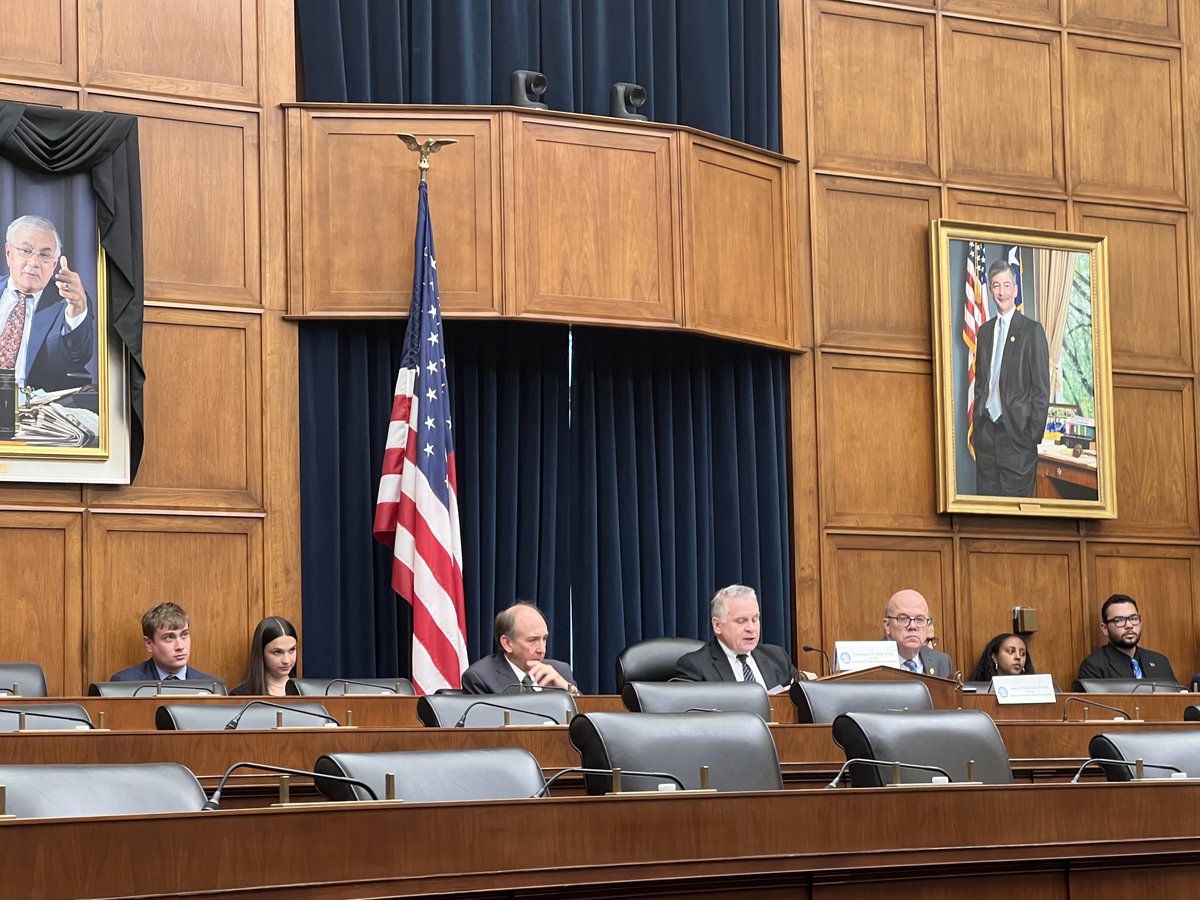
Rep. Jim McGovern, also Co-Chair, underscored the worsening trajectory of human rights conditions. “Things are getting worse,” he stated, citing the intimidation of journalists, pressure on opposition parties, and Turkey’s continued disregard for rulings from the European Court of Human Rights.
@RepMcGovern @ECHR_CEDH
17
22
347
Rep. Chris Smith, Co-Chair of the Commission, emphasized the urgency of the moment, warning that “Turkey is approaching a critical point where democratic freedoms may become increasingly difficult to restore.” He highlighted the erosion of judicial independence, pressure on free elections, and the reported imprisonment of more than 10,000 political detainees. Smith pointed to the arrest of Istanbul Mayor Ekrem İmamoğlu as “a significant turning point for Turkish democracy.”
@imamoglu_int @ekrem_imamoglu
1
16
19
232
The @TLHumanRights hearing highlighted troubling data points illustrating the scale of repression:
❗️More than 10,000 estimated political prisoners
❗️Over 4,400 judges and prosecutors removed after 2016
❗️More than 160,000 investigations for “insulting the president”
❗️Over 39,000 prosecutions and 3,600 prison sentences related to such charges
❗️More than 400 supporters of Ekrem İmamoğlu reportedly facing prosecution
Participants stressed that these developments have implications not only for Turkey’s democratic future but also for regional stability and international norms.
1
17
24
313
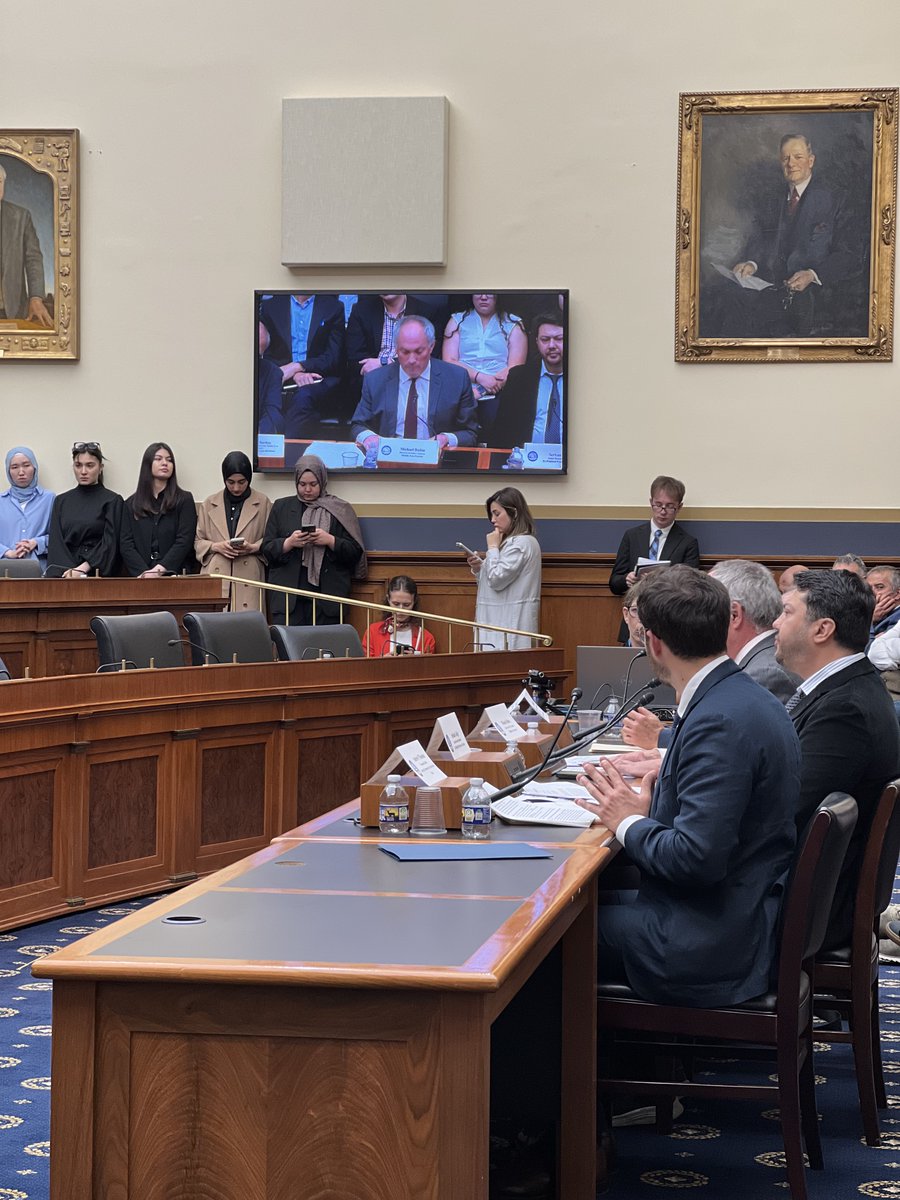
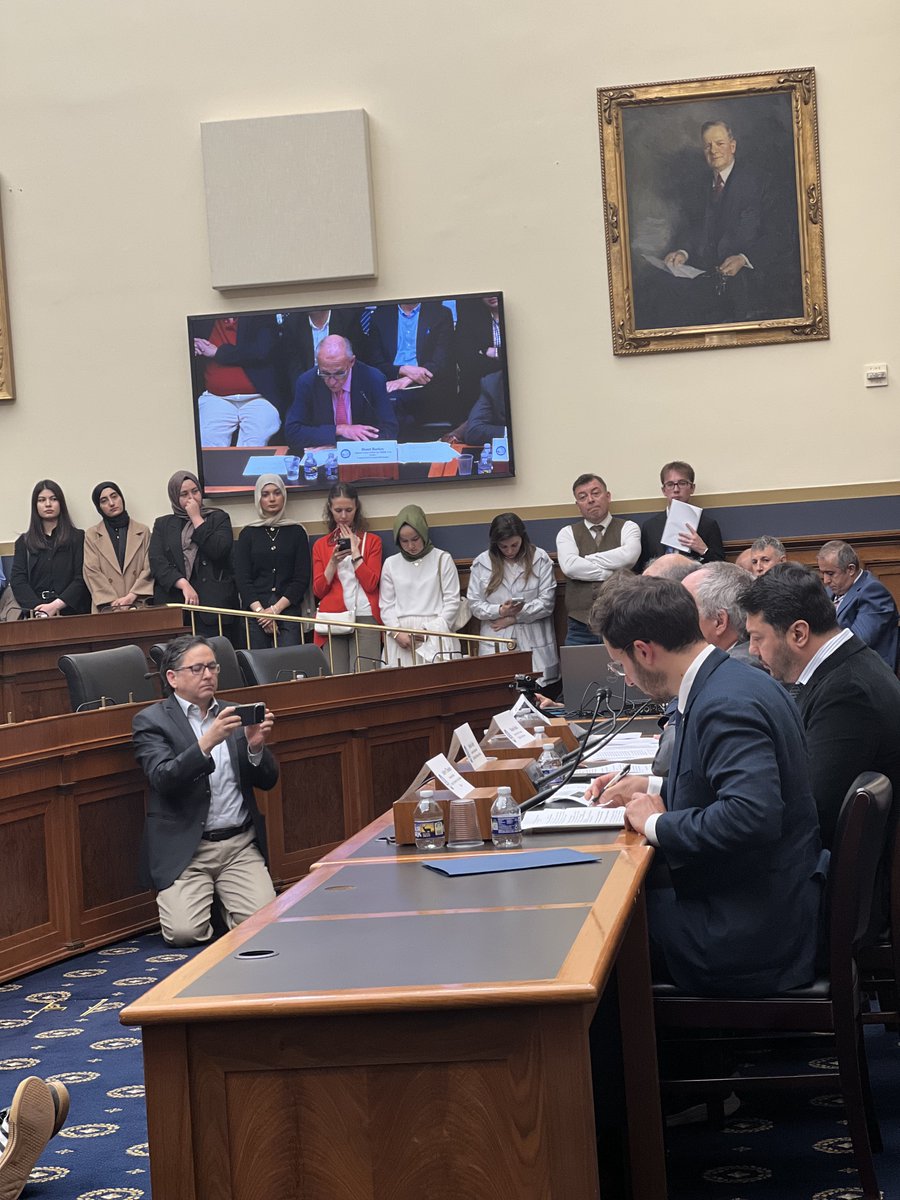
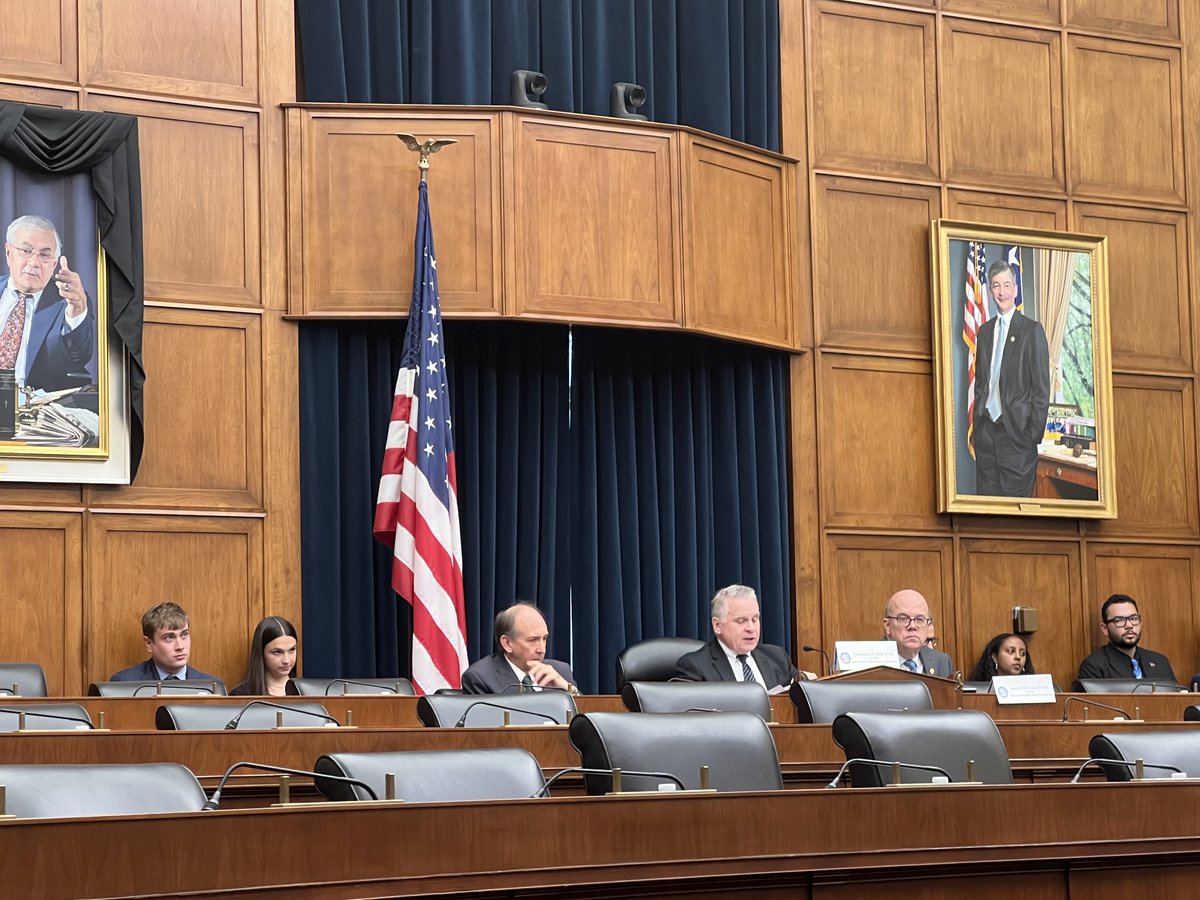
The Tom Lantos Human Rights Commission convened a critical hearing on repression in Turkey, political persecution, election manipulation, and censorship. At this landmark hearing, the commission and testimonies had the common concern that Turkey has moved beyond democratic decline into a system of concentrated power and criminalized opposition and inquiries if
“Turkey can find its way back to freedom.”
@TLHumanRights
16
23
324
Deporting Tuğba Koç to #Türkiye would violate the fundamental principle of non-refoulement. This principle matters most when the destination is an increasingly autocratic state with a documented record of political repression where deportation would result in persecution, torture, or inhumane treatment. Tuğba’s right to safety, freedom, and dignity should be protected.
c.org/Wg57sQgKfx

Asylum is a human right for every human being.
Tuğba Koç needs your support to prevent her deportation to Turkey, where she would face immediate arrest and persecution.
Join me and thousands of others in signing this petition calling on the Danish authorities to reconsider Tuğba Koç’s asylum case with full recognition of the serious dangers she faces. Two years in a refugee camp is already an enormous sacrifice. Deporting her would put her life, freedom, and safety at direct risk.
c.org/kwnmWJygZ8 via @Change
1
34
31
750
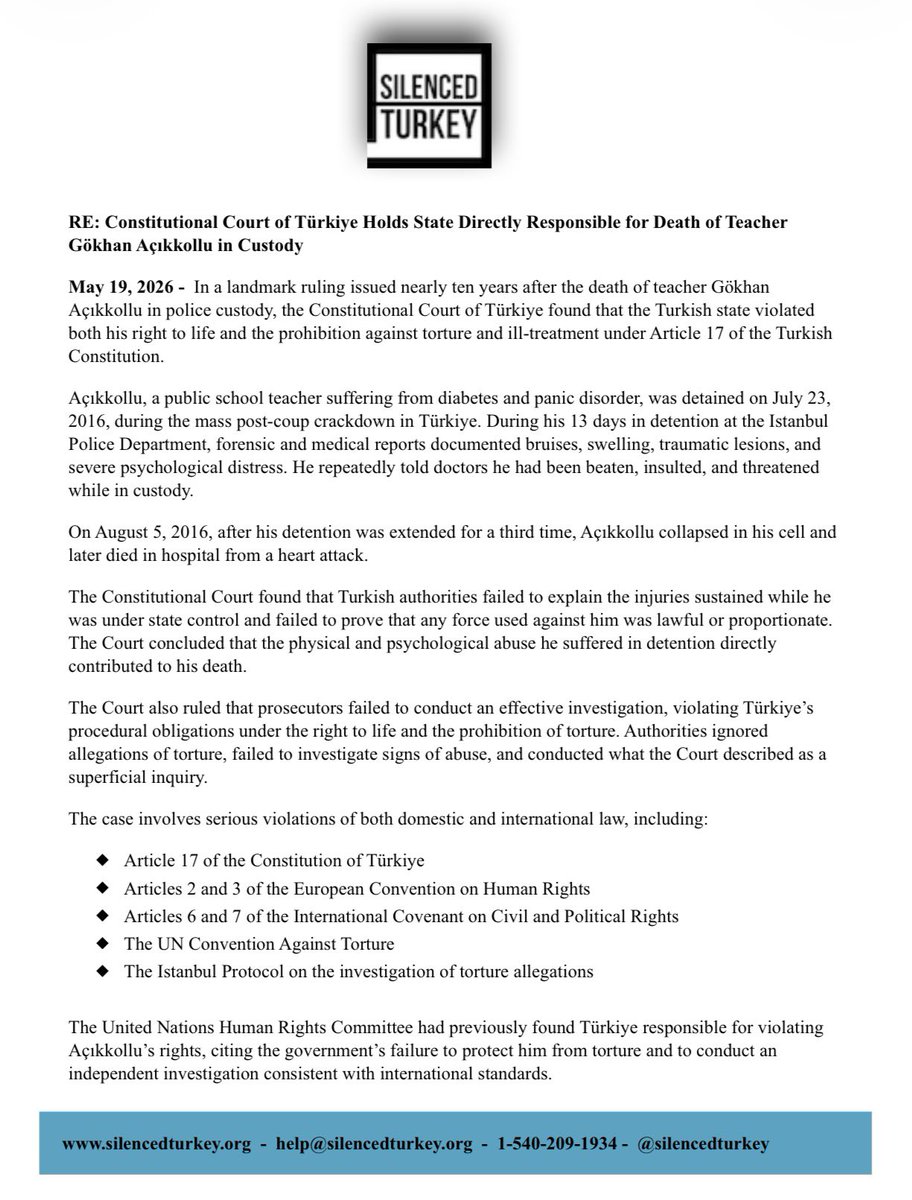
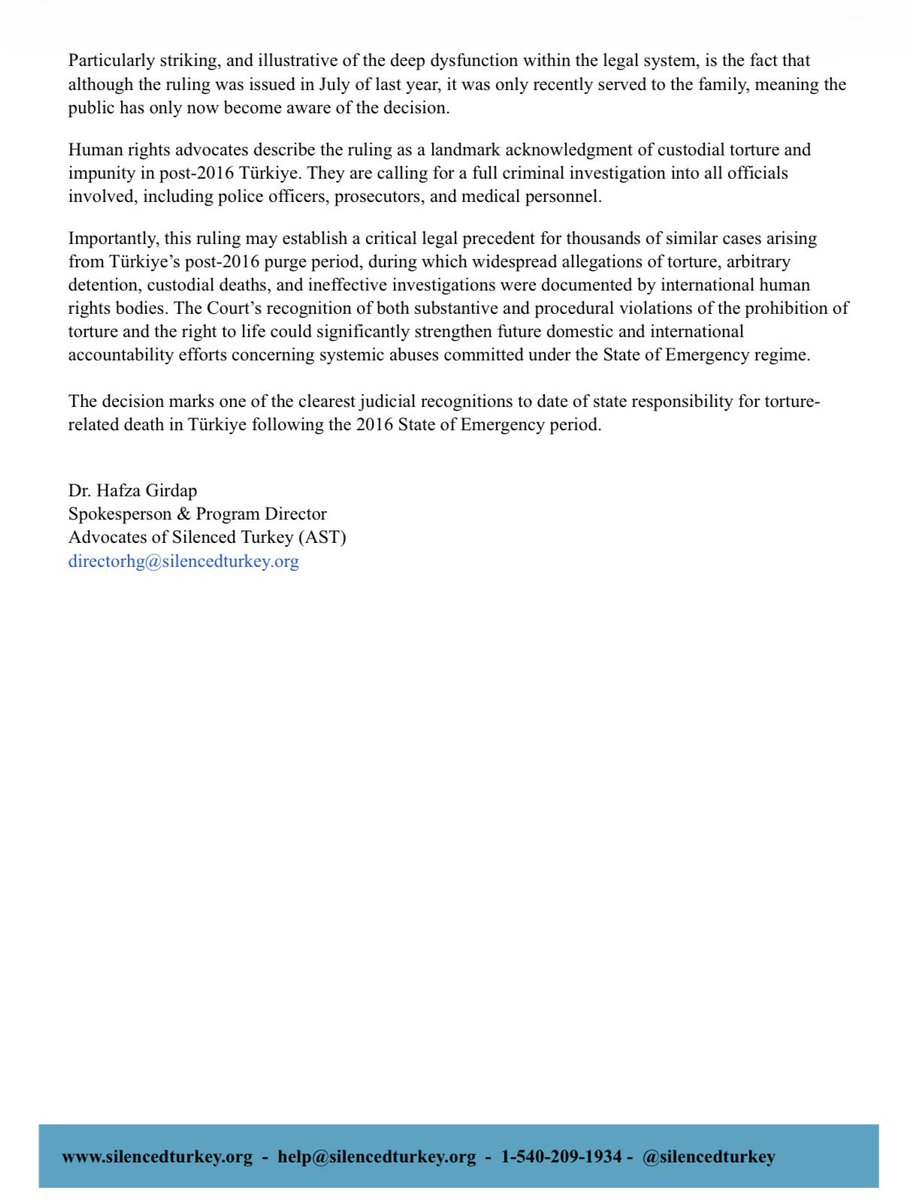
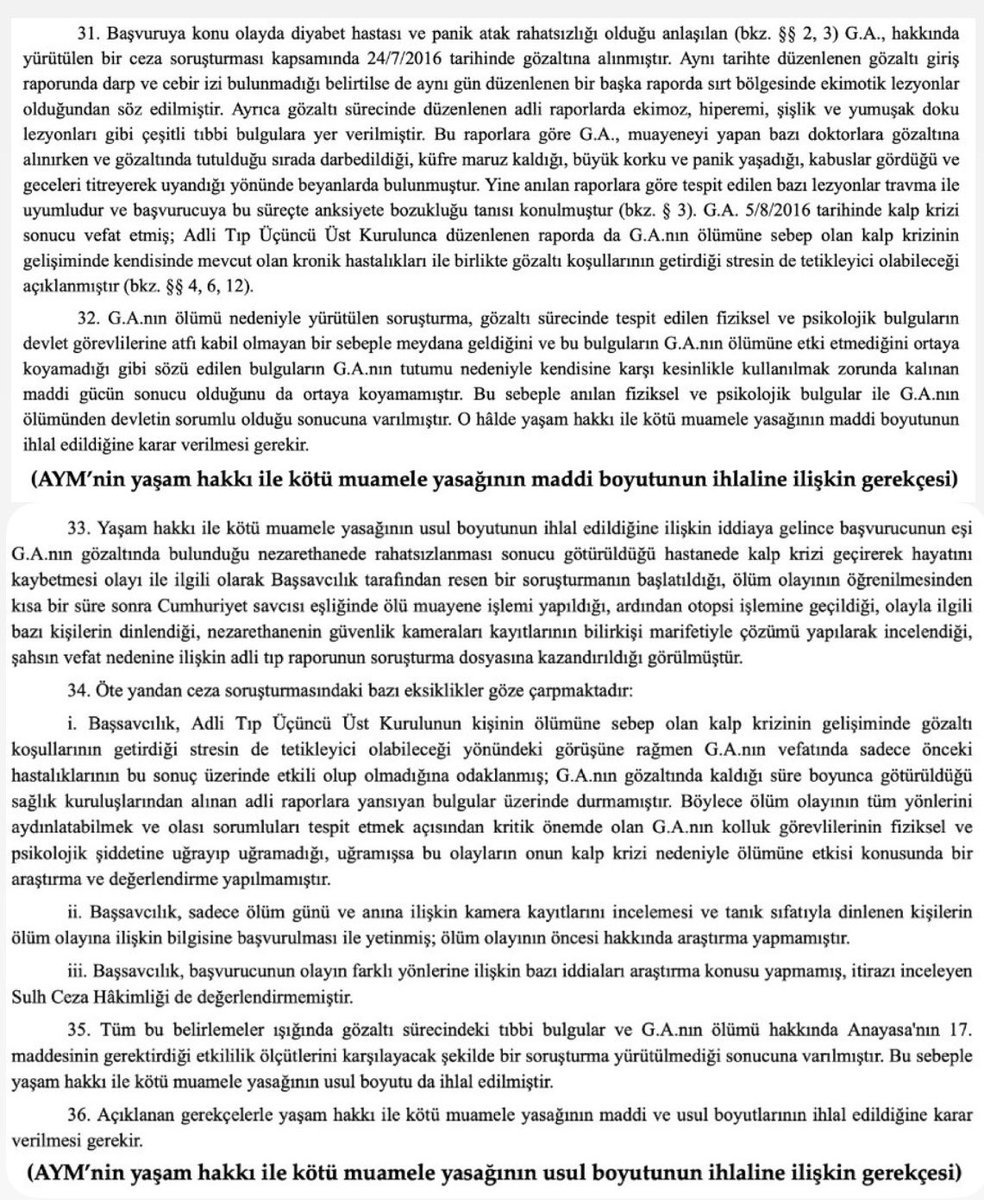
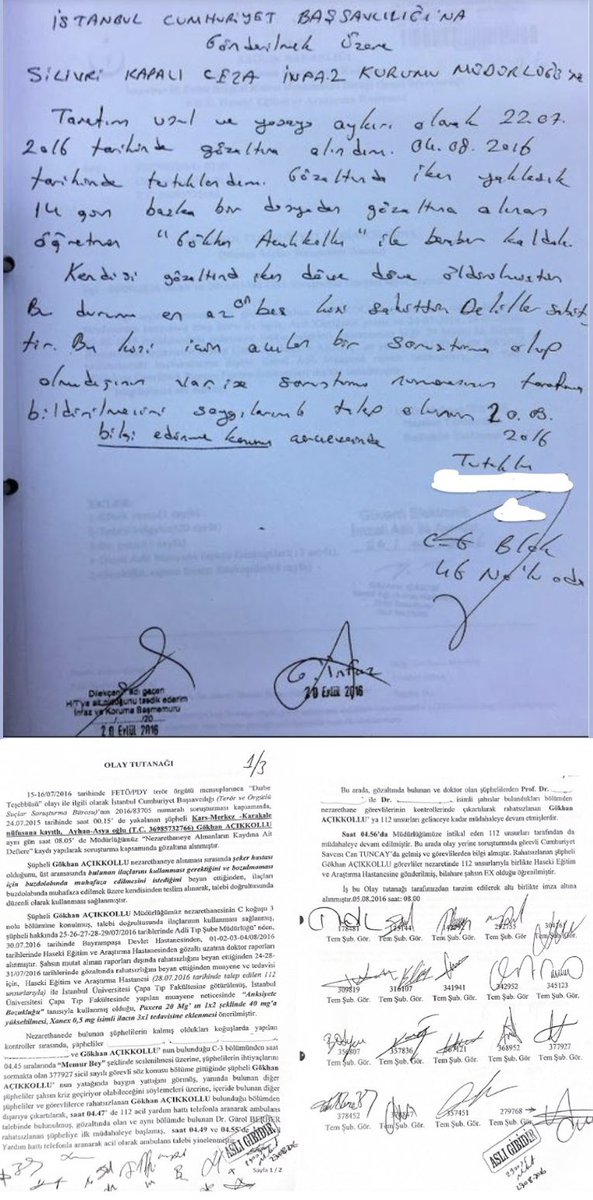
AST’s Statement on the Constitutional Court of Türkiye’s Ruling on the State’s Direct Responsibility for the Death of Teacher Gökhan Açıkkollu in Custody
Nearly 10 years after teacher Gökhan Açıkkollu died in police custody, Türkiye’s Constitutional Court ruled the state responsible for violating his right to life and the prohibition of torture.
The UN Human Rights Committee had already found Türkiye responsible years earlier. Yet despite the Constitutional Court issuing its ruling last July, the family was only recently notified.
A devastating indictment of torture, impunity, and delayed justice in post-2016 #Türkiye.
9
14
1,552
A Brooklyn school serving NYC families is fighting a $12.5M lawsuit tied to Turkey’s seized Bank Asya. Critics say the case is bigger than a commercial dispute: it may be an example of transnational repression and “lawfare” targeting perceived Erdoğan opponents on U.S. soil.
The U.S. & EU never designated the Gülen movement a terrorist organization. Yet a NYC school linked to the movement has spent 4 years battling a lawsuit tied to Turkey’s post-2016 crackdown. The case raises serious questions about foreign political pressure through American courts.
“Allowing seized foreign assets to become litigation weapons against Americans undermines the integrity of our legal system.”
The Brooklyn Amity School case is emerging as a test of whether U.S. courts can recognize and resist authoritarian transnational repression disguised as civil litigation.
@holliesmckay
nysun.com/article/as-lawsuit…
13
27
6,621