
⚡ Energy Infrastructure in Africa | $15M projects delivered. LinkedIn: linkedin.com/in/oakinsanmi/
Joined August 2010
- Tweets 5,676
- Following 366
- Followers 461
- Likes 2,192
88 Photos and videos




Pinned Tweet

11 Feb 2020
Leadership - leaving everything better than you met it. Jim Rohn
1
6
Jun 3
In life you only have to answer one question (regularly) is it worth fighting for?
12
Sinmi Akinsanmi retweeted

May 31
Again, I extend my heartfelt sympathy to families of the 39 students and 7 teachers kidnapped from Oriire Local Government Area of Oyo State.
This is a throwback video of when President Obasanjo ordered a shoot at sight on OPC members.
Fulani terrorists have done enough damage across Nigeria in the last 10 years. They have killed thousands of innocent people across Benue, Plateau, Kaduna and other states. This is a fact.
President Bola Ahmed Tinubu (@officialABAT) should order a shoot at sight order against these terrorists who have been going from state to state causing havoc.
South West leaders, wake up. Do something drastic to push back against these evil terrorists! Do something!
150
722
1,727
226,801
Sinmi Akinsanmi retweeted

Everything women demand from a man costs money.
-Provision costs money.
-Protection costs money.
-Leadership costs money.
-Performance costs money.
Everything men ask from a woman costs nothing.
-Respect.
-Peace.
-Loyalty.
-Softness.
And somehow, what costs nothing is still called "too much" BY MODERN FEMINISTS. 🥺
261
3,410
9,397
247,351
Sinmi Akinsanmi retweeted

Apr 21
A very underrated life decision is marrying someone who wants a simple life.
74
1,771
8,813
189,178
Apr 16
Attraction is not just looks
It’s energy
It’s ambition
It’s direction
If someone is doing nothing with their life
It shows
And it changes how you see them
Be honest
Would you date yourself right now?
10
Apr 16
People keep quoting “200M Nigerians” like it’s a real market
It’s not
The real market is:
People who can pay
Consistently
Without breaking
That number is far smaller
Build for who can pay
Not who exists
Everything changes when you do
8
Apr 15
One mistake I see founders make:
They tolerate what drains them
Then complain about performance
If someone:
•avoids responsibility
•delays simple tasks
•resists growth
That is not a skill problem
It’s a standards problem
Fix your standards
Your team will change
9
Apr 7
Having deployed solutions in this space in MW across multiple countries, these are some of the issues.
1. System sizing due to budget constraints or installer's poor skills.
2. Poor/ Zero O&M - dirty panels for instance can produce over 80% less output.
3. Poor installation shitty products
4. Poor customer education. Solar is not a generator, there are specific usage requirements.
5. Difficult customers - you say this can only power xxx, you leave and their electricians will add all manner of "things"
If you are looking to install solar, DM I ll give you free consultation with 0 obligation. Only 10 slots.

“I’m tired of this solar wahala. My inverter only lasts about four hours a day, and right now I’m back to using a generator. Every day, I spend ₦38,000 on fuel.” — Lady cr!es out after spending millions to install solar
1
27
Apr 7
I have seen men rise fast and fade fast. So I chose the long lonely time tested road. The path of pains, delayed gratification - the true sure path.
When nothing is left, what stays is you. So enjoy you.
What did you build, what did you stand for - everyone eventually fades, how would you he remembered?
51
Sinmi Akinsanmi retweeted

Apr 5
You as a single person have more power today than a 20 person company of the past. That's insane. The internet gave you the ability to learn anything. Social media gave you the leverage to reach anyone. AI is giving you the ability to create almost anything. Please don't waste it
596
1,296
10,660
314,362
Sinmi Akinsanmi retweeted

In the industry you exist in, there is a Champions league. Strive to play there.
End.
314
4,128
18,873
279,620
Apr 4
Many people are anxious, apprehensive, and confused.
You can see it in how they talk, How they delay decisions and how they second-guess themselves.
- It is not weakness
- It is uncertainty
And uncertainty comes when you don’t know what to do next
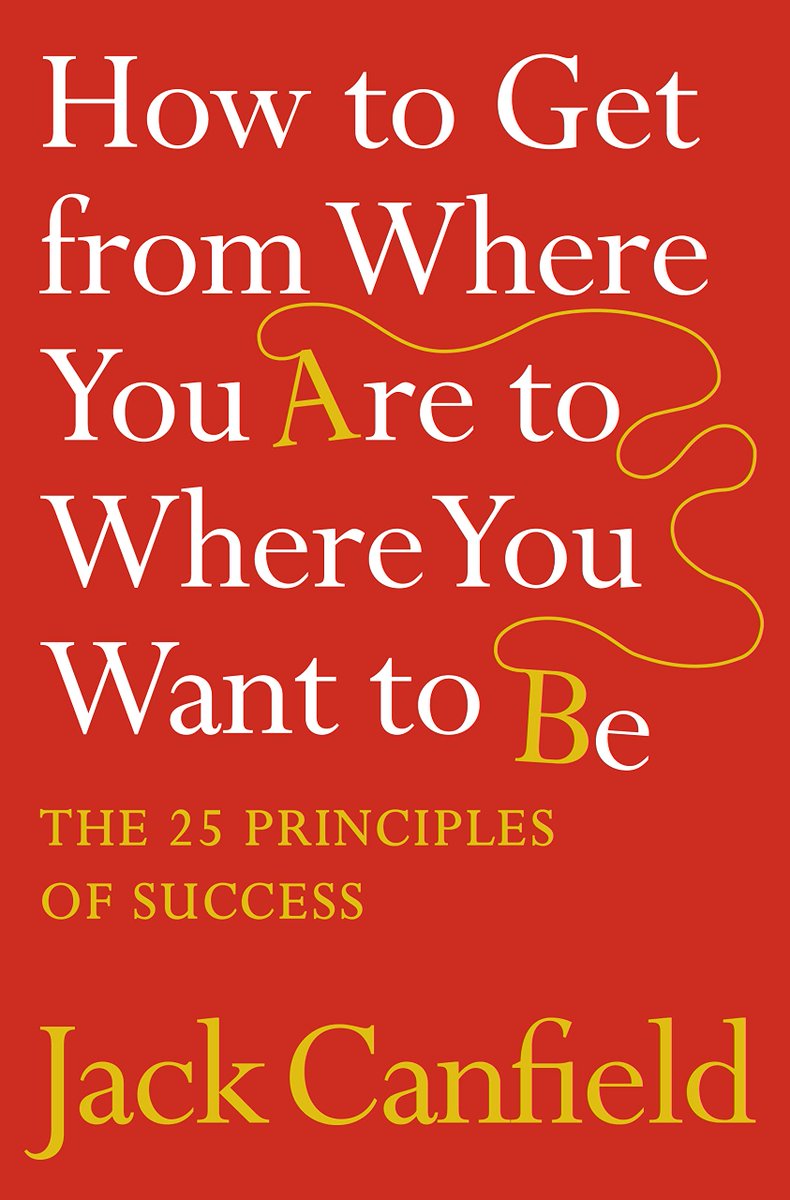
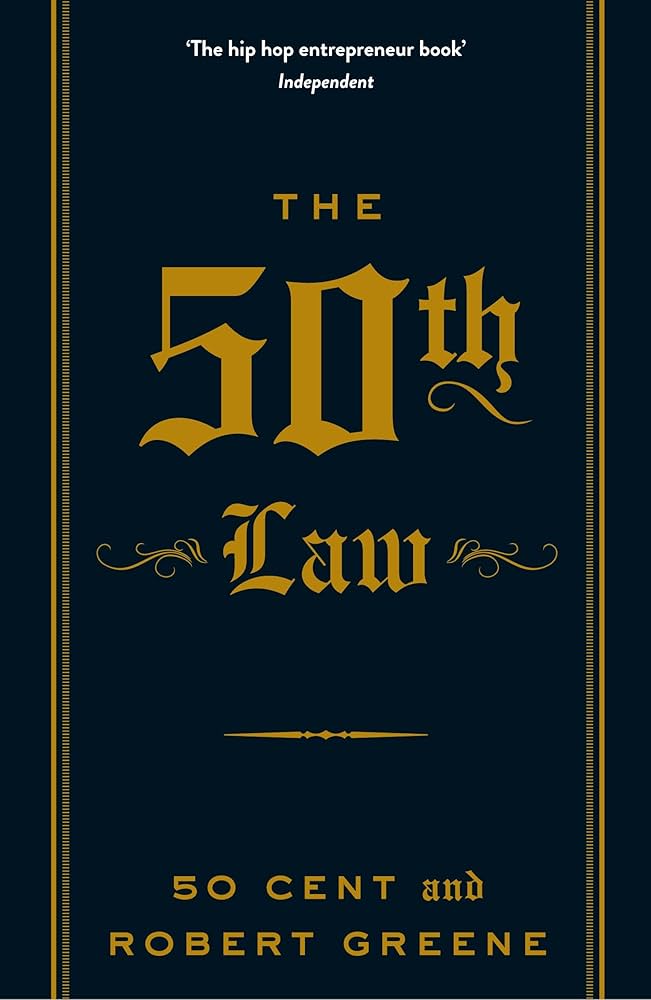
I have been there but these books helped me think clearly and move with intent albeit at different stages of my life.
1. The 50th Law by 50 Cent and Robert Greene.
I first read it in 2009 and returned to it three different times. It taught me confidence, faith, and one truth I have never forgotten:
Fear is an Illusion. Move toward what scares you.
Self-reliance is power.
1
25
Apr 4
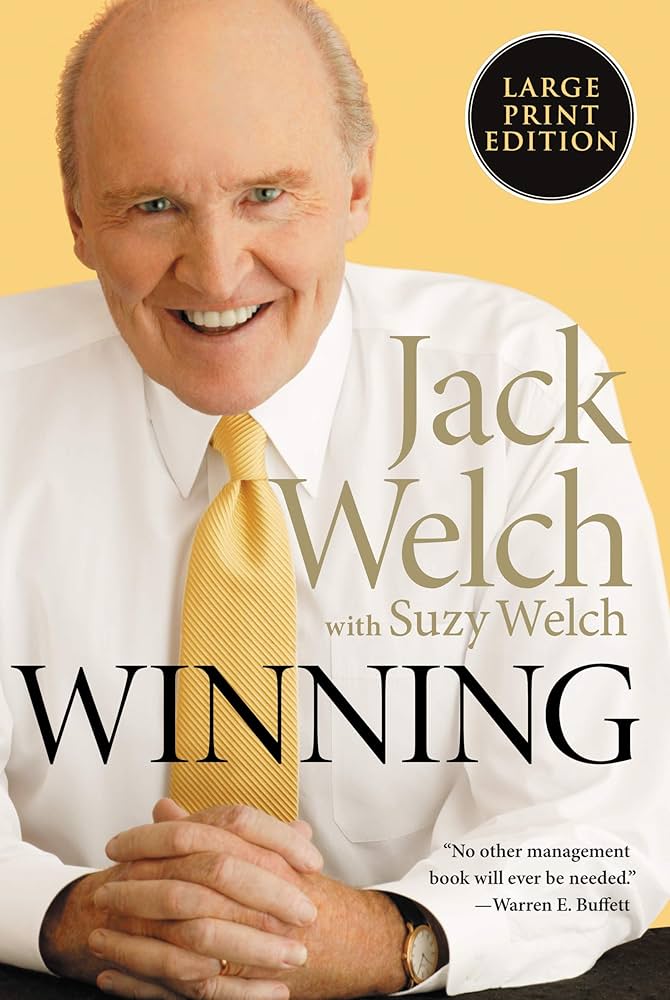
4. Winning by Jack Welch
I bought this book in 2018 at the airport. My flight was delayed, my phone was dead, and I was just bored. So I decided to walk around, found a bookstore and narrowed in on this. Gifted a my friends a few copies - it is that good.
It turned out to be one of the most practical business books I’ve read.
What stood out for me was how simple it made corporate strategy. No jargon. Just clear thinking about how companies actually operate and win.
If you are moving into middle or senior roles, this book will help you think better about decisions, people, and execution.
It also offers a profound strategy for hiring, which I still use till date.
1
29
Apr 4
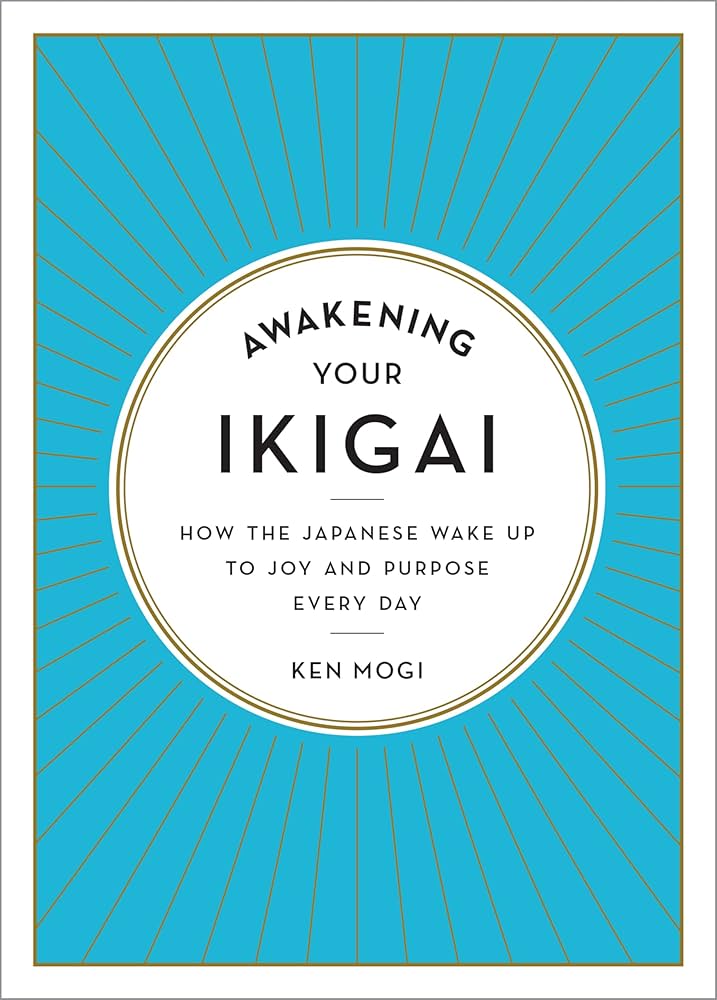
Everything is meaningless without purpose, this next book would help you find meaning in your work.
5. Awakening Your Ikigai by Ken Mogi
This book made me rethink how I approach work and life. It is not about chasing big wins all the time.
It is about finding meaning in what you do every day.
You don’t need a perfect plan.
You need something that pulls you forward.
It taught me to focus on small joys, steady progress, and doing things well for their own sake.
Quiet work. Real satisfaction.
“Ikigai is about feeling your work is meaningful and that you are making a contribution to others.”
1
3
102
Sinmi Akinsanmi retweeted

The point you have made here is fundamentally sound, and history supports it.
Societies are not transformed by wishful thinking about human nature, they are shaped by the structures that govern incentives, accountability, and consequences. A well-crafted constitution is not merely symbolic, it is an operating system for national behavior. Where it embeds strong checks and balances, it constrains excess, disciplines leadership, and protects the collective from the impulses of a few.
You do not need a different people to produce better outcomes, you need a system that makes bad behavior costly and good behavior rewarding. That is precisely why enduring democracies invest so heavily in institutional guardrails, separation of powers, independent judiciaries, and enforceable rights. These are not luxuries, they are the architecture of stability and fairness.
When constraints are weak or selectively applied, even well-intentioned actors can drift, and bad actors thrive. But when rules are clear, enforced, and difficult to circumvent, behavior adjusts over time. This is how trust is built, how arbitrariness is reduced, and how an egalitarian society begins to take shape, not by accident, but by design.
In that sense, constitutional reform is not about imagining “better Nigerians,” it is about engineering a system that consistently brings out the best in Nigerians while restraining the worst. That is the real foundation of progress.
What we are witnessing today is not accidental, it is the predictable outcome of a weak constitutional and structural framework. When institutions lack clarity, restraint, and enforceable limits, the system naturally produces its worst tendencies. The quality of outcomes in any society is directly proportional to the strength of its rules and the integrity of the structures that uphold them.
32
98
286
49,578
Sinmi Akinsanmi retweeted

Apr 4
No one really understands the loneliness of a man with high standards.
49
122
811
18,269