
Account of Rafel Simó's team | Disentangling the roles of marine microbes in climate | #biogeochemistry #atmosphere #marine_ecology #SUMMIT_ERCAdG | @ICMCSIC
Joined September 2020
- Tweets 373
- Following 405
- Followers 498
- Likes 549
Photos and videos

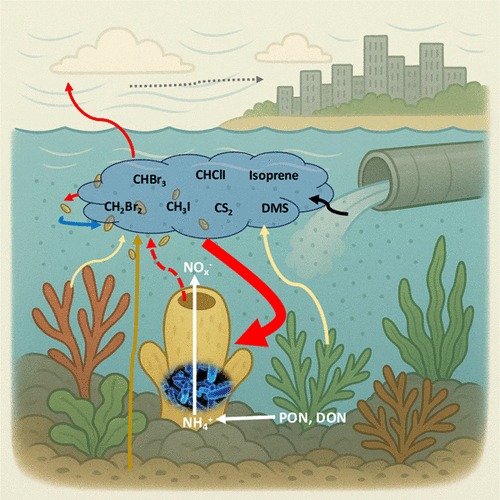
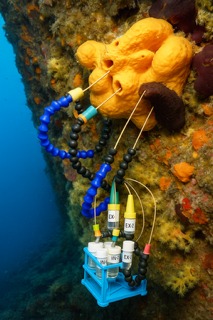
Check out our new publication on VOC removal by marine sponges, an exciting collaboration with Marta Ribes @ICMCSIC and Rafel Coma @ceabcsic
pubs.acs.org/doi/10.1021/acs…
1
50
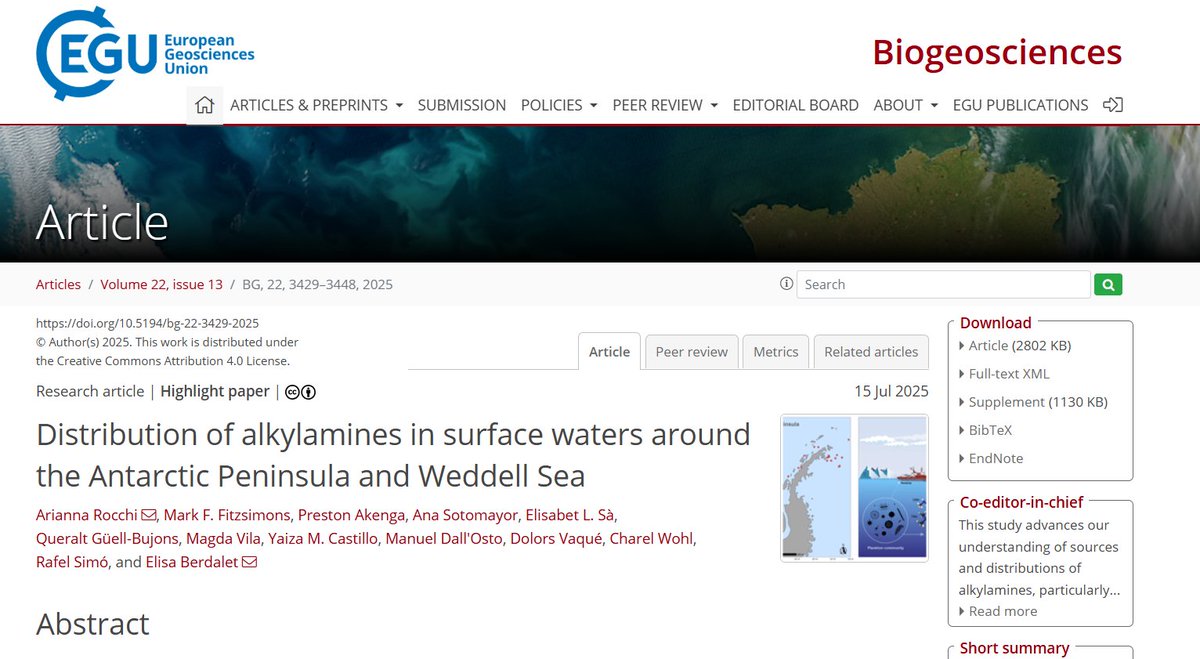
Happy to share a new paper on alkylamines in Antarctic waters during the PolarChange 2023 cruise. TMA and DMA were the dominant species in seawater, TMA was virtually the only amine in particles. Nanoflagellates were the putative main source.
bg.copernicus.org/articles/2…
1
1
7
395
Check out our new paper on VOCs in a tropical coral reef, last of a series of papers from the Moorea 2018 expedition. We show how VOCs are produced and consumed by the several reef components as the water flows across and present evidence of significant recirculation.
1
1
159
The seascape of VOC production and cycling in a tropical coral reef online.ucpress.edu/elementa/…
1
100
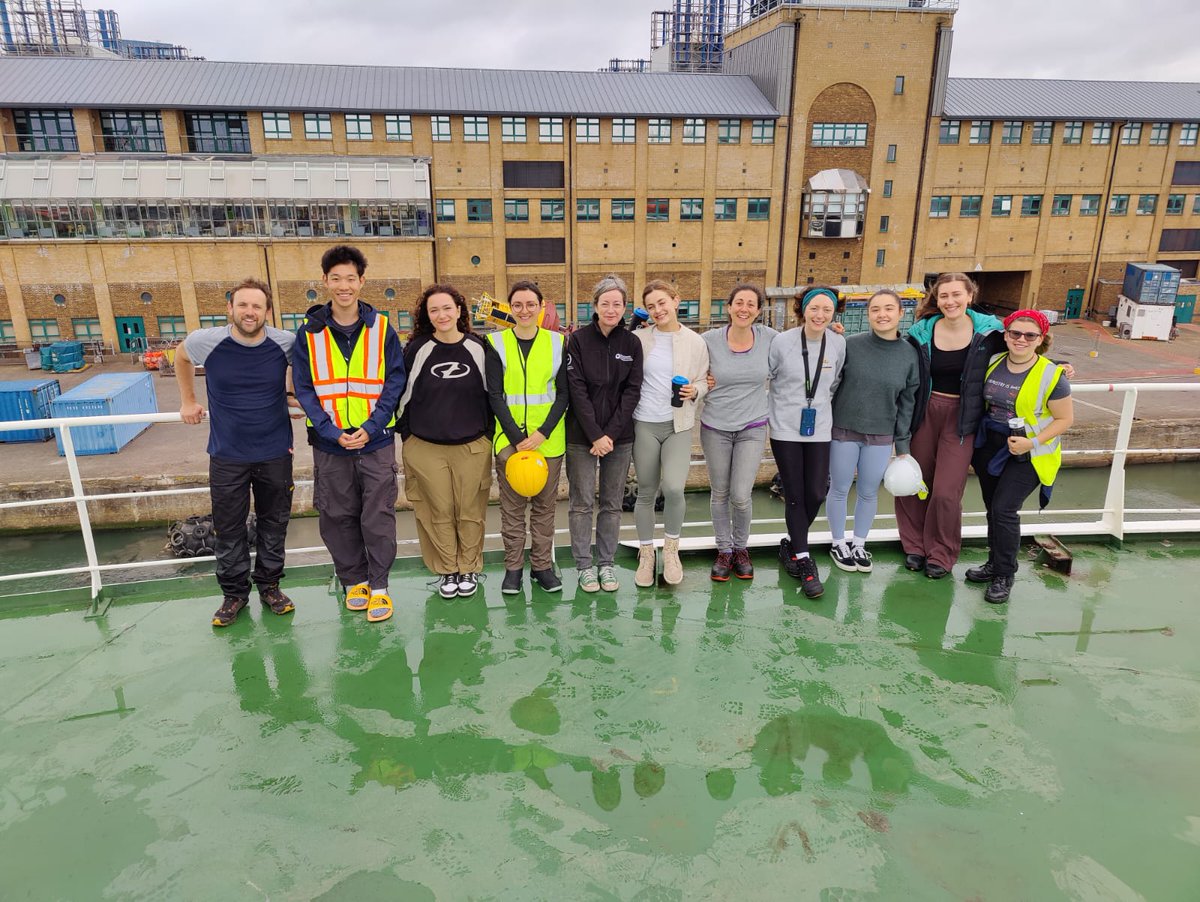
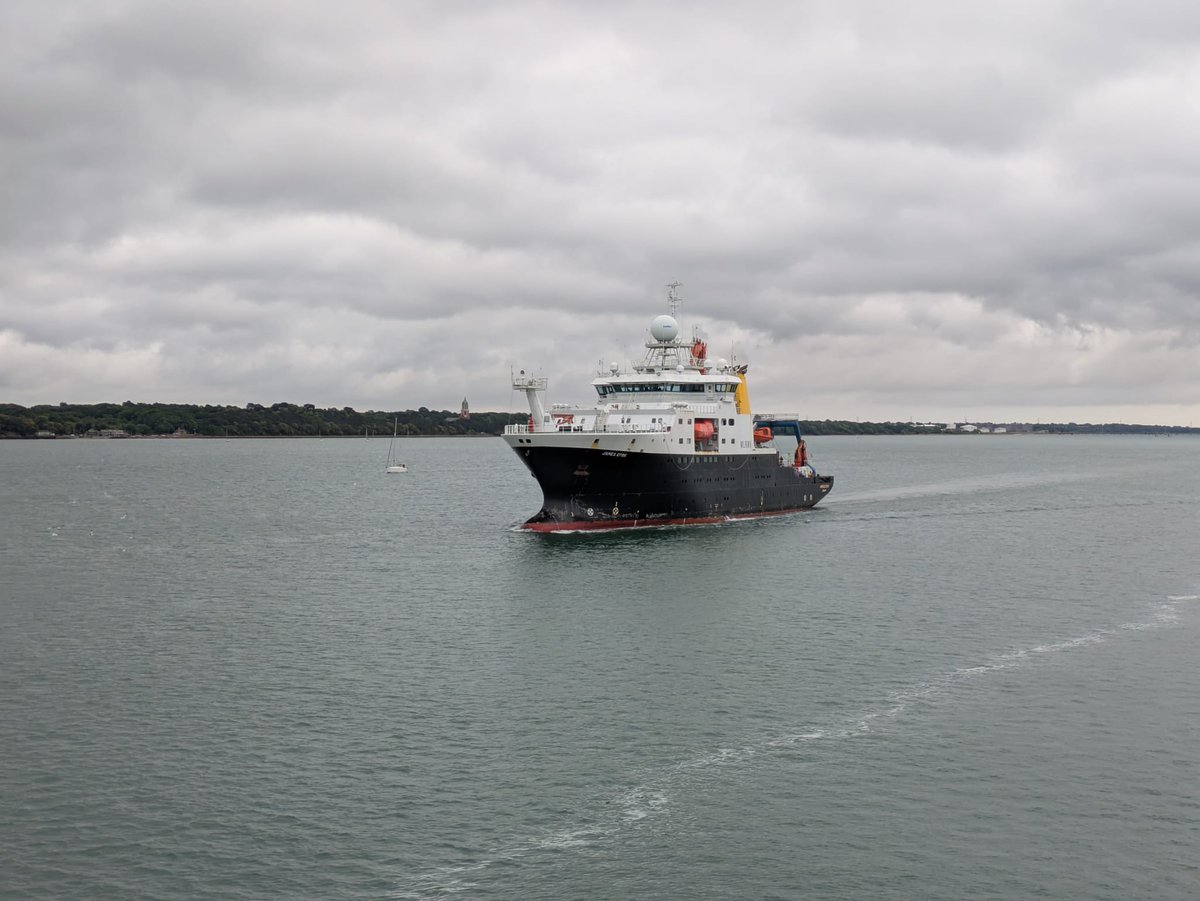
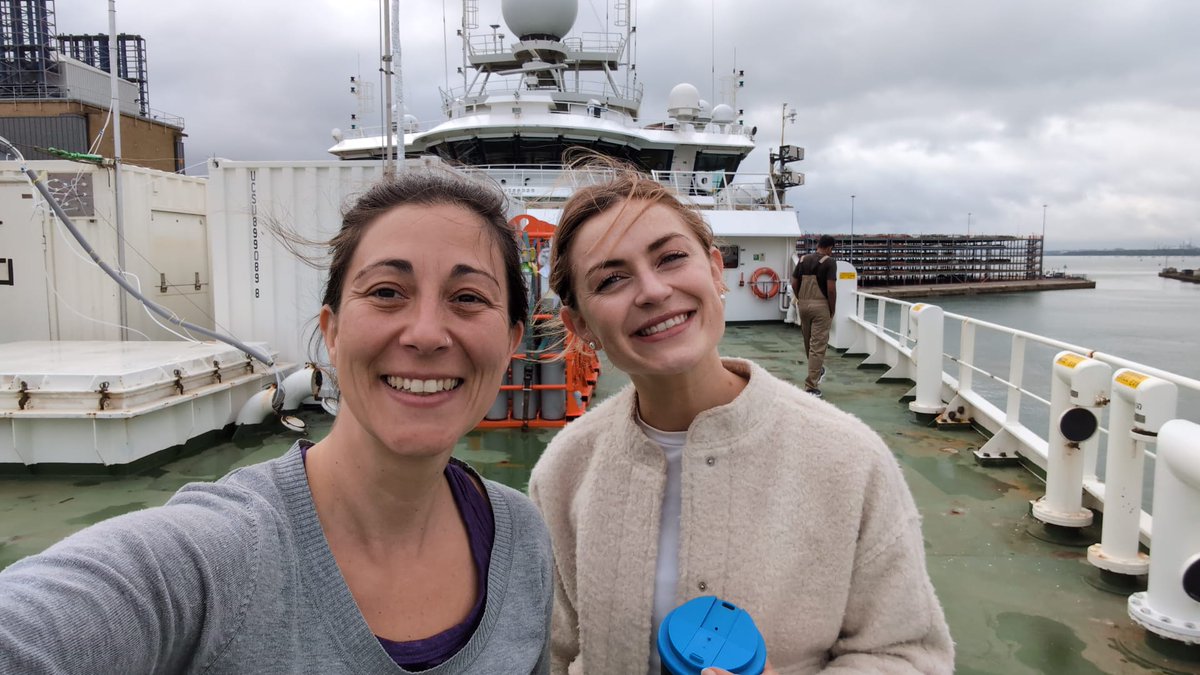
The cruise has come to an end. After 5-week campaign in the North Atlantic Ocean on board the #Discovery, the @simolab_ team @EDeschaseaux and @lidejvv are about to join us back at the @ICMCSIC
6
209

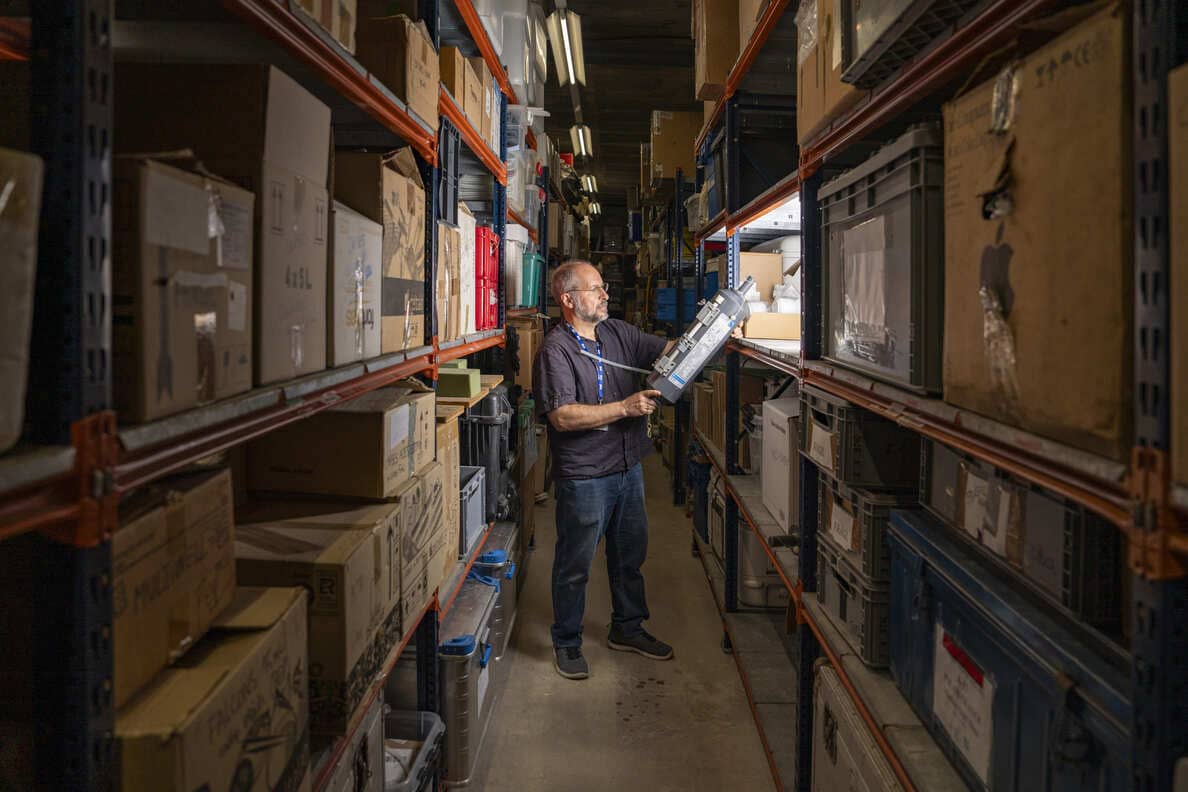
🌊 La recerca que ens fa somiar ✨, amb @incognitaag
🔬 Des de petit, Rafel Simó somiava amb l’oceà. Avui, la seva recerca el guia com una brúixola cap a un futur millor.
📽️ Descobreix la seva història: unagranhistoria.icm.csic.es/…
📸@JoandelaMalla
6
13
1,154
Our new paper is out in PNAS on the use of the outcomes of Earth System Models to project a future increase in global sulfur emissions from the ocean as climate warms. Led by Anoop Mahajan's group at
@iitmpune, India
3 Jun 2025

Check out our latest work led by my PhD student
Sankirna Joge: Climate warming increases global oceanic dimethyl sulfide emissions | PNAS pnas.org/doi/10.1073/pnas.25… @iitmpune @moesgoi
1
5
190
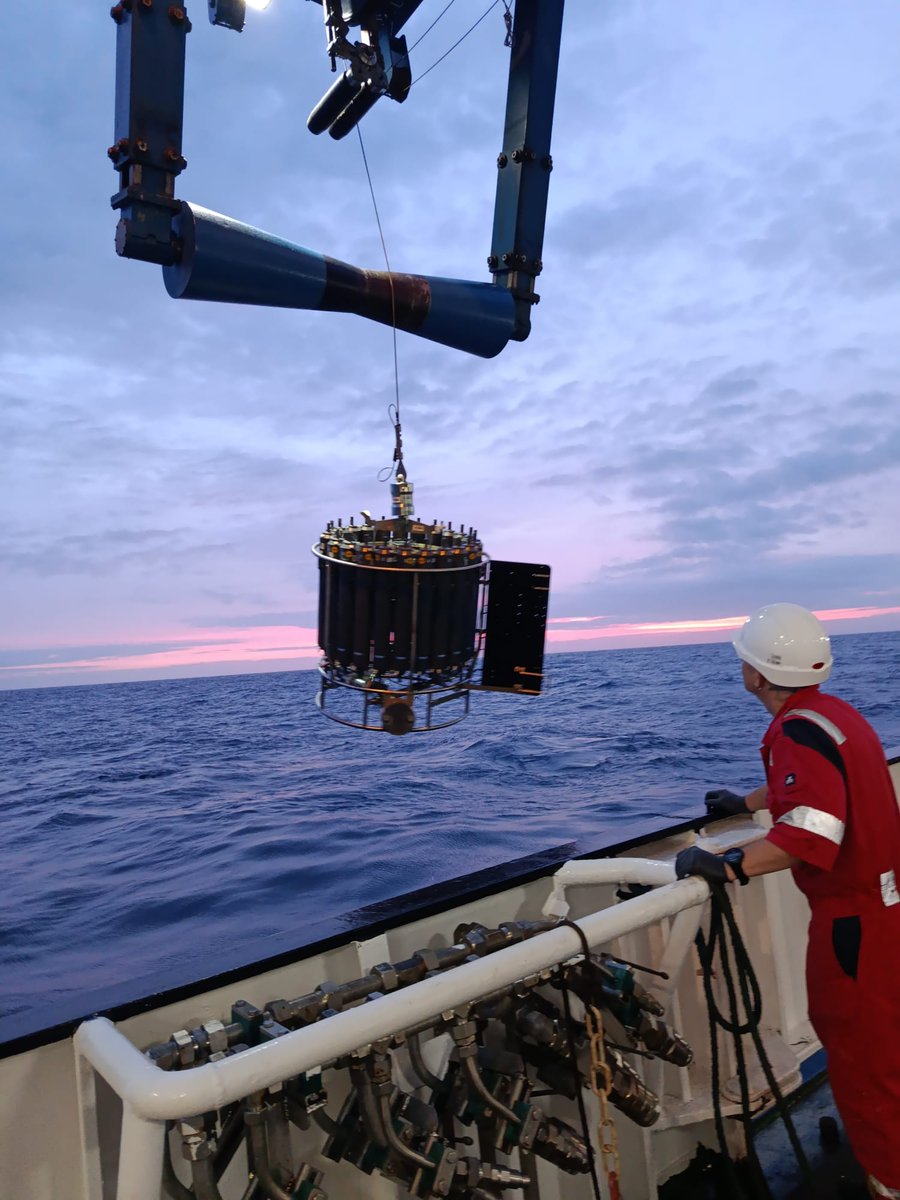
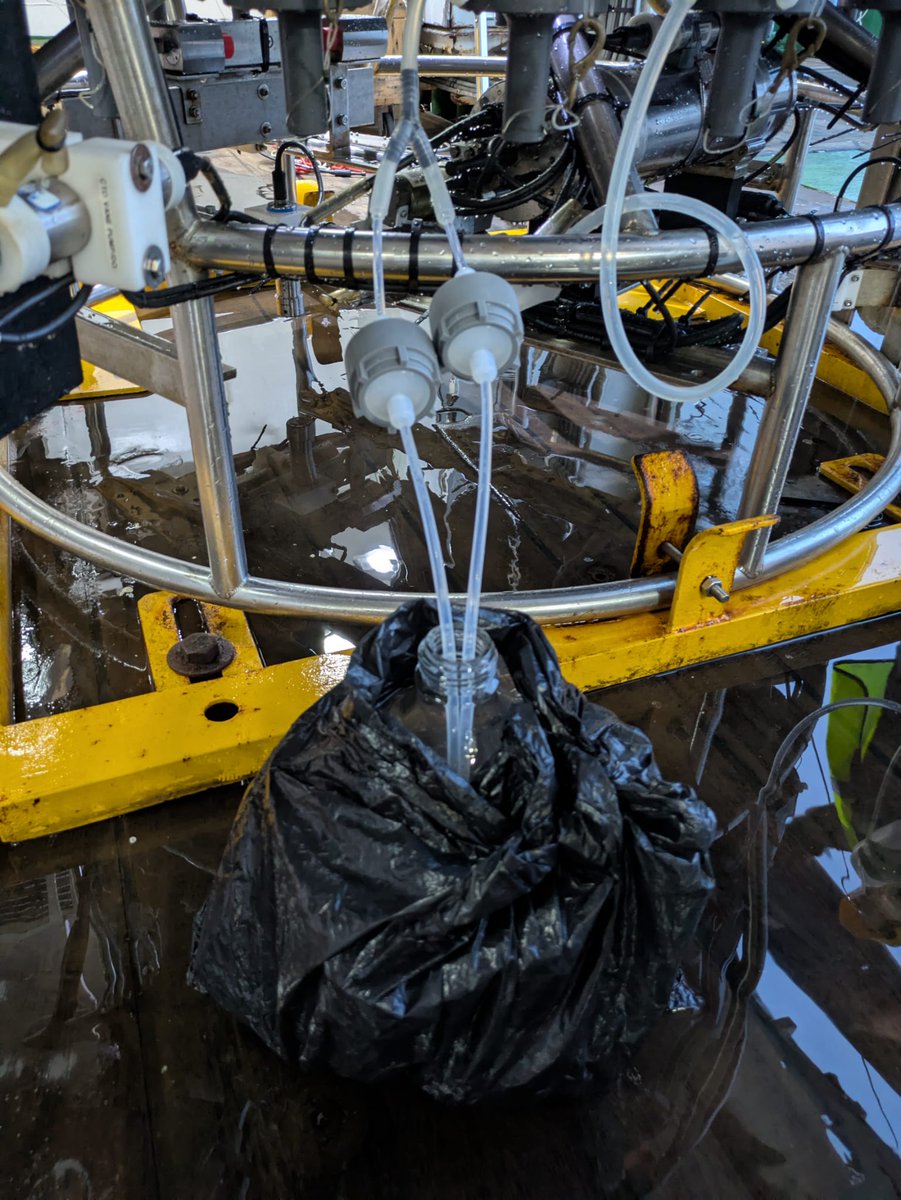
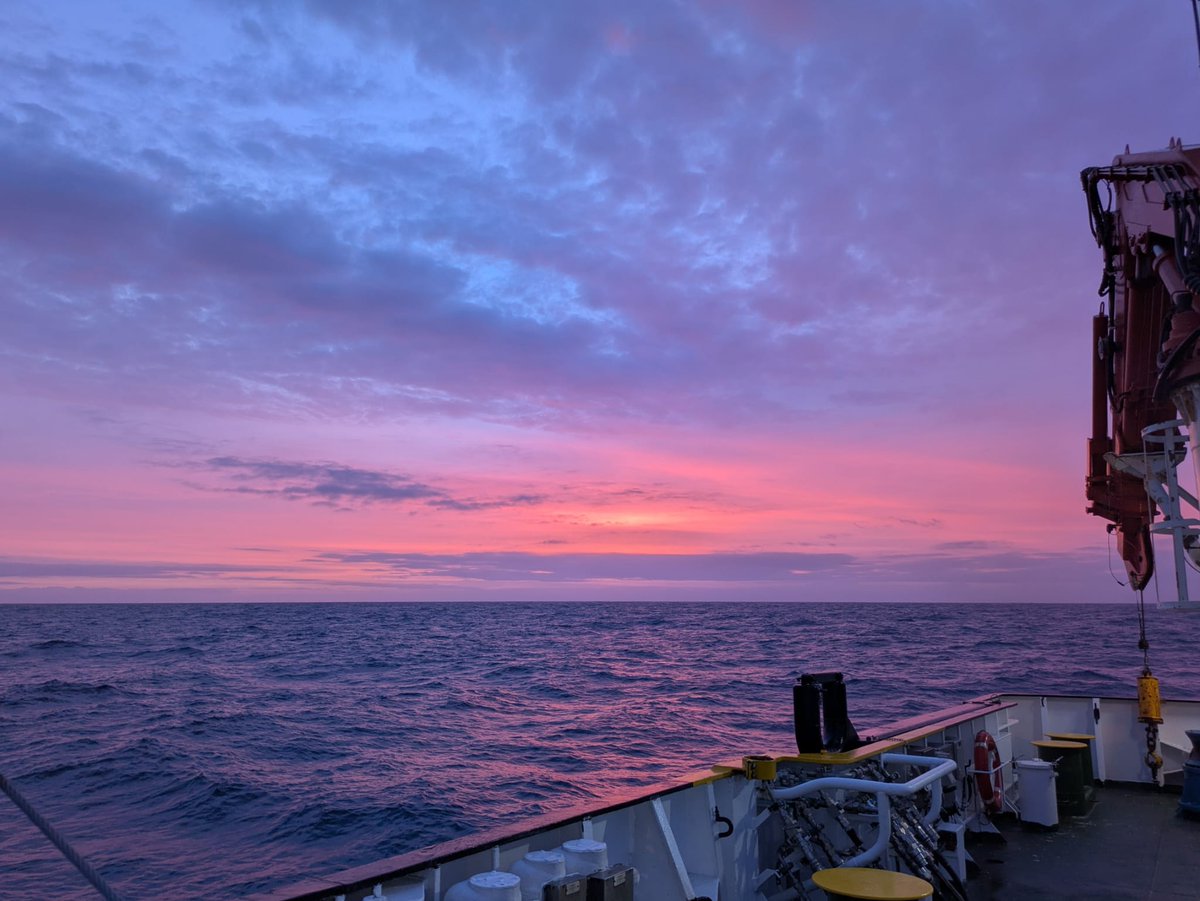
First CTD cast for sulfur incubation today on board the RV Discovery. Pre-dawn conditions to look at the effect of #photochemistry on the removal rates of key #sulfur #volatiles
@simolab_ @EDeschaseaux @lidejvv
1
6
210
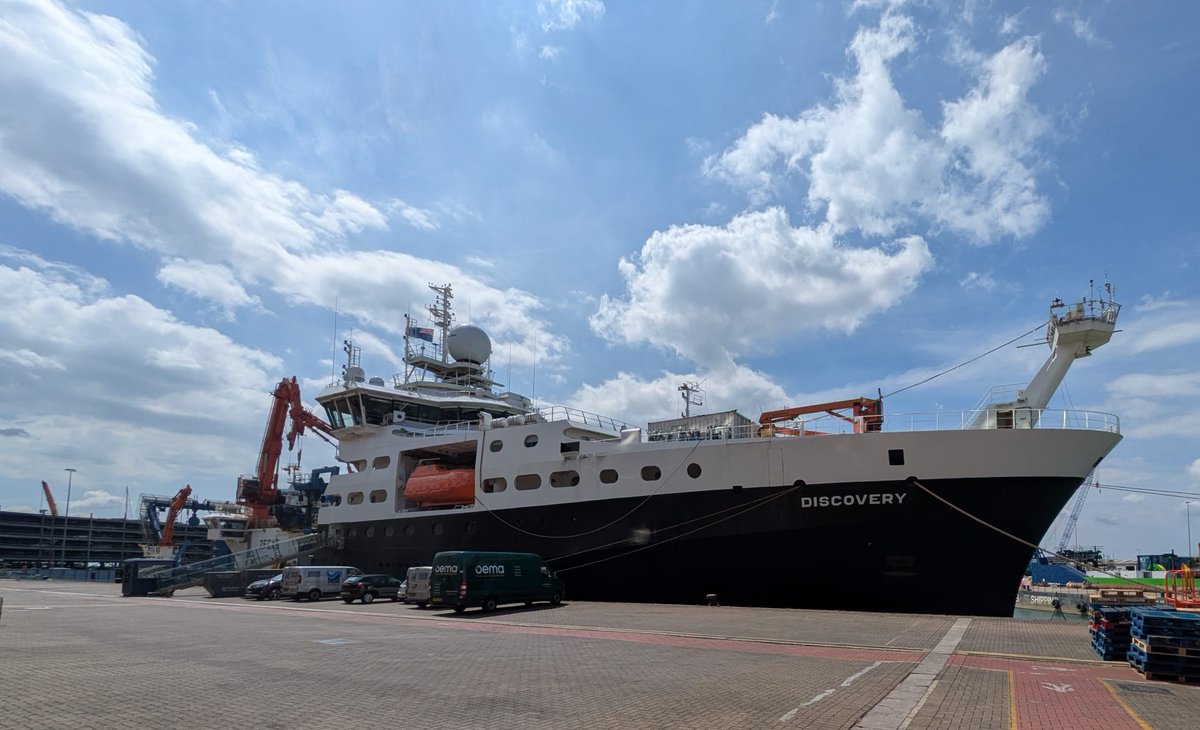
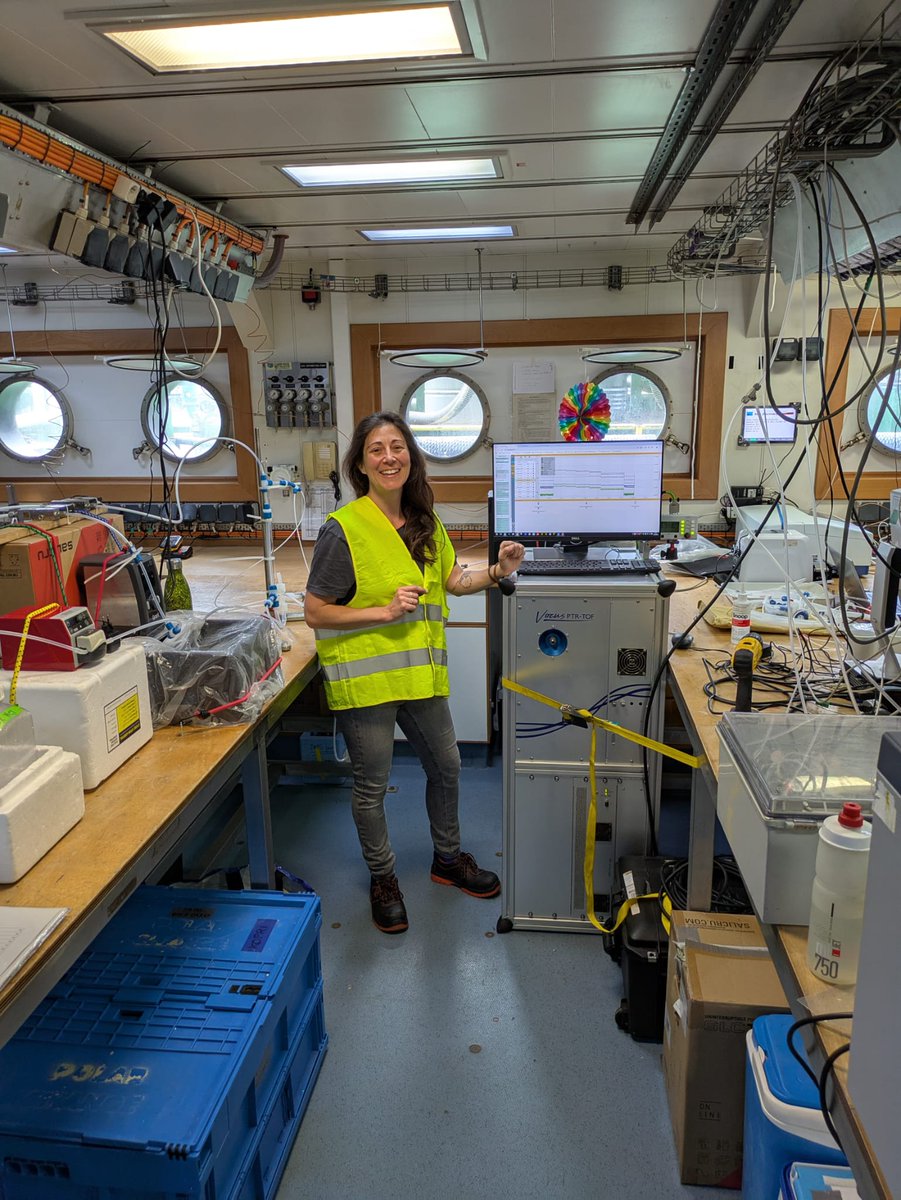
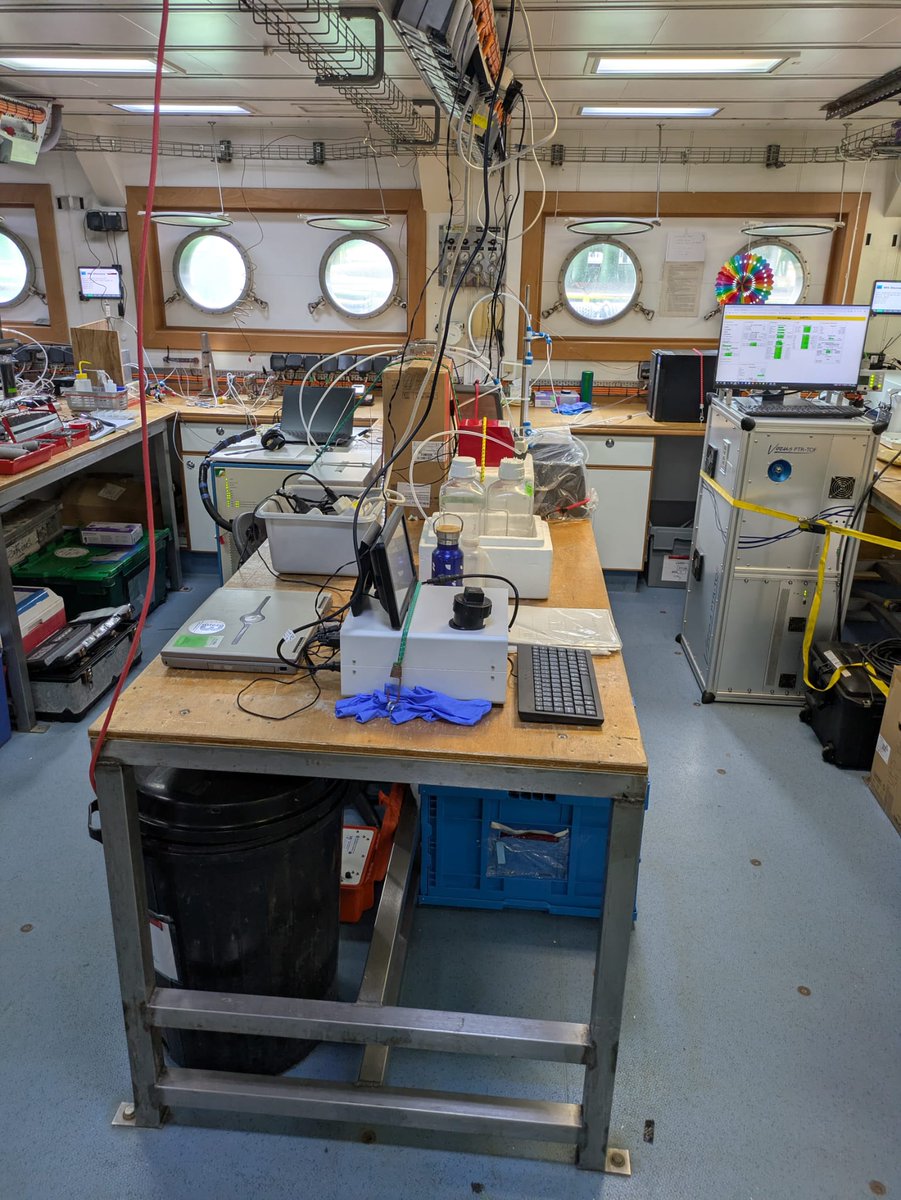
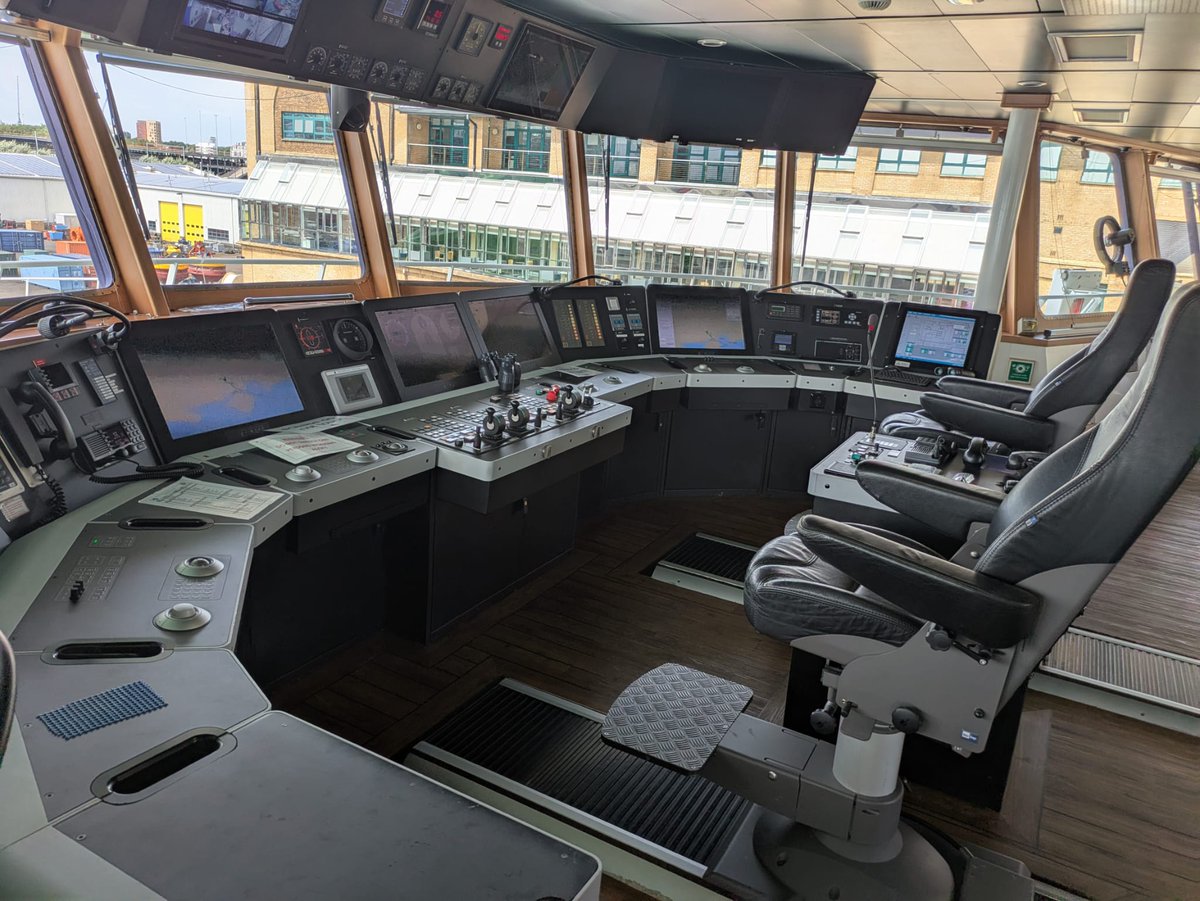
ICM @simolab_ volatile team sailing on the #Discovery tomorrow morning, 8am UTC time for a 5-week campaign in the North Atlantic Ocean.✨
@EDeschaseaux @lidejvv
6
115
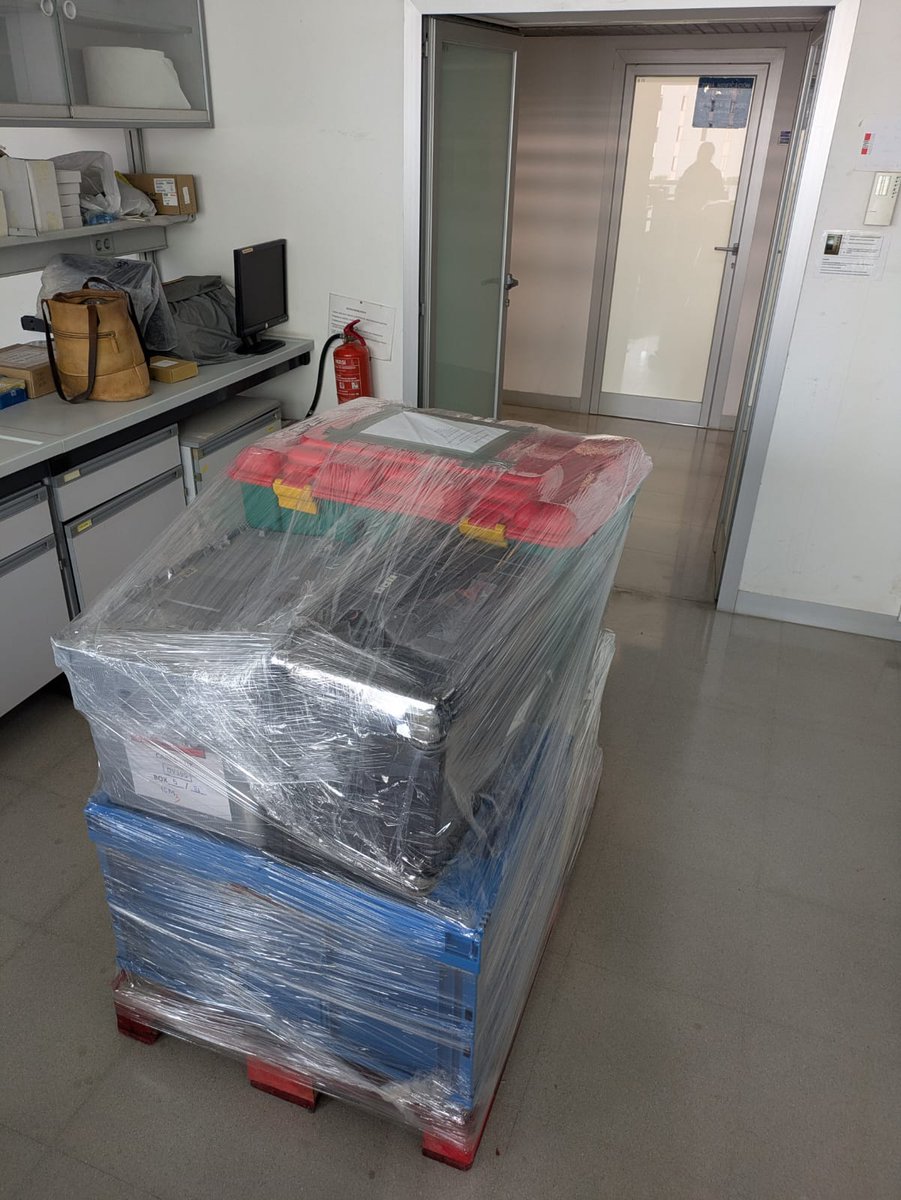
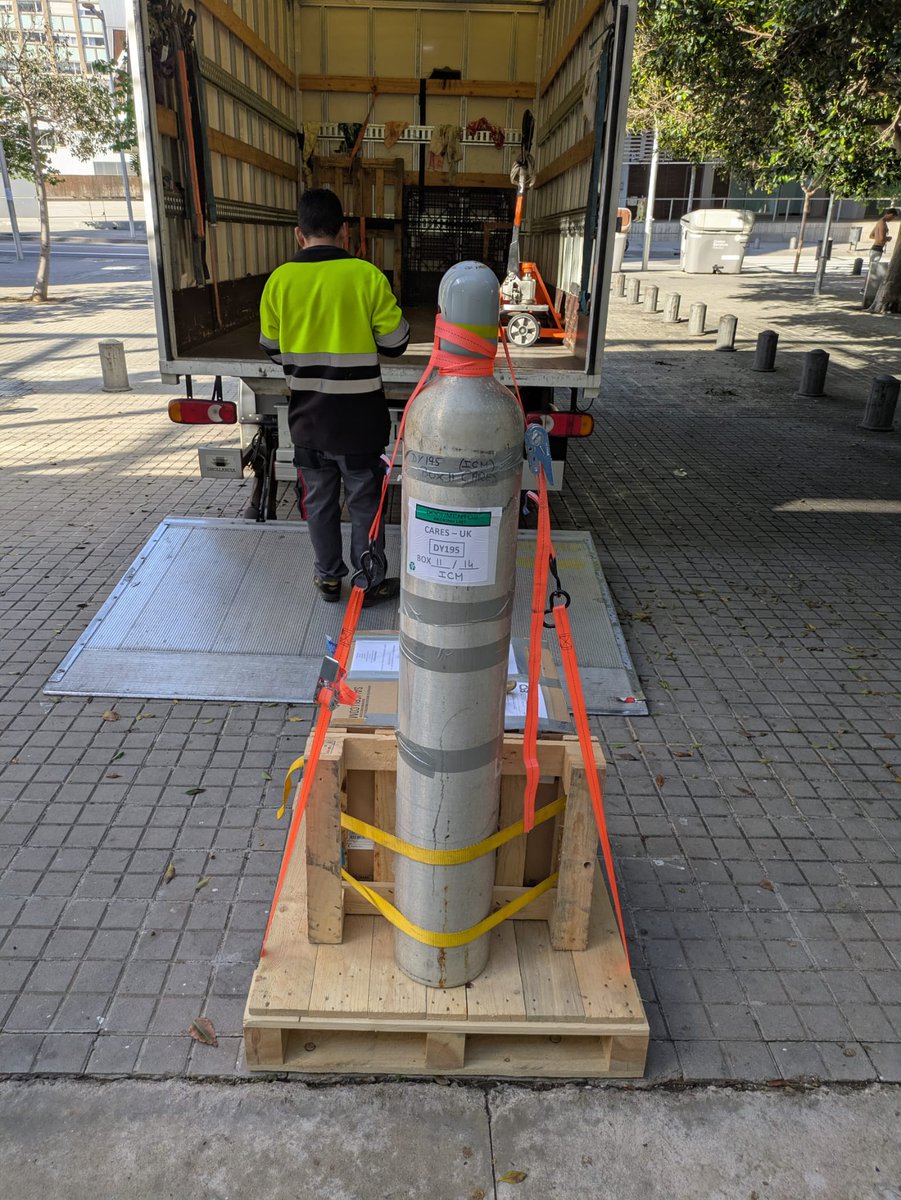
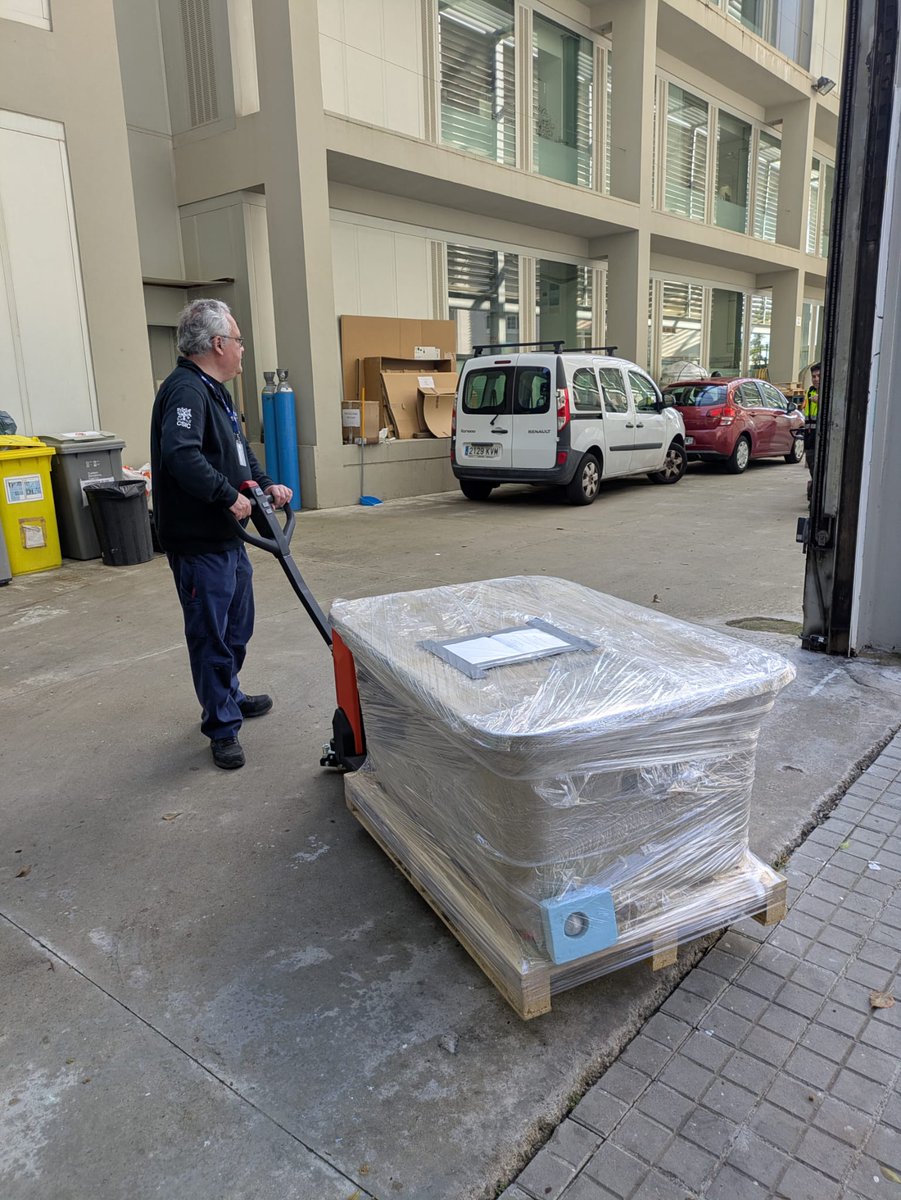
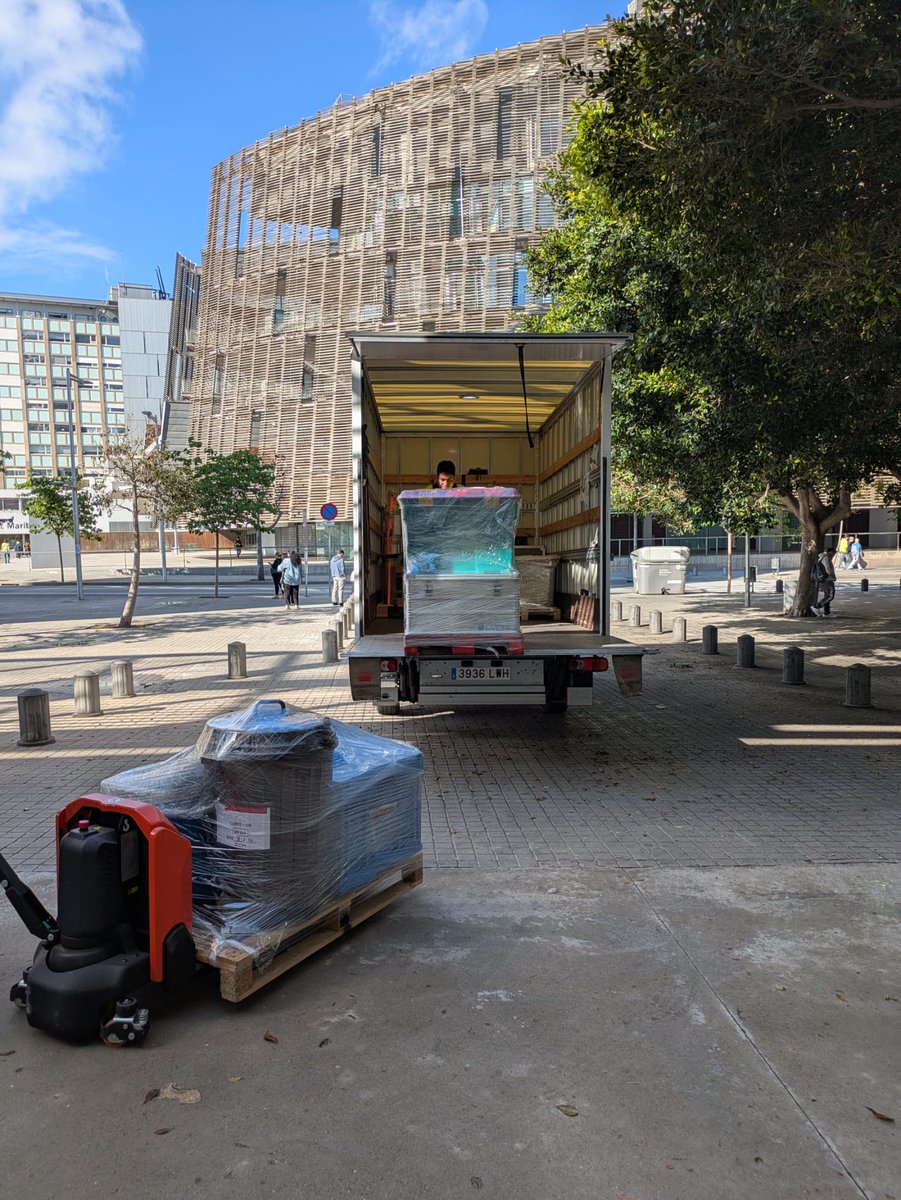
Last week the @simolab_ members @EDeschaseaux and Lide JvV shipped instruments to Southampton for the CARES cruise, led by @PlymouthMarine
A 5 weeks long cruise to the N Atlantic on board of the RV Discovery. The team will be doing #VOC by #PTRMS for #climatechange research.
2
122
Check out our new publication, led by Christel Hassler at @EPFL. In the Fe-limited Southern Ocean, most of the organic ligands that maintain Fe available for life are produced on site by phytoplankton and bacteria.
@jaccsa @NisotopesCT @ICMCSIC
nature.com/articles/s41467-0…
3
6
467
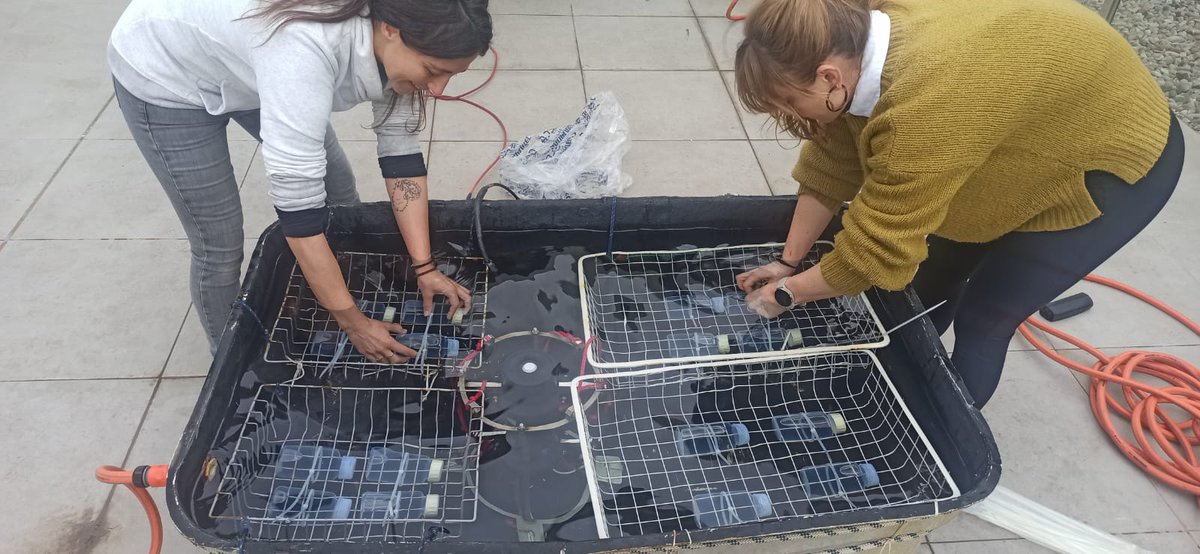
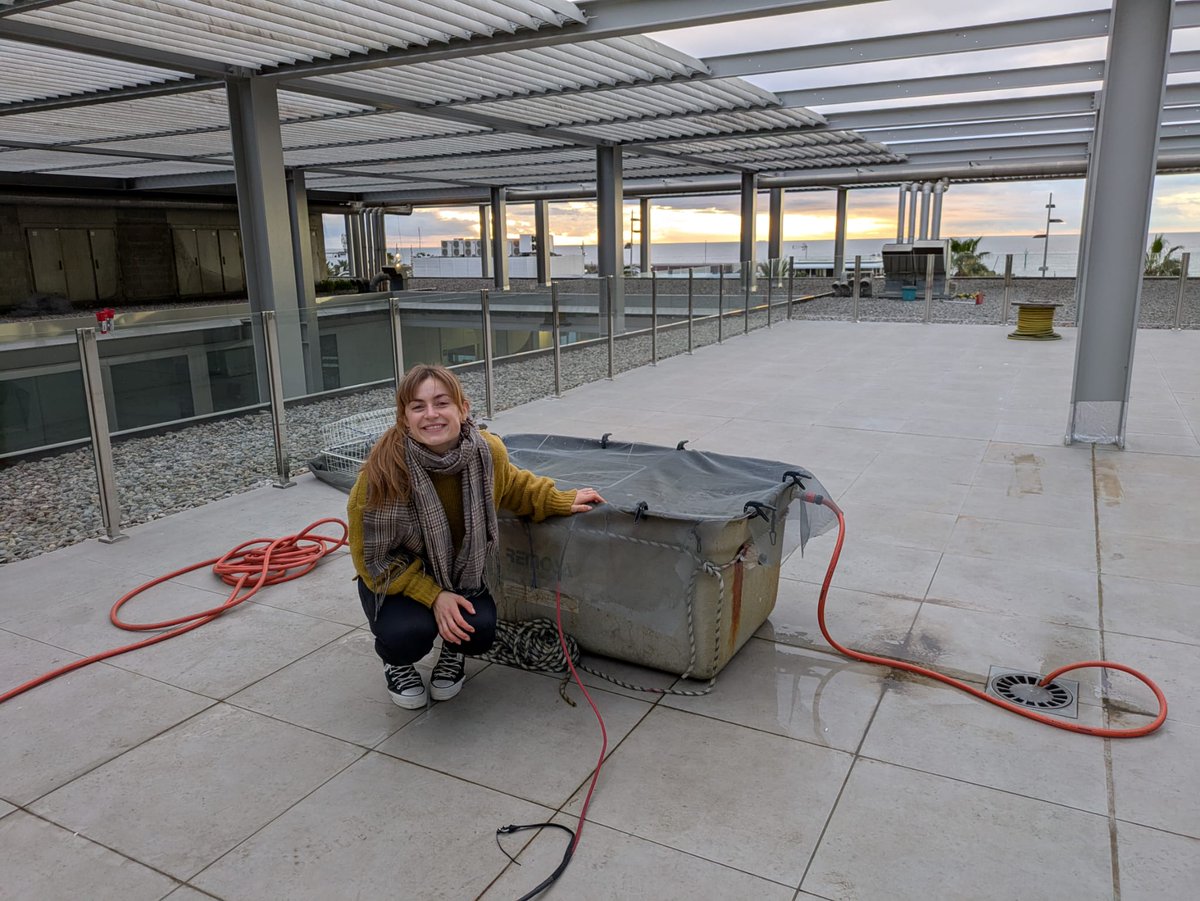
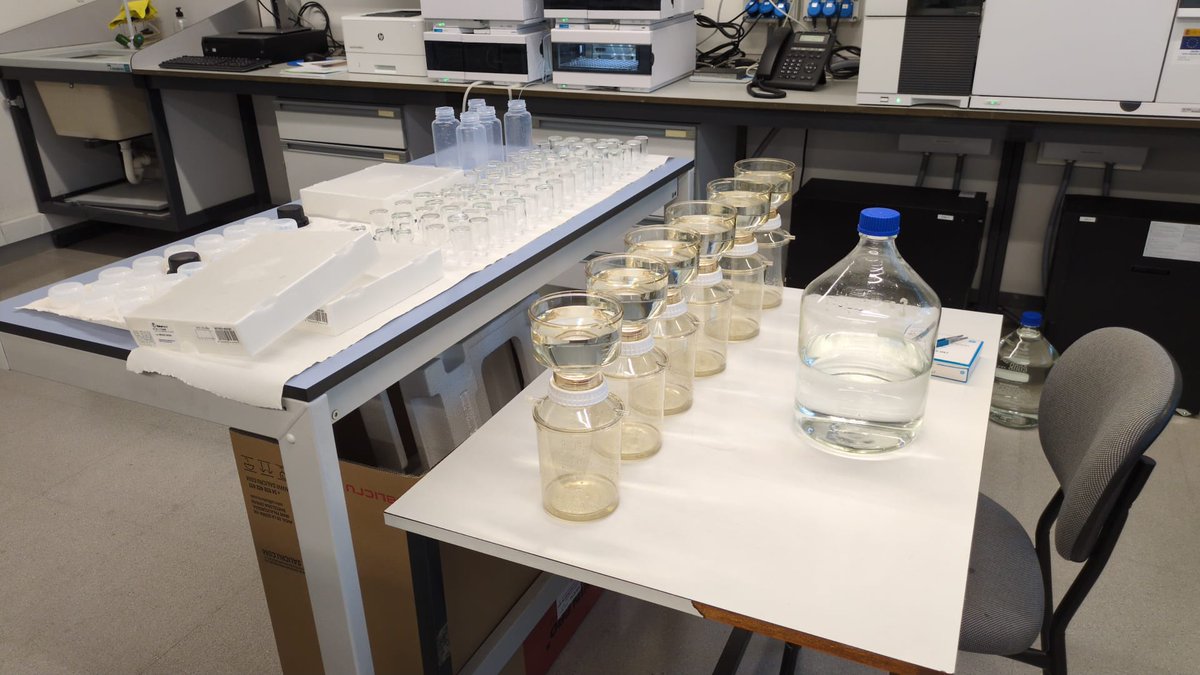
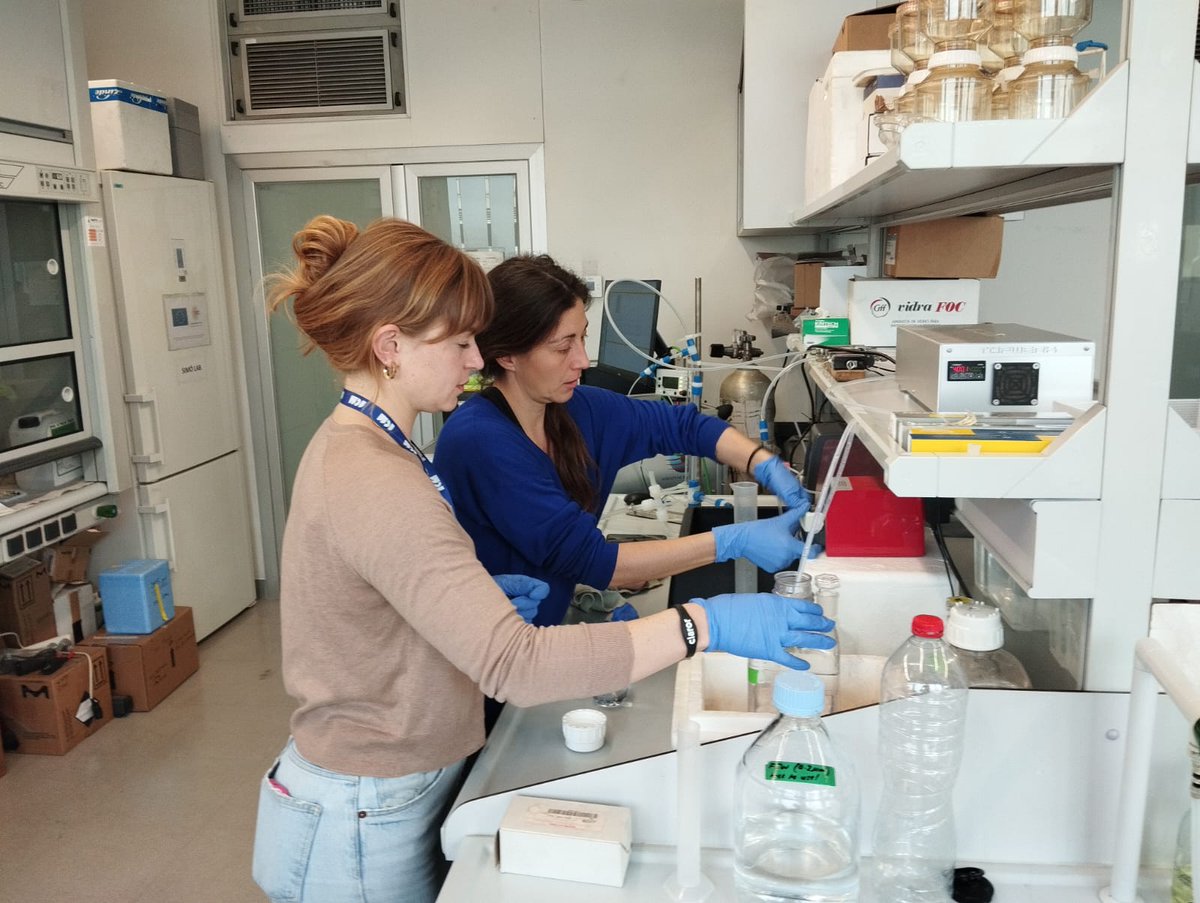
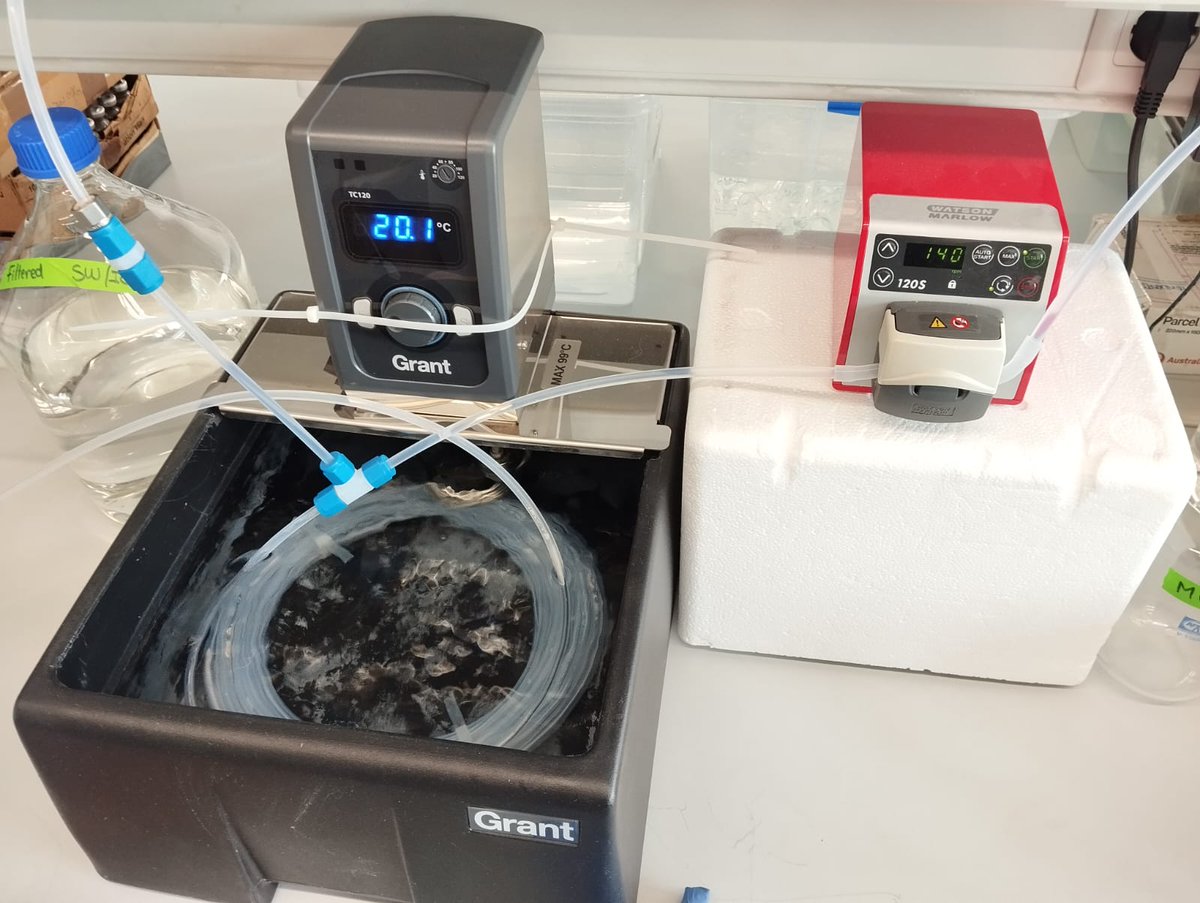
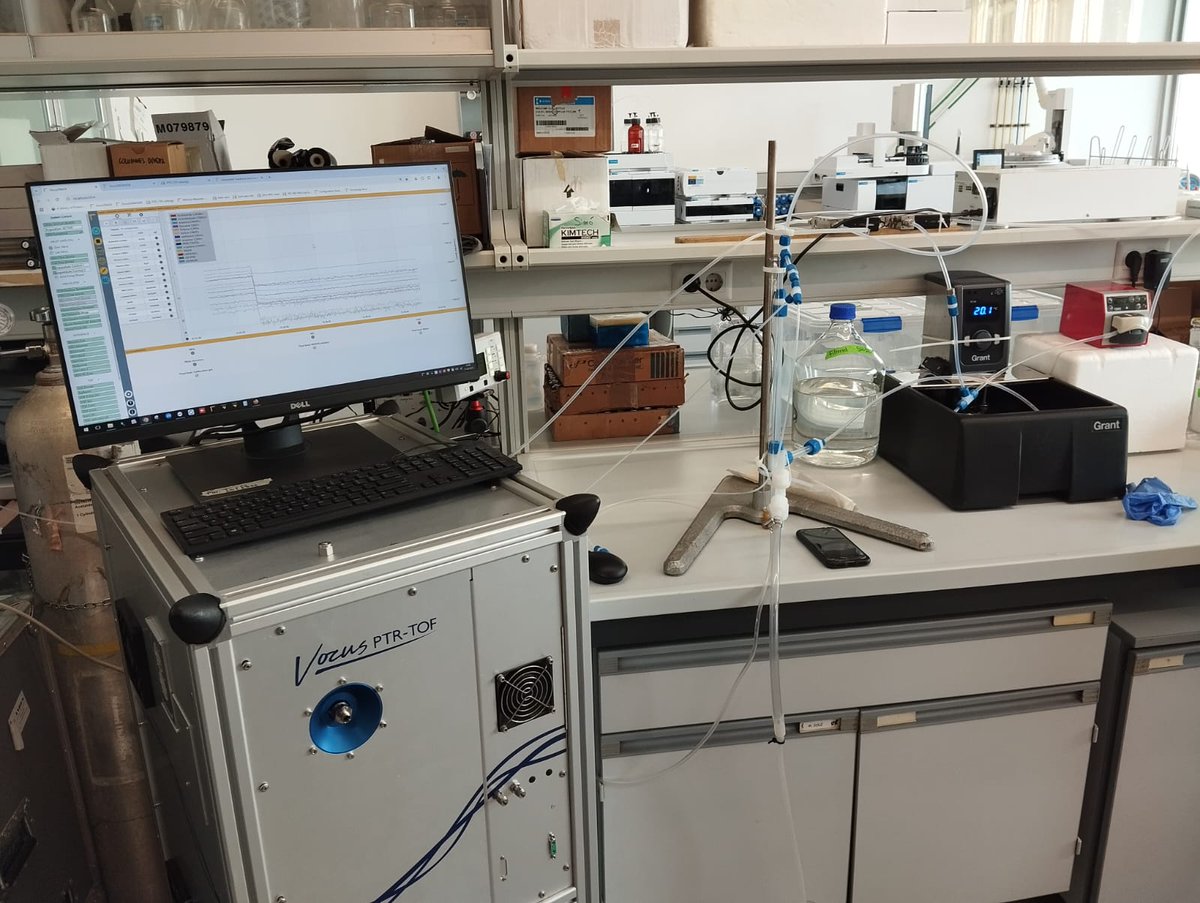
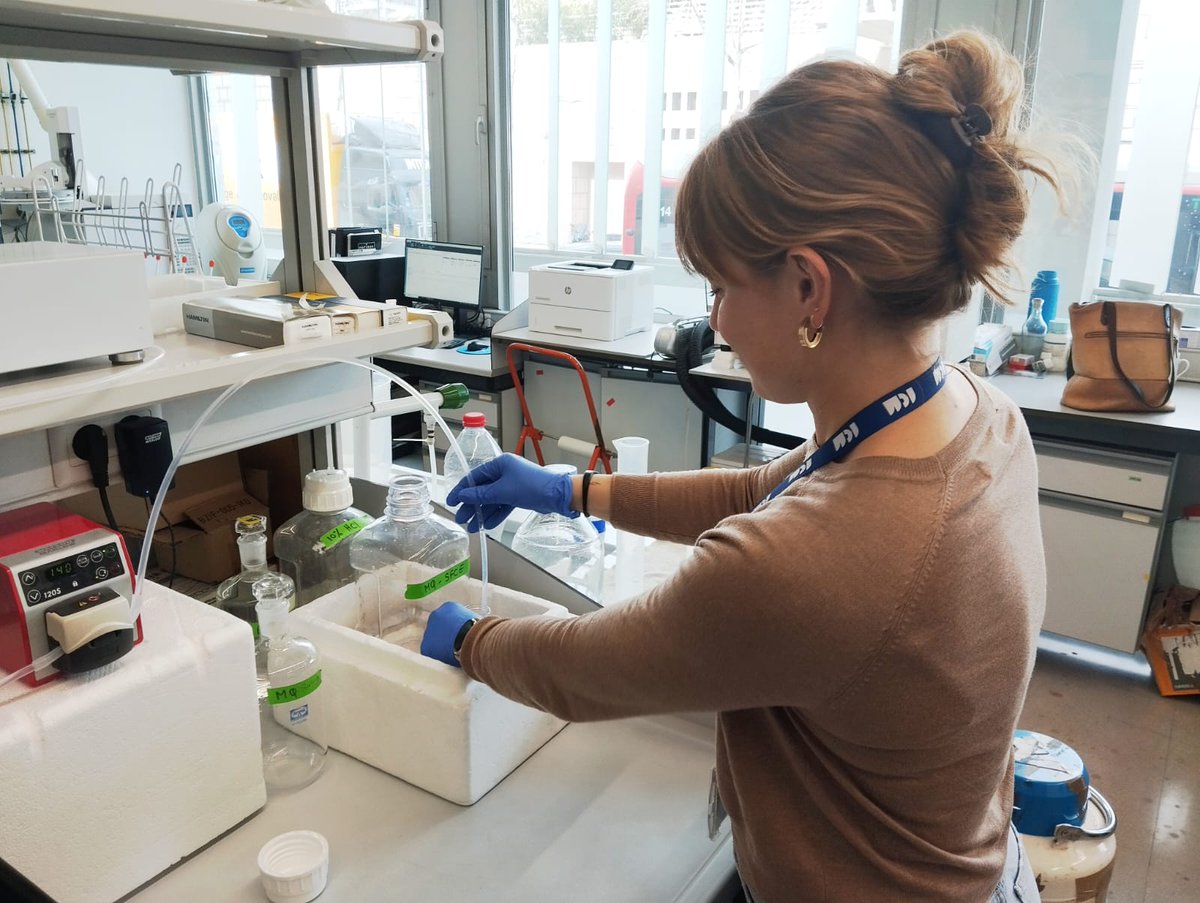
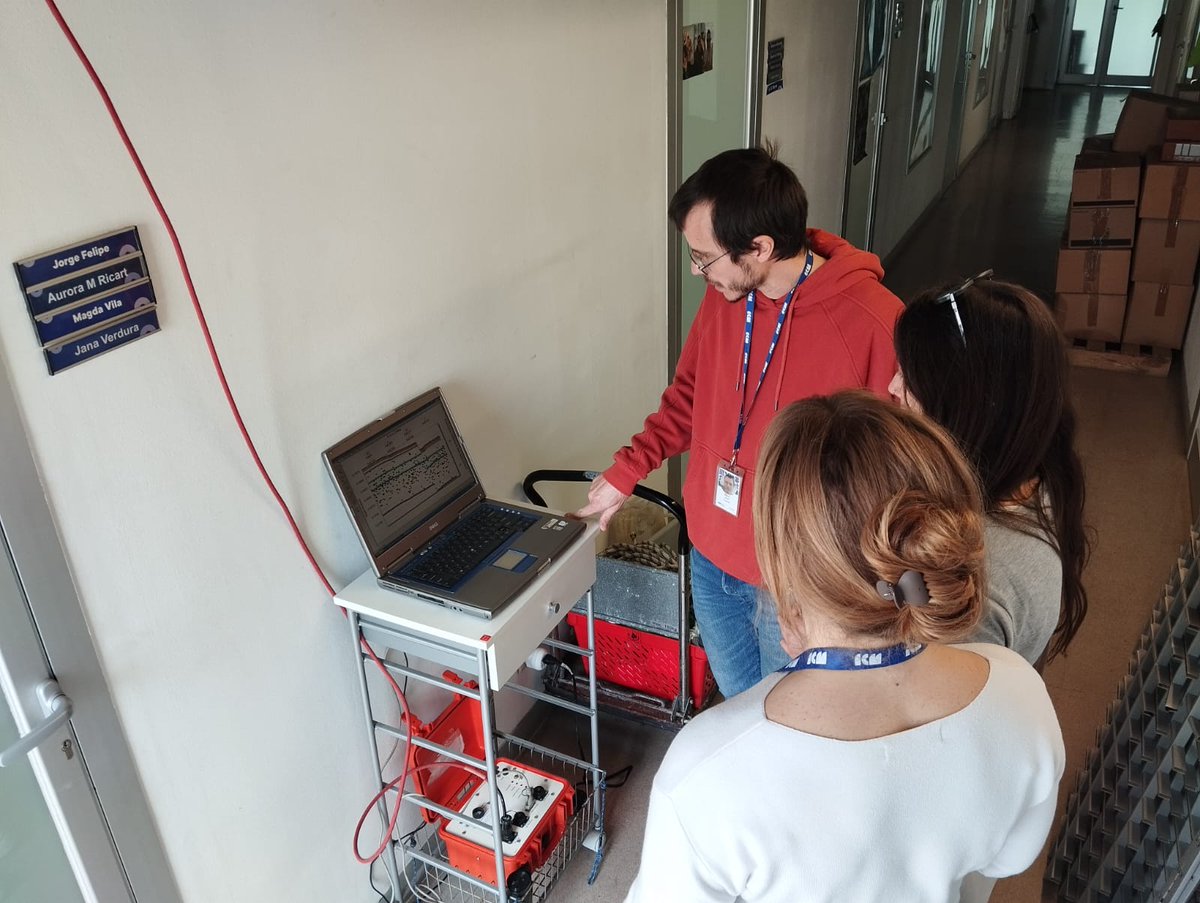
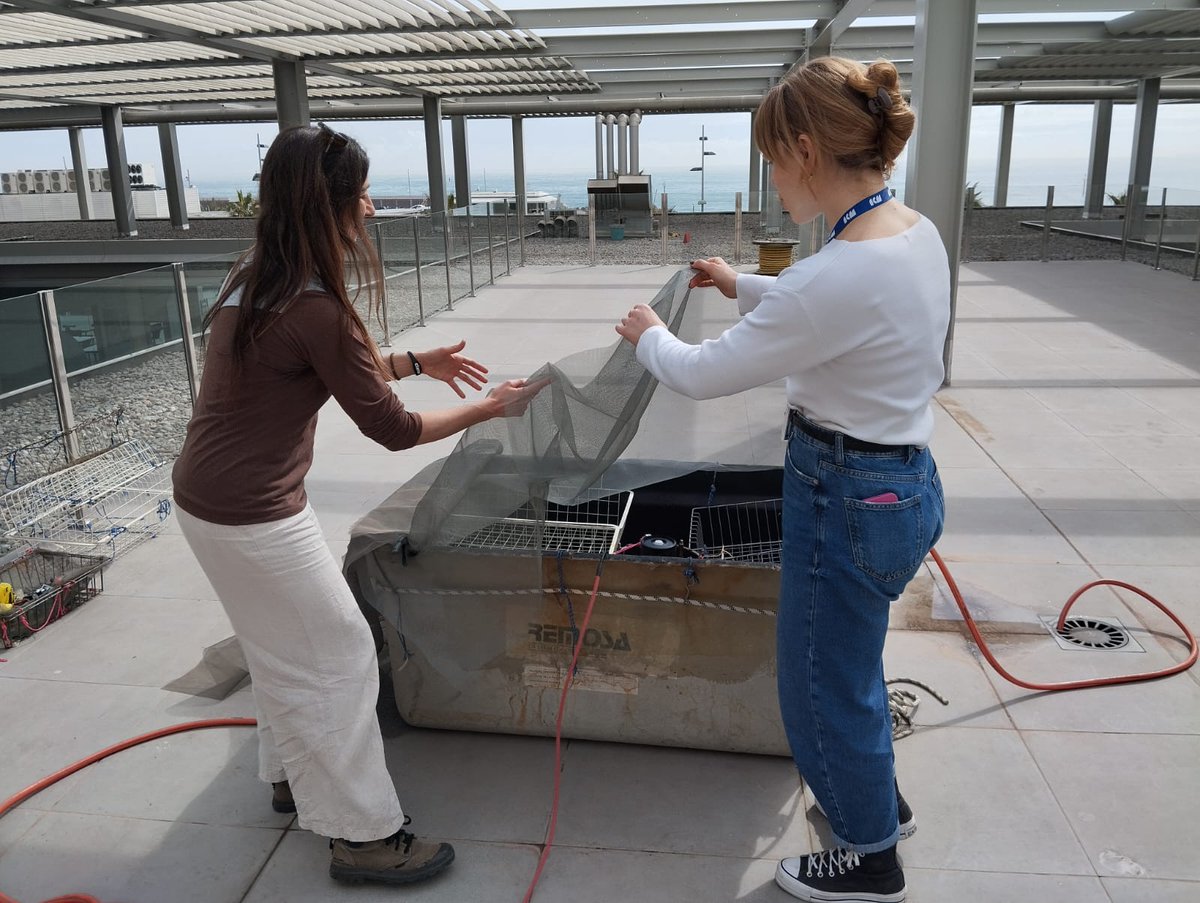
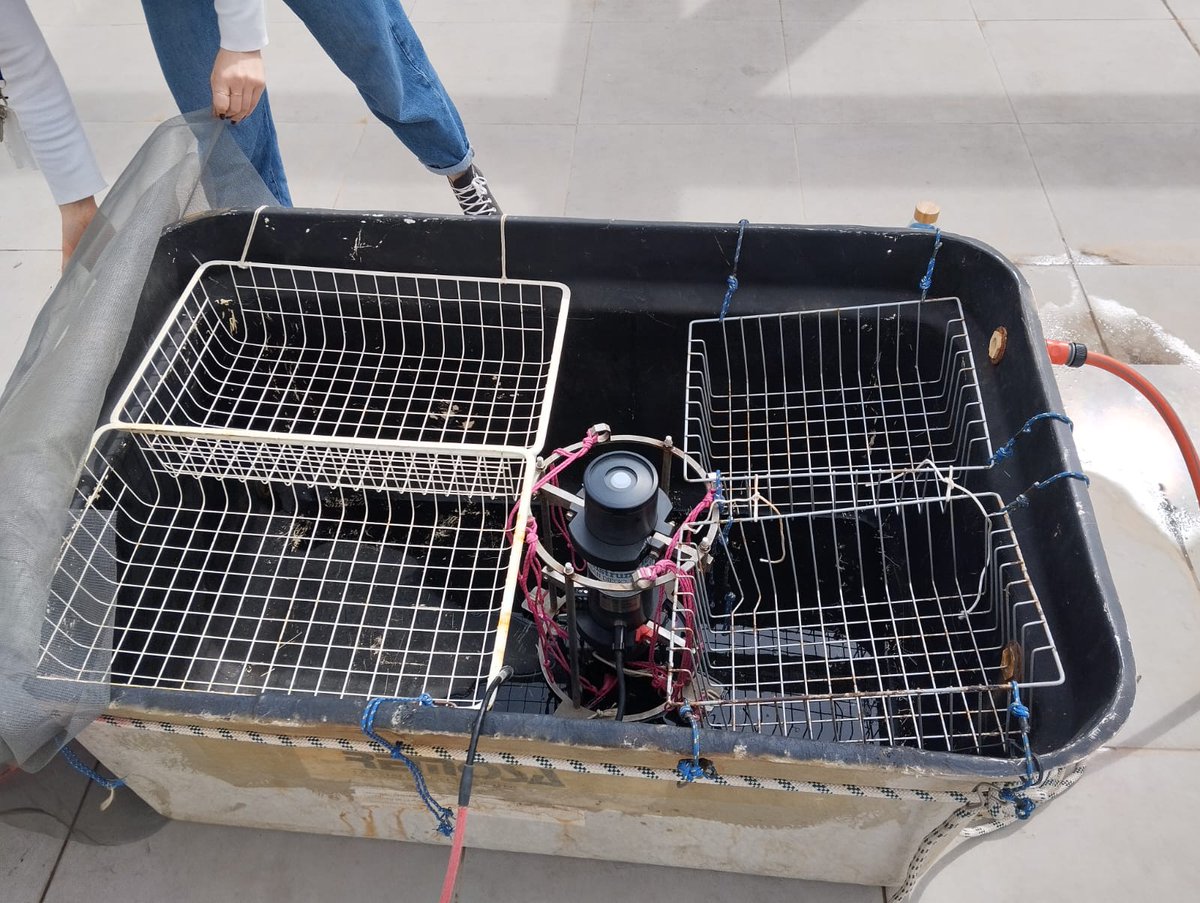
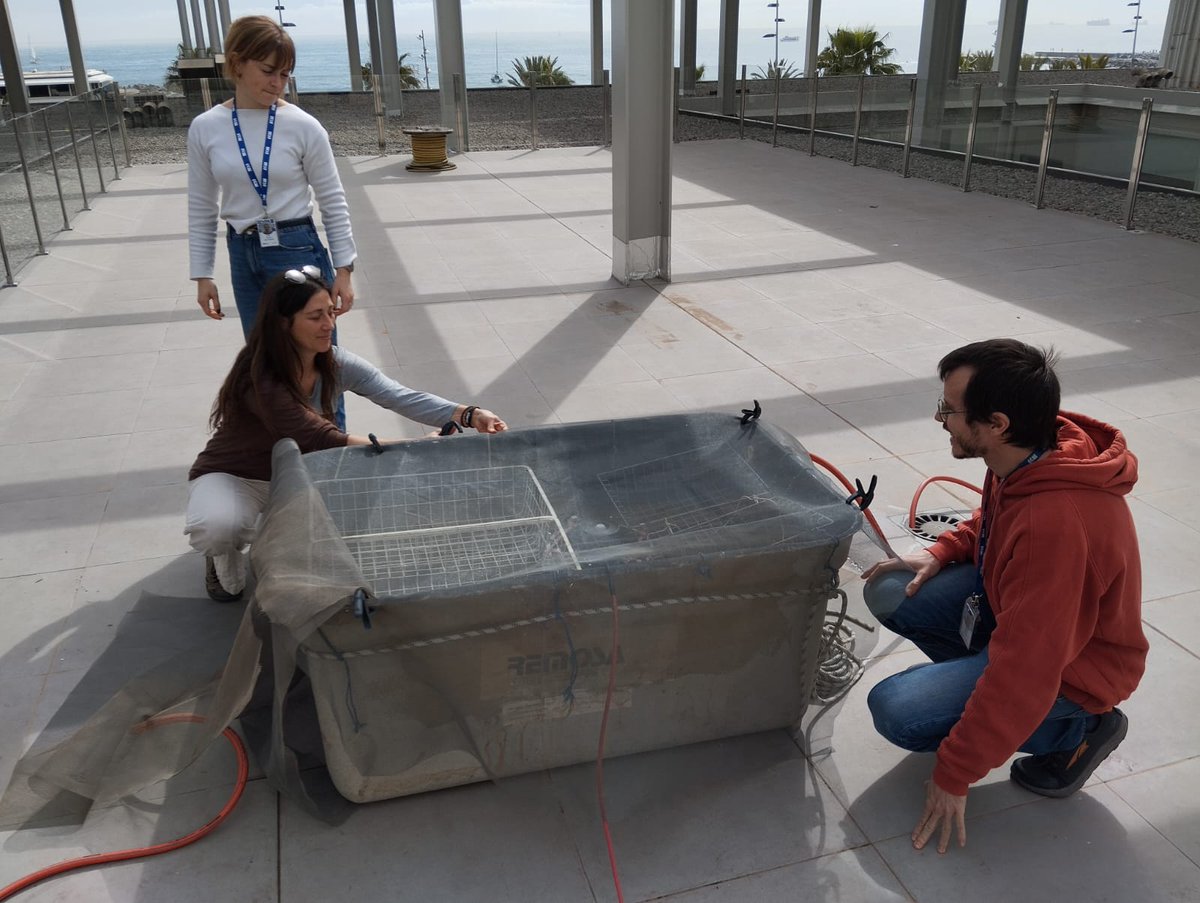
Leaving everything ready for the new upcoming @simolab_ experiment: today, preparation of incubation tanks for measuring the degradation and production rates of sulfur volatile organic compounds (#VOCs) in seawater from Blanes Bay.
#GOOSEproject
4
192
simolab retweeted

6 Mar 2025
New sources of methane have been discovered beneath the surface of the Antarctic seabed. It remains to be seen whether it is the retreating ice that is activating them or whether they are old active vents. @IGME1849 @simolab_ @Manuel_DallOsto @ICMCSIC
polarjournal.net/large-metha…
1
2
201
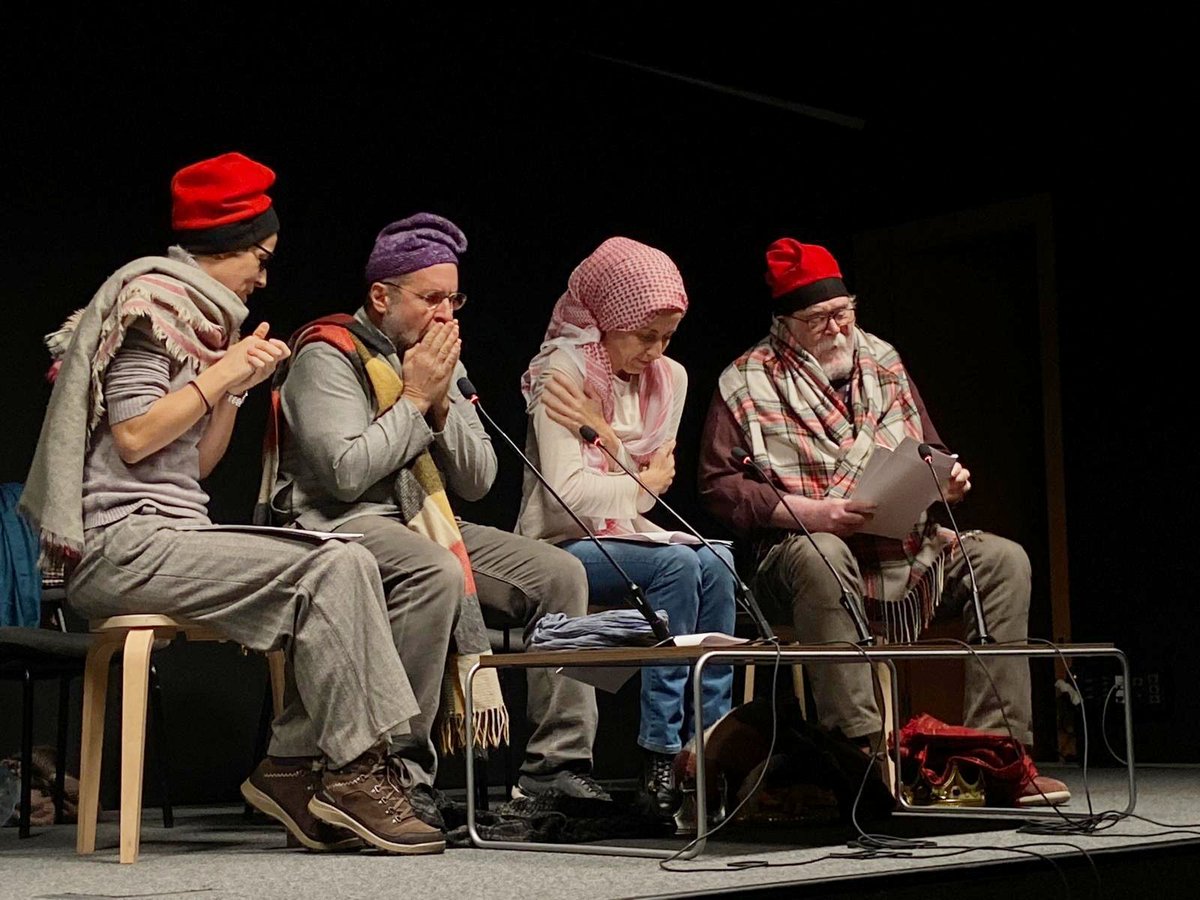
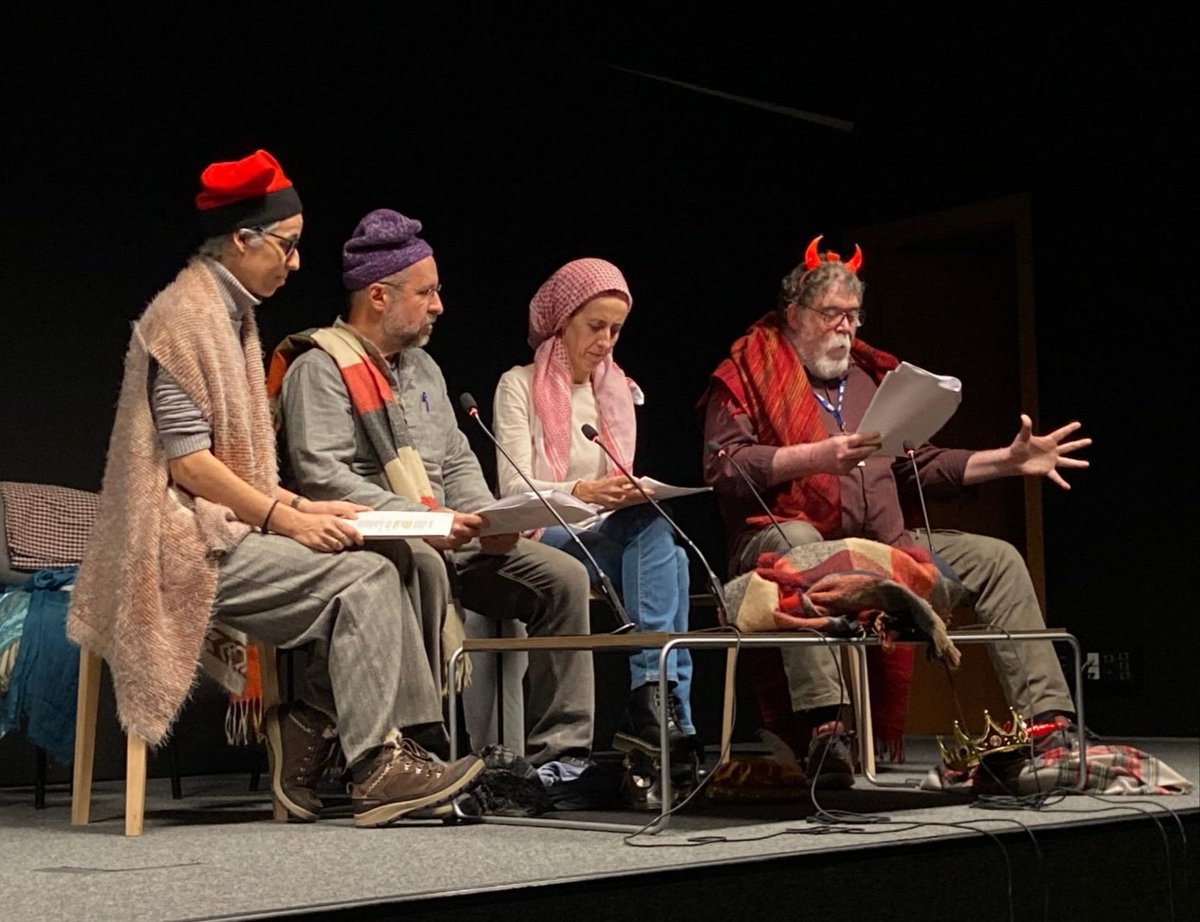
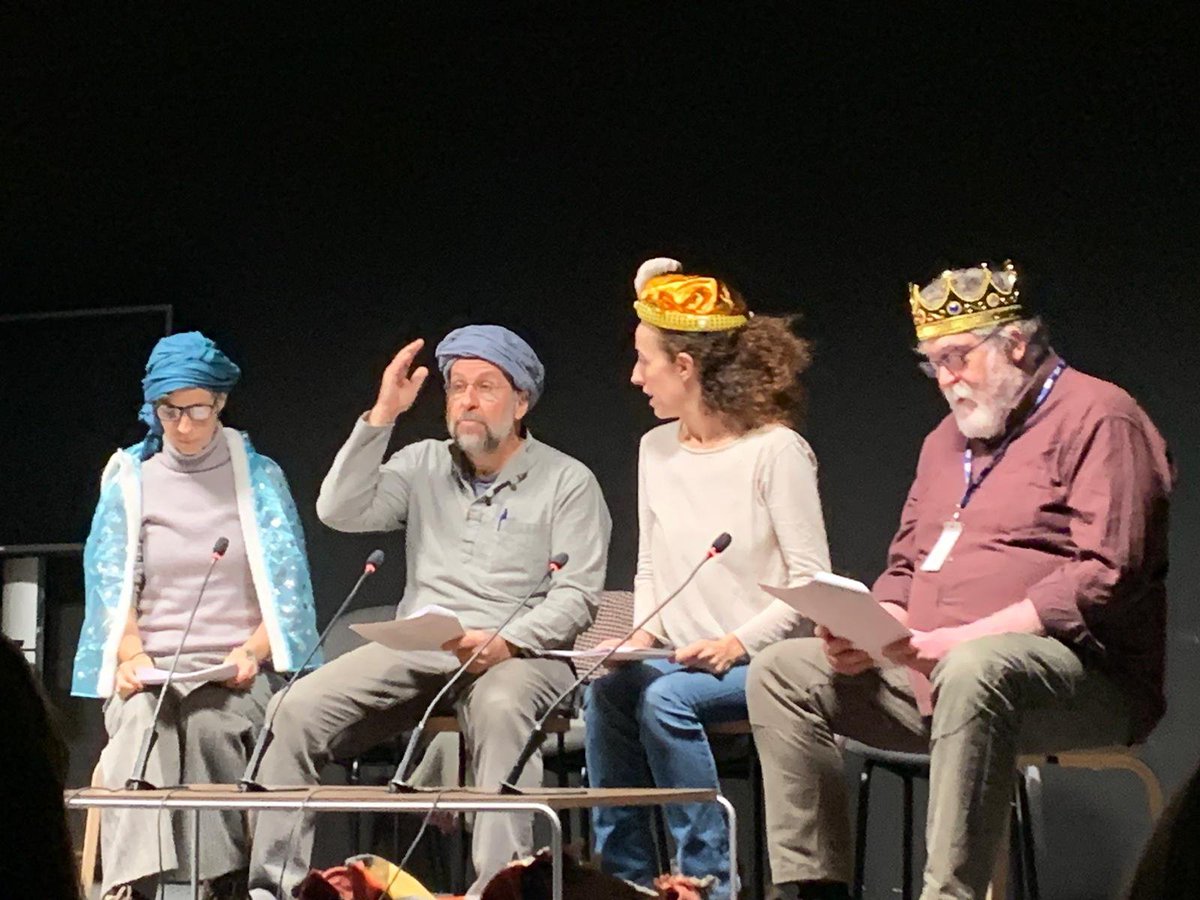
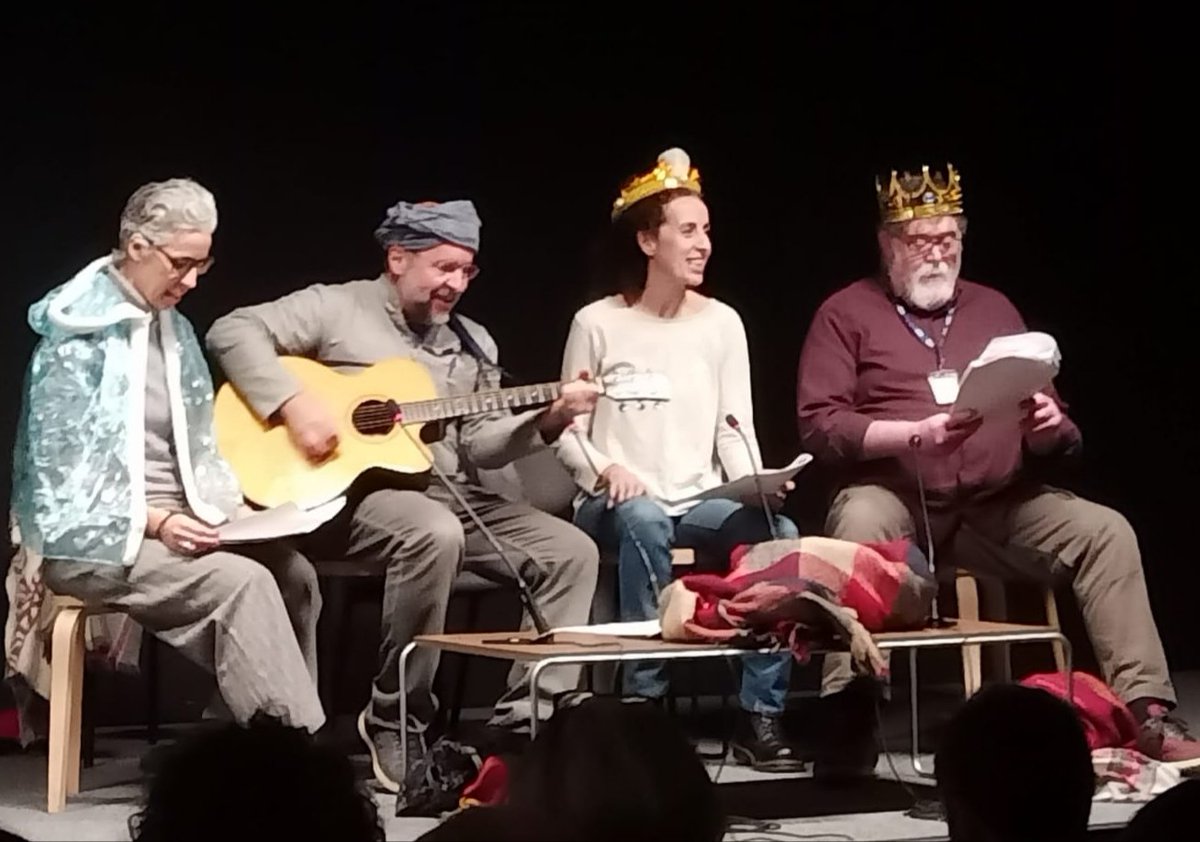
Still another (14th) edition of the "little shepherds" of the @ICMCSIC, a humourous and rhymed chronicle of the year. Jokes, criticism, memories of the ones who have left, wishes and songs to laugh and celebrate.
Performed by Eva,
@pepgppepgp, Eli, and Rafel @simolab_
1
12
286
Merry Xmas and best wishes for 2025!
Bones festes i els millors desitjos pel 2025!
2024 leaves us with a good #SUMMIT_Moorea feeling!
📽👉vimeo.com/manage/videos/1038…
2
9
639
Our new paper on marine methanethiol emission, which adds 25% more sulfur to known DMS emission. In the Southern Ocean in summer, this represents up to 50% more sulfate aerosol and up to 1.5 W/m2 of extra cooling.
@ICMCSIC, @iqf_csic & international team
science.org/doi/10.1126/scia…
6
12
1,144
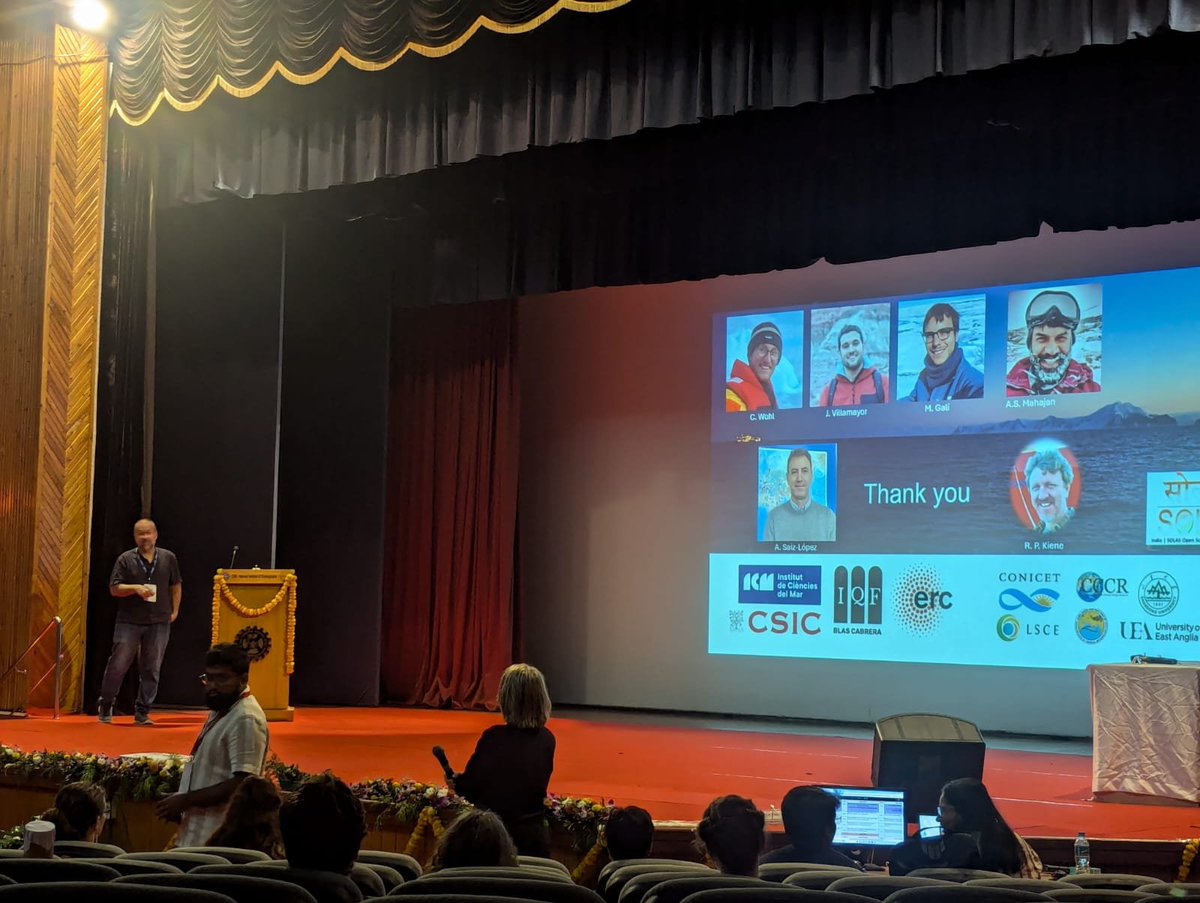
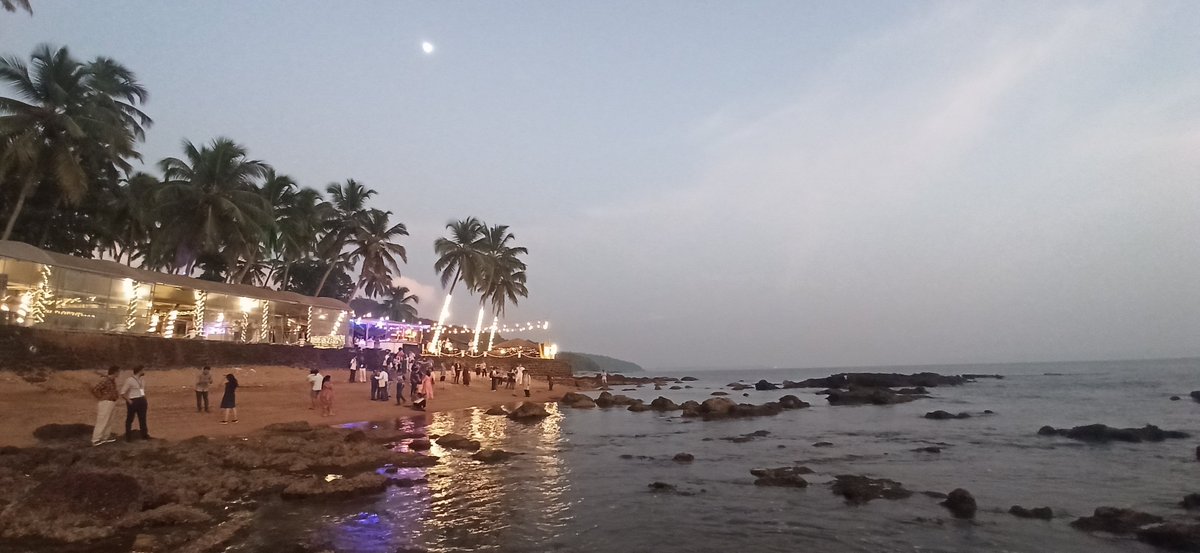
Rafel talking at the SOLAS OSC in Goa (India) about global ocean emissions of methanethiol to the atmosphere and their radiative impacts on climate. To be read in a paper coming out very soon.
Later, enjoying a lovely evening with the @SOLAS_IPO community.
5
274