Brentford Fan and London cyclist. Likes democracy not planters. Loves proper infrastructure. Blocks halfwits, mutes the disingenuous & liars.
Joined January 2011
- Tweets 6,848
- Following 184
- Followers 362
- Likes 6,905
1,214 Photos and videos
Pinned Tweet

16 Jul 2023
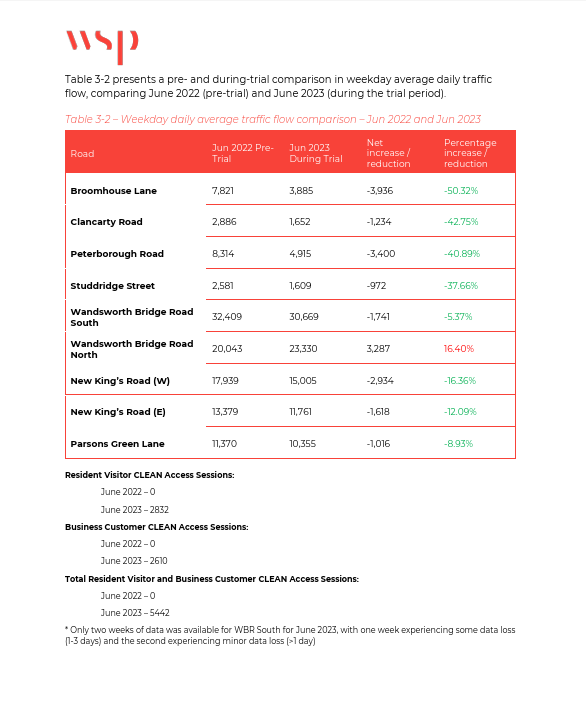
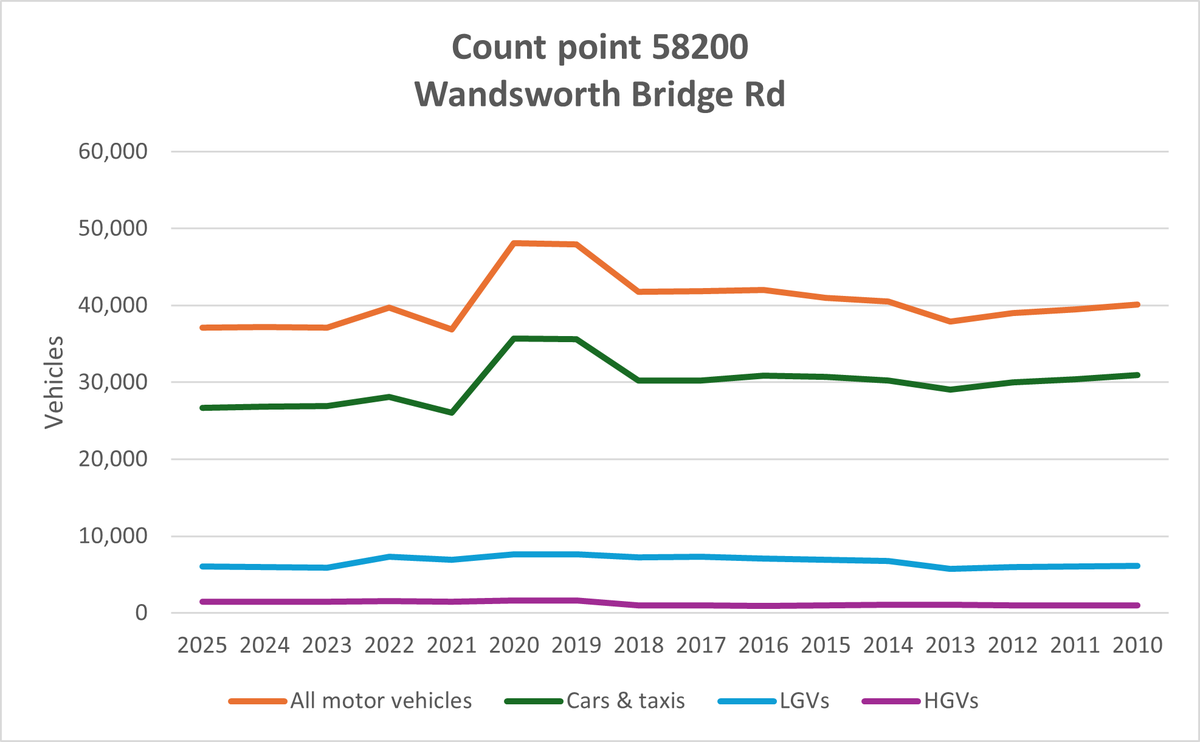
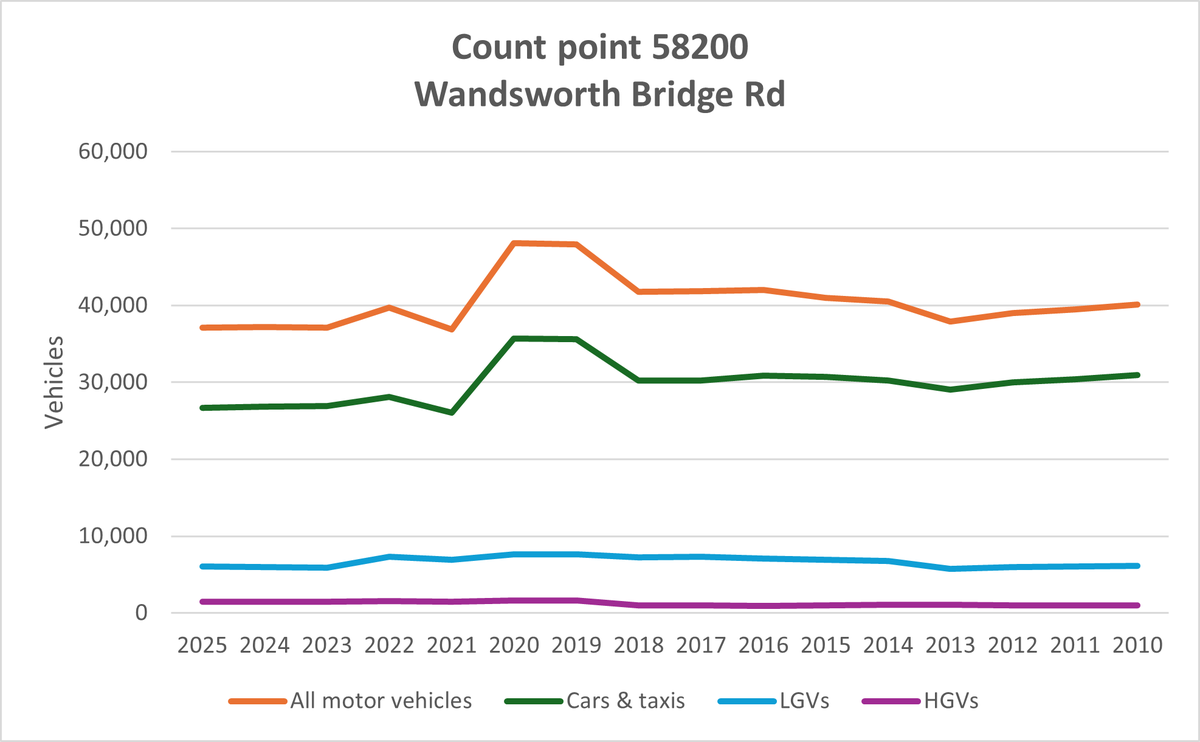
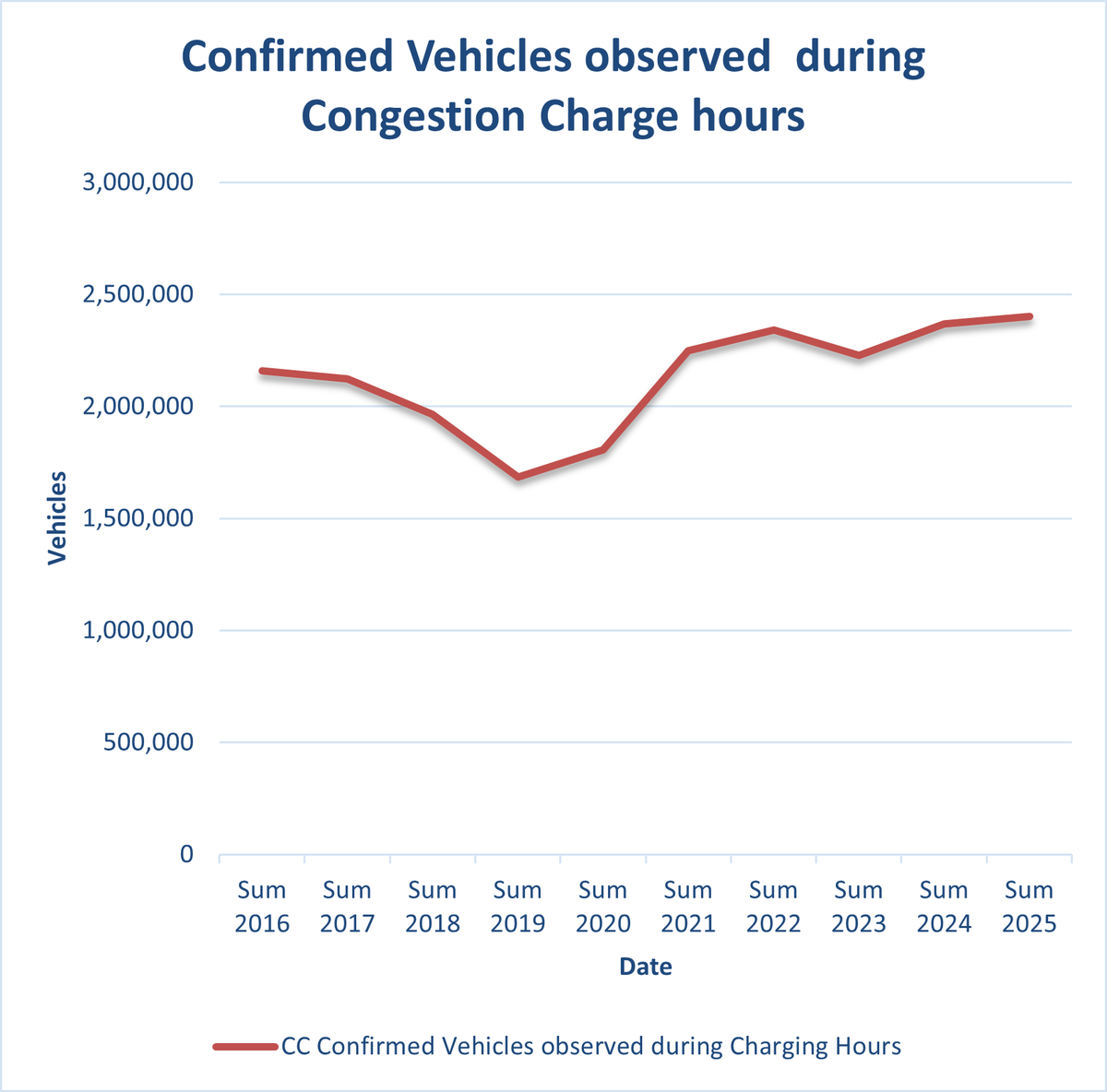
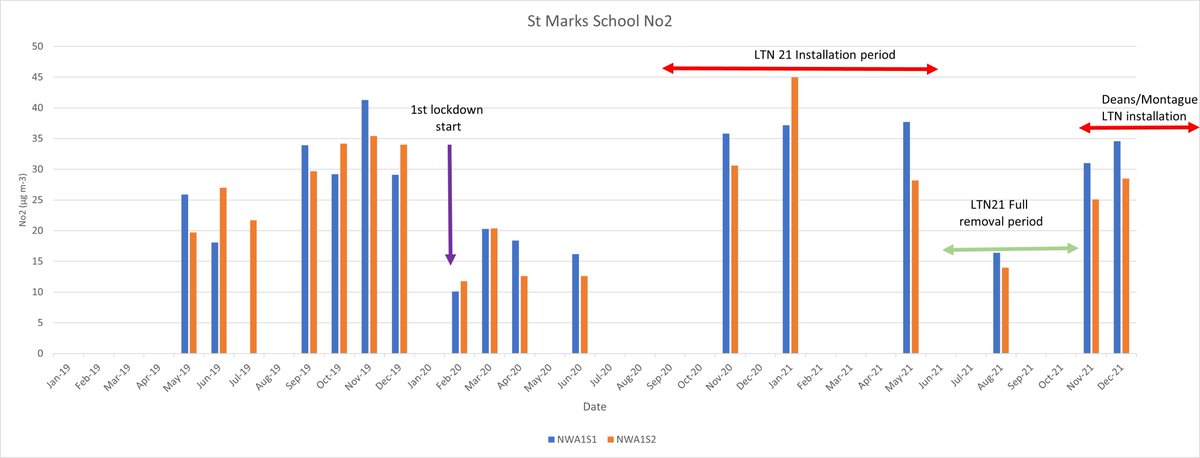
Your graph is a bit misleading Paul. The annual mean concentrations do not tell the full story. No2 rose to unprecedented levels during the LTN period. The removal of the LTN saw a drop to 1st lockdown levels until the Deans/Montague LTN was installed.
3
6
6
2,943

Kevin from Rochdale in Greater Manchester handing in the @NFBUK petition @Keir_Starmer @10DowningStreet to ask for the immediate suspension of the DfT Statutory Guidance on Floating Bus Stops. It is not fit for purpose & the consultation was a sham. Fantastic photo @SimonLamrock
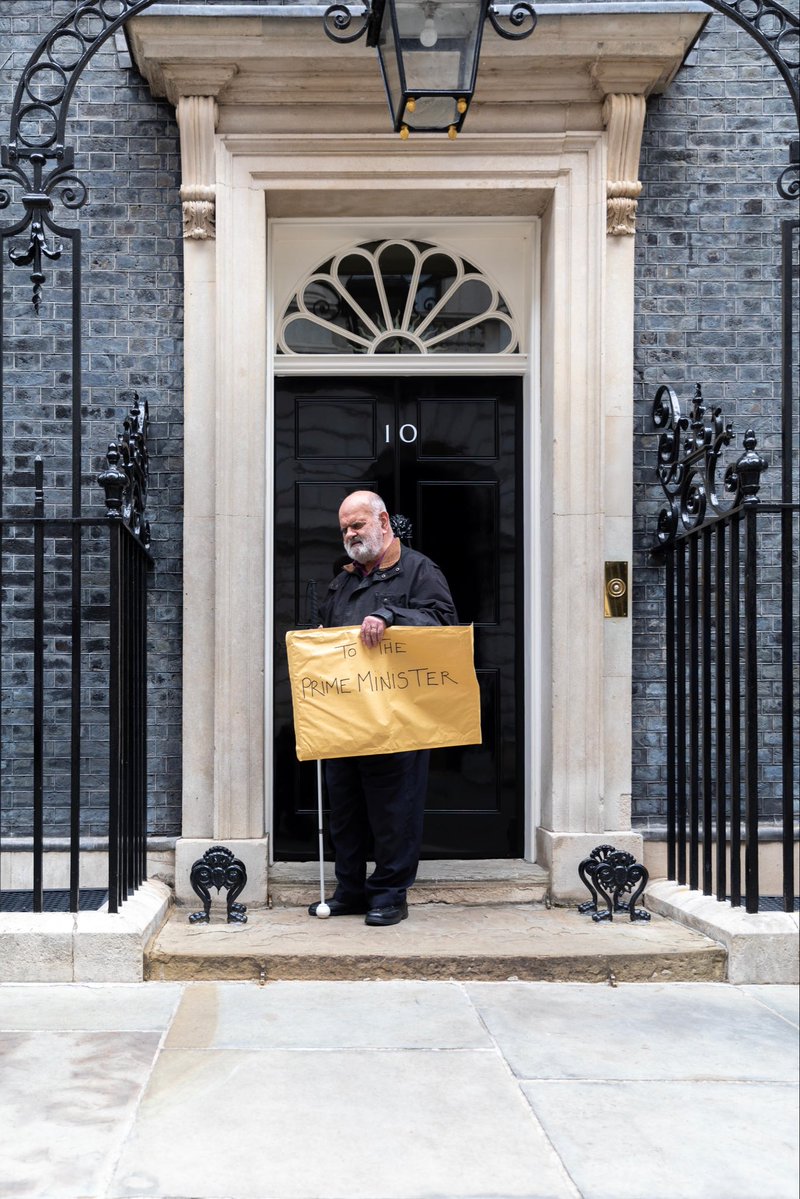
ALT Kevin holding a petition envelope with the words ‘To the Prime Minister’ outside 10 Downing Street, holding his white cane.
24
54
1,506

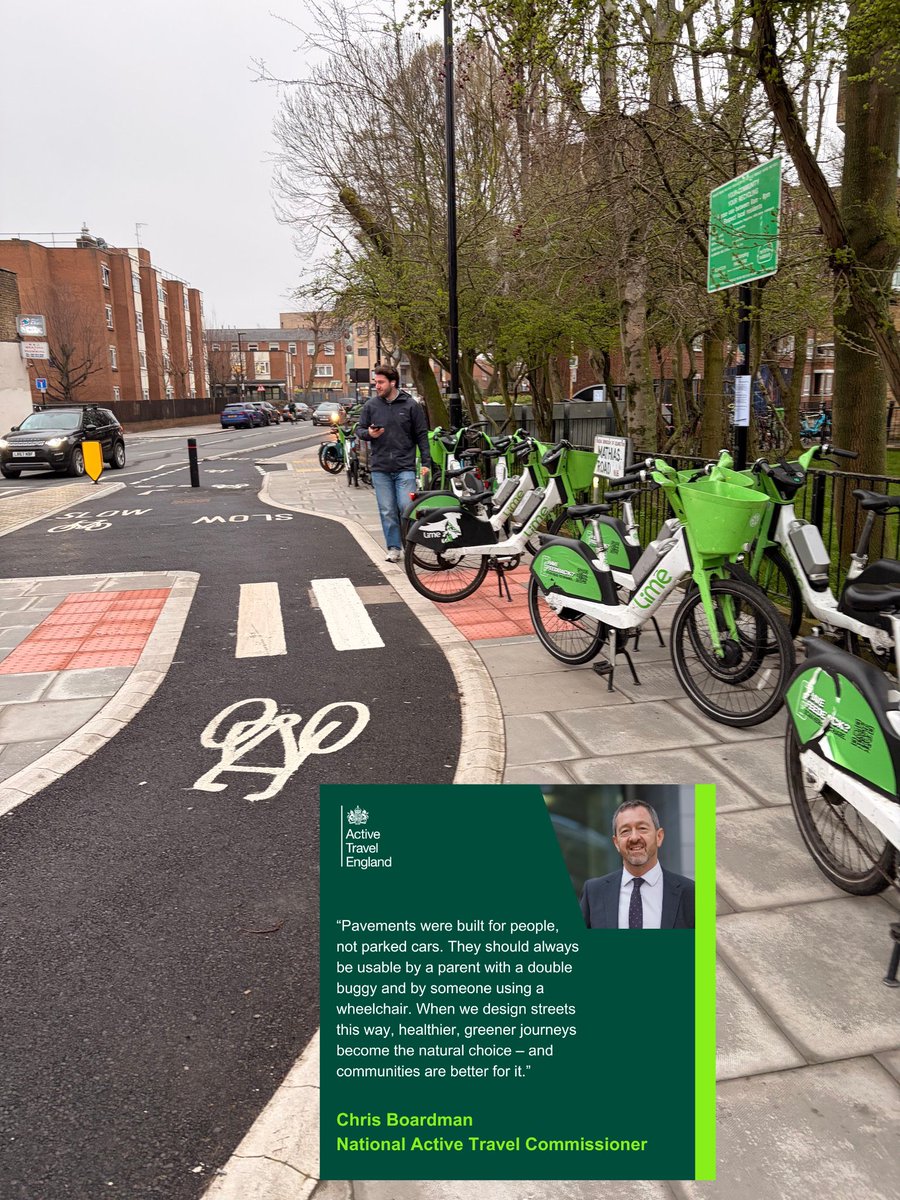
‘The tragedy is that visually impaired people are ending up at the bottom of the pile & are designed out of the environment’ Andrews words about a pavement-less bus stop on the new Lea Bridge Road cycle lane in London. @LouHaigh @simonlightwood we need urgent help on this issue.
40
299
512
164,320
Feb 16
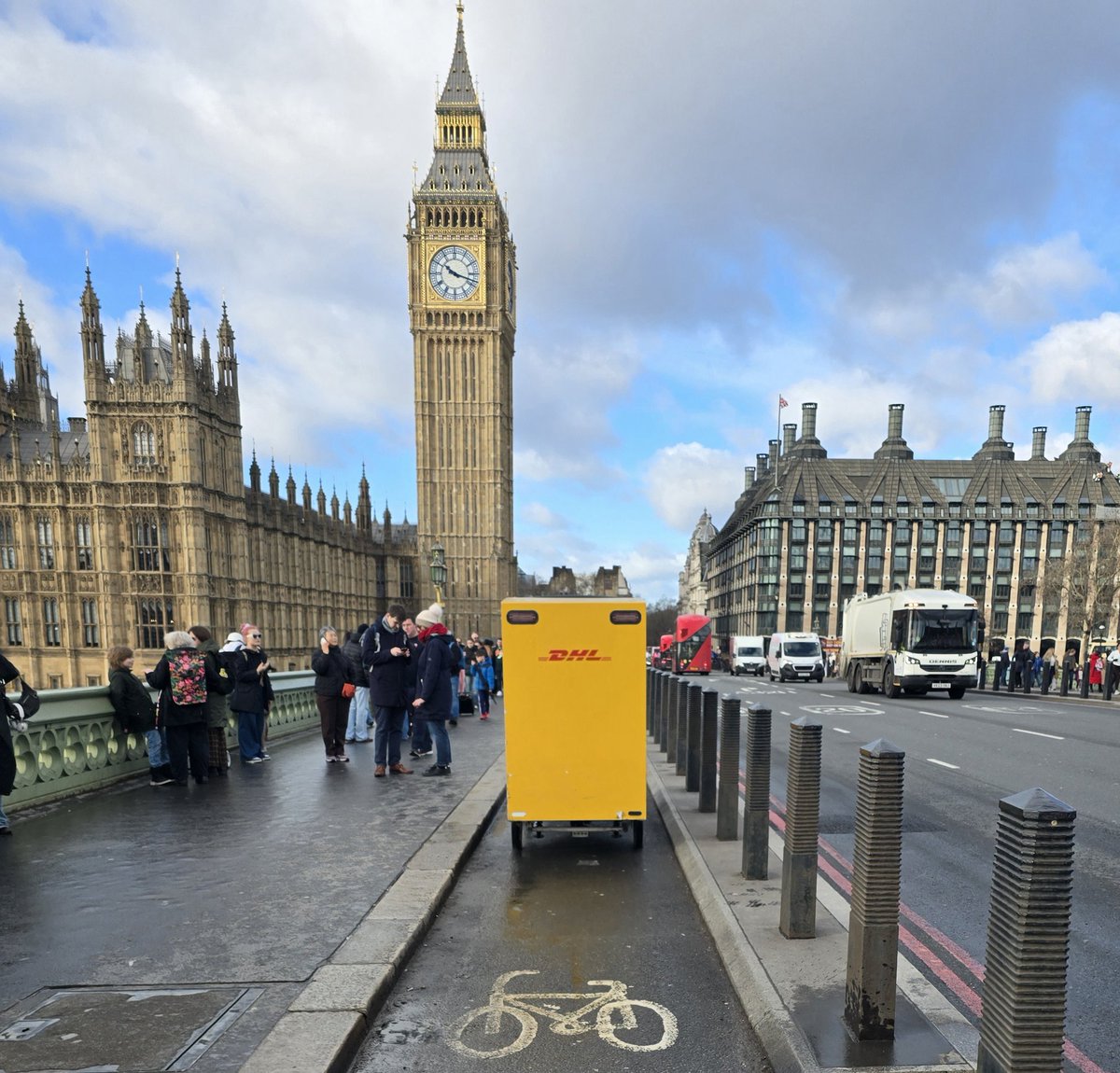
This post is absolute genius!
It's even got the right amount of spelling mistakes to make himself look stupid on as well as being self entitled!
Hats off to you Dan for confusing the so called 'cycle campaigners' on X and 'so' subtly highlighting their mentality. 🍻 LMFAO
Feb 16

Just had to have a word with this DHL Clown and inform him the Cycle Lane is for 2 Wheeled Vehicle's hence the painted sign,The Road's empry and ge's doing 2mph,Selfish Mug🚲🍻🍻👌
92
Simon Calvert retweeted
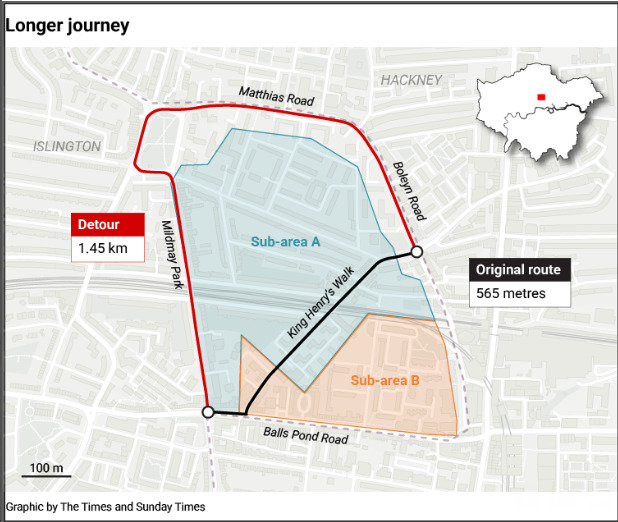
Is this the barmiest LTN yet?
The detour required after the closure of a single road in Islington's new Mildmay LTN is set to result in:
- More than a million extra miles being driven each year
- 400,000 kg of extra CO2 being released
Yet the council labelled it as "green" 🧵
49
130
285
48,356
Well done to our fantastic team who handed an updated petition into @Heidi_Labour on International White Cane Day following @LordPeterHendy unacceptable response to Lord Snapes & Lord Holmes concerns raised in @UKHouseofLords debate on Bus Services (No2) Bill on 13th October 2025
3
23
55
7,786
Simon Calvert retweeted

29 Sep 2025
Even LTN activist Dr Rachel Aldred couldn't find a way to support the false claim that LTNs reduce car use. So after £82k of funding, TfL pulled the plug & buried her research.
Five years of pointless suffering on LTN sacrificial roads based on the hunch that LTNs reduce car use.

Outside the LTN the congestion backs up in other residential roads and see see fully congested main roads …
@JourneysPlaces @PGCommunity mislead residents here and call our roads quiet. Roads in the East Bowes Ward take twice the amount of cars Fox lane ever did …. Berkshire gardens being harmed
7
32
68
16,067
Simon Calvert retweeted
23 Sep 2025
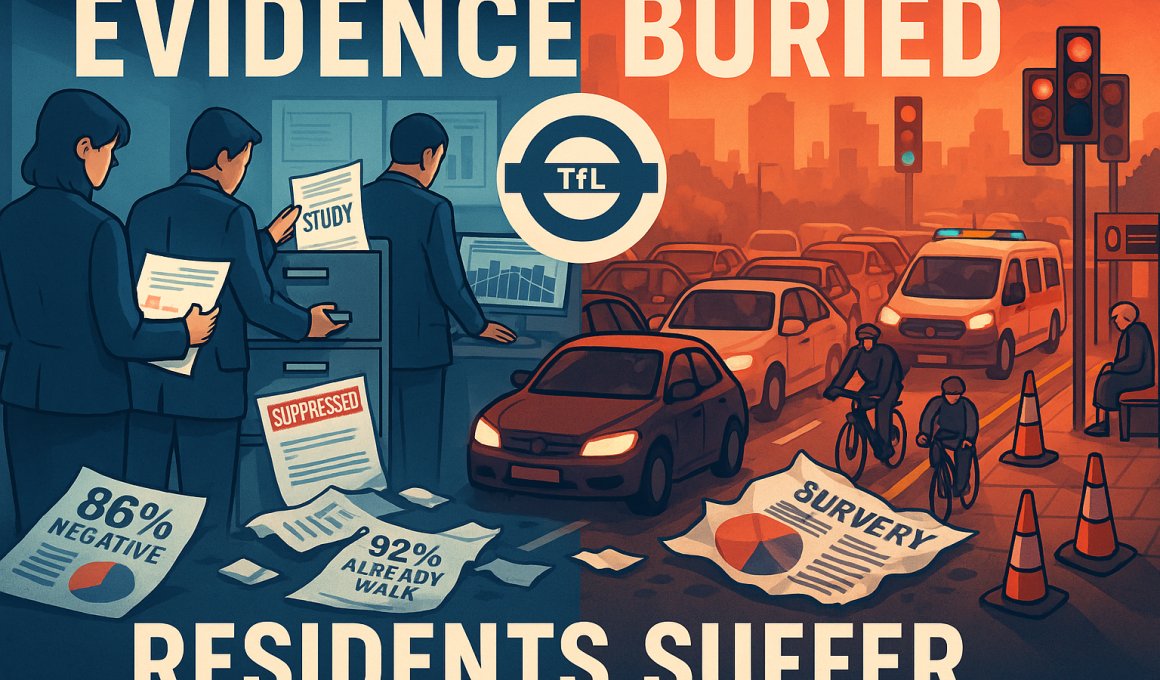
The claim "LTNs reduce car use" was used by councils to justify concentrating traffic on community roads, generating hundreds of £millions in fines and increasing property prices on affluent high car ownership roads. TfL buried the study that showed this claim to be false.
For those suffering increased air pollution exposure from traffic congestion due to LTNs, this research suppression reveals the institutional mindset that prioritises ideology over evidence – with devastating consequences for all who live, travel work, learn or play near LTN sacrificial roads.
The £82,095 university study surveyed more than 4,500 residents and found that Low Traffic Neighbourhoods do not reduce car use. When the research proved Mayor Sadiq Khan’s claims about LTNs wrong, TfL officials worried about publication and eventually withdrew funding, burying it.
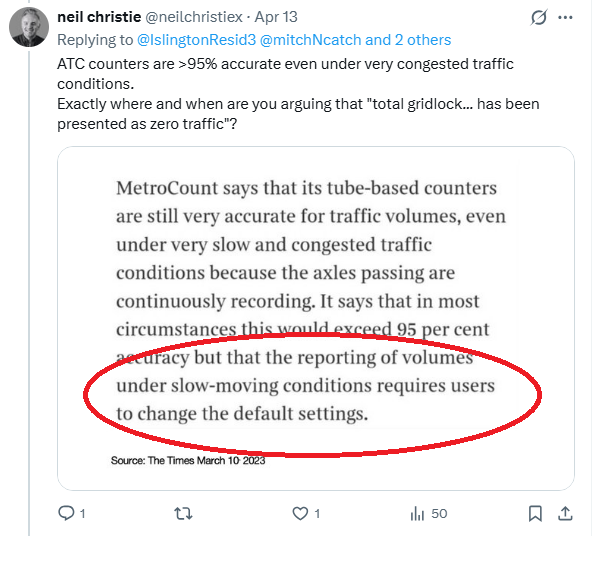
The research suppression is part of broader data manipulation. Councils have for years failed to report cars travelling at less that 10kmph on LTN boundary roads, so increased traffic & congestion caused by LTNs appears as 'traffic evaporation' where cars have simply disappeared.
The human cost extends far beyond traffic delays. Residents report missing hospital appointments and children late for school because buses can’t get through gridlock, elderly people feel unsafe when services terminate early, and businesses report customer numbers falling because “it’s too difficult” to reach them.
Traffic pollution has significant and wide-ranging adverse effects on public health, causing respiratory illnesses like asthma, cardiovascular diseases, and even premature death, with a high risk for children, the elderly, and people living near traffic congested roads. Key pollutants include particulate matter (PM) and nitrogen oxides, which can damage DNA and lead to chronic conditions and cancer. Exposure to traffic-related air pollution can also impair lung development in children, reduce cognitive function, and negatively affect pregnancy outcomes.
Professor Rachel Aldred, the London Cycling Campaign Trustee who led the suppressed LTN study, has previously published seven pro-LTN papers funded by TfL, all positive about the schemes. Only when research showed LTNs failing to reduce car use did TfL withdraw support.
The greater damage is to public trust in institutions that prioritise ideology over evidence, revenue above public health.
Activists have justified the social & environmental injustices of LTNs by claiming to be evidence led. We now have proof that they control what is shared & publicised and what evidence is buried & suppressed.
LTNs have failed to deliver the promised reduction in car ownership & use but continue to increase vehicle miles driven and traffic congestion on community roads, thus significantly increasing fuel burnt, toxic vehicle emissions and public air pollution exposure. The exact opposite of a 'green' scheme.
8
56
97
13,647
Simon Calvert retweeted
22 Sep 2025
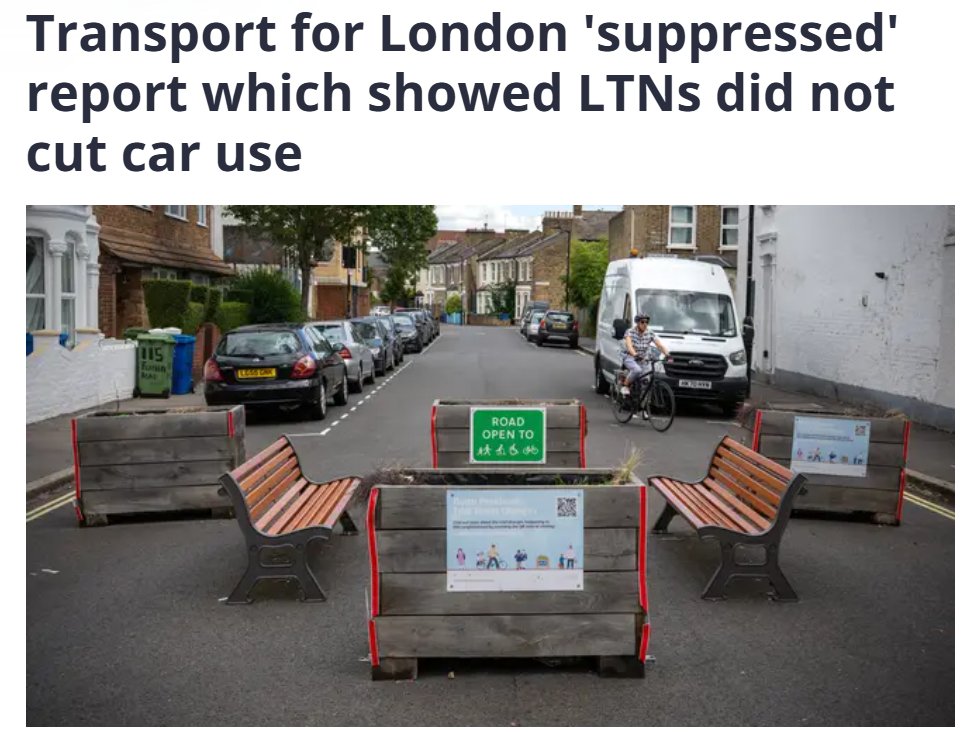
A council claiming LTNs reduce car use, knowingly increased traffic congestion, vehicle miles & toxic emissions on the road where a child died due to air pollution exposure. Research showing their claim to be false, was then defunded & buried by TfL. lbc.co.uk/article/transport-…
18 Feb 2023

Just like that it was over; a life cut short. 7yrs later a crt found Els death was avoidable; I broke it to her siblings in a child friendly way. July 2020, Lewisham Borough put an LTN next to our rd & my son this time was in danger of a cardiac arrest. What will the future hold?
4
29
58
4,368
Simon Calvert retweeted

17 Sep 2025
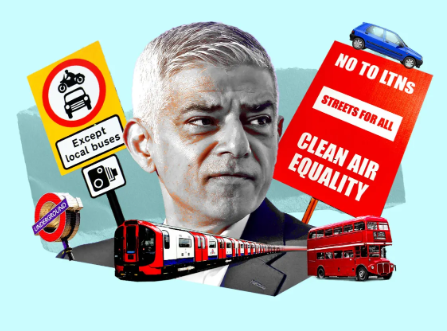
Sadiq Khan’s officials suppressed taxpayer-funded research that showed LTNs do not reduce car use
TfL chose not to publish the study after it found the traffic relocation schemes helped increase cycling but failed to encourage people to use their cars less or walk more
🧵
17
113
211
17,464
Simon Calvert retweeted

17 Sep 2025
Big Times exclusive which shows that TfL supressed a report which showed that LTNs don't cut car use. The Times has seen damming emails between TfL and Rachel Aldred's Unit at Westminster University which did the report.
thetimes.com/uk/london/artic…
8
38
65
2,742
Simon Calvert retweeted

16 Jun 2025
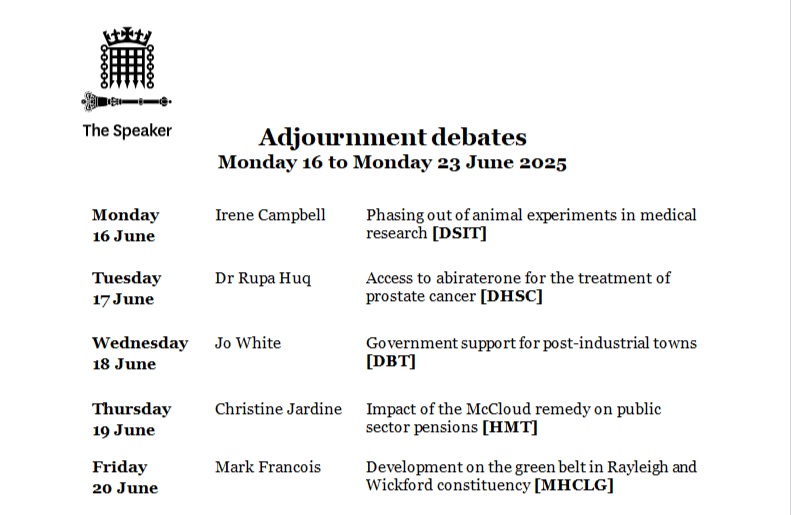
Newsflash: I'm one of just 5 MPs who has been selected to lead an adjournment debate this week Anyone knowledgeable on "access to abiraterone" please email me with suggestions for my speech!
CC @ProstateUK @ProstatePioneer @PCR_News
SPREAD THE WORD and tune in tomorrow 7pm
1
3
13
1,191
Simon Calvert retweeted

change.org/p/stop-the-traffi… long time since we started this petition but numbers still growing People sign because they are so frustrated that @LBHF not listening to them. When the petition reached 3K @ChelFulhamBen tried to disparage it, now numbers are over 12.5k. Keep signing
8
11
469
Simon Calvert retweeted

9 May 2025
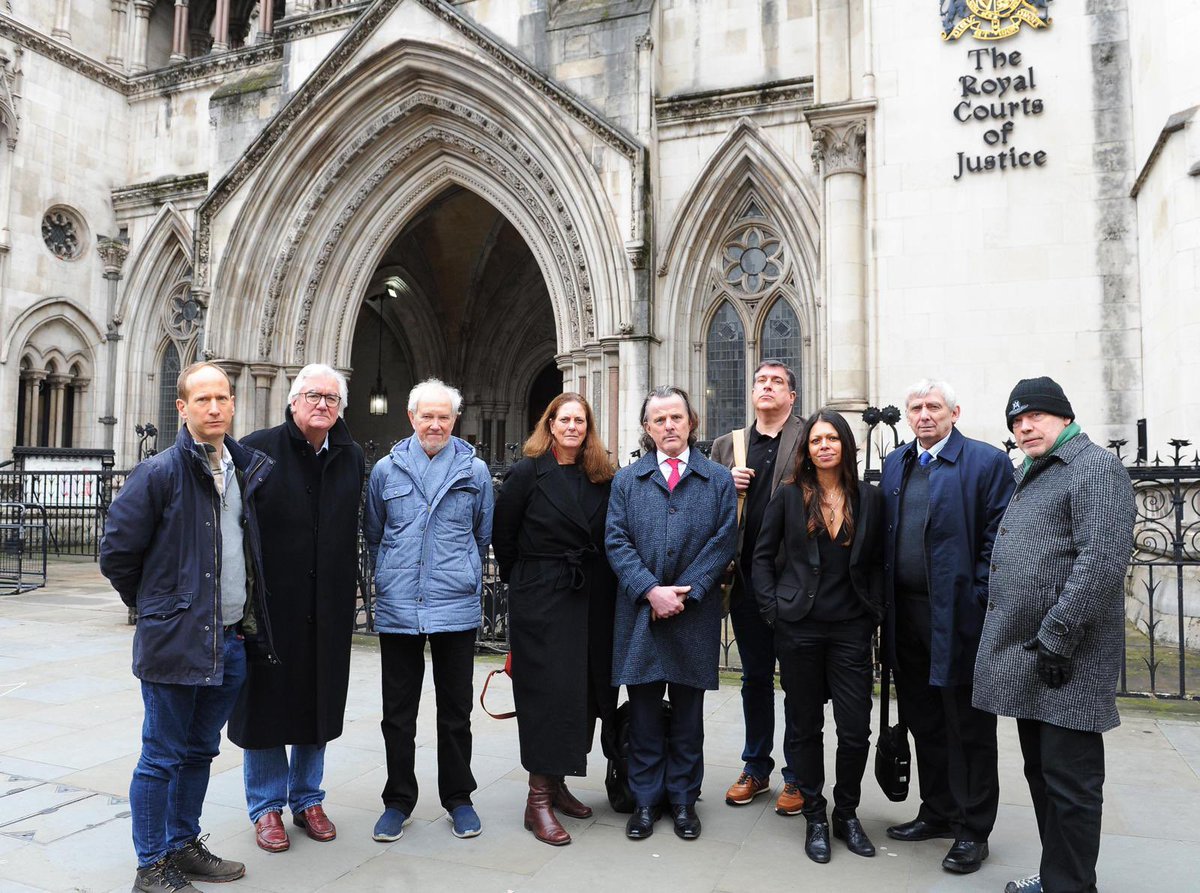
Delighted to announce that we have won the case against Lambeth Council with regards to the LTN. Please press release attached. We know some will be disappointed but as a community we believe in clean air for all not a select few. docs.google.com/document/d/1…
48
88
270
38,866
Simon Calvert retweeted
19 May 2025
👀
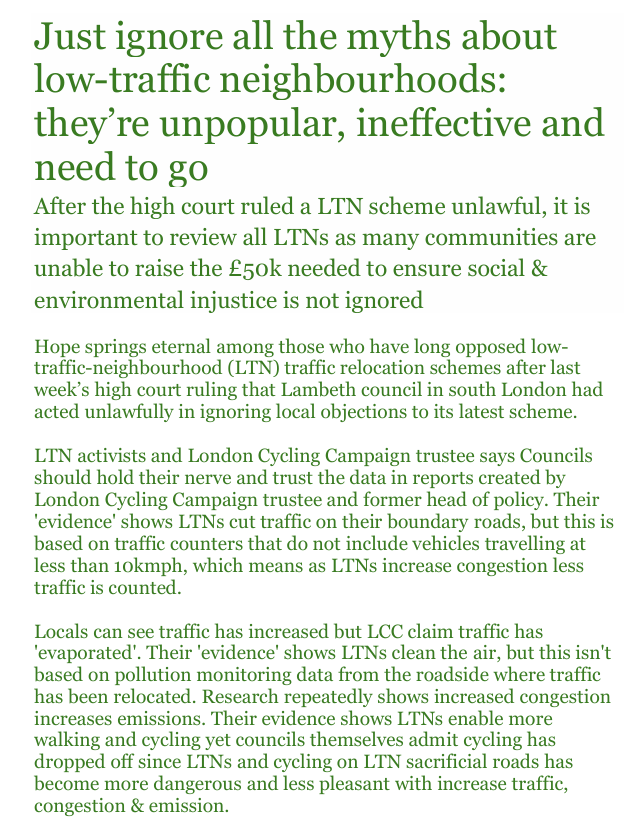
"LTNs are ineffective and unpopular, and they don't become more popular over time."
Perhaps the biggest criticism of LTNs is that they push traffic elsewhere and this is backed up by data showing traffic increases on the majority of boundary roads. irp.cdn-website.com/630197fe…
5
12
217
Routing cycle lanes through the pavement at bus stops has to stop. Floating bus stops are not safe or accessible for blind people. Access has to be from the kerbside, direct from the pavement without having to cross a cycle lane first. This is at Elephant & Castle in London.
104
175
584
127,536
Like to share this again…

Routing cycle lanes through the pavement at bus stops has to stop. Floating bus stops are not safe or accessible for blind people. Access has to be from the kerbside, direct from the pavement without having to cross a cycle lane first. This is at Elephant & Castle in London.
6
32
69
2,395
Simon Calvert retweeted
23 Mar 2025
A powerful piece where people speak out against Bristol East LTN, particularly as they are voices rarely heard
Barton Hill, part of the LTN, is one of the poorest parts of the UK where 55% of children live below the breadline
It's also one of the most ethnically diverse in the city, with a large Somali immigrant community, 55% of all locals are non-white mol.im/a/14514183
14
17
750
Simon Calvert retweeted

17 Mar 2025
LTNs Low Traffic Neighbourhoods
Democracy in Bristol died on Thursday 13th March at 3am
itv.com/news/westcountry/202…
2
9
18
500
Simon Calvert retweeted
15 Mar 2025
LTNs Low Traffic Neighbourhoods
Shall keep posting this story as it demonstrates that the 10% will stop at nothing to impose their tyranny.
Bristol uses cover of darkness to set up low-traffic neighbourhood
Source: The Times
search.app/FygHQ
Shared via the Google App
7
39
78
3,439