Joined April 2011
- Tweets 27,830
- Following 4,404
- Followers 65,434
- Likes 90,609
2,779 Photos and videos
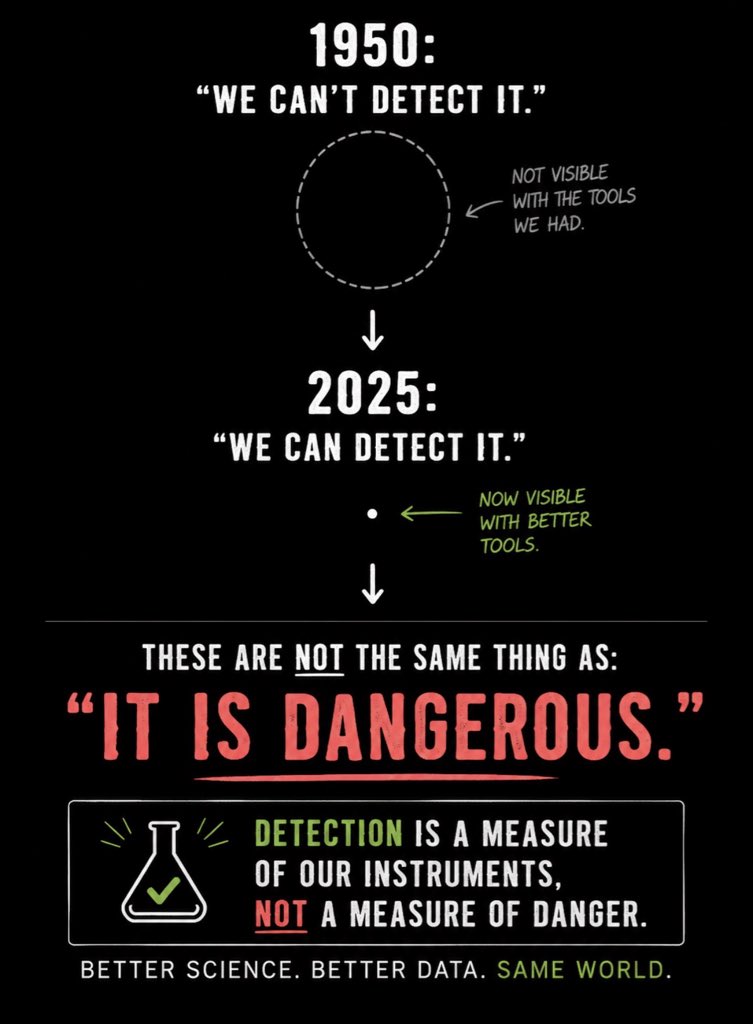
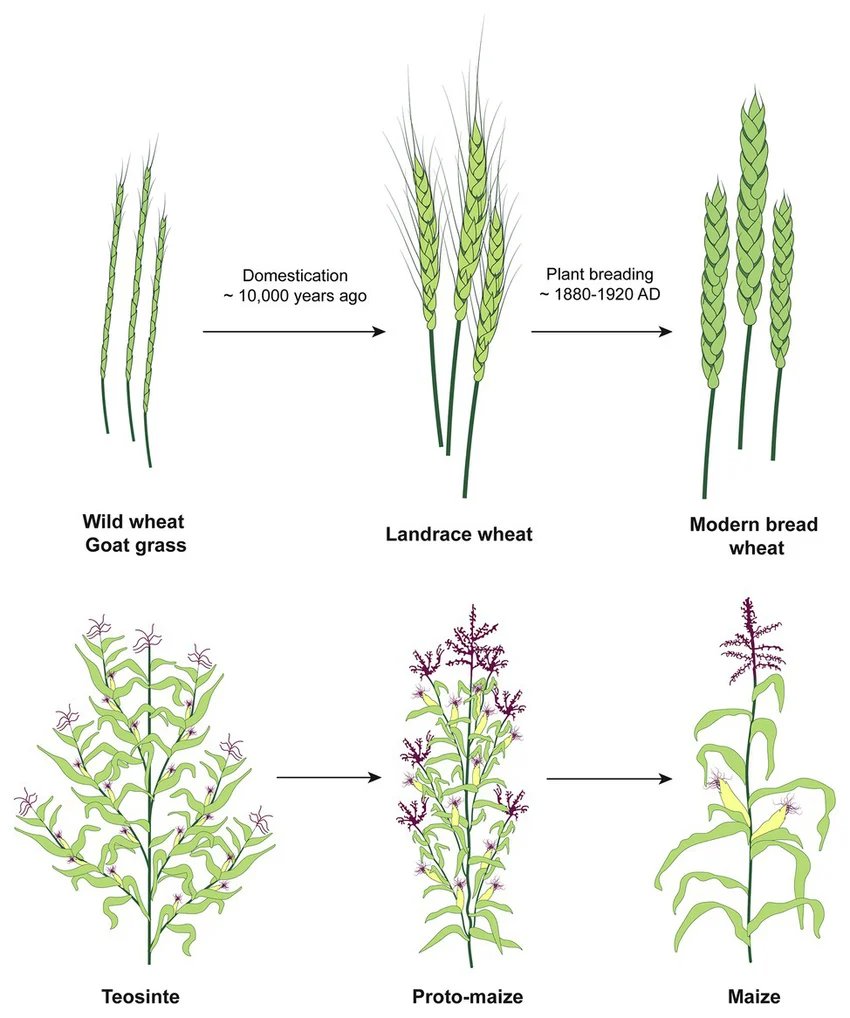
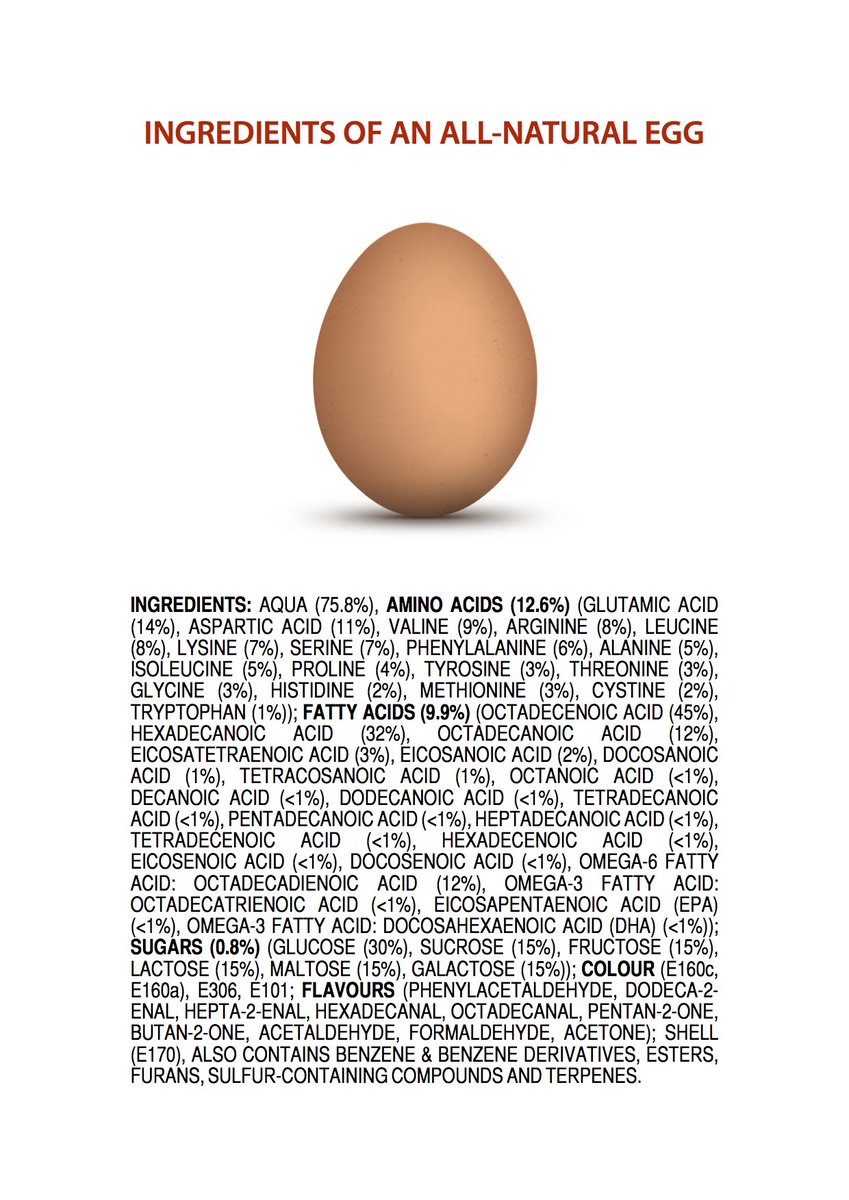
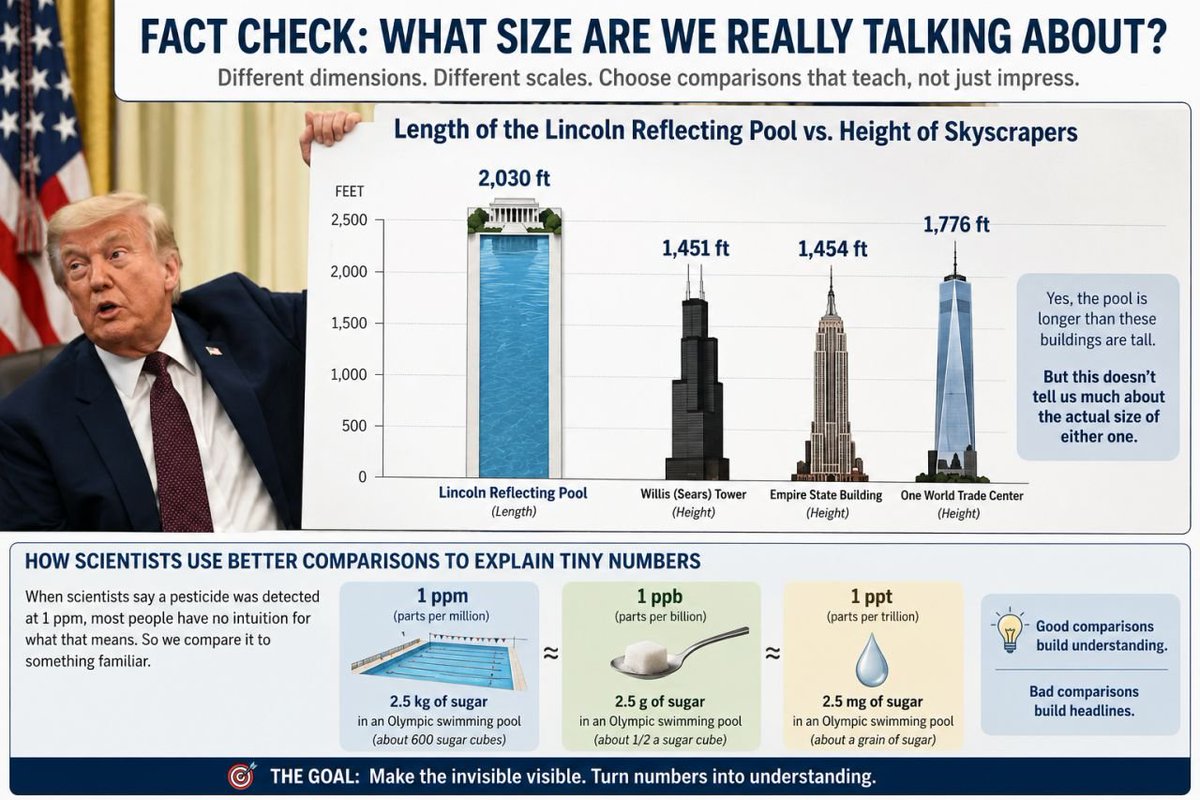
Spend 20 years studying Chemistry.
Collect data. Publish papers. Pass peer review.
Earn a PhD. Go online. Get told you're wrong - by an electric screwdriver salesman.
That's the internet.
Expertise vs confidence.
Science isn't broken.
Our respect for it is.
18
57
310
3,063
Simon Maechling retweeted

Jun 13
The greatest achievement in human history isn’t getting a few satellites into space.
It’s feeding 8 billion people every day.
The fact that many people find rockets more exciting than agriculture says more about human psychology than human priorities.
231
192
948
17,219
Chemist here 👋
Yes. Bleach is a toxic chemical.
14h

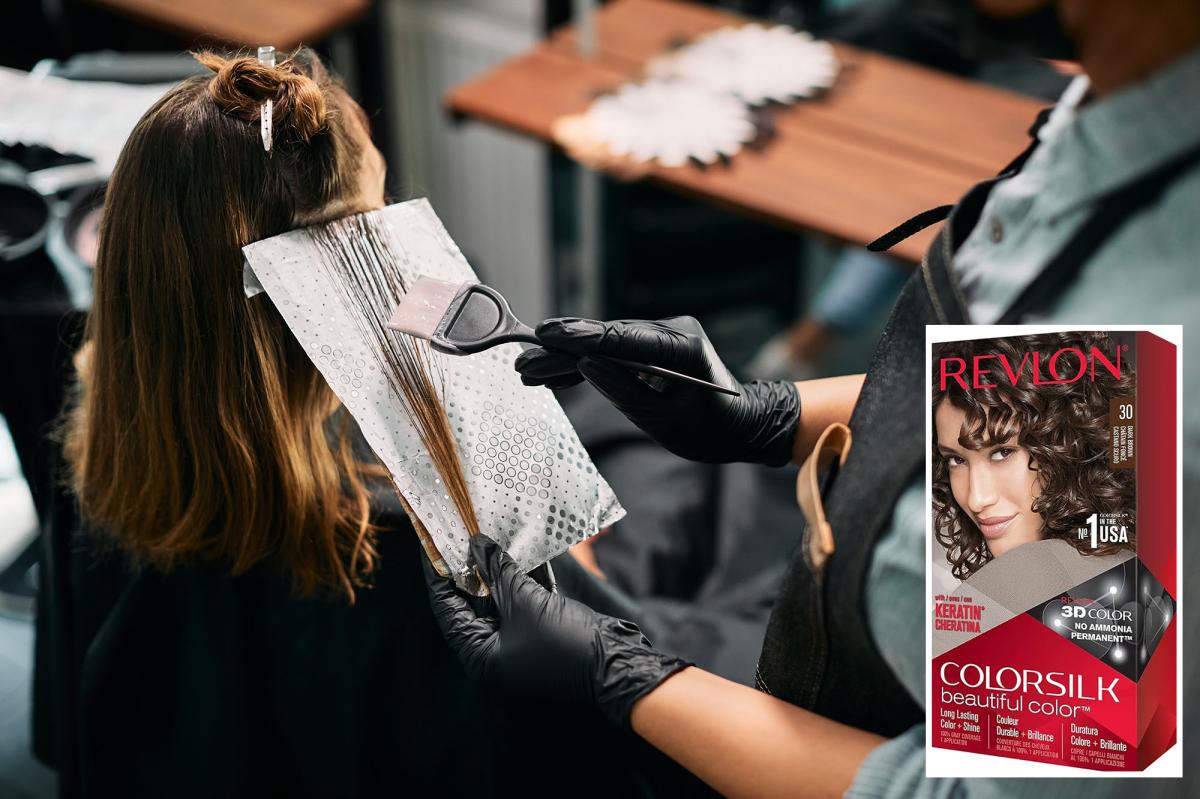
Toxic chemicals found in at-home hair dyes from L'Oréal, Revlon and more, says watchdog trib.al/3L1RwVK
9
27
132
3,923
Science is not trustworthy because a scientist wears a lab coat, has a PhD, or holds a prestigious position.
Science is trustworthy because claims are transparent, testable, and supported by evidence.
45
62
403
4,537
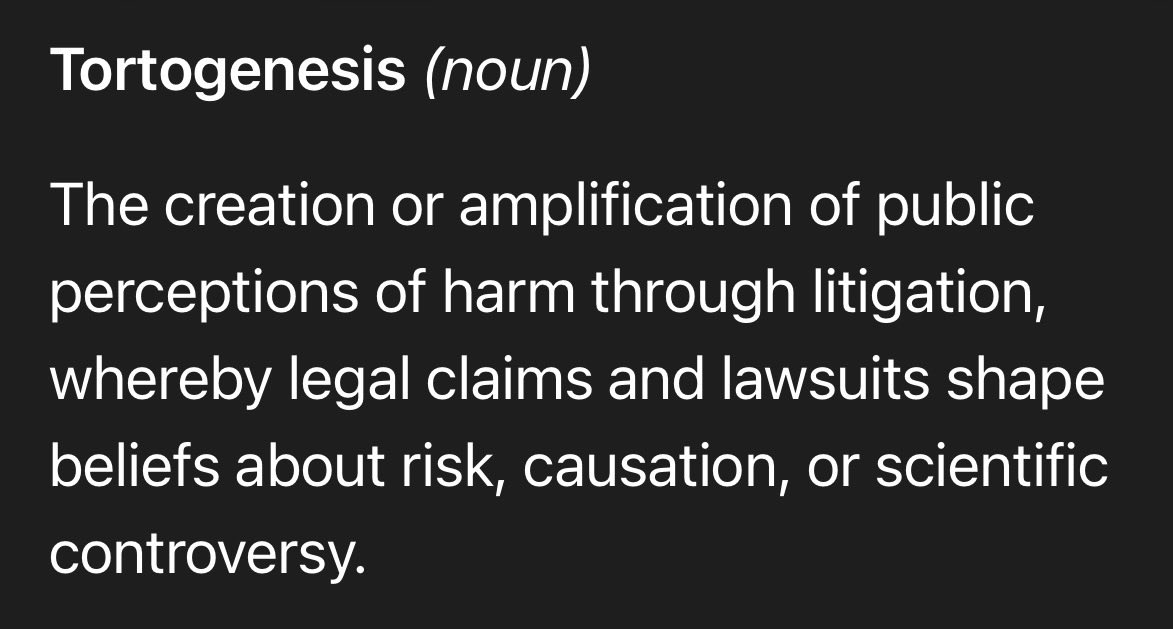
The idea that glyphosate “causes cancer” took off after a hazard classification from in 2015, while regulatory agencies concluded it is unlikely to pose a carcinogenic risk at real-world exposure levels.
And here we are a decade later, still re-litigating the same selective interpretation.
Such a tiresome waste of time.
24
27
174
3,784
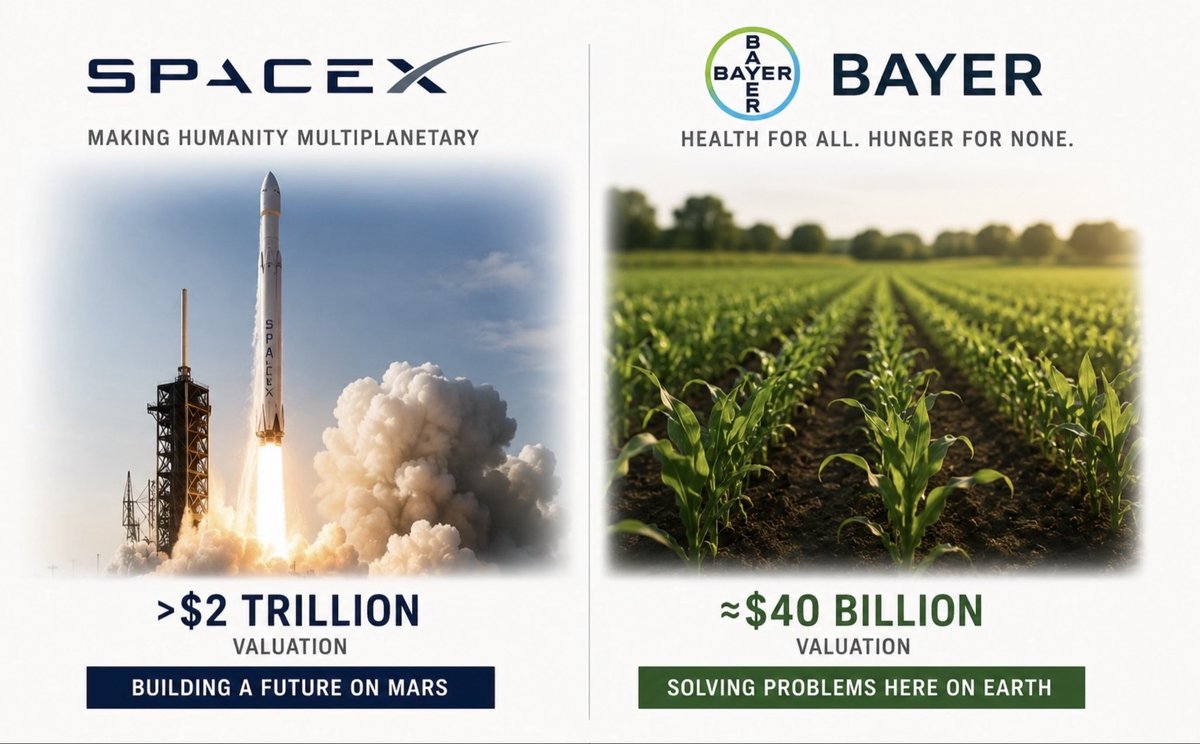
The world’s most valuable private company wants to put humans on Mars.
One of the companies helping farmers feed humanity is worth roughly 50 times less.
Think about that for a moment.
SpaceX is worth more than $2 trillion.
Bayer is worth around $40 billion.
Many people see that and conclude:
“Investors care more about going to Mars than feeding the world.”
But markets don’t measure importance. They measure expectations.
SpaceX’s mission is to make humanity multiplanetary.
Bayer’s mission is health for all and hunger for none.
One is building a future on Mars. The other is helping humanity solve problems here on Earth.
And here’s the irony:
The reason we can dream about Mars is because previous generations solved hunger, disease, and countless other challenges that once dominated human existence.
Food is so abundant that many people have forgotten how extraordinary that achievement is.
Rockets inspire us.
Full supermarket shelves do not.
One captures our imagination.
The other makes civilization possible.
Where would you invest your money?
129
44
246
7,381
Jun 12
We don’t have an innovation problem.
We have an understanding problem.
Scientists invent.
Engineers build.
Then activists, influencers, and politicians convince the public to fear it.
The bottleneck isn’t technology.
It’s trust.
42
34
179
3,833
Jun 12
All chemicals have the potential to be toxic.
It's the dose that makes the poison.
That's it. That's the tweet.
52
54
471
7,048
Jun 12
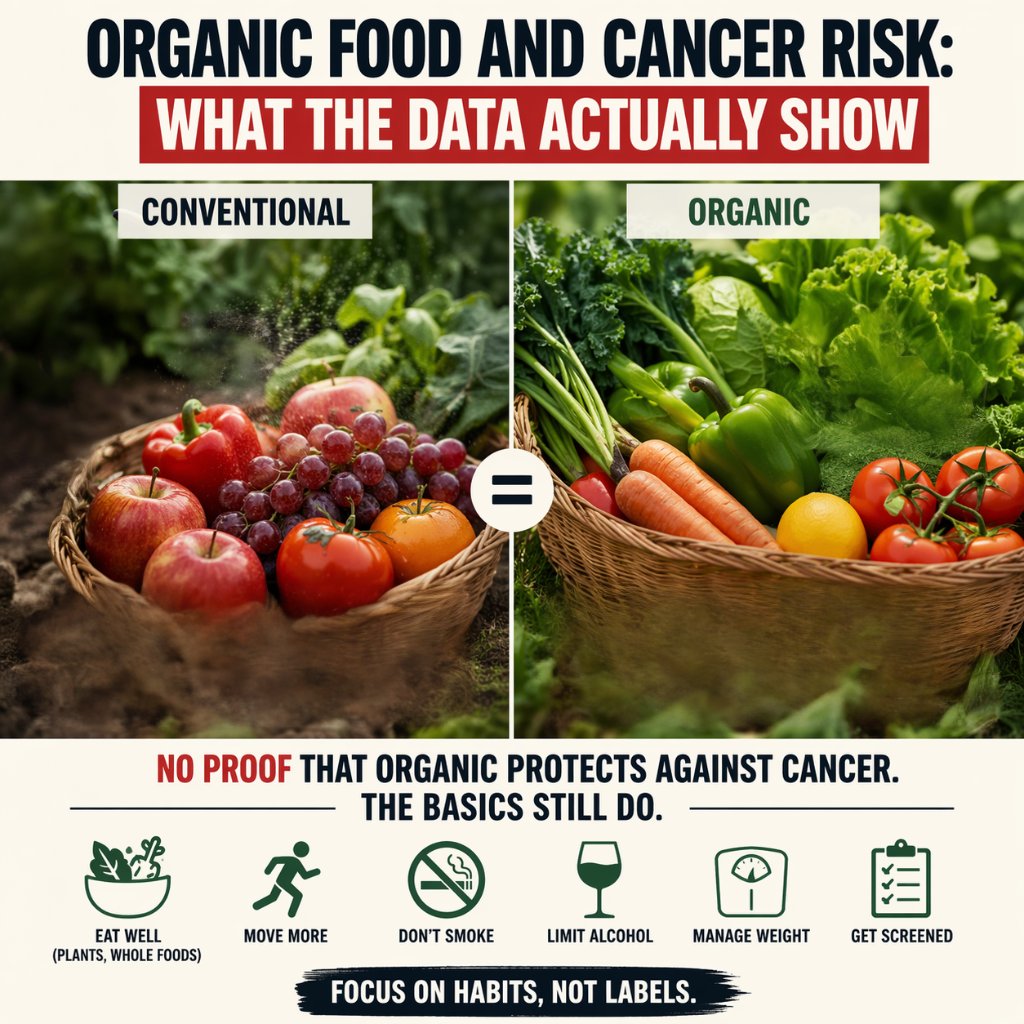
Does eating organic food protect against cancer?
31,000 French adults.
1,718 cancers.
7.3 years.
There is no evidence that organic food meaningfully reduces cancer risk at the population level.
49
73
271
6,236
Jun 12
Does eating organic food protect against cancer?
For now, the evidence does not support a general cancer-protective effect of organic food. The fundamentals of prevention remain unchanged: diet quality, physical activity, and avoiding known risk factors.
lel.media/manger-bio-protege…
1
4
39
1,394
Jun 12
Consumption of organic compared with conventional fruits and vegetables in relation to cancer risk: findings from the NutriNet-Santé cohort study
sciencedirect.com/science/ar…
4
2
16
1,156
Jun 12
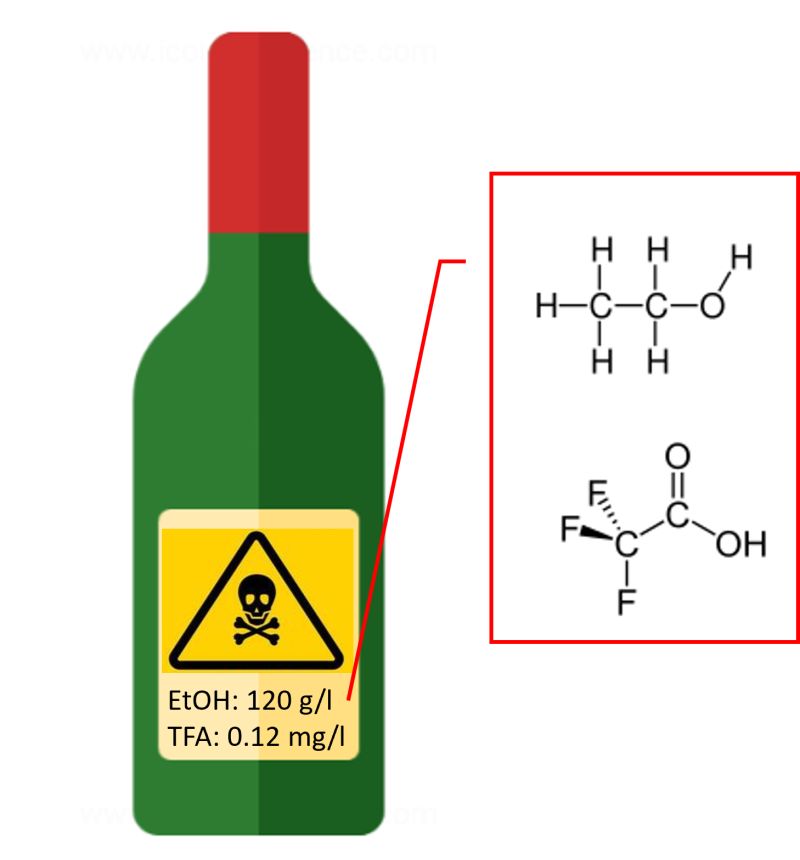
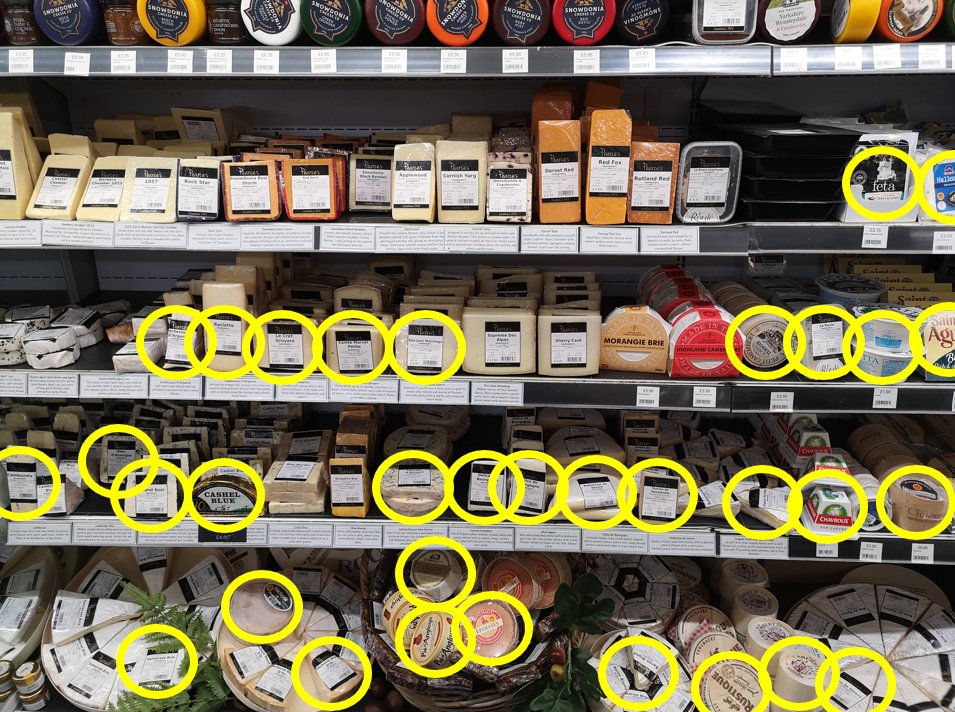
Wine contains about 120,000 mg/L of ethanol.
Recent reports found around 0.12 mg/L of TFA.
That’s a difference of roughly 1 million-fold.
Yet watch what happens when both are mentioned in the same headline.
One triggers panic.
The other gets paired with cheese.
This isn’t an argument that TFA should be ignored.
It’s a reminder that humans are often terrible at judging risk.
Ethanol is a Group 1 carcinogen.
According to the WHO, alcohol contributes to tens of thousands of cancer deaths across Europe every year.
TFA’s health effects are still being studied.
But it’s striking that many people will spend hours debating trace contaminants measured in parts per billion while casually consuming a substance whose risks are already well established.
Risk perception is not always driven by evidence.
Sometimes it’s driven by familiarity.
And familiar risks often get a free pass.
21
45
171
8,123
Jun 11
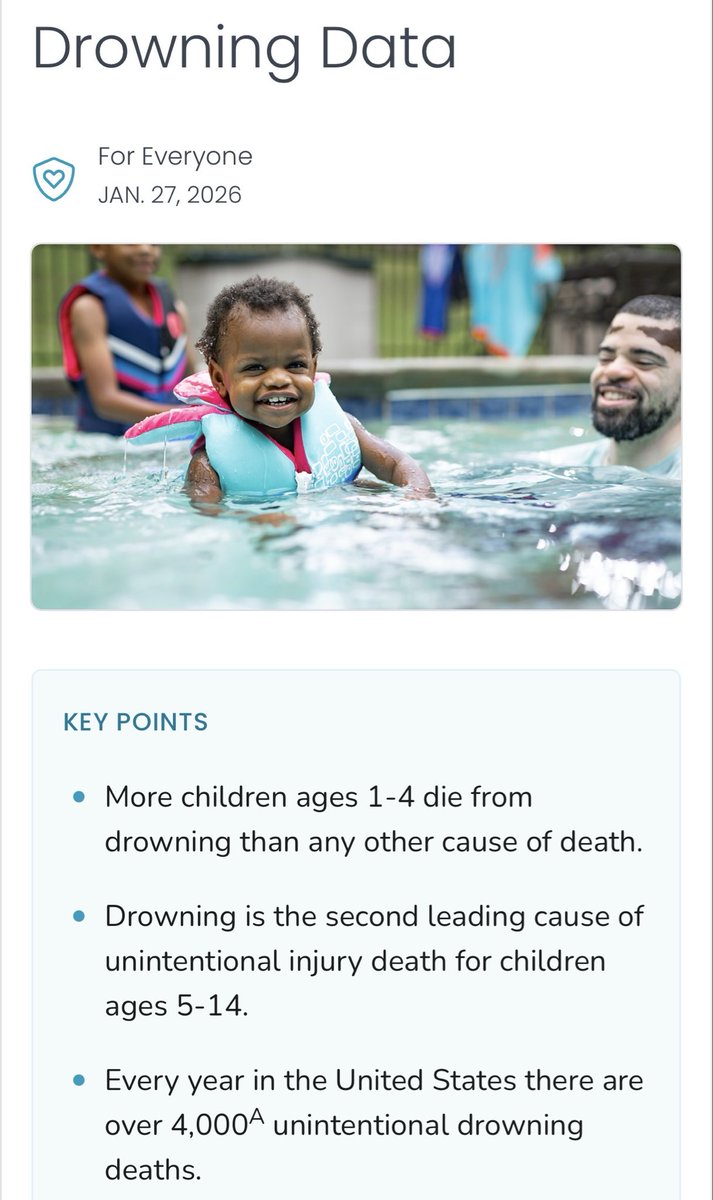
I think should be aware of the danger water can present.
Jun 11

Chemophobia is not real. People aren’t afraid of water (a chemical consisting of two hydrogen atoms and one oxygen atom), they are concerned with a chemical called Vioxx. They have concerns with HARMFUL chemicals that are scientifically proven to cause harm.
10
9
71
3,321
Jun 11
“No more data centers.”
To an audience served by one.
From a device connected to one.
Using an AI model running in one.
5
8
53
2,548
Jun 11
Chemophobia is a business model.
If people stop being afraid of “chemicals,” a lot of wellness influencers stop having products to sell.
Creating fear is profitable.
20
40
202
3,138
Jun 11
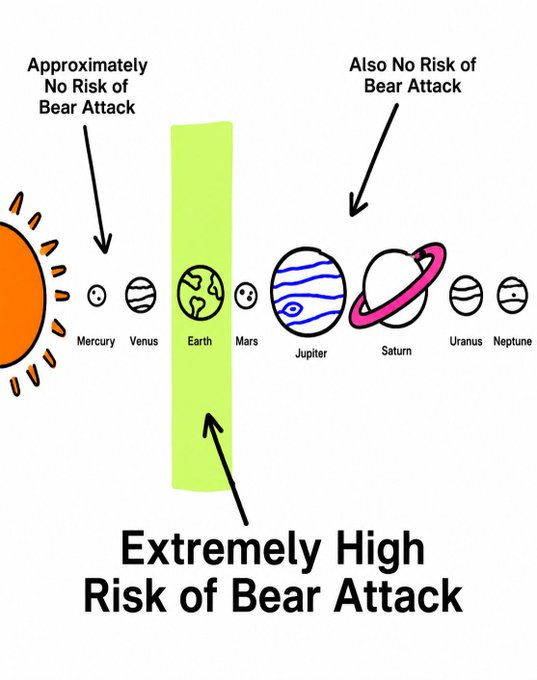
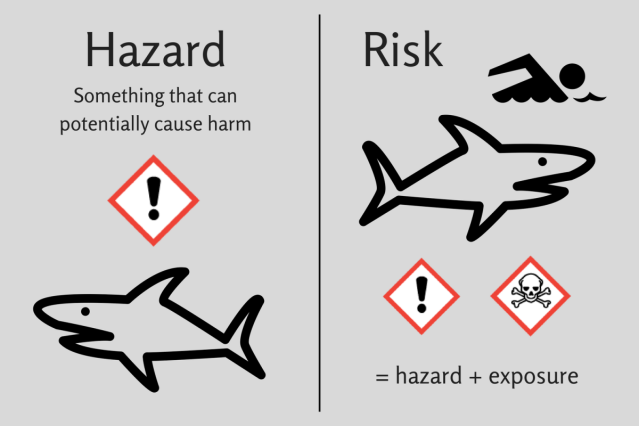
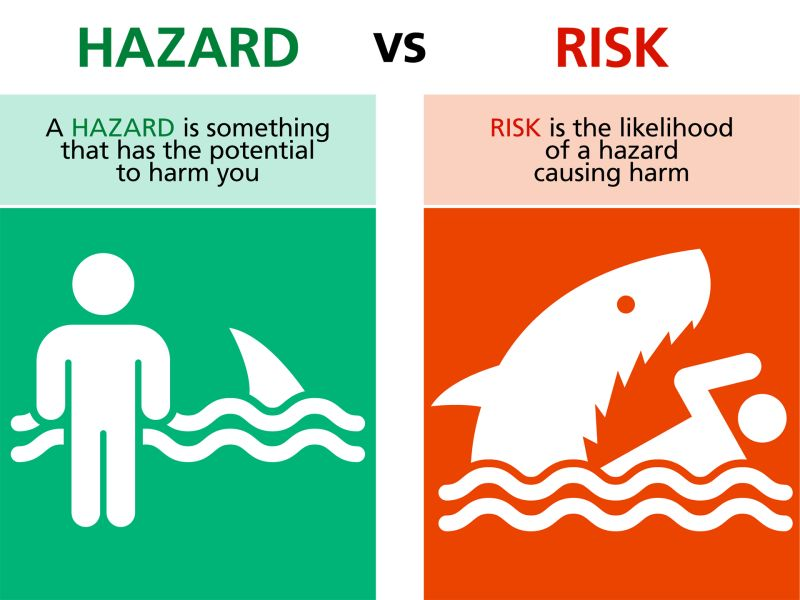
Same hazard everywhere.
Risk only where exposure exists.
Most people still confuse hazard with risk.
A bear is dangerous everywhere. That’s the hazard.
But the risk of a bear attack only exists where bears and humans actually meet. That’s exposure.
15
38
195
3,887
Jun 11
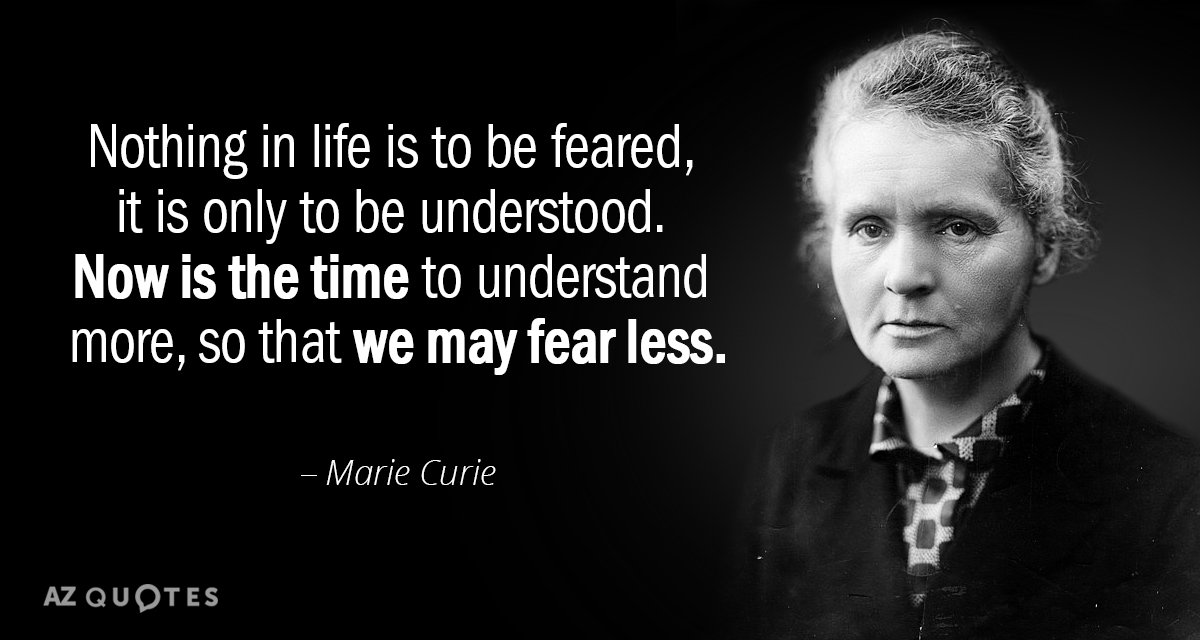
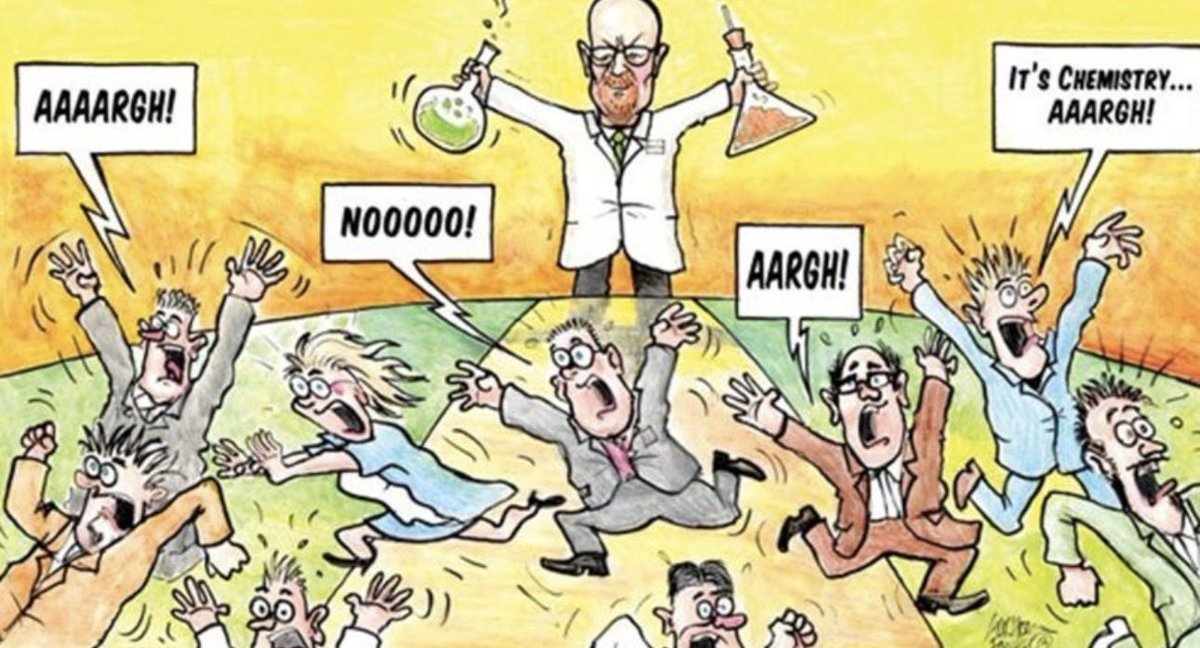
Notice that chemophobia rarely comes from chemists?
The people who spend their careers studying molecules, toxicology, exposure, and risk tend to be the least afraid of “chemicals.”
Why do you think that is?
75
44
326
8,274