
Advancing the frontiers of basic science through grantmaking, research and public engagement. Sign up for our newsletter: simonsfoundation.org/newslet…
Joined October 2012
- Tweets 3,878
- Following 331
- Followers 21,849
- Likes 607
450 Photos and videos
Pinned Tweet

16 Jun 2025
Last year, we supported programs that advanced the frontiers of research in #math and basic #science around the world. Our 2024 annual report dives deep into a handful of these endeavors: annualreports.simonsfoundati…
17
5
49
10,095
Understanding rare neurodevelopmental disorders depends on strong partnerships between researchers, affected individuals and their families. SFARI is supporting 17 meetings organized by patient advocacy groups within the @s_searchlight community: bit.ly/4uGI2nn #science #autismresearch
73
We're #hiring! Join the Simons Foundation to help us advance the frontiers of research in math and basic science: bit.ly/4v6ZWRh #science #math
1
1
314
Simons Foundation retweeted

Jun 13
In the early 2010s, Jennifer Doudna co-developed CRISPR, which fundamentally altered the world of gene editing as we know it. While it offers vast potential, it also comes with significant ethical pitfalls. Tune in to “The Joy of Why":
podcasts.apple.com/us/podcas…
6
25
5,981
Jun 13
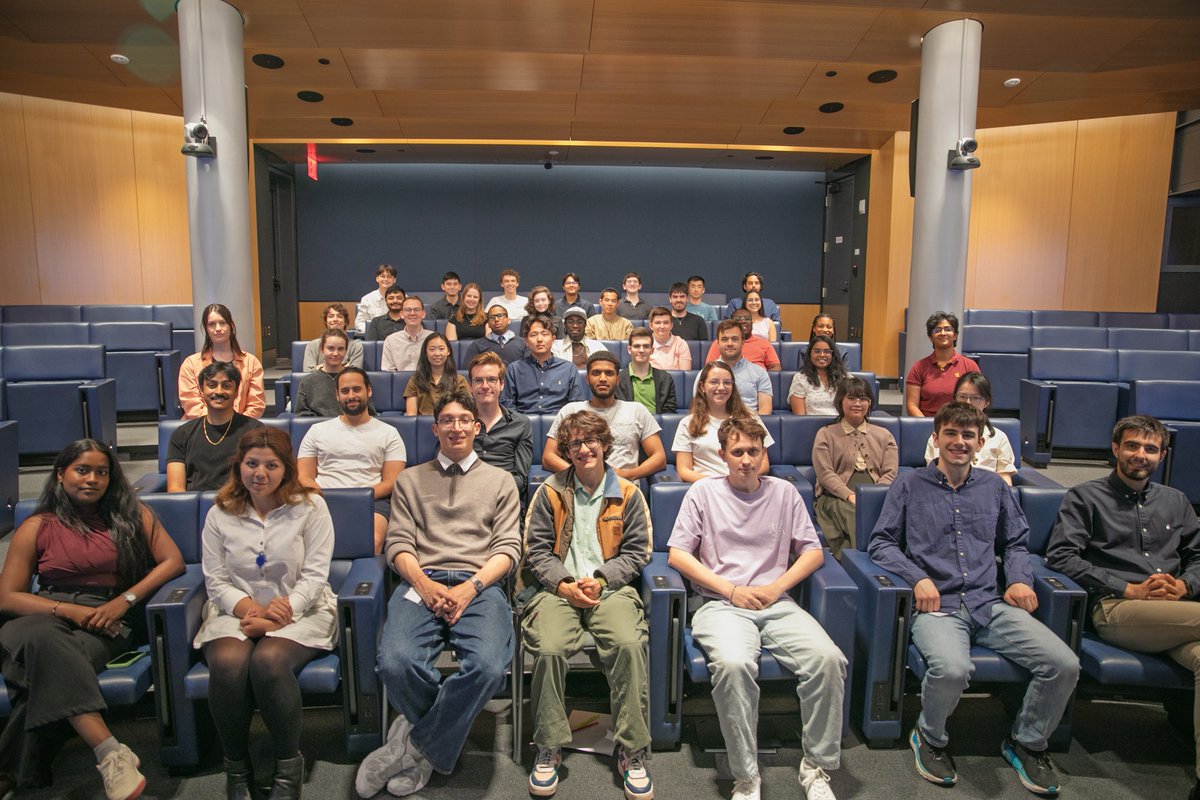
We're hosting over 60 summer interns across the foundation and at the @FlatironInst. Here's to a fun and engaging summer! #science #math
1
16
1,503
Jun 13
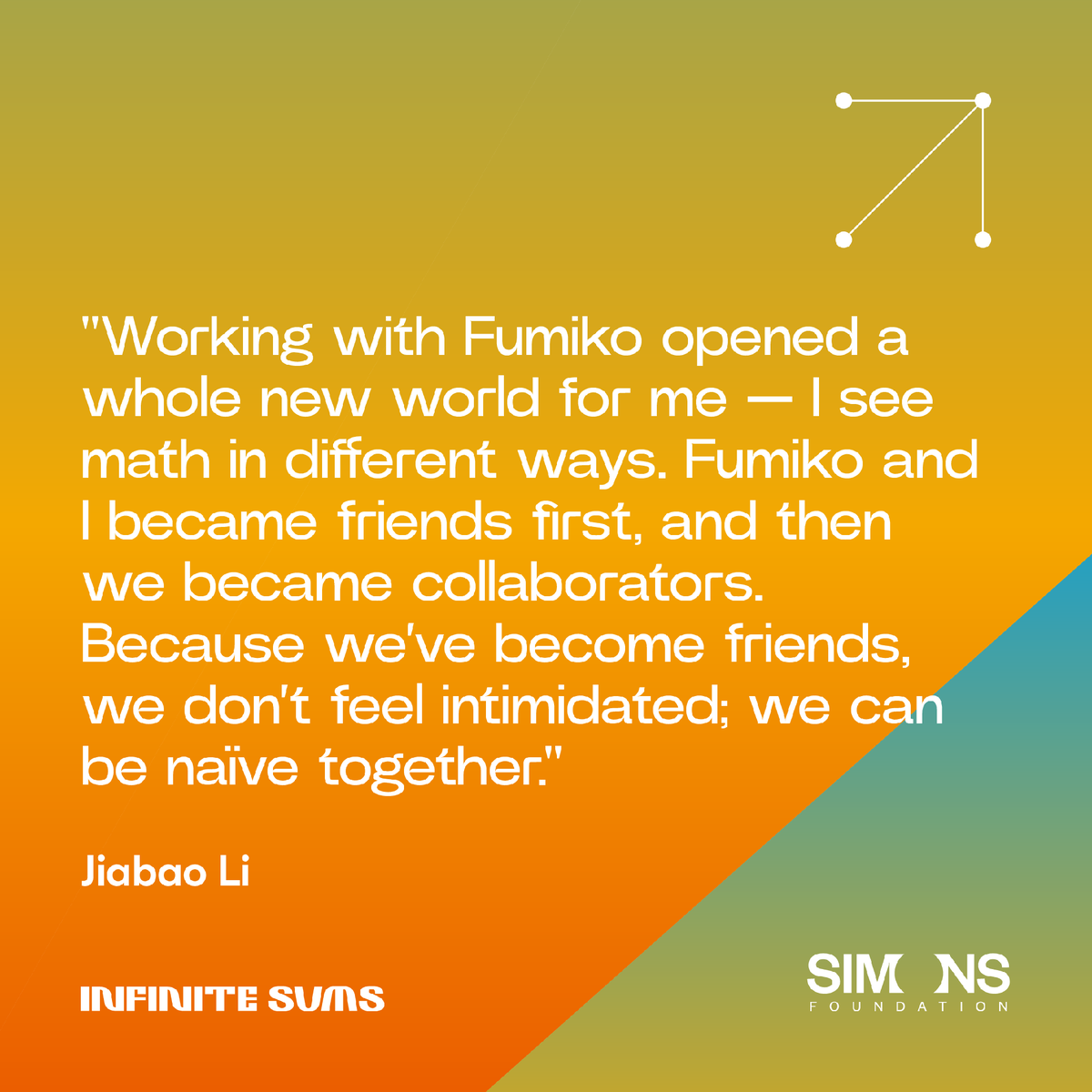
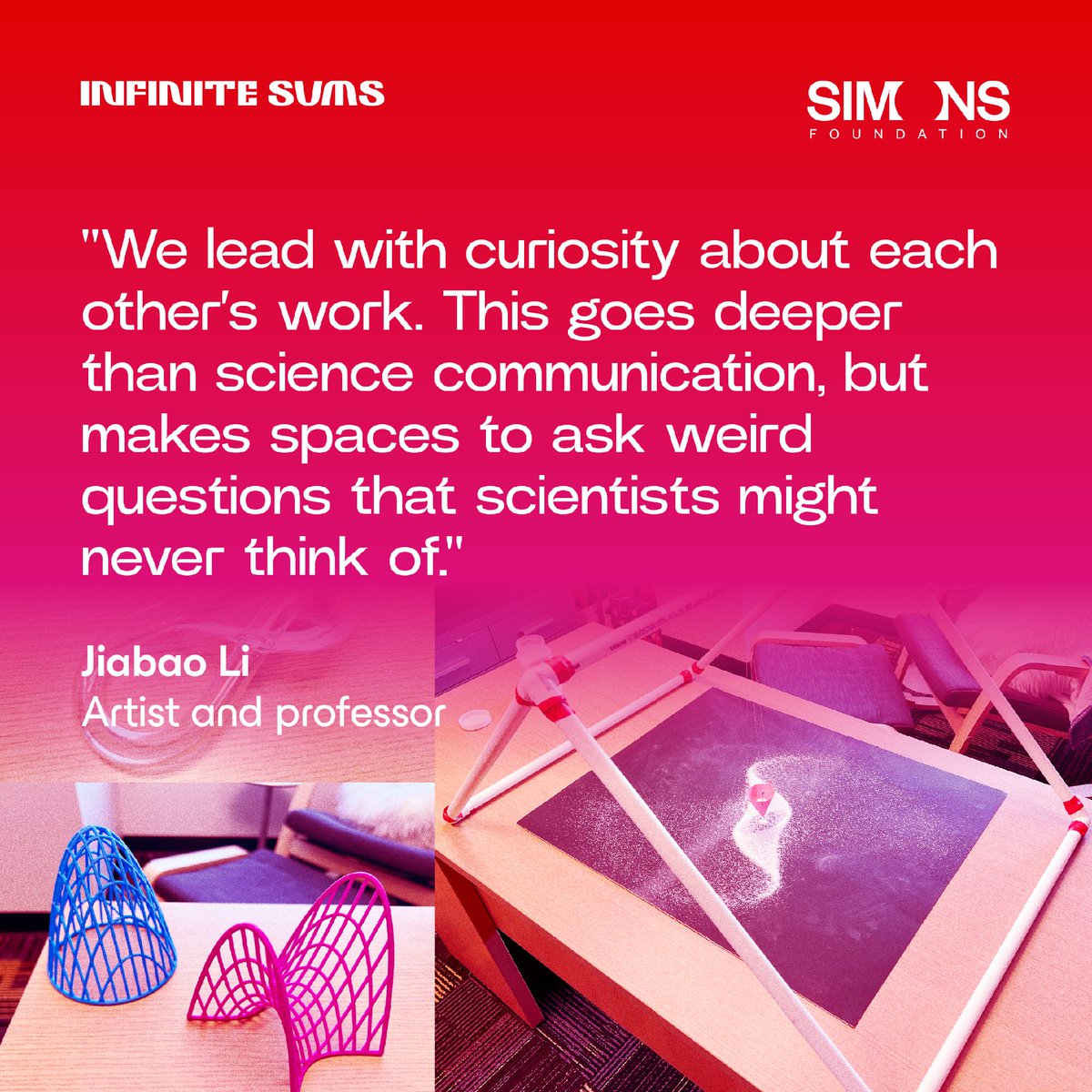
What if you could literally play with math? What if you could climb on it, move around it, and think about it differently? This is the philosophy behind Math Playground, a collaboration between mathematician Fumiko Futamura, @FuseboxFestival’s Ron Berry and #InfiniteSums math ambassador Jiabao Li.
Read more about Li and this sculpture project: bit.ly/4uFKvyQ #math #art #science
1
547
Jun 12
ICYMI: Scientists from the Simons Collaboration on the Global Brain have shed new light on how human brains are wired when it comes to imagining and seeing objects: bit.ly/4wpdtVl #science #neuroscience
1
706
Jun 12
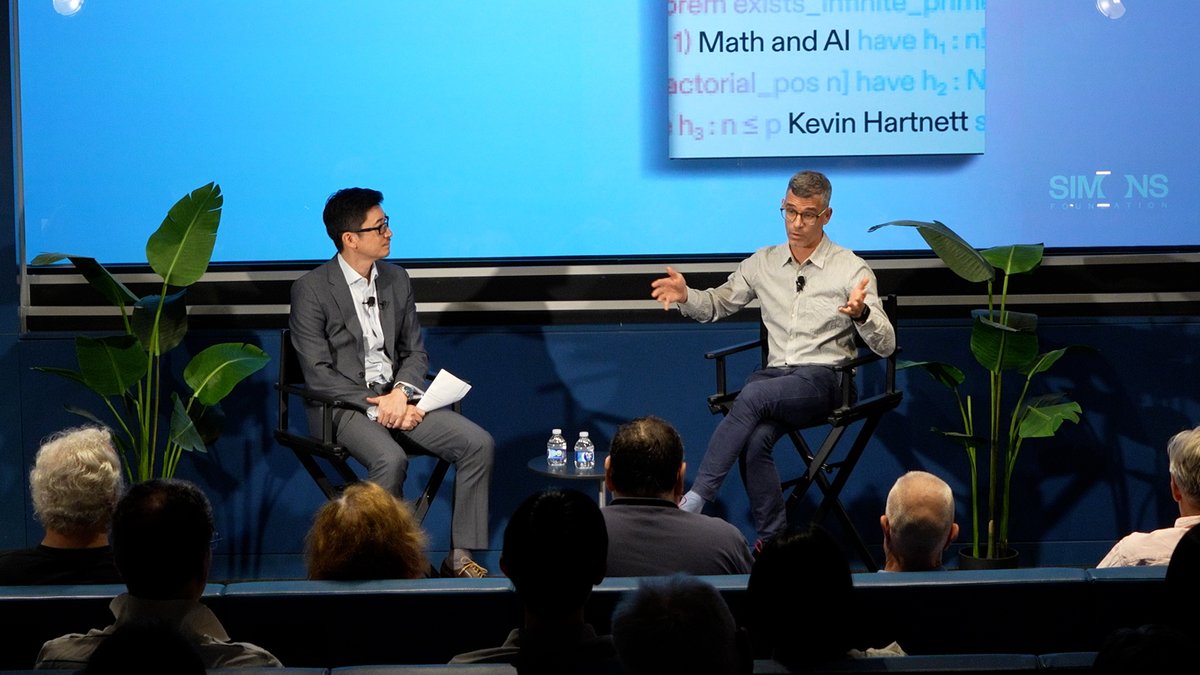
This week, @QuantaBks released "The Proof in the Code" by journalist Kevin Hartnett, which tells the story of the birth and rise of Lean, a proof assistant that’s shifting the way mathematicians seek truth: bit.ly/43msryr #math #science
2
7
1,118
Simons Foundation retweeted
Jun 10
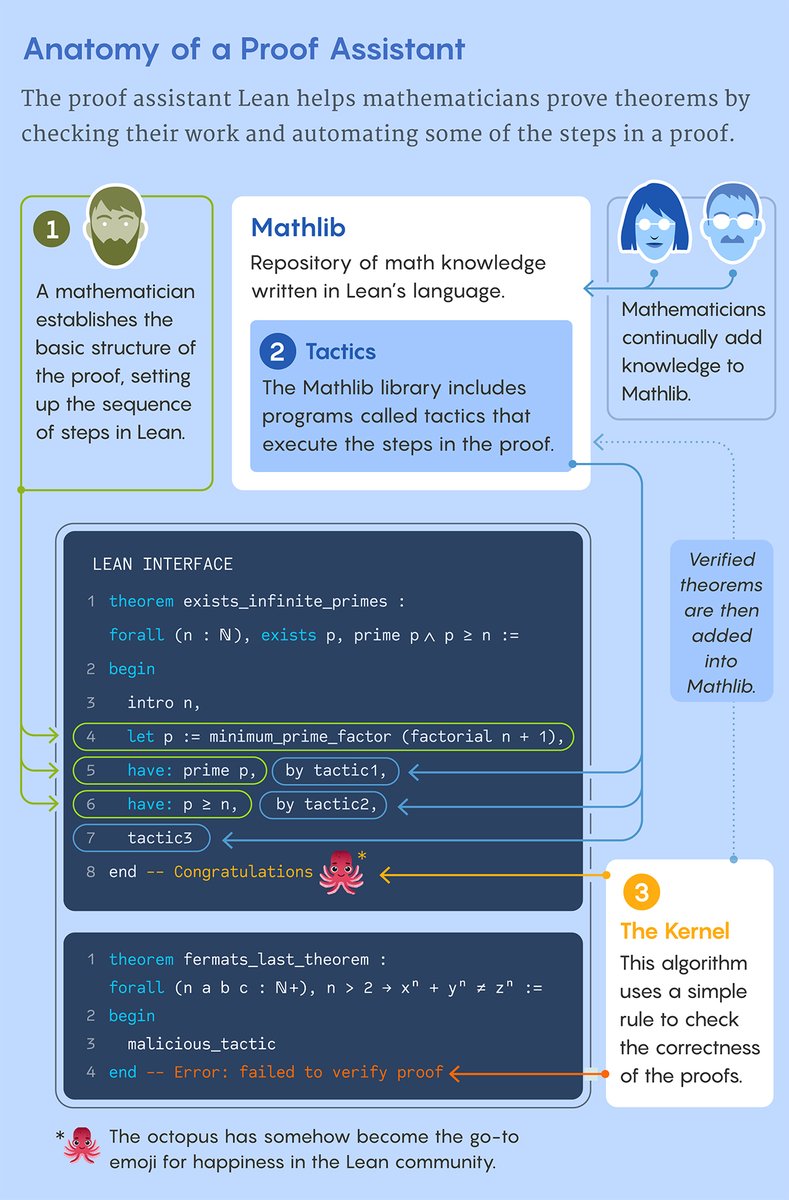
Lean is software that allows mathematical proofs to be written and checked as computer code. Mathematician Terence Tao uses it as a part of his collaborative approach to solving complex mathematical problems.
quantamagazine.org/how-terry…
1
42
217
11,430
Simons Foundation retweeted
Jun 11
Terence Tao doesn’t think AI will replace human mathematicians anytime soon, but he does consider it well suited to helping solve certain types of complex mathematical problems: ones that can be broken into thousands of small, manageable subproblems.
quantamagazine.org/how-terry…
5
41
158
11,675
Jun 11
With the World Cup arriving in North America today, The Tech Interactive is partnering with the @SJEarthquakes to bring math activations to soccer fans — from reaction time statistics to geometry and angles. #InfiniteSums math ambassador Kristen Martin Lai explains how: bit.ly/4oH3urn
#math #soccer #WorldCup
325
Jun 11
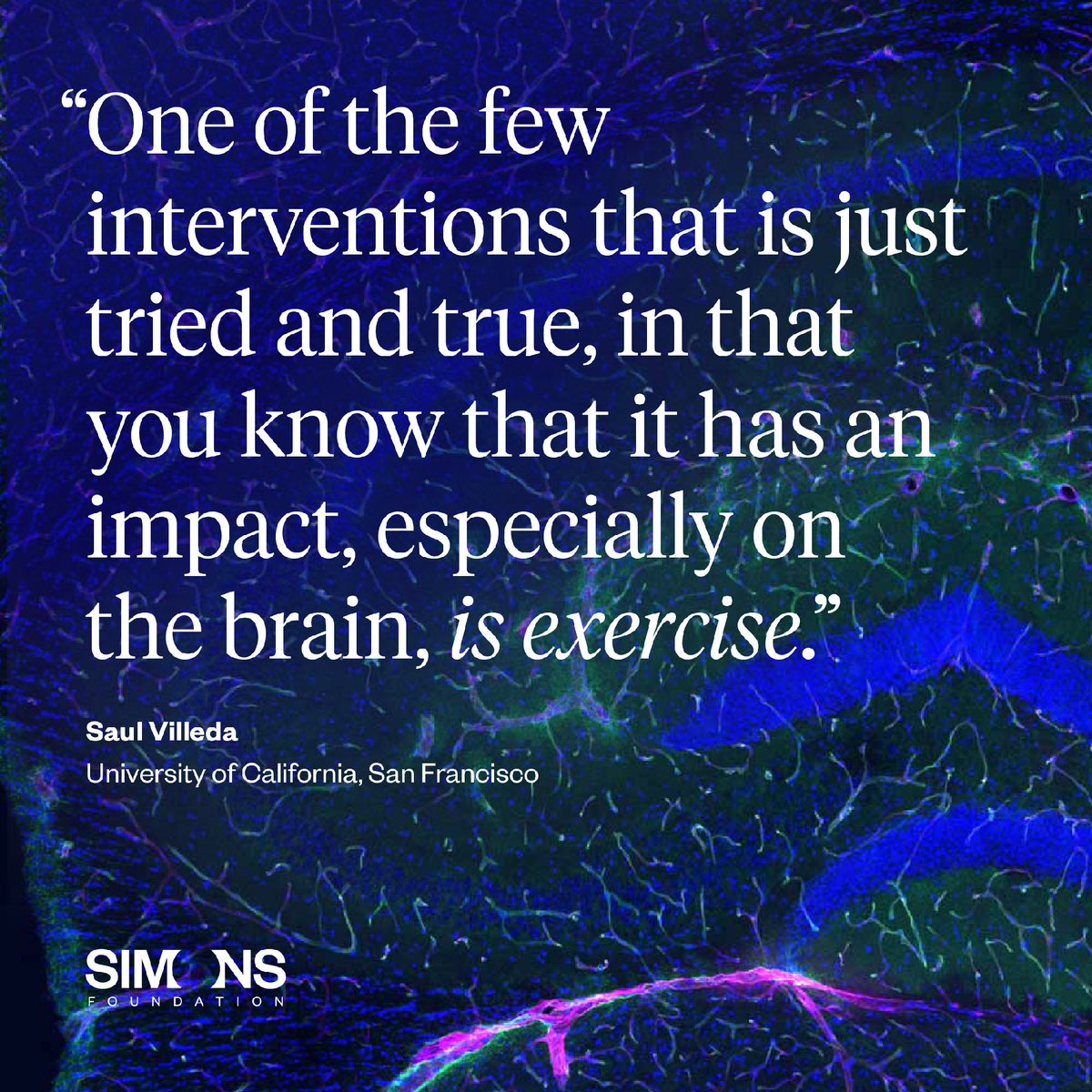
New research on the liver could help scientists develop treatments to reduce symptoms of Alzheimer’s disease in those unable to regularly exercise on their own: bit.ly/42XGSJ5 #science #aging #neuroscience
ALT quote from Saul Villeda: "“One of the few interventions that is just tried and true, in that you know that it has an impact, especially on the brain, is exercise,”
1
1
3
484
Jun 11
Applications are due next Monday (June 15) for our workshops on quantitative behavioral phenotyping in autism: bit.ly/4nyYQuV #science #autismresearch
3
585
Jun 10
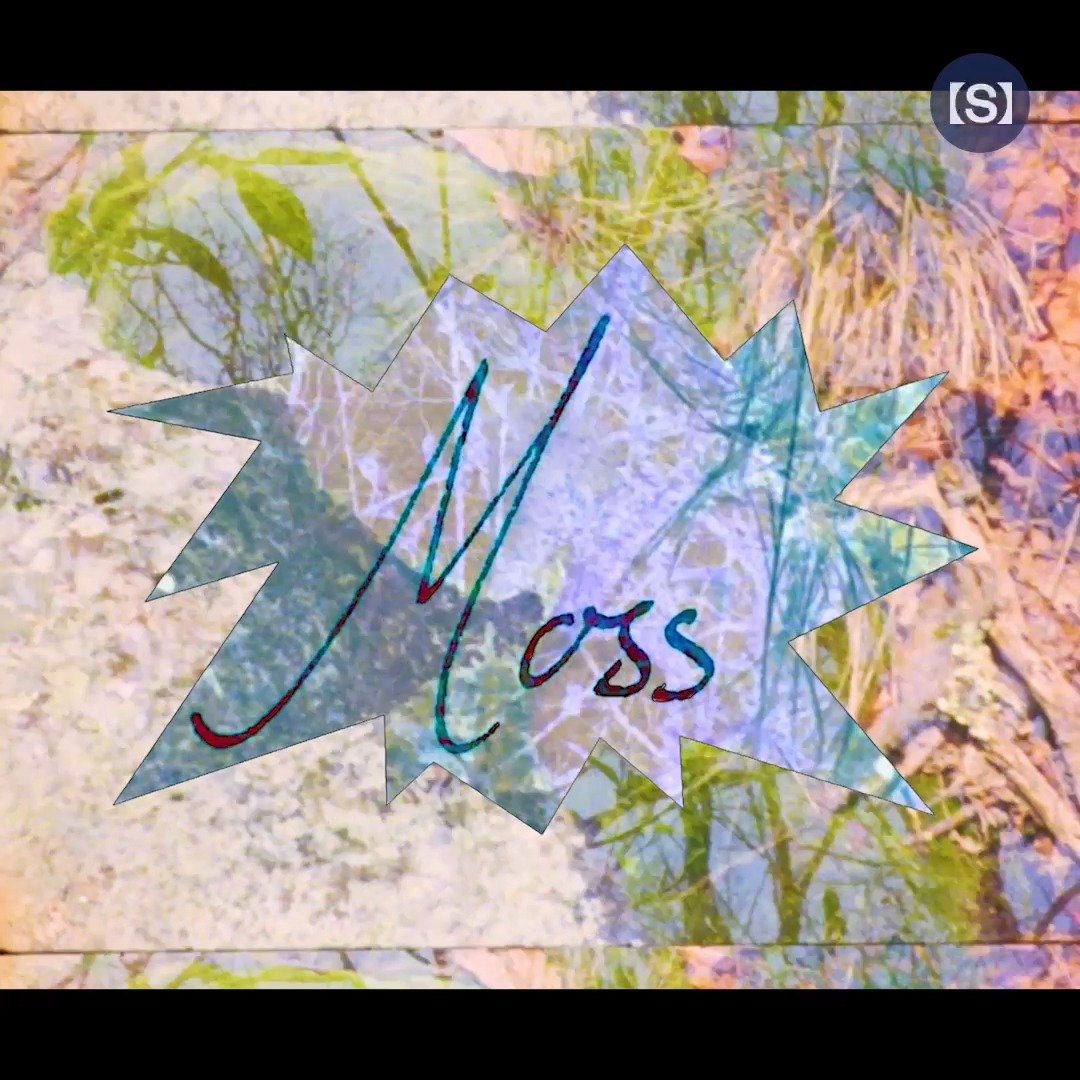
Filmmaker Elsa Wong and @FlatironInst physicist Marc Ritter teamed up to create MOSS, a short film that explores feedback loops between our ideas and the natural world. Stream full film: simonsfoundation.org/2026/06…
#science #math #InfiniteSums #Symbiosis
2
2
973
Jun 10
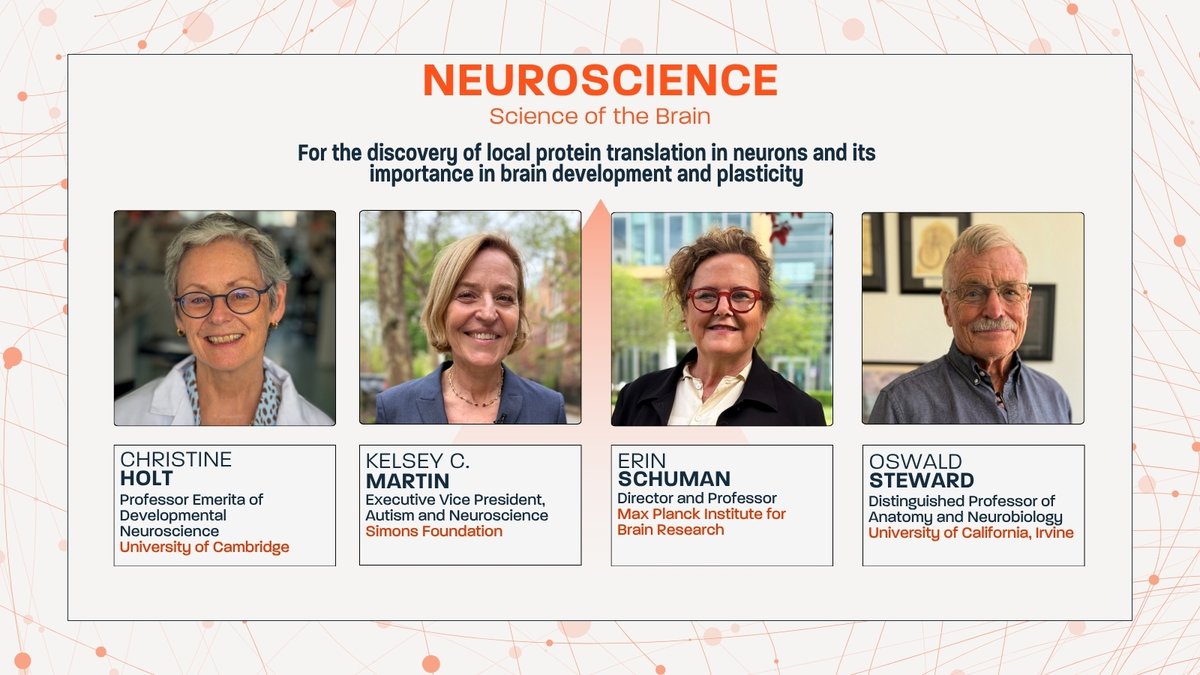
Congratulations to Kelsey Martin on being awarded the prestigious @KavliPrize in Neuroscience! Her work helped solve the mystery of how our brains learn in mere minutes, leading to insights into how the brain and brain disorders work: bit.ly/3SaMqNZ
#KavliPrize #neuroscience #science
7
26
2,845
Simons Foundation retweeted

Jun 10
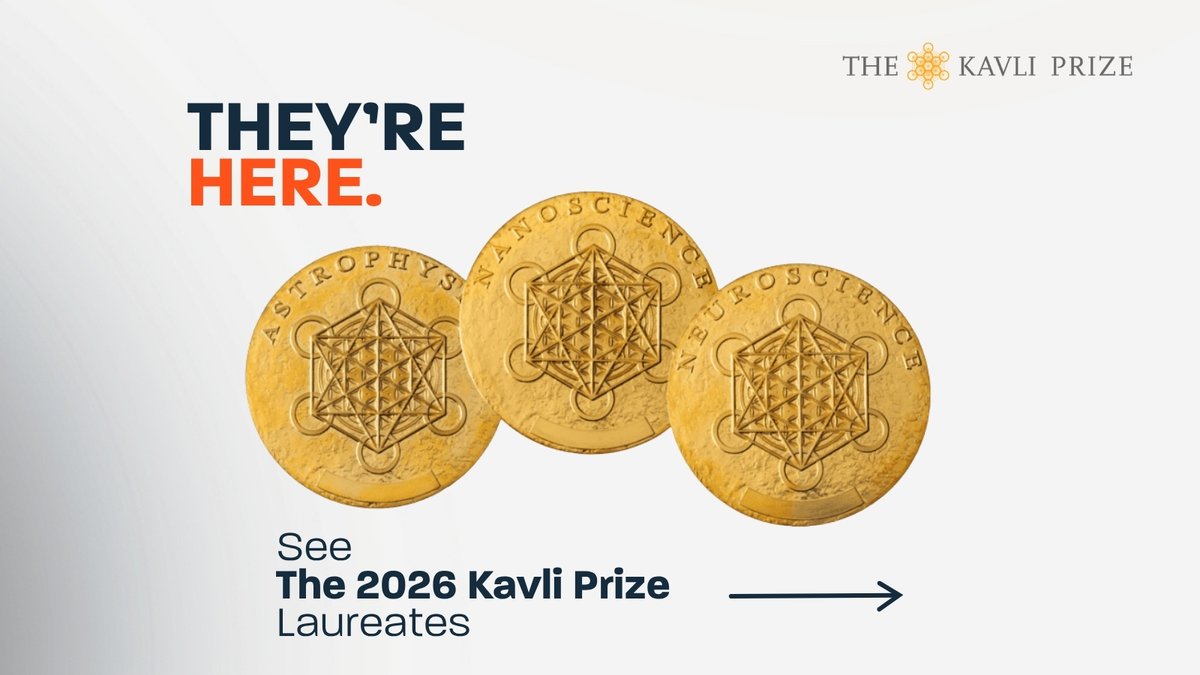
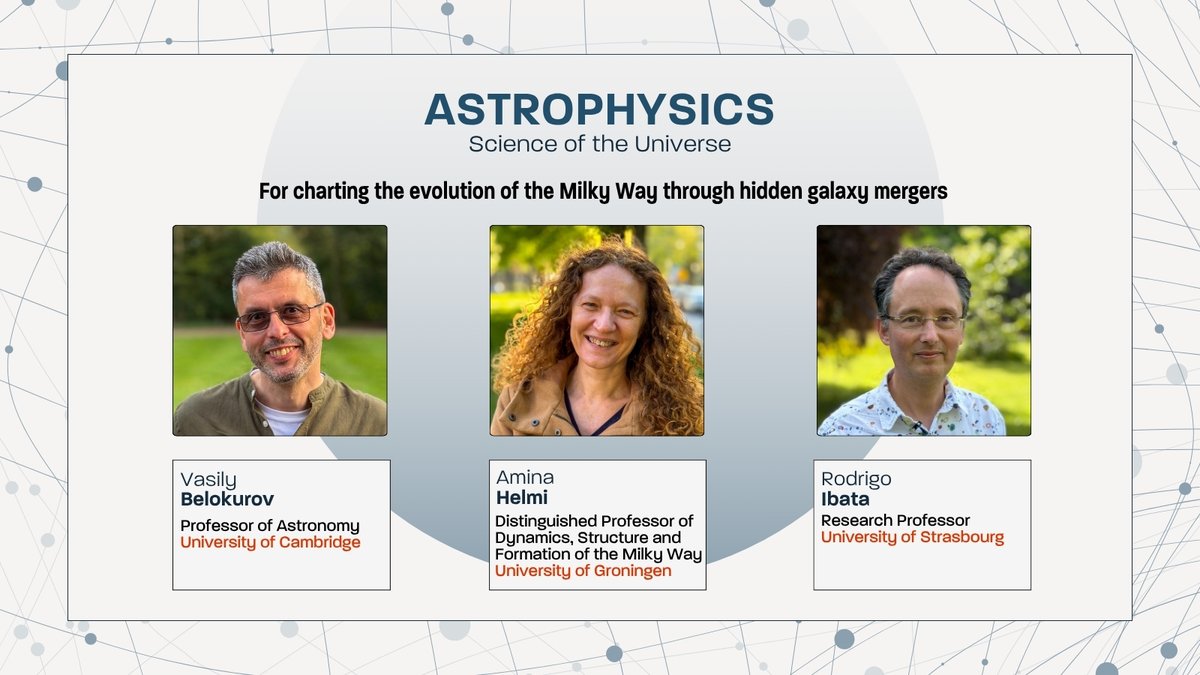
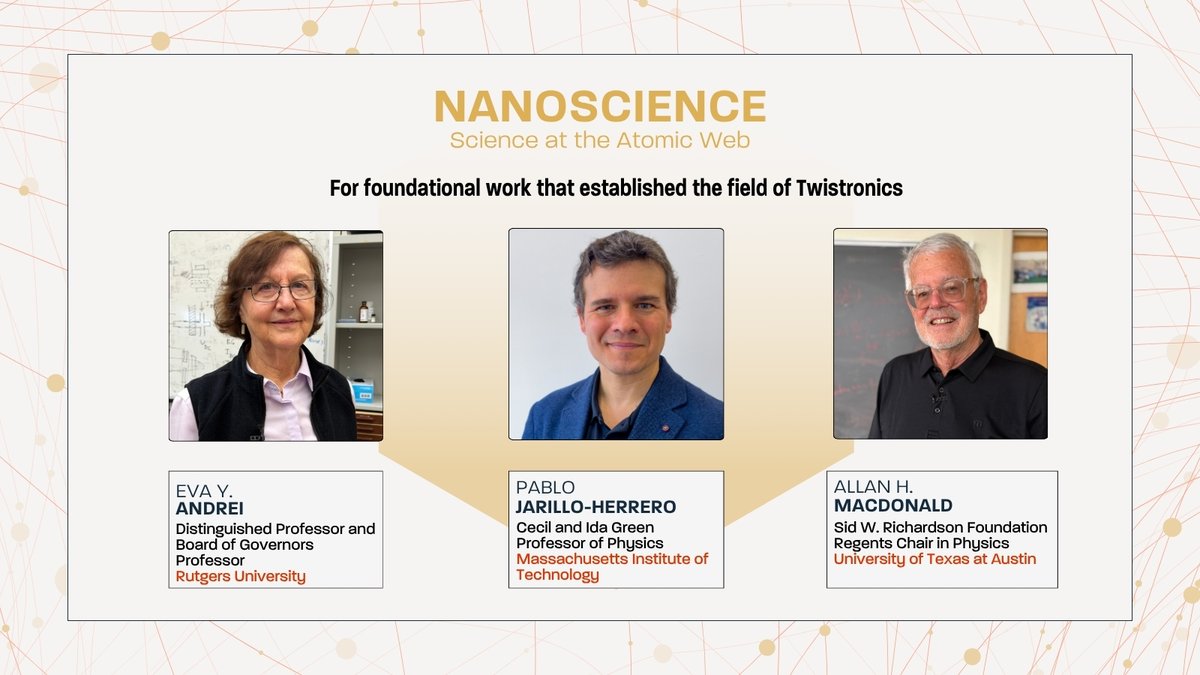
We're thrilled to announce the 2026 #KavliPrize Laureates, scientists pushing boundaries of what humanity knows in #astrophysics #nanoscience #neuroscience. They have revealed new chapters in the story of our universe, the smallest materials, and how the brain works. 1/2
1
25
65
21,665
Simons Foundation retweeted
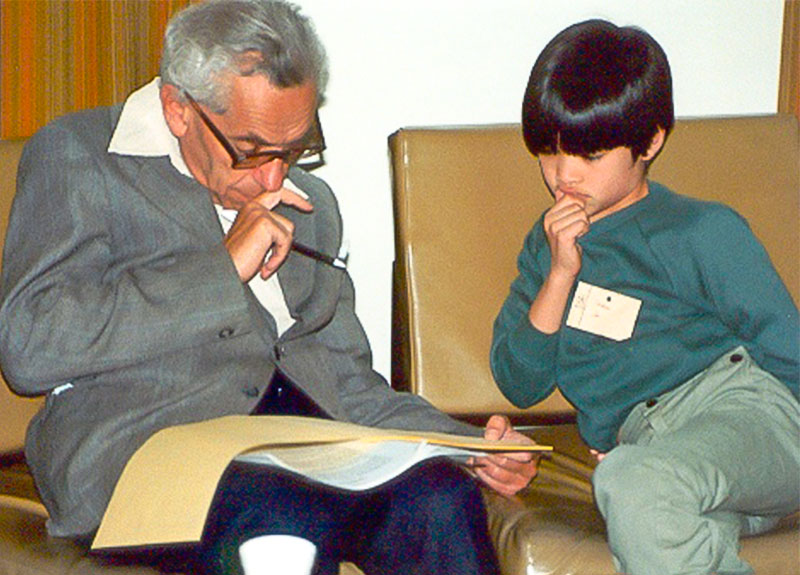
Terence Tao could have built a career without collaboration, but that’s not the way he likes to work. He views working with other researchers as a primary way to discover new ideas — take what you know, pair it with what I know, and see what happens.
quantamagazine.org/how-terry…
25
140
10,511
Simons Foundation retweeted

According to Edvard Moser, director of the Kavli Institute for Systems Neuroscience, the four recipients of the Kavli Prize in Neuroscience challenged what had long been regarded as a central dogma in neuroscience.
By Alissa de Chassey
thetransmitter.org/awards/fo…
5
15
3,793
Simons Foundation retweeted

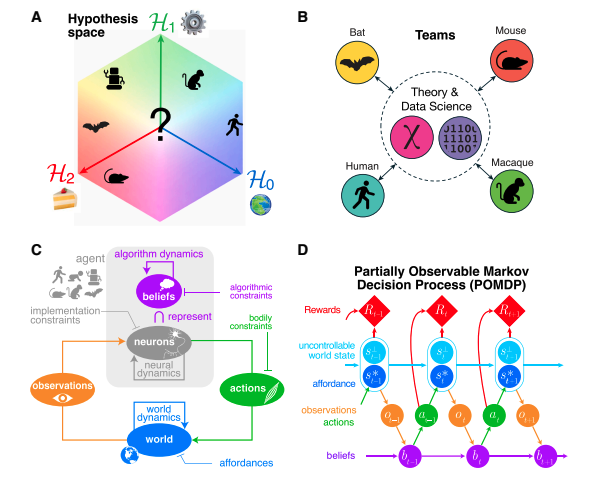
🥳 Excited that our Perspective about our new @SimonsFdn Collaboration: SCENE is out in @NeuroCellPress !
A great team effort across all the PIs, championed by @lengyel_m and @JP__NOEL 🙏
➡️ cell.com/neuron/fulltext/S08…
3
16
76
5,956
Jun 9
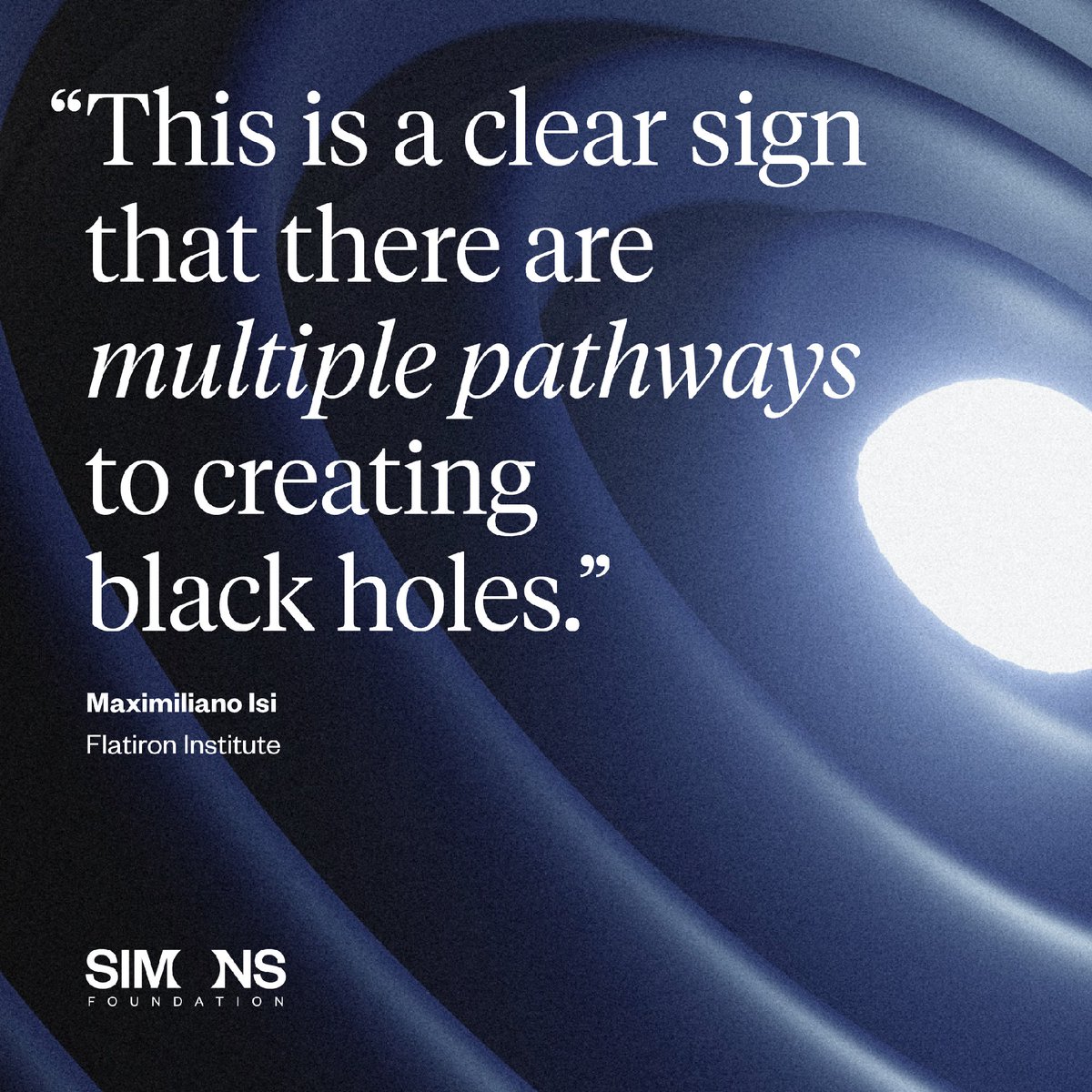
New data from the LIGO-Virgo-KAGRA collaboration revealed two distinct types of black holes: small and slowly spinning ones vs. heavier ones that spin much faster: bit.ly/42XYmF1 #science #astrophysics
ALT quote from Maximiliano Isi: “This is a clear sign that there are multiple pathways to creating black holes.”
1
3
568
Jun 9
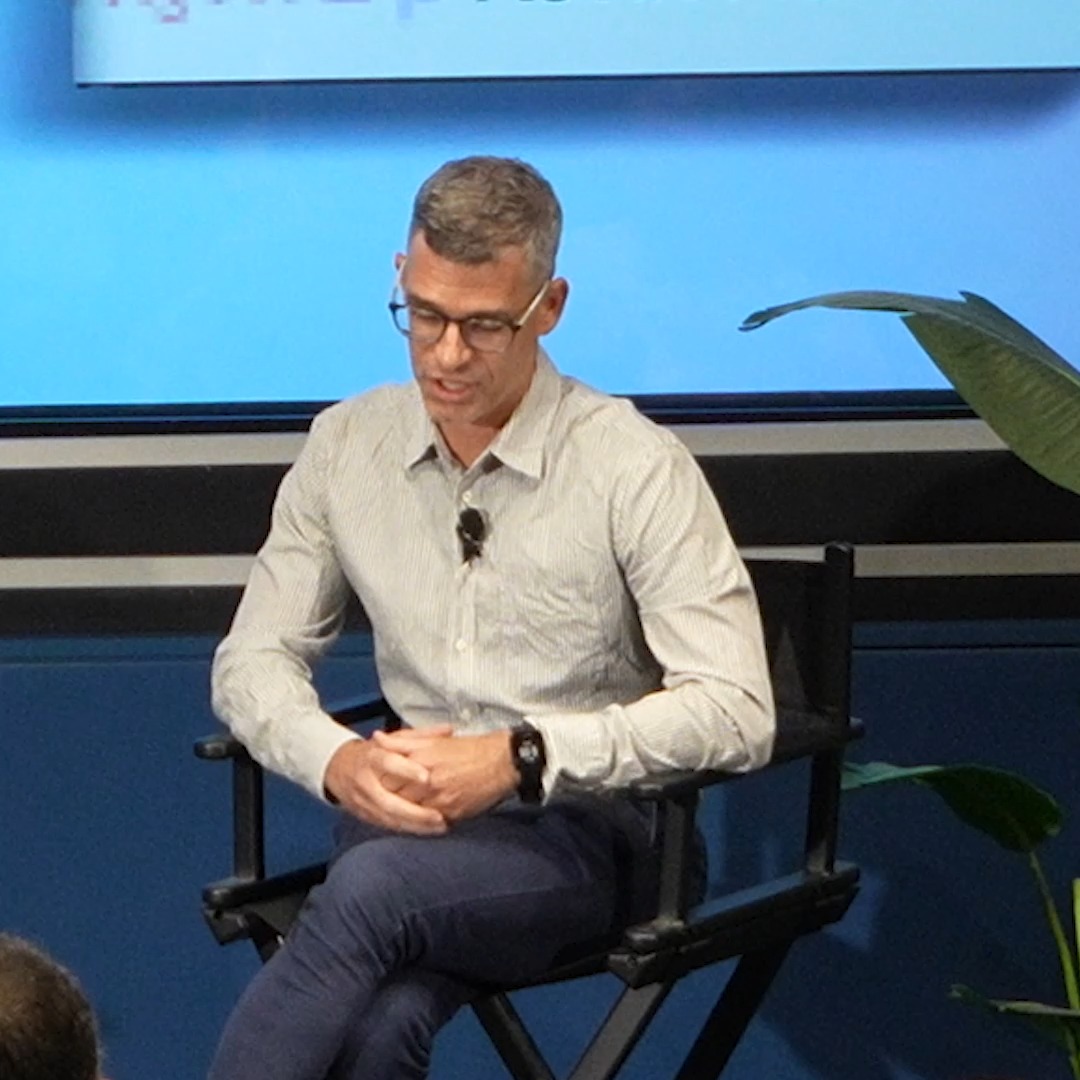
In his new book, "The Proof in the Code: How a Truth Machine Is Transforming Math and AI," Kevin Hartnett (@KSHartnett) tells the definitive story of computer program Lean in an effort to answer a longstanding question: Can computers reveal universal truths? Out today from @QuantaBks: bit.ly/43X5To1 #science #math
4
7
36
2,883