
We turn power into Bitcoin & compute. Hosted mining for investors. AI/HPC infrastructure for institutions. Based in Cedar Falls, Iowa. Inc 5000 #175
Joined June 2021
- Tweets 8,441
- Following 2,498
- Followers 24,903
- Likes 6,583
3,186 Photos and videos







Pinned Tweet

Apr 3
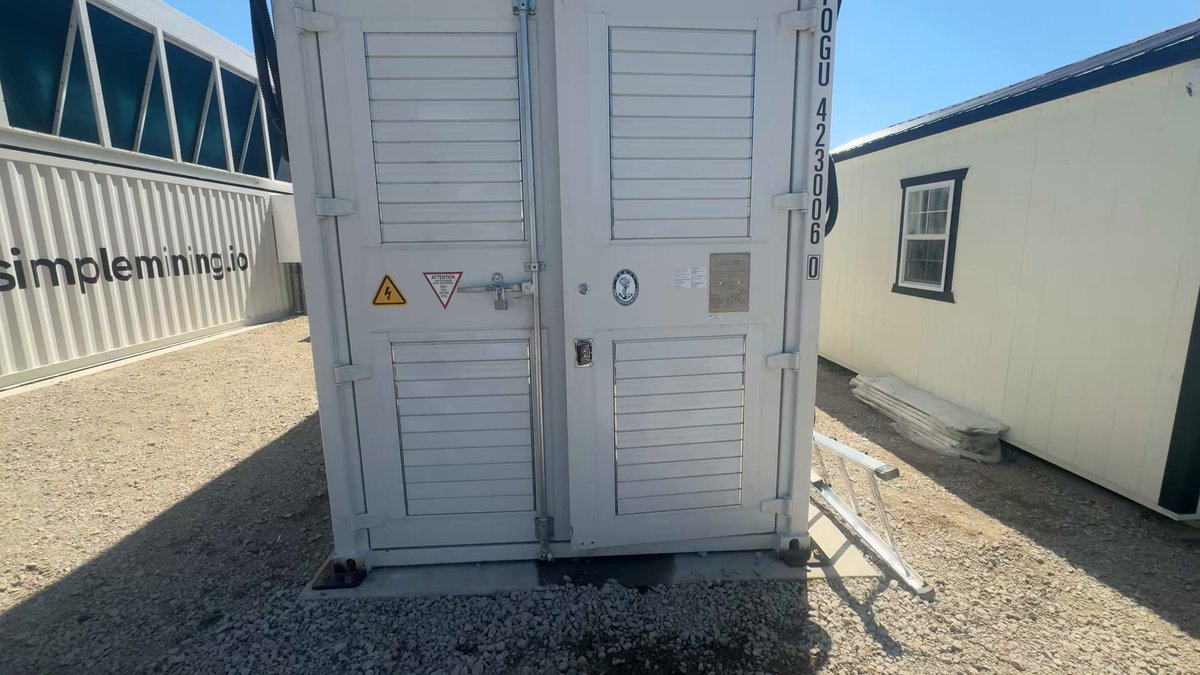
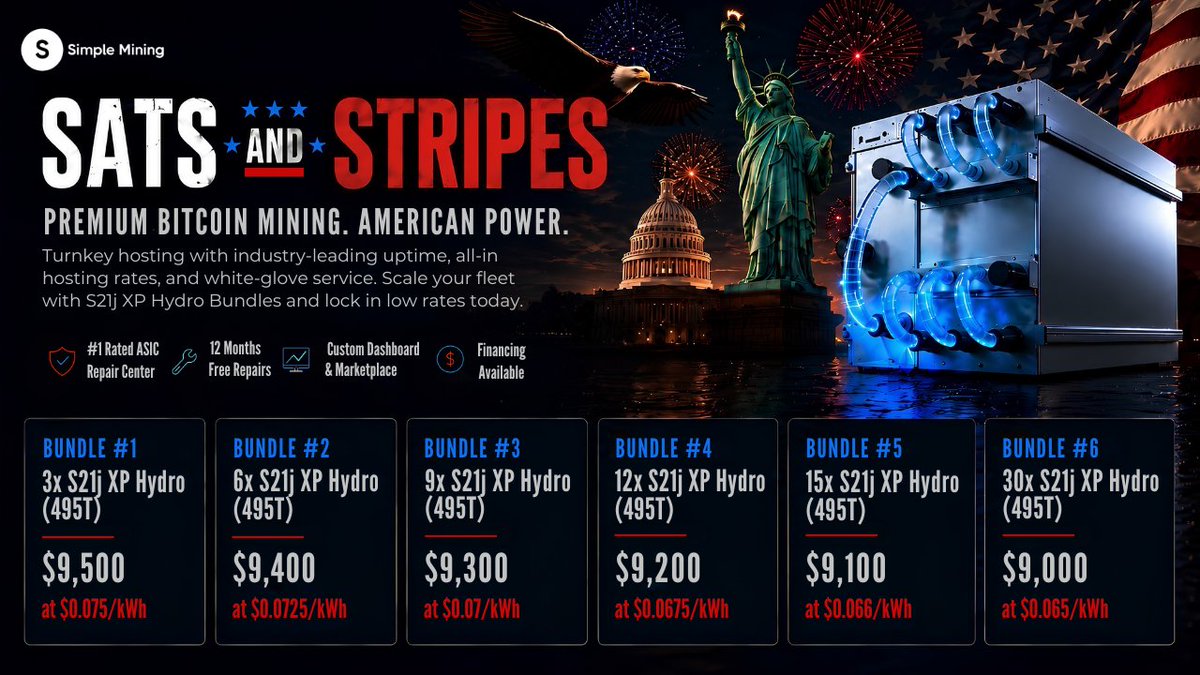
What started in the back of a cell phone repair store with a few GPUs turned into one of the largest hosted mining operations in the country.
A lot changed. The standard did not.
This is Simple Mining.
5
9
81
10,147
Bitcoin is roughly 50% cheaper than it was in October. The network producing it is exactly the same.
It still mines a block every ten minutes and still runs without anyone's permission.
What dropped was the price and the attention, not what's underneath.
That gap, between how people feel about Bitcoin and what Bitcoin actually does, is the whole story of a drawdown.
1
7
497
🫡
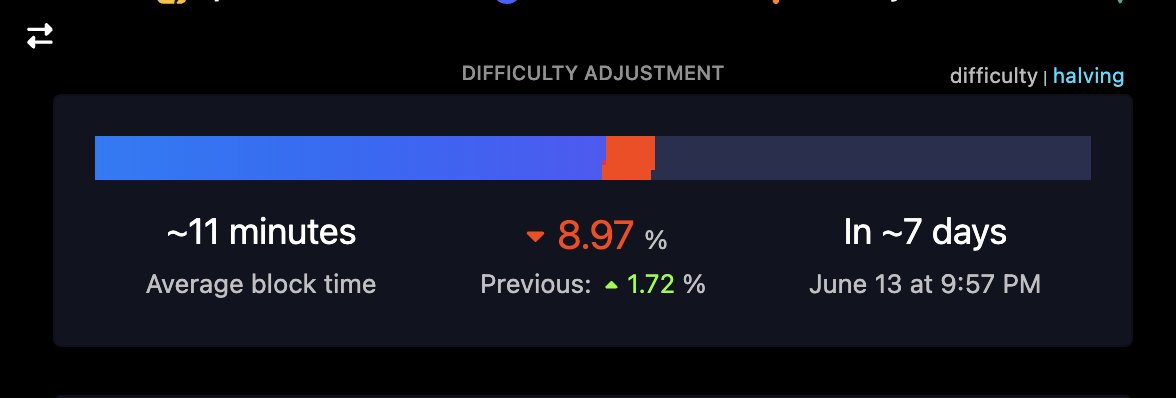
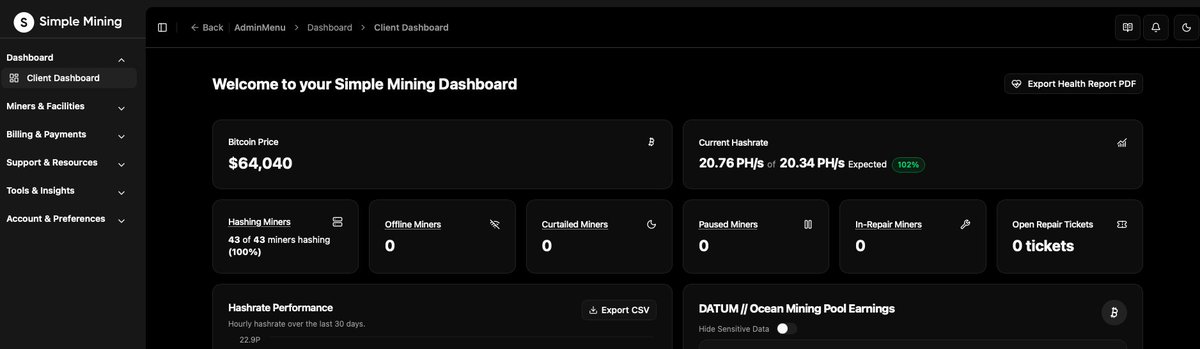
The icing on top is -9% difficulty adjustment in 3 hours

LIVE with @simpleminingio😎
Next phase in my bitcoin journey has been completed and I am so stoked for it 💯
That Section 179 Full Deduction is icing on that Bitcake
2
1
18
1,372
Jun 12
The year is 2029
You fully ported on Bitcoin miners instead of SpaceX IPO
10
1,094
Simple Mining retweeted

Jun 12
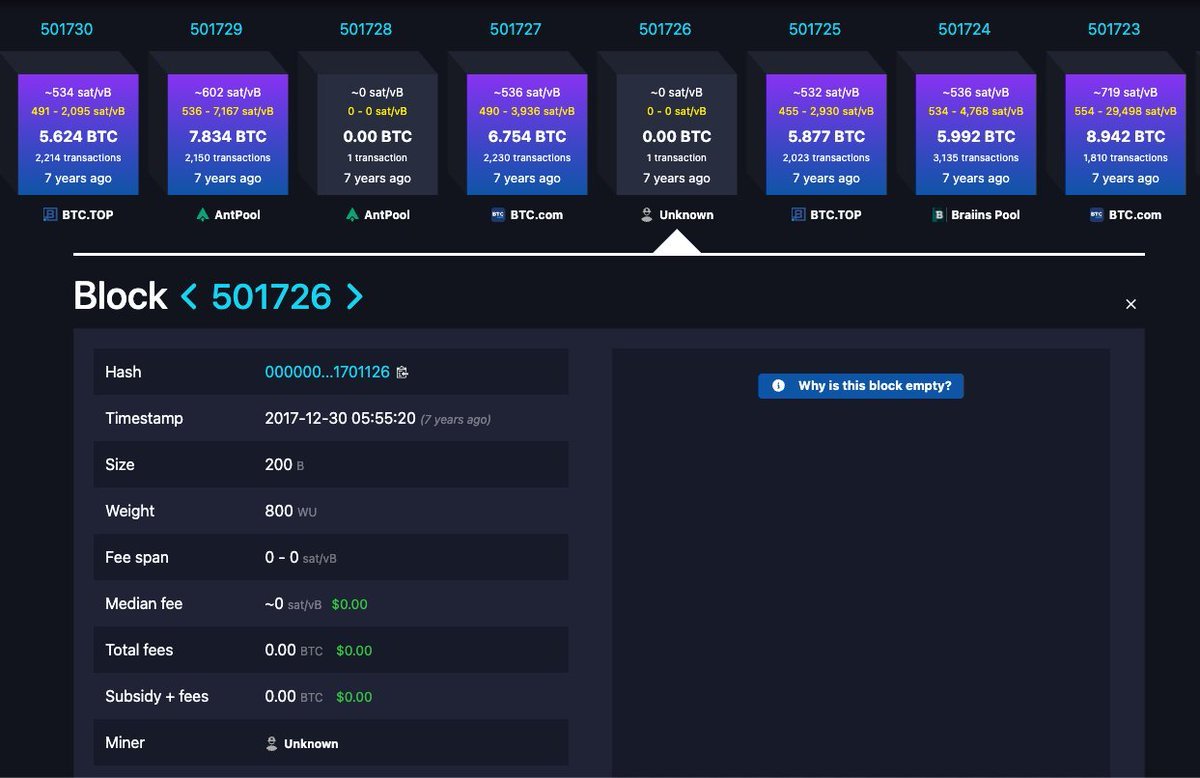
21 million BTC will never exist
Block 501,726 had a block subsidy of 0 BTC (should have been 12.5)
there are around 220 btc that were never claimed
and 99.9% of humans do not have any BTC in self custody
do the math
3
3
13
2,532
Jun 12
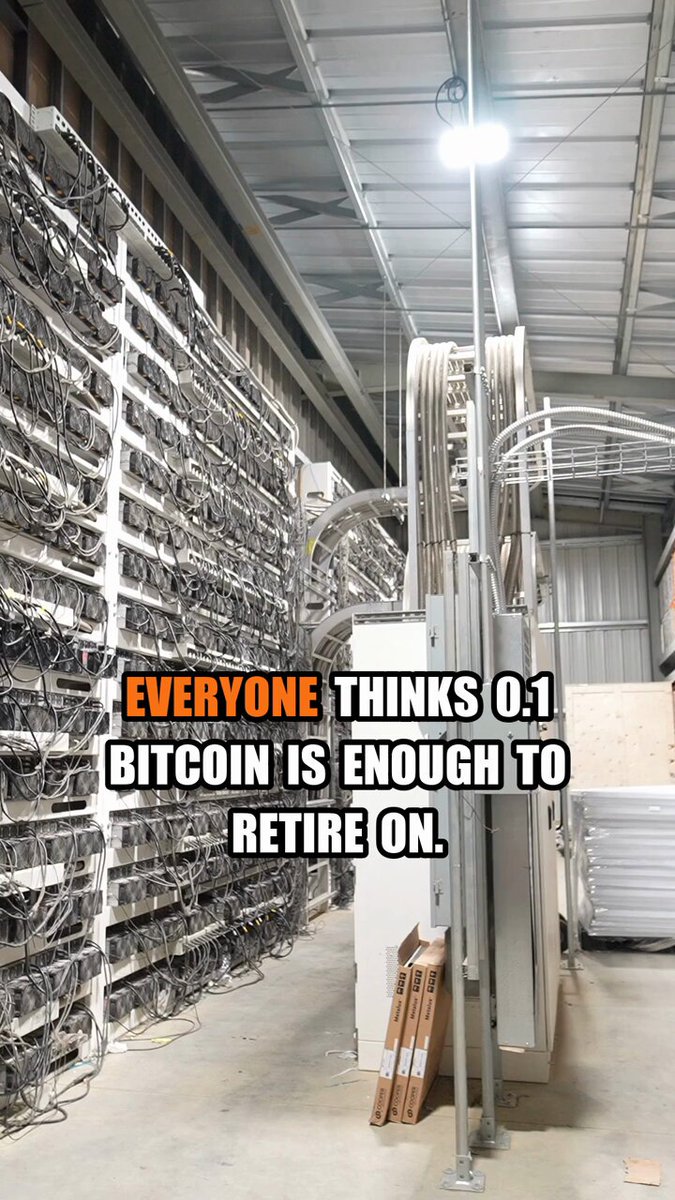
Everyone thinks a 0.1 BTC stack will be enough to retire on.
At a fixed 21 million supply that math gets tight fast
The people who see it early stop trying to time the price and start lowering their cost per coin.
That's the actual case for mining.
A hosted machine at $0.07 to $0.08 per kWh keeps producing Bitcoin while you sleep, no exchange, no perfect entry.
You accumulate at your power cost instead of the market price.
DM us and we'll run the mine vs buy math on your numbers.
3
3
13
856
Simple Mining retweeted
Jun 11
What if we told you this container mines 1 Bitcoin per month...
Would you believe it?
4
2
20
2,103
Jun 12
An investor rejected Bitcoin for being too volatile to feel like a real investment.
Then he described the exact discipline that makes volatile assets pay off.
Bitcoin didn't fail him.
His time horizon did.
1
1
5
595
Jun 12
You can hold two million dollars of stock and deduct none of it.
That isn't a loophole anyone forgot to close.
Equities are investments, and the cost of buying an investment has never been deductible for anyone.
You pay with after-tax money and you settle up with capital gains later.
Mining hardware sits in a different category. It is equipment, so it depreciates, and the depreciation is a real deduction against income.
Section 179 lets you take most or all of it in Year 1.
The investor who buys $MSTR and the investor who buys miners both want Bitcoin-era upside.
But only one of them gets the IRS to share the cost.
2
10
763
Simple Mining retweeted

Jun 11
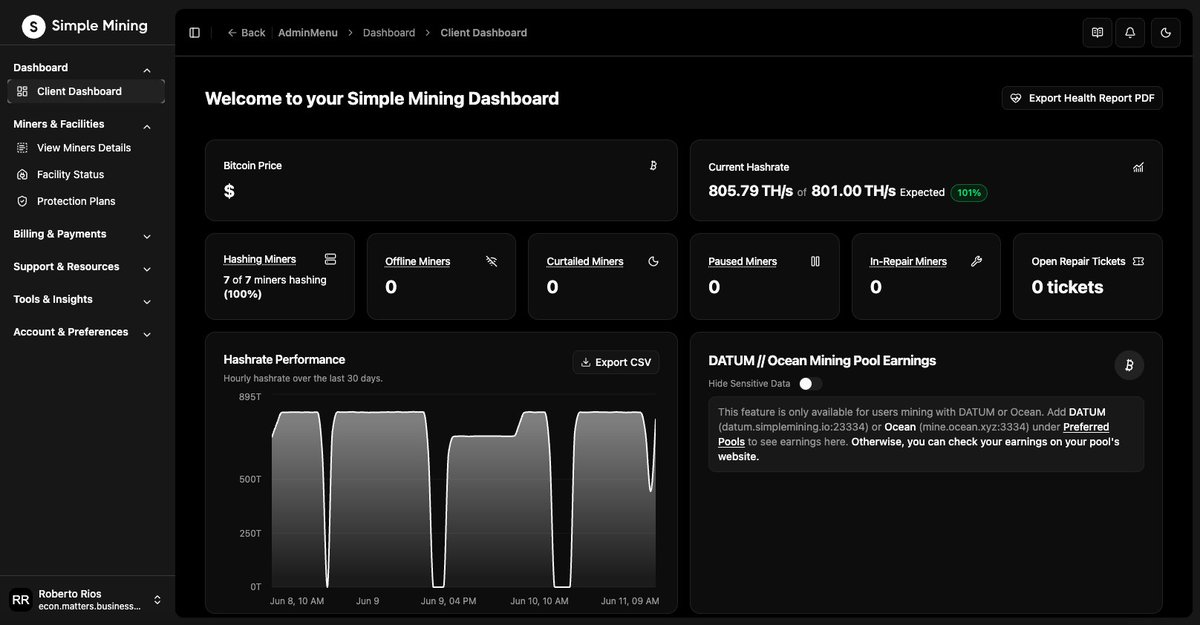
I just set up 7 miners this week on @simpleminingio , looks like they're all up and running!
Stacking bitcoin in the bear market has never been this easy 🔥
7
2
41
7,750
Simple Mining retweeted
Jun 11
There's a risk every Bitcoin investor ignores,
and it has nothing to do with
.
.
.
.
.
.
.
.
.
.
.
.
.
.
.
.
.
.
.
.
.
.
.
.
.
.
.
.
.
.
.
.
.
.
.
.
.
.
.
.
.
.
.
.
.
.
.
.
.
.
.
.
.
.
.
price
it's about how you get your coins
The exchange knows your name, your home address, and the exact amount you hold.
Moving the coins to a hardware wallet doesn't undo that.
The day you withdraw, the exchange logs the address you sent to, and that record never expires.
In 1933, a record like this became a problem.
The government ordered Americans to hand over their gold.
It already knew who held what, so almost everyone complied.
Most people never separate two things that feel identical:
Bitcoin that can be tied to your name & Bitcoin that can't.
The first is a position the system can see, tax, freeze, or report on short notice.
Canada froze protesters' accounts in 2022 with no court order.
economic energy inside the system can be switch off
economic energy outside the system is Bitcoins original promise, ownership without permission.
You get unnamed coins three ways.
Take Bitcoin as payment. Buy peer-to-peer/ATM around 15% over spot.
Or mine it.
When a miner earns Bitcoin, those are virgin satoshis straight from the network itself
No counterparty sold them to you, a block added them to your wallet
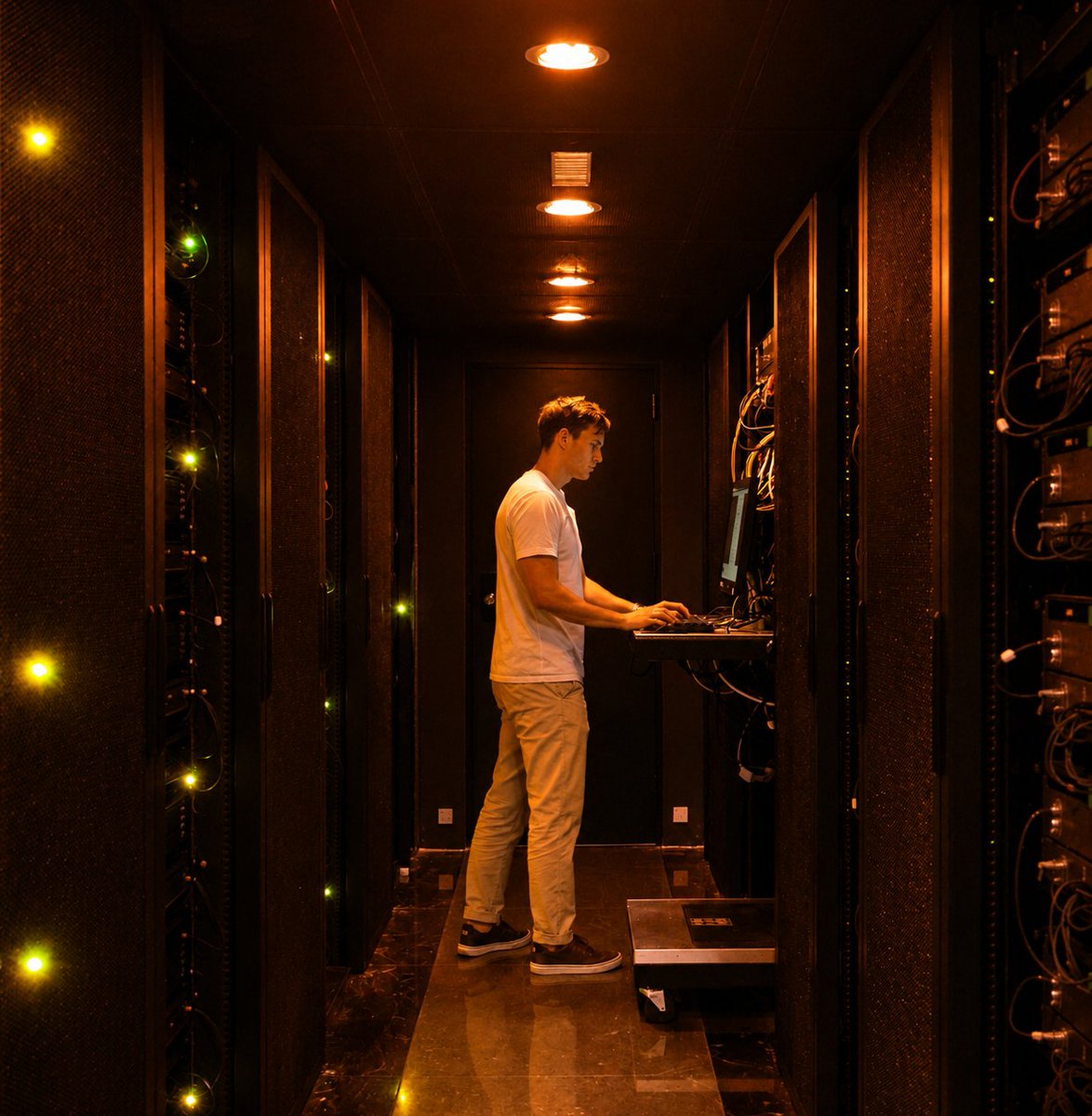
I mine with Simple Mining and am never asked for an ID.
They run the machines for me and I point the hashrate at the pool I choose.
all I provide is a Bitcoin address generated from a cold wallet that has never touched an exchange.
I mine, so nobody knows its mine.
a UTXO with no input lands at that address
Someday the most valuable Bitcoin in the world will be the coins nobody can prove you own.
1
2
7
804
Jun 11
You can always tell where the market is by how loud the mining conversation gets.
At the top, everyone is a miner. The timelines fill with rigs and returns and people who discovered hashrate three weeks ago.
At a moment like this, down 51% from the high, it goes quiet.
The tourists leave and the accumulation continues without them.
Quiet is usually when the work that matters gets done.
6
444
Jun 11
Most people feel poorer and can't name the mechanism.
Promises win votes.
Votes win power.
Power controls the printer.
And the printer quietly taxes everyone who earns in dollars.
It never shows up on a tax return, which is exactly why it works.
The case made here is that the next decade comes down to a race: AI-driven abundance versus the fiscal cliff.
1
1
301
Jun 11
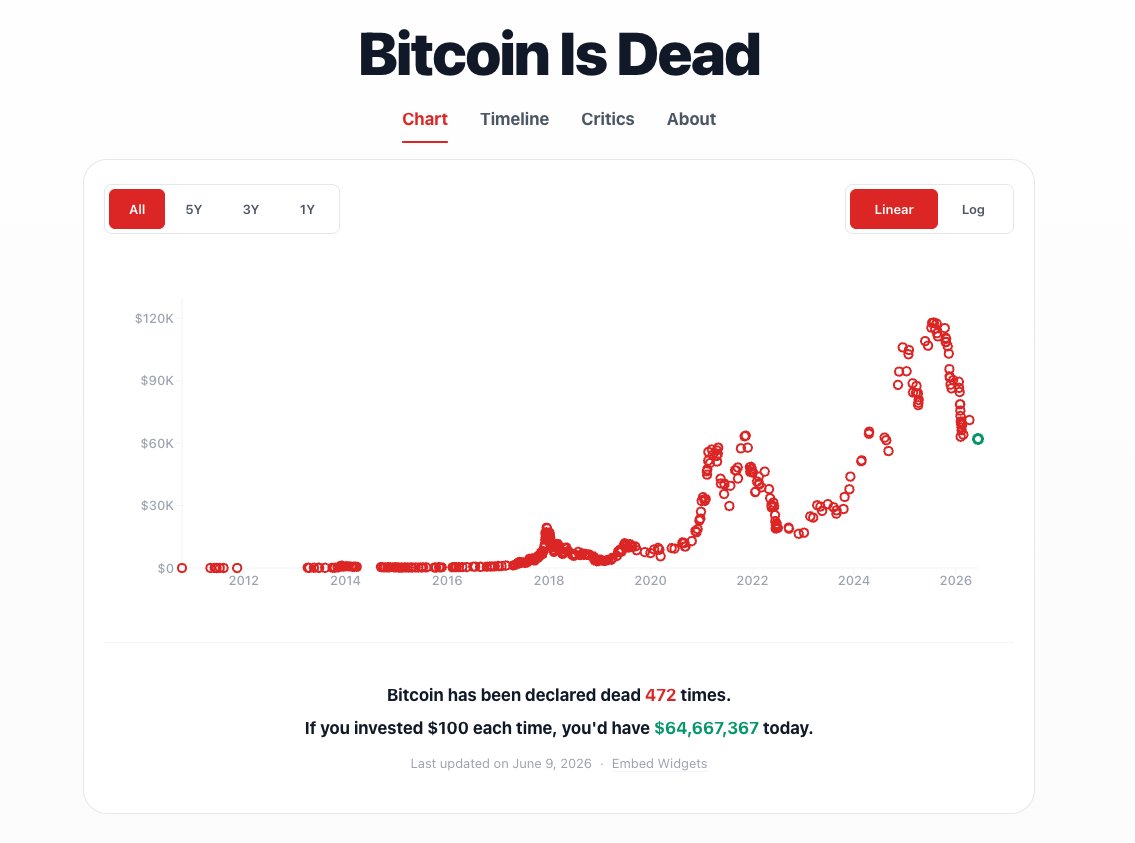
Bitcoin is down 51% from its October high.
And for a large part of the mining industry, that is an immediate problem.
At a high power cost, the machines barely break even or lose money on every block.
For a miner on a low fixed rate, the same drawdown means something closer to the opposite.
The variable that decides which group you are in is what you pay for power, and it is set the day you sign, not the day the price moves.
By the time a downturn arrives, who makes it through is already determined.
5
383
Jun 11
MARA, Riot, and a couple of others moved a big share of their capacity to AI compute this year.
The read online was that mining had stopped being worth it.
But the miners who stayed read it the opposite way.
When that much hashrate leaves the network, the machines still running earn more per day.
The companies walking away are handing their share to whoever stays.
The investors we talk to aren't nervous about the exodus.
A few of them are hoping it keeps going.
4
570
Jun 10
The largest IPO in history has Bitcoin on its balance sheet.
SpaceX's S-1 discloses 18,712 BTC, carried as a strategic reserve.
Cost basis around $661 million, fair value of $1.29 billion as of March 31.
Once SPCX trades, index funds, pensions, and retail buyers hold Bitcoin exposure whether they chose it or not.
Adoption stops being a decision someone makes and starts being a default they inherit.
1
14
855
Jun 10
Bitcoin is down 21% in a month.
Here's what that changed for a fixed-hosting miner.
Changed:
• The mood online
• The dollar value of the Bitcoin produced
• The ETF flows, now red for 13 straight days
Did not change:
• Your hosting rate
• The block reward, paid out every ten minutes
• The Bitcoin your machine produces each day
• The fact that the network kept running without missing a block
A selloff moves the price and the sentiment.
It does not touch your miner.
1
5
460
Jun 10
There's a way to think about independence that has nothing to do with how much money you have.
It's about how many dependencies sit between you and the people who could pressure you.
A company funded by venture capital answers to its investors.
One running on bank credit answers to its lender.
A creator monetized through a platform answers to whoever controls the payment rails.
Each of those is a relationship someone else can condition or withdraw.
Bitcoin changed this for a specific group.
Companies with Bitcoin on the balance sheet and no outside funding, and individuals holding their own keys, ended up with fewer of those pressure points.
That's the real property, and it has less to do with wealth than with how few levers other people hold over you.
2
1
11
616
Jun 10
When you buy a stock, you have no say in how it is taxed.
The treatment is fixed and it is not in your favor on the way in.
Mining equipment gives you a lever.
You decide when to place it in service, which means you decide which tax year the deduction lands in.
A strong income year is exactly when deploying mining hardware before December 31 does the most work.
Stocks give you exposure and nothing else to manage.
Mining gives you exposure plus a deduction you can time to the year you most need it.
For an investor with a large bill coming, that timing is not a small detail.
1
4
292