
🏆Award Winning Producer ⛓ Stem Mastering Engineer 💯 Helping Producers and Engineers to Unleash their Full Potential💥
Joined October 2012
- Tweets 12,288
- Following 990
- Followers 3,565
- Likes 11,360
1,238 Photos and videos




Pinned Tweet

9 Mar 2023
From beginner to pro: Here are the top lessons/threads I learned in 15 years of mixing that helped me elevate my craft 🚀
5
11
54
10,319
SLATIN retweeted

10 Nov 2025
El Networking Mata al Talento: ¿Estamos en la Era de las Conexiones? ft. @slatinize @NaitoProducer
youtube.com/watch?v=sWLmUfw3…
1
4
308
SLATIN retweeted

15 Feb 2025
Probando en mi cabina nuevo temaaaa 🥵 ayer puse un trozo en stories y os flipó, así que me he dado prisa en hacer el mix y a que @slatinize lo masterice para que lo tengáis la semana que viene… y así va sonando 🖤😮💨😮💨😮💨😮💨🥴
HERE I HAVE TECHNOOOOO
TECHNOOOOO
TECHNOOOO
🥳
21/03
3
4
16
818
SLATIN retweeted

4 Jul 2024
Volvemos a hablar de mastering en Conectados y lo hacemos con Ruslan Slatin (@slatinize), un versátil productor que nos muestra en detalle su estudio y un proyecto completo realizado en Reaper.
hispasonic.com/reportajes/ma…
1
2
8
996
18 Jun 2024
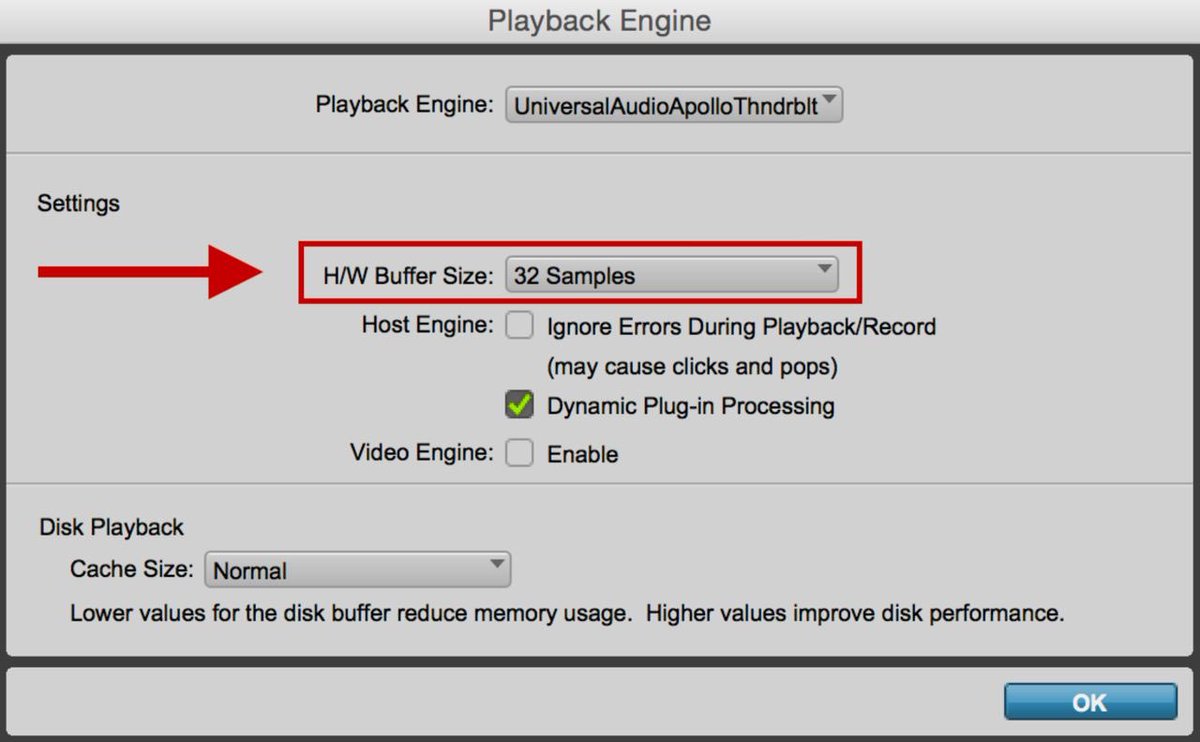
Buffer Size is one of the most annoying things that you encounter when you start producing, right? 🤣 CPU hogs, latency...
Let's dive into what it means and how it can impact your music production...
1
2
832
18 Jun 2024
For recording sessions or live gigs, a lower buffer size is preferable for that instant response. Meanwhile, when mixing or mastering - a larger buffer size will be your ally, ensuring smooth, glitch-free processing.
1
1
627
18 Jun 2024
Some people care a lot about latency even when mixing and/or mastering, and they tend to use the smallest buffer size that their cpu can handle.
Speaking of myself, I do not care at all about latency when mixing, so 2048 it's my go-to 😎
1
561
11 Jun 2024
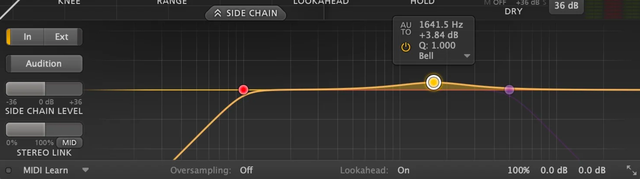
You've almost perfected the mix, and the vocals are perfectly integrated...
However, as soon as the vocalist hits the high notes or gets a bit more excited, their voice suddenly "pops out" from the mix.
Here's a quick and effective solution 😎
1
6
770
11 Jun 2024
Be mindful that for this to work, that bump shouldn't be too aggressive, otherwise, it is very easy to destroy your well-crafted dynamics. Do not overdo it.
1
482
11 Jun 2024
PRO-TIP: If you want to take it further, you can automate the Dry/Wet Mix knob on your Pro-C2 and affect only the parts that need extra control.
444
11 Jun 2024
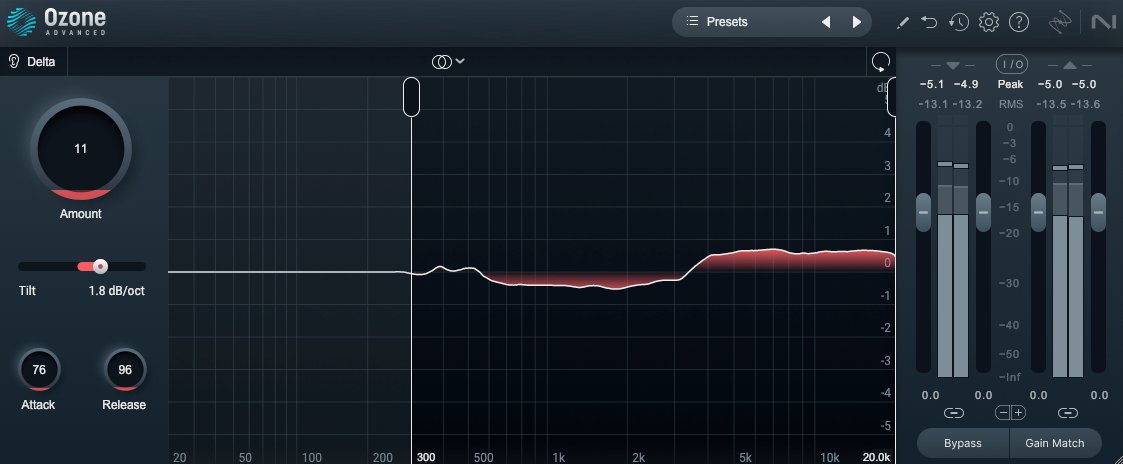
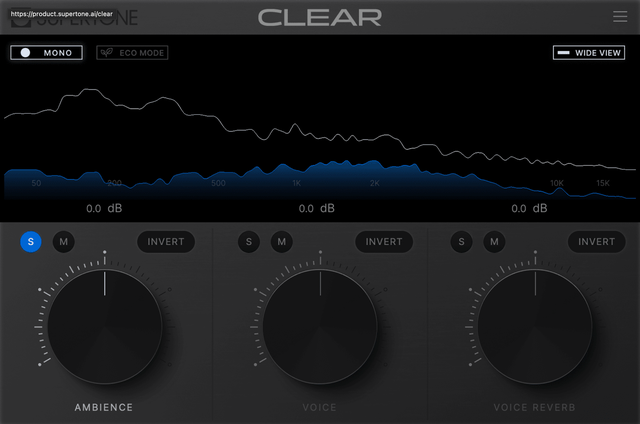
Whenever a new tool like Clarity hits the market, people often wonder if it replaces existing tools like Soothe, Gullfoss, DSEQ , Voxengo Teote, and others.
The answer, as always, is a resounding no! ❌
1
1
2
339
11 Jun 2024
Each of these tools has a unique algorithm, leading to a unique sound. So, for me, Clarity doesn't replace these tools - it's a fantastic addition to my toolbox. 🛠
247