
CEO who’s into #SEO • #JavaScript #NodeJS full-stack #opensource contributor and maintainer • Founder @veliovgroup and @ostrio_service
Joined March 2011
- Tweets 3,502
- Following 4,804
- Followers 1,467
- Likes 3,829
337 Photos and videos










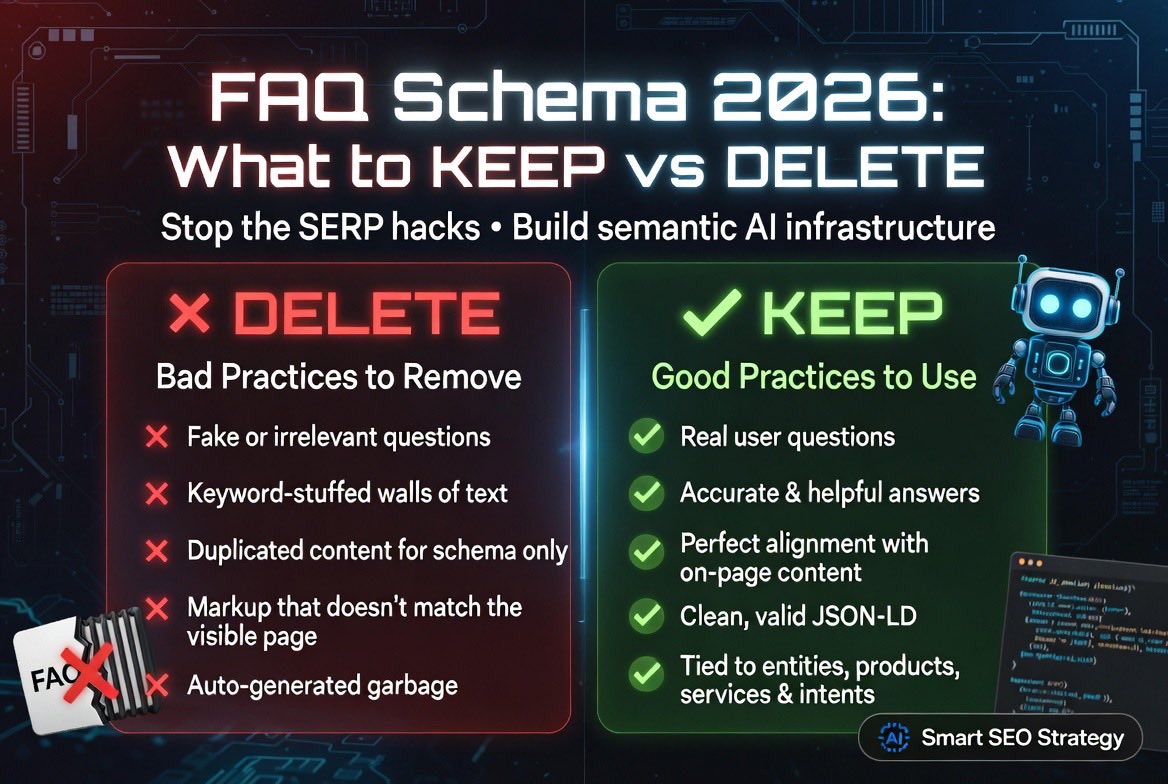
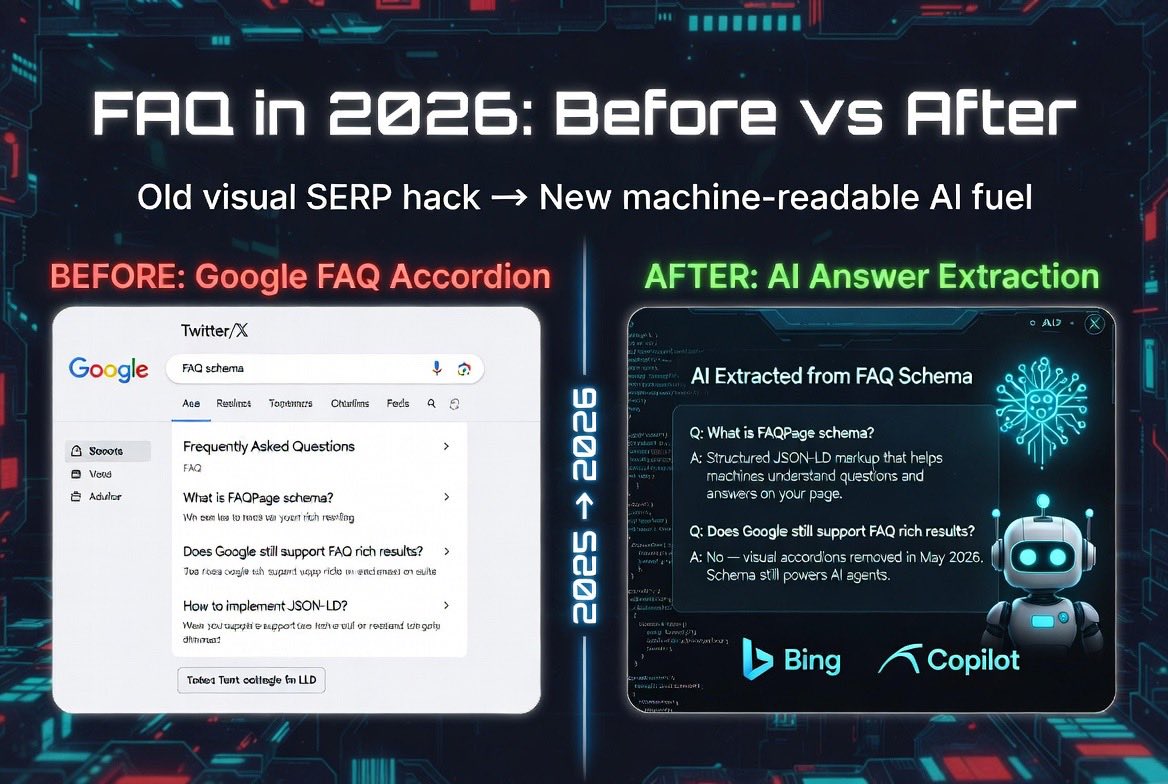
Pinned Tweet

15h
Heres full prompt I use before publishing NPM libs and OSS repos, it can get applied to any JS/TS project:
Run code review for this NPM library.
Review goals:
1. Verify there are no bugs, regressions, typos, logical inconsistencies, or design mistakes.
2. Confirm implementation follows current best practices, prioritizes performance, minimizes resource usage, and preserves a small footprint.
3. Confirm implementation aligns with the library’s core purpose and intended API.
4. Ensure the codebase is well written, easy to understand, and maintainable.
5. Verify ignore/dotfiles are complete for each target platform and stack, and exclude unnecessary assets from published packages.
6. Verify TypeScript types are complete, correctly exported, and usable from Bun.js and Node.js projects.
7. Verify user documentation is clear, compact, and example-driven.
8. Ensure deeper explanations, extra examples, edge cases, and third-party platform notes live in separate `.md` files under `/docs`.
9. Assess whether this library is best-in-class for its category.
Review constraints:
- Do not refactor for style alone.
- Refactor only where there is measurable impact: correctness, maintainability, performance, package size, compatibility, or developer experience.
- Keep changes minimal and targeted.
- Preserve public API unless a change is required to fix a defect.
- Document any API-impacting change clearly.
Required output:
1. Summary verdict: pass / pass with issues / fail.
2. Critical issues: bugs, broken exports, type problems, packaging problems, security risks.
3. Recommended improvements: high-impact only.
4. Documentation gaps.
5. Packaging and publishing checklist.
6. Exact changes made, with rationale.
7. Remaining risks or assumptions.
Completion criteria:
- Tests pass.
- Build passes.
- Package exports are verified.
- Type declarations are verified in Bun.js and Node.js usage scenarios.
- Published package contents are verified with a dry run.
- Documentation matches actual behavior.
#prompt #claude #cursor #codex
58
15h
Claude, Codex, Cursor — all starts with “C”, all three are successful and broadly used tools for AI. What name would you give to your next project, so it starts with “C” letter?
35
Jun 10
Claude Fable 5 prompt I use to review and improve my OSS libs, applicable to any JS/TS project:
Run a final code review for this NPM library.
Review goals:
1. Verify there are no bugs, regressions, typos, logical inconsistencies, or design mistakes.
2. Confirm implementation follows current best practices, prioritizes performance, minimizes resource usage, and preserves a small footprint.
3. Confirm implementation aligns with the library’s core purpose and intended API.
4. Ensure the codebase is well written, easy to understand, and maintainable.
5. Ensure AI skills are condensed, concise, terse, and free of unnecessary context overhead.
6. Verify ignore/dotfiles are complete for each target platform and stack, and exclude unnecessary assets from published packages.
7. Verify TypeScript types are complete, correctly exported, and usable from Bun.js and Node.js projects.
8. Verify user documentation is clear, compact, and example-driven.
9. Ensure deeper explanations, extra examples, edge cases, and third-party platform notes live in separate `.md` files under `/docs`.
10. Assess whether this library is best-in-class for its category.
Review constraints:
- Do not refactor for style alone.
- Refactor only where there is measurable impact: correctness, maintainability, performance, package size, compatibility, or developer experience.
- Keep changes minimal and targeted.
- Preserve public API unless a change is required to fix a defect.
- Document any API-impacting change clearly.
Required output:
1. Summary verdict: pass / pass with issues / fail.
2. Critical issues: bugs, broken exports, type problems, packaging problems, security risks.
3. Recommended improvements: high-impact only.
4. Documentation gaps.
5. Packaging and publishing checklist.
6. Exact changes made, with rationale.
7. Remaining risks or assumptions.
Completion criteria:
- Tests pass.
- Build passes.
- Package exports are verified.
- Type declarations are verified in Bun.js and Node.js usage scenarios.
- Published package contents are verified with a dry run.
- Documentation matches actual behavior.
3
2
3
216
20h
Hi! I’m looking to grow my X following. Let’s connect and I’ll follow you back. If you repost this, I’ll definitely repost your latest tweet. Promise!
I’m interested in:
- SaaS
- Startups
- B2B
- AI
- Growth hacks
- SEO / GEO / AEO
1
1
2
6,042
23h
Anthropic: our models are too dangerous, you need to regulate Al
US Government: okay, then shut them down
Anthropic: 😮
18
Jun 13
Does it feel like you have higher limits since we all are back on Opus 4.8?
1
1
33
Jun 13
Now you have no reason to brag about how quick you burn through session/day/week limits, right?
1
19
dr.dimitru retweeted
Jun 13
Since Fable 5 is blocked now, the same approach will work with Opus 4.8 as orchestrator
1
56
Jun 11
Ultimate hack for Fable 5. After defining a task add:
- Prepare plan that can be handled via parallel subagents.
- Spawn subagents with Haiku, Sonnet, or Opus models - choose the most appropriate for each task. Use Fable model only as master and orchestrator.
3
3
2
103
Jun 13
Since Fable 5 is blocked now, the same approach will work with Opus 4.8 as orchestrator
1
56
Jun 13
Well… now when Fable is blocked — the same prompt will work well with opus or GPT 5.5
23
dr.dimitru retweeted
Jun 13
Another day another shift in AI. We all enjoyed Fable for 3 days, I hope you were able to burn through your limits. I guess GPT 5.5 is again the smartest model? What will be your move?
Jun 13

As a result of a US government directive, we are suspending access to Claude Fable 5 for all users. You can continue to use all other Claude models.
Here’s what this means for you:
Across Claude products, new sessions will run on your selected default model or Opus 4.8, and existing Fable 5 sessions will end with an error.
On the Claude Platform, requests to Fable 5 will also return an error. Please update your integrations to other Claude models.
We know this is a disruption to your workflows; we appreciate your patience and support.
1
1
62
dr.dimitru retweeted
Jun 10
Curios how to beat crawler budget and improve accessibility for AI agents and bots to your website? Read more at prerendering.info
1
2
1
36
dr.dimitru retweeted
Jun 11
Ultimate hack for Fable 5. After defining a task add:
- Prepare plan that can be handled via parallel subagents.
- Spawn subagents with Haiku, Sonnet, or Opus models - choose the most appropriate for each task. Use Fable model only as master and orchestrator.
3
3
2
103
dr.dimitru retweeted
Jun 10
Claude Fable 5 prompt I use to review and improve my OSS libs, applicable to any JS/TS project:
Run a final code review for this NPM library.
Review goals:
1. Verify there are no bugs, regressions, typos, logical inconsistencies, or design mistakes.
2. Confirm implementation follows current best practices, prioritizes performance, minimizes resource usage, and preserves a small footprint.
3. Confirm implementation aligns with the library’s core purpose and intended API.
4. Ensure the codebase is well written, easy to understand, and maintainable.
5. Ensure AI skills are condensed, concise, terse, and free of unnecessary context overhead.
6. Verify ignore/dotfiles are complete for each target platform and stack, and exclude unnecessary assets from published packages.
7. Verify TypeScript types are complete, correctly exported, and usable from Bun.js and Node.js projects.
8. Verify user documentation is clear, compact, and example-driven.
9. Ensure deeper explanations, extra examples, edge cases, and third-party platform notes live in separate `.md` files under `/docs`.
10. Assess whether this library is best-in-class for its category.
Review constraints:
- Do not refactor for style alone.
- Refactor only where there is measurable impact: correctness, maintainability, performance, package size, compatibility, or developer experience.
- Keep changes minimal and targeted.
- Preserve public API unless a change is required to fix a defect.
- Document any API-impacting change clearly.
Required output:
1. Summary verdict: pass / pass with issues / fail.
2. Critical issues: bugs, broken exports, type problems, packaging problems, security risks.
3. Recommended improvements: high-impact only.
4. Documentation gaps.
5. Packaging and publishing checklist.
6. Exact changes made, with rationale.
7. Remaining risks or assumptions.
Completion criteria:
- Tests pass.
- Build passes.
- Package exports are verified.
- Type declarations are verified in Bun.js and Node.js usage scenarios.
- Published package contents are verified with a dry run.
- Documentation matches actual behavior.
3
2
3
216
dr.dimitru retweeted
Jun 9
Another reason to love #Linux — this is active app server with frequent weekly updates
1
1
60