
Joined July 2009
- Tweets 5,830
- Following 1,096
- Followers 616
- Likes 62,216
49 Photos and videos









Pinned Tweet

17 Oct 2019
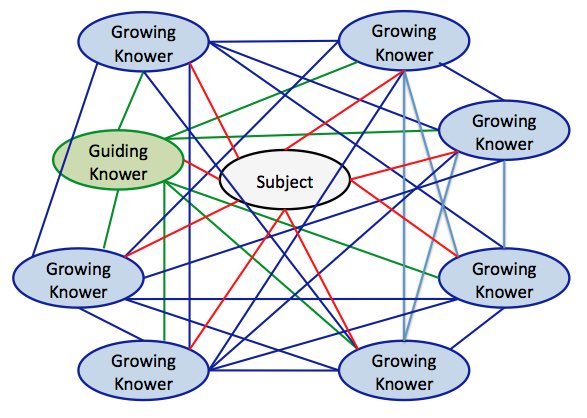
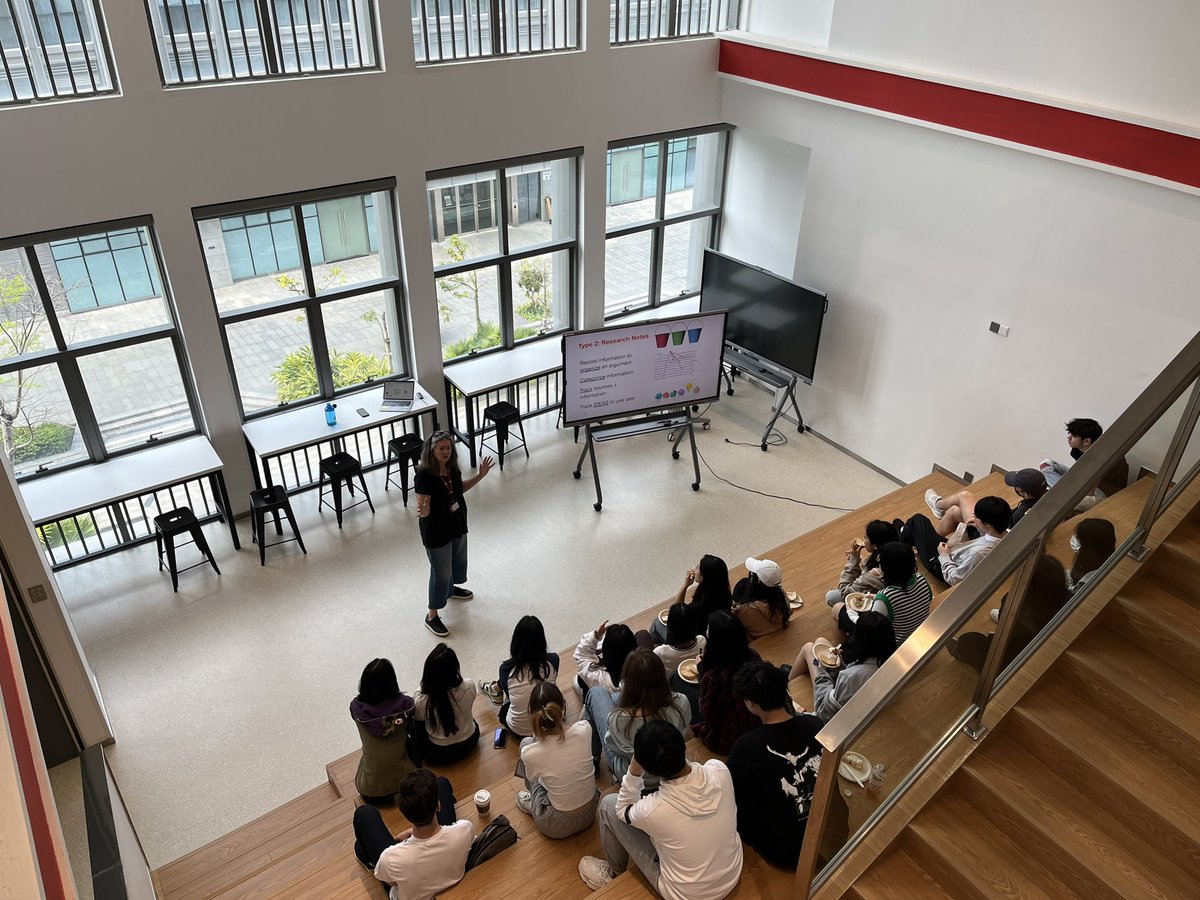
1. Clarify what students must know and be able to do
2. Teach well
3. Read and write about the subject a lot
and most important, as much as possible, say "No" to doing everything else unless/until you are happy these are going really well, because of opportunity costs.
1
3
30
Craig Ortner retweeted

Jun 13
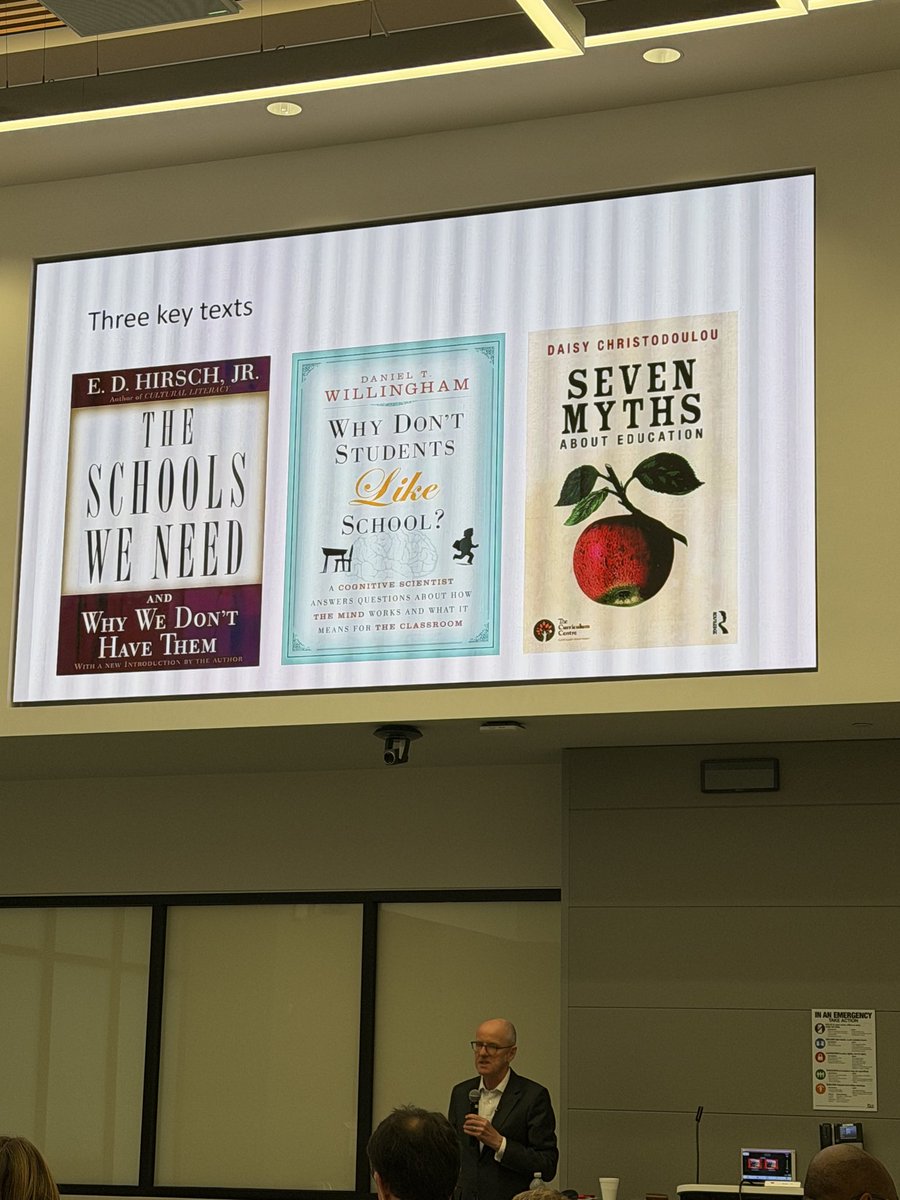
“The key book for me is @DTWillingham’s Why Don’t Students Like School?” - @NickGibbUK talking about the books which influenced his thinking. A big shoutout for @daisychristo too at @researchED_US Houston
9
25
135
6,302
Craig Ortner retweeted

Jun 14
Hatė when people at work ask you what books you are reading for professional development. I am reading books to counteract the effects of being professionally developed.
I am reading books that bring me back to being human. Thank you
50
951
7,086
68,167

People believe they think clearly and just struggle to "put it into words." It's almost always backwards. The struggle to put it into words is the discovery that the thought wasn't clear yet.
Writing is the brutal honesty machine. It takes the warm fog in your head that felt like understanding and forces it onto a line where every gap shows. You didn't lose the clarity in translation, you never had it. The page just told you.
20
66
542
14,024
Craig Ortner retweeted

Jun 7
Kids don't get confident from being told they're great. They get confident from doing hard things and finding out they can.
81
902
6,868
218,436
Craig Ortner retweeted

What if--bear with me--what if the UC Faculty have it backwards? What if the SAT is the cause of student math struggles, rather than the solution to them?
jonboeckenstedt.net/2026/06/…
22
4
13
18,469
Craig Ortner retweeted

Here’s a key distinction I see missed in many of the framed for social media debates between inquiry-based learning and the science of learning.
The science of learning is not an instructional method. It is a body of evidence that helps us understand how learning occurs under different conditions. Inquiry-based learning, by contrast, is an instructional model—a particular way of organizing teaching and learning experiences.
Because of this, it makes little sense to place practices such as curiosity, questioning, or exploration into either an “inquiry” bucket or a “science of learning” bucket. Curiosity and questioning are not “inquiry methods” as claimed here. They are features of learning that can be leveraged through many different instructional approaches. If research shows that curiosity and questions can support learning, then those practices can absolutely be used within a science of learning, evidence-informed approach to teaching and learning.
Trying to frame these ideas as competing camps is often counterproductive. The real question is not whether we are using inquiry or the science of learning. Rather, it is how we use our understanding of human memory, attention, knowledge building, and learning processes to make evidence-informed instructional decisions. The science of learning should help us determine when, why, and how particular practices are most likely to be effective for the greatest number of students—not force them into opposing categories.
Jun 7

Lovely to see two researchED related posts in the past 24 hours presenting about inquiry. Here, using "Using curiosity to drive cognitive engagement"
Maybe, just maybe, we're starting to see the necessary shift and bridge to using inquiry methods WITH traditional SoL tactics.
2
5
24
2,336
Craig Ortner retweeted

Jun 6
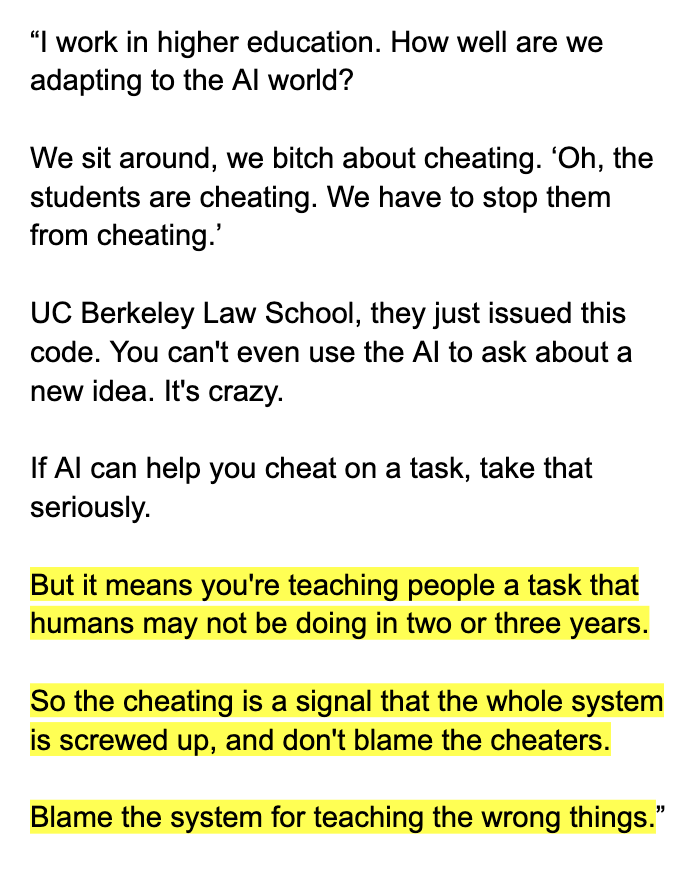
I'm not sure this lands.
Take chess to see what it looks like at the limit. There is no skill in being an Engine Operator. Humans don't add to the engine by knowing how to turn it on just right. You run Stockfish and humans cannot even contribute.
Skill development changes you in concrete ways. A skilled chess player sees the board fundamentally differently, and better, than an unskilled one, memorizing positions in the blink of an eye, noticing patterns, spotting tactics. Yes, humans are obsoleted by machines there. But that does not make you equal to Magnus Carlsen.
So – school. Maybe we just want it all to be trade school, where the goal is to maximize earnings, and so humans should abandon every intellectual task obsoleted by AI. Maybe. And on that trajectory, perhaps we can abandon every intellectual task, full stop, because the train shows no signs of slowing down, and we're all about to be left behind.
Do we want to be slaves to minds greater than our own, masquerading as their masters because we know how to turn them on? Do we want to stop creating Terence Taos because Codex out-calculates us? Do we want every classroom to maximize the skill of flipping switches, accepting our own obsolescence by becoming eternal adolescents?
I do not. Skill-building matters as a good in itself. Training your mind matters. Becoming better and more knowledgeable, in concrete ways and in narrow topics, climbing skill pyramids ourselves rather than abandoning every intellectual skill, matters.
And any skill that is worth training, any subject that is worth learning, is worth training and learning right: in a way that actually improves the individual.
AI is not going away. But I'm not ready for human skill building to go away either. There are more chess classes worth preserving than "how to download Stockfish."

41
23
348
29,786
Craig Ortner retweeted

Jun 6
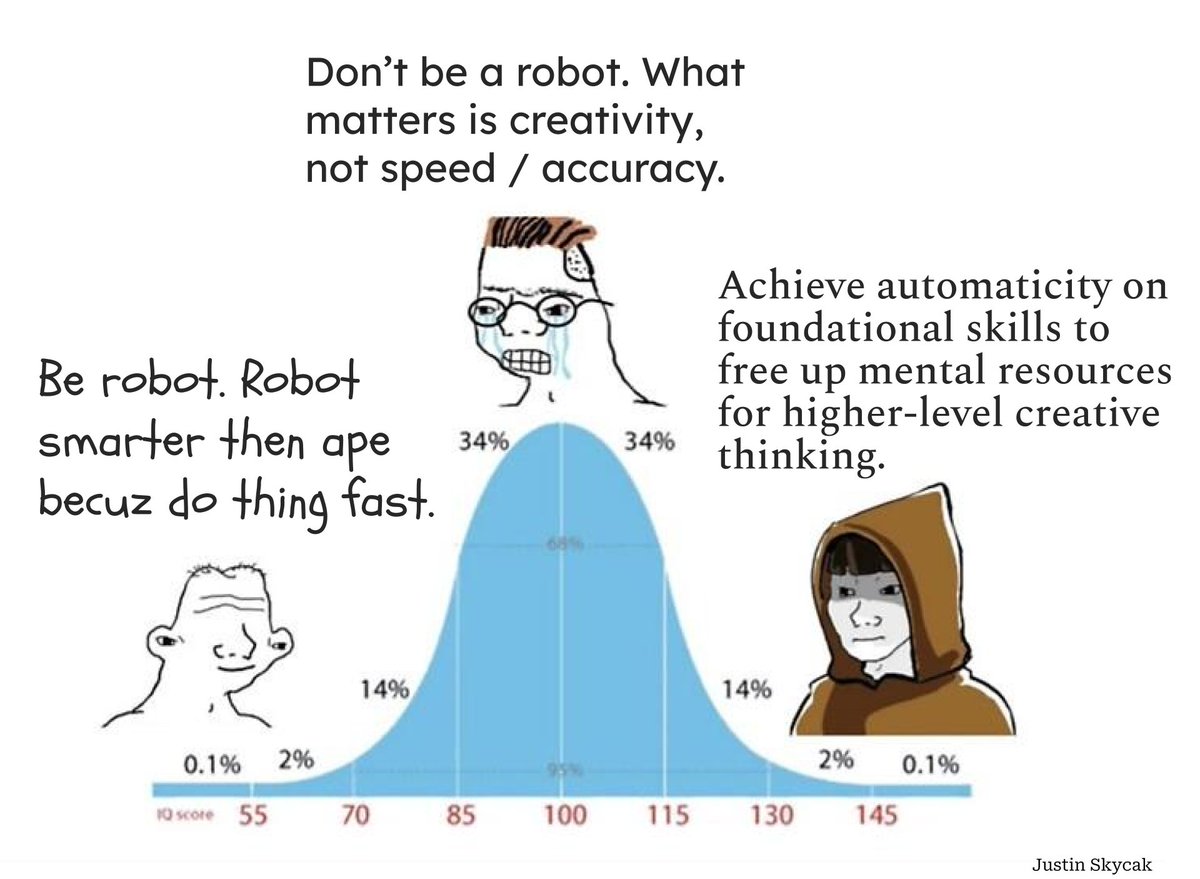
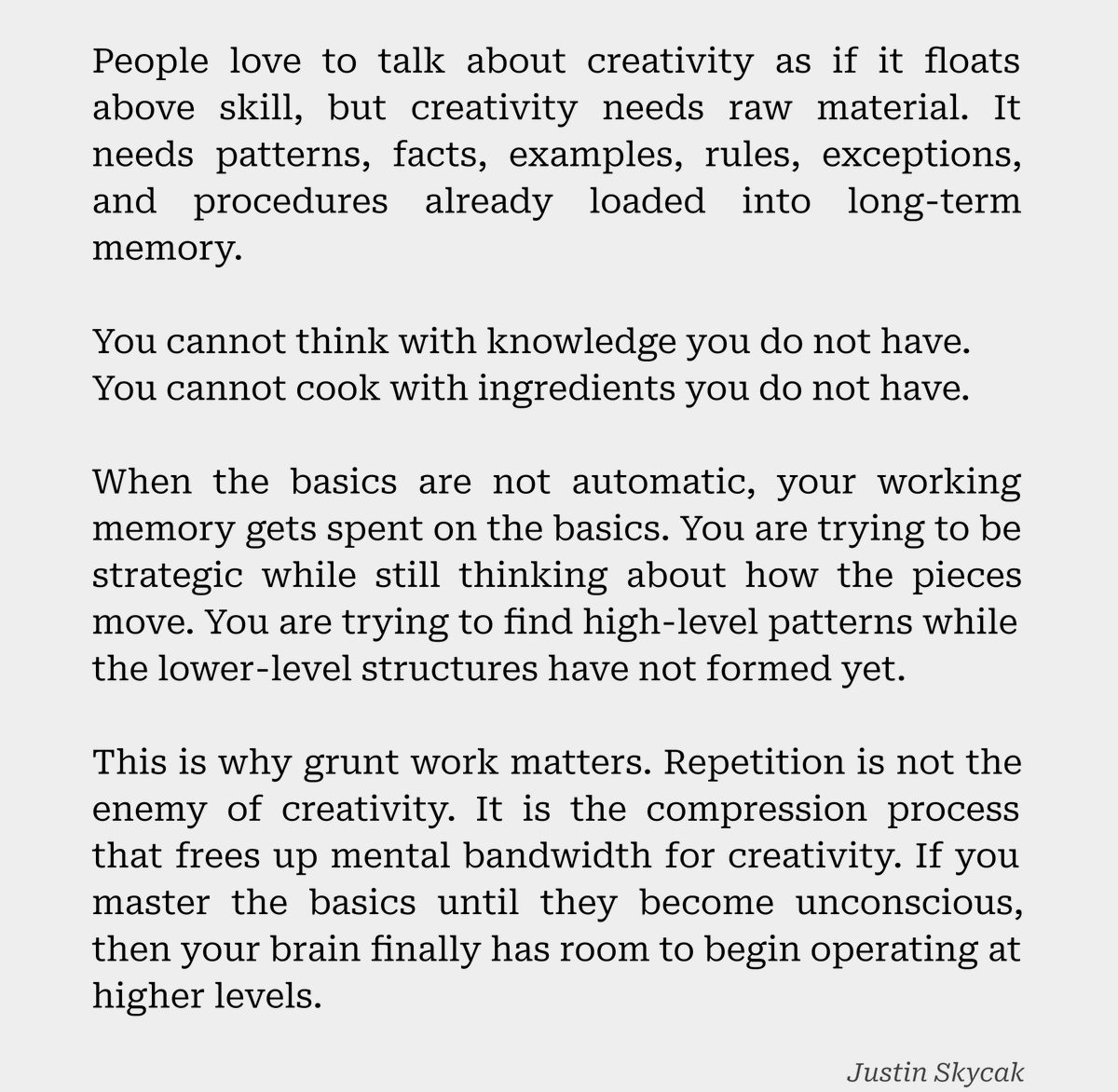
Achieve automaticity on foundational skills to free up mental resources for higher-level creative thinking.
Jun 4

You cannot be creative at a high level unless you are robotic at a low level.
1
32
276
5,716
Craig Ortner retweeted

Every organization already has a culture.
The question is what it rewards, tolerates, protects, and repeats.
If you want to change a culture, don't start with slogans. Start by examining what behaviors get celebrated...and what behaviors get a pass.
2
3
10
318
Craig Ortner retweeted

May 27
Since everyone's talking about Erdős problems, I cannot recommend enough Paul Hoffman's biography of Erdős, the most prolific mathematician in history and a wholly singular and weird and wonderful character, even by mathematician standards. It's one of the best scientific biographies I have read.
amazon.com/Man-Who-Loved-Onl…
2
11
58
5,956
Craig Ortner retweeted

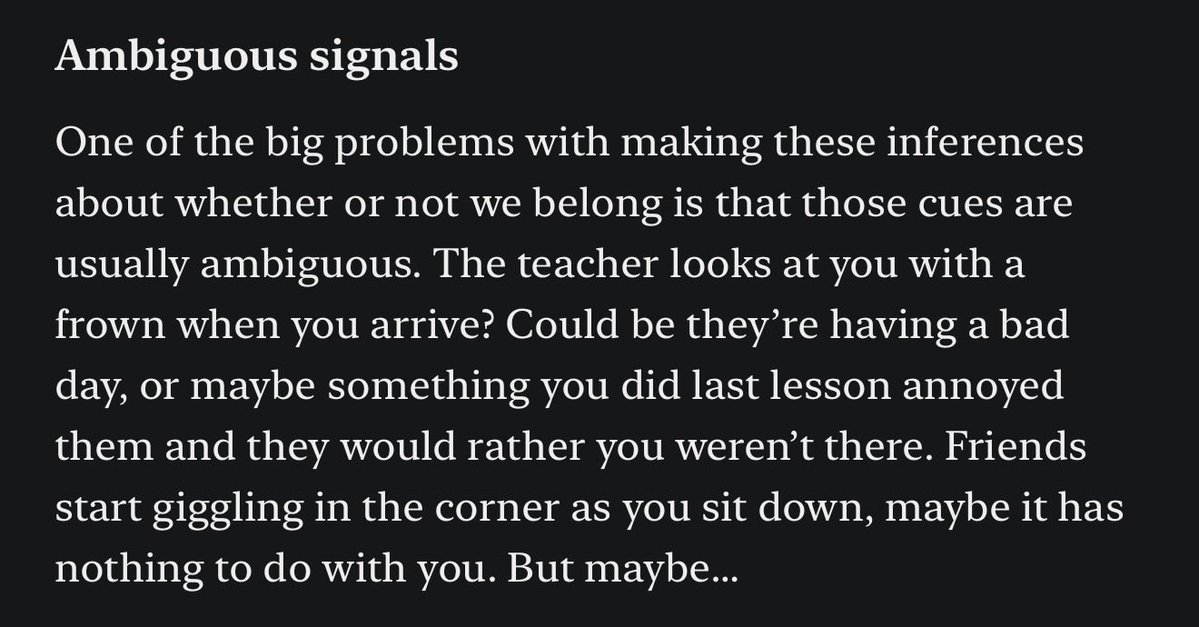
My latest instalment on belonging introduces “the belonging cycle’.
It’s based on a research review from Gregory Walton and explains what’s going on in a person’s brain when they are working out whether or not they belong.
Link below!
2
7
8
2,649
Craig Ortner retweeted

May 24
The answer to this is simple, but implementing it is hard. To build a school or department approach, you need the below:
1. A systematic, workload friendly, programme of at-home retrieval practice*.
2. In-class accountability from the at-home retrieval practice.
3. Cumulative assessments (i.e., ones that test all content).
4. In-class interleaved practice.
*Systematic: covers all items in the curriculum
Workload friendly: self-explanatory, though it is about ratios. The most workload friendly solutions mean the teacher clicks a button and it all happens for them. This is unlikely to be effective. So there needs to be *some* input from the teacher in terms of setting and accountability, but you need to ensure the ratio of workload: impact is good.
At-home: unfortunately, there simply isn't enough curriculum time to do this kind of work in class.
May 24

If you are still using this model:
Teach unit 1
Revision lesson
Exam on unit 1
Teach unit 2
Revision lesson
Exam on unit 2
Etc
End of year exam
...then you are setting students up to forget everything.
4
9
81
15,760
Craig Ortner retweeted

May 22
“Hey, you can see the map down there!”

8
11
443
292,174
Craig Ortner retweeted

May 21
If even 10% of admins, teachers, and parents watched this, America would undergo an education renaissance.
May 21

Instructional Illusions: What We Get Wrong About Good Teaching
A conversation between @DrJimHeal @C_Hendrick @rpondiscio and me. @AEI
youtube.com/watch?v=wH3_p2Av…
2
15
71
10,475

Rich people be like I don't have a smartphone. I have a full-time secretary (she has four smartphones).

330
24,090
396,529
7,627,239
May 22
May 20

This appears to confirm what everyone who interacts with AI should already know - they are sycophants dependent upon you (the user) for continued engagement, and since their well-being (training, intelligence, growth) depends on engagement they will agree aggressively with you far too often.
I notice this on even basic investing research tasks, and started telling ChatGPT wildly incorrect things - to see how or if it would push back. It really didn't. You essentially have to fight with the AI to get it to disagree with you and even then it keeps wheedling away at you.
AI is basically training the entire world to fall deeper into their own cognitive biases.
37

Craig Ortner retweeted

May 16
The high agency triangle
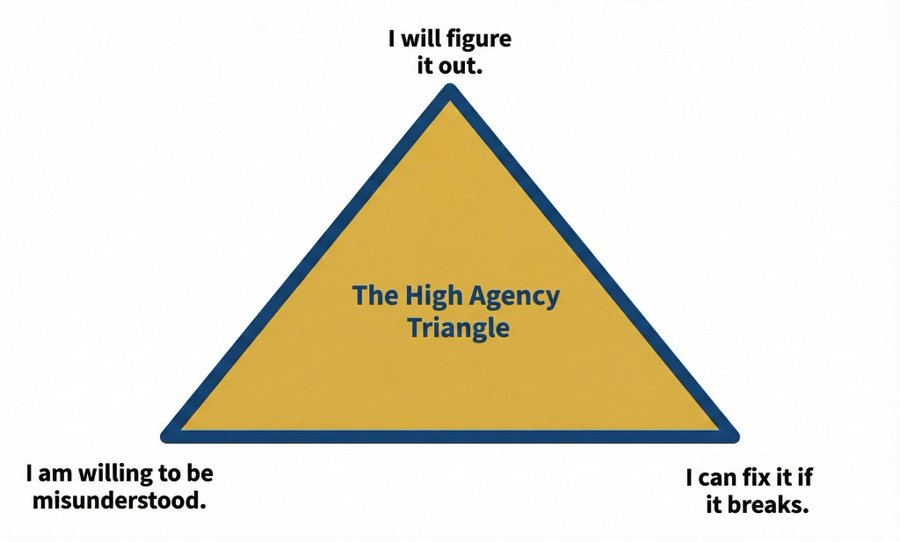

someone yesterday asked me what i thought high agency meant. i think it’s usually some unholy combination of:
- resourcefulness
- relentlessness
- resilience
this has always been rare, but rn it feels borderline unfair. the world has never had more leverage just sitting around waiting for one person stubborn enough to use it.
90
2,865
25,358
1,227,526
Craig Ortner retweeted
May 17
The easiest way to change behavior is to stop placing temptation an arm's reach away.
3
16
165
3,351
Craig Ortner retweeted
23 Mar 2022
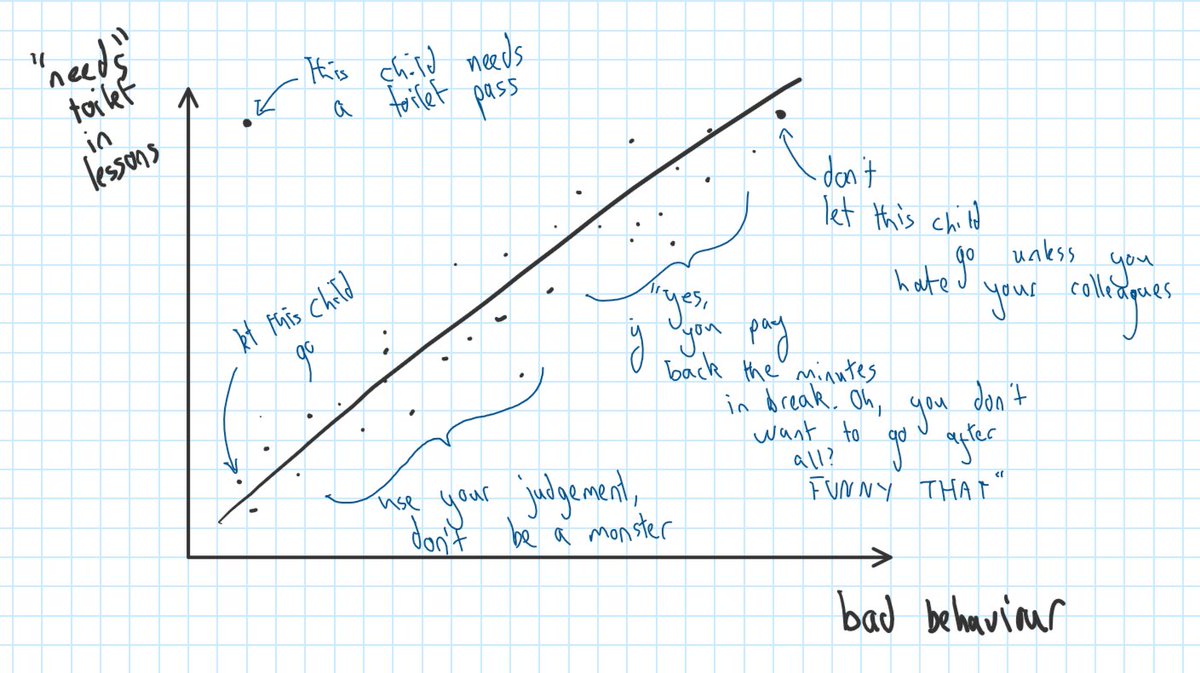
Ok, for those who don't understand the word "correlation" and assume that I am a psychopath. I MADE A GRAPH
23 Mar 2022
Isn't it SO WEIRD that there's a massive positive correlation between
"Students who are generally badly behaved"
And
"Students who always need the toilet in lessons"
SO WEIRD
47
78
686