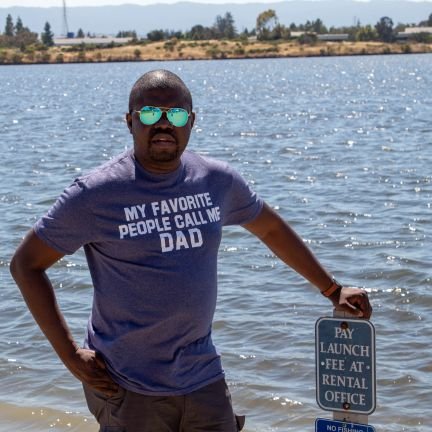
Founder Prossess LLC. MVP studio. Book a session.
Joined November 2008
- Tweets 10,956
- Following 1,907
- Followers 4,156
- Likes 3,023
463 Photos and videos

















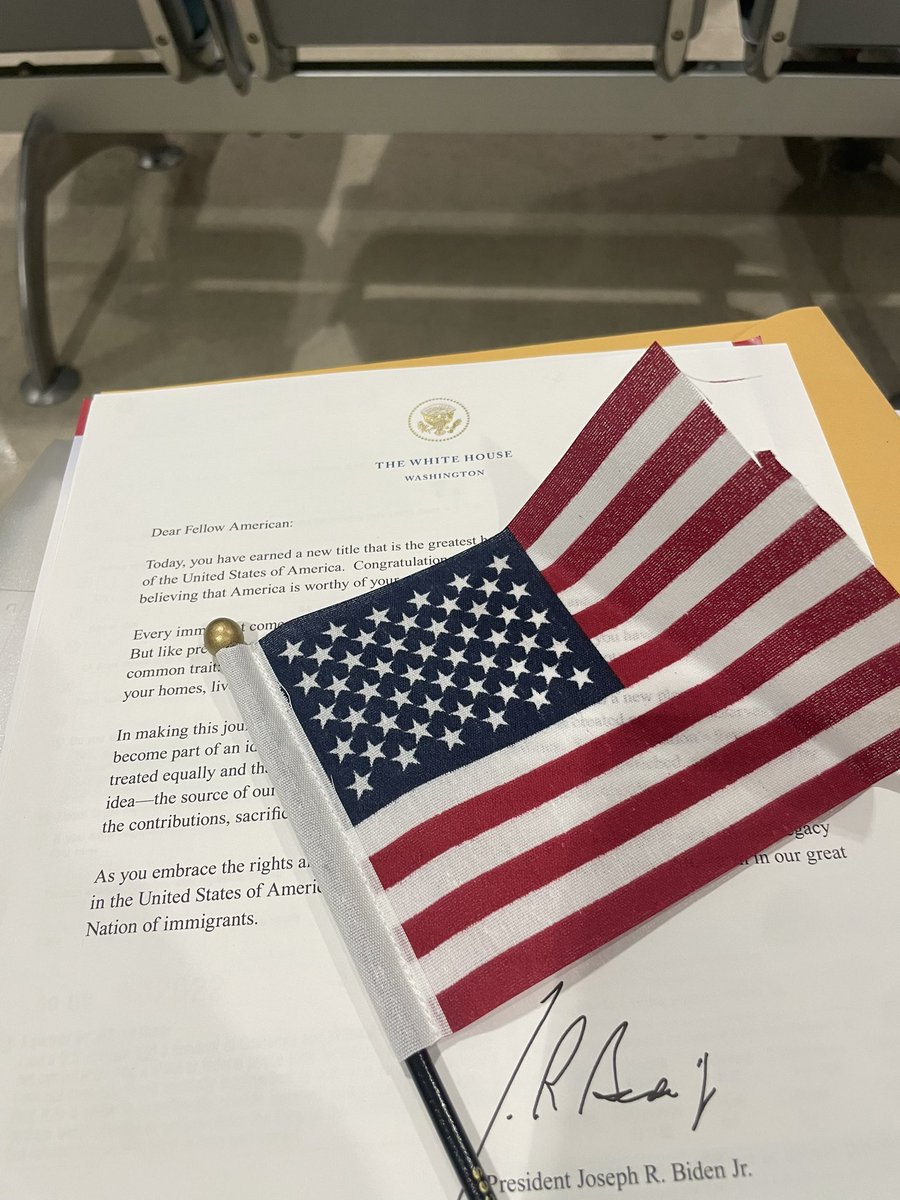
Officially now a US citizen. 9yrs immigration journey from F1 student is over.
Arrived August 2015 on F1
Graduated June 2017 and switched to OPT
May 2018 Switched to STEM OPT
Perm filed August 2018.
Perm approved Nov 2018.
Selected in H1B lottery March 2018 and Switched to H1b October 2018
Filed i140/485 January 2019. I140 approved in 10 days.
Received EAD Combo card May 2019.
i485 interview August 2019.
Retrogression of Green cards: Green card received Oct. 2019.
Filed N400 July 2024.
Interview / Oath taking. Nov. 2024
If you are interested in knowing more about my journey and the journey of others, check out my podcast @leap_japa .
151
156
1,555
130,822
spacely retweeted

May 28
@aonanuga1956 and @officialABAT This is for you both.
@officialABAT Tell YOUR Fulani Muslim Jihadist Terrorists to Bring Back Our Children!
#BringBackOurChildren
18
317
487
5,711
spacely retweeted

To elect one of us, it’s going to take all of us. Donate today. donorbox.org/ahlman-for-nebr…
19
93
703
48,855

Introducing Claude Managed Agents: everything you need to build and deploy agents at scale.
It pairs an agent harness tuned for performance with production infrastructure, so you can go from prototype to launch in days.
Now in public beta on the Claude Platform.
2,118
5,978
56,799
21,662,333
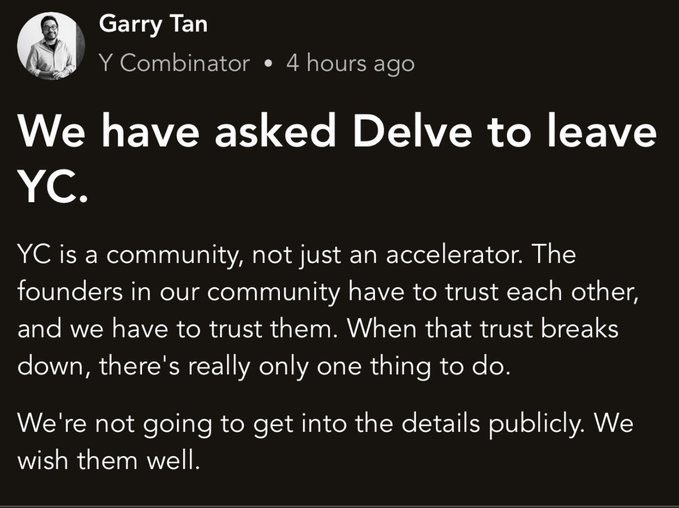
Uncle @asemota come and “Delve” into this matter o. YC cut them off. Popcorn time.
Apr 4

There’s been a lot of allegations against Delve.
But we haven’t been able to share our side of the story until today due to ongoing cybersecurity and forensics investigations.
Maintaining customer trust is central to everything we do.
That said, we grew too fast and fell short of our own standard. To our customers, we deeply apologize for the inconveniences caused.
We take these allegations seriously and have made changes: a new auditor network, free re-audits and pentests for all customers, enhanced transparency in audit communications, and more.
However, we also want to set the record straight on the anonymous attacks.
The evidence we have points to a targeted cyberattack from a malicious actor, not a “whistleblower.”
We believe the attacker purchased Delve under false pretenses, exfiltrated internal company data, and used it to launch a coordinated smear campaign.
The posts rely on a mix of fabricated claims, cherry-picked screenshots, and stolen data taken out of context.
See the link in the comments for more details.
Delve was built to modernize compliance. We are not going anywhere and are committed to building what's next.
2
1
4
988

spacely retweeted

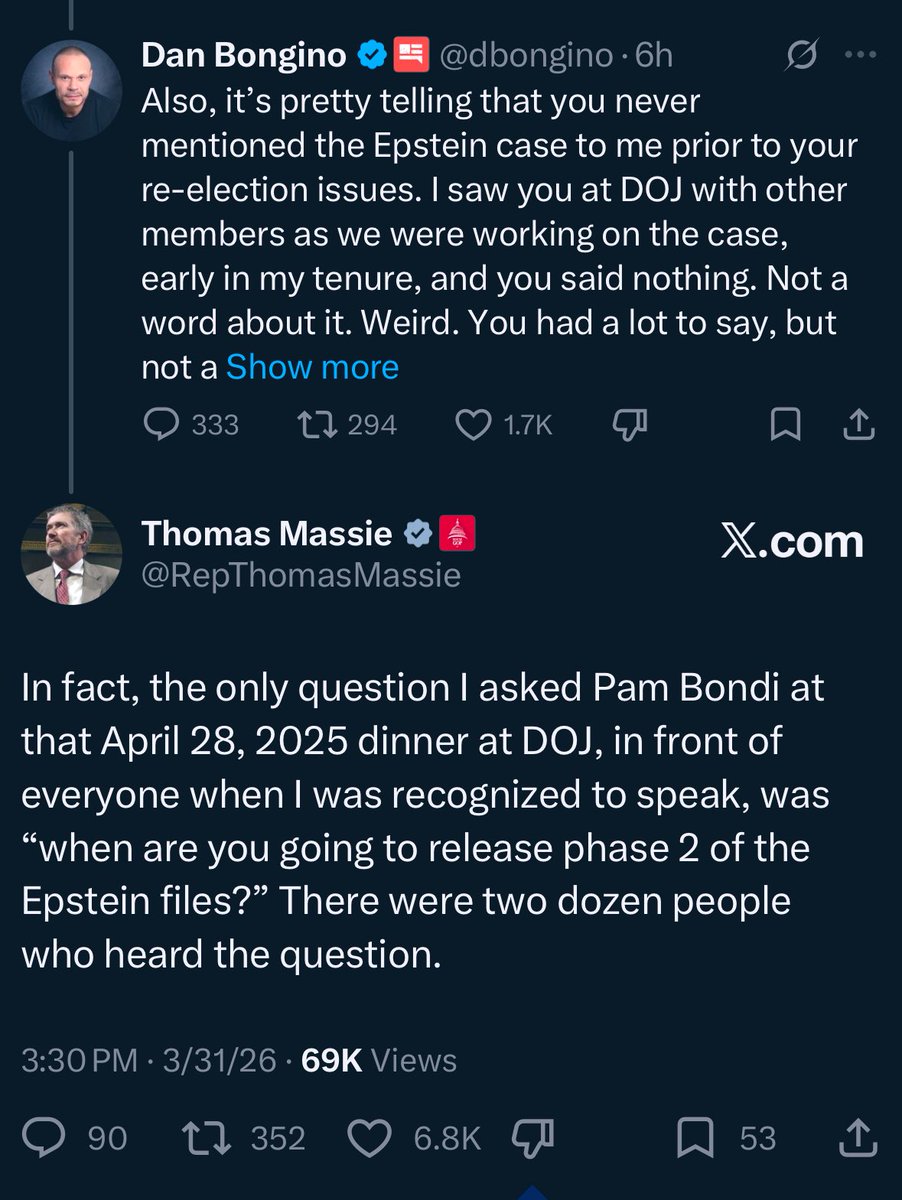
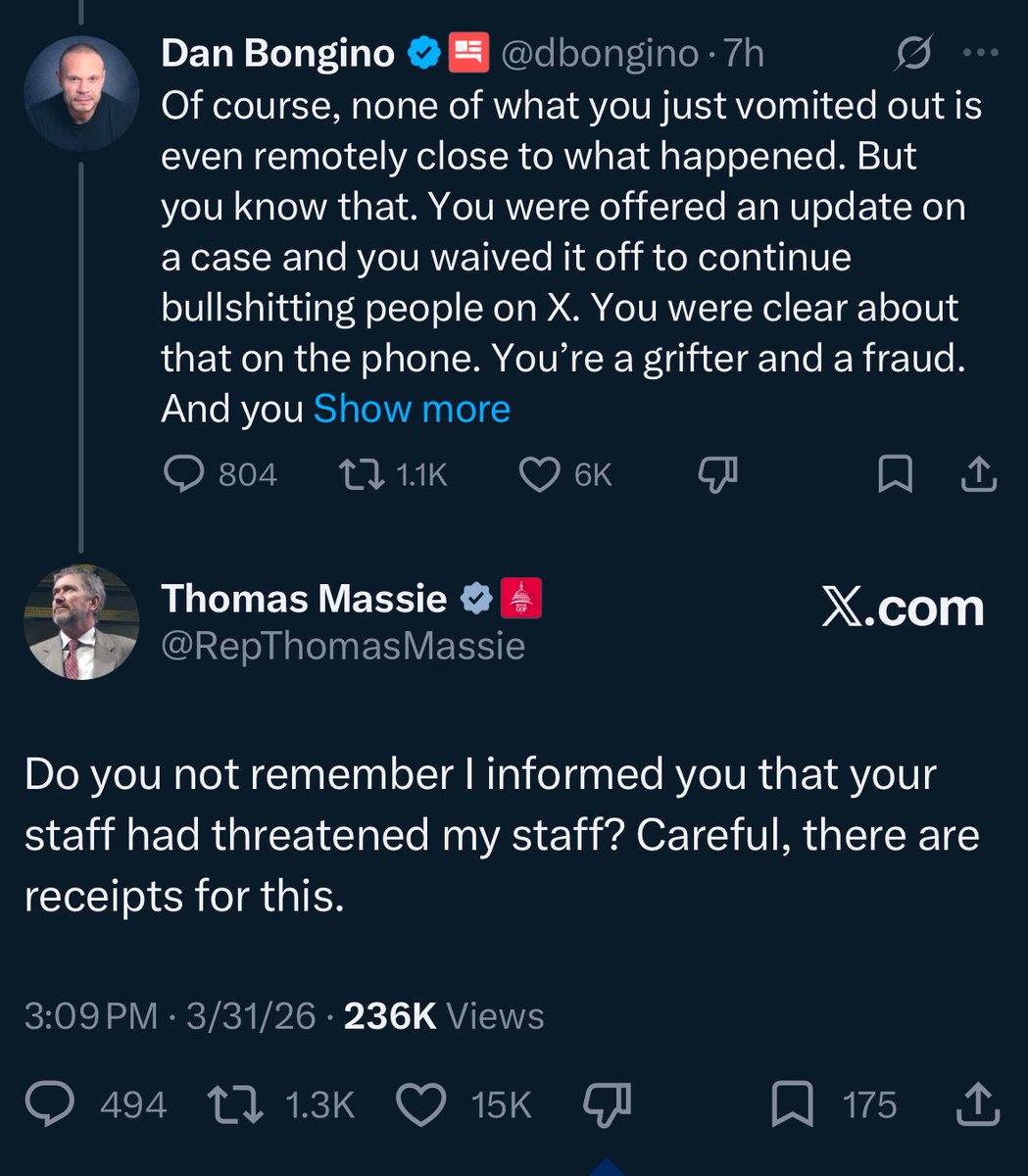
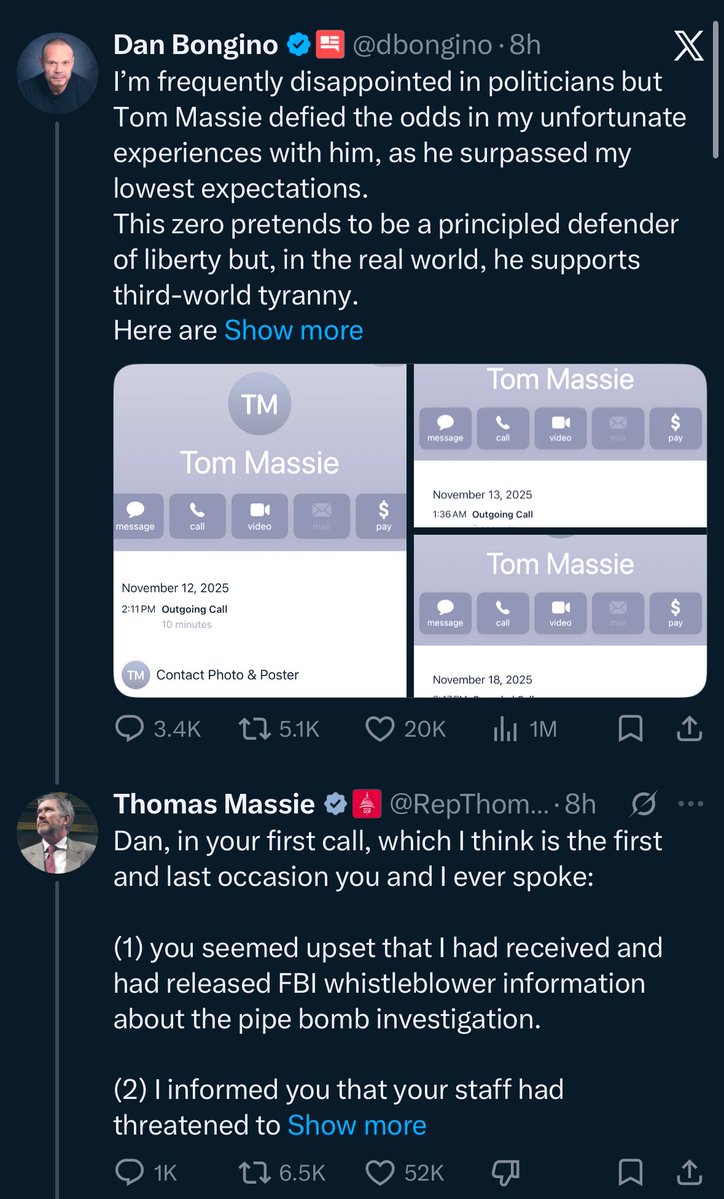
Daniel, you have 5 times as many followers as me, yet I ratioed you three times today. When I caught you in lies, you just started new threads. Have fun interviewing a warm-body fool on April fool’s day. I think even you pitching softballs will recognize what a goof this guy is.
773
4,220
55,022
534,374
February 2026: One AI demo wiped $285B off software stocks in 24 hours 📉
The "SaaSpocalypse" is here.
SaaS over 5 years: $73K (and rising)
Custom software: $17K total
75-85% savings. You own everything.
The subscription model is dead.
#SaaS #CustomSoftware #AI
📎 : prossess.com/blog/the-saas-s…
2
1
151
As a recent US citizen who lives in California, I can tell you that it’s a big lie. I was asked to present two forms of ID. I presented my California Driver’s license and I presented my Passport Card as proof of citizenship. I uploaded it to the portal where it was validated and was asked to show it to them physically at an office. Stop lying. Stop lying. Stop lying
1
2
7
868
We are with you on this one. Thank you for standing up.
Feb 28

A statement on the comments from Secretary of War Pete Hegseth.
anthropic.com/news/statement…
2
356
A year ago, I posted a video titled “The Death of the Software Engineers.”
And I remember the pushback clearly: “Nah… this isn’t going to happen.”
I said it would — and honestly… the last 12 months have been the receipt.
In a single year, we’ve gone from “AI helps you write functions” to agentic coding that can plan, execute, debug, and work through larger codebases with way less hand-holding.
Just look at the pace:
•OpenAI shipping GPT-5.3-Codex as a faster, more capable agentic coding model, and expanding the Codex experience with an app built around multi-agent, long-running work.
•Anthropic upgrading Claude Opus 4.6 with stronger coding debugging, longer sustained agentic tasks, and even a 1M token context window (beta).
•GitHub rolling out GPT-5.3-Codex inside Copilot — meaning these capabilities are showing up right inside dev workflows, not as a “cool demo.”
So no, software engineers aren’t “dead.”
But the old definition of the job? That’s what’s dying.
The advantage is shifting hard toward:
•problem framing (turning chaos into specs)
•architecture tradeoffs
•tests, reliability, security
•shipping outcomes, not just code
Here’s the original video (watch it with 2026 eyes):
youtu.be/R36Ck3z6Ma8?si=9rZE…
What’s one task you used to do manually a year ago that you now delegate to AI?
And this is exactly why I built Prossess MVP Studio: to help founders and teams ship fast with AI-accelerated engineering while everyone else was “at the beach.”
1
1
2
699
This movie will make $1bn. It’s glaring.

The new trailer for the Michael Jackson biopic has been released.
In theaters on April 24.
1
301
spacely retweeted

8 Nov 2017
#280characters? Sheeeeeeeeeeeeeeeeeeeeeeeeeeeeeeeeeeeeeeeeeeeeeeeeeeeeeeeeeeeeeeeeeeeeeeeeeeeeeeeeeeeeeeeeeeeeeeeeeeeeeeeeeeeeeeeeeeeeeeeeeeeeeeeeeeeeeeeeeeeeeeeeeeeeeeeeeeeeeeeeeeeeeeeeeeeeeeeeeeeeeeeeeeeeeeeeeeeeeeeeeeeeeeeeeeeeeeeeeeeeeeeeeeeeeeeeeeeeeeeeeeeeeeeeeeeeeeeeee-it!
1,408
59,289
158,183

I built a filmcuration platform where I send out movie recommendations. In order to push this out, I am doing a 100k giveaway for December 2025 for a lucky winner in Nigeria and a $40 Amazon gift card if you are a subscriber to the platform. The platform is absolutely free. Please register at Filmcurator (dot) io. It’s a 2 step process to register. You enter your email, you will get a link to verify your preferences. Subsequently you just enter your email to get a login link for your dashboard. You get movie recommendations as they are posted.

1
1
443
I built a new movie recommendation platform, film curator (filmcurator.io). Plan is to switch over from WhatsApp to platform where you control what type of things you want to receive compared to the current WhatsApp channel model where you see everything. Thank you as you support. P.S it’s completely free.
1
2
210
I am launching a movie/tv recommendation service. It’s called Filmcurator (filmcurator.io). I have ran this service for two years as a WhatsApp channel with 121 people and it’s widely been a great place to watch something new. Each recommendation is based on what I watch personally and not an algorithm suggestion. I am setting this up to make the experience much better and personal. As part of this launch, I will be running a N100,000 monthly giveaway for Nigerian subscribers and a monthly Amazon gift card of $50 for US subscribers. All you have to do is be an active subscriber to the platform. The platform is 100% free and will always be free. Thank you.
1
1
1
199
My podcast @leap_japa . A way to help international students fully understand and integrate into the US system.
124
spacely retweeted

6 Nov 2025
Discover the making of a king.
MICHAEL - in theaters April 24, 2026.

297
6,179
31,539
1,033,564