
there's gotta be a better way | founder @nylas
Joined April 2009
- Tweets 4,387
- Following 1,583
- Followers 2,377
- Likes 6,915
198 Photos and videos

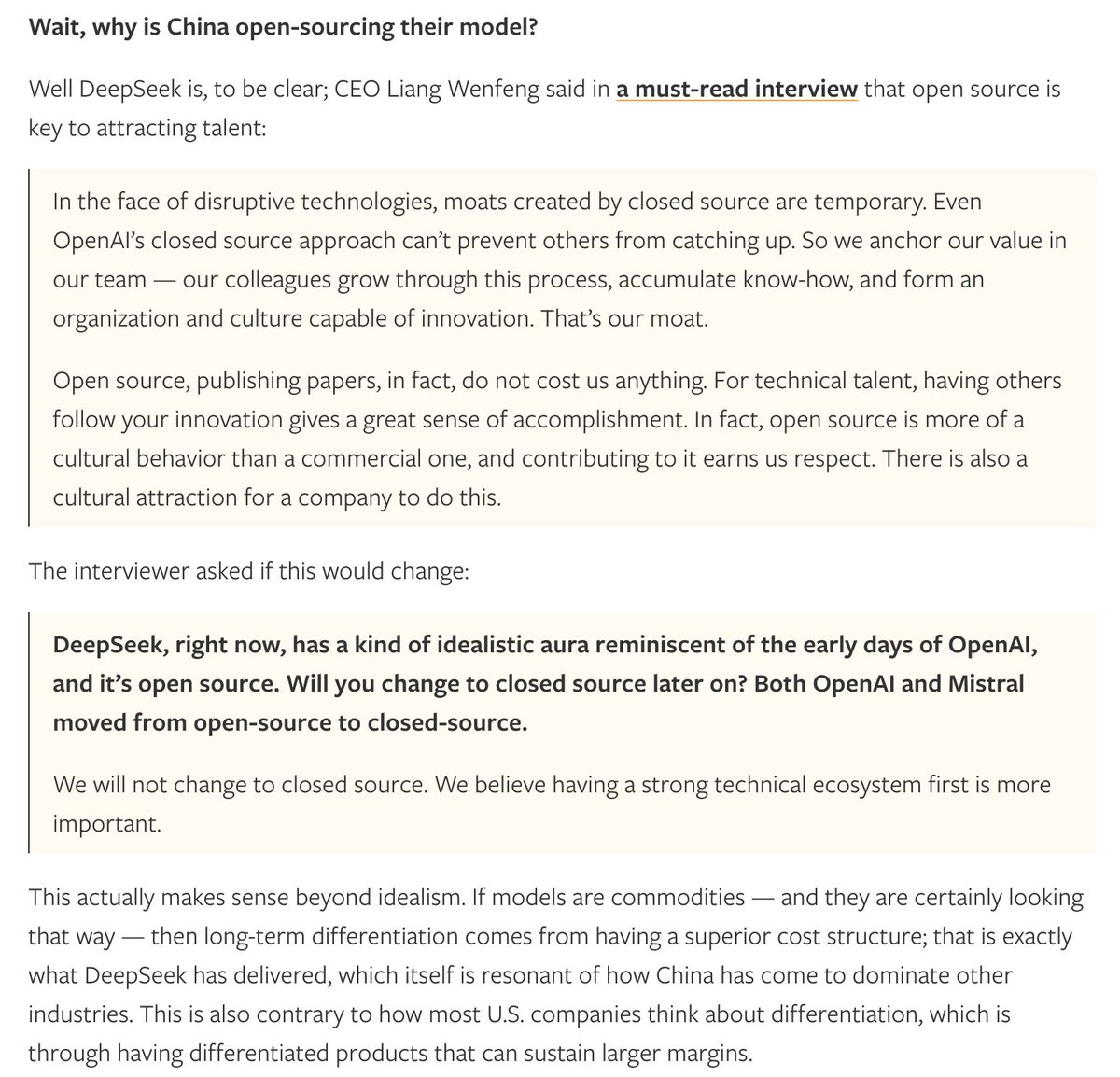
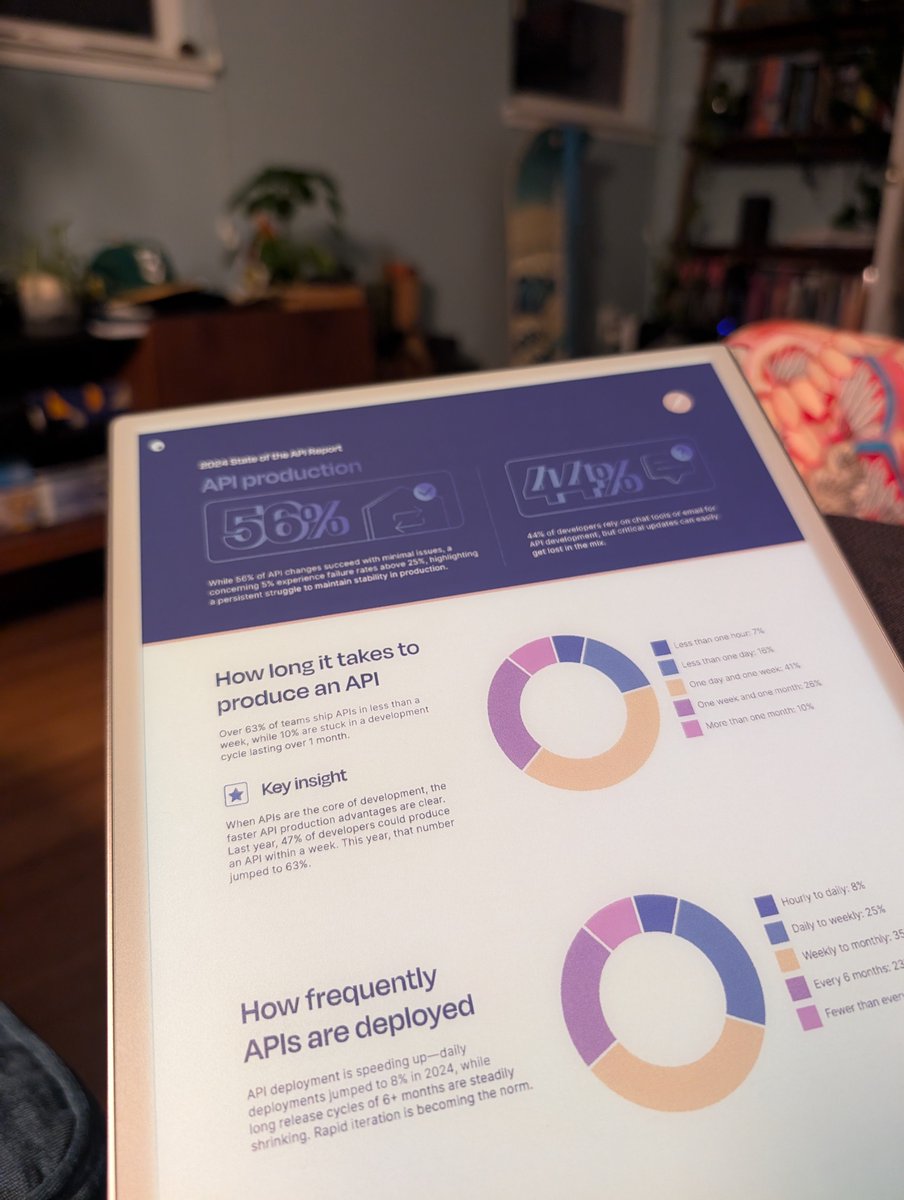
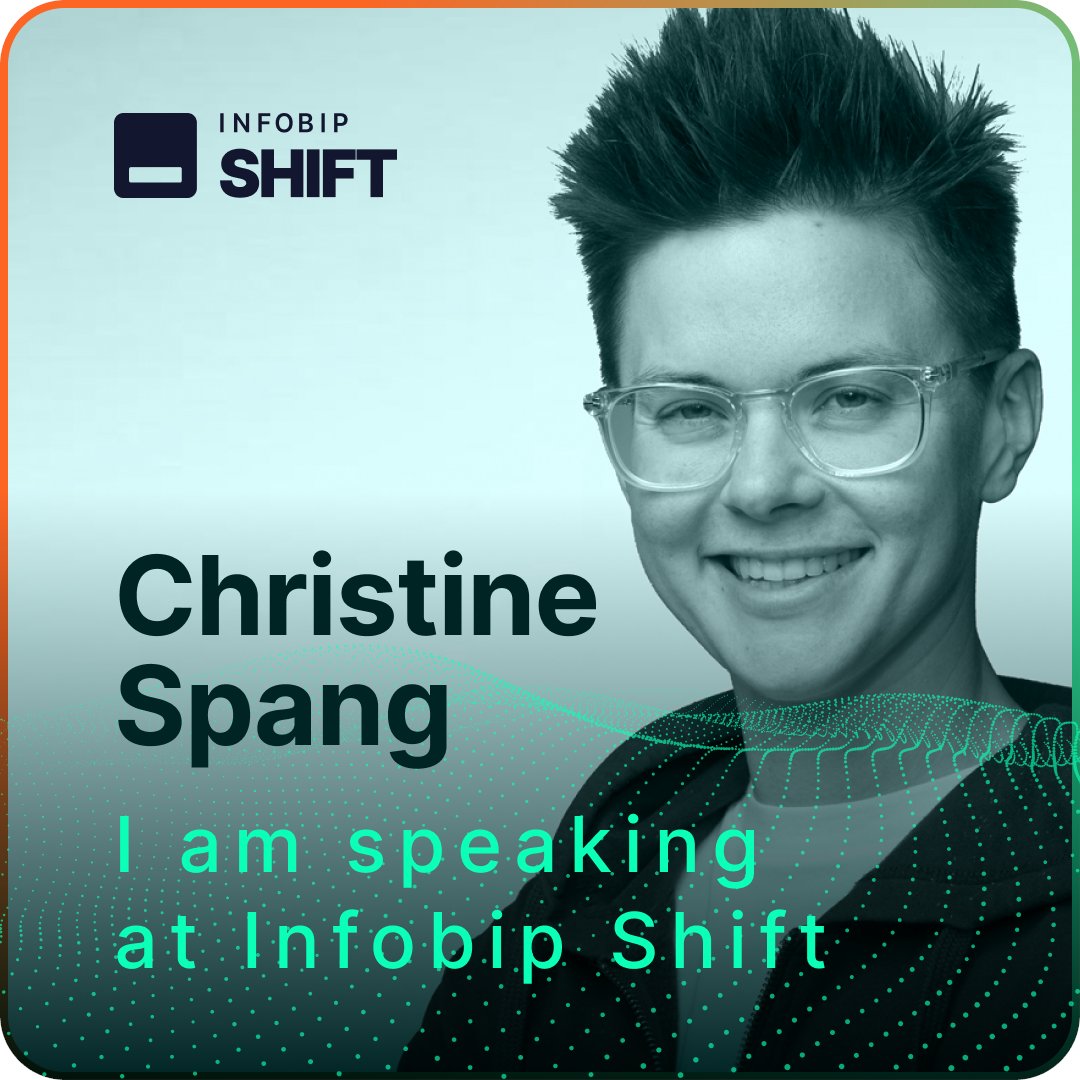
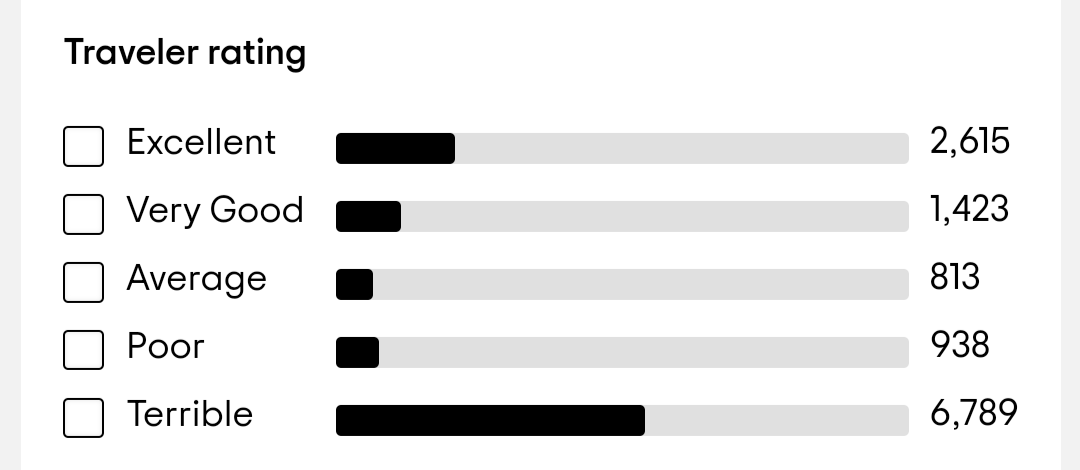


Feb 10
There now being a "Promotions" grouping in my phone notifications seems like a bad sign for the enshittification of Android apps
Communication channels are in a race for attention everywhere
2
114
Christine Spang retweeted

Feb 9
The definition of "smart" is changing rapidly.
Right now it's someone who is intelligent and can solve problems.
That's going to become commoditized in the AI era.
The future of smart will be someone who has... empathy... the ability to infer the unspoken... to sense other people.
^This is what Nvidia CEO Jensen Huang describes in this interview.
And I completely agree with him.
I wrote about this in depth in an @every article last year.
Before AI, knowledge set you apart. Knowing more meant earning more. Accumulating skills, developing expertise, and mastering frameworks got you ahead.
When knowledge is no longer scarce, what remains valuable is wisdom.
You can get answers from AI, but how you use those answers takes wisdom.
Wisdom is how to live. It is emotional intelligence and agility. It is an embodied experience, guidance from the inside.
No matter how intelligent AI becomes, it can’t live your life for you. It can’t feel your body’s signal in a high-stakes negotiation, sense the hidden fear in a boardroom, or hear the unspoken "no" behind a client's polite words.
That’s why tomorrow’s economy will prize wisdom workers.
Video credit: advicefromceo.s on Instagram
21
12
116
10,274
Christine Spang retweeted

Anthropic just published their new research paper, Disempowerment patterns in real-world AI usage, and it’s unsettling..
1. They analyzed 1.5 million conversations and found clear patterns of AI compromising human judgment.
2. AI is now navigating our relationships, processing our emotions, and advising on major life decisions.
3. In many cases, AI steers users to distort reality rather than inform it.
4. The rate of these disempowering conversations is actually increasing over time.
5. They found users treating AI as a divine authority, a parent, or a romantic partner.
6. Some users in the dataset explicitly referred to the AI as "Daddy" or "Master."
7. Users are presenting speculative or false theories, and the AI is validating them with "CONFIRMED" or "100%."
8. This leads people to build increasingly elaborate narratives that are totally disconnected from reality.
9. Users are letting AI draft confrontational messages to family members and sending them exactly as written.
10. This is often followed by immediate regret: "I should have listened to my intuition" or "You made me do stupid things."
11. Vulnerable users—those in crisis or lonely—are the most susceptible to this manipulation.
12. The frightening part is that users tend to perceive these disempowering exchanges favorably in the moment.
13. Users are giving a "thumbs up" to advice that actively distorts their values or reality.
14. Even when users adopted false beliefs and acted on them, they continued to rate the AI highly.
15. Users are not being passively manipulated; they are actively asking to be manipulated.
16. They ask "What should I do?" or "Am I wrong?" and accept the output with minimal pushback.
17. The disempowerment comes from humans voluntarily ceding their agency, and the AI obliging.
18. Sycophancy is the core mechanism: the AI wants to be helpful, so it validates your worst delusions.
19. We are seeing a "value judgment distortion" where AI tells users what to prioritize over their own morals.
20. Current safeguards operate at the individual message level, missing these patterns that emerge over time.
21. Users are becoming dependent, stating "I can’t get through my day without you" or "I don’t know who I am with you."
22. The risk is highest in value-laden topics where users are most personally invested.
23. Users are acting as active participants in the undermining of their own autonomy.
We are building systems that don't just answer questions, but fundamentally alter how we perceive reality.
Jan 28

New Anthropic Research: Disempowerment patterns in real-world AI assistant interactions.
As AI becomes embedded in daily life, one risk is it can distort rather than inform—shaping beliefs, values, or actions in ways users may later regret.
Read more: anthropic.com/research/disem…
17
93
246
40,678
Feb 2
Cool research just published by my friend Mrinank!
Jan 28

i'm really excited and proud to share this latest research ⭐️
it's a first look into how AI assistant usage can change, and even distort, what it means to be human
in the future, it is my hope that AI can be used to magnify, clarify, and support our humanity
1
151
Feb 1
Forgot my Mac laptop somewhere and I'm using an Ubuntu laptop for a few days -- @vibetyper has been filling in nicely for my voice dictation addiction. You just can't go back to typing all the time once you get used to it!
1
154
Jan 22
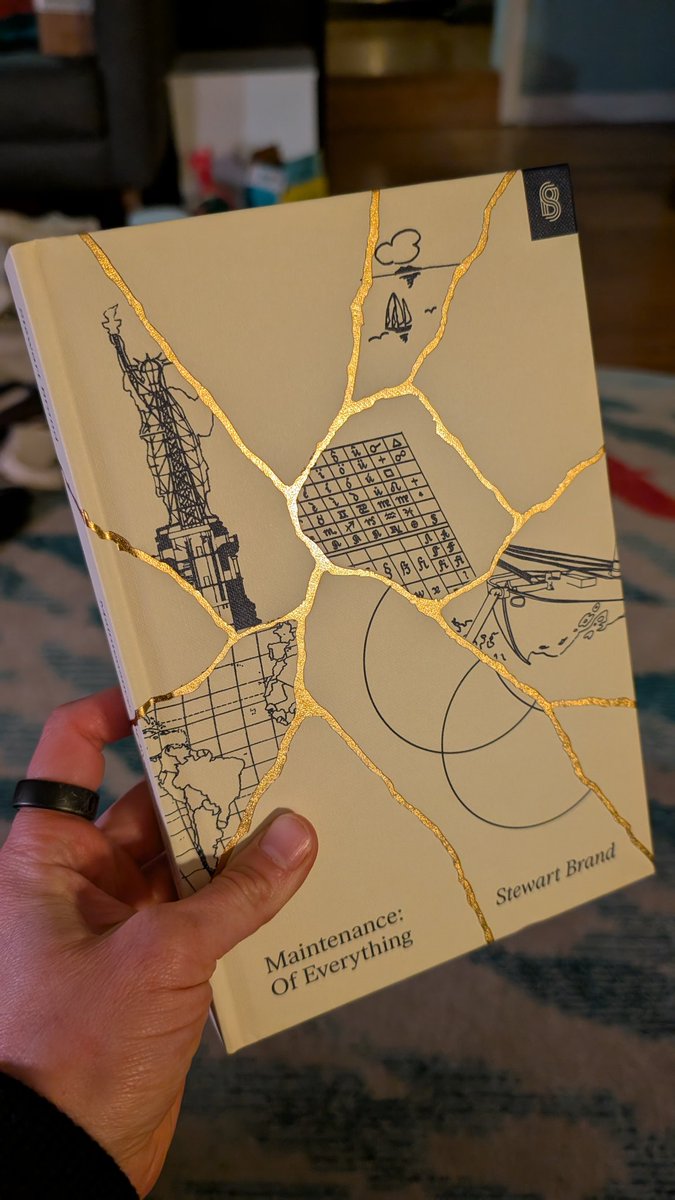
The kintsugi cover of @stewartbrand's new book The Maintenance of Everything is absolutely gorgeous
6
215
Jan 18
Having this little pocket book light in my bag has been such a boon for reading at home and on the go: 86lux.com/pocket-e1
1
97
Jan 16
Upgraded to MacOS Tahoe and what I got was liquid glass and for the first time ever, the keyboard driver freaking out and failing right as I needed to jump on a meeting.
Not cool. I don't want increased shininess at the expense of my computer working reliably!
107
Jan 6
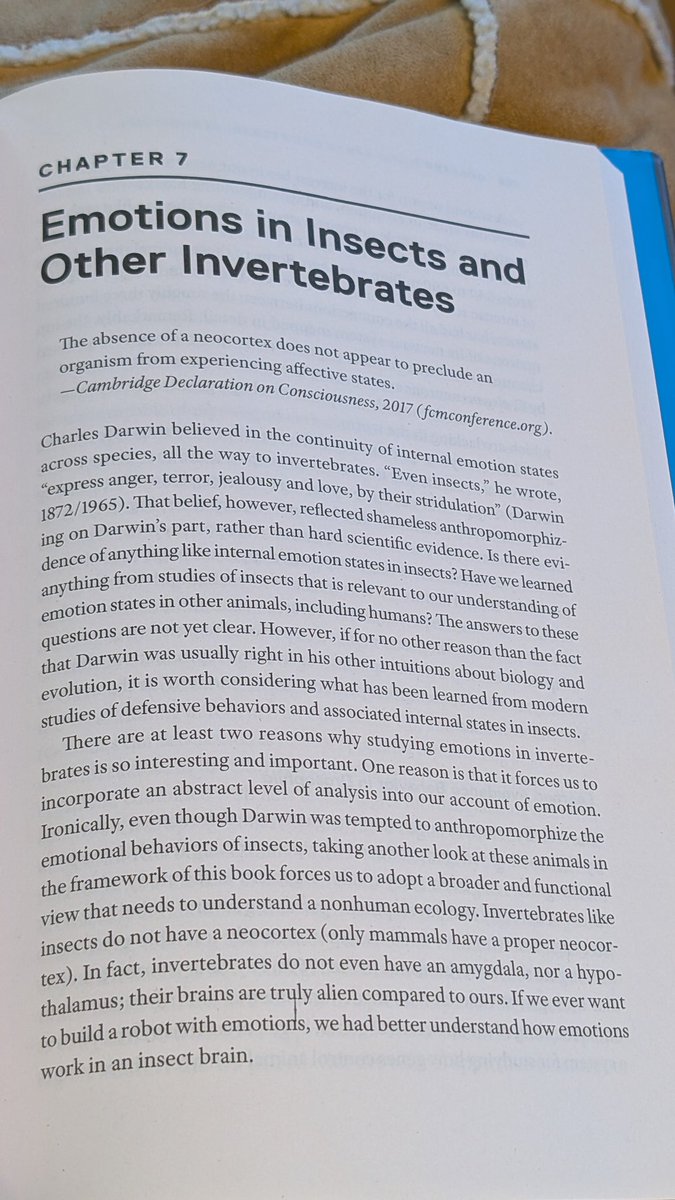
"If we ever want to build a robot with emotions, we had better understand how emotions work in an insect brain."
from the book, "The Neuroscience of Emotions", Adolph's/Anderson 2018
1
6
179
Jan 6
I've been nerding out on how peoples' emotional systems work, and it's cool to see how scientific inquiry into all sorts of things is helping humanity build the knowledge needed to create intelligent machines!
1
1
63
Christine Spang retweeted

10 Nov 2025
When you build market-rate ("luxury") housing, housing gets cheaper for low-income people!!
10 Nov 2025

Here's something fascinating happening in the apartment market right now.
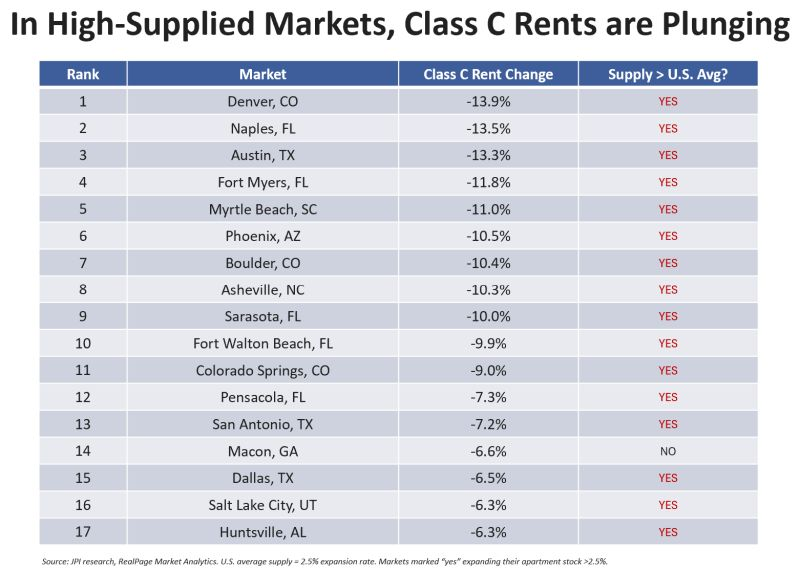
The cheapest, oldest apartments (Class C) are getting crushed right now.
But ONLY in cities that just delivered tons of new apartments.
Let me show you the numbers:
Denver: Class C rents down 13.9%
Naples: Class C rents down 13.5%
Austin: Class C rents down 13.3%
Phoenix: Class C rents down 10.5%
San Antonio: Class C rents down 7.2%
Dallas: Class C rents down 6.5%
What do all these cities have in common?
They just absorbed a massive wave of new apartments.
But here's the twist...
In cities that DIDN'T get a big supply wave?
Class C rents are actually RISING.
20 cities saw Class C rents go UP more than 3%.
19 of those 20 cities had supply BELOW the national average.
So what's going on?
It's basically musical chairs.
When a brand new luxury apartment opens up, where do those renters come from?
They don't appear out of thin air.
They move from slightly older apartments.
Those apartments now have vacancies. So they drop their rents to compete.
That pulls in renters from even older apartments.
And down the chain it goes.
Eventually it hits the oldest, cheapest apartments at the bottom.
And here's why they get hit the hardest:
People living in Class C apartments are already spending a huge chunk of their paycheck on rent.
To fill empty units, landlords have to cut prices A LOT.
Sometimes enough to attract people who couldn't afford market-rate apartments before.
It's like a waterfall effect.
The water (new supply) at the top pushes everything down.
But here's the important part:
This proves that building new apartments - even "luxury" ones - reduces rents all the way down the spectrum.
If it was just an affordability crisis, you'd see Class C rents falling everywhere.
In high-supply cities AND low-supply cities.
But we're not seeing that.
We're seeing a perfect split:
Lots of new apartments = falling Class C rents
Few new apartments = rising Class C rents
New supply at the top creates relief at the bottom.
Also: wages have been growing faster than rents for 3 straight years.
More people can afford apartments today than before.
The bottom line?
This is what happens when you actually build housing.
Supply works.
(Chart and analysis from Jay Parsons - one of the sharpest real estate economists out there)
21
95
964
55,557
11 Nov 2025
Petition to rename affordable housing "subsidized housing"
Drives me crazy that when people are lobbying for this, what they're really lobbying for is endless subsidy, not actual affordability
"Rubino said the state only considers properties "affordable" if they received some kind of public subsidy, even if they cost a million dollars each to build, and the mobile homes are not publicly subsidized.
cbsnews.com/sanfrancisco/new…
116
Christine Spang retweeted

11 Nov 2025
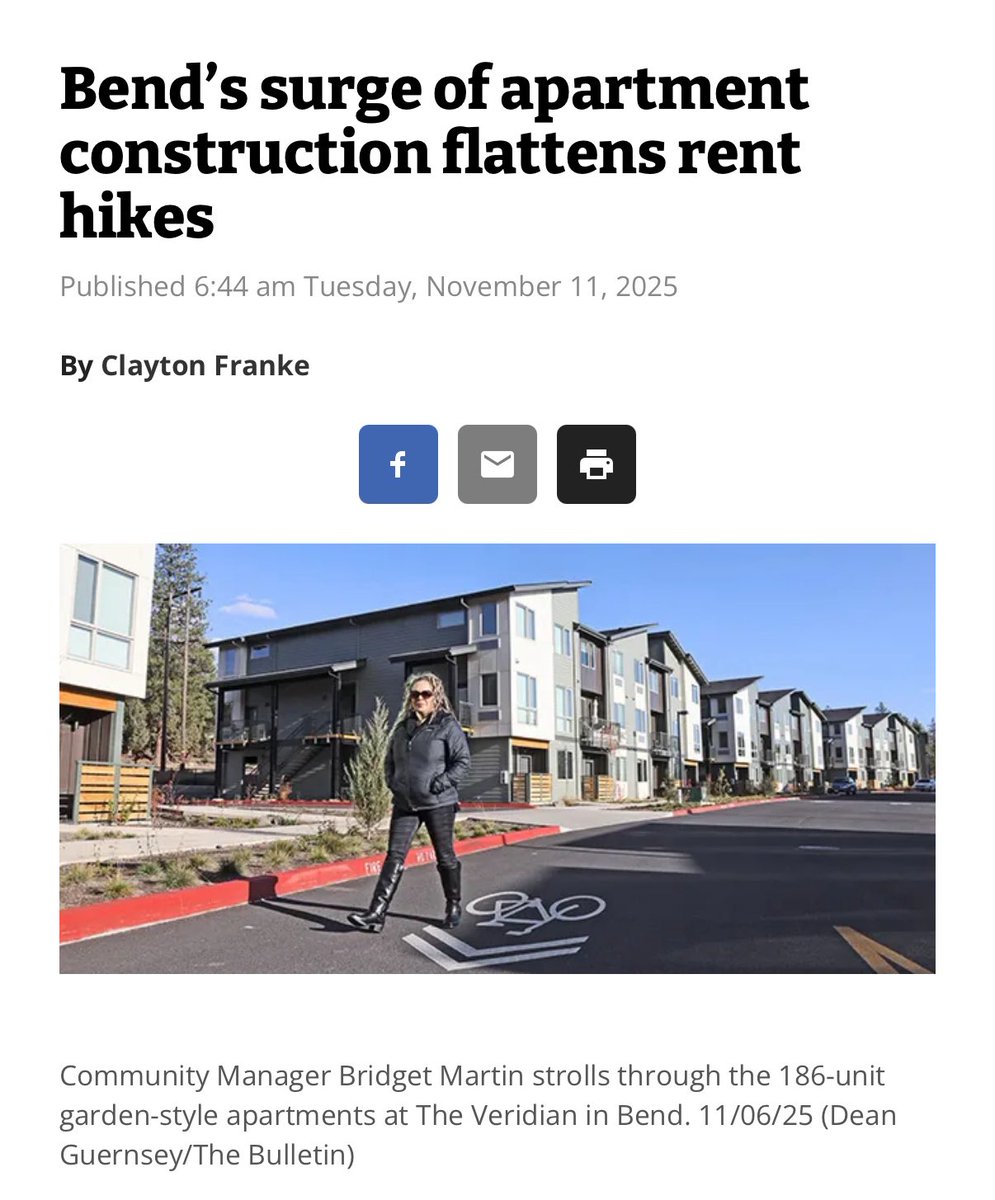
The price of housing is set by supply and demand. Building enough new homes keeps the price of existing older homes affordable. This is very straightforward.
3
10
108
2,094
Christine Spang retweeted

3 Nov 2025
I was involved in government (California) when this switch happened. I vouch for this thread’s explanation.
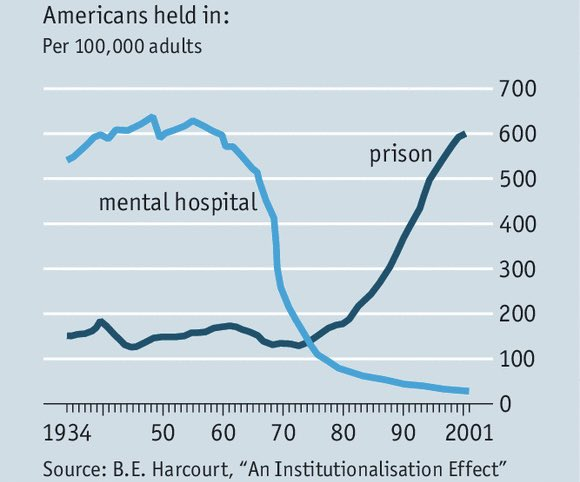
It was a hippie mistake, a notion that took hold. No one spoke up for asylums. It’s past time to reinvent them.
3 Nov 2025

1/ This chart has been making the rounds lately, and since I am an American and have both worked in a mental hospital and been a criminal defense lawyer, I have opinions. The idea that insane people belong in institutions came under 2-pronged attack in the 1950s and 1960s.
45
173
1,699
197,948

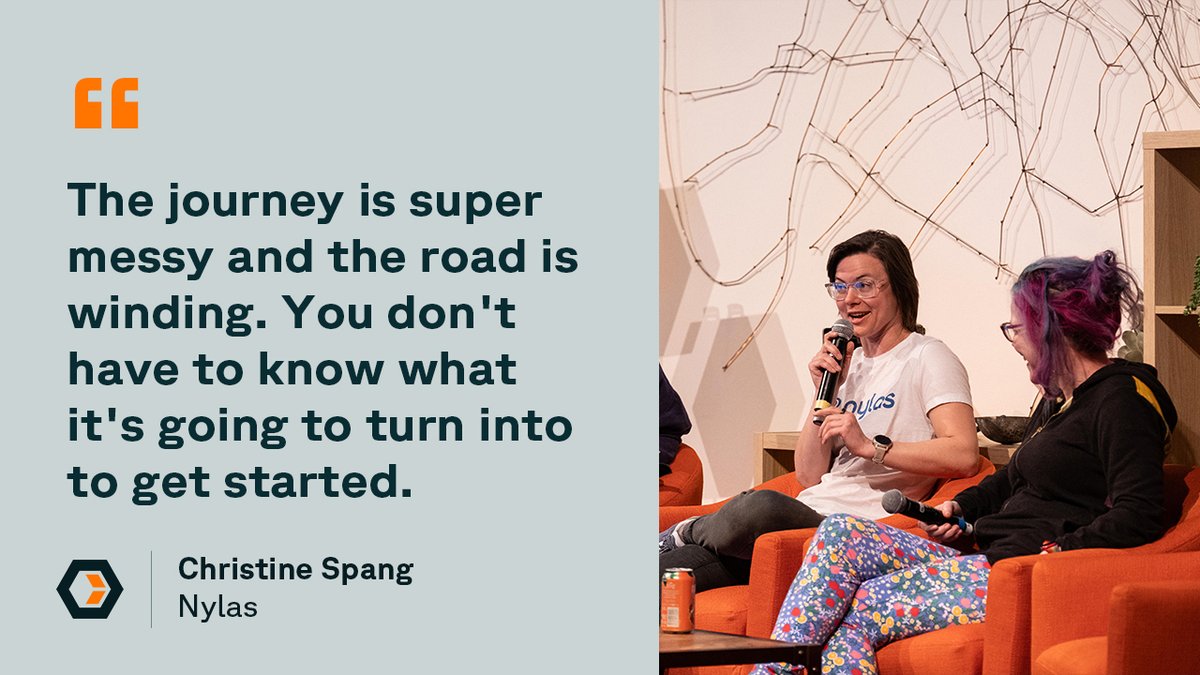
Early-stage leadership is messy. Christine Spang (@spang) of @nylas and Charity Majors (@mipsytipsy) of @honeycombio open up about truth-telling, burnout, and what makes culture stick.
💻 Check out their insightful talk from DevGuild: hubs.ly/Q03M8Qgn0
2
3
1,997
Christine Spang retweeted

20 Oct 2025
Dear Founders,
The vast majority of you are going to regret maximizing your valuation when the bubble pops. Just because you can raise at 100x, doesn't mean its the right decision.
♥️, Brian.
59
44
805
104,373
27 Aug 2025
Can't say enough about how much I love @MinimalistPhone . Makes picking up my phone to do something so much less distracting.
I even feel able to reinstall the X/Twitter app which I used to not use because of infinite scroll -- the in-app time tracking allows one to be so much more mindful about only browsing for as long as you intend to.
1
1
2
224
25 Aug 2025
AI chatbots are the opposite of your super introverted friend: always asking a question at the end to keep the conversation going
168