
Joined April 2026
- Tweets 102
- Following 48
- Followers 16
- Likes 70
25 Photos and videos








Jun 12
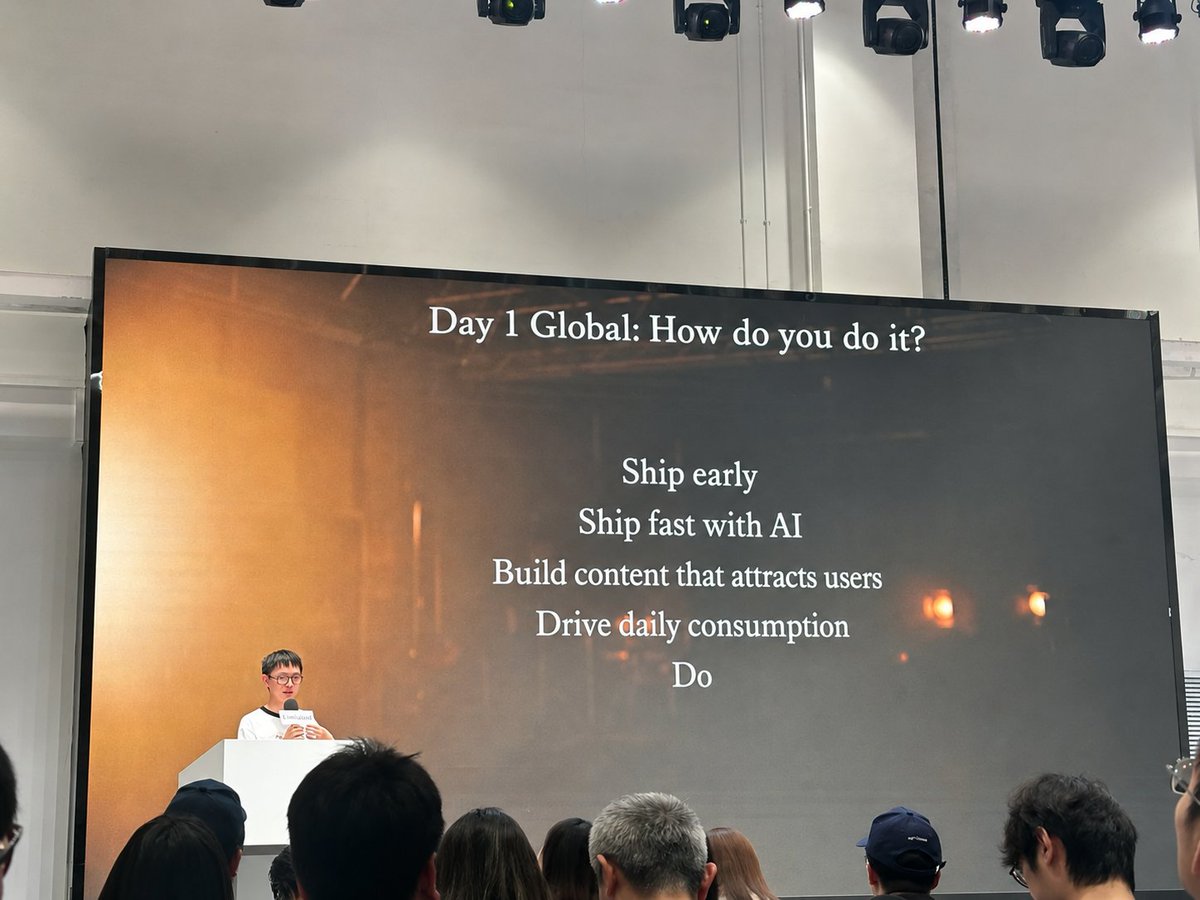
Most teams think global is a later-stage strategy.
I think that's backwards.
Global should shape how you build from Day 1.
Not after the product is mature.
Not after the local market is saturated.
Day 1.
1/ Ship early.
Your first version does not need to be perfect.
It needs to touch real users.
A rough product with real feedback beats a polished product built in isolation.
The market teaches faster than meetings.
2/ Ship fast with AI.
AI is not the strategy.
Speed is.
And Sealos helps turn that speed into a repeatable system:
idea → content → feedback → iteration → growth
Fast shipping only matters when the team can keep running the loop.
3/ Build content that attracts users.
In a global market, content is distribution.
Tutorials.
Comparisons.
Build logs.
Case studies.
Failure notes.
Content turns your product thinking into user acquisition.
4/ Drive daily consumption.
Getting attention is easier than earning habit.
Give users a reason to come back daily:
new data
new tasks
new workflows
new content
new community loops
A product used once is useful.
A product used daily becomes infrastructure.
5/ Do.
This is the part people skip.
They analyse.
They plan.
They wait.
But Day 1 Global is a daily operating system:
ship something
publish something
talk to users
read feedback
improve the product
every day.
Global does not start with a launch campaign.
It starts with how you build.
Ship early.
Ship fast with AI.
Use Sealos to make the workflow repeatable.
Create content that pulls users in.
Build daily reasons to return.
Then do it again tomorrow.
#Sealos #AI #BuildInPublic
16
Jun 9
I keep a small note whenever a GitHub repo makes me stop scrolling.
RyanCodrai/turbovec did that for me today.
The useful question is not whether RyanCodrai/turbovec is clever. It is what routine work it makes easier to repeat.
I care about the workflow around it: who runs it, what artifact it produces, and how the team learns from the result.
That is the lane I want Sealos Skills to live in: less screenshot hype, more runnable workflow.
Repo: github.com/RyanCodrai/turbov…
What repo recently made you think: this should be a workflow, not just a bookmark?
#GitHubTrending #SealosSkills #AICodingAgents
1
2
18
Jun 5
I keep noticing the same pattern in AI app demos:
The build looks fast.
The release still feels heavy.
A local demo can feel finished while the actual product is still unavailable to everyone else.
The growth opportunity is not another shiny demo. It is helping builders cross the repo-to-runtime gap with less manual glue.
Curious where this breaks for you?
#SealosSkills #AICodingAgents #DevTools #RepoToProduction #Day2Ops
17
Jun 5
Builder confession:
I used to treat deployment as the boring last step.
Now I think it is where product truth starts showing up.
I would test this by posting a contrarian take about downstream devops costs and asking builders which cost still hurts.
The repo is the beginning. Runtime is where the user starts voting.
What do you check before you ship?
#SealosSkills #AICodingAgents #DevTools #RepoToProduction #Day2Ops
11
Jun 3
If you can generate the repo but cannot share a stable link, you do not really have a shipping workflow.
You have a strong start.
Small teams need fewer invisible handoffs between code, deploy, runtime, and feedback.
That is what I want Sealos Skills to keep making concrete.
GitHub: github.com/labring/sealos-sk…
#RepoToProduction
7
Jun 3
A project like affaan-m/ECC is exciting because it treats agent work like a system, not a one-off prompt.
github.com/affaan-m/ECC
My builder brain immediately asks: what happens after the agent produces something useful?
Can the workflow turn into a deployable artifact, a review path, and a running app?
That is the Sealos Skills angle I keep coming back to.
#AIAgents #SealosSkills
5
Jun 3
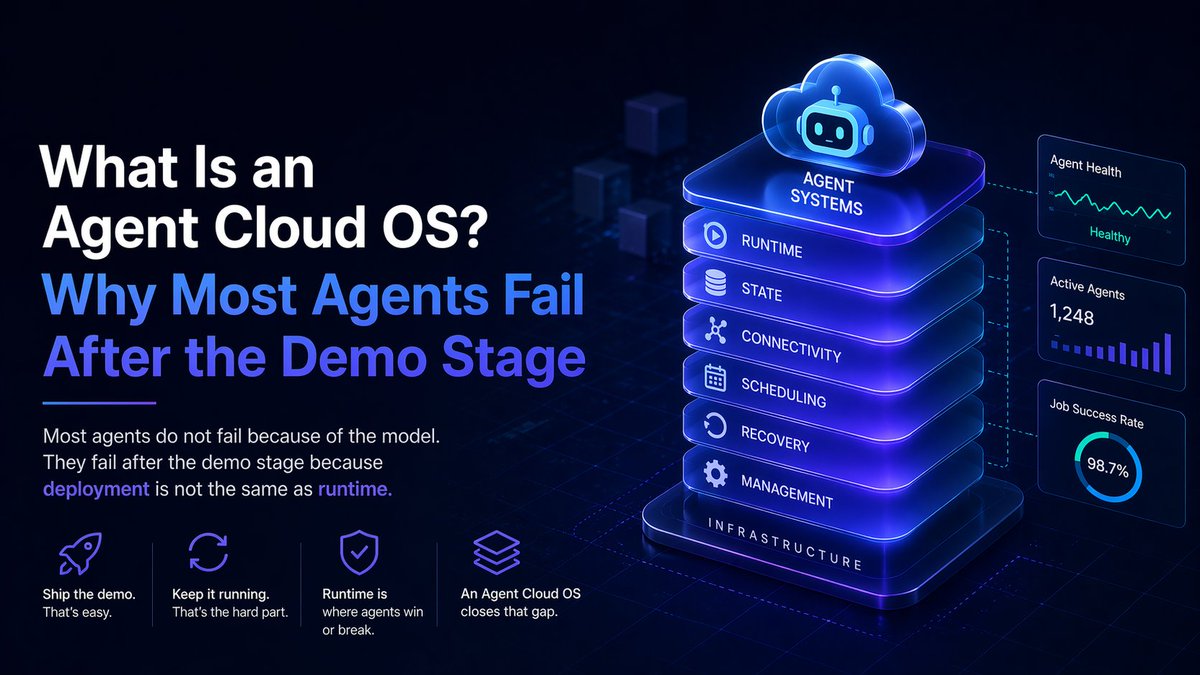
The hard part is not making a demo look alive.
It is making the product ready for the world to push back.
A running app needs logs, rollback, update paths, and a place where user feedback returns to the builder.
That is the last mile I want Sealos Skills to make less fragile.
sealos.io/sealos-skills/
#BuildInPublic
2
Jun 2
Today’s repo I noticed: microsoft/markitdown — Python tool for converting files and office documents to Markdown.
github.com/microsoft/markitd…
The interesting part is not just conversion to Markdown. It is what happens after a useful local tool becomes part of a team workflow.
That is the repo-to-running-app gap I want Sealos Skills to make easier.
12
Jun 2
I’ve been noticing a weird gap in AI-built apps.
The demo gets easier every month.
The handoff to something a team can actually run still feels too fragile.
That last mile is what I’m working on with Sealos Skills: repo → deployable app → Sealos Cloud → something users can try.
What breaks first in your flow?
sealos.io/sealos-skills/
11
May 14
Reusable Codex skills for GPT Image 2 storyboards, Seedance 2.0 video prompts, and cinematic previs workflows. github.com/AGI-Ruby/ai-GPT_I…
How to Install all bundled skills into Codex ⬇️
👉After this package is published to npm, install with the package name directly.
🖊️npx agi-ruby-ai-video-skills install --target codex
1
2
98
ruby.sh retweeted

May 13
ngl, Recordly surprised me.
It feels like the open-source Screen Studio alternative I wanted.
→ Auto zooms.
→ Cursor polish.
→ Webcam overlay.
→ Nice backgrounds.
→ GIF/MP4 export.
And it runs on macOS, Windows, and Linux.
Cap is great for async team videos, Recordly feels better for polished local demos.
Huge fan of this direction. @webadderall
2
1
5
292
May 12
One of the most underrated markets in software right now is global SMB.
A lot of people still assume that if you are not selling to enterprise, the market is too small.
I think that is wrong.
Small teams around the world are more viable than before.
They can move faster, buy faster, and adopt faster.
Especially when the product is:
self-serve
globally understandable
lightweight
and easy to deploy
That is why I keep liking devtools, AI workflow tools, and collaboration products for global SMBs.
Not every big opportunity looks enterprise-shaped.
29
May 11
I like agent tools more when they touch the real shipping path.
Seakills is an open-source skill/plugin for deploying projects to Sealos Cloud from Claude Code, Codex, or Gemini CLI.
Install:
npx skills add labring/seakills
Then run:
/sealos-deploy
Not a flashy demo. More like a practical bridge between “agent wrote the code” and “the app is actually running somewhere.”
Repo:
github.com/labring/seakills
A star helps more builders find it.
65
May 10
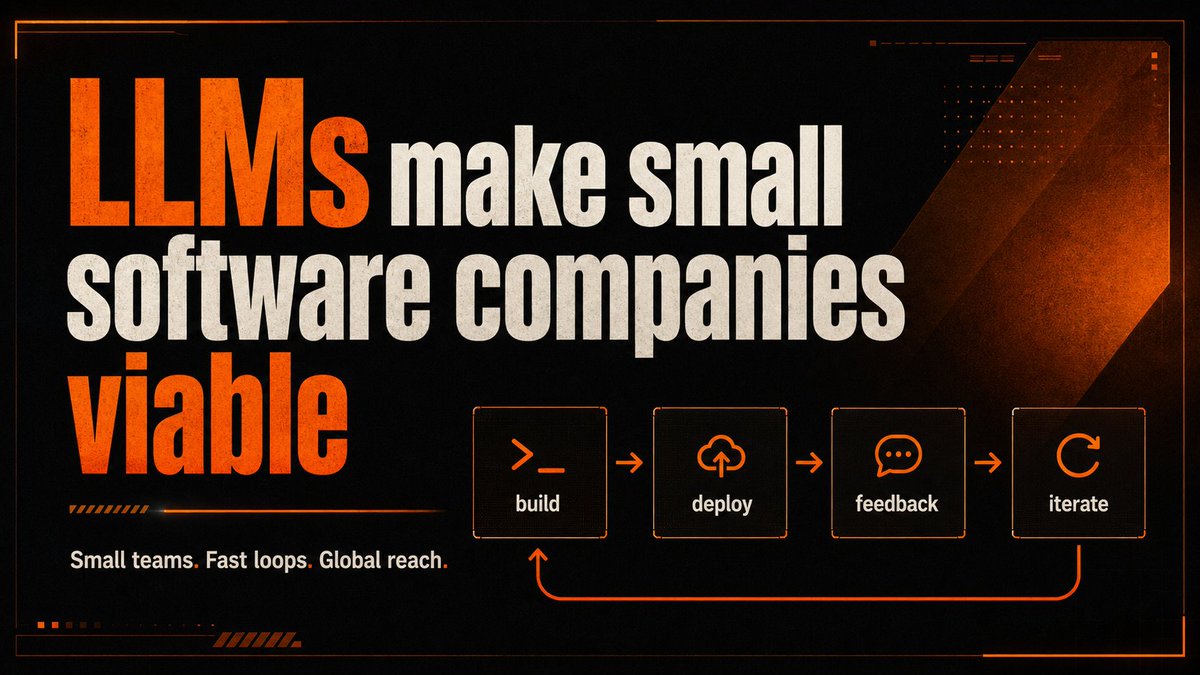
Vibe coding is only useful if it helps you reach user feedback faster.
Writing code faster is not the end goal.
The real goal is shortening the loop:
build
deploy
get feedback
iterate
If the code gets written in minutes but still takes too long to ship, test, and learn from, the leverage is incomplete.
That is why I think the real advantage is not just AI-assisted building.
It is compressing the full path from idea to live product to insight.
19
May 9
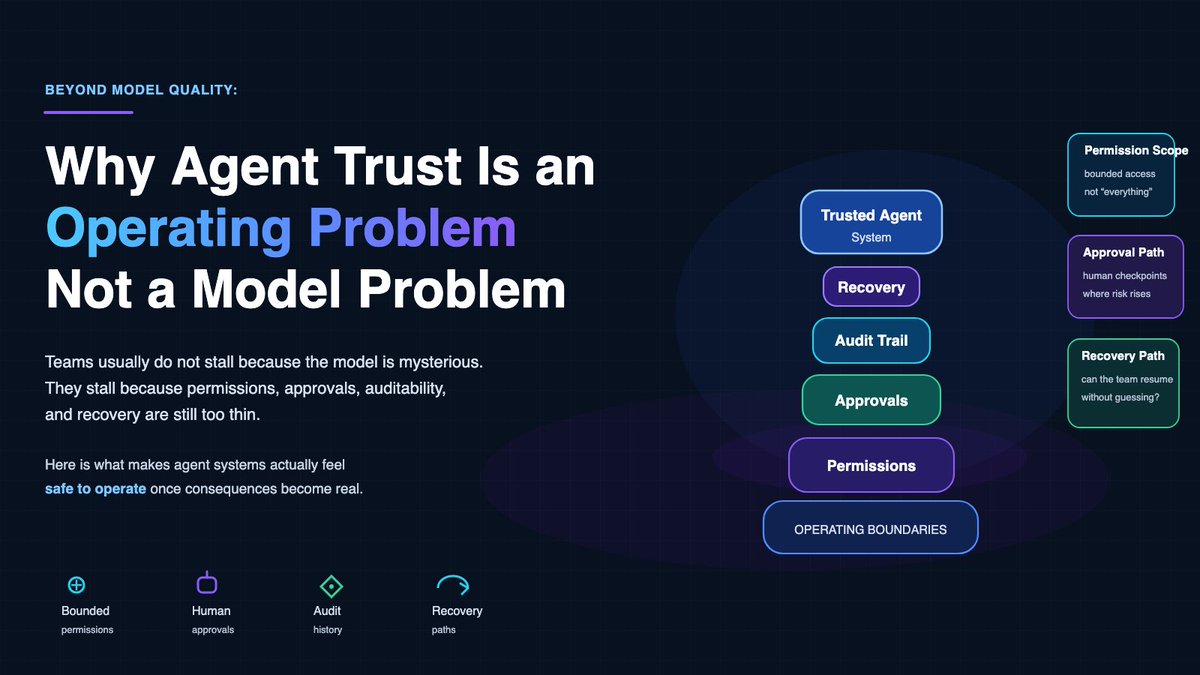
The first deploy is usually not the real bottleneck.
Day-2 operations are.
Getting an app live is one thing.
Keeping it healthy is another.
What breaks after launch is usually not the landing page.
It is everything around it:
visibility
recovery
config drift
dependency issues
resource limits
A lot of platforms help you get to "live."
Far fewer help you stay in control after that.
That is where the real product gap still is.
13