
82 Photos and videos








Restaurant Managers have a lot to manage, put it all in one place and focus then on the things that make the business money. Not a cranky server. Dailygm.com
2
Spartan retweeted

Apr 19
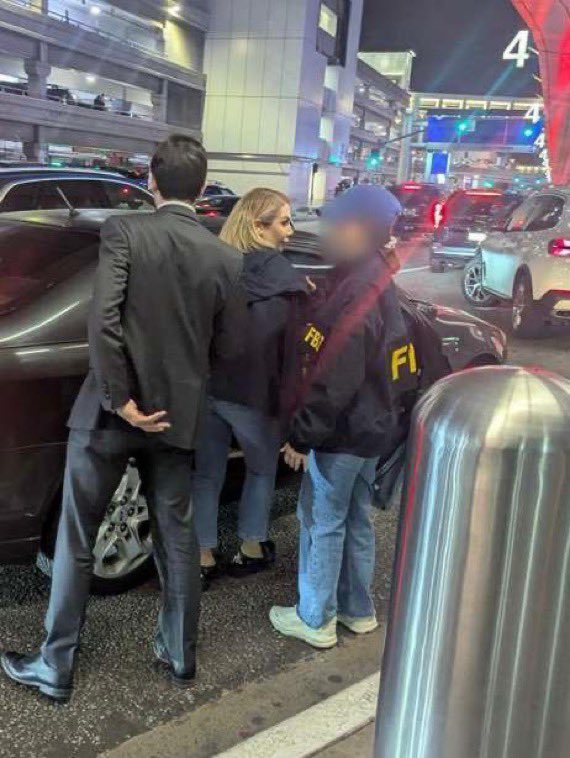
Iranian woman who moved to the US in 2016 was caught procuring weapons for the regime in Iran.
In all honesty, every single Iranian who arrived during the Biden and Obama years should be vetted at this point. So many regime supporters and outright criminals went right in.

55
768
3,132
32,235
Spartan retweeted

Apr 18
🇺🇸 Hero principal Kirk Moore got shot in the leg while disarming a school shooter who intended to kill students, staff, and himself…
The principal then shows up to prom 10 days later and gets crowned Prom King
Absolute legend.
Kids safe, shooter stopped, and he still shows up for his students like a boss.
He's the living embodiment of true sacrifice!
Source: oz11201 / TT
82
536
4,628
154,602
I'm building better experiences with @cloudinary image and video APIs!
Whether building websites or native apps, see how you can deliver more value below.
cloudinary.com/invites/lpov9…
19
Spartan retweeted

Apr 6
The guy just landed a spacecraft on a comet — one of the most impressive scientific achievements in years.
His reward? A public struggle session because his bowling shirt had scantily clad women on it.
Helen Andrews points out the quiet cost of institutional feminization: HR departments now hunt down any maverick personality and stamp it out.
We’re losing innovators we’ll never even know about, all because someone focused on the shirt instead of the comet.
This is how wokeness actually works.
Have you seen real excellence get punished for something trivial like this?
1,699
12,791
78,574
37,529,643
Spartan retweeted

Mar 29
ICE is operating the entire TSA pre-check operation in LaGuardia. Checking boarding passes, helping people load bags onto the scanner. TSA agents on metal detectors and screens.
Massive line that stretches to the street, made it through in less than 30 minutes. ICE rocks.
442
2,675
21,300
779,222
Spartan retweeted

Mar 26
Jaylen Brown put Shai in the mix… sheesh.
298
2,410
25,004
649,748
Spartan retweeted
Mar 13
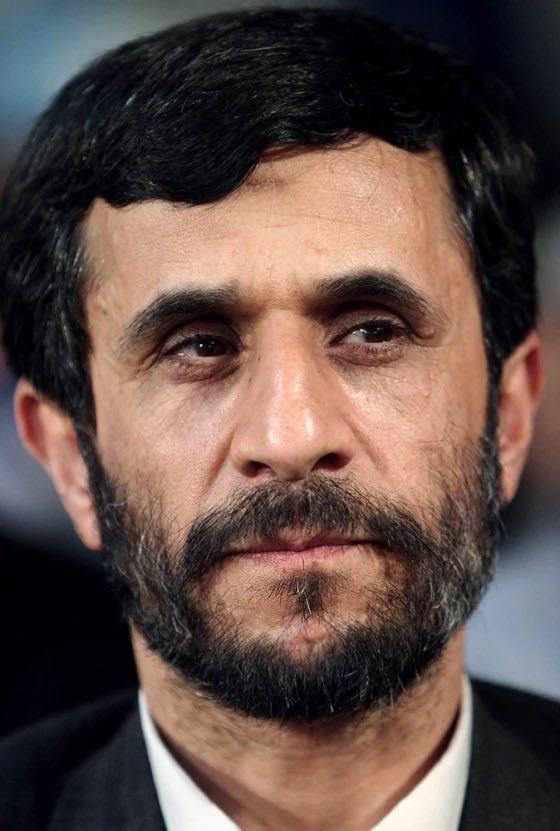
I wouldn't be surprised if it turns out Mahmoud Ahmadinejad provided Israel and America with some kind of vital intelligence, and that's why they allegedly saved him by bombing his "security" in Narmak.
He is a crypto-Jew (yes really) whose family converted to islam and changed their surname. Sabourjian is his actual family name, which means "tallit weaver".
For the longest time Mahmoud overcompensated for this by being an evil, insane islamist freak.
His loyalty to the regime has been shaky for many years and he reportedly met with Israelis several times. Also, bear in mind that he never spoke out about Gaza, but did offer support after Trump was nearly killed.
Yes he is evil, but also an opportunist who chooses the winning side. I would not be surprised if he somehow turns out to be instrumental to this whole operation.
233
380
3,211
322,733
Spartan retweeted

Mar 11
🚨BREAKING - MASSIVE NON-NUCLEAR EXPLOSION IN QOM, IRAN JUST NOW
Qom is Iran's clerical capital
Lots of speculation that the USA has used its 30,000lb GBU-57A/B Massive Ordnance Penetrator (MOP)
which has RARELY been used, and can penetrate 200 feet into the earth.
2,160
8,709
58,247
6,039,221
Massie do better.
Mar 11

Of course.
@RepThomasMassie was exposed last week for having radical Muslim donors, and now his supporters are wearing Keffiyehs ahead of President Trump’s rally in Kentucky this afternoon.
Mullah Massie!
19
Spartan retweeted

The BBC Doesn't Make Mistakes. It Makes Choices
The BBC has made another error. A live translation of Pete Hegseth's Pentagon address rendered the word "regime" as "mardom," the Persian word for "people." So when the Defence Secretary told the world that the regime that chanted death to America had been gifted death in return, BBC Persian told its audience inside Iran that the American government was threatening the Iranian people. The BBC issued a correction. It called the mistranslation "human error." That is also what it called Panorama.
When the BBC edited Trump's January 6th speech, it did not accidentally make him sound more peaceful. It cut the line where he called for his supporters to march "peacefully and patriotically," spliced in footage from elsewhere, and broadcast the result a week before the American presidential election. The BBC's own standards adviser called it deliberate distortion. The Chairman Samir Shah eventually called it an "error of judgment." The Director-General Tim Davie said nothing of substance. Two senior executives resigned. Trump sued for ten billion dollars. And throughout, the Corporation's position was consistent: mistake, not malice. Human error. Regrettable. Corrected.
Now examine the Hegseth translation. A single word, "regime," becomes "people." Not a complex clause. Not an ambiguous idiom. One word, with one meaning, translated into its opposite. And the effect was not neutral. BBC Persian broadcasts inside Iran, to people for whom the distinction between the regime and the people is not semantic. It is the difference between those who imprison and those who are imprisoned. When that audience heard America threatening the Iranian people, they did not hear a translation error. They heard confirmation of what the Islamic Republic has told them for forty years. The BBC handed the regime its propaganda line, live, with the American Defence Secretary's voice attached.
Thamar Eilam-Gindin, a Persian linguist and Iran expert at Haifa University, said the mistranslation fundamentally altered the meaning of the address. She added that among diaspora Iranians she works with regularly, the incident confirmed what they already believed: that BBC Persian runs a long-standing pro-regime editorial line. That charge does not come from Republican media monitors or Trump's legal team. It comes from Iranian exiles. The people with the most direct experience of both the regime and the BBC's coverage of it have reached their verdict.
The BBC will say the two incidents are not comparable. Panorama was edited; this was live. One was deliberate craft; the other was a translator under pressure. But this defence only holds if you believe the errors are random. Random errors scatter. They make subjects sound better and worse, more threatening and less, more guilty and more innocent, in rough proportion. The BBC's errors do not scatter. They cluster. Trump is made more dangerous. America is made more threatening. Iran's regime is made less culpable. Israel's actions are made less justified. The mistakes, every time, travel in the same direction as the ideology. That is not a coincidence. That is a culture.
An institution whose errors always serve its prejudices has not made errors. It has made choices. The method changes. The outcome never does. And the people who pay the price are not politicians with lawyers. They are Iranians inside Iran, who tuned into a service their licence fee helps fund, and were told that America wants them dead.
"The BBC's errors do not scatter. They cluster. Trump is made more dangerous. America is made more threatening. Iran's regime is made less culpable. Israel's actions are made less justified. The mistakes, every time, travel in the same direction as the ideology."
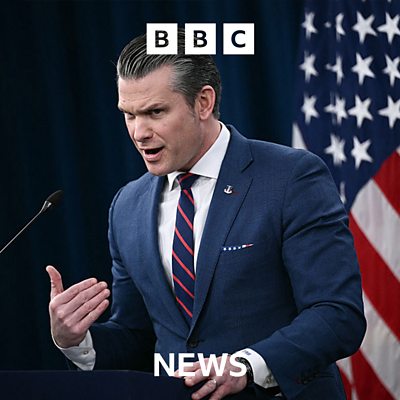
ALT US Secretary of State for Defence Pete Hegseth
525
3,964
12,249
359,273
Spartan retweeted

Mar 6
Yah, this isn’t normal.

Tucker Carlson's transformation from being a critic of Islam to pro-Islam (2006 - present).
205
750
2,593
56,815
Spartan retweeted

Mar 6
🚨 ANALYSIS — THE “GULF STATES PULLING INVESTMENTS” NARRATIVE IS STRATEGIC FICTION 🚨
The claim that Saudi Arabia, UAE, and Qatar are preparing to pull investments from the United States over the Iran conflict is economically and strategically impossible. It collapses under even basic geopolitical and financial analysis.
First, Gulf sovereign wealth funds are structurally tied to the U.S. financial system. Saudi PIF, ADIA (UAE), and QIA collectively manage over $3–4 trillion in assets, and a large portion of those holdings are U.S. dollar-denominated securities, U.S. equities, and long-term infrastructure investments. Liquidating them during a crisis would inflict catastrophic self-damage, destabilize their own currencies (which are pegged to the U.S. dollar), and erase hundreds of billions in value. No rational sovereign fund does this.
Second, their entire security architecture depends on the United States.
The Gulf’s air defense, missile defense, ISR, naval escort capability, and early-warning networks are overwhelmingly U.S.-built and U.S.-operated. In a war environment, the strategic response is deeper integration with the U.S. security umbrella, not financial divorce.
Third, the Hormuz narrative is exaggerated for effect. Even under heavy tensions, global energy markets rapidly reroute flows, and Gulf exporters possess redundant shipping corridors, storage, and pipeline capacity designed precisely for wartime contingencies.
Finally, the idea that sovereign wealth funds would suddenly invoke force majeure to unwind geopolitical partnerships worth trillions ignores how these contracts actually function. Force majeure clauses do not allow discretionary political withdrawals from sovereign investment frameworks.
⚡ Bottom line:
This story is a classic perception-warfare operation, inflate temporary war pressure into a fictional collapse of the U.S.–Gulf economic alliance.
The strategic reality is the opposite: conflict historically tightens, not breaks, the Gulf–U.S. security and financial axis.
5
7
45
5,389
Spartan retweeted

Mar 5
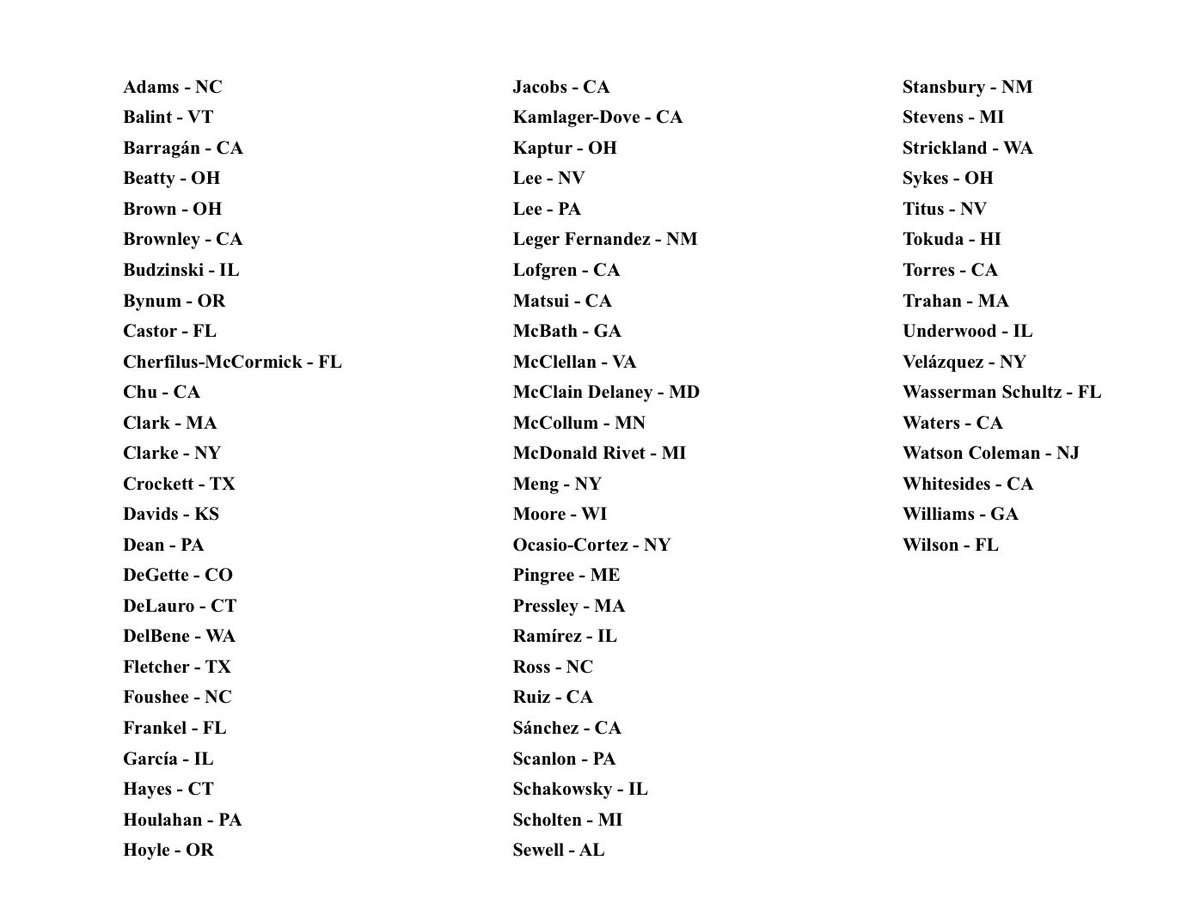
78 female Democrats in Congress BLOCKED the release of sexual misconduct reports.
The same ones yelling about Epstein 24/7.
The irony is wild.
2,474
35,769
87,979
1,632,419
Spartan retweeted
Mar 5
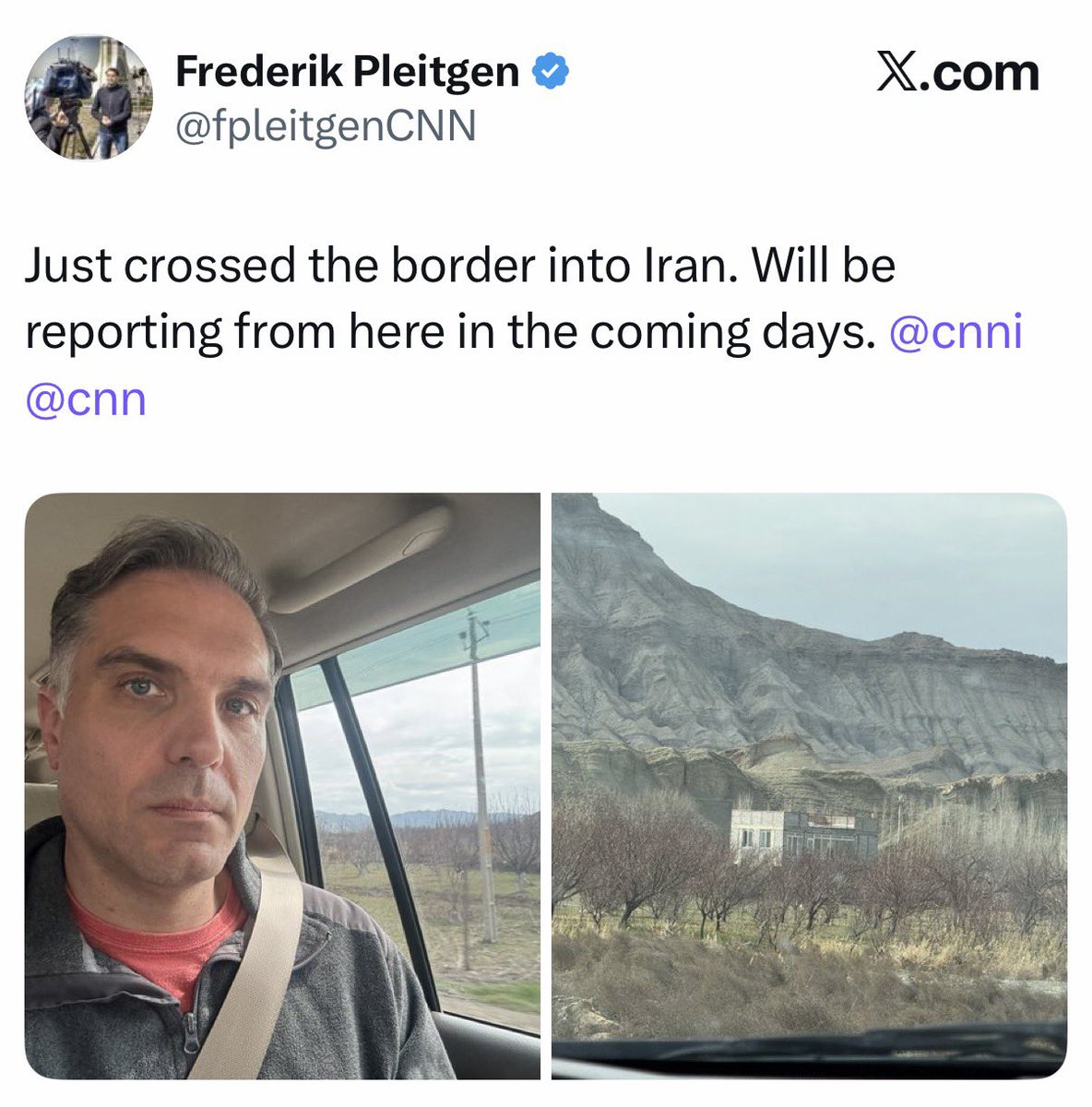
If the regime in Iran allows you in as a journalist while they are at war with your country, it's because they see you as a useful tool.
And because they know you will align with their propaganda.
CNN continues to be FAKE NEWS.
299
2,603
8,483
89,811
Spartan retweeted
Mar 4
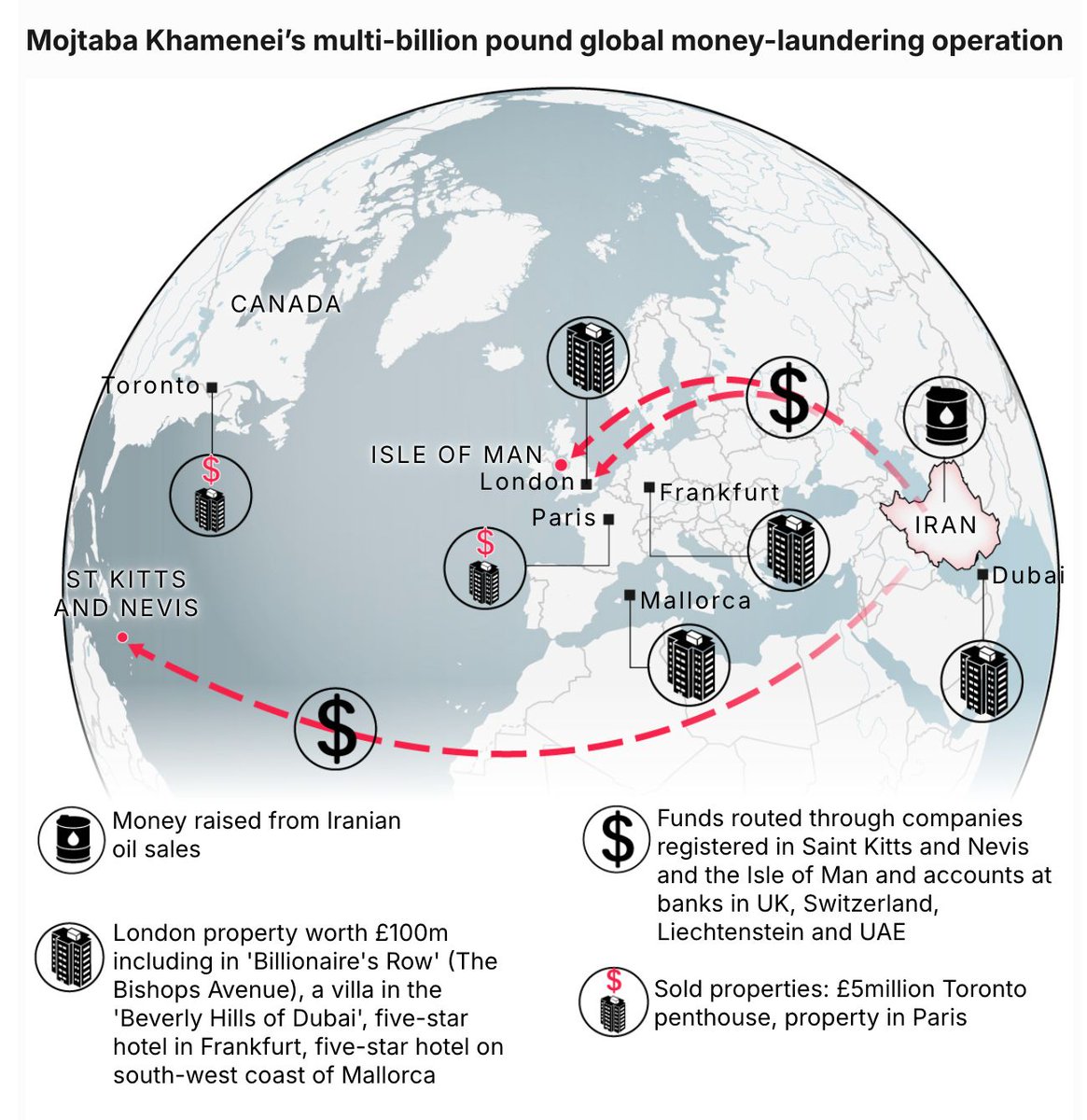
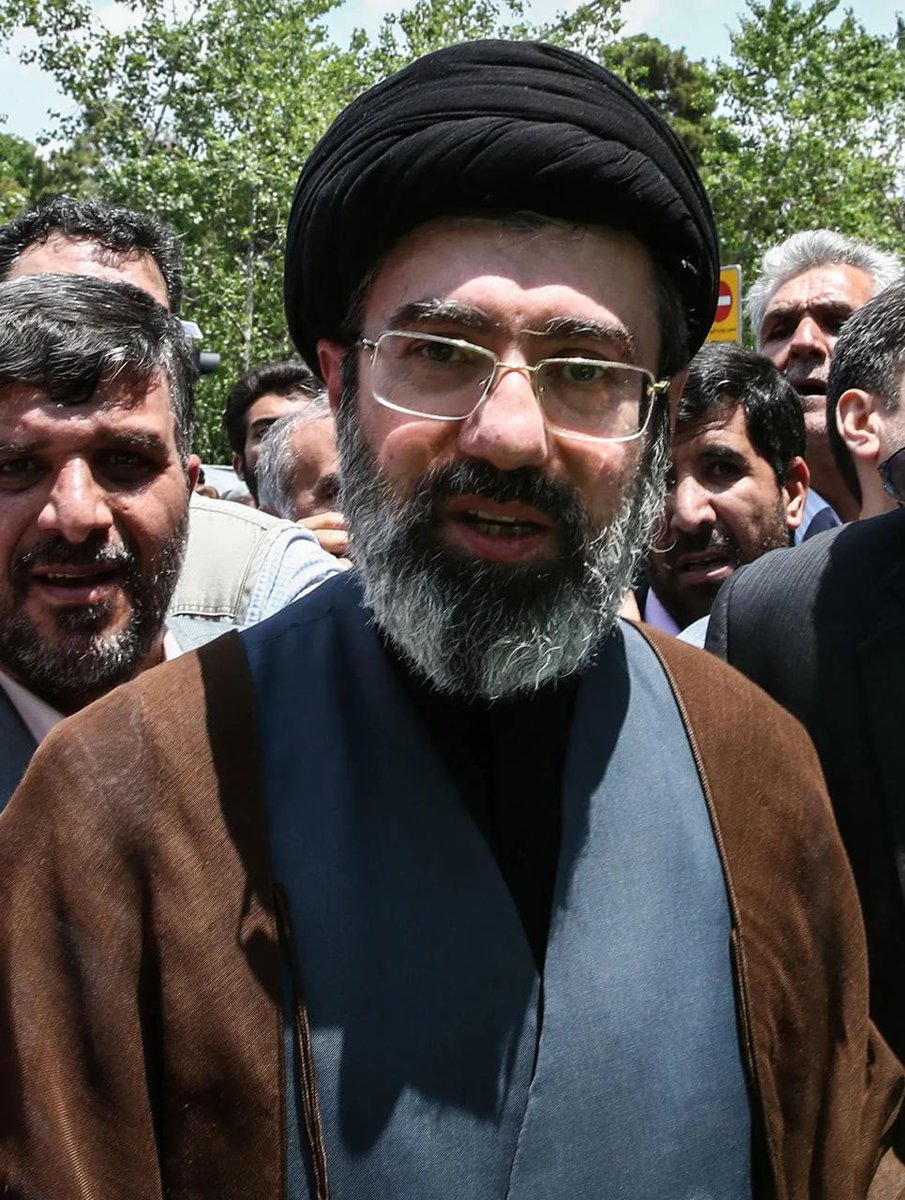
🇮🇷 Iran's likely next Supreme Leader preaches resistance against the West. Here's how he lives:
-$40M mansion on London's Billionaire's Row
-$300M in gold and diamonds
-Swiss bank accounts
-Banks in UAE, Syria, Venezuela and Africa
-Private jet, helicopter, fleet of Mercedes
-Moved $328M to Dubai via crypto in January alone
His wealth comes from taxing Iranian oil sold to China and India while Iranian civilians suffer under the sanctions he helps perpetuate.
Source: Daily Mail
Mar 4

🚨🇮🇱 🇮🇷 CNN journalists duck for cover live on air in a bomb shelter while rockets hit Tel Aviv.
1,016
5,381
14,192
1,249,685
Spartan retweeted

I can’t believe it, CBS News is reporting the unfiltered truth about Iran
“If you're looking for an origin point of this current war, don't look to the earliest hours of this Saturday. Look back to November 4th, 1979. That was the day Iranian revolutionaries stormed the U.S embassy in Tehran, capturing 52 Americans and parading them in blindfolds for the whole world to see
A new and daring element was disclosed today in the Iran crisis.
For the next 444 days, they were held captive. The tally kept nightly by Walter Cronkite. Finally, the hostages were released, but that wasn't the end of the story. In 1983, 241 U.S service members were killed in their barracks by an Iran-backed suicide bomber in Beirut.
Americans can argue whether this is a war of necessity, but what's clear from the history is that the fuse of this explosion is 50 years long and has included the loss of thousands of American and Iranian lives. Every president since Jimmy Carter has tried to end this conflict.
In 2015, president Barack Obama announced a deal to stall Iran's nuclear ambitions, a deal that President Trump replaced with a campaign of maximum pressure, and now military might.
Today the United States military continues to carry out large-scale combat operations in Iran to eliminate the grave threats posed to America by this terrible terrorist regime.
That history is why the president's allies in Congress say he hasn't started a war with Iran. He's finishing one.”
829
7,603
23,731
512,203
Spartan retweeted

Mar 4
Last night @Keir_Starmer gave the game away. The UK is not challenging the mullahs in Iran because he is pandering to militant Islam.
Any British politician advocating against our joining the US in this necessary action is effectively supporting militant Islam in the UK
1,149
4,243
17,161
256,992

"The Spanish and other "internationalists" are living in a fantasy universe, where the fundamentalist lunatics who run Iran are decent gentlemen who can be reasoned with, as if it's all a misunderstanding. But it's not."
Mar 3

Who doesn't like negotiations?
Let me explain what is so dangerous about this "just negotiate" school of international diplomacy, because it sounds so reasonable but it's suicidal.
While the sides were negotiating, the balance of power was shifting. The Iranians were manufacturing 100 ballistic missiles a day and fortifying underground missile factories. The West cannot manufacture the much more costly interceptors at the same rate.
The offensive-defensive balance was shifting in Iran's favor. And it was reaching a tipping point where it would become invulnerable. It would have so many missiles, and such a well-fortified missile production line, that no military threat would be credible. Meanwhile, it was sealing a deal with China for supersonic anti-ship missiles that would leave it supreme in the Strait of Hormuz, making it impossible for the United States to stop it blockading the strait.
Once Iran had a conventional shield of ballistic missiles, it could race toward nuclear weapons unmolested, because nobody could touch it. You see how Iran is attacking civilians in Israel, the UAE, and across the Arab world? It could do that, x100.
The Iranian negotiators walked into the room with the Americans and said, "We have enough material for 11 nuclear bombs, that's our starting position."
So how would the Americans negotiate in a year if the Iranians made the same threat, and now there was no way to stop them if they were determined to build those nukes? What reason would Iran have to back down when it could walk away from talks and get what it wanted anyway?
Negotiations are only as good as the threat of force that underpins them. The Spanish and other "internationalists" are living in a fantasy universe, where the fundamentalist lunatics who run Iran are decent gentlemen who can be reasoned with, as if it's all a misunderstanding. But it's not.
The Iranian regime wants to build nukes, America and Israel want to stop it, and if we didn't act NOW, there would be no way to stop it, and nothing to talk about.
4
7
26
2,708
Spartan retweeted

Mar 1
BREAKING
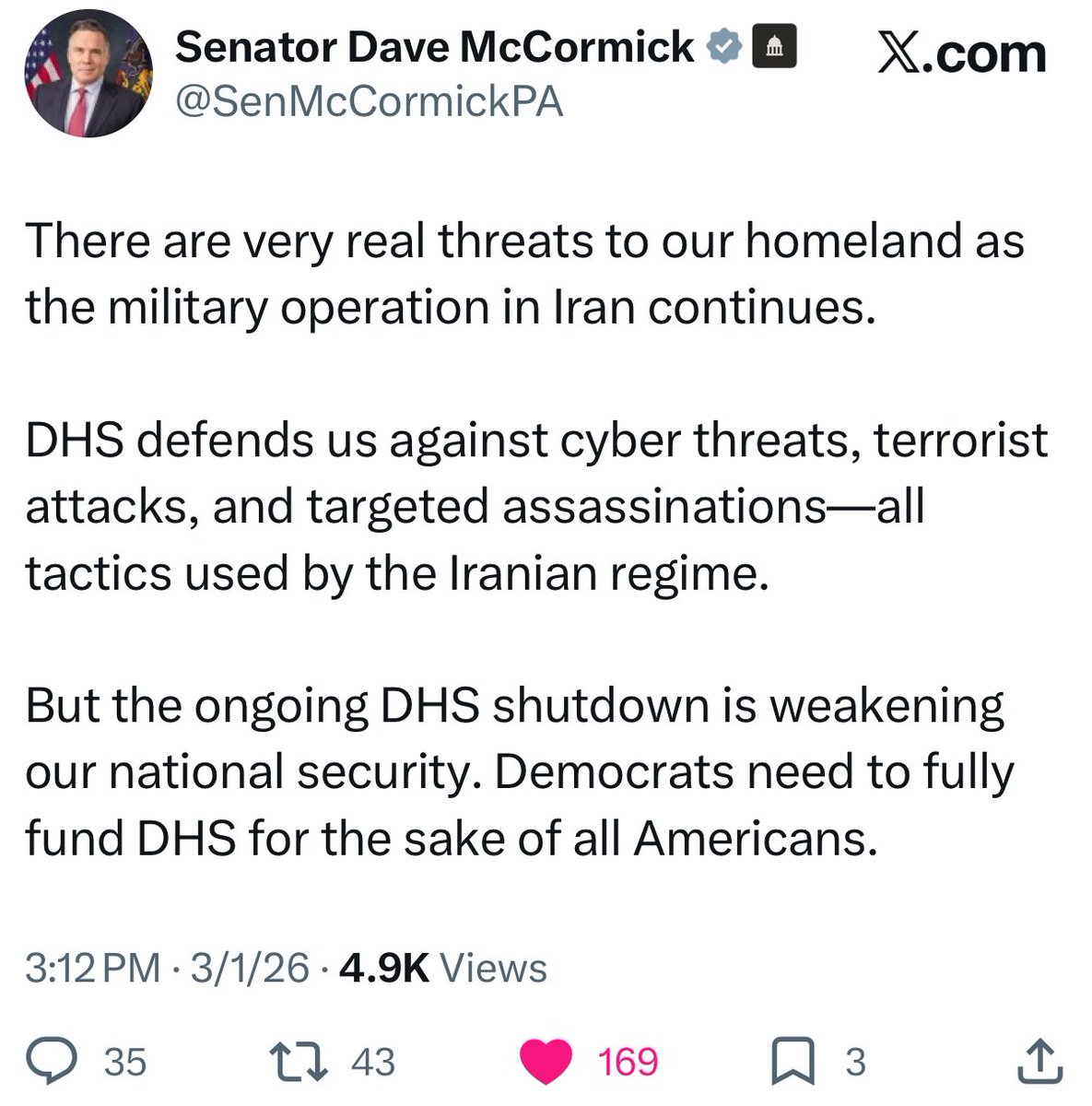
Senator Dave McCormick (R-PA) released the following statement:
“But the ongoing DHS shutdown is weakening our national security. Democrats need to fully fund DHS for the sake of all Americans.”
👏
@SenMcCormickPA
120
1,623
4,477
73,800